
The Cotswold Way: A Journey Through Quintessential England
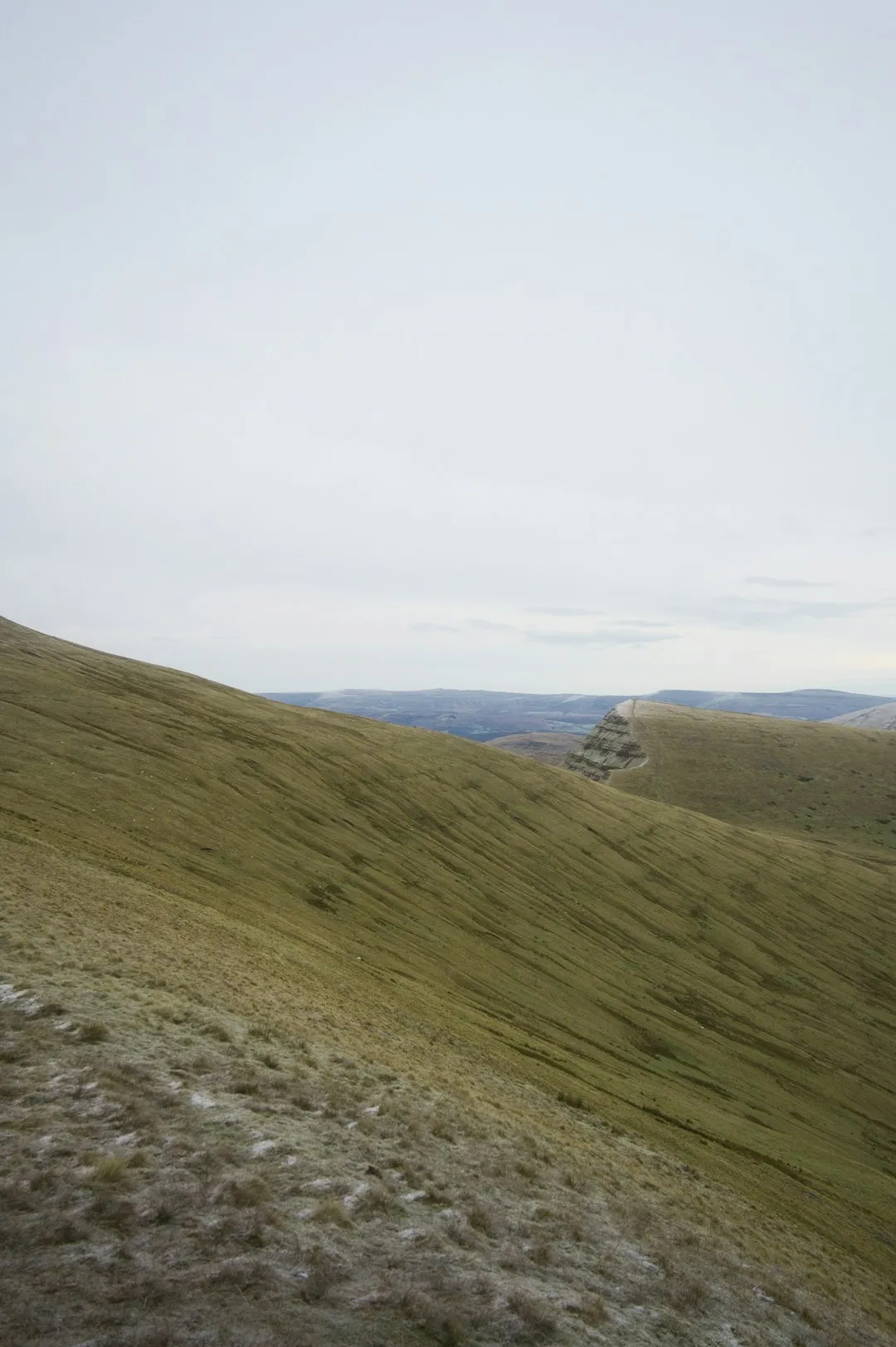
The Cotswold Way is a 164-kilometre National Trail that winds its way through the heart of the Cotswolds Area of Outstanding Natural Beauty in south-central England. This iconic long-distance path offers a captivating journey through rolling hills, ancient woodlands, and picturesque villages that epitomise the charm and beauty of the English countryside. From the historic market town of Chipping Campden in the north to the Roman city of Bath in the south, the trail traverses a landscape shaped by centuries of agricultural tradition, dotted with honey-coloured limestone villages, grand country estates, and dramatic escarpments offering breathtaking panoramic views.
- Distance: 164 km one-way
- Duration: 7–9 days
- Season: April–October (best weather, wildflowers, and open facilities)
- Accommodation: A mix of B&Bs, inns, hotels, and campsites in villages along the route
- Highest point: Dover's Hill (230 m)
- Lowest point: River Avon at Bath (approx. 20 m)
- Direction: South to north (Chipping Campden to Bath) or north to south (Bath to Chipping Campden)
- Difficulty: Moderate (due to undulating terrain and daily distances)
Overview
The Cotswold Way is more than just a walk; it's an immersion into a landscape that has inspired artists, writers, and poets for generations. The trail is renowned for its gentle, rolling topography, making it accessible to a wide range of walkers, yet it still offers enough undulation to provide a satisfying challenge. The defining characteristic of the Cotswolds is its distinctive honey-coloured limestone, which forms the bedrock of the region and is used in the construction of its charming villages, historic churches, and grand manor houses. As you traverse the path, you'll encounter a rich tapestry of flora and fauna, from ancient beech woodlands that burst with bluebells in spring to open meadows teeming with wildflowers in summer.
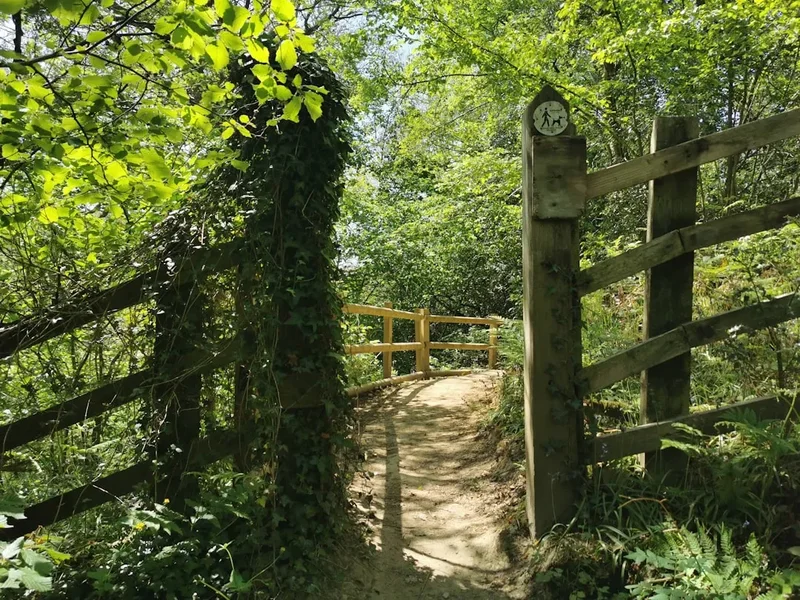
The route is meticulously waymarked, ensuring that navigation is generally straightforward, allowing walkers to focus on the scenery and the experience. The trail often follows the crest of the Cotswold escarpment, providing spectacular views across the Severn Vale to the west and the rolling Cotswold hills to the east. Along the way, you'll pass through a succession of delightful villages, each with its own unique character and history. From the medieval market square of Chipping Campden to the elegant Georgian architecture of Bath, the trail offers a continuous journey through England's past and present.
The Cotswold Way is not a wilderness experience in the traditional sense; it is a journey through a managed and inhabited landscape. However, its beauty lies in the harmonious integration of human settlement and natural environment. The trail offers ample opportunities to stop for refreshments in traditional pubs, explore historic churches, and discover local crafts. The moderate difficulty, combined with the abundance of amenities and the sheer beauty of the scenery, makes the Cotswold Way one of the most popular and rewarding long-distance walks in the United Kingdom.
History and Cultural Context
The landscape through which the Cotswold Way passes has been shaped by human activity for millennia. Evidence of prehistoric settlements can be found throughout the region, with Iron Age hill forts like those at Uley Bury and Norbury Camp testifying to the area's ancient strategic importance. The Romans also left their mark, establishing villas and roads, the most famous of which is the Fosse Way, which the Cotswold Way crosses at several points.
The medieval period was a golden age for the Cotswolds, driven by the lucrative wool trade. The region's abundant sheep provided high-quality wool, which was exported across Europe, bringing great wealth to the area. This prosperity is reflected in the magnificent Perpendicular Gothic churches found in many of the villages, such as St. Peter's in Chipping Campden and St. John the Baptist in Cirencester. These "wool churches" are testament to the wealth and piety of the merchants who funded their construction.
The Industrial Revolution brought changes, with some areas experiencing a decline as the wool trade shifted. However, the inherent beauty and character of the Cotswold villages began to attract artists and writers in the late 19th and early 20th centuries. Figures like William Morris, who established a craft community at Kelmscott Manor, championed the region's traditional crafts and architecture. This renewed appreciation for the Cotswolds' heritage played a significant role in its designation as an Area of Outstanding Natural Beauty (AONB) in 1966.
The Cotswold Way itself was officially established as a National Trail in 1970, consolidating existing footpaths and bridleways into a cohesive long-distance route. Its creation aimed to provide a dedicated path for walkers to experience the unique landscape and heritage of the Cotswolds, connecting many of the region's most significant historical and natural sites. The trail continues to be a vital part of the region's identity, promoting tourism and encouraging the preservation of its distinctive character.
Seasonal Highlights and Weather Reality
The Cotswold Way is a year-round destination, but the experience varies significantly with the seasons. The most popular time to walk is between April and October, when the weather is generally milder and the days are longer.
Spring (April–May): This is a beautiful time to walk, with the landscape coming alive after winter. Bluebells carpet the woodlands, particularly in areas like the Wychwood Forest, and the first wildflowers begin to appear in the meadows. The weather can be unpredictable, with a mix of sunshine and showers, but temperatures are generally pleasant. Birdsong is abundant, and the lambing season adds to the pastoral charm.
Summer (June–August): The longest days and warmest temperatures make summer ideal for covering longer distances. The rolling hills are lush and green, and the villages are often bustling with visitors. Wildflowers are at their peak in the meadows, and the hedgerows are full of berries. However, summer can also bring periods of hot, dry weather, and the trail can be busy, especially on weekends and in popular villages. Sandflies can be a nuisance in damp, shaded areas, though less prevalent than in some other regions.
Autumn (September–October): Autumn offers a spectacular display of colour as the leaves on the trees turn shades of gold, red, and brown. The air is crisp, and the light is often soft and beautiful, making for excellent photography. The crowds of summer have thinned, and the pubs are cosy and welcoming. The weather can be variable, with a higher chance of rain and cooler temperatures as the season progresses.
Winter (November–March): While the Cotswold Way can be walked in winter, it is generally less appealing for most walkers. The days are short, the weather can be cold, wet, and windy, and some facilities may be closed or have reduced hours. However, for those who don't mind the challenge, winter offers a quieter, more introspective experience, with starkly beautiful landscapes and the chance to see frost-covered hills and ancient trees. Snow is infrequent but can transform the landscape dramatically when it occurs.
Weather: The Cotswolds experience a temperate maritime climate. Rainfall is distributed fairly evenly throughout the year, though summers can be drier. Temperatures are generally mild, with average summer highs around 20–23°C and winter lows around 2–5°C. The escarpment can be exposed to winds, so it's always advisable to be prepared for changeable conditions, regardless of the season.
Recommended Itinerary
7-Day Cotswold Way Itinerary (North to South)
Day 1: Chipping Campden to Broadway
- Distance: 15 km
- Elevation gain: 250 m
- Time: 3–4 hours
- Start in the picturesque market town of Chipping Campden
- Ascend to Dover's Hill for panoramic views
- Pass through the charming village of Broadway
- Arrive in Broadway, a larger village with good amenities
Day 2: Broadway to Stanton/Stanway
- Distance: 12 km
- Elevation gain: 200 m
- Time: 3–4 hours
- Continue north along the escarpment
- Explore the idyllic villages of Stanton and Stanway
- Option to visit Stanway House and its famous fountain
- Overnight in Stanton or Stanway
Day 3: Stanton/Stanway to Cleeve Hill/Winchcombe
- Distance: 16 km
- Elevation gain: 300 m
- Time: 4–5 hours
- Climb to Cleeve Hill, the highest point in the Cotswolds
- Enjoy expansive views from the summit
- Descend towards the historic town of Winchcombe
- Explore Winchcombe's ancient abbey and Sudeley Castle
Day 4: Winchcombe to Birdlip
- Distance: 22 km
- Elevation gain: 350 m
- Time: 5–6 hours
- A longer day traversing varied terrain
- Pass through more rolling hills and woodlands
- Arrive in the village of Birdlip, offering good views
Day 5: Birdlip to Painswick
- Distance: 14 km
- Elevation gain: 200 m
- Time: 3–4 hours
- Continue south along the escarpment
- Pass through the picturesque village of Cranham
- Arrive in Painswick, known for its churchyard yews
Day 6: Painswick to Stroud/Nailsworth
- Distance: 18 km
- Elevation gain: 250 m
- Time: 4–5 hours
- Descend from the escarpment towards the Stroud valley
- Pass through the former industrial town of Stroud or continue to Nailsworth
- Explore the unique landscape of the Stroud Valleys
Day 7: Stroud/Nailsworth to Bath
- Distance: 27 km
- Elevation gain: 300 m
- Time: 6–7 hours
- The longest day, leading to the historic city of Bath
- Follow the Avon Valley towards the final destination
- Arrive in Bath, a UNESCO World Heritage site
- Celebrate the completion of the trail
Alternative Itinerary (9 Days): For a more relaxed pace, consider breaking down the longer days or adding rest days in key locations like Winchcombe or Painswick.
Important Notes:
- Accommodation should be booked well in advance, especially during peak season.
- Public transport links are available in many villages, allowing for flexibility in planning.
- The trail is well-signposted, but a map and compass are recommended for navigation.
- Be prepared for varied weather conditions.
Planning and Bookings
Book Your Trip
Everything you need to plan your journey
Accommodation
Find places to stay near Chipping Campden
Flights
Search flights to Chipping Campden
Essential Preparation
The Cotswold Way is a well-established National Trail, and planning is relatively straightforward compared to more remote routes. However, booking accommodation in advance is crucial, particularly during the peak season (May to September) and on weekends. The trail passes through numerous villages, offering a good selection of B&Bs, inns, hotels, and campsites. It is advisable to book your accommodation for each night of your trek before you set off.
Logistics: The trail can be walked in either direction, but the most popular route is from north to south (Chipping Campden to Bath). This direction often places the prevailing wind at your back and allows for a grand finale in the historic city of Bath. For transport, the nearest major airport is Bristol (BRS) or Birmingham (BHX). Train services connect to towns near the trail, such as Moreton-in-Marsh (for Chipping Campden) and Bath Spa. Local bus services operate between many of the villages, which can be useful for shorter sections or for accessing amenities. If driving, parking is available in Chipping Campden and Bath, and in some villages along the route, though it can be limited.
Base Towns: Chipping Campden is an excellent starting point, offering a quintessential Cotswold experience. Bath is a magnificent city and a fitting end to the trail, with a wealth of historical sites and amenities. Intermediate towns like Broadway, Winchcombe, and Painswick offer charming places to stay and explore.
Trail Accommodation
The Cotswold Way offers a diverse range of accommodation options to suit different budgets and preferences. These are typically found in the villages and towns along the route.
Types of Accommodation:
- Bed & Breakfasts (B&Bs): Numerous family-run B&Bs offer comfortable rooms and a hearty English breakfast.
- Inns and Pubs: Many traditional pubs offer rooms, providing a cosy atmosphere and convenient access to evening meals.
- Hotels: Larger towns and some villages have hotels ranging from boutique to more standard options.
- Guesthouses: Similar to B&Bs, offering private rooms with shared or en-suite facilities.
- Campsites: Several campsites are available along the route for those who prefer to camp.
Booking Requirements: It is highly recommended to book accommodation at least 2–3 months in advance, especially for the peak season (May–September) and for popular villages. Booking platforms like Booking.com, Airbnb, or direct booking with individual establishments are common. For those seeking a fully supported trek, luggage transfer services are available, which can transport your main bags between accommodations.
Facilities Provided: Typically include a bed, breakfast (in B&Bs/inns), and clean facilities. Most accommodations will have Wi-Fi, though this can be variable in more rural locations.
What's NOT Provided: Meals other than breakfast (unless specified), toiletries, and personal items. Campsites will provide pitches but usually no equipment.
Seasonal Availability: Most accommodations are open year-round, but some may have reduced availability or operate on a seasonal basis (e.g., closing during the winter months). It's always best to check with individual establishments.
Costs: Prices vary significantly. Expect to pay approximately £70–£150 per night for a double room in a B&B or inn, and potentially more for hotels. Campsite fees are typically £15–£30 per night.
Required Gear
- Waterproof Jacket: A good quality, breathable waterproof jacket is essential, as the weather can change quickly.
- Waterproof Overtrousers: To complement your jacket and keep you dry in persistent rain.
- Walking Boots: Sturdy, waterproof walking boots with good ankle support are highly recommended. Ensure they are well broken-in to prevent blisters.
- Comfortable Walking Socks: Several pairs of moisture-wicking socks (e.g., merino wool) are crucial for foot comfort and blister prevention.
- Backpack: A comfortable daypack (20–30 litres) for carrying essentials like water, snacks, waterproofs, and a first-aid kit.
- Navigation: A detailed map of the Cotswold Way (e.g., Ordnance Survey Explorer maps) and a compass. A GPS device or smartphone with a reliable mapping app is also useful, but don't rely solely on electronics.
- First-Aid Kit: Including blister plasters, antiseptic wipes, pain relievers, bandages, and any personal medications.
- Head Torch: Useful for early starts, late finishes, or if staying in basic accommodation.
What to Bring
- Clothing Layers: Pack lightweight, quick-drying layers. Include thermal base layers, a fleece or insulating mid-layer, and comfortable walking trousers (avoid jeans).
- Food and Snacks: While villages offer plenty of opportunities to refuel, carry energy bars, fruit, and water for the walking day.
- Water Bottles/Hydration Pack: Aim to carry at least 1.5–2 litres of water per person, especially on warmer days.
- Sun Protection: Sunscreen, sunglasses, and a sun hat are advisable, even on cloudy days.
- Toiletries: Travel-sized toiletries, including biodegradable soap and hand sanitiser.
- Insect Repellent: Particularly useful during summer months, though sandflies are not a major issue on this trail.
- Walking Poles: Optional, but can be beneficial for reducing strain on knees, especially on descents.
- Camera: To capture the stunning scenery and charming villages.
- Mobile Phone and Power Bank: For communication and navigation.
- Cash: While most places accept cards, it's useful to have some cash for smaller purchases or in more remote locations.
Permits
The Cotswold Way is a National Trail in the United Kingdom, and as such, it does not require specific permits for walking. The path is maintained by local authorities and the National Trails Partnership, and public access is generally guaranteed.
Access Rights: The trail largely follows public footpaths and bridleways, which are legally protected routes. In some sections, particularly through private estates or farmland, the path may be clearly defined and waymarked. It is important to respect private property and stay on the designated trail.
Accommodation Bookings: While no permits are needed for the trail itself, booking accommodation in advance is essential, as mentioned in the planning section. This is particularly true for B&Bs, inns, and hotels, which can fill up quickly, especially during peak season and weekends.
Camping: If you plan to camp, you will need to book pitches at designated campsites. Wild camping is generally not permitted in England without the landowner's explicit consent, and this is strictly enforced in the Cotswolds AONB.
National Trust and English Heritage Sites: Many points of interest along the Cotswold Way, such as Sudeley Castle or various historic houses, may have their own admission fees and opening times. Membership with organisations like the National Trust or English Heritage can provide free access to many of these attractions.
No specific permits are required for walking the Cotswold Way. The primary requirement is to book your accommodation and be prepared for the journey.
Other Activities in the Area
The Cotswolds offer a wealth of activities beyond walking the trail:
- Explore Historic Villages: Dedicate time to wander through villages like Bourton-on-the-Water (often called the "Venice of the Cotswolds"), Stow-on-the-Wold (famous for its market square and ancient church door), Bibury (home to Arlington Row), and Castle Combe (often cited as England's prettiest village).
- Visit Country Houses and Gardens: Discover magnificent estates such as Sudeley Castle (with its royal connections), Blenheim Palace (a UNESCO World Heritage site), and Hidcote Manor Garden (a renowned Arts and Crafts garden).
- Discover Market Towns: Experience the vibrant atmosphere of market towns like Cirencester (the "Capital of the Cotswolds"), Tetbury (known for its antique shops), and Chipping Norton.
- Enjoy Local Cuisine and Pubs: Sample traditional Cotswold fare in charming country pubs, from hearty pies to local ales and cheeses.
- Antique Shopping: The Cotswolds are a treasure trove for antique enthusiasts, with numerous shops and fairs throughout the region.
- Visit the Cotswold Farm Park: A family-friendly attraction showcasing rare breeds of farm animals and offering insight into rural life.
- Explore Roman History: Visit Chedworth Roman Villa or the Corinium Museum in Cirencester to learn about the region's Roman past.
- Hot Air Balloon Rides: Experience breathtaking aerial views of the Cotswold landscape.
Safety and Conditions
The Cotswold Way is a well-trodden and generally safe trail, but it's important to be prepared:
Terrain: The trail is predominantly on well-maintained footpaths, bridleways, and country lanes. However, there are some sections with uneven ground, roots, and stones. The undulating nature of the hills means there are numerous ascents and descents, which can be demanding on the legs and knees.
Weather: The weather in the Cotswolds can be changeable. Be prepared for sunshine, rain, and wind, even in summer. Always check the forecast before you set out each day. Hypothermia is a risk in colder months or if you get wet and cold.
Navigation: While the trail is well-signposted with the acorn symbol, it is essential to carry a map and compass and know how to use them. Mobile phone signal can be intermittent in some rural areas, so do not rely solely on your phone for navigation.
Livestock: You will encounter livestock, including sheep and cattle, in fields along the route. Always keep dogs under close control, and close gates behind you to prevent animals from escaping. Do not disturb or feed the animals.
Road Crossings: The trail crosses several roads, some of which can be busy. Exercise caution when crossing and be aware of traffic.
Accommodation Safety: Ensure you book accommodation in advance, especially during peak season. If staying in remote areas, inform someone of your itinerary and expected arrival time.
First Aid: Carry a well-stocked first-aid kit and know how to treat common walking ailments such as blisters, sprains, and cuts. Consider taking a basic first-aid course.
Emergency Contacts: In case of emergency, dial 999 or 112 and ask for the relevant service (Police, Ambulance, Fire, Mountain Rescue). Have your location ready if possible.
Water: While there are villages with shops and pubs along the route, it's advisable to carry sufficient water, especially on longer stretches between settlements. Water from streams should be treated before drinking.
Side Trips and Points of Interest
The Cotswold Way is rich with historical sites, natural beauty, and charming villages that warrant detours:
Dover's Hill: Located just north of Chipping Campden, this viewpoint offers spectacular panoramic vistas across the Vale of Evesham and beyond. It's a perfect spot to begin your journey or take a break.
Broadway Tower: A striking folly atop Broadway Hill, offering 360-degree views of the surrounding countryside. It's a popular spot for picnics and photography.
Stanway House and Fountain: A beautiful Jacobean manor house with one of the tallest gravity-fed fountains in the world, which can be seen operating on select days.
Sudeley Castle: Near Winchcombe, this historic castle has a rich royal past and beautiful gardens. It's a significant historical detour.
Cleeve Hill: The highest point in the Cotswolds, offering expansive views and ancient hill forts. It's a prominent landmark on the trail.
Painswick Rococo Garden: A unique 18th-century garden designed for entertainment and spectacle, offering a whimsical contrast to the natural landscape.
Chedworth Roman Villa: A well-preserved Roman villa with impressive mosaics, offering a glimpse into Roman life in Britain.
The Rollright Stones: A prehistoric stone circle and associated megaliths, steeped in folklore and legend, located a short distance from the main trail near Chipping Norton (requires a detour).
Arlington Row, Bibury: A picturesque row of weavers' cottages dating back to the 17th century, a quintessential Cotswold scene.
Bath Abbey and Roman Baths: The culmination of the trail, these iconic landmarks in Bath are a must-see, offering a deep dive into Roman and medieval history.
Leave No Trace
The Cotswold Way traverses a cherished and often densely populated rural landscape. Practising Leave No Trace principles is vital to ensure the trail remains enjoyable for everyone and to protect the environment and local communities.
Plan Ahead and Prepare: Research your route, book accommodation in advance, and be aware of local customs and regulations. Pack appropriately for the weather and terrain.
Travel and Camp on Durable Surfaces: Stick to the marked paths and bridleways. Avoid cutting across fields or through sensitive vegetation. If camping, use designated campsites and follow their rules.
Dispose of Waste Properly: Pack out everything you pack in, including all litter, food scraps, and wrappers. Use designated bins in villages or take your rubbish home. Use toilet facilities in villages or pubs; if wild toileting is unavoidable, do so well away from water sources and bury waste at least 15 cm deep, packing out used toilet paper.
Leave What You Find: Do not pick wildflowers, disturb wildlife, or remove natural or historical artefacts. Take only photographs and memories.
Minimise Campfire Impacts: Campfires are generally not permitted on the Cotswold Way. If camping, use a portable stove for cooking.
Respect Wildlife: Observe wildlife from a distance and never feed animals. Keep dogs under close control, especially around livestock and ground-nesting birds.
Be Considerate of Other Visitors: Keep noise levels down, especially in villages and near accommodation. Yield to other walkers and cyclists on the path. Respect the peace and quiet of the countryside.
By adhering to these principles, you help preserve the beauty and character of the Cotswolds for future generations of walkers and residents.