
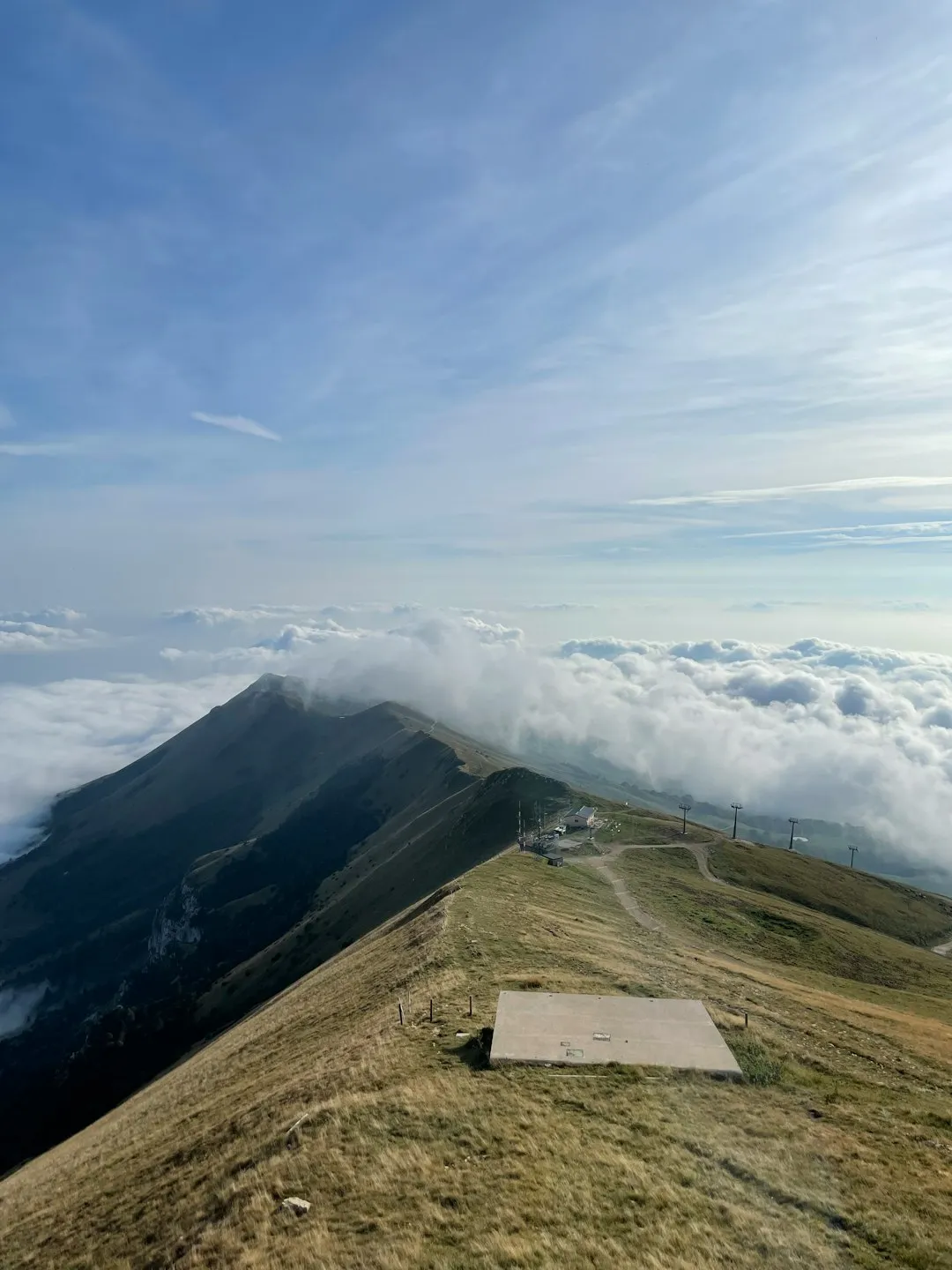
Corno Grande Loop - Gran Sasso National Park
The Corno Grande Loop is a challenging yet immensely rewarding day hike situated within the breathtaking Gran Sasso National Park in Italy's Abruzzo region. This circular route ascends to the formidable Corno Grande, the highest peak in the Apennines, offering unparalleled panoramic views across the rugged mountain landscape. The trail winds through diverse terrain, from alpine meadows dotted with wildflowers to scree-covered slopes and exposed rocky ridges, demanding a good level of fitness and sure-footedness. It is a journey that encapsulates the wild, untamed beauty of the Apennine mountains, providing a true sense of accomplishment for those who conquer its heights.
- Distance: 12.0 km
- Elevation Gain: 800 m
- Duration: 5-7 hours
- Difficulty: Moderate to Challenging
- Best Time: June to September
- Closest City: L'Aquila
- Trailhead Access: Prati di Tivo
- Permits: Not typically required for day hiking
Overview
The Corno Grande Loop is a spectacular day walk that takes you to the summit of the Apennines' highest peak, Corno Grande, standing at 2,912 metres. This route is not for the faint of heart; it involves a significant elevation gain of 800 metres over a relatively short distance, culminating in a challenging ascent to the summit plateau. The trail begins at Prati di Tivo, a popular mountain resort area, and quickly begins its climb. Initially, the path winds through alpine meadows, offering glimpses of the surrounding peaks and valleys. As you gain altitude, the vegetation thins, and the terrain becomes more rugged, transitioning to scree and rocky sections.
The loop typically involves ascending via a well-trodden path that leads towards the summit area, often utilising sections of the "Via Normale" or similar routes, and then descending via a different, perhaps more exposed or technically demanding, path to complete the circuit. The summit itself offers a vast, windswept plateau with a truly awe-inspiring 360-degree vista. On a clear day, you can see across much of central Italy, from the Adriatic Sea to the Tyrrhenian Sea, with the entire Gran Sasso massif laid out before you. The descent often involves navigating loose scree, requiring careful foot placement and concentration. The dramatic geological formations, the stark beauty of the high alpine environment, and the sheer scale of the landscape make this a memorable and challenging mountain experience.
The trail's difficulty is rated as moderate to challenging due to the sustained elevation gain, the rocky and scree terrain, and the exposure at higher altitudes. While no technical climbing is usually required on the standard routes, good hiking boots with ankle support are essential, and poles can be beneficial for managing the scree on the descent. The weather in the mountains can change rapidly, so hikers must be prepared for all conditions, including sun, wind, rain, and even snow, especially in the shoulder seasons.
History and Cultural Context
The Gran Sasso massif, and specifically Corno Grande, has a long history of human interaction, primarily driven by pastoralism and, more recently, mountaineering. For centuries, these high pastures were vital for sheep and cattle grazing during the summer months. The transhumance routes, the seasonal migration of livestock between lowland winter pastures and high mountain summer pastures, were a cornerstone of the regional economy and culture. These ancient paths, often carved by generations of shepherds and their flocks, form the basis of many of the hiking trails in the area today.
The ascent of Corno Grande itself became a goal for early mountaineers in the late 19th and early 20th centuries. As mountaineering gained popularity, Corno Grande, with its status as the highest peak in the Apennines, naturally attracted climbers seeking to test their skills and experience the thrill of high-altitude exploration. The development of routes, including the "Via Normale" (Normal Route) and more technical climbing routes on its sheer faces, reflects the growing interest in alpinism in Italy.
The establishment of the Gran Sasso National Park in 1991 was a crucial step in preserving this unique natural and cultural heritage. The park protects not only the dramatic mountain landscapes but also the traditional ways of life that have shaped the region for centuries, including the maintenance of ancient pastoral practices and the preservation of the natural environment. Today, Corno Grande remains a significant peak for both hikers and climbers, offering a connection to the region's past and a challenging adventure in its wild present.
Seasonal Highlights and Weather Reality
The Corno Grande Loop is best enjoyed during the warmer months when the snow has receded from the higher elevations and the weather is generally more stable. The peak season for hiking is from June to September.
June: The alpine meadows are typically bursting with wildflowers, creating a vibrant and colourful landscape. The weather can still be unpredictable, with a possibility of late snowfalls at higher altitudes, especially in early June. Days are long, offering ample time for the hike.
July and August: These are the warmest months, offering the highest probability of clear skies and stable weather. The summit plateau is usually free of snow, making the ascent and descent more straightforward. However, these are also the busiest months, and Prati di Tivo can be crowded. Afternoon thunderstorms are a common occurrence in the mountains during summer, so starting early is highly recommended.
September: The autumn colours begin to appear, offering a different kind of beauty to the landscape. The crowds thin out, and the weather can still be excellent, though cooler. There is an increased chance of early snowfalls towards the end of the month, so checking forecasts is crucial.
October to May: Outside of the recommended season, the Corno Grande Loop is generally not advisable for standard day hiking. Snow and ice can persist on the trails and summit for much of this period, making the route treacherous and requiring advanced mountaineering skills, equipment (ice axe, crampons), and experience. The access road to Prati di Tivo may also be subject to closures due to snow.
Weather Considerations: Mountain weather is notoriously fickle. Even in summer, conditions can change rapidly. Strong winds, sudden downpours, fog, and significant temperature drops are possible at any time. It is essential to check the weather forecast specifically for the Gran Sasso massif before setting out and to be prepared for a wide range of conditions.
Recommended Itinerary
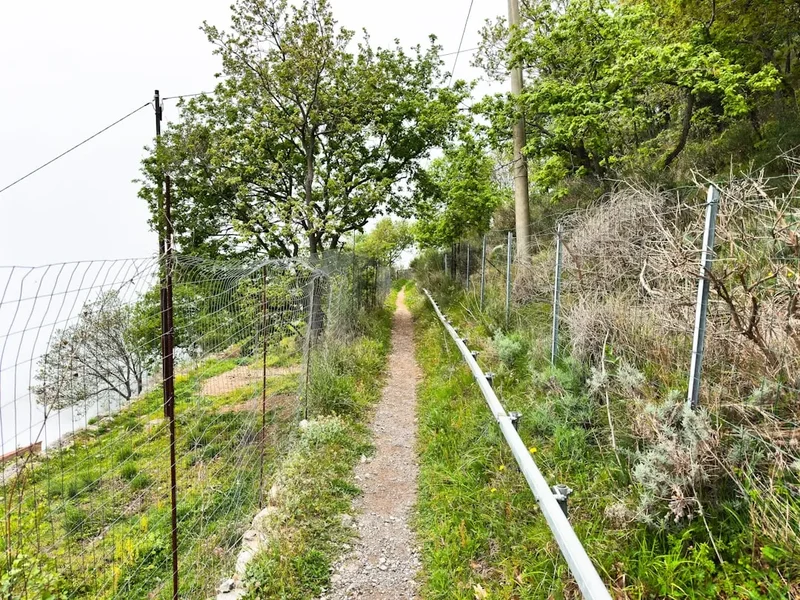
Corno Grande Loop - Day Hike Itinerary
Early Morning (Approx. 7:00 AM): Start at Prati di Tivo
- Begin your hike from the parking area at Prati di Tivo (1,450 m).
- Locate the trailhead for the Corno Grande ascent, often marked with signage for the "Via Normale" or similar routes.
- The initial section of the trail is well-defined, winding through open meadows and sparse woodland.
- Enjoy the crisp morning air and the emerging views of the surrounding peaks.
Morning (Approx. 7:00 AM - 11:00 AM): Ascent to the Summit Plateau
- The trail begins to steepen considerably as you leave the meadows behind.
- You will encounter rocky sections and loose scree, requiring careful foot placement.
- The path may involve some scrambling over larger rocks, but generally remains a hiking trail.
- Pass by distinctive rock formations and enjoy increasingly expansive views of the valley below.
- Aim to reach the area below the summit plateau, often near the Rifugio Franchetti (though this itinerary assumes a direct loop without overnight stays).
Midday (Approx. 11:00 AM - 1:00 PM): Summit Corno Grande
- The final push to the summit involves navigating the rocky terrain of the plateau.
- Follow the most established path towards the highest point.
- Reach the summit of Corno Grande (2,912 m).
- Take ample time to enjoy the spectacular 360-degree panoramic views.
- Identify landmarks and soak in the achievement of reaching the highest peak in the Apennines.
- Have a packed lunch and rehydrate.
Afternoon (Approx. 1:00 PM - 4:00 PM): Descent and Loop Completion
- Begin your descent, typically via a different route to complete the loop.
- This descent often involves navigating steep scree slopes, which can be challenging and require concentration.
- Follow the marked trail, paying close attention to cairns or trail markers.
- The path will gradually lead you back towards the Prati di Tivo area.
- The terrain may vary, potentially including more rocky sections or sections of gravel path.
Late Afternoon (Approx. 4:00 PM - 5:00 PM): Return to Prati di Tivo
- Complete the loop, arriving back at the parking area at Prati di Tivo.
- Reflect on your accomplishment and the incredible mountain scenery you have experienced.
Important Notes:
- This is a demanding day hike; ensure you are physically prepared.
- Start early to avoid afternoon thunderstorms and to allow ample time.
- Carry sufficient water and high-energy food.
- Wear sturdy hiking boots with good ankle support.
- Be prepared for rapidly changing weather conditions.
- The exact route of the loop can vary depending on current trail conditions and personal preference; consult local maps and guides.
Planning and Bookings
Book Your Trip
Everything you need to plan your journey
Accommodation
Find places to stay near L'Aquila
Flights
Search flights to L'Aquila
Essential Preparation
The Corno Grande Loop is a significant undertaking that requires careful planning. Your primary base for accessing the Gran Sasso National Park and the Corno Grande is the city of L'Aquila. From L'Aquila, you will need to drive to the trailhead at Prati di Tivo. The drive from L'Aquila to Prati di Tivo takes approximately 1.5 hours via the SP43 road. Ensure your vehicle is in good condition, as the mountain roads can be winding and steep. Parking is available at Prati di Tivo, though a fee may apply during peak season.
Before embarking on the hike, it is crucial to check the weather forecast specifically for the Gran Sasso massif. Mountain weather can be highly unpredictable, and conditions can change rapidly. Be prepared for strong winds, rain, and significant temperature drops, even in summer. It is also advisable to inform someone of your hiking plans, including your intended route and estimated return time.
Physical fitness is paramount. This hike involves a substantial elevation gain of 800 metres, and the terrain can be challenging, with loose scree and rocky sections. Ensure you have a good level of cardiovascular fitness and leg strength. Practising with a weighted backpack on similar terrain beforehand is recommended.
Trail Accommodation
This is a day hike requiring no overnight accommodation. The Corno Grande Loop is designed to be completed within a single day, starting and finishing at Prati di Tivo. There are no designated campsites or huts along the immediate loop route itself that are intended for overnight stays as part of this specific day hike. However, there are mountain refuges (rifugi) in the broader Gran Sasso area, such as Rifugio Franchetti, which may offer accommodation for those undertaking multi-day treks or more technical ascents, but these are not part of the standard Corno Grande Loop day hike itinerary.
Required Gear
- Sturdy Hiking Boots: Waterproof, with good ankle support and a well-gripped sole for navigating rocky and scree terrain.
- Backpack: A comfortable daypack (25-35 litres) to carry essentials.
- Waterproof Jacket: Essential for protection against rain and wind.
- Waterproof Overtrousers: Recommended for additional protection in wet weather.
- Warm Layers: Including a fleece or insulated jacket, and a hat and gloves, as temperatures can drop significantly at higher altitudes.
- Head Torch: With spare batteries, in case of unexpected delays or early starts.
- Navigation Tools: A detailed map of the area, a compass, and a GPS device or smartphone with offline maps. Familiarity with map reading is essential.
- First Aid Kit: Including blister treatment, bandages, antiseptic wipes, pain relievers, and any personal medications.
- Sun Protection: High SPF sunscreen, sunglasses, and a wide-brimmed hat, as the sun can be intense at altitude.
- Trekking Poles: Highly recommended for stability on ascents and descents, especially on scree.
What to Bring
- Food: Plenty of high-energy snacks (nuts, dried fruit, energy bars) and a substantial packed lunch.
- Water: At least 2-3 litres of water per person. Water sources on the trail are scarce and unreliable, so carry enough for the entire hike.
- Water Treatment: While carrying enough water is primary, a water filter or purification tablets can be a backup if absolutely necessary, though not typically relied upon for this route.
- Toiletries: Hand sanitiser, biodegradable toilet paper (pack out used paper), and any personal hygiene items.
- Mobile Phone: Fully charged, with a power bank if possible. Signal can be intermittent in the mountains.
- Emergency Whistle: For signalling in case of emergency.
- Identification and Emergency Contact Information: Keep this easily accessible.
- Cash: For parking fees or potential purchases at Prati di Tivo.
Permits
For day hiking on the Corno Grande Loop, no specific permits are typically required. The trails within the Gran Sasso National Park are generally open to the public for recreational use. However, it is always advisable to check the official website of the Gran Sasso National Park or local tourist information centres for any updated regulations or specific requirements that may be in place.
While permits are not usually needed for this type of activity, adherence to park rules and regulations is mandatory. This includes respecting the natural environment, staying on marked trails, and not disturbing wildlife or vegetation. The park aims to balance visitor access with the conservation of its unique ecosystems and landscapes.
If you were planning on undertaking more technical climbing routes on Corno Grande or other peaks within the park, or if you intended to stay overnight in mountain refuges (which require separate booking), then specific arrangements or permits might be necessary. For the standard day hike described, however, you can generally proceed without obtaining advance permits.
Other Activities in the Area
The Gran Sasso National Park offers a wealth of activities beyond the Corno Grande Loop, catering to various interests:
- Mountaineering and Climbing: Corno Grande and other peaks in the massif offer numerous climbing routes for experienced mountaineers, ranging from technical rock climbs to ice climbing in winter.
- Via Ferrata: Several Via Ferrata routes are available in the park, providing a thrilling way to experience the mountains with fixed cables and ladders, suitable for those with some climbing experience.
- Other Hiking Trails: The park boasts an extensive network of hiking trails, from gentle walks through valleys to more strenuous multi-day treks. Popular options include routes to Campo Imperatore, the "Campo Imperatore Loop," and trails exploring the surrounding peaks.
- Exploring Campo Imperatore: Known as "Little Tibet," Campo Imperatore is a vast high-altitude plateau offering stunning scenery, opportunities for wildlife spotting, and access to historical sites like the former observatory.
- Wildlife Spotting: The park is home to a diverse range of wildlife, including chamois, wolves, eagles, and various bird species. Keep an eye out during your hikes.
- Visiting Local Villages: Explore charming mountain villages such as Santo Stefano di Sessanio, Castel del Monte, and Rocca Calascio, which offer a glimpse into traditional Abruzzese life and history. Rocca Calascio, in particular, features a spectacular medieval fortress.
- Skiing and Snowshoeing: During winter months, the ski resorts around Prati di Tivo and Campo Imperatore offer opportunities for skiing, snowboarding, and snowshoeing.
Safety and Conditions
Pre-Departure Checks:
- Weather Forecast: Always check the most up-to-date weather forecast for the Gran Sasso massif from reliable sources like MeteoAM or local mountain weather services. Pay close attention to wind speed, precipitation, and temperature at altitude.
- Trail Conditions: While this is a popular route, conditions can change. Check with local park authorities or mountain guides for any recent reports on trail status, especially regarding snow or ice at higher elevations.
- Inform Someone: Let a reliable contact know your hiking plans, including your route, expected start and finish times, and when to expect you back.
Altitude and Exposure: Corno Grande is a high mountain peak. Be aware of the effects of altitude, such as headaches and fatigue. The summit plateau and sections of the trail are exposed to strong winds and can feel significantly colder than at the trailhead. Hypothermia is a risk, even in summer, if you are not adequately dressed.
Terrain Hazards: The trail involves steep ascents and descents over rocky ground and loose scree. Proper footwear is essential to prevent slips and ankle injuries. Take your time, especially on the scree sections, and maintain good balance. Avoid hiking alone if possible, or ensure you have reliable navigation tools and communication devices.
Afternoon Thunderstorms: In the summer months, thunderstorms can develop rapidly in the mountains. These can bring lightning, heavy rain, and strong winds. It is crucial to start your hike early in the morning to be off the summit and descending well before any potential afternoon storms arrive. If you hear thunder or see lightning, descend immediately to a lower altitude and seek shelter if possible.
Water and Food: Carry more water than you think you will need, as there are no reliable water sources on the upper sections of the trail. Similarly, pack sufficient high-energy food to sustain you throughout the long hike.
Emergency Procedures: Know how to use your navigation tools and your mobile phone for emergencies. The emergency number in Italy is 112. Consider carrying a personal locator beacon (PLB) for remote areas.
Side Trips and Points of Interest
Rifugio Franchetti: While this itinerary focuses on a day hike loop, the Rifugio Franchetti is a significant landmark in the area. Located at an altitude of 2,433 metres, it serves as a base for many mountaineers and hikers. Even if not staying overnight, it's a point of reference and offers a place to rest and appreciate the high-mountain environment before the final push to the summit or during the descent.
Summit Plateau Views: The summit of Corno Grande itself is a point of immense interest. The vast, relatively flat plateau offers unparalleled 360-degree views. On a clear day, you can see the entire Gran Sasso range, the plains of Campo Imperatore, and on exceptionally clear days, the Adriatic Sea to the east and the Tyrrhenian Sea to the west. Identifying distant peaks and geographical features is a rewarding part of reaching the summit.
Geological Formations: Throughout the hike, you will encounter striking geological formations characteristic of the Apennines. The exposed rock faces, ancient sedimentary layers, and the effects of glacial erosion (though limited in the Apennines compared to the Alps) are evident. The stark, rugged beauty of the landscape is a constant point of interest.
Alpine Flora and Fauna: Depending on the season, you may encounter unique alpine flora. In early summer, wildflowers can carpet the lower meadows. Keep an eye out for chamois, which are known to inhabit the higher rocky slopes, and various bird species, including birds of prey.
The "Via Normale" Path: The ascent route, often referred to as the "Via Normale," is itself a point of interest. It represents the most accessible route to the summit and has been trodden by countless hikers and climbers over the decades. Understanding the history of mountaineering in the region adds another layer to the experience.
Leave No Trace
The Gran Sasso National Park is a precious natural environment, and it is essential for all visitors to practice Leave No Trace principles to preserve its beauty and ecological integrity for future generations. As you undertake the Corno Grande Loop, remember these key guidelines:
- Plan Ahead and Prepare: Understand the trail, weather conditions, and any regulations before you go. Pack appropriately for the conditions and carry sufficient food and water.
- Travel and Camp on Durable Surfaces: Stick to the marked trails. Avoid cutting switchbacks or walking on fragile vegetation, especially in the alpine meadows. The terrain is often rocky or scree, which are naturally durable surfaces.
- Dispose of Waste Properly: Pack out everything you pack in. This includes all food scraps, wrappers, and any other litter. Use designated toilet facilities where available, or if not, dig a cathole at least 60 metres away from water sources, trails, and campsites, and bury human waste. Pack out used toilet paper.
- Leave What You Find: Do not remove rocks, plants, or any other natural objects. Take only photographs and memories.
- Minimise Campfire Impacts: Campfires are generally not permitted on day hikes and are highly discouraged in alpine environments due to their potential for damage.
- Respect Wildlife: Observe wildlife from a distance. Never feed animals, as this can disrupt their natural behaviours and diets. Store food securely to prevent attracting animals.
- Be Considerate of Other Visitors: Keep noise levels down, yield to other hikers on narrow trails, and be respectful of the natural quiet of the mountains.
By following these principles, you help ensure that the Corno Grande Loop and the Gran Sasso National Park remain a wild and beautiful place for everyone to enjoy.
 Italy
Italy