
Cordillera Blanca Traverse - The Roof of the Peruvian Andes
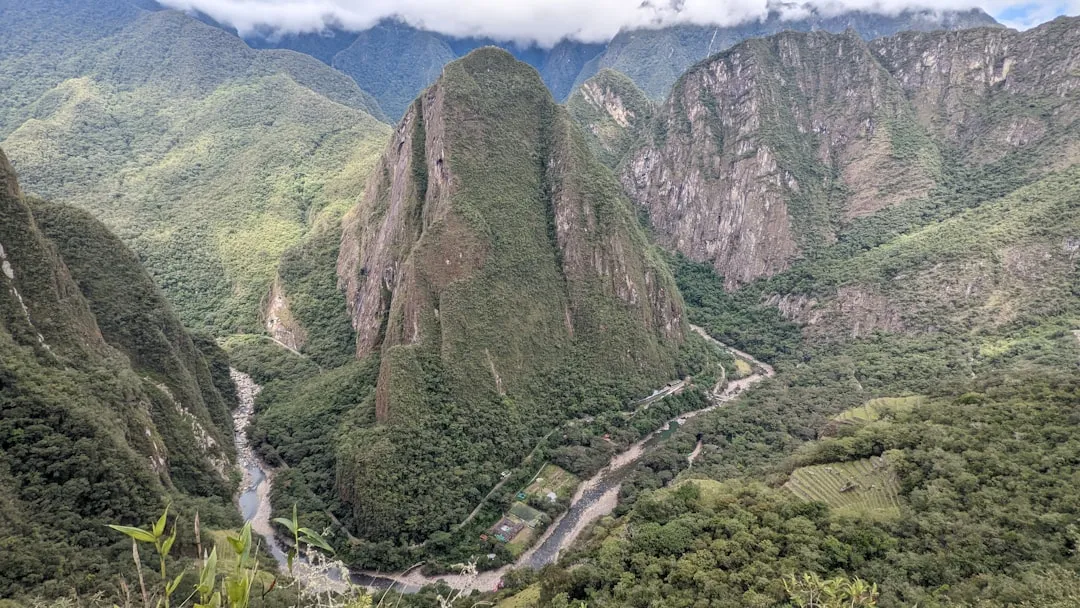
The Cordillera Blanca Traverse is a monumental high-altitude journey through the world's highest tropical mountain range. Stretching approximately 120 kilometres through the heart of Huascarán National Park—a UNESCO World Heritage site—this trek is a masterclass in Andean grandeur. Unlike the more crowded Santa Cruz trek, the full traverse explores remote valleys, crosses formidable passes exceeding 4,700 metres, and offers unparalleled views of iconic peaks such as Alpamayo, Artesonraju, and the twin summits of Huascarán. This is not merely a walk; it is an expedition into a landscape of turquoise glacial lagoons, ancient Polylepis forests, and vertical granite walls that have challenged mountaineers for over a century. Starting in the village of Cashapampa and winding through the northern and central sectors of the range, the traverse demands physical resilience, careful acclimatisation, and a deep respect for the volatile mountain weather of the Peruvian Andes.
- Distance: 120.0 km
- Duration: 8–12 days
- Elevation Gain: 7,000 m
- Difficulty: Very Challenging
- Best Time: May to September (Andean dry season)
- Highest Point: Yanayacu Pass (4,850 m) or Punta Union (4,750 m) depending on route variations
- Closest City: Huaraz, Peru
- Trailhead Access: 3-hour drive from Huaraz to Cashapampa via Caraz
Overview
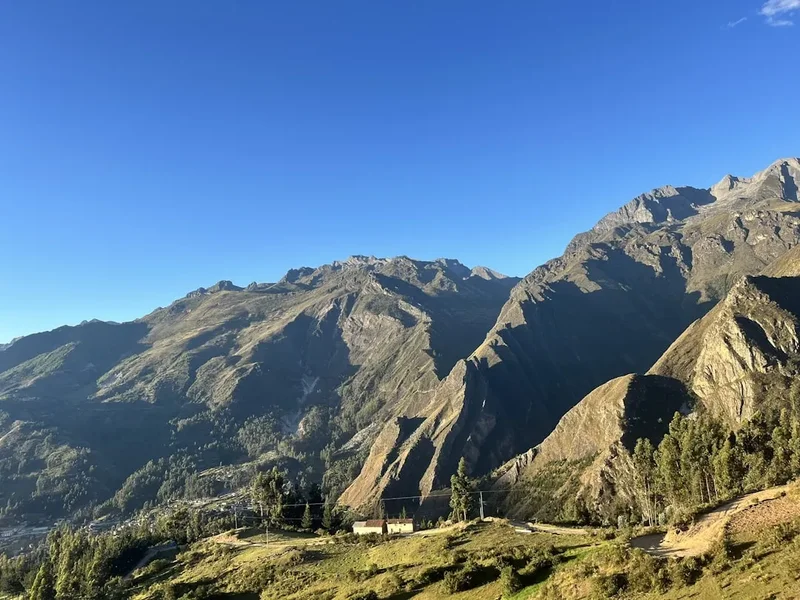
The Cordillera Blanca, or "White Range," is a geological marvel located in the Ancash region of Peru. It contains over 30 peaks that soar above 6,000 metres and hundreds of glaciers that feed the rivers of the Santa Valley. The Traverse is the definitive way to experience this scale, moving beyond the standard three-day tourist loops into the deep wilderness of the range. The route is characterised by its dramatic verticality; trekkers spend the majority of their time between 3,800 and 4,800 metres, navigating a series of high passes that act as gateways between distinct ecological zones. One moment you are walking through a lush, humid valley floor filled with lupines and bromeliads, and the next you are standing on a jagged col, staring directly into the blue-ice heart of a hanging glacier.
The landscape is defined by its contrasts. The "Callejón de Huaylas," the wide valley to the west, provides a stark, arid backdrop to the ice-clad giants of the Blanca. Within the park, the silence is broken only by the thunder of distant avalanches or the cry of an Andean condor. The traverse is designed to showcase the diversity of the range, from the famous pyramid of Alpamayo—often cited as the most beautiful mountain in the world—to the hidden lakes of Huecrococha and Jancapampa. Because the route is remote and physically demanding, it sees a fraction of the traffic found on the Inca Trail or the Salkantay Trek, offering a sense of solitude that is increasingly rare in the global trekking circuit.
Success on the Cordillera Blanca Traverse is predicated on two factors: fitness and acclimatisation. The sheer amount of vertical gain and loss—averaging nearly 700 metres of ascent per day—will test even the strongest legs. However, the reward is a profound connection to one of the most spectacular mountain environments on Earth. Whether you are watching the sunrise hit the fluted ice walls of Taulliraju or sharing a campsite with local Quechua-speaking herders, the traverse provides an immersive cultural and natural experience that lingers long after the final descent.
History and Cultural Context
The history of the Cordillera Blanca is a tapestry of ancient civilisation, colonial exploration, and modern mountaineering. Long before the first European climbers arrived, the region was home to the Chavín culture (1200–400 BC), one of the oldest and most influential pre-Inca civilisations in Peru. Their influence is still visible in the nearby ruins of Chavín de Huántar, and many of the paths used by modern trekkers follow ancient routes established by the Chavín and later the Inca Empire to connect the highlands with the coast. For the local Quechua communities, these mountains are not just scenery; they are "Apus," or mountain spirits, that command respect and provide the water essential for life in the valleys below.
In the 20th century, the Cordillera Blanca became a global focal point for mountaineering. The first ascent of Huascarán Sur (6,768 m) in 1932 by a German-Austrian expedition marked the beginning of a golden age of exploration. Since then, the range has seen legendary climbs on peaks like Alpamayo and Chacraraju. However, the history is also marked by tragedy. In 1970, a massive earthquake triggered a catastrophic debris flow from the north peak of Huascarán, burying the town of Yungay and killing over 20,000 people. This event remains a somber reminder of the power of the landscape and is commemorated at the Yungay Memorial Cemetery, which many trekkers visit before starting their journey.
Huascarán National Park was established in 1975 to protect the unique biodiversity and geological features of the range. Today, the park manages the delicate balance between conservation and tourism. Trekkers on the traverse will encounter local pastoralists grazing sheep and llamas in the high "puna" grasslands, maintaining a way of life that has changed little over centuries. Understanding this cultural layer—the deep spiritual connection to the peaks and the resilience of the mountain people—is essential to fully appreciating the Cordillera Blanca Traverse.
Want more background? Read extended notes on history and cultural context → Learn more
Seasonal Highlights and Weather Reality
The trekking season in the Cordillera Blanca is dictated by the "Andean Summer," which runs from May to September. This is the dry season, characterised by stable weather, clear blue skies (known as "Cielo Serrano"), and intense solar radiation during the day. While this is the best time for trekking, it is also the coldest. At altitudes above 4,000 metres, temperatures can plummet to -10°C or lower once the sun sets. Trekkers must be prepared for a massive diurnal temperature range—stripping down to a t-shirt during a steep climb in the midday sun, only to don a heavy down jacket minutes after reaching camp.
June and July are the peak months, offering the most reliable weather but also the highest number of visitors on the more popular sections of the trail. May and September are excellent shoulder months, often providing a lush, green landscape following the rains, though the risk of afternoon showers increases. In August, the "Veranillo" (little summer) often brings a period of exceptionally clear weather, though high winds on the passes can become a factor.
The wet season, from October to April, is generally avoided for the full traverse. Heavy rain, thick mist, and snow at higher elevations make the passes dangerous and the views non-existent. Trails can become extremely muddy and river crossings, which are common on the traverse, can become impassable. Furthermore, the risk of lightning strikes on high ridges is a genuine concern during the summer months. For those attempting the traverse, the dry season window is narrow but spectacular, offering the crisp, high-contrast light that makes the Peruvian Andes a photographer's dream.
Recommended Itinerary
10-Day Cordillera Blanca Traverse Itinerary
Day 1: Cashapampa to Llamacorral
- Distance: 11 km
- Elevation gain: 860 m
- Time: 4–5 hours
- Start at the village of Cashapampa (2,900 m)
- Steady climb through a narrow canyon alongside the Santa Cruz River
- Pass through dense vegetation that gradually thins into alpine scrub
- Arrive at Llamacorral campsite (3,760 m)
- First night at altitude; focus on hydration and slow movement
Day 2: Llamacorral to Taullipampa
- Distance: 14 km
- Elevation gain: 490 m
- Time: 5–6 hours
- Relatively flat walk through the wide Santa Cruz Valley
- Pass the turquoise waters of Laguna Ichiccocha and Laguna Jatuncocha
- Spectacular views of Alpamayo and Quitaraju to the north
- Arrive at Taullipampa (4,250 m), situated beneath the towering face of Taulliraju
- One of the most scenic campsites in the entire range
Day 3: Taullipampa to Paria via Punta Union
- Distance: 14 km
- Elevation: 500 m gain, 900 m descent
- Time: 7–8 hours
- Steep, switchbacking ascent to Punta Union (4,750 m)
- Panoramic views of the Santa Cruz Valley and the peaks of the Huaripampa Valley
- Descend past alpine lakes and through ancient Polylepis forests
- Arrive at Paria campsite (3,850 m) in the lush Huaripampa Valley
Day 4: Paria to Molino Pampa
- Distance: 12 km
- Elevation: 250 m descent, then 300 m gain
- Time: 5–6 hours
- Descend through the village of Huaripampa, observing local Andean life
- Turn north towards the Vaqueria area
- Climb gradually through agricultural terraces and small settlements
- Arrive at Molino Pampa (3,600 m), a quiet meadow campsite
Day 5: Molino Pampa to Avalancha
- Distance: 10 km
- Elevation gain: 900 m
- Time: 6–7 hours
- A challenging day of sustained climbing into more remote territory
- The trail becomes less defined as you ascend towards the glaciers
- Views of the massive ice falls of the Contrahierbas massif
- Camp at Avalancha (4,500 m), a high-altitude site near the base of the pass
Day 6: Avalancha to Tuctubamba via Yanayacu Pass
- Distance: 12 km
- Elevation: 350 m gain to pass, 650 m descent
- Time: 7–8 hours
- Cross the highest point of the trek, Yanayacu Pass (4,850 m)
- Incredible proximity to glacial ice and high-altitude tarns
- Descend into the Jancapampa drainage
- Arrive at Tuctubamba (4,200 m), a remote and wild campsite
Day 7: Tuctubamba to Huecrococha via Alto de Pucaraju
- Distance: 10 km
- Elevation: 450 m gain, 700 m descent
- Time: 6–7 hours
- Climb to the Alto de Pucaraju pass (4,650 m)
- Stunning views of the pyramid-shaped Taulliraju from a different angle
- Descend to the beautiful Laguna Huecrococha
- Camp by the lake at 3,950 m
Day 8: Huecrococha to Jancapampa via Tupatupa Pass
- Distance: 14 km
- Elevation: 450 m gain, 800 m descent
- Time: 7–8 hours
- Ascend through grassy slopes to Tupatupa Pass (4,400 m)
- Views of the Pucajirca peaks to the north
- Descend into the wide, pastoral Jancapampa Valley
- Camp at Jancapampa (3,600 m) near local Quechua homesteads
Day 9: Jancapampa to Willca via Yanacon Pass
- Distance: 13 km
- Elevation: 1,000 m gain, 600 m descent
- Time: 8–9 hours
- The most physically demanding day of the traverse
- Long, steep climb to Yanacon Pass (4,600 m)
- Remote, rugged terrain with few other trekkers
- Descend to the Willca Valley and camp at 4,000 m
Day 10: Willca to Vaqueria and Departure
- Distance: 10 km
- Elevation: 300 m descent
- Time: 4 hours
- Gentle descent through the valley to the road head at Vaqueria (3,700 m)
- Meet pre-arranged transport for the spectacular drive over Portachuelo de Llanganuco
- Pass the famous Llanganuco Lakes (Chinancocha and Orconcocha)
- Return to Huaraz for a well-earned celebration meal
Planning and Bookings
Book Your Trip
Everything you need to plan your journey
Accommodation
Find places to stay near Huaraz
Flights
Search flights to Huaraz
Essential Preparation
The Cordillera Blanca Traverse is a serious undertaking that requires meticulous planning. The most critical factor is acclimatisation. Huaraz sits at 3,050 metres, which is already high enough to cause symptoms of altitude sickness. It is strongly recommended to spend at least three full days in Huaraz before starting the traverse, undertaking day hikes to higher elevations (such as Laguna Wilcacocha or Laguna 69) to prepare your body. Fitness should be at a high level; you should be comfortable walking 7–9 hours a day with significant elevation changes for multiple consecutive days.
Logistically, Huaraz is the primary hub. It is an 8-hour bus ride from Lima. The city is well-equipped with trekking agencies, gear rental shops, and supermarkets. While it is possible to trek independently, many people hire a guide, a cook, and "arrieros" (donkey drivers) to carry the bulk of the gear. This not only supports the local economy but also significantly increases the safety and enjoyment of the trip at these extreme altitudes.
Trail Accommodation
There are no huts or permanent lodges along the Cordillera Blanca Traverse. This is a pure camping expedition. You must be self-sufficient or part of an organised group that provides all camping equipment.
Camping Facilities:
- Designated campsites: Most sites are flat, grassy areas near water sources.
- Toilets: Some popular sites (like Taullipampa) have basic pit toilets, but most remote sites have no facilities. You must follow strict waste management protocols.
- Water: Available from streams and lakes, but MUST be treated (boiling, filtering, or chemical treatment) due to livestock presence.
- Shelter: You must provide your own high-quality, 3-season or 4-season mountain tent capable of withstanding high winds and frost.
What is NOT Provided:
- No food or fuel is available for purchase once you leave the trailhead.
- No electricity or mobile phone signal exists for the majority of the route.
- No formal emergency shelters are available between the main valleys.
Required Gear
- Mountaineering boots: Waterproof, well-broken in, and suitable for rocky, uneven terrain.
- High-quality tent: Must be wind-resistant and waterproof.
- Sleeping bag: Rated to at least -10°C (comfort rating). Down is preferred for its warmth-to-weight ratio.
- Sleeping mat: An insulated mat (R-value 3+) is essential to prevent heat loss to the frozen ground.
- Multi-layer clothing system: Merino base layers, fleece mid-layers, and a heavy down jacket for evenings.
- Waterproof shell: Gore-Tex jacket and overtrousers for sudden Andean storms.
- Backpack: 60–75L if trekking independently; 30–40L daypack if using donkeys.
- Trekking poles: Highly recommended for the steep descents to protect knees.
- Head torch: With extra batteries (cold drains battery life quickly).
What to Bring
- Food: High-calorie, lightweight meals for 10 days. Include plenty of snacks (nuts, chocolate, coca leaves for altitude).
- Cooking system: Multi-fuel or gas stove (ensure fuel canisters are compatible with local valves).
- Water treatment: A high-quality filter (e.g., Sawyer Squeeze) plus purification tablets as a backup.
- Sun protection: SPF 50+ sunscreen, lip balm with SPF, polarised sunglasses, and a wide-brimmed hat. The UV radiation at 4,500 m is extreme.
- First aid kit: Must include blister care, broad-spectrum antibiotics, and altitude medication (Acetazolamide/Diamox) after consultation with a doctor.
- Personal hygiene: Biodegradable soap, wet wipes, and a trowel for waste.
- Navigation: Topographic maps (1:50,000 scale) and a GPS device with offline maps.
Permits
Access to the Cordillera Blanca Traverse is regulated by the Huascarán National Park authority (SERNANP). Unlike the Inca Trail, there is no daily limit on the number of trekkers, and permits do not need to be booked months in advance. However, you must possess a valid park entrance ticket and register your itinerary at the park offices or trailhead control points.
Permit Costs and Logistics:
- Multi-day Permit (up to 30 days): 150 Soles (approximately £32 / €38 / $40).
- Where to buy: Tickets can be purchased at the SERNANP office in Huaraz (near the main plaza) or at the primary trailheads like Cashapampa.
- Registration: You must provide your passport details and intended route. This is a vital safety measure in case of emergencies.
- Checkpoints: Keep your permit accessible, as rangers frequently check tickets at campsites and pass crossings.
Independent vs. Guided: While a guide is not legally mandatory for the traverse, the park authority strongly recommends using licensed UIAGM/AGMP guides for remote routes. If you are hiring donkeys or a cook, ensure they are part of a registered association, as they will have the necessary insurance and park clearances.
Other Activities in the Area
The Ancash region is the adventure capital of Peru. Consider these activities to complement your traverse:
- Laguna 69: A world-famous day hike to a brilliant turquoise lake at 4,600 m. It is an excellent acclimatisation hike but very demanding.
- Chavín de Huántar: Visit this UNESCO-listed archaeological site to see the stone carvings and underground tunnels of the Chavín culture.
- Pastoruri Glacier: One of the few glaciers in the tropical Andes accessible by road. It offers a stark look at the reality of climate change and receding ice.
- Rock Climbing in Hatun Machay: A "stone forest" at 4,200 m offering hundreds of sport climbing routes in a surreal volcanic landscape.
- Mountain Biking: The Cordillera Blanca and Negra offer world-class downhill and cross-country trails, including the famous "Olleros" descent.
- Hot Springs: After your trek, visit the Monterrey or Chancos hot springs near Huaraz to soothe tired muscles in natural thermal waters.
Safety and Conditions
Altitude Sickness (AMS): This is the primary risk on the traverse. With multiple passes over 4,500 m, Acute Mountain Sickness is common. Symptoms include headache, nausea, and dizziness. The only cure is descent. More serious conditions like HAPE (High Altitude Pulmonary Edema) and HACE (High Altitude Cerebral Edema) are life-threatening and require immediate evacuation. Always follow the "climb high, sleep low" rule and stay hydrated.
Weather Volatility: Even in the dry season, the Andes can produce sudden, violent storms. Whiteout conditions on passes like Punta Union or Yanayacu can make navigation impossible. Always carry a compass and GPS, and be prepared to wait out bad weather in your tent. Lightning is a significant hazard on ridges; if a storm approaches, descend from high ground immediately.
Water Safety: The Cordillera Blanca has a high density of livestock (cows, sheep, donkeys). Consequently, almost all water sources are contaminated with parasites like Giardia. Never drink untreated water. Use a filter that removes bacteria and protozoa, and consider chemical treatment for viruses if trekking near settlements.
Remote Location: There is no formal mountain rescue service in Peru comparable to the Alps. In an emergency, rescue is often organised by the High Mountain Police (USAM) or local guides. A Personal Locator Beacon (PLB) or satellite messenger (e.g., Garmin inReach) is highly recommended, as there is no mobile signal in the valleys.
Travel insurance: Ensure your policy specifically covers "trekking up to 5,000 metres" and includes emergency helicopter evacuation. Many standard policies exclude high-altitude activities.
Side Trips and Points of Interest
Alpamayo Base Camp: A popular detour from the Santa Cruz section of the traverse. A 2-hour climb from the main trail leads to the base camp of Alpamayo (5,947 m). From here, you can see the famous fluted ice face that earned it the title of "World's Most Beautiful Mountain." The view of the sunset hitting the peak is a highlight for many trekkers.
Laguna Arhuaycocha: Located near the Alpamayo Base Camp, this glacial lake is surrounded by vertical granite walls and hanging glaciers. It is a peaceful spot for a lunch break and offers a close-up look at the process of glacial calving.
Portachuelo de Llanganuco: While usually part of the vehicle exit, this pass (4,765 m) offers perhaps the most famous view in the Andes. You can see Huascarán Norte and Sur, Huandoy, Pisco, and Chacraraju all in one frame, with the turquoise Llanganuco lakes shimmering 1,000 metres below.
Ancient Polylepis Forests: Throughout the traverse, you will walk through groves of Polylepis trees (known locally as "Queñua"). These are the highest-growing trees in the world, characterised by their papery, reddish bark and twisted trunks. They are a vital habitat for rare bird species and represent a prehistoric ecosystem that once covered much of the Andes.
Leave No Trace
Huascarán National Park is a fragile high-altitude ecosystem. The combination of extreme cold and thin air means that organic waste takes years, or even decades, to decompose. With increasing numbers of trekkers, the impact on the environment is significant. It is the responsibility of every trekker to minimise their footprint.
Core Principles for the Andes:
- Pack out ALL trash: This includes "biodegradable" items like orange peels and tea bags, which do not break down in the cold, dry air.
- Human waste: Use pit toilets where available. In remote areas, dig a "cathole" at least 20 cm deep and 60 metres from water sources. Pack out your used toilet paper in a sealed bag.
- Protect water sources: Do not wash dishes or yourself directly in lakes or streams. Carry water 60 metres away and use biodegradable soap.
- Respect the "Puna": Stay on established trails to avoid trampling fragile alpine plants and mosses.
- No campfires: Wood is extremely scarce at high altitudes and is a vital part of the ecosystem. Use a stove for all cooking.
- Leave what you find: Do not collect plants, rocks, or archaeological fragments.