
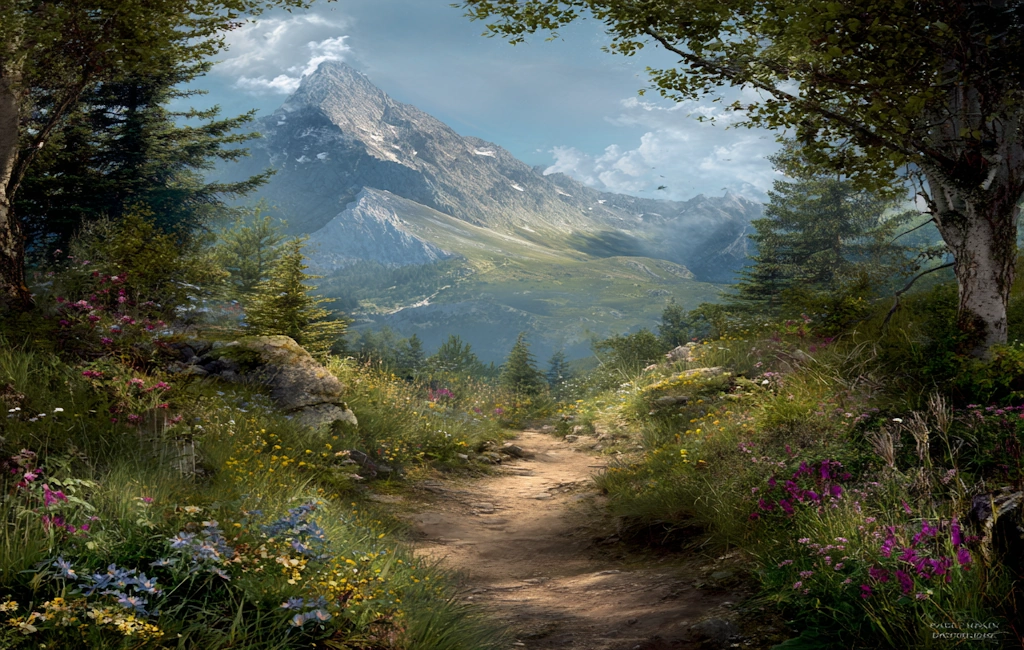
Confluencia to Plaza Francia: Gateway to Aconcagua
The trek from Confluencia to Plaza Francia is a vital and breathtaking segment of the journey towards Aconcagua, the highest peak in the Americas and the highest mountain outside of Asia. This route is not a standalone multi-day trek in the traditional sense but rather a challenging and rewarding day hike or an acclimatisation stage for those aiming for higher camps on the "Normal Route" of Aconcagua. It begins at the Confluencia refuge, a base camp nestled at the confluence of the Horcones and Confluencia rivers, and ascends through the stark, majestic landscape of the Andes to Plaza Francia, a viewpoint offering unparalleled vistas of the formidable South Face of Aconcagua.
This trail is characterised by its dramatic elevation gain, arid alpine environment, and the sheer scale of the surrounding peaks. It demands good physical condition and acclimatisation to altitude, as the path steadily climbs towards the base of the mountain's most imposing wall. While the distance is manageable for a single day, the altitude and terrain make it a significant undertaking. The reward is an intimate encounter with the raw power and grandeur of Aconcagua, a true spectacle for any mountaineer or high-altitude trekker.
- Distance: 18.0 km (return)
- Elevation Gain: 800 m
- Duration: 1 day (challenging) or 2-3 days (with overnight at Confluencia)
- Season: December to March
- Highest point: Plaza Francia (approx. 4,200 m)
- Base Town: Mendoza, Argentina
- Trailhead Access: Horcones (Aconcagua Provincial Park entrance)
- Permits: Required for Aconcagua Provincial Park entry
Overview
The Confluencia to Plaza Francia trek is an essential part of the Aconcagua experience, offering a dramatic introduction to the mountain's south face. Starting from the Confluencia refuge (around 3,400 metres), the trail winds its way up the Horcones Valley, gradually gaining altitude. The landscape is starkly beautiful, dominated by scree slopes, hardy alpine vegetation, and the imposing presence of Aconcagua itself, which looms larger with every kilometre gained.
The path is generally well-defined but can be challenging due to loose scree and the increasing effects of altitude. The air becomes thinner, and the sun's intensity is amplified. As you ascend, the views open up, revealing a panorama of jagged peaks and vast, desolate valleys. The final push to Plaza Francia is a steep climb, but the effort is rewarded with an awe-inspiring, up-close perspective of Aconcagua's South Face – a sheer wall of rock and ice that is one of the most challenging alpine ascents in the world. This viewpoint is a crucial acclimatisation point for climbers aiming for the summit via the Normal Route, allowing them to gauge their physical response to the altitude before proceeding to higher camps.
The trek is typically undertaken as a long day hike from Confluencia, or as part of a multi-day acclimatisation plan. Staying overnight at Confluencia allows for a more relaxed pace and better acclimatisation. The environment is unforgiving; weather can change rapidly, with strong winds and sudden temperature drops being common. Proper preparation and respect for the mountain are paramount for a safe and enjoyable experience.
History and Cultural Context
The Andes have been a natural barrier and a route for human passage for millennia. Indigenous peoples of the region, including the Huarpe people who inhabited the Cuyo region of Argentina, likely traversed these valleys for trade and resources long before European arrival. However, the specific history of the Confluencia to Plaza Francia route is intrinsically linked to the modern exploration and mountaineering history of Aconcagua.
Aconcagua, known as "Aconcagua" in Spanish, is believed to derive its name from the Quechua "Ackon Cahuak," meaning "Stone Sentinel" or "White Sentinel." The mountain has held spiritual significance for indigenous cultures for centuries, with evidence of Inca sacrifices found at high altitudes, suggesting it was a sacred site. The first recorded European attempt to climb Aconcagua was by the Swiss explorer Joseph Redtenbacher in 1883, though he did not reach the summit. The first confirmed ascent was by Swiss mountaineer Matthias Zurbriggen in 1897, via the now-standard Normal Route, which passes through the Horcones Valley and Confluencia.
The route to Plaza Francia, specifically, became important as mountaineers sought to study and attempt the formidable South Face, first climbed in 1954 by a French expedition led by René Ferlet. Plaza Francia serves as the primary viewpoint and a staging area for expeditions targeting this challenging ascent. The establishment of Confluencia as a base camp and the development of the trail to Plaza Francia are part of the infrastructure built to support the growing number of climbers and trekkers drawn to Aconcagua, making it one of the most popular "Seven Summits" (the highest peaks on each continent).
Seasonal Highlights and Weather Reality
The trekking season for Aconcagua, including the Confluencia to Plaza Francia route, is strictly limited to the austral summer months, from December to March. Outside this period, the park is generally inaccessible due to heavy snow, extreme cold, and dangerous weather conditions.
December: The season begins with generally stable weather, though early December can still experience residual snow from winter. The landscape is beginning to thaw, and hardy alpine flowers may start to appear. Days are long, offering ample daylight for trekking. This is a good time for acclimatisation, as the trails are less crowded than in peak season.
January and February: These are the peak months for Aconcagua expeditions and trekking. The weather is typically at its most stable, with clear skies and warmer temperatures during the day. However, this is also when sandflies can be present at lower altitudes, and the sun's intensity is at its highest. Wind can still be a significant factor, and sudden storms can occur. This period offers the best chance of clear views of the South Face.
March: The season winds down in March. Days become shorter, and temperatures begin to drop. While early March can still offer excellent trekking conditions, the risk of early snowfalls increases towards the end of the month. The crowds also begin to thin out. This can be a good time for those seeking a quieter experience, provided they are prepared for colder conditions.
Weather Reality: Regardless of the month, the weather in the high Andes is notoriously unpredictable. Temperatures can fluctuate dramatically between day and night, and strong winds can make even a clear day feel bitterly cold. Altitude sickness is a significant risk, and trekkers must be prepared for rapid changes in conditions, including snow, hail, and fog, even in summer. The South Face of Aconcagua is known for its extreme weather, and conditions at Plaza Francia can be significantly harsher than at Confluencia.
Recommended Itinerary
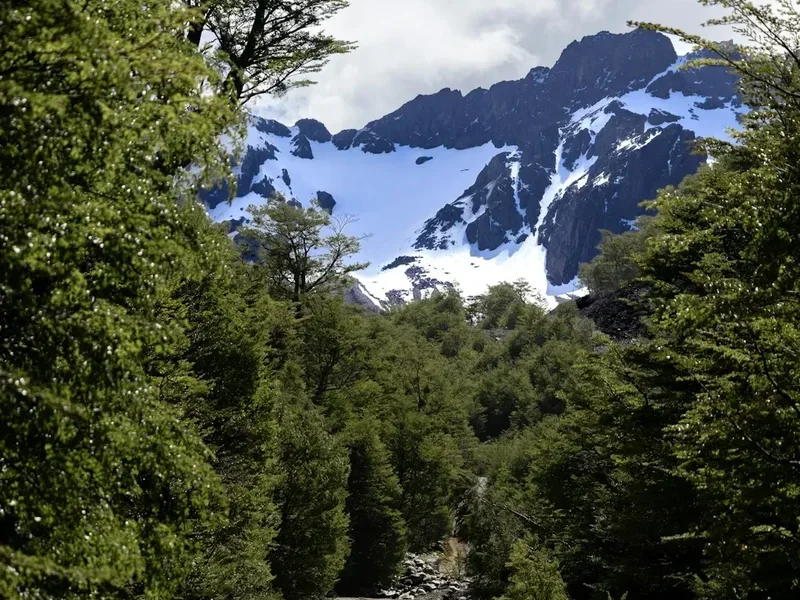
Confluencia to Plaza Francia Day Trek (Challenging)
Early Morning (Approx. 7:00 AM):
- Depart from Confluencia refuge (approx. 3,400 m) after breakfast.
- Ensure you have all necessary gear: warm layers, waterproofs, sun protection, plenty of water, high-energy snacks, and a head torch (just in case).
- Check the weather forecast for the day.
Morning (Approx. 7:30 AM - 12:00 PM): Ascent through Horcones Valley
- The trail follows the Horcones River valley, gradually ascending.
- Initial section is relatively flat, traversing scree slopes and sparse vegetation.
- The path becomes steeper as you gain altitude.
- Pass the "Plaza de Mulas" turn-off (this is the base camp for the Normal Route, not your destination).
- The terrain is predominantly loose scree and gravel, requiring careful footing.
- Keep an eye on Aconcagua's South Face as it begins to dominate the skyline.
- Altitude will start to become noticeable; maintain a steady, slow pace.
Midday (Approx. 12:00 PM - 1:00 PM): Arrival at Plaza Francia
- Reach Plaza Francia (approx. 4,200 m).
- This is a viewpoint, not a permanent camp.
- Spend time admiring the immense South Face of Aconcagua.
- Take photographs and absorb the scale of the landscape.
- Have a substantial lunch and rehydrate.
- Monitor your physical condition for any signs of altitude sickness.
Afternoon (Approx. 1:00 PM - 5:00 PM): Descent and Return to Confluencia
- Begin the descent back towards Confluencia.
- The descent can be hard on the knees; use trekking poles if available.
- Be mindful of loose scree on the way down.
- Continue to drink water and eat snacks.
- Arrive back at Confluencia refuge in the late afternoon.
Alternative: 2-3 Day Acclimatisation Itinerary
Day 1: Horcones to Confluencia
- Arrive at Horcones (Park Entrance).
- Complete park entry formalities and pay fees.
- Hike from Horcones to Confluencia (approx. 3-4 hours, 8 km, 200m gain).
- Set up camp or check into pre-booked accommodation at Confluencia.
- Rest and acclimatise to the altitude.
- Short walk around Confluencia to aid acclimatisation.
Day 2: Confluencia to Plaza Francia and Return
- Undertake the day trek to Plaza Francia as described above.
- This allows for a full day of acclimatisation at a higher altitude before returning to Confluencia.
- Focus on hydration and slow movement.
Day 3: Confluencia to Horcones and Departure
- Hike back from Confluencia to Horcones.
- Arrange onward transport from Horcones.
Important Notes:
- This is a high-altitude trek; acclimatisation is crucial.
- Weather can change rapidly; always be prepared for cold, wind, and precipitation.
- Carry sufficient water (at least 2-3 litres per person) and high-energy food.
- Trekking poles are highly recommended for stability on scree.
- Mobile phone signal is generally non-existent on the trail.
- Park entrance fees and permits are mandatory.
Planning and Bookings
Book Your Trip
Everything you need to plan your journey
Accommodation
Find places to stay near Mendoza
Flights
Search flights to Mendoza
Essential Preparation
The journey to Confluencia and Plaza Francia begins in Mendoza, a vibrant city at the foothills of the Andes. Mendoza is the primary logistical hub for Aconcagua expeditions and offers all necessary services, including gear rental, expedition outfitters, and experienced guides. It is crucial to arrange your park permits and transport to the Aconcagua Provincial Park entrance at Horcones well in advance. This typically involves booking a transfer from Mendoza to Penitentes, and then a 4x4 vehicle or taxi from Penitentes to Horcones, as the road can be rough and is often closed to standard vehicles.
Fitness is paramount. While the trek to Plaza Francia is a day hike, it involves significant elevation gain (800 m) at high altitude (up to 4,200 m). A good level of cardiovascular fitness and prior experience with hiking in mountainous terrain are essential. Acclimatisation is key; spending at least one night at Confluencia (around 3,400 m) before attempting the trek to Plaza Francia is highly recommended to reduce the risk of altitude sickness.
Base Town Information:
- Mendoza: The capital of Mendoza Province, a major city with excellent infrastructure. Offers a wide range of accommodation, restaurants, gear shops, and tour operators. It's the starting point for most Aconcagua expeditions.
- Penitentes: A small ski resort town located at a higher altitude than Mendoza. It serves as a transfer point for transport to Horcones. Accommodation options are more limited and basic compared to Mendoza.
- Horcones: The entrance to Aconcagua Provincial Park. Here, you will find the park ranger station for registration and permit checks. There are no facilities beyond basic toilets.
- Confluencia: A base camp located approximately 8 km from Horcones. It is the first major stop for trekkers and climbers heading towards Aconcagua's Normal Route. It has a refuge and camping facilities, and is the starting point for the trek to Plaza Francia.
Trail Accommodation
The Confluencia to Plaza Francia route is primarily a day hike from the Confluencia base camp. Overnight accommodation options are limited to Confluencia itself.
Confluencia Refuge and Campsite:
- Type: Basic refuge with dormitory-style bunks and designated camping areas.
- Booking Requirements: Mandatory booking is required for both the refuge and camping spots, especially during the peak season (December-February). Bookings are typically made through authorised expedition operators or directly with the park concessionaire.
- Facilities Provided:
- Refuge: Dormitory-style bunks with mattresses.
- Campsite: Flat areas for pitching tents.
- Communal dining tent/area.
- Basic toilet facilities (pit latrines).
- Access to treated water (though carrying your own is advised).
- Limited cooking facilities (often shared gas stoves).
- What's NOT Provided:
- Bedding (sleeping bags and mats are essential).
- Food (you must bring all your own food or arrange catering through an operator).
- Cooking equipment (pots, pans, utensils, fuel).
- Electricity or charging facilities.
- Showers or hot water.
- Seasonal Availability: Open only during the Aconcagua trekking season (December to March).
- Costs: Costs vary depending on whether you use the refuge or camp, and whether you book through an operator. Expect costs to be in the range of USD $50-150 per person per night for basic services.
Plaza Francia: This is a viewpoint and a staging area, not an accommodation site. No camping or facilities are available at Plaza Francia. Trekkers must return to Confluencia for overnight stays.
Required Gear
- Sturdy Hiking Boots: Waterproof, broken-in, with good ankle support. Essential for navigating scree and uneven terrain.
- Trekking Poles: Highly recommended for stability on scree slopes and to reduce strain on knees during ascents and descents.
- Waterproof and Windproof Outerwear: A high-quality jacket and trousers are essential. Weather can change rapidly, and strong winds are common.
- Warm Layers: Multiple insulating layers (fleece, down jacket) are necessary. Temperatures can drop significantly, especially at higher altitudes and during the descent.
- Head Torch: With spare batteries. Essential for early morning starts or if the trek takes longer than expected.
- Sun Protection: High SPF sunscreen (50+), lip balm with SPF, sunglasses (UV protection is critical at altitude), and a wide-brimmed hat or cap.
- First-Aid Kit: Including blister treatment, pain relievers, antiseptic wipes, bandages, and any personal medications. Altitude sickness medication (e.g., Diamox) should be discussed with a doctor.
- Navigation Tools: While the trail is generally well-marked, a map, compass, and/or GPS device are advisable, especially in case of poor visibility.
- Backpack: A comfortable daypack (25-35 litres) for carrying essentials during the day trek. If staying overnight at Confluencia, a larger pack will be needed for your gear.
What to Bring
- Food: High-energy, non-perishable food for the day trek (e.g., energy bars, nuts, dried fruit, sandwiches). If staying at Confluencia, bring all food for your stay or arrange catering.
- Water: At least 2-3 litres of water per person for the day trek. Water sources are available at Confluencia, but purification (filter or tablets) is recommended.
- Toiletries: Biodegradable soap, toothbrush, toothpaste, hand sanitiser, toilet paper.
- Personal Items: Camera, power bank for electronics, small towel, personal identification.
- Sleeping Bag: A warm sleeping bag (rated to at least -5°C comfort) is essential if staying overnight at Confluencia.
- Sleeping Mat: For insulation and comfort if camping or using refuge bunks.
- Snacks: Extra snacks for energy boosts during the trek.
- Small Repair Kit: Duct tape, safety pins, needle and thread.
Permits
Entry into Aconcagua Provincial Park requires a permit, which must be obtained in advance. These permits are issued by the provincial government of Mendoza and are essential for all visitors, whether they are climbers, trekkers, or support staff. The cost and type of permit vary depending on the duration of your stay and the activities you plan to undertake.
Permit Acquisition:
- Online: Permits can often be purchased online through the official Aconcagua Provincial Park website or through authorised expedition operators. It is highly recommended to secure your permit well in advance, especially during the peak season (December to February), as availability can be limited.
- In Person: Permits can also be purchased in person at the park's administrative offices in Mendoza city or at the Horcones entrance. However, purchasing in advance online is generally more convenient and guarantees your entry.
Permit Types and Costs:
- Trekking Permit: For individuals undertaking day hikes or short treks within the park, such as the Confluencia to Plaza Francia route. The cost is typically lower than climbing permits.
- Climbing Permit: For those intending to ascend Aconcagua via any route. These are significantly more expensive and have different validity periods.
As of recent information, a trekking permit for a short duration (e.g., 1-3 days) might cost in the range of USD $50-100 per person. Climbing permits can range from USD $800 to over $1,000. It is crucial to check the official Aconcagua Provincial Park website for the most up-to-date information on permit types, costs, and application procedures.
Registration at Horcones: Upon arrival at the Horcones entrance, you must present your permit and register with the park rangers. They will provide important information regarding park regulations, safety guidelines, and current conditions. Failure to register can result in fines or denial of entry.
Important Considerations:
- Permits are non-refundable and non-transferable.
- Ensure your permit covers the full duration of your intended stay in the park.
- Always carry your permit with you during your trek.
Other Activities in the Area
While the trek to Plaza Francia is a highlight, the Aconcagua Provincial Park and its surroundings offer several other activities for visitors:
- Horcones Lagoon Trail: A relatively easy and accessible trail from the Horcones entrance that leads to a scenic lagoon with views of Aconcagua. This is a good option for those seeking a shorter hike or for acclimatisation.
- Plaza de Mulas Visit: For those with a climbing permit for the Normal Route, a visit to Plaza de Mulas (the main base camp for summit attempts) is part of the itinerary. Even for day trekkers, the trail towards Plaza de Mulas offers different perspectives of the valley and surrounding peaks, though it is a much longer and more arduous undertaking.
- Aconcagua Provincial Park Visitor Centre: Located near Horcones, this centre provides information about the park's natural history, geology, flora, fauna, and mountaineering history.
- Exploring Mendoza City: Mendoza itself is a major tourist destination known for its wine production. Visitors can enjoy wine tasting tours at local vineyards, explore the city's plazas and museums, and enjoy its vibrant culinary scene.
- Potrerillos and Uspallata Valley: These areas, located between Mendoza and Aconcagua, offer opportunities for adventure sports like rafting, zip-lining, and horseback riding, as well as scenic drives through the Andes.
- Skiing (Seasonal): Penitentes is a ski resort that operates during the winter months (June-August), offering a different way to experience the Andean landscape.
Safety and Conditions
Altitude Sickness (Acute Mountain Sickness - AMS): This is the most significant risk on the Confluencia to Plaza Francia trek. Symptoms can include headache, nausea, dizziness, fatigue, and shortness of breath. The best prevention is gradual acclimatisation. Spending a night at Confluencia before ascending to Plaza Francia is highly recommended. If symptoms develop, descend immediately. Consult a doctor about preventative medication like Diamox.
Weather: The Andean weather is highly unpredictable. Conditions can change from clear and sunny to windy, cold, and snowy within hours. Always check the forecast before setting out and be prepared for all conditions. Temperatures at Plaza Francia can be well below freezing, especially with wind chill.
Terrain: The trail consists of loose scree, gravel, and rocky sections. This can be challenging for footing, especially on the descent. Trekking poles are invaluable for stability and reducing impact on joints.
Sun Exposure: The sun's rays are intense at high altitudes due to the thinner atmosphere. High SPF sunscreen, lip balm, sunglasses, and a hat are essential to prevent sunburn and snow blindness.
Hydration and Nutrition: Dehydration can exacerbate altitude sickness. Drink plenty of water throughout the trek. Carry high-energy snacks to maintain your energy levels.
Communication: Mobile phone reception is generally non-existent on the trail. Inform someone of your plans and expected return time. Consider carrying a personal locator beacon (PLB) or satellite phone for emergencies.
Park Regulations: Adhere to all park rules and regulations. This includes staying on marked trails, not littering, and respecting the natural environment. Rangers are present to ensure safety and enforce regulations.
Emergency Procedures: In case of an emergency, contact park rangers at Horcones or use your PLB/satellite phone. Be aware of evacuation procedures, which may involve 4x4 vehicles or, in severe cases, helicopter rescue (which is extremely expensive).
Side Trips and Points of Interest
Aconcagua South Face Viewpoint: The primary objective of this trek. Plaza Francia offers an unparalleled, up-close perspective of Aconcagua's South Face, one of the most imposing and challenging walls in the world. The sheer scale and verticality of the face are awe-inspiring, providing a profound sense of the mountain's immensity.
Horcones Valley: The entire valley leading up to Plaza Francia is a point of interest. The stark, arid beauty of the high Andes is evident in the scree slopes, sparse vegetation, and dramatic rock formations. The changing light on the mountains throughout the day creates a constantly shifting panorama.
Aconcagua Provincial Park Entrance (Horcones): Even the park entrance area offers views and a sense of arrival. The ranger station and visitor centre provide context for the natural and human history of the region.
Plaza de Mulas Trail (Partial): While not a side trip for day hikers, the trail continues beyond Plaza Francia towards Plaza de Mulas. Even walking a portion of this path offers a glimpse into the route taken by serious mountaineers and provides different angles of the surrounding peaks.
Geological Formations: The area is rich in geological interest, with evidence of glacial activity and volcanic processes visible in the rock strata and landforms. Keep an eye out for interesting rock types and erosion patterns.
Leave No Trace
The Aconcagua Provincial Park is a fragile high-altitude ecosystem that requires the utmost respect from all visitors. Adhering to Leave No Trace principles is not just recommended; it is essential for preserving this unique environment for future generations.
1. Plan Ahead and Prepare: Understand the conditions, obtain necessary permits, and pack appropriately. Know the risks associated with altitude and weather. Inform someone of your plans.
2. Travel and Camp on Durable Surfaces: Stick to established trails. The vegetation at high altitudes is sparse and slow-growing; avoid trampling it. At Confluencia, use designated campsites.
3. Dispose of Waste Properly: Pack out everything you pack in, including all food scraps, wrappers, and toilet paper. Use designated toilet facilities at Confluencia. Do not bury waste; it does not decompose effectively at high altitudes.
4. Leave What You Find: Do not take rocks, plants, or any natural or cultural artifacts. Leave the environment as you found it.
5. Minimize Campfire Impacts: Campfires are generally prohibited in Aconcagua Provincial Park due to the risk of wildfires and the scarcity of fuel. Use portable stoves for cooking.
6. Respect Wildlife: Observe wildlife from a distance. Do not feed any animals, as this can disrupt their natural behaviour and diet. The high-Andean environment supports unique, albeit sparse, wildlife.
7. Be Considerate of Other Visitors: Maintain a respectful distance from other trekkers and climbers. Keep noise levels down to appreciate the natural quiet of the mountains.
By following these principles, you contribute to the conservation of Aconcagua and ensure that its majestic beauty can be experienced by others for years to come.
 Argentina