
Collserola Park Trails
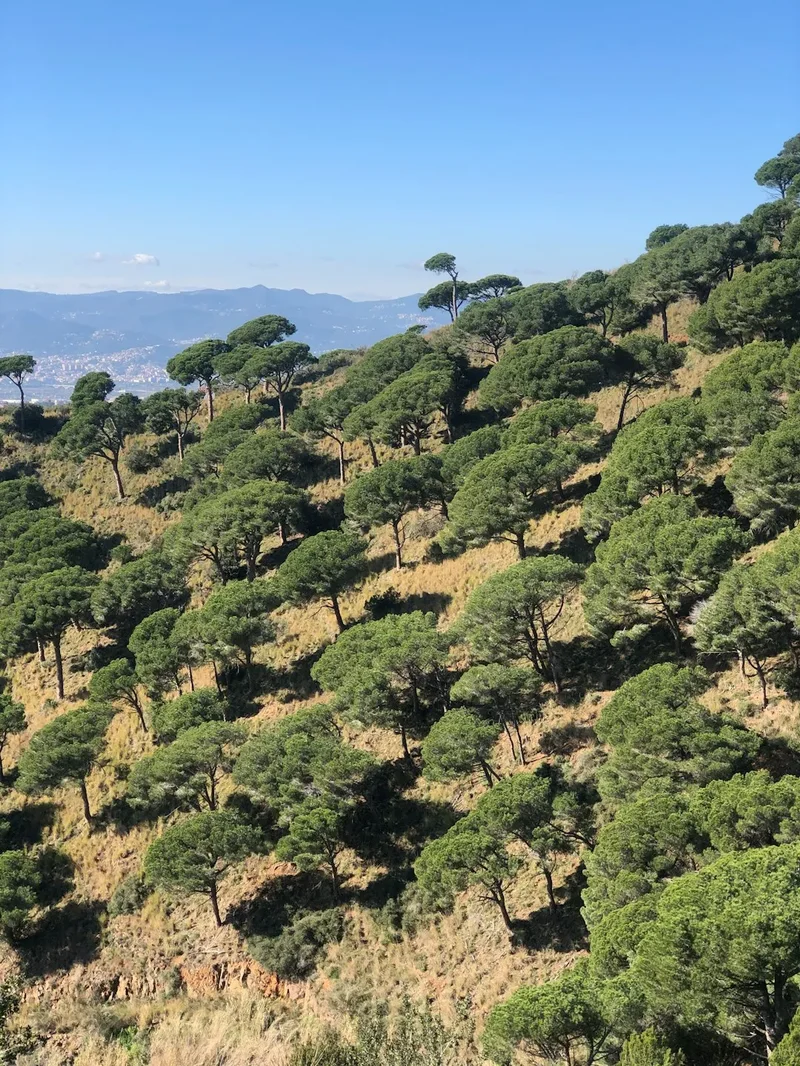
Collserola Park, a verdant mountain range just on the doorstep of Barcelona, offers a surprisingly extensive network of trails for hikers and cyclists. This expansive natural park, the largest metropolitan park in the world, provides a vital green lung for the bustling city, boasting diverse landscapes from dense pine forests and Mediterranean scrubland to rocky outcrops and panoramic viewpoints. The Collserola Park Trails are not a single, defined route like a long-distance trek, but rather a collection of interconnected paths, firebreaks, and smaller tracks that allow for a multitude of day hikes and shorter excursions. Whether you seek a challenging ascent to a prominent summit, a leisurely stroll through fragrant woodlands, or a scenic route with breathtaking views of Barcelona and the coastline, Collserola delivers.
- Distance: Up to 80.0 km of interconnected trails
- Duration: Varies greatly (1-8 hours for day hikes)
- Season: Spring and Autumn (March-May, September-November) are ideal
- Difficulty: Moderate (due to elevation changes and trail conditions)
- Closest City: Barcelona
- Trailhead Access: Multiple access points, with Plaça del Doctor Andreu being a popular starting point
- Permits: No permits required for general access
Overview
Collserola Park is a hiker's paradise for those based in or visiting Barcelona. Its proximity means that a quick escape from urban life to nature is readily achievable. The park's topography is characterised by rolling hills and steeper inclines, with the highest point, Tibidabo, reaching 512 metres. This elevation, while modest, provides spectacular vistas. The trails wind through fragrant pine forests, offering shade and a refreshing scent, especially during warmer months. You'll also encounter areas of Mediterranean garrigue, with its characteristic low-lying, aromatic shrubs, and open clearings that offer expansive views.
The park's trail system is extensive and can be confusing for first-time visitors due to its interconnected nature. However, this also offers immense flexibility. You can craft a short, hour-long loop or link several trails together for a full-day adventure covering many kilometres. Waymarking varies; some popular routes are well-signed, while others are less so, making a map or GPS device advisable. The trails cater to a range of fitness levels, though many involve significant elevation gain, making them a good workout. The reward for your efforts is consistently stunning scenery, from the dense forest interiors to the sweeping panoramas of the Catalan capital, the Mediterranean Sea, and the distant Pyrenees on a clear day.
Collserola is a popular destination for locals, particularly on weekends, so expect to share the trails with walkers, runners, and cyclists. Despite this, the sheer size of the park means you can often find stretches of solitude, especially on weekdays or by venturing onto less-trodden paths. The park's accessibility via public transport from Barcelona is a significant advantage, making it an easy and rewarding destination for a day trip.
History and Cultural Context
The history of Collserola is deeply intertwined with the development of Barcelona. For centuries, the hills provided essential resources for the city, including timber, charcoal, and water. The landscape has been shaped by human activity, with evidence of ancient agricultural terraces and pasturage visible in some areas. The construction of the Tibidabo Amusement Park and the Sagrat Cor church at the summit in the early 20th century marked a significant shift, transforming the area into a popular recreational destination for Barcelonians.
The designation of Collserola as a Natural Park in 1987 was a crucial step in its preservation. This recognised the ecological importance of the area and the need to protect its biodiversity from urban sprawl. The park is home to a variety of flora and fauna, including wild boar, foxes, and numerous bird species, thriving in the Mediterranean ecosystem. The trails themselves often follow ancient paths, some of which were historically used by shepherds, farmers, and charcoal burners. The presence of old farmhouses (masies) and ruins scattered throughout the park offers glimpses into its rural past.
The park's cultural significance extends to its role as a backdrop for Catalan identity. The views of Barcelona from its peaks are iconic, and the park serves as a cherished natural sanctuary for the city's inhabitants. Efforts continue to balance conservation with public access, ensuring that Collserola remains a vital natural and recreational space for generations to come.
Seasonal Highlights and Weather Reality
Collserola Park experiences a Mediterranean climate, with hot, dry summers and mild, wetter winters. The best times for hiking are during the shoulder seasons, spring and autumn, when the weather is most pleasant.
Spring (March-May): This is arguably the most beautiful time to visit. The landscape bursts into bloom, with wildflowers carpeting the hillsides. Temperatures are mild, typically ranging from 10°C to 20°C, making for comfortable hiking conditions. The forests are lush and green, and the air is fresh. However, spring can also bring occasional rain showers, so packing waterproofs is advisable.
Summer (June-August): Summers in Collserola can be very hot, with temperatures frequently exceeding 30°C. While the pine forests offer some shade, hiking during the midday heat can be strenuous and potentially dangerous. If hiking in summer, it is essential to start early in the morning, carry plenty of water, and wear sun protection. The risk of wildfires is also higher during this period, and certain areas may be closed to the public.
Autumn (September-November): Autumn offers another excellent window for hiking. The temperatures cool down, typically ranging from 15°C to 25°C in September and October, and becoming cooler in November. The changing colours of the foliage, though not as dramatic as in some other climates, add a subtle beauty to the landscape. The air is crisp, and the light is often soft and appealing for photography. Rainfall increases in autumn, so be prepared for wet conditions.
Winter (December-February): Winters are generally mild, with average temperatures between 5°C and 15°C. Frost can occur at higher elevations, and occasional snow is possible, though it rarely settles for long. The park is quieter in winter, offering a peaceful hiking experience. However, days are shorter, and the vegetation is less vibrant. Rain is common during this season.
Recommended Itinerary
Sample Day Hike: Tibidabo Summit and Panoramic Views
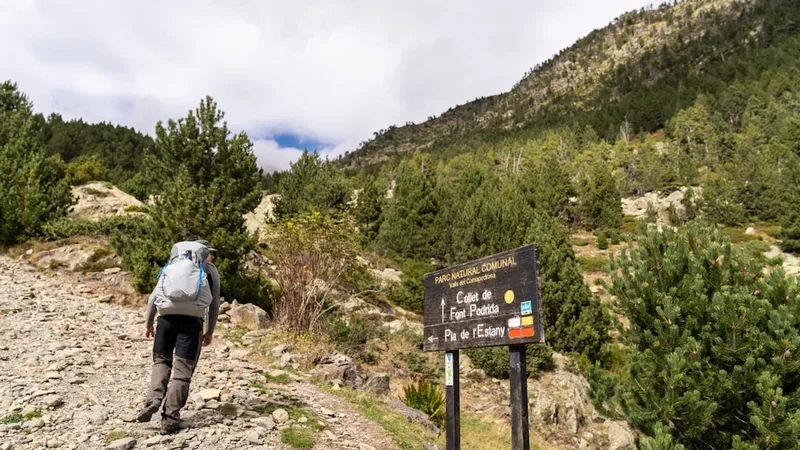
This popular day hike offers a taste of Collserola's best features: forest trails, significant elevation gain, and spectacular views.
- Start Point: Plaça del Doctor Andreu (accessible by Tramvia Blau and Funicular from Barcelona)
- End Point: Plaça del Doctor Andreu
- Distance: Approximately 8.0 km loop
- Elevation Gain: Approximately 300 m
- Time: 2.5–3.5 hours (depending on pace and time spent at summit)
Early Morning (9:00 AM):
- Arrive at Plaça del Doctor Andreu. Take in the initial views and orient yourself with the park map.
- Begin the ascent towards Tibidabo summit via the marked trails heading north-east.
- The initial section involves a steady climb through pine forests, with occasional clearings offering glimpses of the city below.
Morning (10:00 AM):
- Continue ascending. The trail becomes steeper in places, requiring a moderate level of fitness.
- Pass by various viewpoints and picnic areas.
- You will start to see the iconic Temple Expiatori del Sagrat Cor (Sacred Heart Church) and the Tibidabo Amusement Park as you get closer to the summit.
Midday (11:00 AM):
- Reach the summit of Tibidabo (512 m).
- Explore the area around the church and amusement park. The views from the top are breathtaking, offering a 360-degree panorama of Barcelona, the Mediterranean Sea, and the surrounding countryside.
- Take time to enjoy the scenery, perhaps have a snack or drink at one of the summit cafés.
Afternoon (12:00 PM):
- Begin your descent. There are several route options to return to Plaça del Doctor Andreu.
- Consider taking a slightly different path to experience more of the park's varied terrain.
- The descent is generally easier but can be steep in sections, so watch your footing.
Late Afternoon (1:00 PM):
- Arrive back at Plaça del Doctor Andreu.
- Option to visit the Tibidabo Observatory (Fabra Observatory) if time and interest permit (check opening hours).
- Return to Barcelona via public transport.
Alternative Day Hike: Puig de la Creu Loop
- Start/End: Various access points, e.g., near Vallvidrera or Les Planes
- Distance: Approximately 10.0 km loop
- Elevation Gain: Approximately 400 m
- Time: 3–4 hours
- This hike offers a good workout and rewards with excellent views from Puig de la Creu, a prominent peak in the park. It often involves more varied terrain than the Tibidabo route.
Important Notes:
- Collserola is a network of trails; a map or GPS device is highly recommended.
- Carry sufficient water, especially during warmer months.
- Wear sturdy footwear suitable for uneven terrain.
- Check weather forecasts before you go.
- Public transport access is excellent, making it easy to reach various trailheads.
Planning and Bookings
Book Your Trip
Everything you need to plan your journey
Accommodation
Find places to stay near Barcelona
Flights
Search flights to Barcelona
Essential Preparation
Collserola Park is easily accessible from Barcelona, making planning relatively straightforward. The primary consideration is choosing your trailhead and route based on your desired duration, difficulty, and the specific views or features you wish to experience. For most day hikes, no advance bookings are necessary. However, if you plan to visit the Tibidabo Amusement Park or the Sagrat Cor church, separate ticket purchases will be required.
Base Town/City Information: Barcelona is the primary base. It offers a vast array of accommodation options, from budget hostels to luxury hotels. Public transport within Barcelona is efficient and extensive, including metro, buses, and trams, which connect directly to the park's access points. For those driving, parking can be found at various points within and around the park, though it can be limited, especially on weekends.
Logistics: The most common and convenient way to access the park's main trailheads is via public transport. The L7 metro line from Plaça Catalunya will take you to Av. Tibidabo, where you can catch the historic Tramvia Blau (blue tram) and then the Funicular del Tibidabo to reach Plaça del Doctor Andreu, a popular starting point for hikes to Tibidabo summit. Other access points, such as Les Planes or Vallvidrera, are reachable by FGC (Ferrocarrils de la Generalitat de Catalunya) trains.
Trail Accommodation
This is a day hike requiring no overnight accommodation.
Required Gear
- Footwear: Sturdy hiking boots or trail running shoes with good grip are essential. The terrain can be uneven, rocky, and sometimes muddy after rain.
- Clothing: Layers are recommended. A moisture-wicking base layer, an insulating mid-layer (fleece or light jacket), and a waterproof and windproof outer shell are advisable. Even on warm days, temperatures can be cooler in the shaded forests or at higher elevations.
- Navigation: A detailed map of Collserola Park or a reliable GPS device/app is highly recommended. While some main trails are marked, the network is extensive and can be confusing.
- Safety Gear: A basic first-aid kit, including blister treatment, antiseptic wipes, bandages, and pain relievers. A fully charged mobile phone is crucial for emergencies.
- Sun Protection: A wide-brimmed hat, sunglasses, and high-SPF sunscreen are necessary, especially during spring, summer, and autumn, as much of the park is exposed.
What to Bring
- Water: Carry at least 1.5–2 litres of water per person, especially for longer hikes or during warmer months. Refill points are scarce.
- Food: Pack energy-rich snacks such as nuts, dried fruit, energy bars, and sandwiches. There are limited food options within the park itself, mainly at the summit of Tibidabo.
- Toiletries: Hand sanitiser, tissues, and any personal medications.
- Backpack: A comfortable daypack (20–30 litres) to carry your essentials.
- Optional: Hiking poles can be beneficial for steep ascents and descents, providing extra stability and reducing strain on joints. A camera to capture the stunning views.
Permits
No specific permits are required for general access to Collserola Park for hiking or recreational purposes. The park is open to the public, and its extensive trail network is freely accessible. However, it is important to be aware of park regulations, such as restrictions on campfires (especially during dry periods due to wildfire risk) and designated areas for picnicking.
Opening Hours: The park is generally accessible from dawn until dusk. Specific facilities within the park, such as the Tibidabo Amusement Park and the Sagrat Cor church, have their own operating hours and admission fees.
Group Hikes: For organised large groups or commercial activities, it may be advisable to contact the park authorities to inform them of your plans, although formal permits are typically not needed for standard hiking groups.
Other Activities in the Area
Collserola Park offers a wealth of activities beyond hiking:
- Cycling: The park is a popular destination for mountain biking, with numerous dedicated trails and firebreaks suitable for various skill levels.
- Picnicking: Numerous designated picnic areas with tables and benches are scattered throughout the park, offering ideal spots for a leisurely lunch amidst nature.
- Birdwatching: Collserola is a haven for birdlife, with many species to observe, particularly during migration seasons.
- Visiting Tibidabo: Explore the historic Tibidabo Amusement Park, ride the vintage attractions, and visit the stunning Sagrat Cor church for unparalleled city views.
- Exploring the Fabra Observatory: Located near Tibidabo, this astronomical observatory offers tours and a glimpse into scientific research (check for availability and booking requirements).
- Nature Photography: The diverse landscapes, flora, fauna, and panoramic cityscapes provide ample opportunities for photographers.
- Geocaching: Several geocaches are hidden within the park, adding an element of treasure hunting to your exploration.
Safety and Conditions
Weather: Collserola experiences a Mediterranean climate. Summers can be very hot and dry, increasing the risk of heatstroke and wildfires. Winters are mild but can be wet. Always check the weather forecast before heading out and be prepared for rapid changes, especially at higher elevations.
Trail Conditions: Trails can be rocky, uneven, and steep. Some paths may become slippery and muddy after rain. Firebreaks are generally wider and easier to navigate, while narrower footpaths can be more challenging.
Navigation: The park's trail network is extensive and can be confusing. It is highly recommended to carry a detailed map of Collserola Park or use a GPS device or smartphone app with offline maps. Familiarise yourself with the main landmarks and trail markers.
Water: Water sources are scarce within the park. Carry sufficient water for your entire hike, especially during warmer months. There are some fountains at popular access points like Plaça del Doctor Andreu, but these should not be relied upon for extended trips.
Wildlife: While generally safe, be aware of local wildlife. Wild boar are present in the park; it's advisable to keep a safe distance and not approach them. Ensure you store food securely.
Wildfire Risk: During dry periods, especially in summer, the risk of wildfires is significant. Adhere to all fire regulations, do not light fires in undesignated areas, and report any suspicious activity immediately to the authorities.
Emergency Contacts: Have the emergency number for Spain (112) readily available on your mobile phone. Inform someone of your hiking plans, including your intended route and expected return time.
Side Trips and Points of Interest
Tibidabo Summit: The highest point in Collserola (512 m), crowned by the iconic Sagrat Cor church and the historic Tibidabo Amusement Park. The panoramic views of Barcelona and the surrounding region from here are unparalleled.
Sagrat Cor Church: A striking neo-Gothic basilica offering breathtaking views from its upper levels. The church itself is an architectural marvel.
Tibidabo Amusement Park: One of the oldest amusement parks in the world, offering a nostalgic experience with vintage rides and stunning city vistas.
Fabra Observatory: Located near Tibidabo, this astronomical observatory offers a fascinating insight into space and science. Guided tours are sometimes available.
Puig de la Creu: A prominent peak offering excellent 360-degree views, often less crowded than Tibidabo. It's a popular destination for local hikers and cyclists.
Vallvidrera Reservoir: A picturesque reservoir offering a tranquil setting and walking opportunities around its perimeter. It's accessible via public transport.
Can Coll: A visitor centre and educational farm within the park, offering insights into the local flora, fauna, and traditional rural life.
Various "Masies" (Farmhouses): Scattered throughout the park are old Catalan farmhouses, some restored and used as restaurants or cultural centres, others in ruins, hinting at the area's agricultural past.
Leave No Trace
Collserola Park is a precious natural resource for Barcelona and its visitors. Practising Leave No Trace principles ensures its preservation for everyone.
- Plan Ahead and Prepare: Familiarise yourself with the park's layout, weather conditions, and any specific regulations before your visit. Choose trails appropriate for your fitness level and experience.
- Travel and Camp on Durable Surfaces: Stick to marked trails and designated paths. Avoid cutting across switchbacks or walking on fragile vegetation, which can lead to erosion.
- Dispose of Waste Properly: Pack out everything you pack in. This includes all food scraps, wrappers, and any other litter. Use designated bins where available, but be prepared to carry your rubbish back to Barcelona if bins are full or unavailable.
- Leave What You Find: Do not remove any natural items, such as rocks, plants, or flowers. Take only photographs and memories.
- Minimise Campfire Impacts: Campfires are generally prohibited in Collserola Park due to the high risk of wildfires. Use portable stoves for cooking if necessary and ensure they are used responsibly.
- Respect Wildlife: Observe wildlife from a distance. Do not feed animals, as this can disrupt their natural behaviour and diet. Keep pets under control.
- Be Considerate of Other Visitors: Keep noise levels down, especially in natural areas. Yield to other hikers and cyclists on the trail.
By adhering to these principles, you help maintain the beauty and ecological integrity of Collserola Park.
 Spain
Spain