
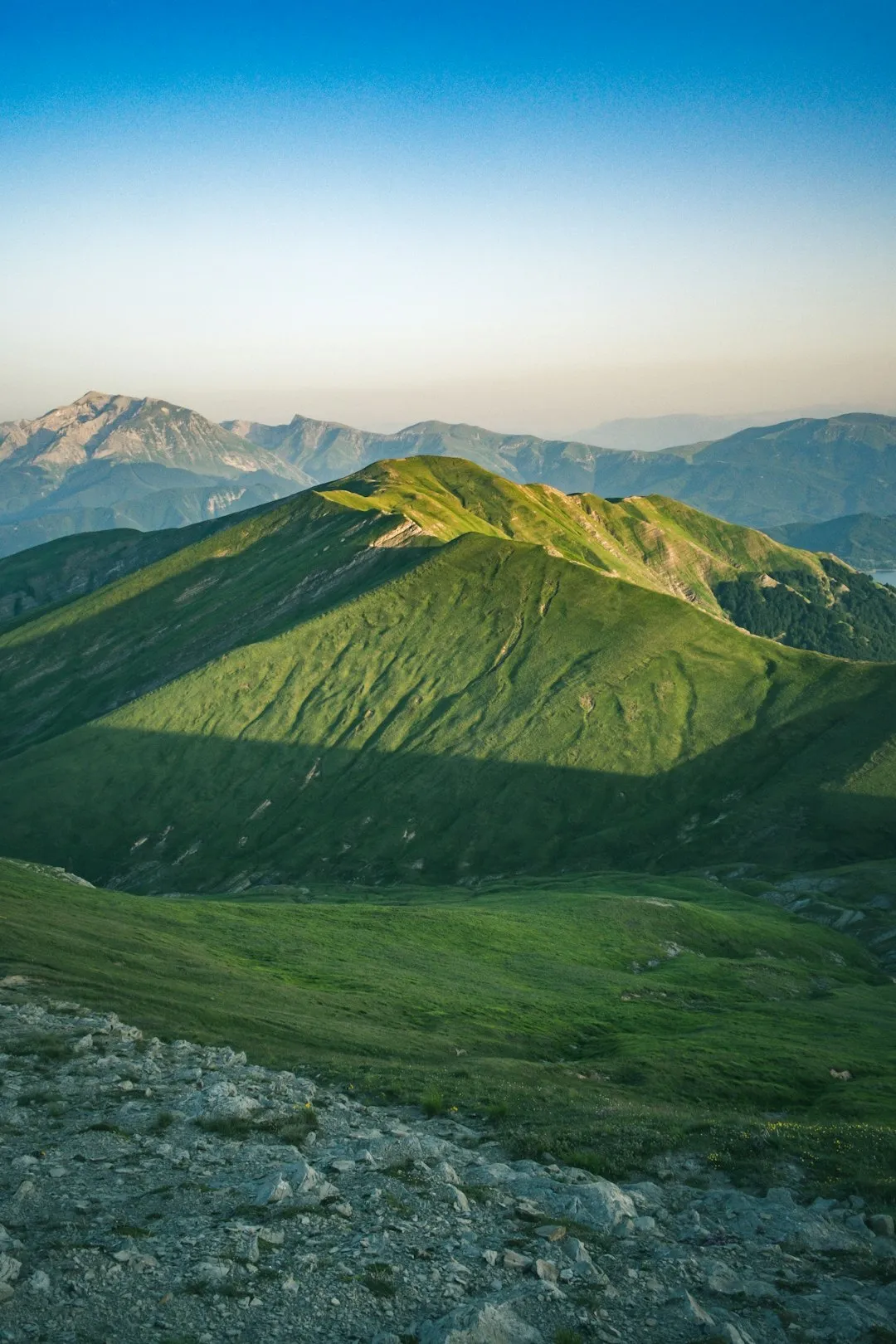
Colle del Nivolet: Gateway to Gran Paradiso's Alpine Majesty
The Colle del Nivolet, a high mountain pass straddling the border between Italy's Piedmont and Aosta Valley regions, offers a spectacular day walk into the heart of the Gran Paradiso National Park. This accessible alpine route, renowned for its breathtaking vistas of glacial lakes, rugged peaks, and abundant wildlife, provides an unforgettable experience for hikers of all levels. The journey to the Colle itself is an adventure, winding through scenic valleys before ascending to a plateau dotted with shimmering lakes, all under the watchful gaze of Gran Paradiso, the park's namesake and highest peak. It's a place where the raw beauty of the Alps is on full display, offering a profound connection with nature and a sense of serene isolation, despite its relative accessibility.
- Distance: 20.0 km (round trip from parking area)
- Elevation Gain: 800 m
- Duration: 6–8 hours
- Difficulty: Moderate
- Best Time: June to September
- Closest City: Turin
- Trailhead Access: Via Ceresole Reale, then SP50 to Colle del Nivolet. Road typically open June-October.
- Permits: No permits required for day access.
Overview
The Colle del Nivolet is more than just a mountain pass; it's a high-altitude plateau that feels like a world apart. Situated at 2,612 metres above sea level, it serves as a natural amphitheatre offering panoramic views of the surrounding Graian Alps, including the majestic Gran Paradiso (4,061 m). The walk to the Colle is a gradual ascent that builds anticipation, leading hikers through diverse landscapes. Starting from the lower valleys, the path winds through alpine meadows dotted with wildflowers in summer, gradually transitioning to a more rugged, rocky terrain as you gain altitude. The true magic of the Colle del Nivolet lies in its chain of glacial lakes, including Lago di Serrù and Lago di Agnel, which reflect the dramatic mountain scenery like perfect mirrors. These lakes, remnants of ancient glaciers, add a serene beauty to the otherwise imposing alpine environment.
The area is a haven for wildlife. Ibex, chamois, marmots, and a variety of alpine birds are commonly sighted here, adding an element of wildlife spotting to the hiking experience. The air is crisp and clean, and the silence, broken only by the wind or the distant call of a bird, is profound. The Colle del Nivolet is also a testament to human ingenuity and conservation efforts, as it lies within the Gran Paradiso National Park, Italy's oldest national park, established to protect the Alpine ibex.
The walk is considered moderate due to its length and elevation gain, but the well-maintained paths and the sheer beauty of the surroundings make it a highly rewarding endeavour. It's a perfect day trip for those seeking an authentic alpine experience without the need for technical climbing or multi-day commitments. The journey to the Colle is as much about the destination as it is about the immersive experience of being in the high Alps.
History and Cultural Context
The Colle del Nivolet has been a natural passage for centuries, used by shepherds, hunters, and travellers traversing the Alps. Its strategic location between the valleys of Ceresole Reale and the Val Savarenche made it a point of connection and trade. The area's history is deeply intertwined with the management of alpine pastures and the conservation of its unique flora and fauna.
The establishment of the Gran Paradiso National Park in 1922 was a pivotal moment for the Colle del Nivolet. The park was created primarily to save the Alpine ibex (Capra ibex) from extinction. By the early 19th century, the ibex population had dwindled to a mere few hundred, confined to the remote slopes of Gran Paradiso. King Victor Emmanuel II of Italy, an avid hunter, initially declared the area a royal hunting reserve in 1856, paradoxically protecting the ibex from other hunters. After his death, the reserve was transferred to the state, and the National Park was established to ensure the ibex's long-term survival. Today, the park is a thriving ecosystem, and the Colle del Nivolet is one of its most accessible and celebrated viewing points for these magnificent creatures.
The road leading to the Colle, the Strada Provinciale 50 (SP50), was constructed in the 20th century, significantly improving access. However, its seasonal opening and closure, along with restrictions on vehicle traffic during peak summer months to preserve the environment, underscore the ongoing commitment to balancing tourism with conservation. The Colle del Nivolet remains a symbol of successful wildlife conservation and a cherished destination for experiencing the grandeur of the Italian Alps.
Seasonal Highlights and Weather Reality
The Colle del Nivolet is a destination best enjoyed during the warmer months, when the high alpine environment is most accessible and its beauty is at its peak.
Summer (June to September): This is the prime season for visiting the Colle del Nivolet. The snow has typically melted from the trails by early June, revealing vibrant alpine meadows carpeted with a dazzling array of wildflowers. The days are long, offering ample time for hiking and wildlife observation. The glacial lakes are usually free of ice, their surfaces calm and reflective. Temperatures are generally pleasant, though it's crucial to remember that this is a high-altitude environment, and conditions can change rapidly. Expect daytime temperatures to range from 10°C to 20°C, but evenings can be significantly cooler, dropping close to freezing.
Spring (May): While the lower trails may be clear, the Colle del Nivolet itself and the higher sections of the route are often still covered in snow in May. Access may be limited, and conditions can be unpredictable. It's advisable to check local conditions before planning a visit in late spring.
Autumn (October): As summer transitions into autumn, the landscape takes on a golden hue. The crowds thin out, and the air becomes crisper. While the wildflowers have faded, the autumn colours can be spectacular. However, snow can begin to fall again in October, and the road to the Colle may close due to weather. It's essential to check weather forecasts and road conditions closely if planning an autumn visit.
Winter (November to April): The Colle del Nivolet is inaccessible by road during winter due to heavy snowfall. The area is covered in deep snow, making it a destination for experienced winter mountaineers and ski tourers, but not for casual day hikers. The road is typically closed from November until late May or early June.
Weather Considerations: Regardless of the season, alpine weather is notoriously unpredictable. Sunshine can quickly give way to fog, rain, or even snow. Thunderstorms are common in the afternoons during summer. It is essential to be prepared for all conditions, including cold temperatures, wind, and precipitation, even on a seemingly clear day.
Recommended Itinerary
Colle del Nivolet Day Walk Itinerary
Early Morning (Approx. 8:00 AM): Departure from Turin
- Begin your journey from Turin. The drive to Ceresole Reale takes approximately 1.5 to 2 hours via the A5 motorway towards Ivrea, then the SS26 towards Aosta, and finally turning off towards Ceresole Reale.
- Enjoy the scenic drive as you leave the city and enter the alpine valleys.
Morning (Approx. 10:00 AM): Arrival at Ceresole Reale and Ascent to Colle del Nivolet
- Continue from Ceresole Reale onto the Strada Provinciale 50 (SP50) towards the Colle del Nivolet.
- The road itself is a spectacular drive, winding upwards with increasingly impressive views.
- Note any parking restrictions or seasonal traffic limitations for private vehicles. During peak season, private car access may be restricted on certain days or times, with shuttle buses operating instead.
- Park your vehicle at the designated parking areas near the Colle.
Late Morning (Approx. 10:30 AM - 12:00 PM): Exploration of Lago di Serrù and Lago di Agnel
- Begin your walk from the parking area. The most common starting point is near the dam of Lago di Serrù.
- Walk along the shores of Lago di Serrù, a beautiful reservoir that blends seamlessly with the natural landscape.
- Continue towards Lago di Agnel, another stunning glacial lake. The path between the lakes is relatively flat and easy, offering excellent opportunities for photography and wildlife spotting.
- Keep an eye out for ibex and chamois grazing on the slopes.
Midday (Approx. 12:00 PM - 1:30 PM): Ascent to the Colle and Panoramic Views
- From Lago di Agnel, the path begins to ascend more noticeably towards the Colle del Nivolet itself.
- The trail is well-marked and generally easy to follow.
- Reach the Colle del Nivolet (2,612 m). Take time to absorb the breathtaking 360-degree panoramic views.
- Identify prominent peaks such as Gran Paradiso, Roccia Viva, and the Grand Combin massif.
- Enjoy a packed lunch amidst this spectacular alpine scenery.
Afternoon (Approx. 1:30 PM - 4:00 PM): Descent and Further Exploration
- Begin your descent back towards the parking area. You can retrace your steps or explore slightly different paths if available and clearly marked.
- Take breaks to appreciate the changing light on the mountains and the vibrant colours of the alpine flora.
- If time and energy permit, explore any smaller trails or viewpoints you may have missed on the ascent.
Late Afternoon (Approx. 4:00 PM - 5:00 PM): Return to Vehicle and Departure
- Arrive back at your vehicle.
- Begin the drive back towards Turin.
Important Notes:
- The road to Colle del Nivolet is typically closed from November to May due to snow. Always check current road conditions before travelling.
- During peak summer months (July and August), private vehicle access to the Colle may be restricted on weekends and holidays. A shuttle bus service often operates from Ceresole Reale.
- The weather at this altitude can change very quickly. Be prepared for sun, wind, rain, and even snow.
- Wear sturdy hiking boots and carry layers of clothing, including waterproofs.
- Bring plenty of water and high-energy snacks.
- Sun protection (sunscreen, hat, sunglasses) is essential due to the high altitude.
Planning and Bookings
Book Your Trip
Everything you need to plan your journey
Accommodation
Find places to stay near Turin
Flights
Search flights to Turin
Essential Preparation
The Colle del Nivolet is a popular day hike, especially during the summer months. Planning is key to a smooth and enjoyable experience. The closest major city and transport hub is Turin, which offers international airport connections and extensive public transport options. From Turin, you will need to drive or arrange private transport to reach the trailhead. The drive itself is scenic, taking you from the urban landscape into the heart of the Italian Alps.
Logistics:
- Vehicle: A car is highly recommended for flexibility. Ensure your vehicle is in good condition for mountain driving.
- Road Access: The Strada Provinciale 50 (SP50) leading to the Colle del Nivolet is typically open from late May/early June to October, depending on snow conditions. It is a narrow, winding mountain road.
- Traffic Restrictions: During peak season (especially July and August), private vehicle access to the Colle may be restricted on weekends and public holidays to reduce congestion and environmental impact. In such cases, a shuttle bus service operates from Ceresole Reale. Check local advisories for the current year's regulations.
- Parking: Limited parking is available at the Colle del Nivolet. Arrive early, especially on weekends, to secure a spot.
- Base Town: Ceresole Reale is the closest village to the trailhead and offers basic amenities, including accommodation and restaurants. Turin provides a wider range of services and is a convenient starting point for the journey.
Trail Accommodation
This is a day hike requiring no overnight accommodation.
Required Gear
- Hiking Boots: Sturdy, waterproof hiking boots with good ankle support are essential for navigating uneven terrain and providing stability.
- Waterproof Jacket: A breathable, waterproof and windproof jacket is crucial. Alpine weather can change rapidly, and you may encounter rain or strong winds.
- Waterproof Overtrousers: Recommended for protection against rain and wind, especially if the forecast is uncertain.
- Warm Layers: Even in summer, temperatures at altitude can be cool. Bring a fleece or insulating jacket, and consider a thermal base layer.
- Hat and Gloves: A warm hat and gloves are advisable, particularly for early mornings, evenings, or if the weather turns.
- Backpack: A comfortable daypack (20-30 litres) to carry essentials like water, food, extra clothing, and safety equipment.
- Navigation: While the main trail to the Colle is well-marked, a map of the area and a compass or GPS device are recommended for safety and for exploring side routes. A charged mobile phone is useful, but reception can be intermittent.
- First Aid Kit: A basic first aid kit including plasters, antiseptic wipes, pain relievers, and any personal medications.
- Sun Protection: High SPF sunscreen, sunglasses, and a wide-brimmed hat are essential due to the intense sun at high altitudes.
What to Bring
- Food: Pack a substantial packed lunch, high-energy snacks (nuts, dried fruit, energy bars), and consider a warm drink in a thermos. There are no food services at the Colle del Nivolet.
- Water: Carry at least 2-3 litres of water per person. While there are streams, it's advisable to treat or filter water if you plan to refill from natural sources.
- Toiletries: Biodegradable soap, hand sanitiser, and toilet paper (for emergencies, as facilities are limited).
- Personal Items: Camera, binoculars (for wildlife spotting), insect repellent (especially for mosquitoes and midges in summer), and a small towel.
- Emergency Whistle: A simple but effective safety tool.
- Cash: Some cash may be useful for potential shuttle bus fares or small purchases in Ceresole Reale.
Permits
No specific permits are required for day access to the Colle del Nivolet or for hiking within the Gran Paradiso National Park on established trails. The area is managed by the park authorities, and visitors are expected to adhere to park regulations, which focus on environmental protection and responsible tourism.
Key Park Regulations to Observe:
- Stay on Marked Trails: To protect fragile alpine vegetation and prevent erosion, always stick to designated paths.
- No Camping: Overnight camping is generally prohibited outside designated campsites (which are not present at the Colle del Nivolet itself).
- No Fires: Open fires are strictly forbidden to prevent wildfires.
- Waste Disposal: Pack out everything you pack in. Leave no trace of your visit.
- Wildlife: Do not feed or disturb the wildlife. Maintain a respectful distance, especially from ibex and chamois. Use binoculars for observation.
- Noise: Keep noise levels down to avoid disturbing the natural environment and other visitors.
While no permits are needed, it is always wise to check the official Gran Paradiso National Park website for any temporary restrictions or advisories that may be in place, particularly concerning road access or specific areas due to environmental conditions or events.
Other Activities in the Area
The region surrounding the Colle del Nivolet offers a wealth of activities for nature enthusiasts and adventurers:
- Gran Paradiso National Park Visitor Centres: Explore the park's natural history, geology, and wildlife at visitor centres in Ceresole Reale or other nearby towns. These centres often have informative exhibits and guided tour information.
- Wildlife Spotting: The entire Gran Paradiso National Park is renowned for its abundant wildlife. Beyond the ibex and chamois commonly seen at the Colle, look for marmots, foxes, eagles, and various alpine birds. Early morning and late afternoon are often the best times for sightings.
- Other Hiking Trails: Numerous other hiking trails branch out from the valleys below the Colle, offering varying levels of difficulty and exploring different aspects of the park. Trails lead to more remote lakes, mountain refuges, and higher peaks.
- Photography: The dramatic landscapes, reflective lakes, and abundant wildlife make the Colle del Nivolet and its surroundings a paradise for photographers. The changing light throughout the day offers endless opportunities for stunning shots.
- Picnicking: The scenic beauty of the Colle del Nivolet makes it an ideal spot for a leisurely picnic. Enjoy your packed lunch surrounded by breathtaking alpine vistas.
- Stargazing: Due to its high altitude and minimal light pollution, the Colle del Nivolet offers exceptional opportunities for stargazing on clear nights.
- Scenic Drives: The drive to the Colle itself is a significant attraction, offering spectacular views at every turn. Explore other scenic routes in the surrounding valleys.
Safety and Conditions
Weather Preparedness: The most critical safety aspect for hiking at the Colle del Nivolet is being prepared for rapidly changing alpine weather. Always check the mountain forecast (e.g., from MeteoBlue, MeteoTrentino, or local Italian meteorological services) before you set out. Be ready for sun, wind, rain, and even snow, regardless of the season. Hypothermia is a risk even in summer if you get wet and cold.
Altitude Considerations: While this is a day hike, the altitude (2,612 m) can affect some individuals. Ascend gradually, stay hydrated, and be aware of the symptoms of altitude sickness (headache, nausea, dizziness). If symptoms occur, descend to a lower altitude.
Trail Conditions: The main path to the Colle is generally well-maintained. However, after rain or snowmelt, sections can become slippery or muddy. Wear appropriate footwear. If you plan to venture off the main path, ensure you have adequate navigation skills and equipment.
Wildlife Encounters: Ibex and chamois are wild animals. While generally not aggressive, they can be unpredictable. Maintain a safe distance (at least 50 metres) and never attempt to feed them. This is crucial for their health and your safety.
Road Safety: The SP50 is a narrow, winding mountain road. Drive cautiously, be aware of other vehicles (including buses and cyclists), and use designated pull-offs for photos. If driving during restricted hours, be aware of shuttle bus routes.
Emergency Contacts: In case of an emergency, know the local emergency number (112 in Italy). Carry a fully charged mobile phone, but be aware that reception can be unreliable in mountainous areas. Consider carrying a personal locator beacon (PLB) for remote areas.
Hydration and Nutrition: Carry sufficient water and high-energy food. Dehydration and low blood sugar can lead to fatigue and poor decision-making, increasing the risk of accidents.
Side Trips and Points of Interest
Lago di Serrù: This large, picturesque reservoir is often the first major landmark encountered on the approach to the Colle. Its clear waters and surrounding meadows offer beautiful reflections of the mountains. The dam itself is an interesting piece of engineering, designed to blend with the natural environment.
Lago di Agnel: Just a short walk from Lago di Serrù, Lago di Agnel is another stunning glacial lake. It's often considered even more scenic than Serrù, with dramatic rocky peaks rising directly from its shores. This is an excellent spot for photography and a peaceful place to rest.
Gran Paradiso National Park Visitor Centre (Ceresole Reale): Before or after your hike, visiting the park's visitor centre in Ceresole Reale provides valuable context about the region's natural history, geology, and conservation efforts, particularly regarding the ibex.
Alpine Flora: During the summer months, the meadows around the Colle del Nivolet are ablaze with colour. Look for a variety of alpine wildflowers, including gentians, edelweiss (though rare), alpine roses, and various species of saxifrage and campanula. The biodiversity is remarkable.
Marmot Colonies: Keep an eye out for marmots, which are common in the alpine meadows. They are often seen basking on rocks or near their burrows. Their distinctive whistling calls can often be heard before they are seen.
The Road to the Colle: The drive itself is a point of interest. The SP50 is an engineering marvel that offers increasingly spectacular views as you ascend. Numerous viewpoints and small parking areas allow you to stop and admire the scenery.
Leave No Trace
The Colle del Nivolet and the surrounding Gran Paradiso National Park are pristine natural environments that require careful stewardship. Adhering to Leave No Trace principles is paramount to preserving this fragile alpine ecosystem for future generations.
Plan Ahead and Prepare: Research the area, understand the weather, and pack appropriately. Know the park regulations before you go.
Travel and Camp on Durable Surfaces: Stick to marked trails. Avoid walking on fragile vegetation, especially alpine meadows, which can take years to recover from damage. The paths are designed to concentrate impact.
Dispose of Waste Properly: Pack out everything you pack in. This includes all food scraps, wrappers, and any other litter. Use designated bins where available, but assume you will need to carry everything out. Use toilet facilities where provided, or if not, dig a cathole at least 60 metres away from water sources, trails, and campsites, and bury human waste.
Leave What You Find: Do not take rocks, plants, or any other natural objects. Leave them for others to enjoy and for the ecosystem to thrive.
Minimize Campfire Impacts: Campfires are not permitted at the Colle del Nivolet. If camping elsewhere in the park (in designated areas), use a portable stove for cooking.
Respect Wildlife: Observe wildlife from a distance. Never feed animals, as it can harm their health, alter their natural behaviours, and expose them to danger. Secure your food properly to prevent attracting animals.
Be Considerate of Other Visitors: Respect the peace and tranquility of the natural environment. Avoid loud noises and loud music. Yield to other hikers on the trail.
By following these principles, you help ensure that the Colle del Nivolet remains a beautiful and wild place for everyone to experience.
Useful Links
- Gran Paradiso National Park Official Website
- Gran Paradiso Visitor Centres
- Turin Tourism
- Piedmont Region Official Website
- Weather Forecast for Ceresole Reale
- <a href="https://www.provincia.torino.gov.it/strade/index.php?id_sez=1000000000000000000000000000000000000000000000000000000000000000000000000000000000000000000000000000000000000000000000000000000000000000000000000000000000000000000000000000000000000000000000000000000000000000000000000000000000000000000000000000000000000000000000000000000000000000000000000000000000000000000000000000000000000000000000000000000000000000000000000000000000000000000000000000000000000000000000000000000000000000000000000000000000000000000000000000000000000000000000000000000000000000000000000000000000000000000000000000000000000000000000000000000000000000000000000000000000000000000000000000000000000000000000000000000000000000000000000000000000000000000000000000000000000000000000000000000000000000000000000000000000000000000000000000000000000000000000000000000000000000000000000000000000000000000000000000000000000000000000000000000000000000000000000000000000000000000000000000000000000000000000000000000000000000000000000000000000000000000000000000000000000000000000000000000000000000000000000000000000000000000000000000000000000000000000000000000000000000000000000000000000000000000000000000000000000000000000000000000000000000000000000000000000000000000000000000000000000000000000000000000000000000000000000000000000000000000000000000000000000000000000000000000000000000000000000000000000000000000000000000000000000000000000000000000000000000000000000000000000000000000000000000000000000000000000000000000000000000000000000000000000000000000000000000000000000000000000000000000000000000000000000000000000000000000000000000000000000000000000000000000000000000000000000000000000000000000000000000000000000000000000000000000000000000000000000000000000000000000000000000000000000000000000000000000000000000000000000000000000000000000000000000000000000000000000000000000000000000000000000000000000000000000000000000000000000000000000000000000000000000000000000000000000000000000000000000000000000000000000000000000000000000000000000000000000000000000000000000000000000000000000000000000000000000000000000000000000000000000000000000000000000000000000000000000000000000000000000000000000000000000000000000000000000000000000000000000000000000000000000000000000000000000000000000000000000000000000000000000000000000000000000000000000000000000000000000000000000000000000000000000000000000000000000000000000000000000000000000000000000000000000000000000000000000000000000000000000000000000000000000000000000000000000000000000000000000000000000000000000000000000000000000000000000000000000000000000000000000000000000000000000000000000000000000000000000000000000000000000000000000000000000000000000000000000000000000000000000000000000000000000000000000000000000000000000000000000000000000000000000000000000000000000000000000000000000000000000000000000000000000000000000000000000000000000000000000000000000000000000000000000000000000000000000000000000000000000000000000000000000000000000000000000000000000000000000000000000000000000000000000000000000000000000000000000000000000000000000000000000000000000000000000000000000000000000000000000000000000000000000000000000000000000000000000000000000000000000000000000000000000000000000000000000000000000000000000000000000000000000000000000000000000000000000000000000000000000000000000000000000000000000000000000000000000000000000000000000000000000000000000000000000000000000000000000000000000000000000000000000000000000000000000000000000000000000000000000000000000000000000000000000000000000000000000000000000000000000000000000000000000000000000000000000000000000000000000000000000000000000000000000000000000000000000000000000000000000000000000000000000000000000000000000000000000000000000000000000000000000000000000000000000000000000000000000000000000000000000000000000000000000000000000000000000000000000000000000000000000000000000000000000000000000000000000000000000000000000000000000000000000000000000000000000000000000000000000000000000000000000000000000000000000000000000000000000000000000000000000000000000000000000000000000000000000000000000000000000000000000000000000000000000000000000000000000000000000000000000000000000000000000000000000000000000000000000000000000000000000000000000000000000000000000000000000000000000000000000000000000000000000000000000000000000000000000000000000000000000000000000000000000000000000000000000000000000000000000000000000000000000000000000000000000000000000000000000000000000000000000000000000000000000000000000000000000000000000000000000000000000000000000000000000000000000000000000000000000000000000000000000000000000000000000000000000000000000000000000000000000000000000000000000000000000000000000000000000000000000000000000000000000000000000000000000000000000000000000000000000000000000000000000000000000000000000000000000000000000000000000000000000000000000000000000000000000000000000000000000000000000000000000000000000000000000000000000000000000000000000000000000000000000000000000000000000000000000000000000000000000000000000000000000000000000000000000000000000000000000000000000000000000000000000000000000000000000000000000000000000000000000000000000000000000000000000000000000000000000000000000000000000000000000000000000000000000000000000000000000000000000000000000000000000000000000000000000000000000000000000000000000000000000000000000000000000000000000000000000000000000000000000000000000000000000000000000000000000000000000000000000000000000000000000000000000000000000000000000000000000000000000000000000000000000000000000000000000000000000000000000000000000000000000000000000000000000000000000000000000000000000000000000000000000000000000000000000000000000000000000000000000000000000000000000000000000000000000000000000000000000000000000000000000000000000000000000000000000000000000000000000000000000000000000000000000000000000000000000000000000000000000000000000000000000000000000000000000000000000000000000000000000000000000000000000000000000000000000000000000000000000000000000000000000000000000000000000000000000000000000000000000000000000000000000000000000000000000000000000000000000000000000000000000000000000000000000000000000000000000000000000000000000000000000000000000000000000000000000000000000000000000000000000000000000000000000000000000000000000000000000000000000000000000000000000000000000000000000000000000000000000000000000000000000000000000000000000000000000000000000000000000000000000000000000000000000000000000000000000000000000000000000000000000000000000000000000000000000000000000000000000000000000000000000000000000000000000000000000000000000000000000000000000000000000000000000000000000000000000000000000000000000000000000000000000000000000000000000000000000000000000000000000000000000000000000000000000000000000000000000000000000000000000000000000000000000000000000000000000000000000000000000000000000000000000000000000000000000000000000000000000000000000000000000000000000000000000000000000000000000000000000000000000000000000000000000000000000000000000000000000000000000000000000000000000000000000000000000000000000000000000000000000000000000000000000000000000000000000000000000000000000000000000000000000000000000000000000000000000000000000000000000000000000000000000000000000000000000000000000000000000000000000000000000000000000000000000000000000000000000000000000000000000000000000000000000000000000000000000000000000000000000000000000000000000000000000000000000000000000000000000000000000000000000000000000000000000000000000000000000000000000000000000000000000000000000000000000000000000000000000000000000000000000000000000000000000000000000000000000000000000000000000000000000000000000000000000000000000000000000000000000000000000000000000000000000000000000000000000000000000000000000000000000000000000000000000000000000000000000000000000000000000000000000000000000000000000000000000000000000000000000000000000000000000000000000000000000000000000000000000000000000000000000000000000000000000000000000000000000000000000000000000000000000000000000000000000000000000000000000000000000000000000000000000000000000000000000000000000000000000000000000000000000000000000000000000000000000000000000000000000000000000000000000000000000000000000000000000000000000000000000000000000000000000000000000000000000000000000000000000000000000000000000000000000000000000000000000000000000000000000000000000000000000000000000000000000000000000000000000000000000000000000000000000000000000000000000000000000000000000000000000000000000000000000000000000000000000000000000000000000000000000000000000000000000000000000000000000000000000000000000000000000000000000000000000000000000000000000000000000000000000000000000000000000000000000000000000000000000000000000000000000000000000000000000000000000000000000000000000000000000000000000000000000000000000000000000000000000000000000000000000000000000000000000000000000000000000000000000000000000000000000000000000000000000000000000000000000000000000000000000000000000000000000000000000000000000000000000000000000000000000000000000000000000000000000000000000000000000000000000000000000000000000000000000000000000000000000000000000000000000000000000000000000000000000000000000000000000000000000000000000000000000000000000000000000000000000000000000000000000000000000000000000000000000000000000000000000000000000000000000000000000000000000000000000000000000000000000000000000000000000000000000000000000000000000000000000000000000000000000000000000000000000000000000000000000000000000000000000000000000000000000000000000000000000000000000000000000000000000000000000000000000000000000000000000000000000000000000000000000000000000000000000000000000000000000000000000000000000000000000000000000000000000000000000000000000000000000000000000000000000000000000000000000000000000000000000000000000000000000000000000000000000000000000000000000000000000000000000000000000000000000000000000000000000000000000000000000000000000000000000000000000000000000000000000000000000000000000000000000000000000000000000000000000000000000000000000000000000000000000000000000000000000000000000000000000000000000000000000000000000000000000000000000000000000000000000000000000000000000000000000000000000000000000000000000000000000000000000000000000000000000000000000000000000000000000000000000000000000000000000000000000000000000000000000000000000000000000000000000000000000000000000000000000000000000000000000000000000000000000000000000000000000000000000000000000000000000000000000000000000000000000000000000000000000000000