
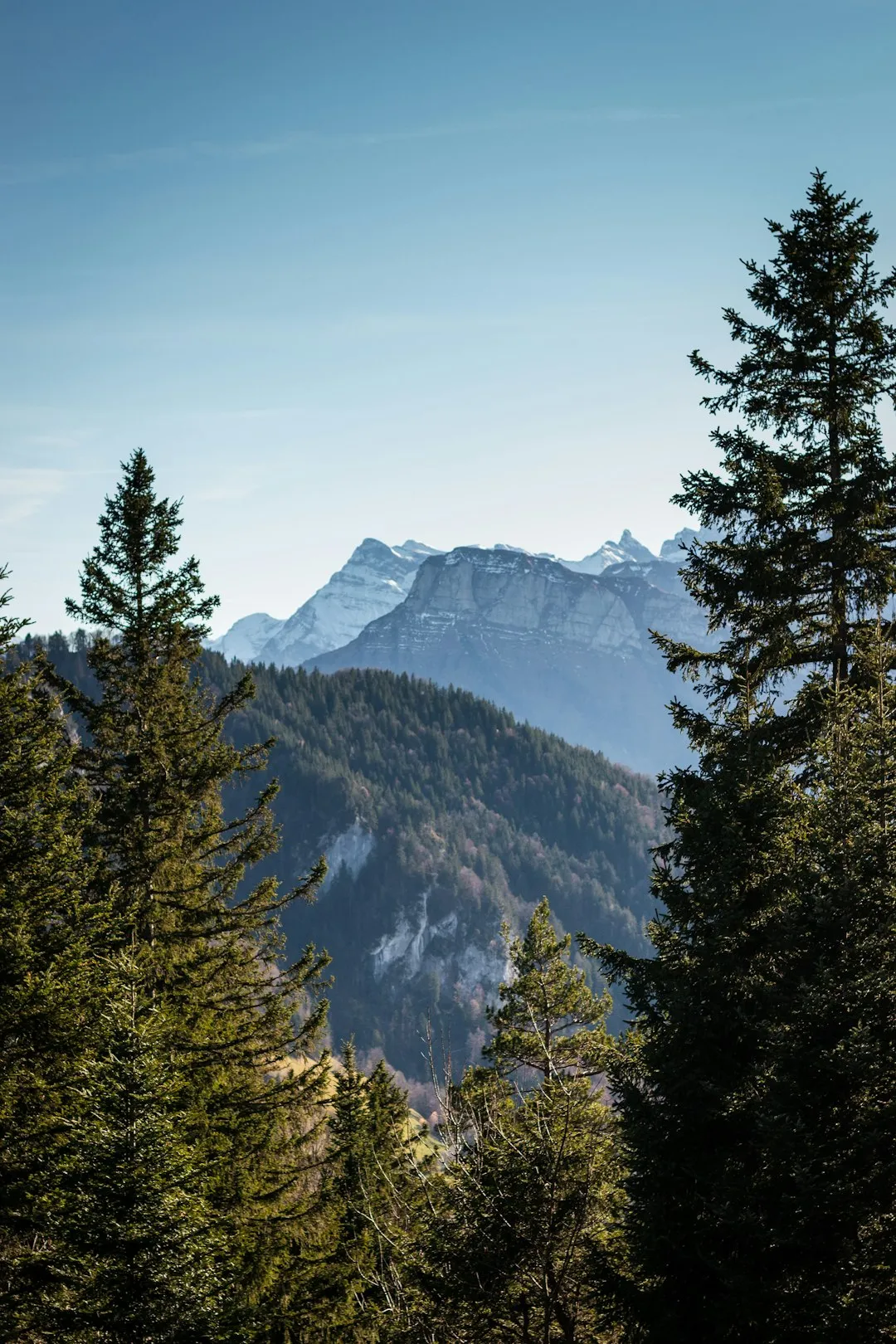
Chamanna Cluozza Trail - A Swiss Alpine Gem
The Chamanna Cluozza Trail is a spectacular day walk located within Switzerland's only National Park, the Swiss National Park. This route offers a profound immersion into a protected alpine environment, showcasing pristine landscapes, diverse flora and fauna, and the raw beauty of the Engadin Valley. The trail leads to the historic Chamanna Cluozza, a mountain hut that serves as a focal point for experiencing the park's wilderness. Designed to be accessible yet challenging, this walk is a perfect introduction to the park's conservation ethos and its breathtaking natural wonders. It’s a journey that rewards with panoramic vistas, the chance to observe wildlife in its natural habitat, and a deep sense of tranquility far removed from the bustle of modern life. The trail's moderate difficulty and manageable distance make it an ideal choice for those seeking an authentic alpine experience without the commitment of multi-day trekking.
- Category: Day Walk
- Distance: 14.2 km
- Elevation Gain: 670 m
- Duration: 5-6 hours
- Difficulty: Moderate
- Best Time: June to October, dry conditions
- Closest City: Zernez
- Trailhead Access: Nearest airport: Zurich (ZRH). Take train to Zernez. From Zernez train station, follow signs to the National Park Centre and the trailhead. Bus available within Zernez. Limited parking near the National Park Centre. No specific permits needed, but National Park rules apply.
- Coordinates: 46.6454, 10.1764
Overview
The Chamanna Cluozza Trail is a quintessential Swiss National Park experience, offering a moderate challenge with substantial rewards. The walk begins from the vicinity of the National Park Centre near Zernez, gradually ascending through varied alpine terrain. Initially, the path winds through forests, providing shade and a gentle introduction to the climb. As the elevation increases, the landscape opens up, revealing expansive meadows dotted with wildflowers in summer and dramatic rocky outcrops. The trail is well-maintained, a testament to the park's commitment to preserving its natural state while ensuring visitor safety and accessibility.
The highlight of the trek is undoubtedly reaching Chamanna Cluozza, a charming mountain hut nestled at a strategic vantage point. From here, breathtaking panoramic views unfold across the Engadin Valley, with snow-capped peaks forming a majestic backdrop. The hut itself is a rustic yet welcoming refuge, offering a place to rest, refuel, and soak in the alpine atmosphere. The descent follows a similar, well-marked path, allowing for reflection on the journey and the stunning scenery encountered. Wildlife observation is a significant draw; red deer, chamois, and marmots are frequently spotted in the park, especially in the quieter, higher-altitude areas. The trail's design ensures that walkers are constantly engaged by the changing scenery, from dense woodland to open alpine pastures and rugged mountain slopes.
The Swiss National Park operates under strict conservation principles, meaning the trail is designed to minimise human impact. Visitors are encouraged to stay on marked paths, avoid disturbing wildlife, and leave no trace. This ethos is integral to the Chamanna Cluozza experience, offering a chance to connect with nature in its purest form. The moderate elevation gain and distance make it achievable for most reasonably fit hikers, providing a memorable day out in one of Europe's most significant protected natural areas.
History and Cultural Context
The Swiss National Park, established in 1914, was the first of its kind in the Alps and the third in the world. Its creation was a pioneering effort to preserve a significant area of alpine wilderness for scientific research and for the enjoyment of future generations. The Chamanna Cluozza, a key destination on this trail, has a history intertwined with the park's development. Built in the early 20th century, it served as a base for researchers and early park visitors, providing essential shelter and a point of access to the park's interior.
The area around Zernez and the Engadin Valley has a rich cultural heritage, influenced by its position as a crossroads in the Alps. Historically, this region was a vital transit route for trade and travel, with communities developing unique traditions and dialects. The establishment of the National Park marked a shift in focus, prioritising the preservation of the natural environment over human development. This commitment to conservation has shaped the landscape and the visitor experience, ensuring that the wild character of the Alps is maintained.
The Chamanna Cluozza hut itself represents a tangible link to the park's past. Its construction and continued operation reflect the ongoing dedication to providing access to the high alpine environment while respecting its ecological integrity. The trail leading to it is not just a physical path but also a journey through the history of conservation in Switzerland, highlighting the foresight of those who recognised the importance of protecting such pristine natural areas.
Seasonal Highlights and Weather Reality
The Chamanna Cluozza Trail is best enjoyed during the warmer months, typically from June to October. During this period, the snow has receded from the higher elevations, and the alpine meadows burst into bloom, creating a vibrant and colourful landscape.
Spring (May to early June): While the lower sections of the trail may be accessible, higher altitudes will likely still be snow-covered. This is generally not the ideal time for this specific hike, as access to the hut and the full scenic potential might be limited. Wildflowers begin to emerge in the lower meadows.
Summer (July to August): This is peak season for the Chamanna Cluozza Trail. The weather is generally warmer, and the alpine flora is at its most spectacular. Wildflowers carpet the meadows, and the chances of spotting wildlife like marmots and chamois are high. Days are long, allowing ample time for the hike and for enjoying the views from the hut. However, this is also the busiest period, and the weather can be unpredictable, with afternoon thunderstorms being common.
Autumn (September to October): Autumn offers a different kind of beauty. The foliage in the forests turns golden and red, creating a stunning contrast with the rugged mountain scenery. The air is crisp, and there are often clearer, sunnier days. Wildlife is often more active as they prepare for winter. The number of visitors decreases significantly, offering a more serene experience. However, early snowfalls can occur in October, so checking weather conditions is crucial.
Weather Considerations: Alpine weather is notoriously changeable. Even in summer, temperatures can drop significantly at higher elevations, and rain or snow can occur with little warning. It is essential to be prepared for all conditions, including cold temperatures, wind, and precipitation, regardless of the season. Always check the local weather forecast before setting out.
Recommended Itinerary
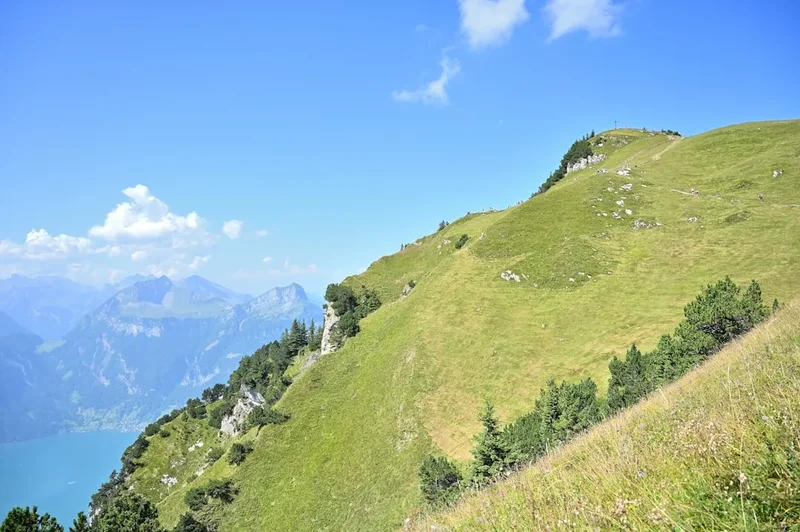
Chamanna Cluozza Trail - Day Walk Itinerary
Early Morning: Arrival and Trailhead Start
- Depart from Zernez by car or local bus towards the Swiss National Park Centre.
- Park at the designated parking area near the National Park Centre or at a trailhead accessible by bus.
- Begin the hike from the trailhead, following clear signage for Chamanna Cluozza.
- Initial section may involve walking through forested areas, offering shade and a gentle ascent.
Morning: Ascending Through Alpine Meadows
- The trail gradually gains elevation, transitioning from forest to open alpine meadows.
- Observe the changing vegetation and the increasing scale of the surrounding mountains.
- Keep an eye out for local wildlife such as marmots and various bird species.
- The path is well-marked, ensuring easy navigation.
Midday: Reaching Chamanna Cluozza
- Arrive at Chamanna Cluozza, the mountain hut.
- Take a break to enjoy the spectacular panoramic views of the Engadin Valley and surrounding peaks.
- Have lunch or a snack at the hut, or find a scenic spot nearby to picnic.
- The hut may offer refreshments or simple meals during its operating hours (check in advance).
Afternoon: Descent and Return
- Begin the descent back towards the trailhead.
- The return route often follows a similar path or a slightly different variation, offering new perspectives.
- Continue to appreciate the alpine scenery and the tranquility of the National Park.
- Be mindful of the time to ensure a timely return before dusk.
Late Afternoon: Completion
- Arrive back at the trailhead/parking area.
- Reflect on the day's hike and the natural beauty experienced within the Swiss National Park.
- Return to Zernez or your accommodation.
Important Notes:
- The trail is a day hike; no overnight accommodation is required on the trail itself.
- Chamanna Cluozza is a staffed hut during the main season, offering basic services. Check opening times and services in advance.
- Carry sufficient water and snacks, as services on the trail are limited.
- Wear sturdy hiking boots and dress in layers suitable for alpine weather.
- Respect all Swiss National Park regulations to protect the environment and wildlife.
Planning and Bookings
Book Your Trip
Everything you need to plan your journey
Accommodation
Find places to stay near Zernez
Flights
Search flights to Zernez
Essential Preparation
The Chamanna Cluozza Trail is a day hike, meaning overnight accommodation is not a primary concern on the trail itself. However, preparation is key to a safe and enjoyable experience. Zernez serves as the main gateway town to the Swiss National Park and offers all necessary amenities. Visitors should plan their travel to Zernez, which is well-connected by public transport (trains) and has road access. From Zernez, local buses or a private vehicle can be used to reach the National Park Centre and the trailhead. It is advisable to check the operating schedule of local buses, especially outside the peak summer season. Parking is available near the National Park Centre, but it can be limited during busy periods. Understanding the park's regulations regarding staying on marked trails, not feeding wildlife, and packing out all waste is crucial before commencing the hike.
Trail Accommodation
This is a day hike requiring no overnight accommodation.
Required Gear
- Sturdy hiking boots: Waterproof and with good ankle support are essential for navigating uneven terrain.
- Backpack: A comfortable daypack (20-30 litres) to carry essentials.
- Waterproof jacket and trousers: Alpine weather can change rapidly; protection from rain and wind is vital.
- Warm layers: Fleece or down jacket, hat, and gloves, even in summer, as temperatures can drop significantly at higher altitudes.
- Navigation tools: A map of the area and a compass, or a GPS device/smartphone with offline maps. While the trail is well-marked, it's always wise to have backup navigation.
- Sun protection: High SPF sunscreen, sunglasses, and a wide-brimmed hat, as the sun's intensity is high at altitude.
- First-aid kit: Including blister treatment, pain relievers, antiseptic wipes, and any personal medications.
- Head torch: With spare batteries, in case of unexpected delays or early starts/late finishes.
What to Bring
- Sufficient water: At least 1.5-2 litres per person, as water sources on the trail may be limited or require treatment.
- High-energy food: Packed lunch, snacks (nuts, dried fruit, energy bars) to sustain you throughout the hike.
- Toiletries: Biodegradable soap, toothbrush, toothpaste, hand sanitiser, and toilet paper.
- Camera: To capture the stunning alpine scenery and potential wildlife sightings.
- Binoculars: Highly recommended for observing wildlife from a distance without disturbing them.
- Trekking poles: Optional, but can provide stability and reduce strain on knees during ascents and descents.
- National Park information: A brochure or downloaded information about the Swiss National Park's rules and flora/fauna.
Permits
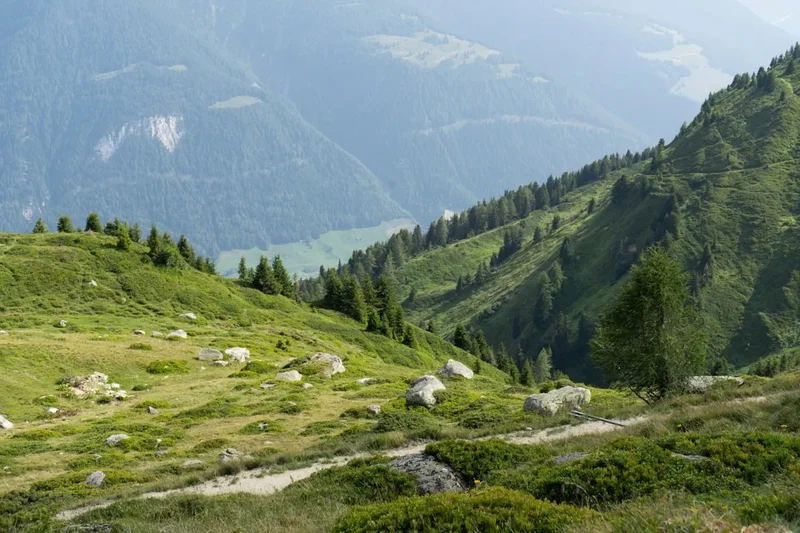
No specific permits are required to hike the Chamanna Cluozza Trail or to enter the Swiss National Park. Entry to the park is free. However, visitors are expected to adhere strictly to the park's regulations, which are designed to protect its unique environment and wildlife. These regulations are clearly posted at park entrances and information centres, and are also available online.
Key regulations include:
- Staying on marked trails: This is paramount to prevent erosion and disturbance to sensitive vegetation and wildlife habitats.
- No off-trail hiking: Venturing off marked paths is prohibited.
- No camping: Overnight stays are only permitted in designated huts or mountain guesthouses outside the park boundaries.
- No campfires: Open fires are strictly forbidden.
- No disturbing wildlife: Do not approach, feed, or attempt to touch any animals. Maintain a respectful distance.
- Pack it in, pack it out: All litter, including food scraps, must be carried out of the park.
- No drones: The use of drones is prohibited within the National Park.
The Swiss National Park operates on a philosophy of minimal intervention, allowing nature to take its course. Visitors play a vital role in upholding this principle by respecting the rules and minimising their impact. Information about the park's regulations and conservation efforts can be found at the National Park Centre in Zernez.
Other Activities in the Area
The region surrounding Zernez and the Swiss National Park offers a wealth of activities for visitors looking to extend their stay or explore beyond the Chamanna Cluozza Trail:
- Swiss National Park Visitor Centre (Zernez): An excellent starting point to learn about the park's geology, flora, fauna, and conservation efforts. Interactive exhibits make it engaging for all ages.
- Exploring Zernez: The village itself is charming, with traditional Engadin architecture, local shops, and restaurants serving regional specialities.
- Other Hiking Trails: The Swiss National Park boasts an extensive network of marked trails catering to various fitness levels, from gentle valley walks to more challenging mountain routes.
- Cycling and Mountain Biking: Designated routes are available in the wider Engadin region, offering scenic rides through valleys and along lakes.
- Winter Sports: In winter, Zernez and the surrounding Engadin Valley transform into a premier destination for skiing, snowboarding, cross-country skiing, and snowshoeing.
- Lakes of the Engadin: Nearby lakes like Lake Sils, Lake Silvaplana, and Lake St. Moritz offer opportunities for watersports, leisurely strolls, or simply enjoying the picturesque lakeside scenery.
- Muottas Muragl: Accessible by funicular, this viewpoint offers stunning panoramic vistas of the Upper Engadin lake plateau and surrounding mountain ranges.
- St. Moritz: A world-renowned resort town offering luxury shopping, cultural attractions, and a vibrant atmosphere.
Safety and Conditions
Weather: Alpine weather is highly unpredictable. Always check the forecast from a reliable source like MeteoSwiss or local tourist information before and during your hike. Be prepared for sudden changes, including rain, wind, fog, and even snow, especially at higher elevations. Temperatures can drop significantly, so carrying warm layers is essential.
Trail Conditions: The Chamanna Cluozza Trail is generally well-maintained. However, after heavy rain or early/late season snow, sections may be slippery or muddy. Always wear appropriate footwear with good grip. Stick to marked paths to avoid getting lost and to protect the fragile alpine environment.
Wildlife: While wildlife sightings are a highlight, it's crucial to maintain a safe distance. Do not approach or feed animals. Chamois and ibex are common, and marmots are often seen basking on rocks. Respect their space and observe them from afar.
Navigation: Although the trail is marked, carrying a map and compass or using a GPS device is recommended. Ensure your device is fully charged and consider downloading offline maps. Familiarise yourself with the route before you start.
Hydration and Nutrition: Carry ample water, as water sources on the trail may be scarce or require purification. Pack high-energy snacks and a substantial lunch to maintain your energy levels throughout the hike.
Emergency: In case of an emergency, contact Swiss Rescue on 144. Ensure you have a fully charged mobile phone, but be aware that reception can be unreliable in mountainous areas. Consider carrying a power bank.
Park Regulations: Familiarise yourself with and strictly adhere to the Swiss National Park regulations. These are in place for your safety and the preservation of the park's natural integrity.
Side Trips and Points of Interest
Chamanna Cluozza Hut: The primary destination of this trail, the hut itself is a point of interest. It offers a welcome respite and a base from which to admire the expansive alpine scenery. Depending on the season and staffing, it may offer basic refreshments or meals, providing an authentic mountain hut experience. The views from the hut's vicinity are spectacular, encompassing the Engadin Valley and the surrounding peaks of the Swiss Alps.
Alpine Meadows and Flora: During the summer months, the meadows along the trail are a riot of colour, adorned with a diverse array of alpine wildflowers. Species such as gentians, edelweiss (though rare and protected), alpine roses, and various saxifrages can be spotted. The trail offers excellent opportunities for botanical observation.
Wildlife Viewing Opportunities: The Swiss National Park is renowned for its wildlife. Along the Chamanna Cluozza Trail, keep a keen eye out for:
- Marmots: Often seen sunning themselves on rocks or near their burrows, especially in open, rocky areas. Their distinctive whistles can often be heard before they are seen.
- Chamois and Ibex: These agile mountain ungulates are frequently spotted grazing on steep slopes. They are most active in the early morning and late afternoon.
- Birds: Various alpine bird species inhabit the area, including choughs, eagles, and smaller songbirds.
Remember to maintain a significant distance and use binoculars for the best viewing experience without disturbing the animals.
Panoramic Vistas: The trail provides numerous viewpoints offering breathtaking panoramas. As you ascend, the Engadin Valley unfolds below, with its characteristic lakes and villages. The higher sections of the trail offer expansive views of the surrounding mountain ranges, including prominent peaks of the Swiss Alps. These vistas are particularly stunning on clear days.
Leave No Trace
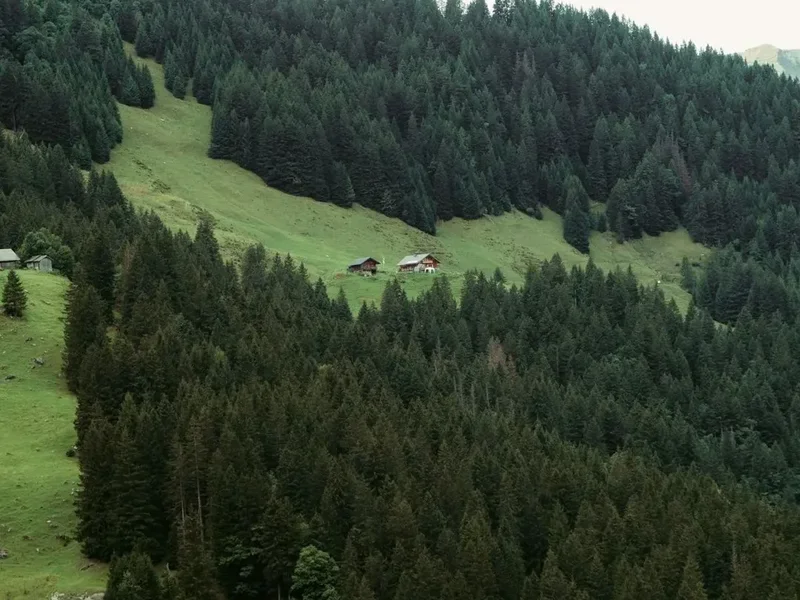
The Swiss National Park is a sanctuary for nature, and visitors are entrusted with its care. Adhering to Leave No Trace principles is not just a guideline but a fundamental requirement for all who enter this protected environment. The Chamanna Cluozza Trail, like all routes within the park, is managed with minimal impact in mind.
Your responsibilities include:
- Plan Ahead and Prepare: Understand the park's regulations, check weather forecasts, and pack appropriately. Know the trail and its challenges.
- Travel and Camp on Durable Surfaces: Stay strictly on marked trails. The alpine vegetation is fragile and can take years to recover from damage. Avoid creating new paths or shortcuts.
- Dispose of Waste Properly: Pack out everything you pack in. This includes all food scraps, wrappers, and any other litter. There are no bins within the park. Use designated toilets at Chamanna Cluozza or carry out human waste if necessary and no facilities are available.
- Leave What You Find: Do not pick wildflowers, collect rocks, or disturb natural features. Take only photographs and memories.
- Minimise Campfire Impacts: Campfires are strictly prohibited within the Swiss National Park.
- Respect Wildlife: Observe animals from a distance. Never feed them, as this can disrupt their natural behaviours, diets, and health. Maintain quiet to avoid startling them.
- Be Considerate of Other Visitors: Keep noise levels down, yield to others on the trail, and be mindful of the shared experience of enjoying nature's tranquility.
By following these principles, you contribute to the preservation of the Swiss National Park's pristine beauty and ecological integrity for generations to come.
 Switzerland