
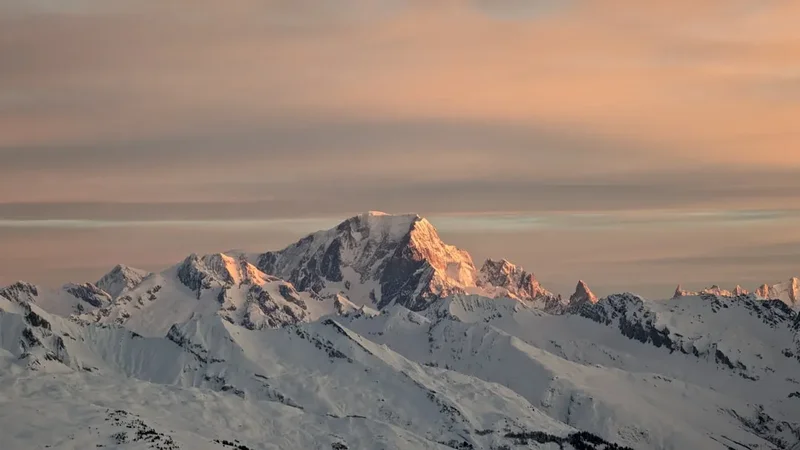
Cirque de Gavarnie Trail - The Colosseum of Nature
The Cirque de Gavarnie is not merely a geological formation; it is a profound architectural statement by the natural world. Located in the heart of the Pyrenees National Park in southwestern France, this massive glacial amphitheatre is a cornerstone of the UNESCO World Heritage site "Pyrénées - Mont Perdu." Described by the legendary writer Victor Hugo as "the Colosseum of Nature," the Cirque features limestone walls that rise over 1,500 metres from the valley floor, culminating in a series of jagged peaks that straddle the border between France and Spain. The trail leading from the picturesque village of Gavarnie to the base of the Grande Cascade—the highest waterfall in mainland France—is a journey through a landscape that feels both ancient and eternal. At 12.0 kilometres return, this moderate day walk offers an accessible yet deeply rewarding encounter with one of Europe's most iconic natural wonders.
- Distance: 12.0 km return
- Duration: 4-5 hours
- Season: June to October (accessible in winter with specialist equipment and guide)
- Elevation Gain: 750 m
- Difficulty: Moderate (well-maintained paths with a steep final ascent to the waterfall)
- Highest Point: Base of the Grande Cascade (~1,750 m)
- Closest Village: Gavarnie (Hautes-Pyrénées)
- Status: UNESCO World Heritage Site and National Park
Overview
The Cirque de Gavarnie Trail is the quintessential Pyrenean experience, combining dramatic alpine scenery with a rich cultural history. The walk begins in the village of Gavarnie, a settlement that has served as a gateway for explorers, pilgrims, and mountaineers for centuries. From the village, the trail follows the Gave de Pau river, winding through lush meadows and ancient forests of beech and fir. As you progress, the scale of the Cirque begins to reveal itself, with the massive limestone tiers—formed by millions of years of glacial erosion and tectonic uplift—dominating the horizon. The amphitheatre is approximately 800 metres wide at its base and expands to about 3,000 metres at the summit rim, creating a sense of enclosure that is both humbling and exhilarating.
The primary objective for most walkers is the Grande Cascade. Plunging 422 metres in a single, elegant ribbon of water, it is fed by the melting snows and glaciers of the Spanish side of the range, specifically the Marboré snowfields. The water travels through a complex system of subterranean caves before erupting from the cliff face. The final approach to the waterfall involves a transition from the gentle valley floor to a more rugged, scree-covered slope, where the air grows noticeably cooler and the roar of the falling water becomes a constant companion. This is a landscape of extremes: the delicate alpine flora, including the endemic Pyrenean lily and the rare Ramonda myconi, clings to the rocks in the shadow of massive, unforgiving cliffs.
While the trail is popular, its immensity ensures that the grandeur of the landscape is never diminished. Whether viewed under the brilliant blue skies of a Pyrenean summer or through the ethereal mists that frequently roll over the peaks from Spain, the Cirque de Gavarnie remains a site of unparalleled beauty. It is a place where the geological history of the Earth is laid bare, and where the sheer scale of the mountains serves as a reminder of the power of the natural forces that continue to shape our world.
History and Cultural Context
The history of Gavarnie is inextricably linked to the birth of "Pyreneism"—a movement that combined mountain exploration with scientific study and artistic expression. Unlike the more commercialised development of the Alps, the Pyrenees were explored by individuals who sought a deeper, more romantic connection with the wilderness. In the late 18th and 19th centuries, figures such as Louis Ramond de Carbonnières, often considered the father of Pyreneism, used Gavarnie as a base for his botanical and geological surveys. His work helped to bring the region to the attention of the European scientific community and paved the way for the mountaineers who would later conquer the surrounding peaks.
The village itself has a long history as a stop on the Camino de Santiago (the Way of Saint James). The 12th-century church in Gavarnie, once part of a hospital run by the Knights Hospitaller of Saint John of Jerusalem, provided sanctuary and medical care to pilgrims crossing the treacherous mountain passes into Spain. This spiritual heritage is still palpable in the village, where the sound of church bells mingles with the rush of the river. The local culture is deeply rooted in pastoralism; for generations, shepherds have moved their flocks of sheep and cattle to the high summer pastures (transhumance), a practice that continues today and helps maintain the biodiversity of the alpine meadows.
In 1997, the Cirque de Gavarnie, along with the neighbouring cirques of Estaubé and Troumouse and the Ordesa Canyon in Spain, was designated a UNESCO World Heritage site. This recognition was based not only on the exceptional natural beauty and geological significance of the area but also on the "pastoral landscape" that reflects a way of life that has survived for millennia. The protection afforded by the Pyrenees National Park, established in 1967, ensures that this delicate balance between human activity and wilderness preservation is maintained for future generations.
Want more background? Read extended notes on history and cultural context → Learn more
Seasonal Highlights and Weather Reality
The Cirque de Gavarnie undergoes a dramatic transformation with each passing season, offering a different experience depending on when you choose to visit. The primary hiking season runs from June to October, when the trails are generally clear of snow and the weather is most stable. However, the Pyrenees are known for their volatile weather, and conditions can change with startling speed.
Summer (July and August): This is the peak season, characterised by long, sunny days and vibrant alpine meadows. The Grande Cascade is at its most impressive during the early summer as the snowmelt reaches its peak. However, this is also the busiest time of year, and the trail can be crowded. Afternoon thunderstorms are common in the Pyrenees; these "orages" can be violent, with heavy rain and lightning, making it essential to start your walk early in the day.
Autumn (September and October): Many experienced hikers consider this the best time to visit. The crowds dissipate, the air becomes crisp and clear, and the beech forests turn brilliant shades of gold and orange. The weather is often more stable than in mid-summer, though the days are shorter and the nights can be quite cold. By late October, the first dustings of snow often appear on the high peaks.
Spring (May and June): This is a season of transition. While the lower valley is lush and green, snow often remains on the upper sections of the trail and at the base of the waterfall until well into June. The river and waterfalls are at their most powerful, but the risk of avalanches from the cliffs above remains a serious concern. Proper footwear and caution are required.
Winter (November to April): During the winter months, the Cirque becomes a world of ice and snow. The trail is often buried, and the Grande Cascade freezes into a massive pillar of ice, attracting world-class ice climbers. Walking to the Cirque in winter is possible but requires snowshoes or crampons, and hikers must be acutely aware of avalanche risks. It is highly recommended to hire a local guide for winter excursions.
Recommended Itinerary
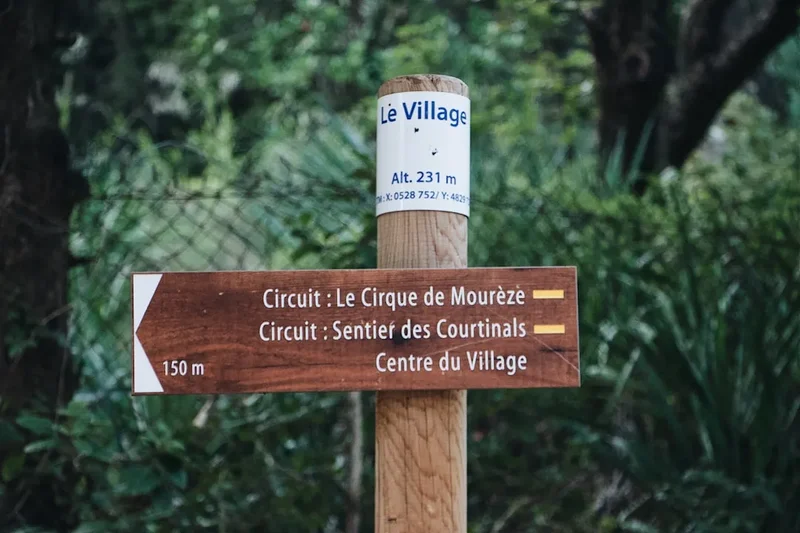
Cirque de Gavarnie Day Walk Itinerary
Early Morning: Departure from Gavarnie Village
- Start Point: Gavarnie Village (1,375 m)
- Distance: 0 km
- Time: 08:00 – 08:30
- Begin your journey at the village centre, following the signs for "Le Cirque."
- The path is wide and well-paved as it leaves the village, passing local shops and cafés.
- Enjoy the first clear views of the Cirque's massive walls framed by the valley.
- Cross the stone bridge over the Gave de Pau, where the sound of the water sets the tone for the hike.
Mid-Morning: The Valley Floor and Forest
- Distance: 2.5 km
- Elevation Gain: 150 m
- Time: 09:00 – 10:00
- The trail transitions from pavement to a well-maintained gravel path.
- Walk through a mix of open meadows and shaded sections of beech and fir forest.
- Keep an eye out for local wildlife, including the Pyrenean chamois (isard) on the higher slopes and griffon vultures soaring overhead.
- The gradient is gentle, making this section accessible for families and casual walkers.
- Pass the "Plateau de la Courade," a beautiful open area offering panoramic views of the surrounding peaks.
Midday: Arrival at the Hôtellerie du Cirque
- Distance: 4.5 km
- Elevation Gain: 200 m
- Time: 10:30 – 11:30
- Reach the historic Hôtellerie du Cirque (1,570 m), a rustic stone building situated at the base of the amphitheatre.
- This is a perfect spot for a short break or a coffee while taking in the full scale of the 1,500-metre cliffs.
- From here, the path becomes more rugged and the "tourist" section ends.
- The Grande Cascade is now clearly visible, appearing much closer than it actually is.
Early Afternoon: The Final Ascent to the Grande Cascade
- Distance: 6.0 km (turnaround point)
- Elevation Gain: 400 m (steep section)
- Time: 12:00 – 13:30
- The trail climbs more steeply over rocky terrain and scree slopes.
- The path can be slippery, especially after rain or early in the season when snow patches remain.
- As you approach the base of the waterfall (1,750 m), the temperature drops and the mist from the falls becomes refreshing.
- Stand at the base of the 422-metre drop and experience the sheer power of the water.
- Take time for photographs and a picnic lunch in this extraordinary setting.
Late Afternoon: Return to Gavarnie
- Distance: 12.0 km (total)
- Elevation Loss: 750 m
- Time: 14:00 – 16:00
- Retrace your steps back down the scree slope to the Hôtellerie.
- The descent offers a different perspective of the valley and the village below.
- Consider taking the "Chemin des Espugues" (a slightly higher alternative path) for part of the return journey to enjoy different views.
- Arrive back in Gavarnie village for a well-earned refreshment at one of the local terraces.
Important Notes:
- The final section to the waterfall is significantly more difficult than the rest of the trail.
- Sturdy footwear with good grip is essential for the rocky sections.
- The mist from the waterfall can soak you within minutes; bring a waterproof layer.
- In peak summer, the trail can be very busy; an early start (before 08:30) is highly recommended.
- Check the weather forecast for afternoon thunderstorms before heading to the upper section.
Planning and Bookings
Book Your Trip
Everything you need to plan your journey
Accommodation
Find places to stay near Gavarnie
Flights
Search flights to Gavarnie
Essential Preparation
The Cirque de Gavarnie is a highly accessible trail, but its popularity and alpine environment require thoughtful preparation. The closest major city is Toulouse, which has an international airport (Toulouse-Blagnac). From Toulouse, it is approximately a 2.5-hour drive to the village of Gavarnie. Alternatively, you can take a train to Lourdes and then a local bus (SNCF or regional services) to Gavarnie, though bus services are limited and seasonal. If driving, be aware that parking in Gavarnie village is mandatory and requires a fee during the peak season (approximately €5-€8 per day). The village is small and can become congested, so arriving early is vital.
Fitness requirements for the main trail are moderate. The walk to the Hôtellerie du Cirque is easy and suitable for most ages and abilities. However, the final push to the base of the Grande Cascade is a different matter, requiring a good level of cardiovascular fitness and steady footing on loose rock. If you plan to explore side trips like the Brèche de Roland, you will need a much higher level of fitness and mountain experience. Ensure you are acclimatised to the altitude, as the village sits at nearly 1,400 metres and the trail goes higher.
Trail Accommodation
This is a day hike requiring no overnight accommodation on the trail itself. However, the village of Gavarnie and the surrounding area offer a range of options for those wishing to stay nearby.
Village Accommodation:
- Hotels: Several family-run hotels in Gavarnie village offer comfortable rooms and traditional Pyrenean cuisine. Booking in advance is essential for July and August.
- Gîtes d'étape: Budget-friendly dormitory-style accommodation is available for hikers and those walking the GR10.
- Campsites: There are several well-equipped campsites within a few kilometres of the village, offering stunning views and basic facilities (showers, toilets, electricity).
Mountain Refuges (for extended trips):
- Refuge des Espuguettes: Located above the Cirque, this staffed hut offers meals and beds for those doing multi-day treks. It provides an incredible vantage point for watching the sunset over the Cirque.
- Refuge de la Brèche de Roland (Sarradets): Essential for those climbing to the border, this hut requires advance booking and offers basic alpine facilities.
Note: Wild camping (bivouacking) is strictly regulated within the Pyrenees National Park. You may only set up a tent between 7:00 PM and 9:00 AM, and you must be at least one hour's walk from the nearest road access.
Required Gear
- Hiking Boots: Sturdy boots with ankle support and a high-grip sole (Vibram or similar) are essential for the final rocky ascent.
- Waterproof Jacket: A lightweight, breathable waterproof shell is necessary for the waterfall mist and potential afternoon storms.
- Layered Clothing: Temperatures can fluctuate significantly between the shaded forest and the exposed Cirque. Use moisture-wicking base layers and a fleece mid-layer.
- Sun Protection: High-altitude sun is intense. Bring a hat, high-SPF sunscreen, and UV-rated sunglasses.
- Day Pack: A 20-30L pack with a rain cover is sufficient for this route.
- Trekking Poles: Highly recommended for the descent from the waterfall to save your knees on the loose scree.
- Navigation: A basic map of the area or a GPS app (like IGN France) is useful, although the main trail is very well-marked.
What to Bring
- Water: At least 2 litres per person. While there are streams, the presence of livestock means the water should be treated before drinking.
- Food: Pack a substantial lunch and high-energy snacks (nuts, dried fruit, chocolate). The village has a small grocery store for supplies.
- First Aid Kit: Include blister plasters (Compeed), antiseptic wipes, and any personal medications.
- Binoculars: Excellent for spotting isards on the cliffs or vultures in the sky.
- Camera: The scale of the Cirque is difficult to capture, but you will certainly want to try.
- Cash: Some small shops or the Hôtellerie may have minimums for card payments or prefer cash for small purchases.
Permits
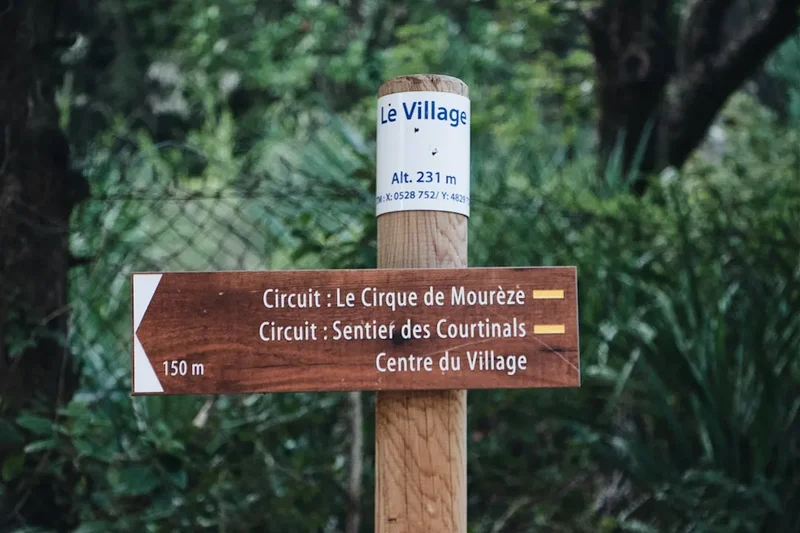
One of the great appeals of the Cirque de Gavarnie is its accessibility. No permits are required to hike the trail or to enter the Pyrenees National Park. Access is free for all visitors, reflecting the French philosophy of "liberté" in their natural spaces.
Parking and Access Fees:
- While the trail is free, parking in the village of Gavarnie is regulated. During the summer season and school holidays, all parking areas in the village are paid. Expect to pay between €5 and €8 for a full day. The machines usually accept both cash and cards.
- The funds generated from parking fees are used by the municipality to maintain the village infrastructure and the trails that support the high volume of visitors.
National Park Regulations:
- While no permit is needed, you must adhere to the strict rules of the Parc National des Pyrénées. These are designed to protect the fragile ecosystem and the wildlife.
- Dogs are strictly prohibited in the core zone of the National Park, even on a lead. This is to prevent the disturbance of wildlife and livestock. There are specific areas near the village where dogs are allowed, but they cannot go to the Cirque.
- Drones are prohibited throughout the National Park to protect the peace and the birds of prey.
- Mountain biking is restricted to specific designated tracks and is not allowed on the main hiking trail to the Cirque.
Group Activities: If you are organising a large commercial group or a professional film shoot, you may need to contact the National Park headquarters in Tarbes to obtain specific authorisation and ensure your activity complies with conservation goals.
Other Activities in the Area
The Gavarnie region is a playground for outdoor enthusiasts, offering much more than just the main Cirque trail:
- Brèche de Roland: For fit and experienced hikers, the climb to this natural "gap" in the mountain wall (2,807 m) is legendary. According to myth, the Count Roland created the breach with his sword, Durendal. It offers a gateway into the Ordesa National Park in Spain.
- Pic du Midi de Bigorre: Accessible via cable car from nearby La Mongie, this observatory offers one of the finest panoramic views in the Pyrenees and a "bridge into the void" for the brave.
- Canyoning and Rafting: The valleys below Gavarnie, particularly around Argelès-Gazost, offer world-class whitewater activities in the spring and early summer.
- Thermal Spas: After a long hike, visit the historic thermal baths in Cauterets or Saint-Sauveur. These "thermes" have been popular since the 19th century for their healing properties.
- Lourdes: Only an hour away, the world-famous pilgrimage site offers a fascinating cultural and spiritual experience, regardless of your religious background.
- Col du Tourmalet: Cycling enthusiasts can tackle one of the most famous climbs of the Tour de France, located a short drive from the Gavarnie valley.
Safety and Conditions
Mountain Weather: The Pyrenees are notorious for rapid weather shifts. A clear morning can quickly turn into a dangerous afternoon with heavy fog or violent thunderstorms. Always check the local forecast (Météo-France) specifically for the "Hautes-Pyrénées" mountains before setting out. If you see dark clouds gathering over the peaks to the south (the Spanish border), it is time to head back.
Terrain Hazards: The main path is wide and safe, but the final approach to the Grande Cascade involves crossing scree slopes. These are composed of loose limestone fragments that can shift underfoot. Take your time, use trekking poles, and be mindful of other hikers above or below you. In early summer, snow bridges may form over the streams; never attempt to cross these as they can collapse without warning.
Hydration and Altitude: The combination of physical exertion, high-altitude sun, and dry mountain air can lead to rapid dehydration. Drink regularly, even if you don't feel thirsty. Be aware of the symptoms of mild altitude sickness, such as headaches or nausea, and descend if they persist.
Livestock and Wildlife: You will likely encounter cows or sheep grazing near the trail. These animals are generally docile but should be given a wide berth, especially if they have young. Do not attempt to pet or feed them. If you encounter a "Patou" (a large white livestock guardian dog), stay calm, keep your distance, and do not make sudden movements; the dog is simply doing its job to protect the flock from predators.
Emergency Services: In the event of an accident, the emergency number in France is 112. Be aware that mobile phone reception is patchy in the Cirque and non-existent at the base of the waterfall. In a serious emergency, you may need to send someone back to the Hôtellerie or the village to call for help. The PGHM (Peloton de Gendarmerie de Haute Montagne) is the elite mountain rescue unit responsible for the area.
Side Trips and Points of Interest
The Grande Cascade: Standing at 422 metres, this is the focal point of the hike. The sheer volume of water and the wind generated by its fall create a unique microclimate at its base. It is one of the most photographed spots in France, but no picture can capture the physical sensation of the thundering water vibrating through the ground.
Hôtellerie du Cirque: This historic building has welcomed visitors since 1845. While it offers basic refreshments today, its terrace provides arguably the best view of the Cirque in the entire valley. It serves as a landmark and a psychological halfway point for many walkers.
Plateau de Bellevue: For a different perspective, take the path that climbs the western side of the valley from the village. This "Bellevue" plateau offers a stunning, elevated view of the entire Cirque, allowing you to appreciate its symmetrical beauty without the crowds of the main valley floor path.
The Statue of Notre-Dame des Neiges: Located on a small hill overlooking the village, this statue of the Virgin Mary provides a peaceful spot for reflection and a great view of the village rooftops against the backdrop of the mountains.
The Cemetery of Mountaineers: In the village churchyard, you can find the graves of famous Pyreneists and guides who lost their lives in these mountains. It is a sobering reminder of the respect these peaks demand and a tribute to the history of exploration in the region.
Leave No Trace
The Cirque de Gavarnie is a fragile ecosystem under immense pressure from its own popularity. As a visitor, you have a responsibility to minimise your impact to ensure the "Colosseum of Nature" remains pristine for the next century.
Core Principles for Gavarnie:
- Stick to the Path: The alpine meadows are home to rare plants that are easily crushed. Short-cutting switchbacks causes erosion that can take decades to repair in the thin mountain soil.
- Carry Out All Trash: There are no bins on the trail. This includes organic waste like orange peels or banana skins, which decompose very slowly at high altitudes and can be harmful to local wildlife.
- Respect the Silence: The acoustic qualities of the Cirque are remarkable. Avoid shouting or playing music; let the sound of the wind and the waterfalls be the soundtrack to your journey.
- No Wildfires: Fire is a major risk in the National Park. Use only a small camping stove if necessary, and only in designated bivouac areas.
- Protect the Water: Do not use soap or detergents in the streams. Even biodegradable products can harm the delicate aquatic life in these nutrient-poor waters.
- Observe Wildlife from Afar: Use binoculars to watch the isards and vultures. Never attempt to approach or feed them, as this disrupts their natural foraging behaviour.
By following these principles, you contribute to the preservation of a site that belongs to the entire world. Leave nothing but footprints, take nothing but photographs, and keep the memories of this extraordinary place forever.
 France