
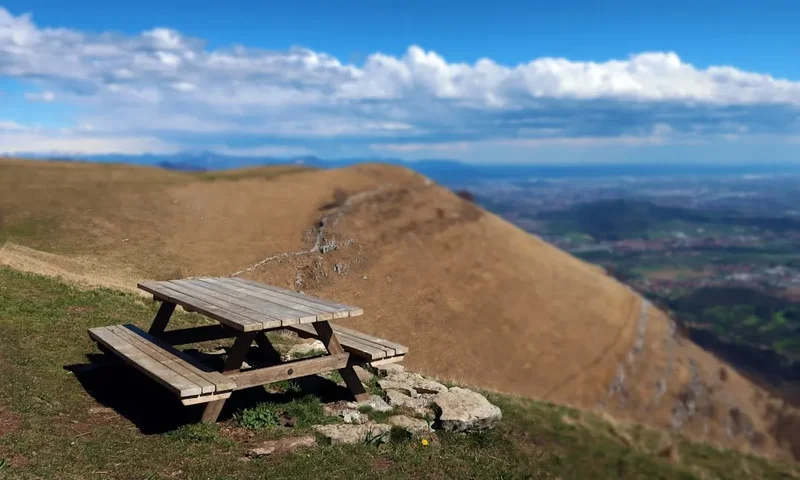
Cinque Terre Blue Trail - A Coastal Gem
The Cinque Terre Blue Trail (Sentiero Azzurro) is a world-renowned coastal path connecting the five picturesque villages of the Cinque Terre region in Liguria, Italy. This iconic trail offers breathtaking views of the Ligurian Sea, rugged cliffs, terraced vineyards, and the vibrant, colourful houses that cling to the hillsides. While sections of the trail can be challenging due to steep ascents and descents, its overall moderate difficulty and unparalleled scenery make it a must-do for hikers and travellers alike. The trail is divided into four main segments, each offering a unique perspective on this UNESCO World Heritage site.
- Distance: Approximately 12.0 km (total length of the main segments)
- Duration: 5-7 hours (walking time, excluding stops)
- Season: Spring and Autumn (April-May, September-October)
- Huts: No overnight accommodation on the trail itself; accommodation is in the villages.
- Highest point: Varies by section, but generally follows the coastline with significant elevation changes.
- Daily walkers: High volume, especially during peak season.
- Direction: Can be walked in either direction, though the most popular route is generally from Monterosso to Riomaggiore.
Overview
The Cinque Terre Blue Trail is not a single, continuous path but rather a series of interconnected segments that link the five villages: Monterosso al Mare, Vernazza, Corniglia, Manarola, and Riomaggiore. Each section presents its own character and challenges, from the relatively gentle Via dell'Amore (though often closed) to the more demanding climbs between Vernazza and Corniglia. The trail is carved into the dramatic coastline, winding through olive groves, lemon orchards, and steep vineyards that have been meticulously terraced over centuries. The constant presence of the shimmering Ligurian Sea below, coupled with the vibrant colours of the villages, creates a visual feast that is both exhilarating and deeply peaceful.
The trail's popularity means it can be crowded, particularly during the summer months. However, visiting during the shoulder seasons of spring and autumn offers a more serene experience, with pleasant temperatures ideal for walking and fewer crowds. The scent of wild herbs, the sound of the waves crashing against the rocks, and the panoramic vistas make every step a memorable one. The trail is a testament to human ingenuity and resilience, showcasing how communities have adapted to and thrived in this challenging yet beautiful coastal environment.
The Blue Trail is more than just a hike; it's an immersion into the heart of Ligurian culture, offering glimpses into traditional farming practices, local cuisine, and the unique lifestyle of the Cinque Terre inhabitants. The journey is punctuated by opportunities to stop in the villages, enjoy a refreshing gelato, savour local pesto or fresh seafood, and soak in the atmosphere of these ancient fishing communities.
History and Cultural Context
The history of the Cinque Terre is deeply intertwined with the development of its coastal paths. For centuries, these trails were the primary means of communication and transport between the villages, essential for trade, agriculture, and daily life. The construction of the dry-stone terraces supporting the vineyards and olive groves began as early as the 14th century, a monumental undertaking that shaped the landscape and enabled the region's inhabitants to cultivate the steep hillsides.
The Blue Trail, in its current form, evolved from these ancient mule tracks and agricultural paths. The most famous and historically significant section, the Via dell'Amore (Lover's Lane), connecting Riomaggiore and Manarola, was carved into the rock face in the early 20th century, becoming a symbol of romance and a major tourist attraction. However, its precarious location has led to frequent closures due to landslides, highlighting the ongoing challenges of maintaining infrastructure in this geologically active area.
The designation of the Cinque Terre as a National Park and a UNESCO World Heritage site in 1997 recognised the unique cultural landscape created by human interaction with nature over millennia. This recognition has spurred efforts to preserve the trails, the dry-stone walls, and the traditional agricultural practices that define the region. The ongoing maintenance of the Blue Trail is a continuous effort, often undertaken by local communities and park authorities, to ensure its safety and accessibility while respecting its historical and environmental significance.
Seasonal Highlights and Weather Reality
The Cinque Terre Blue Trail is best experienced during the spring (April to May) and autumn (September to October). During these periods, the weather is typically mild and pleasant, with average temperatures ranging from 15°C to 25°C. The landscape is vibrant, with wildflowers blooming in spring and the vineyards turning golden in autumn. The sea is often calm, offering beautiful reflections and opportunities for swimming for the more adventurous.
Summer (June to August) can be very hot, with temperatures often exceeding 30°C, making hiking challenging. The trails are also at their most crowded during this time, with large numbers of tourists visiting the villages and walking the paths. While the sea is warm and inviting, the heat can be intense, and sun protection is paramount.
Winter (November to March) brings cooler temperatures, with averages around 10°C, and a higher chance of rain and strong winds. Some sections of the trail may be closed due to adverse weather conditions. However, winter offers a unique, tranquil experience with fewer visitors, allowing for a more authentic immersion into the local culture. The dramatic coastal storms can also be a spectacular sight from the safety of the villages.
Regardless of the season, it is crucial to check the weather forecast before setting out, as conditions can change rapidly along the coast. The trail's proximity to the sea means that fog and mist can also reduce visibility, especially in the higher sections.
Recommended Itinerary
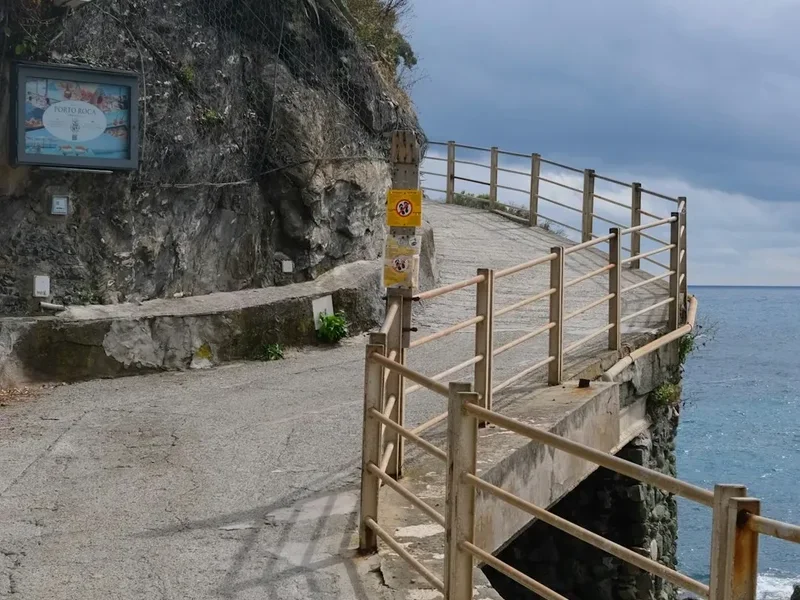
Cinque Terre Blue Trail - Day Walk Itinerary
Option 1: Monterosso to Riomaggiore (Southbound)
Section 1: Monterosso al Mare to Vernazza
- Distance: 3.5 km
- Elevation gain: Approximately 200 m
- Time: 1.5–2 hours
- Start in Monterosso al Mare, the largest of the five villages.
- The trail begins with a steep ascent out of Monterosso, offering immediate panoramic views of the village and coastline.
- Walk through terraced vineyards and olive groves.
- Descend into the picturesque harbour of Vernazza, often considered the most beautiful village.
- Key Waypoints: Panoramic viewpoints overlooking Monterosso, the descent into Vernazza's harbour.
Section 2: Vernazza to Corniglia
- Distance: 4.0 km
- Elevation gain: Approximately 250 m
- Time: 1.5–2 hours
- This is often considered the most challenging section, with significant ascents and descents.
- The path climbs steeply out of Vernazza, offering stunning views back towards the village.
- Traverse more terraced vineyards and rugged coastal terrain.
- Arrive at Corniglia, the only village not directly on the sea, perched high on a cliff.
- Key Waypoints: High viewpoints between Vernazza and Corniglia, the approach to Corniglia.
Section 3: Corniglia to Manarola
- Distance: 3.0 km
- Elevation gain: Approximately 100 m (with some ups and downs)
- Time: 1–1.5 hours
- A relatively easier section compared to the previous one.
- The trail winds through vineyards and offers beautiful views of Manarola in the distance.
- Descend towards the charming village of Manarola.
- Key Waypoints: Views of Manarola from above, the descent into the village.
Section 4: Manarola to Riomaggiore (Via dell'Amore - often closed)
- Distance: 1.0 km
- Elevation gain: Minimal
- Time: 20–30 minutes (when open)
- This is the shortest and most famous section, known as the "Lover's Lane."
- It's a paved, relatively flat path carved into the cliffside.
- Offers iconic views of the coastline and the villages.
- Note: This section is frequently closed due to landslides and maintenance. Check current status before planning. If closed, an alternative, more challenging inland route is available.
- Key Waypoints: Iconic coastal views, the entrance to Riomaggiore.
Option 2: Riomaggiore to Monterosso (Northbound)
This option reverses the itinerary, starting with the Via dell'Amore (if open) and finishing with the climb out of Monterosso. The physical demands remain the same.
Important Notes:
- The Cinque Terre Card is required to access the Blue Trail sections between villages.
- Wear sturdy walking shoes with good grip.
- Carry plenty of water, especially during warmer months.
- Sun protection (hat, sunscreen) is essential.
- Check trail status daily, as sections can close due to weather or maintenance.
- Allow ample time for stops in villages for food, rest, and photography.
Planning and Bookings
Book Your Trip
Everything you need to plan your journey
Accommodation
Find places to stay near La Spezia
Flights
Search flights to La Spezia
Essential Preparation
The Cinque Terre Blue Trail is a day hike, meaning no overnight accommodation is required on the trail itself. However, planning your visit to the region is crucial for an enjoyable experience. The closest major airport is Pisa (PSA), from which you can take a train to La Spezia Centrale. From La Spezia, regional trains connect you directly to each of the five Cinque Terre villages. Parking within the villages is extremely limited and often restricted to residents; it is highly recommended to park in La Spezia and use the train to access the villages.
Consider basing yourself in one of the Cinque Terre villages or in La Spezia. Each village offers a range of accommodation options, from small guesthouses and B&Bs to apartments for rent. Booking accommodation well in advance is strongly advised, especially during peak season.
Trail Accommodation
This is a day hike requiring no overnight accommodation.
Required Gear
- Sturdy walking shoes or hiking boots with good ankle support and grip. Trainers are not recommended due to the uneven terrain and potential for slippery sections.
- Comfortable walking socks (wool or synthetic blend).
- Lightweight, breathable clothing suitable for the season. Layers are recommended.
- Waterproof and windproof jacket, as coastal weather can change quickly.
- Sun hat or cap for protection against the sun.
- Sunglasses.
- Small backpack to carry essentials.
- First-aid kit with basic supplies (band-aids, antiseptic wipes, pain relievers, blister treatment).
What to Bring
- Plenty of water (at least 1.5-2 litres per person, especially in warmer months). Refill stations are available in villages.
- Snacks and packed lunch. While villages offer food, carrying your own can save time and money.
- Sunscreen (SPF 30 or higher).
- Camera and spare battery/memory card.
- Mobile phone with a portable charger.
- Cash for small purchases, local transport (trains, buses), and the Cinque Terre Card.
- A map of the trail or a reliable navigation app.
- Toilet paper and hand sanitiser (public restrooms may not always be well-stocked).
Permits
To access the Blue Trail (Sentiero Azzurro) sections between the villages, you are required to purchase a Cinque Terre Card. This card provides access to the marked hiking trails and also includes unlimited travel on the regional trains that connect the five villages. There are two types of cards available:
- Cinque Terre Trekking Card: This card grants access to the Blue Trail and includes use of the park's buses and Wi-Fi hotspots. It is valid for one day.
- Cinque Terre Treno MS Card: This card includes all the benefits of the Trekking Card, plus unlimited travel on the regional train line between Levanto and La Spezia, which covers all five Cinque Terre villages. This is the most popular option for hikers planning to use the train to move between villages or for those who want the flexibility of train travel.
Where to Purchase:
- Cinque Terre National Park visitor centres located in each village.
- Online through the official Cinque Terre National Park website.
- At train stations in Levanto and La Spezia.
Pricing: Prices vary annually but typically range from €7.50 for a one-day Trekking Card to €18.20 for a one-day Treno MS Card (prices are approximate and subject to change). Discounts may be available for multi-day passes or families.
Important Note: While the Blue Trail requires a card, other hiking trails in the Cinque Terre National Park may not. However, the Blue Trail is the most scenic and direct route connecting the villages.
Other Activities in the Area
Beyond hiking the Blue Trail, the Cinque Terre offers a wealth of activities:
- Boat Tours: Experience the coastline from the sea with organised boat tours that depart from each village. These offer stunning perspectives of the villages clinging to the cliffs and the rugged landscape.
- Swimming and Beach Activities: Monterosso al Mare boasts the largest sandy beach in the Cinque Terre, while other villages have smaller pebble beaches or rocky coves perfect for a refreshing dip.
- Kayaking: Explore hidden coves and sea caves by renting a kayak or joining a guided tour.
- Wine Tasting: The region is known for its crisp white wines, particularly Sciacchetrà, a sweet dessert wine. Visit local vineyards for tastings and learn about the unique viticulture of the terraced hillsides.
- Culinary Experiences: Indulge in the local cuisine, famous for its pesto, fresh seafood, focaccia, and anchovies. Participate in cooking classes to learn how to prepare these Ligurian specialities.
- Exploring the Villages: Each village has its own unique charm, narrow alleyways, colourful houses, small churches, and bustling piazzas. Spend time wandering, shopping for local crafts, and enjoying the atmosphere.
- Photography: The Cinque Terre is a photographer's paradise, with endless opportunities for capturing stunning landscapes, village life, and the vibrant colours of the region.
Safety and Conditions
Trail Conditions: The Blue Trail is generally well-maintained, but sections can be steep, uneven, and slippery, especially after rain. The Via dell'Amore is particularly prone to closures due to landslides. Always check the official Cinque Terre National Park website for current trail status and any alerts before you set out.
Weather: Coastal weather can be unpredictable. Be prepared for sudden changes, including strong winds, rain, and intense sun. Check the weather forecast before starting your hike and carry appropriate gear.
Heat and Hydration: During summer months, temperatures can be very high. Carry ample water (at least 1.5-2 litres per person) and drink frequently. Take breaks in the shade and avoid hiking during the hottest part of the day if possible.
Footwear: Sturdy, closed-toe walking shoes or hiking boots with good grip are essential. Flip-flops or sandals are not suitable and can be dangerous on the trail.
Crowds: The Blue Trail is a very popular attraction, especially during peak season. Be prepared for crowds, particularly on the more accessible sections like the Via dell'Amore. Start your hike early in the morning to avoid the busiest times.
Navigation: While the main Blue Trail is well-marked, it's always wise to have a map or use a reliable navigation app. The Cinque Terre National Park website provides detailed trail maps.
Emergency: In case of an emergency, dial 112 (the European emergency number). Mobile phone signal is generally good along the main trail sections, but can be intermittent in more remote areas.
Respect the Environment: Stay on marked paths to protect the fragile vegetation and terraced vineyards. Do not litter; pack out everything you pack in.
Side Trips and Points of Interest
Via dell'Amore (Lover's Lane): Although frequently closed, this iconic paved path between Riomaggiore and Manarola is a must-see if open. It's a relatively easy walk with stunning sea views and numerous romantic inscriptions carved into the walls.
Corniglia's Lardarina Staircase: Upon arriving in Corniglia from Vernazza, you'll face the Lardarina, a brick staircase of 382 steps leading up to the village centre. While challenging, it offers a unique perspective and a rewarding arrival.
Vernazza Harbour: The picturesque harbour of Vernazza is a focal point, with colourful boats bobbing in the water and the Doria Castle tower overlooking the scene. It's a perfect spot for photos and a break.
Manarola's Scenic Viewpoint: Just outside Manarola, a short path leads to a viewpoint offering the classic postcard image of the village clinging to the cliffs, especially beautiful at sunset.
Monterosso's Old Town and Beach: Monterosso is divided into two parts: the newer Fegina with its long sandy beach and the older town centre with narrow medieval streets and a charming piazza.
Inland Trails: When sections of the Blue Trail are closed, the Cinque Terre National Park offers a network of higher, more challenging inland trails that connect the villages. These offer different perspectives of the landscape and are often less crowded.
Leave No Trace
The Cinque Terre is a fragile ecosystem and a UNESCO World Heritage site, shaped by centuries of human interaction with the land. Practising Leave No Trace principles is essential to preserve its beauty and integrity for future generations.
- Pack It In, Pack It Out: Carry out all your rubbish, including food scraps, wrappers, and any other waste. Do not leave anything behind on the trail or in the villages.
- Stay on Marked Trails: The terraced vineyards and surrounding vegetation are delicate. Straying from the marked paths can cause erosion and damage to these sensitive areas.
- Respect the Local Culture: Be mindful of local customs and traditions. Dress appropriately when visiting churches and be respectful of residents' privacy.
- Dispose of Waste Properly: Use designated bins in the villages for rubbish. If you need to use the toilet along the trail, ensure you are in a designated facility.
- Minimise Your Impact: Avoid loud noises that can disturb wildlife and residents. Take only photographs, leave only footprints.
- Support Local: Purchase local products and services to help sustain the local economy and the preservation of the cultural landscape.
- Water Conservation: While water is generally available, be mindful of its use, especially during dry periods.
By adhering to these principles, you contribute to the ongoing preservation of this extraordinary coastal paradise.
 Italy
Italy