
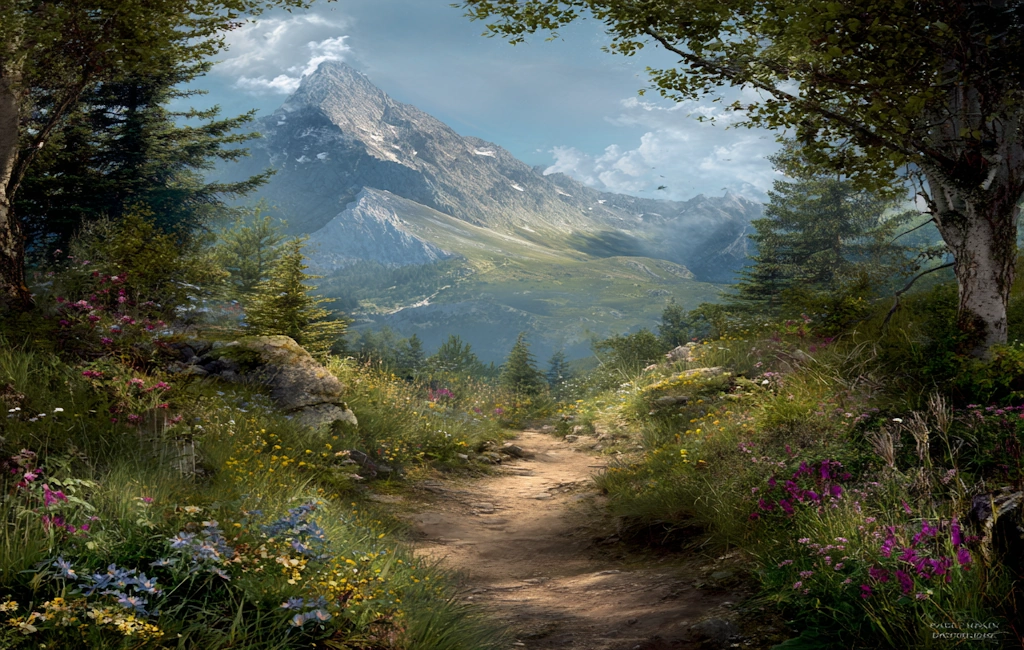
Choquequirao Trek - The Sacred Citadel of the Incas
The Choquequirao Trek is a challenging and rewarding multi-day journey in the Peruvian Andes, leading to the magnificent Inca citadel of Choquequirao, often referred to as the "Sacred Sister City" of Machu Picchu. This trek offers a profound immersion into Inca history, dramatic Andean landscapes, and a sense of discovery as you explore one of the least visited but most impressive Inca sites. Unlike its more famous counterpart, Choquequirao requires a strenuous trek to access, ensuring a more intimate and less crowded experience. The trail descends steeply into the Apurímac River canyon and then ascends equally dramatically to the mountaintop ruins, testing the physical and mental fortitude of even experienced hikers. The journey is as much about the arduous descent and ascent through diverse ecological zones as it is about the awe-inspiring archaeological remains.
- Distance: 64.0 km (round trip)
- Duration: 4-5 days
- Season: May to September (dry season)
- Difficulty: Challenging
- Elevation Gain: Approximately 3,000 m (total ascent and descent)
- Closest City: Cusco
- Trailhead Access: Cachora
- Accommodation: Camping (basic campsites near the ruins and along the trail)
- Highest Point: Choquequirao Citadel (approx. 3,050 m)
- Lowest Point: Apurímac River crossing (approx. 1,450 m)
Overview
The Choquequirao Trek is a true adventure into the heart of the Andes, a pilgrimage to a lost Inca city that rivals Machu Picchu in its grandeur and strategic importance. The trek begins in the small Andean village of Cachora, perched at an elevation of around 2,900 metres. From here, the trail embarks on a dramatic descent into the Apurímac River canyon, a journey that can take several hours and involves a significant loss of altitude. This descent plunges walkers through changing microclimates, from the dry, arid slopes of the upper Andes to the more humid, subtropical vegetation closer to the river. The Apurímac River itself is a powerful force, and crossing it is a significant milestone.
The ascent from the Apurímac River to the Choquequirao citadel is equally demanding, a steep climb that tests endurance and resolve. As you gain altitude, the landscape transforms once more, revealing the vastness of the canyon and the surrounding snow-capped peaks. The final approach to Choquequirao is often shrouded in mist, adding to the mystique of the site. Upon arrival, the sheer scale and architectural brilliance of the citadel become apparent. Spread across a mountain ridge, Choquequirao features extensive terraces, plazas, temples, and residential areas, all built with the characteristic Inca precision. The site's remote location has preserved much of its original character, offering a glimpse into the Inca Empire's ingenuity and its deep connection to the natural world.
The trek is typically completed over four to five days, allowing ample time to explore the ruins and appreciate the surrounding scenery. The dry season, from May to September, offers the most favourable weather conditions, with clear skies and cooler temperatures, though nights can be cold. Outside this period, the rainy season can make the trails treacherous and the river crossings dangerous. The Choquequirao Trek is not for the faint-hearted; it requires a good level of physical fitness, mental resilience, and a spirit of adventure. However, the rewards—unparalleled views, a deep connection to Inca history, and the satisfaction of completing a challenging trek—are immense.
History and Cultural Context
Choquequirao, meaning "Cradle of Gold" in Quechua, is one of the most significant Inca archaeological sites in Peru, often overshadowed by Machu Picchu due to its remote and challenging access. Built during the height of the Inca Empire, likely in the 15th century, Choquequirao served as a royal estate, a religious centre, and a strategic administrative hub. Its location, perched high on a ridge overlooking the Apurímac River canyon, suggests a deliberate defensive and symbolic purpose. The citadel was designed to integrate seamlessly with the natural landscape, with its agricultural terraces cascading down the steep slopes and its ceremonial plazas offering breathtaking views.
The site was likely abandoned following the Spanish conquest in the 16th century, and for centuries, it remained largely forgotten, known only to local communities and intrepid explorers. Its rediscovery and subsequent archaeological exploration began in the mid-20th century, revealing its immense historical and architectural value. Unlike Machu Picchu, which was famously "discovered" by Hiram Bingham in 1911, Choquequirao's remoteness meant its secrets were unveiled much more gradually. The ongoing excavations continue to uncover new insights into Inca life, religion, and engineering.
The trek to Choquequirao is not just a physical journey but also a cultural one. It follows ancient Inca pathways and passes through traditional Andean villages where Quechua is still spoken. The landscape itself is imbued with spiritual significance for the local people, who maintain a deep respect for the mountains and the ancestral sites. The trek offers a unique opportunity to connect with this living heritage, to understand the Inca worldview, and to appreciate the enduring legacy of this remarkable civilisation. The contrast between the bustling tourist hubs of Cusco and the serene, wild beauty of the Choquequirao region highlights the vastness and diversity of Peru's cultural and natural treasures.
Seasonal Highlights and Weather Reality
The Choquequirao Trek is best undertaken during the dry season, which typically runs from May to September. This period offers the most stable weather conditions, with sunny days and minimal rainfall, making the challenging descents and ascents more manageable and the views from the citadel clearer.
Dry Season (May to September):
- May: The beginning of the dry season. Days are generally sunny and pleasant, with temperatures ranging from cool to warm. Nights can be quite cold, especially at higher elevations. Vegetation is still relatively green from the previous rainy season.
- June, July, August: These are the core months of the dry season. Expect clear blue skies and excellent visibility. Daytime temperatures are comfortable for hiking, typically between 18-25°C. However, nights can drop significantly, often below freezing at higher altitudes (around Cachora and the campsites near Choquequirao). This is the peak season for trekking in the Andes.
- September: The end of the dry season. Weather remains generally good, though there might be a slight increase in cloud cover towards the end of the month. Temperatures are similar to August.
Rainy Season (October to April):
- October, November: Transition months. Rainfall begins to increase, and humidity rises. Trails can become muddy and slippery, and river levels can rise, making crossings more hazardous.
- December, January, February: These are the wettest months. Heavy downpours are common, often occurring in the afternoon. The Apurímac River can become dangerously swollen, and landslides are a risk. Visibility at Choquequirao can be severely limited by fog and clouds. Many trekkers avoid this period due to the challenging conditions and increased safety risks.
- March, April: The end of the rainy season. Rainfall gradually decreases, and trails begin to dry out. The landscape is lush and green, offering beautiful scenery, but some muddy sections may persist. River levels start to recede.
Weather Considerations: Even during the dry season, mountain weather can be unpredictable. Temperatures can fluctuate significantly between day and night, and between the canyon floor and the higher altitudes. Sun protection is crucial due to the high altitude and intense solar radiation. It is always advisable to check weather forecasts before and during the trek and to be prepared for sudden changes.
Recommended Itinerary
4-Day Choquequirao Trek Itinerary
Day 1: Cusco to Cachora, Trek to Chiquisca
- Morning: Depart Cusco by private transport or shared van (approx. 4 hours) to Cachora (2,900 m).
- Midday: Arrive in Cachora, meet your guide and muleteer (if applicable), have lunch, and prepare for the trek.
- Afternoon: Begin the trek from Cachora. The initial part is relatively flat, offering views of the Apurímac River canyon. The trail then descends steeply towards the Apurímac River.
- Late Afternoon: Arrive at the campsite in Chiquisca (approx. 1,900 m). This is a basic campsite with limited facilities.
- Distance: Approx. 18 km
- Time: 7-9 hours
- Elevation Change: -1,000 m
Day 2: Chiquisca to Choquequirao Campsite
- Early Morning: Depart Chiquisca. The trail continues its steep descent towards the Apurímac River.
- Morning: Cross the Apurímac River via a suspension bridge. This is a significant landmark.
- Late Morning/Midday: Begin the arduous ascent from the river valley towards Choquequirao. This is the most challenging part of the trek, with a significant elevation gain.
- Afternoon: Arrive at the campsite near the Choquequirao ruins (approx. 3,050 m). Set up camp and rest.
- Distance: Approx. 14 km
- Time: 8-10 hours
- Elevation Change: +1,150 m
Day 3: Explore Choquequirao and return to Chiquisca
- Morning: Dedicate the morning to exploring the magnificent Inca citadel of Choquequirao. Visit the main plaza, temples, residential areas, and the famous "Llamas of the Sun" terraces. Enjoy the panoramic views of the Apurímac canyon.
- Midday: Begin the descent back towards the Apurímac River.
- Afternoon: Cross the river and ascend to the campsite at Chiquisca.
- Distance: Approx. 14 km
- Time: 6-8 hours (exploring ruins not included in trekking time)
- Elevation Change: -1,150 m
Day 4: Chiquisca to Cachora, return to Cusco
- Early Morning: Depart Chiquisca for the final ascent back to Cachora. This climb is challenging but less demanding than the ascent to Choquequirao.
- Late Morning/Midday: Arrive back in Cachora. Celebrate the completion of the trek.
- Afternoon: Transfer back to Cusco.
- Distance: Approx. 18 km
- Time: 6-8 hours
- Elevation Change: +1,000 m
Optional 5-Day Itinerary: An extra day can be added at Choquequirao to explore the site more thoroughly or to visit nearby viewpoints and lesser-known sectors of the ruins. This allows for a more relaxed pace and deeper appreciation of the archaeological complex.
Important Notes:
- This itinerary is a guideline; actual timings and distances may vary based on group pace, weather, and guide's discretion.
- Mules are often used to carry camping gear, food, and personal items, making the trek more accessible.
- Water sources are available along the trail, but purification is essential.
- Sun protection (hat, sunscreen, sunglasses) and insect repellent are crucial.
- The trail is steep and can be very hot, especially in the canyon.
Planning and Bookings
Book Your Trip
Everything you need to plan your journey
Accommodation
Find places to stay near Cusco
Flights
Search flights to Cusco
Essential Preparation
The Choquequirao Trek requires significant physical preparation due to its challenging terrain, steep ascents and descents, and potential for extreme temperatures. It is highly recommended to engage in regular cardiovascular exercise, including hiking with a weighted backpack, stair climbing, and endurance training, for at least 2-3 months prior to the trek. Acclimatisation to altitude is also critical; spend at least 2-3 days in Cusco (3,400 m) or a similar high-altitude location before starting the trek to minimise the risk of altitude sickness.
Logistics for the Choquequirao Trek typically involve arranging transport from Cusco to Cachora and back, hiring a guide and muleteers (highly recommended for carrying gear and providing local knowledge), and securing camping equipment. While it is possible to trek independently, hiring local support is strongly advised for safety, cultural immersion, and logistical ease. Most tour operators in Cusco offer packages that include transport, guides, mules, food, and camping equipment. Booking these services in advance, especially during the peak dry season, is essential.
Cachora is a small, remote village and serves as the primary trailhead. Accommodation options in Cachora are limited to basic guesthouses or homestays. It is advisable to arrive in Cachora the day before the trek begins to finalise arrangements and get a good night's rest.
Trail Accommodation
The Choquequirao Trek primarily involves camping. There are designated campsites along the route, offering basic facilities.
Campsites:
- Chiquisca: A basic campsite located at a lower elevation in the Apurímac canyon. Facilities are usually limited to a flat area for pitching tents and sometimes rudimentary latrines. Water sources are generally available but require purification.
- Playa Rosalina (River Crossing): A very basic stopping point near the Apurímac River crossing. Facilities are minimal.
- Choquequirao Campsite: Located near the archaeological site itself. This campsite offers slightly better facilities, often including designated tent platforms and more organised latrines. It provides unparalleled proximity to the ruins.
Booking Requirements: While there isn't a formal booking system for campsites in the same way as for national parks, it is advisable to inform your guide or tour operator of your intended itinerary. During peak season, campsites can become busy. For the Choquequirao ruins themselves, an entrance ticket is required, which can usually be purchased at the site or arranged by your tour operator.
Facilities Provided: Campsites typically offer a relatively flat area for tents. Your tour operator will provide tents, sleeping bags, and mats if you opt for a full-service package. They will also provide cooking equipment and food.
What's NOT Provided: Campsites themselves do not provide amenities like showers, electricity, or charging points. You will need to bring your own toiletries, personal items, and any specific comfort items. Water purification is your responsibility unless provided by your tour operator.
Seasonal Availability: Campsites are generally accessible year-round, but conditions vary drastically between the dry and rainy seasons. During the rainy season, campsites can be muddy, exposed to heavy rain, and potentially hazardous due to rising river levels or landslides.
Costs: Campsite fees are usually minimal and often included in tour operator packages. Entrance fees for the Choquequirao ruins are separate and typically around 60 Peruvian Soles (approx. US$16). If trekking independently, factor in these costs.
Required Gear
- Sturdy Hiking Boots: Waterproof, broken-in hiking boots with good ankle support are essential for the steep and uneven terrain.
- Backpack: A comfortable trekking backpack (40-60 litres) with a rain cover. If using mules, a smaller daypack for essentials is sufficient.
- Waterproof Jacket and Trousers: Essential for protection against rain and wind, especially at higher altitudes and during the rainy season.
- Warm Layers: Fleece jacket, thermal base layers (merino wool or synthetic), and a warm hat and gloves. Nights can be very cold, especially at the Choquequirao campsite.
- Sun Protection: Wide-brimmed hat, sunglasses, and high SPF sunscreen. The sun at high altitude is intense.
- Headlamp or Torch: With spare batteries, for navigating campsites and ruins in low light.
- First-Aid Kit: Including blister treatment, pain relievers, antiseptic wipes, bandages, and any personal medications.
- Insect Repellent: High-DEET repellent is crucial, especially in the lower canyon sections where mosquitoes and sandflies can be prevalent.
- Trekking Poles: Highly recommended for the steep ascents and descents, to reduce strain on knees and improve stability.
What to Bring
- Food and Snacks: High-energy snacks such as nuts, dried fruit, energy bars, and chocolate. If not on a full-service tour, you will need to carry all your meals.
- Water Bottles or Hydration Reservoir: Capacity for at least 2-3 litres per person.
- Water Purification Method: Water filter, purification tablets, or UV steriliser. Do not drink untreated water.
- Toiletries: Biodegradable soap, toothbrush, toothpaste, toilet paper, hand sanitiser.
- Personal Items: Camera, power bank for electronics, book or journal, small towel.
- Cash: Peruvian Soles for small purchases, tips for guides and muleteers, and entrance fees if not pre-arranged.
- Passport: For identification and entry to the archaeological site.
- Plastic Bags: For packing out all rubbish and keeping gear dry.
Permits
To trek to Choquequirao and enter the archaeological site, you will need to purchase an entrance ticket. This ticket is typically valid for one or two days, allowing ample time to explore the extensive ruins. While there isn't a strict daily quota for visitors to the site itself, unlike Machu Picchu, it is highly recommended to book your entrance ticket in advance, especially if travelling during the peak dry season (May to September). This can often be done through your tour operator or directly via the Peruvian Ministry of Culture's website, although the latter can be challenging for international visitors.
Ticket Purchase:
- Through Tour Operator: The most convenient method is to have your chosen tour operator arrange the entrance ticket as part of your trekking package. They will handle the booking and payment process.
- At the Site: It is sometimes possible to purchase tickets upon arrival at the Choquequirao site. However, this is not guaranteed, and queues can be long. It is advisable to confirm this option with local authorities or your guide beforehand.
- Online (Ministry of Culture): The official Peruvian Ministry of Culture website (Ministerio de Cultura) sometimes offers online booking for archaeological sites. However, this system can be complex and may require a Peruvian payment method.
Cost: The entrance fee for Choquequirao is approximately 60 Peruvian Soles (around US$16) for foreign visitors. This fee is subject to change. If you plan to stay for two days, there might be a slightly higher fee or a requirement to purchase two separate day tickets, depending on current regulations.
Guide Requirement: While not strictly mandatory for all visitors, it is highly recommended to hire a licensed guide for the Choquequirao Trek. Guides provide invaluable insights into the history, archaeology, and culture of the site, as well as essential knowledge of the trail, safety, and local conditions. Most tour operators include a guide in their packages.
Muleteers and Mules: For carrying camping gear, food, and personal belongings, hiring muleteers and mules is a common practice. This significantly reduces the physical burden on trekkers, allowing them to focus more on the experience. The cost for mules and muleteers is typically separate from the guide fee and entrance ticket.
Other Activities in the Area
While the Choquequirao Trek is the primary draw, the region surrounding Cusco and the Apurímac Valley offers a wealth of other activities and attractions:
- Machu Picchu: The most famous Inca citadel, accessible by train from Cusco or Ollantaytambo. A visit to Machu Picchu is often combined with the Choquequirao Trek for a comprehensive Inca experience.
- Sacred Valley Tour: Explore the picturesque Sacred Valley of the Incas, visiting sites like Pisac, Ollantaytambo, and Moray, and experiencing traditional Andean markets.
- Cusco City Tour: Discover the historic capital of the Inca Empire, with its colonial architecture built upon Inca foundations, including the Plaza de Armas, Qorikancha (Temple of the Sun), and the Sacsayhuamán fortress.
- Rainbow Mountain (Vinicunca): A popular day trip from Cusco to a mountain with striking natural mineral stripes. Requires acclimatisation and a good level of fitness.
- Humantay Lake: A stunning turquoise glacial lake nestled beneath the Humantay mountain, accessible via a day hike from Cusco.
- Inca Trail: For those seeking a more classic Inca experience, the Inca Trail (requires booking many months in advance) offers a multi-day trek to Machu Picchu.
- Local Markets: Immerse yourself in Peruvian culture by visiting vibrant local markets in Cusco and surrounding towns, such as San Blas Market or Pisac Market, to find handicrafts, textiles, and local produce.
- Culinary Experiences: Cusco is a gastronomic hub. Enjoy traditional Peruvian cuisine, including ceviche, lomo saltado, and cuy (guinea pig), and explore the world-renowned restaurants.
Safety and Conditions
Altitude Sickness (Soroche): This is a primary concern for trekkers in the Andes. Symptoms can include headache, nausea, dizziness, and fatigue. Acclimatisation in Cusco for 2-3 days before the trek is crucial. Stay hydrated, avoid alcohol and heavy meals on the first day, and consider consulting your doctor about altitude medication (e.g., Diamox). If symptoms worsen, descend immediately.
Trail Conditions: The trail is steep, rocky, and can be very dusty or muddy depending on the season. The descent into the Apurímac canyon and the subsequent ascent are particularly demanding. Loose rocks and uneven surfaces are common. Trekking poles are highly recommended to aid stability and reduce impact on joints.
Weather: Temperatures can vary dramatically. The canyon floor can be extremely hot (30°C+) during the day, while nights at higher altitudes (Cachora, Choquequirao) can drop below freezing. Sudden rain showers are possible even in the dry season. Be prepared for all conditions.
River Crossings: The crossing of the Apurímac River via a suspension bridge is a key point. During the rainy season, the river can swell significantly, making the crossing dangerous. Always heed the advice of your guide regarding river conditions.
Sun Exposure: The high altitude means intense UV radiation. Use high SPF sunscreen, wear a wide-brimmed hat, and sunglasses. Dehydration is also a risk, so drink plenty of purified water.
Insects: Mosquitoes and sandflies can be prevalent, especially in the lower canyon sections. Use a strong insect repellent with DEET and cover exposed skin.
Guides and Support: Hiring a licensed, experienced guide is strongly recommended for safety, navigation, and cultural insights. Muleteers and mules are essential for carrying heavy gear, reducing the physical strain on trekkers.
Emergency Procedures: Ensure your guide has a communication plan and a basic first-aid kit. Know the evacuation procedures and carry travel insurance that covers trekking and medical evacuation in remote areas.
Side Trips and Points of Interest
Choquequirao Archaeological Site: The main attraction, this vast Inca citadel is spread across a mountain ridge. Key areas to explore include:
- Main Plaza: The central ceremonial area, offering stunning views of the surrounding canyon.
- Temple of the Three Windows: An important religious structure with distinctive architectural features.
- Residential Sector: Explore the houses and structures where the Inca elite likely lived.
- Agricultural Terraces: Extensive terraces that cascade down the steep slopes, showcasing Inca agricultural ingenuity.
- "Llamas of the Sun" Terraces: A unique section of terraces featuring intricate stone mosaics depicting llamas, a testament to the artistry of Inca stonemasons.
Mirador de San Ignacio: A viewpoint offering spectacular panoramic vistas of the Choquequirao ruins and the Apurímac canyon. It's a great spot for photography, especially during sunrise or sunset.
The Apurímac River: While crossing it is part of the trek, the sheer power and beauty of the Apurímac River canyon are points of interest in themselves. The dramatic descent and ascent highlight the incredible engineering feats of the Incas in building settlements in such challenging terrain.
Traditional Andean Villages: The journey to and from Cachora passes through small, traditional Andean communities. Observing the local way of life, agricultural practices, and the enduring Quechua culture adds a rich dimension to the trek.
Alternative Routes/Extensions: For the truly adventurous, there are longer, more remote routes that connect Choquequirao to other Inca sites or remote valleys, often requiring advanced trekking experience and logistical planning.
Leave No Trace
The Choquequirao Trek traverses pristine Andean landscapes and ancient Inca heritage sites. Adhering to Leave No Trace principles is paramount to preserving this fragile environment and its cultural significance for future generations.
Plan Ahead and Prepare: Research the trek thoroughly, understand the conditions, and pack appropriately. Hire reputable guides and muleteers who adhere to LNT principles.
Travel and Camp on Durable Surfaces: Stick to the established trails to avoid damaging vegetation. Camp only in designated campsites or on durable surfaces away from water sources.
Dispose of Waste Properly: Pack out everything you pack in, including all food scraps, wrappers, and toilet paper. Use designated latrines where available, or dig catholes at least 60 metres away from water, trails, and campsites. Ensure all waste is carried back to Cusco for proper disposal.
Leave What You Find: Do not remove any natural objects (rocks, plants) or cultural artifacts from the site or the trail. Take only photographs and memories.
Minimise Campfire Impacts: Campfires are generally not permitted on this trek due to the risk of wildfires and the impact on the environment. Use portable stoves for cooking.
Respect Wildlife: Observe wildlife from a distance and never feed animals. They are adapted to their environment and human food can be harmful.
Be Considerate of Other Visitors: Keep noise levels down, especially at campsites and archaeological sites. Respect the cultural significance of Choquequirao and maintain a respectful demeanour.
By following these principles, you help ensure that the Choquequirao Trek remains a wild and culturally rich experience for all who follow.