
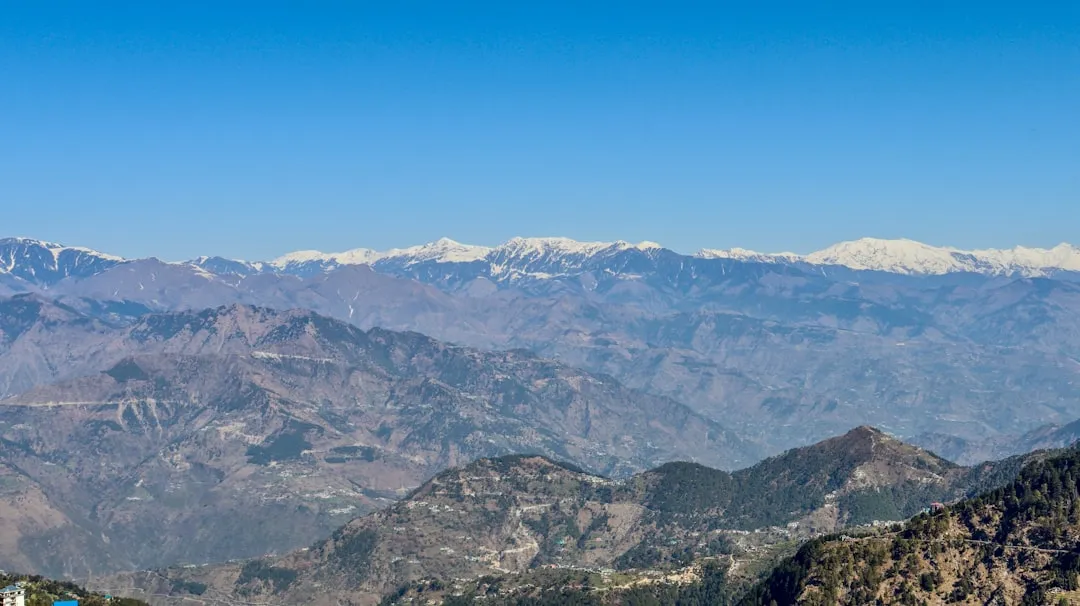
Chopta Tungnath Trek - The Gateway to the Himalayas
The Chopta Tungnath Trek is a relatively short but incredibly rewarding journey in the Garhwal Himalayas of Uttarakhand, India. Often referred to as the "Mini-Switzerland of India" due to its picturesque meadows and stunning mountain vistas, Chopta serves as the base for this trek. The trail ascends to the Tungnath Temple, the highest Shiva temple in the world, and further to Chandrashila peak, offering panoramic views of the mighty Himalayan ranges including Nanda Devi, Trishul, Kedar Peak, and Chaukhamba.
This trek is renowned for its accessibility, moderate difficulty, and the spiritual significance of Tungnath. It's a popular pilgrimage route as well as a favourite among trekkers and nature enthusiasts. The trail winds through dense forests of rhododendron, deodar, and oak, opening up to vast alpine meadows that are carpeted with wildflowers during the spring and summer months. The journey is not just about reaching a destination but about experiencing the serene beauty of the Himalayas, the spiritual aura of ancient temples, and the invigorating mountain air.
- Distance: 5.0 km (Chopta to Tungnath and Chandrashila)
- Elevation Gain: 350 m
- Duration: 4-5 hours (round trip from Chopta)
- Season: April to November (excluding monsoon season)
- Difficulty: Moderate
- Highest Point: Chandrashila Peak (4,000 m)
- Base Town: Rudraprayag
- Trailhead Access: Chopta
- Accommodation: Basic guesthouses and dhabas in Chopta; no accommodation on the trail itself.
Overview
The Chopta Tungnath Trek is a quintessential Himalayan experience, blending spiritual pilgrimage with breathtaking natural beauty. The trek begins at Chopta, a charming hill station nestled amidst dense forests and rolling meadows. From Chopta, a well-defined path leads to Tungnath Temple, a sacred shrine dedicated to Lord Shiva, believed to be over 1,000 years old and situated at an altitude of 3,680 metres. The temple itself is a marvel of ancient architecture and a significant pilgrimage site for Hindus.
Beyond Tungnath, the trail continues to Chandrashila Peak, which stands at 4,000 metres. The ascent to Chandrashila is steeper but offers unparalleled 360-degree views of the Garhwal Himalayas. On a clear day, trekkers are rewarded with a majestic panorama of some of the highest peaks in India, including Nanda Devi (7,816 m), Trishul (7,120 m), Kedar Peak (6,942 m), and Chaukhamba (7,138 m). The journey through the rhododendron forests, especially when they are in bloom (typically March-April), adds a vibrant splash of colour to the landscape.
The trek is considered moderate due to its manageable distance and elevation gain, making it accessible to a wide range of fitness levels. However, the altitude can be a factor, and acclimatisation is important. The trail is well-maintained, with stone steps and paved paths leading up to Tungnath, and a more rugged, rocky path to Chandrashila. The surrounding region is rich in biodiversity, with diverse flora and fauna, including various species of birds and, occasionally, glimpses of Himalayan wildlife.
The Chopta Tungnath trek is a perfect introduction to Himalayan trekking, offering a profound sense of peace and spiritual connection, coupled with awe-inspiring natural grandeur. It's a journey that rejuvenates the soul and invigorates the body, leaving trekkers with lasting memories of the majestic Himalayas.
History and Cultural Context
The Chopta Tungnath region is steeped in ancient history and mythology, deeply intertwined with the Hindu faith and the legends of Lord Shiva. Tungnath Temple, the primary destination of this trek, is not just the highest Shiva temple in the world but also one of the Panch Kedar temples. The Panch Kedar are five temples dedicated to Lord Shiva, located in the Rudraprayag district of Uttarakhand, each believed to have been built by the Pandavas of the Mahabharata epic as penance for their sins during the Kurukshetra War.
According to legend, after the Mahabharata war, the Pandavas sought to atone for their sins and were advised by Lord Krishna to seek blessings from Lord Shiva. However, Shiva, displeased with them, had disguised himself in the form of a bull and was hiding in the Garhwal region. The Pandavas found him in five different places, where his body parts reappeared: the hump at Tungnath, the arms at Harishila, the navel at Rudranath, the face at Madhyamaheshwar, and the hair at Kalpeshwar. Tungnath, meaning "Lord of the Peaks," is where Lord Shiva's arms are believed to have appeared.
The temple at Tungnath is estimated to be over 1,000 years old, with its architecture reflecting the ancient Nagara style. It is believed to have been built by Adi Shankaracharya, the renowned philosopher and theologian who consolidated the Advaita Vedanta philosophy. The temple complex also includes smaller shrines dedicated to various deities, including Goddess Parvati.
Chandrashila Peak, meaning "Moon Rock," is believed to be the place where Lord Rama meditated after defeating Ravana. It is also said that the Pandavas meditated here before ascending to heaven. The spiritual significance of these sites draws thousands of pilgrims annually, especially during the auspicious months of Shravan and the peak trekking season.
The region's natural beauty has also been recognised, with Chopta being referred to as the "Mini-Switzerland of India" for its pristine meadows and panoramic mountain views. The trek itself, while relatively short, offers a profound connection to both the spiritual heritage and the natural splendour of the Himalayas.
Seasonal Highlights and Weather Reality
The Chopta Tungnath Trek is best enjoyed during specific seasons, each offering a unique experience:
Spring (March to April): This is arguably the most beautiful time to undertake the trek. The rhododendron forests burst into vibrant shades of red and pink, creating a spectacular visual display. The weather is generally pleasant, with clear skies and moderate temperatures. Snow may still be present at higher altitudes, especially in early March, adding a picturesque charm. The meadows begin to turn green, and wildflowers start to bloom.
Summer (May to June): The weather remains pleasant and stable during these months. The rhododendrons might have finished blooming, but the meadows are lush and green, offering excellent visibility of the surrounding peaks. This is a popular time for both pilgrims and trekkers due to the comfortable temperatures and clear skies. However, it can get crowded, especially around Tungnath Temple.
Monsoon (July to August): This period is generally not recommended for trekking in the region. Heavy rainfall can lead to landslides, making the roads and trails treacherous. The skies are often overcast, obscuring the mountain views, and the trails can become muddy and slippery. While the landscape is lush and green, the risks associated with trekking during the monsoon outweigh the benefits.
Autumn (September to November): This is another excellent season for the Chopta Tungnath Trek. The monsoon rains have subsided, leaving the air crisp and clean. The skies are typically clear, offering breathtaking panoramic views of the Himalayan ranges. The temperatures are cool and pleasant, making it ideal for trekking. The autumn foliage adds a golden hue to the landscape, and the meadows are still vibrant. By late November, temperatures begin to drop significantly, and snowfall can occur.
Winter (December to February): Chopta and the higher reaches of the trail are covered in a thick blanket of snow during winter. While this offers a unique, serene beauty, the trek becomes challenging and requires specialised winter trekking gear and experience. Tungnath Temple remains open until November, after which it is closed for winter, and the idol is moved to a lower village. Chandrashila Peak is often inaccessible due to heavy snow. This season is suitable only for experienced winter trekkers.
Recommended Itinerary
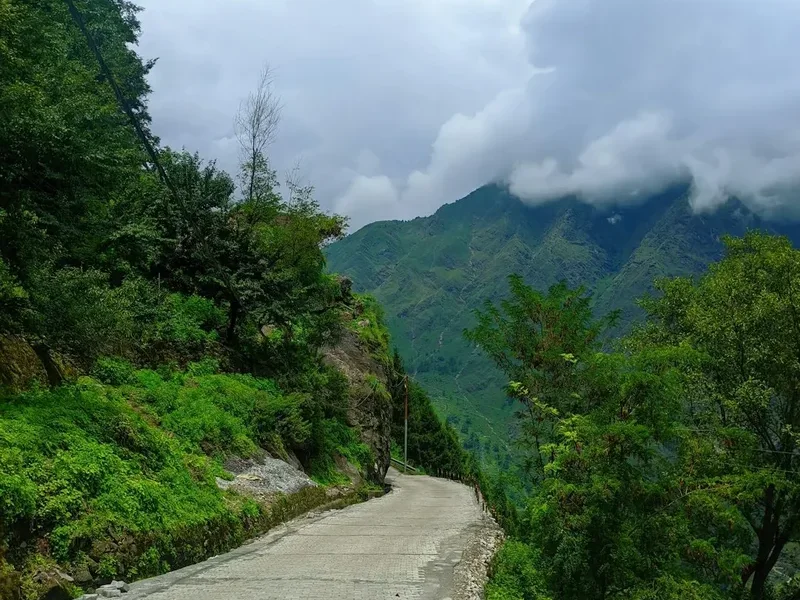
Chopta Tungnath Chandrashila Trek Itinerary
Day 1: Arrival in Rudraprayag and Transfer to Chopta
- Distance: Approx. 75 km by road
- Time: 2-3 hours drive
- Morning: Arrive in Rudraprayag, a significant confluence town of rivers Alaknanda and Mandakini.
- Afternoon: Take a local bus or taxi to Chopta. The drive is scenic, passing through charming villages and dense forests.
- Late Afternoon: Arrive in Chopta (2,680 m). Check into your pre-booked guesthouse or dhaba.
- Evening: Relax and acclimatise to the altitude. Enjoy the peaceful surroundings and the crisp mountain air.
- Dinner: Have dinner at your accommodation.
- Note: Chopta is the base for the trek. It's advisable to reach Chopta by afternoon to allow for acclimatisation.
Day 2: Trek from Chopta to Tungnath and Chandrashila Peak
- Distance: 5.0 km (Chopta to Tungnath and Chandrashila)
- Elevation Gain: 350 m
- Time: 4-5 hours (round trip)
- Morning (8:00 AM): After breakfast, begin the trek from Chopta towards Tungnath Temple.
- The initial part of the trek is a paved path with steps, winding through beautiful rhododendron and oak forests.
- Mid-Morning (10:00 AM): Arrive at Tungnath Temple (3,680 m). Explore the ancient temple, soak in the spiritual atmosphere, and enjoy the stunning views of the surrounding peaks.
- Late Morning (11:00 AM): Continue the trek from Tungnath to Chandrashila Peak (4,000 m). This section is steeper and more rugged.
- Midday (12:00 PM): Reach Chandrashila Peak. Be rewarded with breathtaking 360-degree panoramic views of the Garhwal Himalayas, including Nanda Devi, Trishul, Kedar Peak, and Chaukhamba. Spend time taking photographs and absorbing the magnificent scenery.
- Afternoon (1:00 PM): Begin your descent back to Tungnath and then to Chopta.
- Late Afternoon (3:00 PM): Arrive back in Chopta.
- Evening: Relax, reflect on the day's trek, and enjoy the serene mountain environment.
- Note: This is a day hike from Chopta. You will return to Chopta for the night.
Day 3: Departure from Chopta
- Morning: After breakfast, begin your journey back from Chopta.
- Take a taxi or local bus back to Rudraprayag or your next destination.
- The drive offers a final glimpse of the beautiful Himalayan landscapes.
Important Notes:
- This itinerary is for a day hike from Chopta. If you wish to explore more of the region, you can extend your stay in Chopta or visit nearby places like Sari Village or Deoria Tal.
- Carry sufficient water and snacks for the trek.
- Wear comfortable trekking shoes and layered clothing suitable for varying temperatures.
- The weather can change rapidly; be prepared for sun, wind, and potential rain.
- Respect the sanctity of Tungnath Temple and maintain silence.
- Carry a basic first-aid kit.
Planning and Bookings
Book Your Trip
Everything you need to plan your journey
Accommodation
Find places to stay near Rudraprayag
Flights
Search flights to Rudraprayag
Essential Preparation
The Chopta Tungnath Trek is a relatively accessible trek, but proper preparation is key to a safe and enjoyable experience. The closest major city and transportation hub is Rudraprayag. From Rudraprayag, you can hire a taxi or take a local bus to Chopta, which is the starting point of the trek. The road journey itself is scenic but can be winding and take a few hours. It's advisable to reach Chopta by afternoon to allow for acclimatisation to the altitude before embarking on the trek the next day. Basic accommodation options, including guesthouses and dhabas, are available in Chopta. Booking these in advance is recommended, especially during peak season (April-June and September-November).
Fitness is an important consideration. While the trek is moderate, the altitude can pose a challenge. Engaging in regular cardiovascular exercises like walking, jogging, or cycling in the weeks leading up to the trek will significantly improve your stamina and endurance. If you have any pre-existing medical conditions, consult your doctor before planning the trip.
Trail Accommodation
This is a day hike requiring no overnight accommodation on the trail itself. The trek starts and ends in Chopta, where basic accommodation is available.
Chopta Accommodation:
- Type: Basic guesthouses and dhabas (roadside eateries that also offer simple lodging).
- Facilities: Rooms are typically basic, with beds and blankets. Some may have attached bathrooms, while others have shared facilities. Dhabas offer simple meals.
- What's NOT provided: Luxury amenities, heating (rooms can be cold at night), hot water on demand (may be available at specific times or for an extra charge), Wi-Fi, or charging points in all establishments.
- Seasonal Availability: Generally available from April to November. During winter months (December to March), Chopta experiences heavy snowfall, and many establishments may be closed or have limited services.
- Costs: Rooms can range from approximately ₹800 to ₹2,500 per night, depending on the season and the establishment. Meals are generally affordable.
Booking Requirements: It is highly recommended to book accommodation in Chopta in advance, especially during the peak trekking seasons (spring and autumn), to avoid last-minute unavailability.
Required Gear
- Trekking Boots: Sturdy, waterproof trekking boots with good ankle support are essential. Ensure they are well broken-in to prevent blisters.
- Backpack: A comfortable daypack (20-30 litres) to carry essentials like water, snacks, camera, and extra layers.
- Clothing:
- Moisture-wicking base layers (synthetic or merino wool).
- Insulating mid-layer (fleece jacket or down vest).
- Waterproof and windproof outer jacket (Gore-Tex or similar).
- Waterproof and windproof trousers.
- Warm hat (beanie) and gloves.
- Sun hat or cap for sun protection.
- Navigation: While the trail is well-marked, a map of the area and a compass or GPS device can be useful, especially if you plan to explore off-trail. A smartphone with offline maps downloaded is also a good option.
- Safety Gear:
- Basic first-aid kit including bandages, antiseptic wipes, pain relievers, blister treatment, and any personal medications.
- Headlamp or torch with extra batteries (useful for early starts or unexpected delays).
- Sunscreen (SPF 30 or higher).
- Sunglasses.
- Insect repellent (especially for lower altitudes and evenings).
What to Bring
- Food and Water:
- Water bottles or a hydration reservoir (at least 1-2 litres capacity).
- Water purification tablets or a filter, as a backup, though potable water sources are usually available in Chopta.
- High-energy snacks such as nuts, dried fruits, energy bars, and chocolate.
- Toiletries:
- Toothbrush and toothpaste.
- Biodegradable soap or body wash.
- Hand sanitiser.
- Toilet paper (carry a small amount for emergencies).
- Personal hygiene items.
- Personal Items:
- Camera and extra batteries/power bank.
- Mobile phone and charger/power bank.
- Identification documents (ID card, passport).
- Cash (ATMs are scarce in Chopta; carry sufficient cash for accommodation, food, and transport).
- A small towel.
- A book or journal for downtime.
Permits
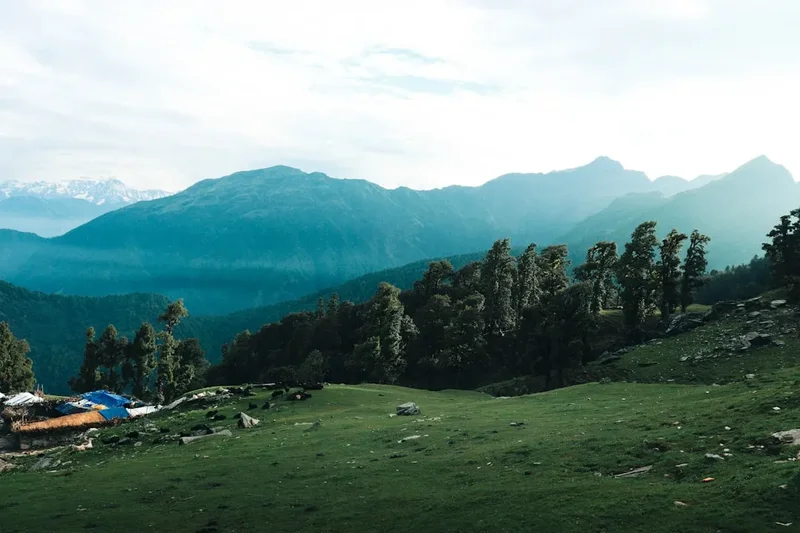
The Chopta Tungnath Trek does not require any specific permits for Indian nationals. The trail is part of the Kedarnath Wildlife Sanctuary, and while there might be entry fees for the sanctuary itself, these are generally minimal and often collected at check posts along the route or at the entrance to Chopta. Foreign nationals may need to register their presence with local authorities, but a formal trekking permit is not typically mandated for this route.
However, it is always advisable to check with local tourism authorities or the Uttarakhand Forest Department for the most up-to-date information regarding entry fees or registration requirements, especially if travelling during peak season or if there are any changes in regulations.
Registration: While not a formal permit, it is good practice to register your trek plan with the local police station or tourism office in Rudraprayag or Chopta, especially if you are travelling solo. This is a safety measure in case of any emergency.
Temple Entry: Tungnath Temple is a sacred pilgrimage site. Visitors are expected to dress modestly and behave respectfully within the temple premises. There is no entry fee for the temple itself.
Best Time to Visit: The ideal time for this trek is from April to November, avoiding the monsoon months (July-August) due to heavy rainfall and potential landslides. The shoulder seasons of spring (March-April) and autumn (September-November) offer the most pleasant weather and clear views.
Other Activities in the Area
The region around Chopta offers several other attractions and activities for trekkers and nature lovers:
- Deoria Tal Trek: A popular short trek from Sari village (a short drive from Chopta) leads to Deoria Tal, a pristine lake renowned for its stunning reflections of the Chaukhamba peaks. This can be done as a day trip or an overnight camping experience.
- Kanchula Korak Musk Deer Conservation Reserve: Located near Chopta, this reserve is a haven for spotting the endangered musk deer and other Himalayan wildlife. It's also a beautiful area for nature walks.
- Ukhimath: This is the winter seat of Lord Kedarnath. During winter, when the Kedarnath Temple is closed due to snow, the idol of Kedarnath is brought to Ukhimath. It's a significant religious site and offers beautiful views.
- Madhyamaheshwar Trek: For those seeking a more challenging trek, Madhyamaheshwar, another of the Panch Kedar temples, is accessible from Chopta. It involves a longer trek through remote villages and stunning landscapes.
- Bird Watching: The dense forests of Chopta are rich in avian biodiversity. Birdwatchers can spot various species of Himalayan birds, including monals, pheasants, and various passerines.
- Camping: Chopta itself offers excellent spots for camping amidst the meadows, providing an opportunity to experience the tranquility of the Himalayas under a star-filled sky.
- Photography: The panoramic mountain views, vibrant rhododendron forests, and serene meadows make this region a paradise for photographers.
Safety and Conditions
Altitude Sickness (AMS): Chopta is at 2,680 metres, Tungnath at 3,680 metres, and Chandrashila at 4,000 metres. While the trek is short, altitude sickness can still be a concern. Symptoms include headache, nausea, dizziness, and fatigue. Ascend gradually, stay hydrated, avoid alcohol and strenuous activity on the first day, and be aware of the symptoms. If symptoms worsen, descend immediately.
Weather: Himalayan weather is unpredictable. Be prepared for sudden changes. Temperatures can drop significantly, especially at higher altitudes and during evenings. Carry layers of clothing, including waterproof and windproof outer gear. Snowfall can occur even outside the main winter season, particularly in early spring and late autumn, which can make the trails slippery and visibility poor.
Trail Conditions: The trail from Chopta to Tungnath is well-paved with steps, making it relatively easy. However, the path from Tungnath to Chandrashila is steeper and rockier, requiring careful footing. During and after rainfall, the trails can become muddy and slippery. Always wear appropriate footwear.
Road Conditions: The road to Chopta is generally good but can be affected by landslides during the monsoon season. It's advisable to check road conditions before travelling, especially during the rainy months.
Communication: Mobile network coverage can be patchy in Chopta and along the trek route. It is advisable to inform someone about your trekking plans and expected return time. Consider carrying a satellite phone or personal locator beacon (PLB) for remote areas if you are trekking solo or venturing off the main path.
Emergency Contacts: Keep a list of emergency contact numbers, including local police, ambulance services, and your accommodation provider.
Respect Local Customs: Tungnath Temple is a sacred pilgrimage site. Dress modestly and maintain silence within the temple premises. Be respectful of local traditions and customs.
Hydration and Nutrition: Drink plenty of water to stay hydrated and prevent altitude sickness. Carry high-energy snacks to maintain your energy levels throughout the trek.
Side Trips and Points of Interest
Tungnath Temple: The primary highlight of the trek, Tungnath is the highest Shiva temple in the world, dating back over 1,000 years. Its ancient architecture and spiritual significance make it a must-visit. The temple is surrounded by stunning mountain vistas, offering a serene atmosphere for reflection and prayer.
Chandrashila Peak: The summit of this peak offers unparalleled 360-degree panoramic views of the Garhwal Himalayas. On a clear day, you can see prominent peaks like Nanda Devi, Trishul, Kedar Peak, and Chaukhamba. The sunrise or sunset from Chandrashila is a spectacular sight.
Rhododendron Forests: The trail to Tungnath passes through dense forests of rhododendrons. During spring (March-April), these forests are ablaze with vibrant red and pink flowers, creating a breathtaking spectacle. Even outside of bloom, the forests are beautiful and offer a pleasant walking experience.
Meadows of Chopta: Chopta itself is known for its expansive, rolling meadows, often referred to as the "Mini-Switzerland of India." These meadows are perfect for leisurely walks, picnics, and enjoying the serene natural beauty.
Sari Village and Deoria Tal: A short drive from Chopta leads to Sari village, the starting point for the trek to Deoria Tal. This beautiful high-altitude lake offers a mirror-like reflection of the Chaukhamba peaks, making it a photographer's delight. It's an excellent side trip for those with extra time.
Kanchula Korak Musk Deer Conservation Reserve: This reserve provides an opportunity to spot the elusive musk deer and other Himalayan wildlife in their natural habitat. It's a great spot for nature walks and birdwatching.
Leave No Trace
The Chopta Tungnath region is a pristine natural environment and a significant pilgrimage site. It is crucial for all visitors to practice Leave No Trace principles to preserve its beauty and sanctity for future generations.
Plan Ahead and Prepare: Research the trail, weather conditions, and local regulations before your visit. Pack appropriately to avoid needing to buy single-use items or leaving things behind.
Travel and Camp on Durable Surfaces: Stick to the marked trails and designated paths. Avoid walking on fragile vegetation, especially the alpine meadows, which can take years to recover from damage.
Dispose of Waste Properly: Pack out everything you pack in. This includes all food scraps, wrappers, plastic bottles, and any other litter. Use the designated waste bins in Chopta if available, or carry your trash back with you. Do not bury or burn waste.
Leave What You Find: Do not pick wildflowers, collect rocks, or disturb natural formations. Take only photographs and memories.
Minimize Campfire Impacts: Campfires are generally not permitted on this trek, especially in sensitive meadow areas. If you are camping overnight in designated areas, use a portable stove for cooking. If a campfire is absolutely necessary and permitted, use existing fire rings and keep fires small.
Respect Wildlife: Observe wildlife from a distance. Do not feed any animals, as this can disrupt their natural behaviour and diet, and can be harmful to their health. Keep your food secured to prevent attracting animals.
Be Considerate of Other Visitors: Respect the spiritual nature of Tungnath Temple. Keep noise levels down, especially near the temple and in natural areas. Allow others to enjoy the peace and tranquility of the surroundings.
By adhering to these principles, you help protect the delicate ecosystem and cultural heritage of the Chopta Tungnath region.