
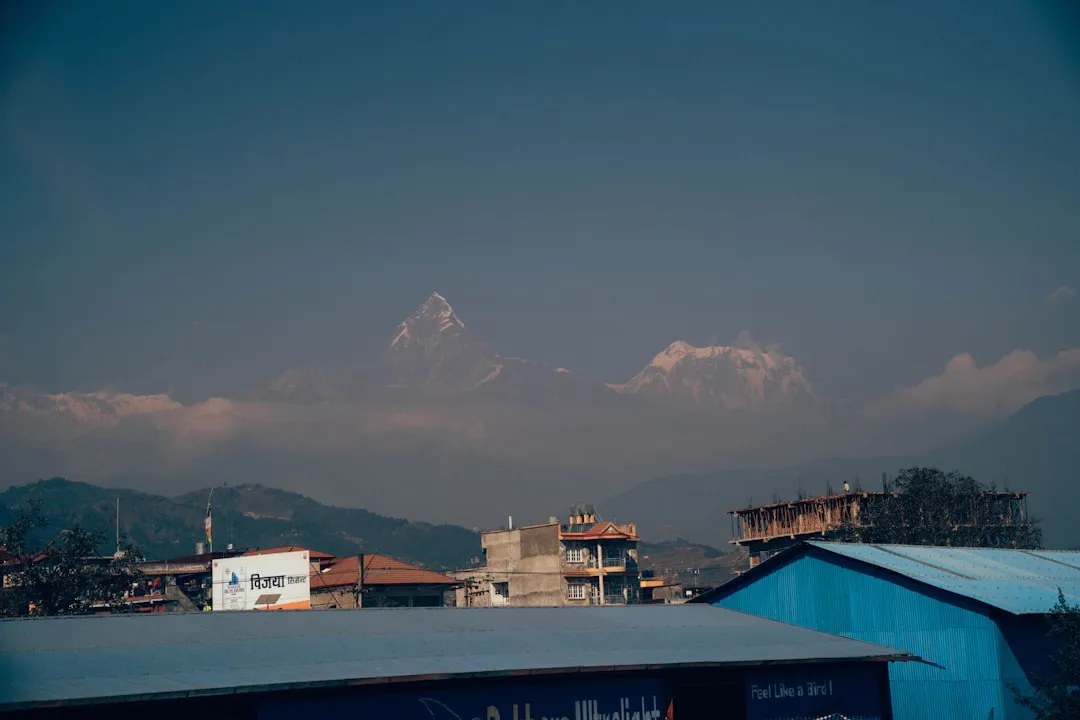
Chisapani Nagarkot Hike - Kathmandu Valley's Gateway to the Himalayas
The Chisapani Nagarkot Hike is a popular multi-day trek offering a refreshing escape from the bustling city of Kathmandu, leading walkers through lush forests, traditional villages, and culminating in breathtaking panoramic views of the Himalayas. This trail is renowned for its accessibility, moderate difficulty, and the spectacular sunrise vistas from Nagarkot, a hill station perched at the edge of the Kathmandu Valley. It's an ideal trek for those seeking a taste of Nepal's natural beauty and mountain scenery without venturing into the high-altitude trekking regions.
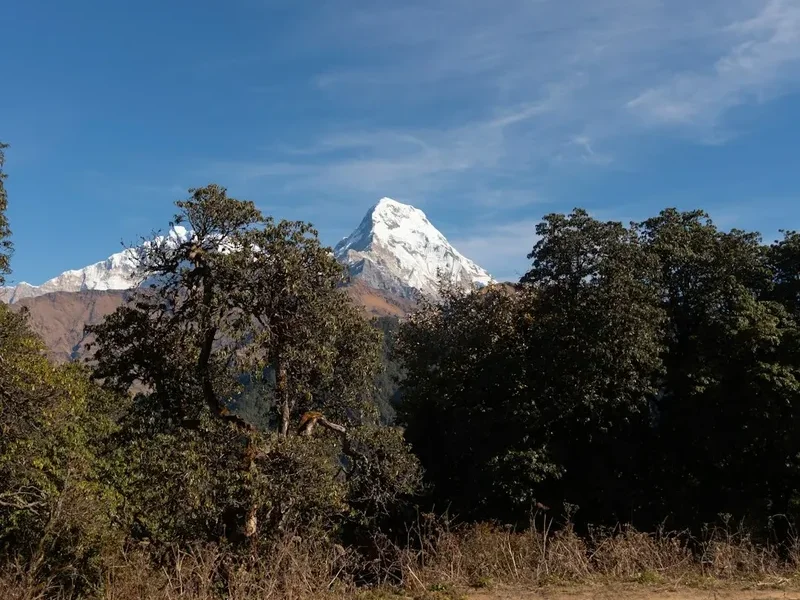
The trek typically spans 2 to 3 days, making it a convenient option for travellers with limited time. It begins with a journey to Sundarijal, a small town on the outskirts of Kathmandu, from where the ascent into the Shivapuri National Park commences. The trail winds through dense rhododendron and oak forests, offering a serene contrast to the urban environment left behind. Chisapani, meaning "cold water," is a charming village nestled amidst pine forests, providing the first glimpse of snow-capped peaks on a clear day. The subsequent leg to Nagarkot involves traversing ridgelines and passing through more rural settlements, building anticipation for the grand finale.
Nagarkot, situated at an elevation of 2,175 metres, is the highlight for many, offering an unparalleled 360-degree view of the Himalayas, including Mount Everest on a clear day, along with Langtang Lirung, Ganesh Himal, and Manaslu. The sunrise from Nagarkot is a truly magical experience, painting the mountain range in hues of orange and gold. The trek concludes with a descent towards the town of Dhulikhel or directly back towards Kathmandu, depending on the chosen itinerary.
- Distance: Approximately 27.0 km
- Duration: 2-3 days
- Elevation Gain: Approximately 1,200 m
- Difficulty: Moderate
- Best Time: October to December and March to May
- Closest City: Kathmandu
- Trailhead Access: Sundarijal (approx. 1 hour from Kathmandu)
- Highest Point: Nagarkot (2,175 m)
- Category: Day Walk (can be extended to multi-day)
Overview
The Chisapani Nagarkot Hike is a journey that beautifully encapsulates the diverse landscapes surrounding Nepal's capital. It offers a perfect blend of natural beauty, cultural immersion, and accessible mountain vistas. The trek is designed to be manageable for most fitness levels, making it a popular choice for families, solo travellers, and those new to trekking in Nepal.
The initial ascent from Sundarijal into Shivapuri National Park is a significant climb, but the well-maintained trails and the refreshing forest environment make it a rewarding experience. Shivapuri National Park is the second-largest protected area in Nepal and is a vital source of water for the Kathmandu Valley. Walking through its dense vegetation, one can encounter diverse flora and fauna, including various bird species and, if lucky, glimpses of barking deer or leopards. The air here is crisp and clean, a stark contrast to the city's atmosphere.
Chisapani, the first overnight stop for most trekkers, is a tranquil village offering a serene environment. The name itself, meaning "cold water," hints at the pristine springs and streams that feed the region. From Chisapani, the views of the Himalayas begin to unfold, providing a tantalising preview of what's to come. The trail from Chisapani to Nagarkot is a more undulating path, often following ridgelines that offer expansive views of the valley below and the distant mountain ranges. This section allows for a deeper appreciation of rural Nepali life as you pass through small villages and terraced fields.
Nagarkot stands as the pinnacle of this trek. Its strategic location provides an unobstructed panorama of the Great Himalayan Range. The experience of waking up before dawn to witness the sunrise over these majestic peaks is unforgettable. The colours that shift across the snow-capped giants, from deep blues and purples to fiery oranges and golds, are a spectacle that draws visitors from around the world. The descent from Nagarkot can be tailored, with options leading to Dhulikhel, another charming Newari town, or a more direct route back towards the Kathmandu Valley.
This trek is not just about the mountains; it's also about experiencing the local culture. You'll encounter Tamang and Newari communities, observe their traditional farming practices, and perhaps even share a cup of tea with locals. The hospitality encountered along the trail adds a significant layer to the overall experience, making the Chisapani Nagarkot Hike a holistic introduction to Nepal's natural and cultural heritage.
History and Cultural Context
The Kathmandu Valley, where this trek is situated, has a rich and ancient history, dating back thousands of years. It was once a lake, and its fertile plains have supported human civilisation for millennia. The valley is home to three ancient cities: Kathmandu, Patan, and Bhaktapur, each with its own unique cultural heritage, architectural marvels, and traditions. The Newar people, the indigenous inhabitants of the valley, have developed a distinct culture, language, and art form over centuries.
The route of the Chisapani Nagarkot Hike traverses areas that have historically been important for trade, agriculture, and spiritual practices. The Shivapuri National Park, while a natural reserve, also holds significance as a watershed area, crucial for the water supply of the Kathmandu Valley. Historically, these hills would have been used for grazing livestock and collecting forest produce by the local communities.
Nagarkot, in particular, has gained prominence as a tourist destination due to its spectacular mountain views. Its development as a hill station for viewing the Himalayas is a relatively recent phenomenon, driven by the growth of tourism in Nepal. The villages along the route, such as Chisapani, retain a more traditional way of life, where agriculture and simple living are the norm. The Tamang people, a Tibeto-Burman ethnic group, are prominent in the villages surrounding Kathmandu, and their cultural influence is evident in the architecture, customs, and livelihoods observed along the trail.
The trek offers a glimpse into the lives of these communities, who have coexisted with the natural environment for generations. The terraced fields, the stone houses, and the daily routines of the villagers all tell a story of resilience and adaptation to the Himalayan landscape. The historical context of the Kathmandu Valley, with its ancient temples, stupas, and royal palaces, provides a backdrop to this trek, reminding visitors of the deep cultural roots of the region.
Seasonal Highlights and Weather Reality
The Chisapani Nagarkot Hike is best enjoyed during the autumn and spring seasons, when the weather is generally stable and the skies are clear, offering excellent mountain views.
Autumn (October to December): This is considered the prime trekking season in Nepal. The monsoon rains have subsided, leaving the air clean and the landscapes refreshed. Temperatures are pleasant, ranging from 10°C to 20°C during the day. The skies are typically clear, providing unobstructed views of the Himalayas. The foliage in the forests is vibrant, and the overall atmosphere is serene. This period offers the best chance for clear, crisp mountain panoramas from Nagarkot.
Spring (March to May): Spring is another excellent time to undertake this trek. The weather is warm, and the rhododendron forests, Nepal's national flower, are in full bloom, adding a splash of colour to the trails. Temperatures are similar to autumn, though it can start to get warmer towards the end of May. While generally clear, spring can sometimes bring haze, which might slightly obscure distant mountain views. However, the blooming flora makes this season particularly beautiful.
Summer (June to September): This is the monsoon season in Nepal. The skies are often overcast, and heavy rainfall is common. While the rain can make the forests lush and green, it significantly reduces visibility, making mountain views unlikely. Trails can become muddy and slippery, increasing the risk of landslides. This season is generally not recommended for trekking in this region.
Winter (January to February): Winter can be cold, with temperatures dropping below freezing, especially at higher elevations like Nagarkot. While the days can be sunny, the mornings and evenings are chilly. Snowfall is possible, particularly on higher passes, though it is less common on this specific route compared to higher altitude treks. Mountain views can be excellent on clear winter days, but the cold temperatures might make the trek less comfortable for some.
Weather Reality: Even during the best seasons, mountain weather can be unpredictable. Clouds can roll in quickly, obscuring views, and temperatures can fluctuate. It is always advisable to be prepared for a range of conditions, including rain, even during the dry seasons.
Recommended Itinerary
2-Day Chisapani Nagarkot Hike Itinerary
Day 1: Kathmandu to Sundarijal to Chisapani
- Morning: Depart from Kathmandu after breakfast (approx. 8:00 AM).
- Travel to Sundarijal: Approximately 1-hour drive.
- Start Trek: Enter Shivapuri National Park (entry fee required). Begin ascent from Sundarijal (1,460 m).
- Trail: The trail initially follows a water pipeline before ascending steeply through forests.
- Midday: Reach Mulkharka, a small settlement, for a break and lunch.
- Afternoon: Continue trekking towards Chisapani (2,215 m). The trail becomes more undulating through pine forests.
- Late Afternoon: Arrive at Chisapani. Check into a teahouse/lodge.
- Evening: Enjoy the first views of the Himalayan range (weather permitting) and relax.
- Distance: Approx. 10 km
- Time: 4-6 hours
- Elevation Gain: Approx. 755 m
Day 2: Chisapani to Nagarkot to Kathmandu
- Early Morning: Wake up for sunrise views over the Himalayas from Chisapani.
- Morning: After breakfast, begin the trek towards Nagarkot.
- Trail: The path traverses ridgelines, offering continuous mountain vistas and passing through small Tamang villages and terraced fields.
- Midday: Reach Nagarkot (2,175 m). Have lunch at a hotel or teahouse.
- Afternoon: Explore Nagarkot, enjoy the panoramic views, and prepare for departure.
- Late Afternoon: Drive back to Kathmandu (approx. 2-3 hours).
- Distance: Approx. 17 km
- Time: 5-7 hours
- Elevation Gain: Approx. 455 m (with ups and downs)
- Elevation Loss: Approx. 415 m
Optional 3-Day Itinerary (Adding a stop at Nagarkot for sunrise)
Day 1: Kathmandu to Sundarijal to Chisapani (Same as Day 1 above)
Day 2: Chisapani to Nagarkot
- Morning: After breakfast, trek from Chisapani towards Nagarkot.
- Trail: This day involves walking along scenic ridgelines with intermittent forest sections and passing through rural settlements.
- Afternoon: Arrive in Nagarkot. Check into a hotel and relax.
- Evening: Enjoy the sunset views from Nagarkot.
- Distance: Approx. 17 km
- Time: 5-7 hours
- Elevation Gain: Approx. 455 m (with ups and downs)
- Elevation Loss: Approx. 415 m
Day 3: Nagarkot Sunrise and return to Kathmandu
- Early Morning: Wake up for the spectacular sunrise view over the Himalayas from Nagarkot.
- Morning: After breakfast, begin the descent or take a vehicle back to Kathmandu.
- Descent Option: If descending on foot, the trail leads towards Dhulikhel or other villages, offering more rural scenery. This can be a longer day.
- Vehicle Option: A pre-arranged taxi or bus can take you directly back to Kathmandu.
- Time: 2-3 hours drive back to Kathmandu
Important Notes:
- This is a moderate trek; good physical condition is recommended.
- Accommodation in Chisapani and Nagarkot ranges from basic teahouses to comfortable hotels. Book in advance, especially during peak seasons.
- Carry sufficient cash as ATMs are not available on the trail.
- A National Park entry permit is mandatory for Shivapuri National Park.
- The itinerary can be adjusted based on your fitness level and time constraints.
Planning and Bookings
Book Your Trip
Everything you need to plan your journey
Accommodation
Find places to stay near Kathmandu
Flights
Search flights to Kathmandu
Essential Preparation
The Chisapani Nagarkot Hike is relatively straightforward to plan, but some essential preparations will ensure a smooth and enjoyable experience. Given its proximity to Kathmandu, logistics are generally easy. However, booking accommodation in advance, especially during peak seasons (October-December and March-May), is highly recommended to secure preferred lodging and avoid last-minute complications.
Fitness Requirements: The trek involves ascents and descents, with the initial climb from Sundarijal being the most strenuous. A moderate level of fitness is sufficient. Regular walking, jogging, or hiking for a few weeks prior to the trek will greatly enhance your comfort and enjoyment. The total distance is manageable, but the elevation gain requires a reasonable level of cardiovascular health.
Booking Coordination: While not as complex as high-altitude treks, coordinating accommodation in Chisapani and Nagarkot is advisable. Many teahouses and hotels can be booked directly or through local travel agents in Kathmandu. For those opting for guided treks, a reputable Kathmandu-based agency can handle all arrangements, including permits, guides, porters, and accommodation.
Logistics: Transportation to and from the trailhead (Sundarijal) and from the endpoint (Nagarkot or Dhulikhel) is readily available. Taxis, private cars, and local buses can be hired in Kathmandu. The drive to Sundarijal takes approximately 1 hour, and the return journey from Nagarkot to Kathmandu also takes around 2-3 hours, depending on traffic conditions.
Base Town/City Information: Kathmandu is the primary base for this trek. It offers a wide range of accommodation options, from budget guesthouses to luxury hotels. It is also the hub for purchasing trekking gear, arranging permits, and hiring guides or porters. Kathmandu has excellent infrastructure, including international airports, banks, ATMs, and numerous restaurants and cultural sites, making it a convenient starting and ending point for your adventure.
Trail Accommodation
Accommodation along the Chisapani Nagarkot trail consists of teahouses and lodges, offering a rustic yet comfortable experience. These establishments are typically run by local families and provide basic amenities.
Chisapani:
- Type: Basic teahouses and lodges.
- Facilities: Rooms usually have twin beds with mattresses and blankets. Common dining areas with wood-burning stoves are standard. Basic toilets (squat or western style) and sometimes shared bathrooms are available.
- What's NOT provided: Hot water for showers may be available at an extra cost, and electricity can be intermittent. Personal toiletries, towels, and sleeping bags are not provided.
- Seasonal Availability: Available year-round, but booking is recommended during peak seasons.
- Costs: Approximately NPR 1,000 - 2,500 per night for a double room, often with a minimum food order.
Nagarkot:
- Type: A wider range of options, from simple teahouses to more established hotels with better amenities.
- Facilities: Rooms are generally more comfortable than in Chisapani, with attached bathrooms, hot water, and sometimes heating. Hotels often have restaurants with panoramic views.
- What's NOT provided: While more comfortable, amenities like Wi-Fi can be unreliable, and electricity can still be subject to outages.
- Seasonal Availability: Available year-round, but booking is essential during peak seasons due to its popularity for sunrise views.
- Costs: Approximately NPR 2,000 - 6,000+ per night for a double room, depending on the hotel's standard.
Booking Requirements: It is highly recommended to book accommodation in advance, especially for Nagarkot, to ensure you get a room with a good view and desired amenities. This can be done directly with the establishments or through your trekking agency in Kathmandu.
Required Gear
- Hiking Boots: Sturdy, waterproof, and well-broken-in hiking boots are essential for comfort and to prevent blisters.
- Backpack: A comfortable daypack (25-35 litres) is sufficient for carrying essentials. If hiring a porter, a larger pack (40-50 litres) can be used.
- Waterproof Jacket: A good quality waterproof and windproof jacket is crucial, as weather can change rapidly.
- Waterproof Trousers: Recommended, especially during the monsoon or shoulder seasons.
- Warm Layers: Fleece jacket or down vest for cooler evenings and mornings.
- Base Layers: Thermal tops and bottoms made of merino wool or synthetic material.
- Headwear: A warm hat or beanie for cold mornings and evenings, and a sun hat or cap for daytime protection.
- Gloves: Lightweight gloves for cooler temperatures.
- Trekking Poles: Optional but highly recommended for stability, especially on descents.
- Headlamp/Torch: With spare batteries, essential for early morning starts or navigating in the dark.
- First-Aid Kit: Including personal medications, blister treatment, pain relievers, antiseptic wipes, and bandages.
What to Bring
- Food and Water: While teahouses provide meals, carrying some high-energy snacks (nuts, dried fruit, energy bars) is advisable. Water bottles or a hydration reservoir (2-3 litres capacity). Water purification tablets or a filter are essential as tap water is not potable.
- Toiletries: Biodegradable soap, toothbrush, toothpaste, sunscreen (SPF 30+), lip balm with SPF, hand sanitiser, and toilet paper.
- Personal Items: Sunglasses, camera, power bank for charging electronics, a good book or journal for downtime.
- Documents: Passport, visa, trekking permits, and travel insurance details. Keep copies separate from the originals.
- Cash: Nepali Rupees (NPR) are essential for purchasing food, drinks, accommodation, and souvenirs, as credit cards are not widely accepted on the trail.
- Insect Repellent: Especially important during warmer months to ward off mosquitoes and other insects.
- Small Towel: Quick-drying travel towel.
Permits
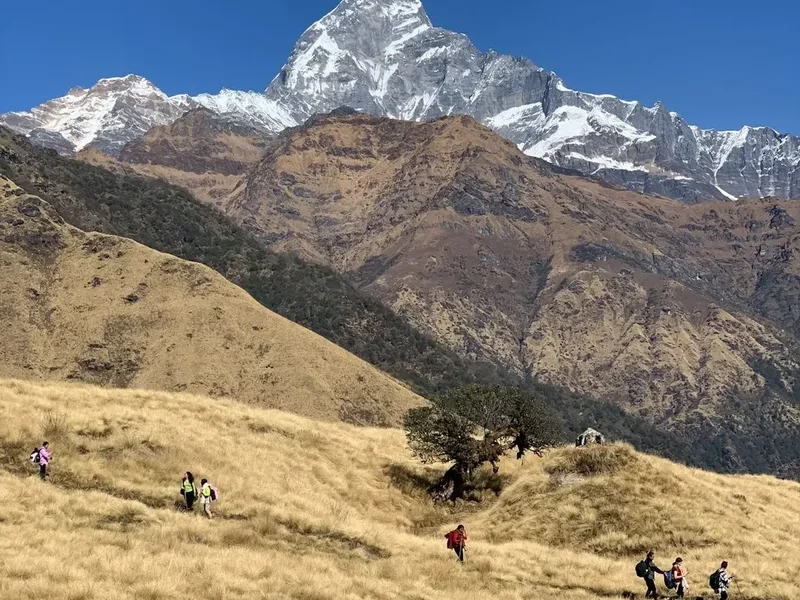
To undertake the Chisapani Nagarkot Hike, you will need to obtain a few permits. These are relatively straightforward to acquire and are essential for legal access to the trekking routes.
Shivapuri National Park Entry Permit:
- This permit is mandatory for entering Shivapuri National Park, which forms the initial part of the trek from Sundarijal.
- Cost: Approximately NPR 30-50 for Nepali citizens and NPR 500-1000 for foreign nationals. Prices can vary, so it's advisable to check the latest rates.
- Where to Obtain: The permit can be purchased directly at the park entrance gate in Sundarijal. It's recommended to have the exact cash amount ready.
Kathmandu Valley Conservation Area Permit (if applicable):
- Depending on the exact route and the discretion of park authorities, a general conservation area permit for the Kathmandu Valley might also be required. However, the Shivapuri National Park permit is the primary one for this trek.
TIMS Card (Trekkers' Information Management System):
- While not strictly mandatory for this short trek within the Kathmandu Valley, obtaining a TIMS card is highly recommended. It helps in tracking trekkers and provides assistance in case of emergencies.
- Cost: Approximately NPR 2,000 for independent trekkers.
- Where to Obtain: The Nepal Tourism Board office in Kathmandu or through registered trekking agencies.
Booking Strategy:
- For the Shivapuri National Park permit, you can purchase it on the day of your trek at the Sundarijal entrance.
- If you are using a trekking agency, they will typically arrange all necessary permits for you as part of their service.
- If travelling independently, it is best to visit the Nepal Tourism Board office in Kathmandu a day or two before your trek to obtain the TIMS card and confirm any other permit requirements.
Important Note: Always carry your permits with you throughout the trek, as they may be checked by park rangers or authorities at various points along the route.
Other Activities in the Area
Beyond the trek itself, the Kathmandu Valley and its surroundings offer a wealth of cultural and natural attractions:
- Explore Kathmandu Durbar Square: A UNESCO World Heritage site, this historic royal palace complex is a masterpiece of Newari architecture, featuring intricate wood carvings and ancient temples.
- Visit Swayambhunath Stupa (Monkey Temple): Perched on a hill overlooking the city, this ancient Buddhist stupa offers panoramic views and is home to numerous monkeys.
- Discover Boudhanath Stupa: One of the largest stupas in the world, it is a significant centre of Tibetan Buddhism in Nepal. The atmosphere around the stupa is vibrant with pilgrims circumambulating and chanting.
- Wander through Patan Durbar Square: Known for its fine arts and architecture, Patan offers a glimpse into the valley's rich artistic heritage with its temples, palaces, and courtyards.
- Experience Bhaktapur Durbar Square: A well-preserved medieval city, Bhaktapur is renowned for its pottery, traditional crafts, and stunning architecture, offering a step back in time.
- Day trip to Dhulikhel: If you extend your trek or choose to end at Dhulikhel, this ancient Newari town also offers excellent Himalayan views and a charming old city.
- Hiking in Shivapuri National Park: Beyond the Nagarkot route, the park offers other trails, including a route to the source of the Bagmati River, providing more opportunities for nature exploration.
- Paragliding in Pokhara (requires separate trip): While not in the immediate vicinity, if you have more time, a trip to Pokhara offers thrilling paragliding experiences with stunning mountain and lake views.
Safety and Conditions
Pre-Trek Checks:
- Weather Forecast: Always check the latest weather forecast for the Kathmandu Valley and the trekking regions before you depart. MetService Nepal or other reliable weather services can provide this information.
- Trail Conditions: While this trek is generally well-maintained, heavy rainfall during the monsoon season can lead to muddy and slippery trails. Inform yourself about any recent weather events that might affect the path.
- Health: Consult your doctor regarding vaccinations and any necessary precautions before travelling to Nepal. Ensure you have adequate travel insurance that covers trekking and medical emergencies.
On the Trail:
- Altitude Sickness: While this trek does not reach extreme altitudes, Nagarkot is at 2,175 metres. Acute Mountain Sickness (AMS) is unlikely, but it's wise to be aware of the symptoms (headache, nausea, dizziness) and descend if they worsen. Stay hydrated and avoid overexertion.
- Hydration: Drink plenty of purified water throughout the trek. Avoid drinking untreated tap water.
- Food Safety: Eat well-cooked meals at reputable teahouses. Be cautious with raw vegetables and fruits unless you can peel them yourself.
- Navigation: While the trails are generally clear, especially the main routes, it's advisable to carry a map or use a GPS device/app, particularly if you are trekking independently. Hiring a local guide is the best way to ensure you stay on track and gain local insights.
- Communication: Mobile phone reception can be patchy in some areas along the trail. Inform someone of your itinerary and expected return time. Consider carrying a power bank to keep your phone charged.
- Emergency Contacts: Keep a list of emergency contact numbers, including your embassy, travel insurance provider, and local emergency services.
- Respect Local Customs: Dress modestly when passing through villages and be respectful of local traditions and religious sites.
Specific Hazards:
- Muddy Trails: During and immediately after the monsoon, trails can be very muddy and slippery. Use trekking poles for better balance.
- Insects: Mosquitoes and other biting insects can be present, especially in warmer months. Use insect repellent and wear long sleeves and trousers.
- Sun Exposure: The sun can be intense, even on cooler days, especially at higher elevations. Use sunscreen, wear a hat, and sunglasses.
Side Trips and Points of Interest
Shivapuri Peak: For those seeking a more challenging day hike within Shivapuri National Park, a detour to Shivapuri Peak (2,732 m) is an option. This involves a steeper ascent and offers even more expansive views of the surrounding hills and, on clear days, the distant Himalayas. It requires an additional few hours of trekking and is best undertaken as a dedicated day trip from Chisapani or a starting point near the park entrance.
Budhanilkantha Temple: Located on the northern outskirts of Kathmandu, this ancient temple houses a colossal reclining statue of Lord Vishnu. It's a significant pilgrimage site and can be visited before or after your trek. It's easily accessible by taxi or local bus from Kathmandu.
Rural Villages and Terraced Fields: The trek passes through numerous small Tamang and Newari villages. Taking time to observe the local way of life, the traditional farming methods on terraced fields, and the unique architecture of the houses offers a rich cultural experience. These are not designated "points of interest" but rather integral parts of the journey that add depth and authenticity.
Sunrise and Sunset Views: While Nagarkot is famous for its sunrise, Chisapani also offers beautiful views of the Himalayas at dawn and dusk. The changing light on the mountain peaks is a spectacle worth appreciating from both locations.
Local Flora and Fauna: Shivapuri National Park is a biodiversity hotspot. Keep an eye out for various bird species, including colourful pheasants and migratory birds. The forests are home to diverse plant life, including rhododendrons, orchids, and medicinal herbs. While sightings are rare, the park is also home to leopards, barking deer, and wild boars.
Leave No Trace
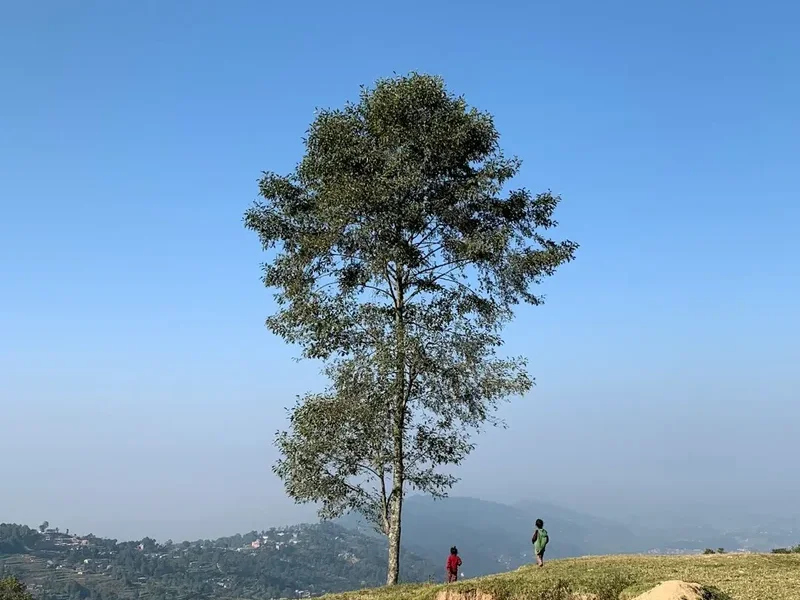
Practising Leave No Trace (LNT) principles is crucial for preserving the natural beauty and cultural integrity of the Chisapani Nagarkot Hike and the surrounding Kathmandu Valley. As a popular trekking route close to the capital, it faces pressure from human activity, making responsible tourism even more important.
Your responsibility as a walker:
- Plan Ahead and Prepare: Understand the regulations and special concerns for the area. Pack appropriately to minimise waste and be prepared for varying weather conditions.
- Travel and Camp on Durable Surfaces: Stick to the marked trails to avoid damaging vegetation and causing erosion. In Chisapani and Nagarkot, use established teahouses and lodges rather than camping outside designated areas.
- Dispose of Waste Properly: Pack out everything you pack in. This includes all food wrappers, plastic bottles, and any other non-biodegradable items. Use designated waste bins where available, or carry your waste back to Kathmandu for proper disposal. Avoid burning or burying trash.
- Leave What You Find: Do not take any natural objects (rocks, plants, flowers) or cultural artefacts from the trail or villages. Respect the environment and the local heritage.
- Minimise Campfire Impacts: Campfires are generally not permitted on this trek, as accommodation is in teahouses. If you were to camp, use a lightweight stove for cooking and avoid making fires.
- Respect Wildlife: Observe wildlife from a distance and never feed animals. Feeding them can alter their natural behaviour and diet, making them dependent on humans and potentially aggressive.
- Be Considerate of Other Visitors: Keep noise levels down, especially in villages and natural areas. Respect the local culture and traditions. Greet locals with a smile and a polite "Namaste."
By adhering to these principles, you help ensure that the Chisapani Nagarkot Hike remains a beautiful and sustainable experience for future generations of trekkers and for the local communities who call this region home.
 Nepal
Nepal