
Chepang Hill Trail - A Cultural and Natural Immersion
The Chepang Hill Trail is a captivating multi-day walk in Nepal, offering a unique blend of cultural immersion and stunning natural landscapes. This trail winds through the mid-hills of Nepal, connecting remote villages inhabited by the Chepang people, an indigenous ethnic group known for their traditional way of life. Unlike the high-altitude treks of the Himalayas, the Chepang Hill Trail provides a more accessible yet equally rewarding experience, focusing on the rich cultural heritage, terraced farming landscapes, and the warm hospitality of its people. The trail is ideal for those seeking an authentic Nepalese experience away from the crowds, offering a glimpse into rural life, traditional customs, and breathtaking views of the surrounding hills and, on clear days, distant Himalayan peaks.
- Distance: 65.0 km
- Duration: 6-7 days
- Season: October to December and March to May
- Difficulty: Moderate
- Closest City: Kathmandu
- Trailhead Access: Hugdi (via bus/taxi from Kathmandu)
- Highest point: Approximately 2,000 m
- Accommodation: Local teahouses and homestays
- Cultural Focus: Chepang indigenous culture, traditional farming practices
Overview
The Chepang Hill Trail is a journey that unfolds gradually, revealing the heart of rural Nepal. It is not a trek defined by towering snow-capped giants, but rather by the intimate beauty of rolling hills, verdant valleys, and the vibrant tapestry of local life. The trail's moderate difficulty makes it accessible to a wide range of trekkers, from beginners looking for their first multi-day adventure to seasoned hikers seeking a different perspective on Nepal's diverse landscapes. The route typically starts from Hugdi, a small settlement accessible from Kathmandu, and meanders through a series of villages, offering opportunities to interact with the Chepang community, learn about their unique traditions, and witness their sustainable agricultural practices.
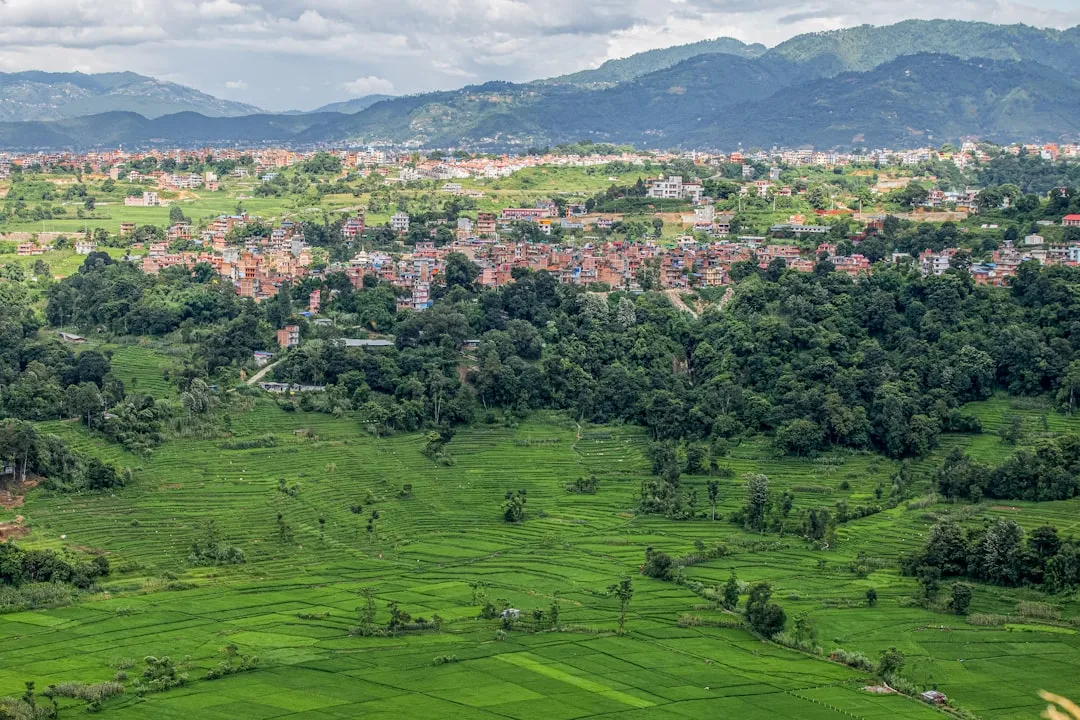
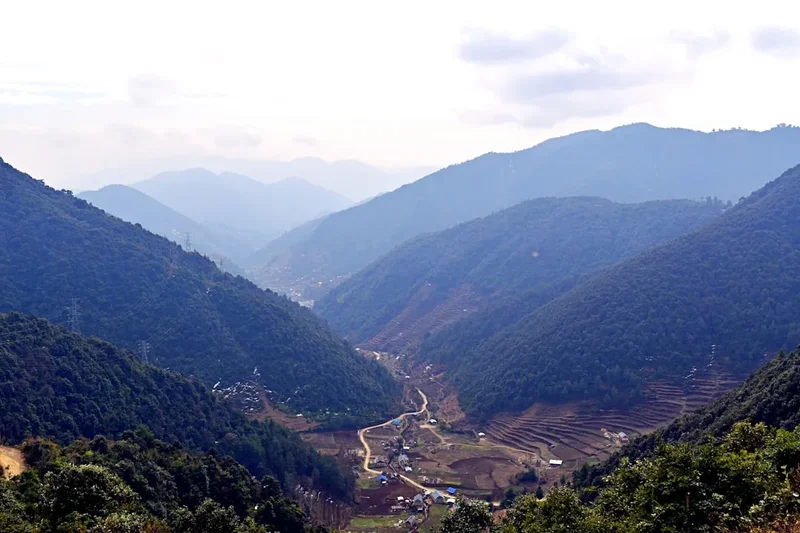
The landscape is characterised by terraced fields that climb the hillsides, creating a patchwork of green and gold depending on the season. As you walk, you'll pass through rhododendron forests, bamboo groves, and small settlements where life moves at a slower pace. The Chepang people, historically known as forest dwellers, have a deep connection to the land, and their culture is intricately woven into the fabric of the trail. Homestays and local teahouses provide authentic accommodation, allowing trekkers to experience genuine Nepalese hospitality, savour local cuisine, and gain insights into the daily lives of the villagers.
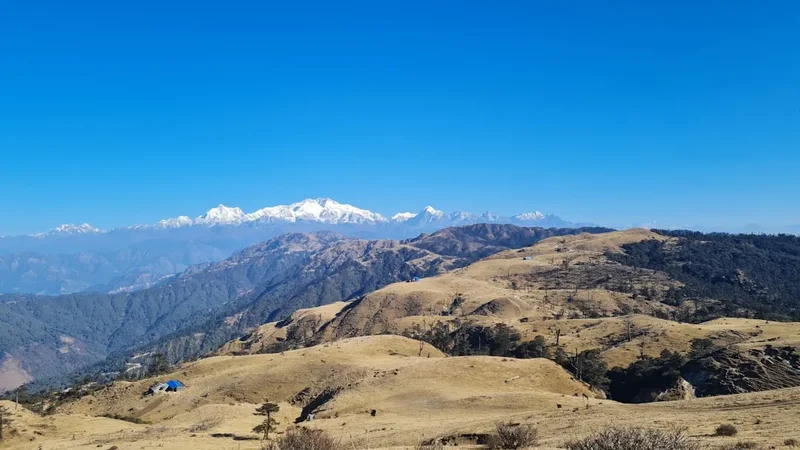
The trail's elevation profile is dynamic, with ascents and descents that offer varied perspectives. While not reaching extreme altitudes, the climbs can be steep, rewarding the effort with panoramic views. On exceptionally clear days, trekkers might catch glimpses of the Annapurna and Dhaulagiri ranges in the distance, adding a majestic backdrop to the already stunning scenery. The Chepang Hill Trail is more than just a physical journey; it's an opportunity for cultural exchange, a chance to disconnect from the modern world, and a deeply enriching experience that highlights the resilience and beauty of Nepal's rural communities.
History and Cultural Context
The Chepang people are one of Nepal's most distinct indigenous groups, with a history deeply rooted in the mid-hills of the country. Traditionally semi-nomadic hunter-gatherers, they have gradually settled into more permanent agricultural communities over the past few centuries. Their unique language, customs, and animistic beliefs set them apart from other ethnic groups in Nepal. Historically, the Chepang have faced socio-economic challenges, and their culture has been influenced by the encroaching modern world. However, efforts are underway to preserve their heritage and promote sustainable development within their communities.
The Chepang Hill Trail itself is not a historical trade route in the same vein as some of Nepal's more famous treks. Instead, it has emerged as a community-based tourism initiative designed to provide economic opportunities for Chepang villages while offering trekkers an authentic cultural experience. The development of this trail is relatively recent, driven by organisations and local communities aiming to showcase the Chepang way of life and the natural beauty of their homeland. This focus on community involvement ensures that tourism benefits directly reach the people whose villages are part of the route, fostering a sense of pride and ownership.
The trail passes through areas that have been inhabited by the Chepang for generations. Villages along the route often have ancient traditions, local deities, and unique architectural styles that reflect their history and environment. Understanding the historical context of the Chepang people—their resilience, their adaptation to changing times, and their deep connection to the land—enhances the trekking experience, transforming it from a simple walk into a meaningful cultural exchange.
Seasonal Highlights and Weather Reality
The Chepang Hill Trail is best enjoyed during the dry seasons when the weather is most favourable for trekking and cultural exploration. The mid-hills of Nepal experience distinct climatic patterns, and understanding these is crucial for planning a successful trip.
Autumn (October to December): This is widely considered the prime trekking season for the Chepang Hill Trail. The monsoon rains have subsided, leaving the air clear and crisp. Temperatures are pleasant, typically ranging from 15°C to 25°C during the day, dropping to around 5°C to 10°C at night. Visibility is excellent, offering stunning views of the surrounding hills and, on clear days, distant Himalayan giants. The landscapes are vibrant, with harvested fields and lush greenery. This period is ideal for cultural interactions as villagers are often busy with post-harvest activities.
Spring (March to May): Another excellent season for trekking the Chepang Hill Trail. The weather is warm and pleasant, with daytime temperatures similar to autumn, though nights can be slightly warmer. Rhododendrons and other wildflowers bloom during this period, adding splashes of colour to the hillsides. Visibility is generally good, though occasional pre-monsoon showers can occur towards the end of May. This season is also good for observing local farming activities as planting begins.
Summer (June to September): This is the monsoon season in Nepal. The Chepang Hill Trail experiences heavy rainfall during these months. While the rain brings life to the landscape, making it incredibly green and lush, it also presents significant challenges for trekkers. Trails can become muddy and slippery, rivers may swell, and visibility can be poor, obscuring mountain views. Landslides are also a risk. Trekking during the monsoon is generally not recommended unless you are an experienced trekker prepared for challenging conditions and are specifically interested in the lush, rain-fed landscape.
Winter (January to February): While not as cold as the high Himalayas, winter in the mid-hills can be chilly, with daytime temperatures ranging from 10°C to 15°C and dropping below freezing at night. Frost is common, and occasional light snowfall can occur at higher elevations along the trail. The skies are often clear, offering good visibility, but the cold can be a deterrent for some. This season is less crowded, offering a more solitary experience, but requires warmer gear.
Recommended Itinerary
6-Day Chepang Hill Trail Itinerary
Day 1: Arrival in Hugdi and Trek to Jyomling
- Distance: Approximately 10 km
- Elevation gain: Moderate ascent
- Time: 4-5 hours
- Arrive in Hugdi, the starting point of the trek.
- Begin trekking through local villages and terraced fields.
- Experience the initial immersion into the Chepang landscape.
- Reach Jyomling, a small Chepang village, for overnight stay in a teahouse or homestay.
- Settle in and enjoy the first taste of local hospitality and cuisine.
Day 2: Jyomling to Syauli Bazaar
- Distance: Approximately 12 km
- Elevation gain: Mixed ascents and descents
- Time: 5-6 hours
- Trek through diverse terrain, including forests and agricultural land.
- Observe traditional farming methods and village life.
- Pass through smaller hamlets, interacting with locals.
- Arrive at Syauli Bazaar, a larger settlement offering more amenities.
- Overnight stay in a local teahouse.
Day 3: Syauli Bazaar to Gadi
- Distance: Approximately 11 km
- Elevation gain: Significant ascent towards Gadi
- Time: 5-6 hours
- The day involves a more challenging climb, leading to higher elevations.
- Enjoy increasingly expansive views of the surrounding hills.
- Reach Gadi, a significant Chepang settlement known for its scenic location.
- Explore the village and learn about Chepang culture.
- Overnight stay in a teahouse or homestay.
Day 4: Gadi to Chisapani
- Distance: Approximately 13 km
- Elevation gain: Mixed, with some descents and ascents
- Time: 5-6 hours
- Trek through forests and along ridges, offering varied scenery.
- Potential for distant mountain views on clear days.
- Pass through more remote Chepang communities.
- Arrive in Chisapani, a picturesque village offering beautiful vistas.
- Overnight stay in a teahouse or homestay.
Day 5: Chisapani to Bhujung (or nearby village)
- Distance: Approximately 10 km
- Elevation gain: Moderate descent and ascent
- Time: 4-5 hours
- Descend from Chisapani, then ascend towards the final destination village.
- Enjoy the last full day of trekking through rural Nepal.
- Reach Bhujung or a similar village, known for its welcoming community.
- Opportunity for a farewell dinner with local hosts.
- Overnight stay in a teahouse or homestay.
Day 6: Departure from Bhujung
- Distance: Short walk to road access
- Time: 1-2 hours
- Enjoy a final local breakfast.
- Short walk to the nearest road head for onward transportation.
- Drive back to Kathmandu or your next destination.
Important Notes:
- This itinerary is a suggestion and can be customised based on fitness levels and interests.
- Accommodation is primarily in local teahouses and homestays, offering basic but clean facilities.
- Flexibility is key, as trail conditions and village schedules can vary.
- Guides are highly recommended for cultural insights and navigation.
Planning and Bookings
Book Your Trip
Everything you need to plan your journey
Accommodation
Find places to stay near Kathmandu
Flights
Search flights to Kathmandu
Essential Preparation
The Chepang Hill Trail is a moderate trek that requires a reasonable level of fitness. Trekkers should be comfortable walking for 4-6 hours per day with a backpack, navigating varied terrain including ascents and descents. Prior hiking experience is beneficial but not strictly necessary for this trail. It is advisable to engage a local guide or trekking agency, especially if you are unfamiliar with Nepal or the specific region. Guides not only assist with navigation and logistics but also provide invaluable cultural insights and facilitate interactions with the local Chepang communities. Booking accommodation in advance, particularly during peak seasons, is recommended, although the trail is less crowded than major trekking routes. Consider basing yourself in Kathmandu for a few days before and after the trek to arrange permits, gear, and transportation. Basic acclimatisation is generally not required due to the moderate altitudes, but it's always wise to listen to your body and rest if needed.
Trail Accommodation
Accommodation along the Chepang Hill Trail primarily consists of local teahouses and homestays. These offer a more authentic and immersive experience compared to standard hotels. They are typically run by local families, providing a glimpse into their daily lives and culture.
Teahouses/Homestays:
- Booking requirements: While not always mandatory, especially outside peak season, booking ahead is advisable, particularly for specific villages or if travelling in a group. This can often be arranged through your guide or trekking agency.
- Facilities provided: Basic rooms with beds and mattresses, communal dining areas, and often shared toilet facilities. Some may offer hot showers (sometimes for an extra fee). Meals are typically prepared by the hosts using local ingredients.
- What's NOT provided: Sleeping bags are usually required as blankets may not be sufficient for cooler nights. Personal toiletries, towels, and charging facilities for electronics may be limited. Wi-Fi is generally unavailable.
- Seasonal availability: Available year-round, though comfort levels may vary with the seasons. Winter nights can be cold, and monsoon season may mean less comfortable conditions due to rain.
- Costs: Accommodation costs are generally low, ranging from approximately NPR 500 to 1500 per night, depending on the village and facilities. Meals are priced separately.
This is a multi-day walk requiring overnight accommodation in teahouses and homestays.
Required Gear
- Sturdy hiking boots: Waterproof and well broken-in to prevent blisters.
- Backpack: A comfortable daypack (25-35 litres) for daily essentials if you have porters, or a larger trekking pack (40-50 litres) if carrying your own gear.
- Waterproof jacket and trousers: Essential for protection against rain, especially during shoulder seasons or unexpected showers.
- Warm layers: Fleece jacket, thermal base layers (merino wool or synthetic), and a warm hat and gloves, particularly for cooler mornings and evenings.
- Sleeping bag: A 3-season sleeping bag (rated to around 0°C) is recommended for comfort in teahouses.
- Head torch: With spare batteries, for navigating in the dark or during power outages.
- First-aid kit: Including personal medications, blister treatment, pain relievers, antiseptic wipes, and bandages.
- Sun protection: Sunglasses, sunscreen (SPF 30+), and a wide-brimmed hat.
- Trekking poles: Optional but highly recommended for stability on ascents and descents.
What to Bring
- Food and snacks: While meals are available at teahouses, carrying energy bars, nuts, dried fruit, and other high-energy snacks is advisable for during the day's trek.
- Water bottles or hydration reservoir: At least 2 litres capacity.
- Water purification: Water purification tablets or a filter are essential, as tap water is not safe to drink.
- Personal toiletries: Toothbrush, toothpaste, biodegradable soap, hand sanitiser, and toilet paper.
- Quick-dry towel: Lightweight and practical for use in teahouses.
- Camera and spare batteries/power bank: To capture the stunning scenery and cultural moments.
- Personal documents: Passport, visa, travel insurance details, and any necessary permits.
- Cash: Nepalese Rupees (NPR) for accommodation, meals, and any personal purchases. ATMs are not available on the trail.
- Insect repellent: Especially important during warmer months.
Permits
For the Chepang Hill Trail, specific trekking permits like those required for the high Himalayas are generally not necessary. However, trekkers are usually required to obtain a National Park entry permit if the trail passes through protected areas, and a TIMS (Trekkers' Information Management System) card. These are standard requirements for most trekking regions in Nepal and help in managing trekkers' safety and contributing to conservation efforts.
TIMS Card:
- Purpose: The TIMS card is a mandatory registration system for all trekkers in Nepal. It helps track trekkers, provides emergency contact information, and contributes to the overall safety and management of trekking routes.
- Where to obtain: TIMS cards can be obtained from the Nepal Tourism Board (NTB) office in Kathmandu or Pokhara, or through registered trekking agencies.
- Cost: Approximately NPR 2,000 for individual trekkers and NPR 1,000 for trekkers travelling with an agency.
National Park/Conservation Area Permits:
- Depending on the exact route taken, you may need to enter a national park or conservation area. The specific permits and fees will vary. Your trekking agency or guide will be able to advise on this.
- For example, if the trail enters areas managed by the Department of National Parks and Wildlife Conservation, a permit will be required.
Local Area Permits: Some local communities or village development committees may also charge a small entrance fee or contribution for using their trails and facilities. This is often collected by the teahouse owners or local guides.
Recommendation: It is highly recommended to arrange these permits through a reputable trekking agency in Kathmandu or Pokhara. They will ensure you have the correct documentation and can advise on any specific requirements for the Chepang Hill Trail region. This simplifies the process and allows you to focus on your trek.
Other Activities in the Area
While the Chepang Hill Trail is primarily focused on trekking and cultural immersion, the surrounding region offers several other enriching activities:
- Village Homestays: Extend your stay in a Chepang village to gain a deeper understanding of their daily life, participate in local activities like farming or cooking, and build stronger connections with the community.
- Cultural Performances: In some villages, you may have the opportunity to witness traditional Chepang music and dance performances, offering a vibrant insight into their cultural heritage.
- Local Markets: If your trek coincides with a local market day in a larger settlement like Syauli Bazaar, you can experience the bustling atmosphere, observe local trade, and perhaps purchase unique handicrafts.
- Bird Watching: The mid-hills of Nepal are rich in biodiversity. The forests and varied terrain along the trail are home to numerous bird species, making it an enjoyable experience for birdwatching enthusiasts.
- Photography: The trail offers abundant opportunities for photography, from the stunning landscapes and terraced fields to the candid portraits of local people and their traditional way of life.
- Cooking Classes: Some homestays may offer informal cooking sessions where you can learn to prepare traditional Nepalese dishes like Dal Bhat.
Safety and Conditions
Pre-Trek Preparation:
- Medical Check-up: Consult your doctor before travelling to Nepal and discuss any pre-existing medical conditions. Ensure your vaccinations are up-to-date.
- Travel Insurance: Comprehensive travel insurance covering trekking, medical emergencies, and evacuation is essential. Ensure it covers altitudes up to 2,000 metres.
- Fitness: Maintain a good level of physical fitness. Regular cardiovascular exercise and strength training will enhance your trekking experience.
On the Trail:
- Guides and Porters: Hiring a local guide is highly recommended for navigation, cultural understanding, and safety. Porters can be hired to carry your main backpack, making the trek more comfortable.
- Hydration: Drink plenty of purified water throughout the day to prevent dehydration and altitude sickness (though less of a concern at these altitudes).
- Food Safety: Eat well-cooked food and drink only purified or boiled water. Be cautious with street food.
- Trail Conditions: Trails can be uneven, rocky, and slippery, especially during and after rain. Wear appropriate footwear and use trekking poles for stability.
- Communication: Mobile phone reception can be intermittent. Inform your family or friends of your itinerary and expected return date. Consider carrying a satellite phone or personal locator beacon (PLB) for remote areas, though less critical for this trail.
- Respect Local Customs: Dress modestly when visiting villages and interacting with locals. Ask permission before taking photographs of people.
- Emergency Procedures: Familiarise yourself with basic first-aid. Your guide will be trained in emergency procedures. In case of a serious emergency, evacuation may be necessary.
Weather: Be prepared for variable weather. While generally pleasant during the trekking seasons, sudden rain showers or cooler temperatures can occur. Always carry layers and waterproof gear.
Side Trips and Points of Interest
While the Chepang Hill Trail is a journey in itself, several points of interest and potential side trips can enhance the experience:
Local Chepang Villages: Each village along the route offers a unique perspective on Chepang culture. Take time to explore beyond the main teahouse areas. Observe traditional house construction, agricultural practices (such as millet farming and traditional irrigation systems), and the daily routines of the villagers. Engaging with locals, with the help of your guide, can lead to memorable cultural exchanges.
Viewpoints: Several points along the trail offer panoramic vistas of the surrounding mid-hills. These are particularly rewarding in the early morning or late afternoon when the light is soft and the colours are vibrant. On exceptionally clear days, distant Himalayan peaks like the Annapurnas and Dhaulagiri may be visible, providing a stunning backdrop to the rolling green landscape.
Forest Trails: The trail often passes through beautiful rhododendron and pine forests. These sections offer a peaceful respite from the open hillsides and provide opportunities for birdwatching and enjoying the natural flora and fauna of the region.
Traditional Farming Terraces: The meticulously crafted terraced fields are a testament to the ingenuity of the local farmers. Observing the different crops grown (millet, maize, rice, vegetables) and the methods used for cultivation provides insight into the agricultural heritage of the region.
Local Temples and Monasteries: While the Chepang have their own animistic beliefs, Hindu and Buddhist influences are present in Nepal. You may encounter small local shrines or temples along the route, offering a glimpse into the spiritual landscape of the area.
Leave No Trace
The Chepang Hill Trail traverses pristine natural environments and communities that rely heavily on these resources. Practising Leave No Trace principles is crucial to preserving the beauty and integrity of the region for future generations and to ensure the sustainability of tourism for the local people.
Your responsibility as a trekker:
- Pack it in, Pack it out: Carry out all your rubbish, including food wrappers, plastic bottles, and any other waste. Do not bury or burn trash.
- Stay on the Trail: Stick to marked paths to avoid damaging fragile vegetation and causing erosion. Venturing off-trail can disturb wildlife and sensitive ecosystems.
- Respect Wildlife: Observe wildlife from a distance and never feed animals. Feeding can alter their natural behaviour and diet, and can be harmful to their health.
- Dispose of Waste Properly: Use designated toilets where available. If no facilities exist, dig a cathole at least 60 metres (60 m) away from water sources, trails, and campsites. Pack out all toilet paper.
- Minimise Campfire Impacts: Campfires are generally discouraged and often prohibited in protected areas. If permitted and necessary, use established fire rings and keep fires small. Ensure fires are completely extinguished.
- Leave What You Find: Do not take rocks, plants, or cultural artefacts. Leave them for others to enjoy and to preserve the natural and cultural heritage.
- Be Considerate of Other Visitors: Respect the peace and quiet of the trail. Avoid loud noises and be courteous to other trekkers and local people.
- Respect Local Culture: Dress modestly when visiting villages, ask permission before taking photos of people, and be mindful of local customs and traditions.
By adhering to these principles, you contribute to the preservation of the Chepang Hill Trail's natural beauty and cultural richness, ensuring a positive impact on the communities you visit.
 Nepal
Nepal