
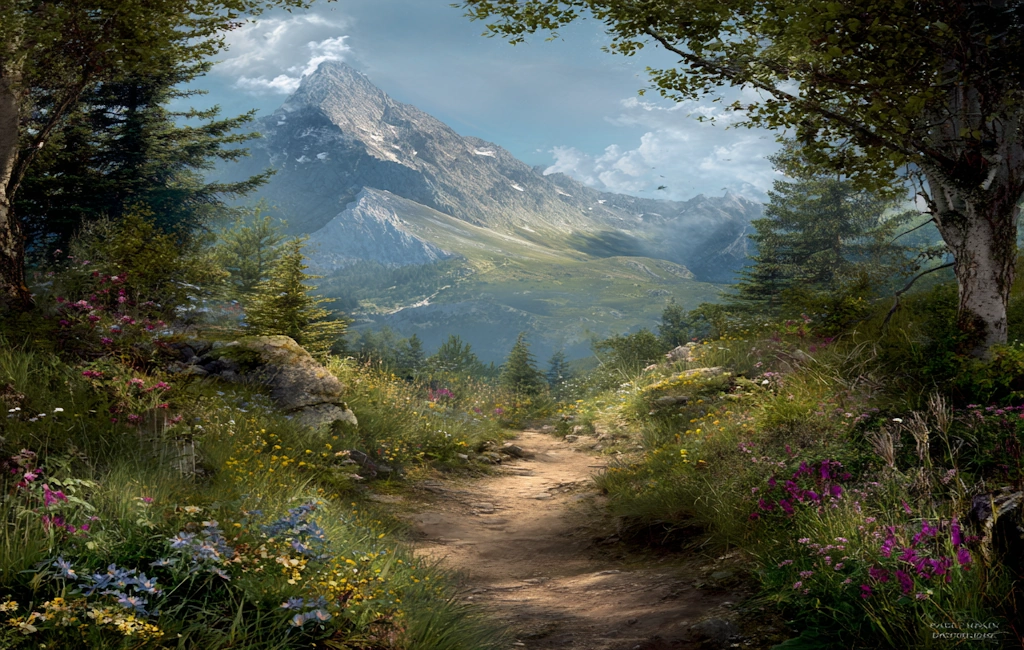
Chapada dos Veadeiros Circuit
The Chapada dos Veadeiros Circuit is a challenging multi-day trek through the heart of Brazil's Cerrado biome, a vast tropical savanna renowned for its dramatic landscapes, abundant waterfalls, and unique biodiversity. This 85 km journey offers an immersive experience into one of the planet's most biodiverse savannas, traversing rugged plateaus, deep canyons, and crystal-clear rivers. The circuit is designed for experienced hikers seeking a true wilderness adventure, showcasing the raw beauty and ecological significance of the Chapada dos Veadeiros National Park. With its demanding terrain and remote sections, this trek requires careful planning, physical preparation, and a deep respect for the natural environment.
- Distance: 85.0 km one-way
- Duration: 5-7 days
- Season: May to September (dry season)
- Huts/Campsites: Basic camping facilities and some rudimentary shelters available
- Highest point: Varies, but significant elevation changes occur throughout
- Daily walkers: No strict daily limit, but park regulations apply
- Direction: Flexible, but a common route is established
Overview
The Chapada dos Veadeiros Circuit is a testament to the untamed beauty of the Brazilian Cerrado. This expansive savanna ecosystem, often overlooked in favour of rainforests, is a treasure trove of unique flora and fauna, and the Chapada dos Veadeiros National Park protects a significant portion of it. The circuit is not a single, clearly defined path like some international trails; rather, it is a network of trails and routes that can be combined to create an 85 km journey. This allows for flexibility but also necessitates good navigation skills and local knowledge.
The terrain is varied and often demanding. Hikers will traverse high-altitude plateaus, known as "chapadas," which offer breathtaking panoramic views. These plateaus are characterised by rocky outcrops, sparse vegetation adapted to dry conditions, and a sense of immense openness. Descending from these heights, the trail leads into lush valleys carved by rivers and streams, where the vegetation becomes denser, featuring gallery forests along the waterways. Waterfalls are a constant and spectacular feature, ranging from small cascades to impressive drops that have carved out natural pools perfect for a refreshing dip.
The dry season, from May to September, is the optimal time to undertake this trek. During these months, rainfall is minimal, the skies are generally clear, and the risk of flash floods is significantly reduced. However, temperatures can still be warm, and the sun intense, requiring adequate hydration and sun protection. The dry season also means water sources can be more spread out in certain sections, necessitating careful planning for water resupply.
This circuit is a true adventure for those who appreciate raw, natural beauty and are prepared for a physically demanding experience. It offers a profound connection with the Cerrado, a biome that is both resilient and incredibly rich in life, and a chance to explore a less-travelled corner of Brazil's natural wonders.
History and Cultural Context
The Chapada dos Veadeiros region has a rich history intertwined with indigenous peoples, prospectors, and the development of Brazil's natural resources. For millennia, indigenous tribes, such as the Avá-Canoeiro, inhabited and traversed these lands, utilising the abundant natural resources for sustenance and spiritual practices. Their connection to the land is deep and enduring, with many sacred sites and traditional knowledge still present in the region.
In the 18th and 19th centuries, the area gained prominence with the discovery of gold and precious stones, particularly quartz crystals. Prospectors, known as "garimpeiros," flocked to the region, establishing small settlements and further exploring the rugged terrain. The abundance of quartz, some of exceptional clarity and size, led to the Chapada dos Veadeiros becoming known as a source of "Brazilian diamonds," though these were primarily quartz crystals. This era of prospecting left a mark on the landscape and contributed to the region's mystique.
The establishment of the Chapada dos Veadeiros National Park in 1977 was a crucial step in preserving the unique ecological and geological heritage of the area. The park was created to protect the Cerrado biome, its diverse wildlife, and the distinctive geological formations, including the quartz-rich soils and the dramatic waterfalls. The park's creation aimed to balance conservation efforts with the sustainable use of natural resources and the promotion of ecotourism.
In recent decades, the Chapada dos Veadeiros has also become associated with spiritual and mystical beliefs, partly due to its unique geological features, high concentration of quartz, and the perceived energy of the landscape. This has attracted a diverse range of visitors, from nature enthusiasts and hikers to those seeking spiritual retreats. The circuit itself, while primarily a physical challenge, traverses areas that hold both ecological and cultural significance, offering a glimpse into the layered history of this extraordinary region.
Seasonal Highlights and Weather Reality
The Chapada dos Veadeiros Circuit is best experienced during the dry season, which typically runs from May to September. This period offers the most favourable conditions for trekking, with significantly reduced rainfall and a lower risk of flash floods.
Dry Season (May to September):
- Weather: Characterised by sunny days, clear skies, and minimal precipitation. Temperatures can range from pleasant during the day (averaging 20-28°C) to cooler in the evenings and early mornings (around 10-15°C).
- Landscape: The vegetation appears drier, and rivers and waterfalls may have reduced flow compared to the wet season, though major waterfalls usually maintain a good volume. The dry conditions make trails more accessible and reduce the risk of muddy or slippery sections.
- Wildlife: This is a good time for wildlife viewing as many animals are more active during the cooler parts of the day.
- Challenges: Water sources can become scarcer in some areas, requiring careful planning for carrying sufficient water. The sun can be intense, and dehydration is a risk.
Wet Season (October to April):
- Weather: Marked by frequent and often heavy thunderstorms, particularly in the afternoons. High humidity and temperatures (averaging 25-32°C) make trekking more strenuous.
- Landscape: The Cerrado is lush and vibrant. Waterfalls are at their most spectacular, with powerful flows and dramatic cascades. Rivers and streams are full, and the landscape is a rich green.
- Challenges: Trails can become muddy, slippery, and difficult to navigate. Flash floods are a significant danger, especially in canyons and near riverbeds, making certain sections impassable and potentially life-threatening. Many park areas and trails may be closed due to safety concerns.
- Recommendation: The wet season is generally not recommended for undertaking the full circuit due to safety risks and trail conditions.
For the Chapada dos Veadeiros Circuit, the dry season is unequivocally the best time to travel. It ensures safer passage, more predictable weather, and a more enjoyable hiking experience.
Recommended Itinerary
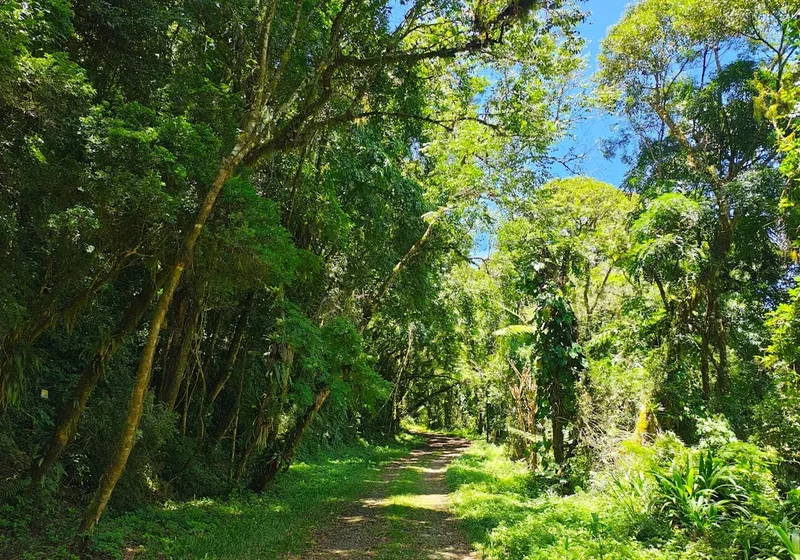
5-Day Chapada dos Veadeiros Circuit Itinerary
Day 1: Alto Paraíso de Goiás to Sertãozinho Trailhead & Camp
- Distance: Approx. 10 km (including access)
- Elevation gain: Moderate
- Time: 3-4 hours
- Morning: Arrive in Alto Paraíso de Goiás, final gear check, and meet local guide.
- Transfer to Sertãozinho trailhead (approx. 30-45 minutes by 4x4 vehicle).
- Begin hike on established trails, gradually ascending into the Cerrado landscape.
- Pass through open savanna and rocky areas.
- Arrive at a designated camping area near Sertãozinho. Set up camp.
- Evening: Enjoy the vast open skies and the sounds of the savanna.
Day 2: Sertãozinho Camp to Cachoeira dos Cristais Area
- Distance: Approx. 15 km
- Elevation gain: Significant ascents and descents
- Time: 6-7 hours
- Morning: Depart camp after breakfast. Hike deeper into the park, following trails that lead towards the Cachoeira dos Cristais (Crystal Waterfall).
- Traverse varied terrain, including rocky plateaus and dry riverbeds.
- Midday: Potential stop at a smaller waterfall for lunch and a swim.
- Afternoon: Arrive in the vicinity of Cachoeira dos Cristais. Set up camp at a designated site.
- Explore the impressive waterfall and its surroundings.
Day 3: Cachoeira dos Cristais to Vale da Lua Area
- Distance: Approx. 20 km
- Elevation gain: Varied, with some challenging climbs
- Time: 7-8 hours
- Morning: Continue the circuit, heading towards the iconic Vale da Lua (Valley of the Moon).
- The trail may involve crossing streams and navigating through denser vegetation in some sections.
- Afternoon: Reach the unique geological formations of Vale da Lua, known for its moon-like rock sculptures carved by water erosion.
- Set up camp in a designated area near Vale da Lua.
- Explore the surreal landscape of the valley.
Day 4: Vale da Lua to Cachoeira Santa Bárbara Area
- Distance: Approx. 25 km
- Elevation gain: Challenging ascents and descents
- Time: 8-9 hours
- Morning: A longer and more demanding day, heading towards the famous Cachoeira Santa Bárbara (Santa Barbara Waterfall), known for its stunning turquoise waters.
- The route will take you through diverse Cerrado landscapes, potentially including higher plateaus with expansive views.
- This day requires good navigation and stamina.
- Late Afternoon: Arrive at a campsite near Cachoeira Santa Bárbara.
- Rest and prepare for the final day.
Day 5: Cachoeira Santa Bárbara to São Jorge Village & Departure
- Distance: Approx. 15 km (including access)
- Elevation gain: Mostly descent
- Time: 4-5 hours
- Morning: Enjoy a final visit to Cachoeira Santa Bárbara.
- Begin the final leg of the trek, descending towards the charming village of São Jorge.
- The trail will lead you out of the more remote park areas and towards civilisation.
- Midday: Arrive in São Jorge. Celebrate the completion of the circuit with a well-deserved meal.
- Afternoon: Transfer back to Alto Paraíso de Goiás or continue to your next destination.
Important Notes:
- This itinerary is a suggestion and can be adapted based on fitness levels, weather, and guide recommendations.
- Accommodation consists of basic camping. Some areas may have rudimentary shelters or designated camping spots.
- A local guide is highly recommended for navigation, safety, and understanding the local environment and culture.
- Water sources need to be identified and treated.
- Park entrance fees may apply.
Planning and Bookings
Book Your Trip
Everything you need to plan your journey
Accommodation
Find places to stay near Alto Paraíso de Goiás
Flights
Search flights to Alto Paraíso de Goiás
Essential Preparation
The Chapada dos Veadeiros Circuit is a challenging trek that demands thorough preparation. Given the remote nature of some sections and the varied terrain, it is strongly advised to undertake this hike with a local guide. Guides provide invaluable knowledge of the trails, water sources, potential hazards, and local ecology. They also handle logistics such as transport to trailheads and campsites.
Fitness: A high level of physical fitness is essential. The trek involves long days of walking, significant elevation changes, and carrying a backpack. Regular cardiovascular exercise, strength training (especially for legs and core), and practice hikes with a loaded pack are highly recommended in the months leading up to the trip.
Logistics: The closest major airport is Brasília International Airport (BSB). From Brasília, you will need to arrange transport to Alto Paraíso de Goiás, the primary gateway town to the national park. This can be done via bus (approximately 3-4 hours) or private transfer. Alto Paraíso de Goiás offers accommodation, restaurants, and shops for last-minute supplies. From Alto Paraíso, local guides will arrange further transport to the specific trailheads, which often require 4x4 vehicles due to road conditions.
Base Town: Alto Paraíso de Goiás is the main base town. It's a vibrant hub with a range of accommodation options, from budget hostels to comfortable pousadas. It also has supermarkets, pharmacies, and outdoor gear shops. São Jorge, a smaller village closer to some park entrances, is another option, though Alto Paraíso offers more services.
Trail Accommodation
Accommodation on the Chapada dos Veadeiros Circuit primarily consists of camping. There are no formal huts or lodges along the trekking routes within the national park. Campers will utilise designated camping areas or find suitable spots in accordance with park regulations.
Camping Facilities:
- Designated Campsites: The park has several designated camping areas, often located near water sources or points of interest like waterfalls. These sites are usually basic, offering flat ground for tents.
- Rudimentary Shelters: In some locations, there may be very basic, open-sided shelters that offer minimal protection from the elements. These are not enclosed structures and should not be relied upon as primary shelter.
- No Facilities: Expect no amenities such as toilets, showers, or cooking facilities at most campsites. Campers must be self-sufficient.
What's NOT Provided:
- Tents, sleeping bags, sleeping mats
- Cooking equipment (stoves, pots, utensils)
- Food and water treatment supplies
- Toilet facilities (digging catholes away from water sources is standard practice)
Seasonal Availability: Camping is available year-round, but the dry season (May to September) is highly recommended for safety and comfort. During the wet season, camping can be challenging due to rain, mud, and the risk of flash floods. Park regulations regarding camping may change, so it's essential to confirm with local guides or park authorities.
Costs: While there are no direct accommodation fees for camping in the wild, park entrance fees may apply depending on the specific areas you access. Guides will typically include campsite arrangements in their overall package.
Required Gear
- Sturdy Hiking Boots: Waterproof, well-broken-in hiking boots with good ankle support are essential for navigating the varied and often rocky terrain.
- Backpack: A comfortable, well-fitting backpack (50-70 litres) with a rain cover is necessary to carry all your gear and supplies.
- Tent: A lightweight, durable, and waterproof tent suitable for camping in potentially exposed conditions.
- Sleeping Bag: A 3-season sleeping bag rated for temperatures around 5-10°C, as evenings can be cool.
- Sleeping Mat: For insulation and comfort.
- Waterproof Jacket and Trousers: Essential for protection against sudden rain showers, even in the dry season.
- Warm Layers: Fleece or down jacket, thermal base layers for cooler evenings and mornings.
- Navigation Tools: GPS device or reliable offline map app on a smartphone, compass, and a physical map of the park. A local guide is crucial for navigation.
- Head Torch: With spare batteries, for use around camp and in the tent.
- First-Aid Kit: Comprehensive kit including blister treatment, pain relievers, antiseptic wipes, bandages, and any personal medications.
- Sun Protection: Wide-brimmed hat, sunglasses, high SPF sunscreen.
- Insect Repellent: Effective repellent for mosquitoes and other biting insects.
What to Bring
- Food: Lightweight, high-energy, non-perishable food for the duration of the trek. This includes breakfast, lunch, dinner, and plenty of snacks. Guides can assist with meal planning.
- Water Treatment: Water filter or purification tablets are essential, as water sources must be treated before consumption.
- Cooking Gear: Lightweight camping stove, fuel, cooking pot, utensils, mug, and plate/bowl.
- Toiletries: Biodegradable soap, toothbrush, toothpaste, toilet paper, hand sanitiser, quick-dry towel.
- Personal Items: Camera, power bank for electronics, book or journal, trekking poles (highly recommended for stability and reducing strain).
- Dry Bags: To keep essential items like electronics, clothing, and sleeping bag dry.
- Cash: For any small purchases in villages or for guide tips.
- Identification: Passport or ID.
Permits
Access to Chapada dos Veadeiros National Park and its trails typically requires an entrance fee. The specific fees and permit requirements can vary depending on the entry point and the areas you plan to visit. It is advisable to check the official website of the Instituto Chico Mendes de Conservação da Natureza (ICMBio), the federal agency responsible for Brazil's protected areas, or consult with local guides for the most up-to-date information.
National Park Entrance Fees:
- Fees are generally modest and contribute to the park's maintenance and conservation efforts.
- Prices can vary for Brazilians and foreign visitors.
- Some popular attractions within or near the park, such as private waterfalls, may have separate entrance fees charged by their owners.
Guide Requirements:
- While not always strictly mandatory for all trails within the national park, hiring a local, accredited guide is highly recommended, especially for multi-day circuits like this one.
- Guides are essential for navigating the complex network of trails, ensuring safety, and understanding the park's regulations and ecological significance.
- Many tour operators and local communities offer guided treks, which often include permit arrangements as part of their service package.
Booking in Advance:
- For the multi-day circuit, it is wise to book your guided trek well in advance, particularly if travelling during peak season (Brazilian holidays, dry season).
- This allows time for guides to prepare logistics, secure any necessary permits, and confirm campsite availability if applicable.
- For day visits to specific attractions, advance booking is usually not required, but it's always good to check local conditions.
Important Considerations:
- Always carry your identification and any permit documentation with you.
- Respect all park rules and regulations, including those related to camping, fires, and waste disposal.
- Be aware that some areas may have temporary closures due to weather conditions or maintenance.
Other Activities in the Area
The Chapada dos Veadeiros region offers a wealth of activities beyond the main circuit, making it a destination for nature lovers and adventure seekers:
- Visiting Waterfalls: The park and its surroundings are dotted with hundreds of waterfalls. Popular accessible ones include Cachoeira Loquinhas, Cachoeira Almécegas I and II, and Cachoeira São Bento. These offer opportunities for swimming and relaxation.
- Exploring Vale da Lua: Even if not part of your main circuit, this unique geological formation is a must-see. Its smooth, sculpted rocks resemble the lunar surface and are a testament to the erosive power of water.
- Hiking to Mirante da Janela: A popular day hike offering spectacular views over the park, including the iconic Salto do Rio Preto waterfalls.
- Visiting the Sertãozinho Area: This area is known for its crystal formations and offers shorter hiking trails and opportunities to explore the unique geology.
- Stargazing: The Chapada dos Veadeiros is known for its clear skies and minimal light pollution, making it an excellent location for stargazing.
- Exploring Alto Paraíso de Goiás: The town itself offers a relaxed atmosphere with artisan shops, organic restaurants, and a spiritual vibe.
- Visiting São Jorge Village: A charming, rustic village that serves as a gateway to some of the park's most famous attractions, including Vale da Lua and the entrance to the national park trails.
- Crystal Hunting: The region is famous for its quartz crystals. While commercial mining is restricted, visitors can sometimes find smaller, naturally occurring crystals.
Safety and Conditions
Pre-Trip Checks:
- Weather: Always check the weather forecast for Alto Paraíso de Goiás and the national park before and during your trek. Be prepared for sudden changes, especially during the wet season.
- Park Alerts: Consult the ICMBio website or local park authorities for any trail closures, warnings, or specific conditions within Chapada dos Veadeiros National Park.
- Guide Briefing: Your guide will provide a detailed safety briefing covering potential hazards, emergency procedures, and communication protocols.
Trail Hazards:
- Terrain: The trails can be uneven, rocky, and steep, with loose scree in some sections. Proper footwear and trekking poles are highly recommended.
- Water Crossings: Rivers and streams may need to be crossed. During the wet season, these can become dangerous due to flash floods. Always assess the safety of a crossing before attempting it.
- Sun Exposure: The Cerrado is an open biome with intense sun exposure. Dehydration and heatstroke are serious risks. Carry ample water, wear sun protection, and take breaks in shaded areas.
- Wildlife: While large dangerous animals are rare, be aware of snakes, scorpions, and biting insects. Wear long trousers and boots, and be cautious where you step or place your hands.
- Getting Lost: Trails can be poorly marked in some areas. Navigation skills are essential, and a guide is invaluable. Always stay on marked paths unless accompanied by a knowledgeable guide.
Flash Floods: This is the most significant danger, particularly during the wet season (October to April). Canyons and riverbeds can fill rapidly with water, posing a severe risk. Avoid hiking in these areas during or immediately after heavy rainfall. Your guide will be experienced in assessing flood risks.
Water and Food Safety: Always treat water from natural sources before drinking. Ensure food is stored properly to avoid attracting wildlife.
Communication: Mobile phone signal is unreliable or non-existent in many parts of the park. Consider carrying a personal locator beacon (PLB) or satellite phone for emergencies, especially if hiking independently (though a guide is strongly advised).
Travel Insurance: Ensure your travel insurance covers trekking and potential medical evacuation.
Side Trips and Points of Interest
Cachoeira Santa Bárbara: While often a destination on the circuit, its stunning turquoise waters and impressive cascade make it a highlight worth specific mention. The hike to reach it can be challenging, but the reward is immense. The surrounding area offers opportunities for swimming and photography.
Vale da Lua (Valley of the Moon): This unique geological site is a series of rock formations sculpted by water erosion over millennia, resembling a lunar landscape. It's a popular spot for short walks and exploration, offering incredible photographic opportunities.
Cachoeira dos Cristais (Crystal Waterfall): Named for the quartz crystals found in the area, this waterfall is a beautiful spot for a refreshing dip and a break during the trek. The surrounding landscape is typical of the Chapada dos Veadeiros, with rocky outcrops and savanna vegetation.
Mirante da Janela: For those with extra time or seeking a challenging day hike, the viewpoint known as "Window Viewpoint" offers breathtaking panoramic vistas of the park, including the iconic Salto do Rio Preto waterfalls. This requires a separate excursion from the main circuit but is highly rewarding.
Salto do Rio Preto: The highest waterfall in the park, with a dramatic drop. While access might be restricted or require specific routes, its sheer scale and power are impressive. It's often visible from viewpoints like Mirante da Janela.
Alto Paraíso's Spiritual Sites: Beyond the natural wonders, the region is known for its spiritual significance. Visitors can explore local viewpoints and energy points believed to have special properties, such as the Morro da Baleia (Whale Hill).
Leave No Trace
The Chapada dos Veadeiros Circuit traverses a fragile and ecologically significant biome. Adhering to Leave No Trace principles is paramount to preserving its beauty and biodiversity for future generations.
Your responsibility as a walker:
- Plan Ahead and Prepare: Understand the terrain, weather, and regulations. Travel with a guide and be prepared for self-sufficiency.
- Travel and Camp on Durable Surfaces: Stick to established trails to avoid damaging vegetation. Camp in designated areas or on bare ground where possible. Avoid camping near water sources.
- Dispose of Waste Properly: Pack out everything you pack in, including all food scraps, wrappers, and any other litter. Use designated toilets where available, or dig catholes at least 70 metres away from water, trails, and campsites. Pack out all toilet paper.
- Leave What You Find: Do not remove plants, rocks, or any natural objects. Take only photographs and memories.
- Minimise Campfire Impacts: Campfires are generally prohibited in national parks. Use a lightweight stove for cooking. If fires are permitted in specific areas, use existing fire rings and ensure they are completely extinguished.
- Respect Wildlife: Observe wildlife from a distance. Never feed animals, as this can disrupt their natural behaviours and diets. Store food securely.
- Be Considerate of Other Visitors: Keep noise levels down, especially in camping areas. Yield to other hikers on narrow trails.
The Cerrado is a unique and sensitive ecosystem. By practising Leave No Trace principles, you help ensure its continued health and beauty.