
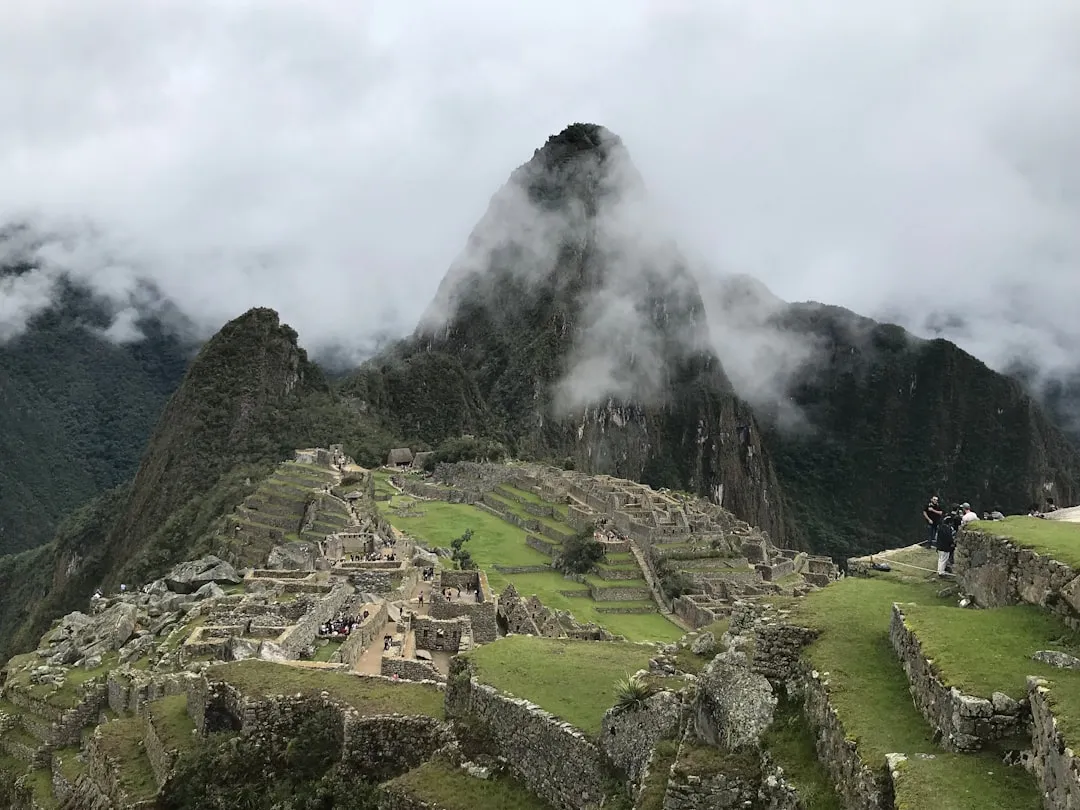
Chachani Volcano Ascent
The Chachani Volcano Ascent is a challenging yet rewarding high-altitude trek located near Arequipa, Peru. Standing at an impressive 6,075 metres (6,074 m), Chachani is the highest volcano in the Chila mountain range and is considered one of the more accessible 6,000-metre peaks in the Andes. This trek offers an unparalleled opportunity to experience the stark beauty of the high desert altiplano, witness breathtaking panoramic views of surrounding volcanoes and the distant Pacific Ocean, and test your limits against the thin air and demanding terrain. While technically not a difficult climb, the extreme altitude makes it a significant physical and mental undertaking, requiring careful preparation, acclimatisation, and a good level of fitness. The journey typically spans two days, allowing for a gradual ascent and a more comfortable acclimatisation process, culminating in a summit push under the vast Andean sky.
- Distance: 25.0 km (round trip)
- Elevation Gain: 3,000 m (from base camp to summit)
- Duration: 2 days / 1 night
- Difficulty: Very Challenging (due to altitude)
- Best Time: May to September (dry season, clear skies)
- Closest City: Arequipa, Peru
- Trailhead Access: 4x4 vehicle from Arequipa (approx. 2-3 hours)
- Coordinates: -16.3056, -71.5333
Overview
The Chachani Volcano Ascent is a journey into a world of stark, volcanic beauty and extreme altitude. Unlike many other high Andean peaks, Chachani's summit is relatively free of technical climbing, making it a popular objective for experienced trekkers and mountaineers seeking a 6,000-metre peak without the need for extensive climbing skills. The primary challenge lies in the altitude; the air at 6,075 metres is less than half as dense as at sea level, demanding significant physiological adaptation and a slow, steady pace.
The trek typically begins with a rugged 4x4 journey from Arequipa, ascending through increasingly arid landscapes. The vehicle takes you as high as possible, often to a base camp around 4,900 metres, significantly reducing the overall climbing distance and time spent at extreme altitudes. From this base camp, the ascent is a steep but generally non-technical climb over scree, volcanic rock, and sometimes snowfields, depending on the season.
The views from the summit are nothing short of spectacular. On a clear day, you can see an expansive panorama that includes the majestic Misti Volcano, the distant Ampato and Sabancaya volcanoes, and on exceptionally clear days, the shimmering blue of the Pacific Ocean. The landscape is a testament to the raw power of nature, with vast expanses of volcanic rock, sparse vegetation, and an overwhelming sense of solitude. The descent, while physically easier, requires careful footing on the loose scree slopes.
This trek is not for the faint of heart or the unprepared. It demands respect for the mountain, meticulous planning, and a commitment to acclimatisation. However, for those who meet these requirements, the Chachani Volcano Ascent offers an unforgettable adventure and a profound sense of accomplishment.
History and Cultural Context
Chachani Volcano, like many prominent peaks in the Andes, holds a place in the historical and cultural landscape of the region. While not as historically significant as some Inca sites, its imposing presence has undoubtedly influenced local communities and beliefs for centuries. The name "Chachani" itself is believed to derive from the Quechua word "chachani," which can mean "to be cold" or "to be frozen," a fitting description for its perpetually snow-capped summit.
The Chachani region, and the broader Arequipa area, has been inhabited for millennia. Archaeological evidence suggests human presence dating back to pre-Inca cultures, who likely viewed these towering volcanoes with a mixture of awe and reverence. The Incas, known for their sophisticated understanding of astronomy and their integration of natural landmarks into their cosmology, would have certainly acknowledged Chachani's dominance over the landscape. While there are no known major Inca ruins directly on Chachani itself, the surrounding areas bear witness to their presence and their deep connection to the Andean environment.
In more recent history, Chachani has become a significant objective for mountaineers and adventurers. Its accessibility from Arequipa and its status as a "walk-up" 6,000-metre peak have made it a popular training ground for those aspiring to climb even higher Andean giants. Guides and tour operators in Arequipa have developed specialised routes and logistical support for ascending Chachani, making it a more attainable goal for international visitors. The development of 4x4 access roads has further facilitated its exploration, allowing trekkers to reach higher starting points and reducing the overall time spent at extreme altitudes, though this also means the trek is less of a "pure" wilderness experience than it might have been in the past.
The volcano's geological history is also a significant part of its story. Chachani is part of the Peruvian segment of the Central Volcanic Zone of the Andes, a region characterised by intense volcanic activity. Its formation involved multiple eruptions and lava flows over thousands of years, shaping the distinctive cone and surrounding terrain that trekkers now navigate.
Seasonal Highlights and Weather Reality
The best time to attempt the Chachani Volcano Ascent is during the dry season, which typically runs from May to September. This period offers the most favourable weather conditions for high-altitude trekking in the Peruvian Andes.
Dry Season (May to September):
- Weather: Characterised by clear, sunny days with minimal cloud cover. Temperatures during the day can be pleasant, but nights and early mornings at altitude are extremely cold, often dropping well below freezing Celsius. Frost and ice are common.
- Visibility: Excellent. This season provides the best chances for clear, unobstructed views of the surrounding volcanoes and the distant Pacific Ocean from the summit.
- Snow Conditions: While the summit is often snow-capped, the dry season generally means less fresh snowfall. However, ice can form overnight, and some sections of the trail might be icy, especially in the early morning.
- Wind: Can still be a factor, especially at higher elevations. Strong winds can significantly increase the wind chill effect, making it feel much colder.
- Crowds: This is the peak season for trekking in the Arequipa region, so you may encounter other groups on the trail, particularly on weekends.
Wet Season (October to April):
- Weather: This period is characterised by frequent afternoon thunderstorms and heavy rainfall, especially at lower elevations. While the higher altitudes might receive snow, the increased cloud cover and precipitation make trekking significantly more challenging and dangerous.
- Visibility: Poor. Dense cloud cover is common, often obscuring the views and making navigation difficult.
- Snow Conditions: More frequent snowfall can accumulate, potentially making the route impassable or requiring advanced mountaineering skills and equipment (ice axe, crampons).
- Risk: The risk of landslides, flash floods, and lightning strikes is significantly higher during the wet season, making it generally unsuitable for attempting the Chachani summit.
Recommendation: For the Chachani Volcano Ascent, the dry season (May to September) is strongly recommended. It offers the best combination of clear skies, manageable conditions, and safety for this high-altitude trek.
Recommended Itinerary
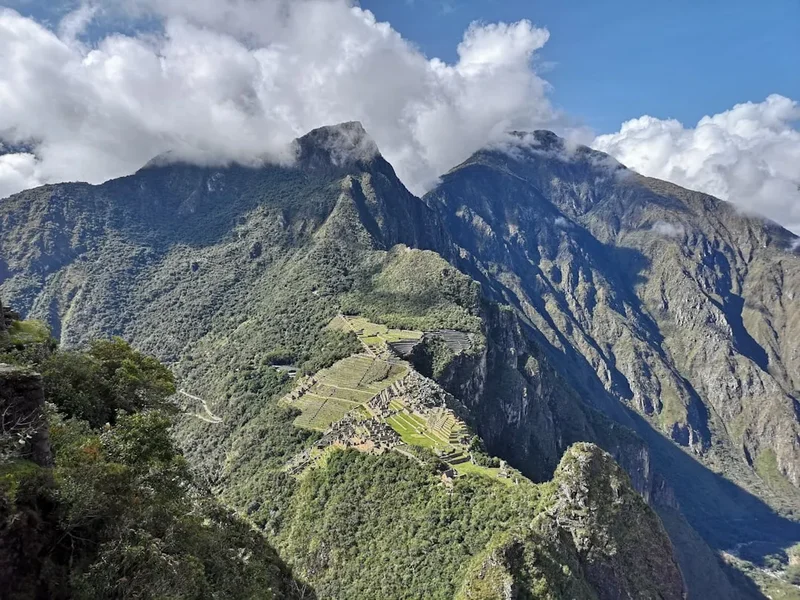
2-Day Chachani Volcano Ascent Itinerary
Day 1: Arequipa to Base Camp (Approx. 4,900 m)
- Morning: Pick up from your accommodation in Arequipa (typically around 8:00 AM).
- Drive: Transfer by 4x4 vehicle towards the Chachani massif. The journey is rough and takes approximately 2-3 hours, ascending through increasingly barren landscapes.
- Acclimatisation Hike: Upon reaching the approximate base camp area (around 4,900 metres), you will typically undertake a short acclimatisation hike to a slightly higher elevation (e.g., 5,100 metres) before returning to set up camp. This helps your body adjust to the altitude.
- Base Camp Setup: Establish camp at the designated base camp location. This is usually a relatively flat, sheltered spot.
- Afternoon: Rest, hydrate, and have an early dinner. Briefing with your guide about the summit attempt.
- Evening: Early bedtime to conserve energy and prepare for the pre-dawn start. Temperatures will drop significantly overnight.
- Key Waypoints: Arequipa (2,335 m), High Andean Altiplano, Base Camp (approx. 4,900 m).
Day 2: Summit Push and Descent to Arequipa
- Early Morning (e.g., 2:00 AM - 3:00 AM): Wake up, have a light breakfast, and prepare for the summit attempt.
- Ascent: Begin the climb towards the summit of Chachani (6,075 m). The trail is steep and consists of loose scree, volcanic rock, and potentially snow or ice depending on conditions. The pace will be very slow and steady due to the altitude.
- Summit: Reach the summit of Chachani. Spend a short time enjoying the incredible panoramic views and taking photographs. Be mindful of the extreme altitude and the need to descend promptly.
- Descent: Begin the descent back to base camp. The scree slopes can make for a fast but challenging descent, requiring careful footing.
- Base Camp: Arrive back at base camp, pack up your gear.
- Drive: Transfer back to Arequipa by 4x4 vehicle.
- Late Afternoon/Evening: Arrive back in Arequipa, likely tired but exhilarated.
- Distance (Summit Day): Approx. 10-12 km round trip from base camp.
- Elevation Gain (Summit Day): Approx. 1,100-1,200 m from base camp to summit.
- Time (Summit Day): 8-12 hours (depending on group pace and conditions).
Important Notes:
- This itinerary is a guideline and can be adjusted based on group fitness, acclimatisation, and weather conditions.
- A professional guide is highly recommended for safety, navigation, and logistical support.
- Proper acclimatisation before arriving in Arequipa or spending time in the city before the trek is crucial.
- Carry plenty of water and high-energy snacks.
- Be prepared for extreme cold, especially during the summit push.
Planning and Bookings
Book Your Trip
Everything you need to plan your journey
Accommodation
Find places to stay near Arequipa
Flights
Search flights to Arequipa
Essential Preparation
The Chachani Volcano Ascent is a serious undertaking that requires thorough preparation. The primary consideration is altitude acclimatisation. It is highly recommended to spend at least 2-3 days in Arequipa (elevation 2,335 metres) before commencing the trek to allow your body to adjust. Engaging in light activities during this period, such as visiting local sites or taking short walks, can be beneficial. Ensure you are in excellent physical condition; the climb is demanding, and the altitude exacerbates any underlying fitness issues. Hydration is paramount; drink plenty of water in the days leading up to and during the trek. Avoid alcohol and caffeine in the 24-48 hours before your ascent. Booking with a reputable guide service is essential for safety, logistics, and equipment. They will handle the 4x4 transport, provide experienced guides, and often supply essential camping gear.
Trail Accommodation
This is a high-altitude trek that typically involves overnight camping. There are no permanent huts or lodges on the route to Chachani Volcano. Accommodation is in tents at a designated base camp.
Base Camp:
- Location: Typically established at an altitude of approximately 4,900 metres. The exact location can vary depending on the guide service and current conditions.
- Facilities Provided: Reputable guide services will provide sturdy, four-season tents capable of withstanding high winds and cold temperatures. They will also usually provide sleeping mats.
- What's NOT Provided: Sleeping bags (though often available for hire), cooking equipment (unless part of a full-service package), food, water, or toilet facilities beyond what you bring yourself. You will need to be self-sufficient or rely on your guide service for these.
- Seasonal Availability: Base camp can be established year-round, but the dry season (May to September) is highly recommended for safety and comfort.
- Costs: The cost of accommodation is typically included in the overall price of a guided trek package. If arranging independently, you would need to factor in the cost of purchasing or hiring tents and sleeping gear.
Note: This is not a day hike requiring no overnight accommodation. An overnight stay at base camp is standard practice for acclimatisation and to facilitate an early morning summit attempt.
Required Gear
- Mountaineering Boots: Sturdy, waterproof, insulated mountaineering boots are essential. Ensure they are well broken-in to prevent blisters.
- Waterproof and Windproof Outerwear: A high-quality, breathable waterproof jacket and trousers (e.g., Gore-Tex) are critical for protection against wind, rain, and snow.
- Insulated Jacket: A warm down or synthetic insulated jacket is vital for cold nights at base camp and for breaks during the ascent.
- Warm Layers: Multiple layers of thermal base layers (merino wool or synthetic), fleece mid-layers, and warm trousers are necessary for adapting to changing temperatures.
- Gloves: Several pairs of gloves are recommended, including warm, waterproof outer gloves and thinner liner gloves.
- Hat: A warm, insulated hat that covers the ears is essential. A balaclava or neck gaiter is also highly recommended.
- Socks: Several pairs of warm, moisture-wicking hiking socks (wool or synthetic).
- Headlamp: A reliable headlamp with spare batteries is crucial for the pre-dawn summit push.
- Sunglasses: High-quality sunglasses with UV protection are necessary to protect your eyes from intense sun and glare, especially if there is snow.
- Sunscreen: High SPF sunscreen (50+) and lip balm with SPF are essential due to the strong sun at high altitudes.
- Backpack: A comfortable, well-fitting backpack (40-60 litres) with a rain cover.
- Trekking Poles: Highly recommended for stability on scree and snow, and to reduce strain on your knees during the descent.
- Gaiters: Useful for keeping snow, scree, and debris out of your boots.
What to Bring
- Food: High-energy, lightweight food for the duration of the trek. This includes breakfast, lunch, dinner, and plenty of snacks (nuts, dried fruit, energy bars, chocolate). Your guide service may provide meals, but confirm this in advance.
- Water Bottles/Hydration Reservoir: Carry at least 3-4 litres of water per person per day. Insulated bottles or reservoirs are recommended to prevent water from freezing.
- Water Purification: Water purification tablets or a filter are advisable, even if relying on melting snow or streams, as a backup.
- Toiletries: Biodegradable soap, toothbrush, toothpaste, hand sanitiser, and any personal medications.
- Toilet Paper: Bring plenty and a bag to pack out used paper.
- Personal First-Aid Kit: Include blister treatment, pain relievers, antiseptic wipes, and any personal prescriptions.
- Camera: To capture the incredible scenery. Ensure you have spare batteries and memory cards.
- Power Bank: For charging electronic devices, as there are no charging facilities.
- Small Towel: Quick-drying travel towel.
- Duct Tape: Invaluable for quick repairs to gear.
- Cash: For tips to guides and drivers, and any unexpected expenses.
Permits
For the Chachani Volcano Ascent, formal permits are generally not required in the same way they are for national parks or protected areas with strict daily quotas, such as some trails in New Zealand or Patagonia. However, it is crucial to understand the local regulations and best practices.
Registration with Local Authorities/Guide Services:
- While not a formal permit system, it is highly recommended, and often mandatory when booking with a tour operator, to register your ascent with a local guide service or the relevant authorities in Arequipa. This ensures that someone is aware of your plans and can initiate a search if you do not return as expected.
- Reputable guide companies will handle this registration process as part of their service. If you are attempting the climb independently, you should inquire at the local tourism office or with experienced local guides about the best way to register your expedition.
National Reserve Regulations: Chachani is located within or adjacent to protected areas, and while specific entry permits might not be issued for the volcano itself, adherence to general park rules and regulations is expected. This includes respecting the environment and not leaving any trace of your passage.
Fees: There are typically no specific entry fees for climbing Chachani itself. However, tour operators will charge for their services, which include transport, guides, camping equipment, and sometimes food. If there are any local entrance fees to the general area, these would usually be incorporated into the tour package price.
Booking in Advance: It is advisable to book your guided trek well in advance, especially during the peak dry season (May to September). This ensures availability of guides, transport, and equipment, and allows you to secure your preferred dates.
Independent Climbers: If you choose to climb independently, ensure you have a thorough understanding of the route, weather conditions, and have all necessary safety equipment. Informing a trusted local contact or the police about your itinerary is a critical safety measure.
Other Activities in the Area
Arequipa and its surroundings offer a wealth of activities for adventurers and cultural enthusiasts:
- El Misti Volcano Ascent: The iconic, perfectly conical volcano overlooking Arequipa. A more technically demanding climb than Chachani, often requiring 2-3 days and basic mountaineering skills.
- Colca Canyon Trekking: One of the world's deepest canyons, offering multi-day treks with opportunities to see condors, traditional villages, and stunning Andean landscapes.
- Arequipa City Exploration: Visit the UNESCO World Heritage-listed historic centre, the Santa Catalina Monastery (a city within a city), the Plaza de Armas, and the Museo Santuarios Andinos (home to the "Ice Maiden" mummy).
- Aguas Calientes and Machu Picchu: While a significant journey from Arequipa, it's a classic Peruvian adventure. You can travel by train to Aguas Calientes and then to the magnificent Inca citadel.
- Sillar Route (Ruta del Sillar): Explore the quarries where the white volcanic stone (sillar) used to build Arequipa's colonial architecture is extracted.
- Laguna Salinas: A high-altitude salt lake offering unique landscapes and opportunities to spot flamingos and other wildlife.
- Local Cuisine: Indulge in Arequipa's renowned gastronomy, famous for dishes like Rocoto Relleno (stuffed spicy pepper) and Chupe de Camarones (shrimp chowder).
Safety and Conditions
Altitude Sickness (Soroche): This is the primary risk. Symptoms can include headache, nausea, dizziness, fatigue, and shortness of breath. Proper acclimatisation is the best prevention. Ascend slowly, stay hydrated, avoid alcohol and strenuous activity on your first days at altitude. If symptoms worsen, descend immediately. Diamox (acetazolamide) can be prescribed by a doctor to aid acclimatisation.
Weather: High-altitude weather is unpredictable and can change rapidly. Be prepared for extreme cold, strong winds, and potential snow or ice, even during the dry season. Temperatures at base camp can drop to -10°C or lower overnight, and summit temperatures can be even colder with wind chill.
Terrain: The ascent involves steep, loose scree slopes and volcanic rock. The descent can be particularly challenging on scree, requiring careful footing to avoid slips and falls. If snow is present, ice axe and crampon proficiency may be required, and the route can become significantly more technical.
Guides: Hiring a qualified and experienced local guide is strongly recommended. They are familiar with the terrain, weather patterns, and altitude sickness management. They will also carry essential safety equipment such as a first-aid kit, communication devices, and emergency shelter.
Equipment: Ensure you have appropriate gear, particularly insulated and waterproof clothing, sturdy mountaineering boots, and trekking poles. Malfunctioning equipment at altitude can be dangerous.
Communication: Mobile phone signal is non-existent on the mountain. Guides will typically carry a satellite phone or personal locator beacon (PLB) for emergencies.
Physical Fitness: A very good level of cardiovascular fitness and muscular endurance is required. The sustained effort at altitude is taxing.
Pre-Trip Medical Check: Consult your doctor before planning this trek, especially if you have any pre-existing medical conditions. They can advise on altitude sickness medication and assess your suitability for high-altitude climbing.
Side Trips and Points of Interest
While the primary objective is the summit of Chachani, the journey itself offers several points of interest:
The Altiplano Landscape: As you ascend by 4x4, the scenery transforms from the fertile valley of Arequipa to the stark, high-altitude desert of the altiplano. This barren yet beautiful landscape is characterised by vast, open plains, rugged volcanic formations, and sparse, hardy vegetation adapted to the extreme conditions. Keep an eye out for vicuñas (wild relatives of llamas and alpacas) and other high-altitude fauna.
Base Camp Views: Even before reaching the summit, the views from base camp are spectacular. You are surrounded by imposing volcanic peaks, and on clear days, you can already appreciate the scale of the Andean landscape. The night sky from base camp, far from any light pollution, is often breathtakingly clear and filled with stars.
Summit Panorama: The ultimate point of interest is the 360-degree view from the summit of Chachani. On a clear day, the vista is immense. You can identify:
- El Misti Volcano: The perfectly conical, iconic volcano that dominates the Arequipa skyline.
- Ampato and Sabancaya Volcanoes: Other significant peaks in the Chila mountain range, often snow-capped. Sabancaya is an active volcano, and you might see steam rising from its crater.
- The Pacific Ocean: On exceptionally clear days, the distant, shimmering blue of the Pacific Ocean can be seen to the west.
- The Vast Altiplano: An endless expanse of rugged terrain stretching out in all directions.
Descent Scree Slopes: While challenging, the descent down the scree slopes offers a unique experience. The loose volcanic rock allows for a fast, albeit controlled, descent, often described as "skiing" down the mountain. It's a memorable part of the journey.
Leave No Trace
The Chachani Volcano region, like all high-altitude environments, is fragile and susceptible to human impact. Practising Leave No Trace principles is paramount to preserving its pristine condition for future generations and for the safety of all who venture there.
Plan Ahead and Prepare: Understand the risks, weather conditions, and terrain. Book with reputable guides who adhere to LNT principles. Pack appropriately to avoid needing to improvise with potentially damaging methods.
Travel and Camp on Durable Surfaces: Stick to established trails and camp in designated or impact-resistant areas. Avoid trampling fragile vegetation, especially at lower altitudes where life struggles to survive.
Dispose of Waste Properly: Pack out everything you pack in. This includes all food scraps, wrappers, and any other refuse. Human waste should be disposed of properly by burying it at least 20 cm deep and 60 metres away from water sources, or by packing it out in designated waste bags, especially in sensitive alpine environments.
Leave What You Find: Do not remove rocks, plants, or any natural or cultural artifacts. The mountain's beauty lies in its natural state.
Minimise Campfire Impacts: Campfires are generally not feasible or advisable at the high altitudes of Chachani due to lack of fuel and the risk of environmental damage. Use a stove for cooking.
Respect Wildlife: Observe wildlife from a distance. Do not feed animals, as this can disrupt their natural behaviours and diets, and can be harmful to their health.
Be Considerate of Other Visitors: Maintain a respectful distance, keep noise levels down, and allow others to enjoy the solitude and natural beauty of the mountain.
By adhering to these principles, you help ensure that the Chachani Volcano remains a wild and awe-inspiring place for all to experience.