
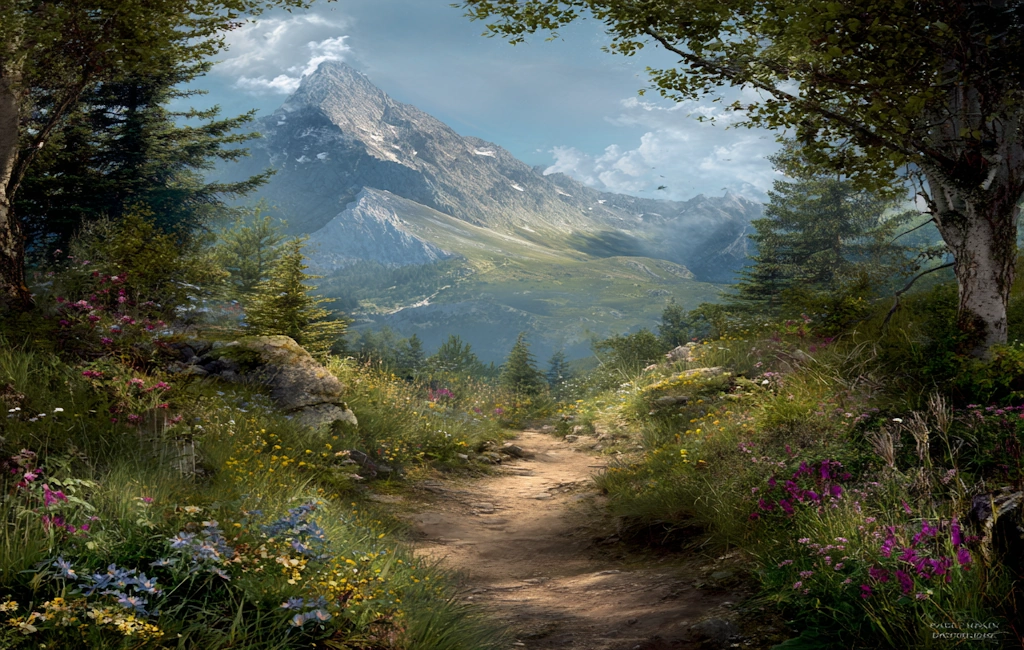
Cerro Uritorco Trail
The Cerro Uritorco Trail, located near Capilla del Monte in Argentina's Córdoba province, is a challenging yet rewarding day hike that ascends one of the region's most iconic peaks. Standing at 1,949 metres, Cerro Uritorco offers breathtaking panoramic views of the Sierras de Córdoba and the surrounding Punilla Valley. This trail is renowned for its steep ascents, varied terrain, and the sense of accomplishment it provides upon reaching the summit. It's a popular destination for hikers seeking a significant physical challenge and spectacular natural beauty, particularly during the cooler months.
- Distance: 11.0 km (return)
- Elevation Gain: 1,140 m
- Duration: 6–8 hours
- Difficulty: Challenging
- Best Time: April to November (autumn and winter)
- Closest City: Capilla del Monte
- Trailhead Access: Via paved road from Capilla del Monte; parking available at the base.
Overview
Cerro Uritorco, meaning "Old Man's Hill" in the indigenous Comechingón language, is a prominent peak in the Sierras de Córdoba, Argentina. The trail to its summit is a demanding ascent, characterised by a significant elevation gain of 1,140 metres over a distance of just 11 kilometres. This steep gradient means hikers will experience a rapid change in altitude and scenery as they climb.
The journey begins in a relatively arid, scrubland environment, gradually transitioning through different vegetation zones as altitude increases. Early sections of the trail are often rocky and exposed, with sparse vegetation adapted to the dry climate. As you ascend, the landscape becomes more rugged, with larger rock formations and a noticeable change in temperature. The path is well-trodden but can be steep and uneven, requiring careful footing.
The final push to the summit involves navigating scree slopes and rocky outcrops. Reaching the top of Cerro Uritorco is a significant achievement, rewarded with unparalleled 360-degree views. On a clear day, you can see for miles across the vast Punilla Valley, the shimmering waters of various reservoirs, and the undulating mountain ranges that define the Córdoba landscape. The summit area is relatively flat, allowing ample space to rest, take photographs, and soak in the immense scale of the surrounding natural beauty. The descent, while often quicker, requires concentration due to the steepness and loose terrain.
The trail is best tackled during the cooler months of autumn and winter (April to November) to avoid the intense heat of summer. This period offers more pleasant temperatures for hiking and clearer skies, although mountain weather can still be unpredictable. The challenging nature of the climb makes it a popular choice for experienced hikers and those looking to test their endurance.
History and Cultural Context
Cerro Uritorco holds significant historical and cultural importance for the region. The name "Uritorco" is derived from the indigenous Comechingón people, who inhabited the Sierras de Córdoba for centuries before the arrival of Spanish colonisers. Their language and culture are deeply intertwined with the natural landscape, and the mountain's name reflects its prominence in their worldview.
For the Comechingón, mountains often held spiritual significance, serving as sacred sites or important landmarks for navigation and resource gathering. The trails that now form the hiking routes may have ancient origins, used by indigenous peoples for seasonal movements or ceremonial purposes. Archaeological evidence suggests human presence in the Sierras de Córdoba dating back thousands of years, with findings of tools, pottery, and rock art indicating a rich cultural heritage.
During the colonial era and into modern times, the Sierras de Córdoba became a popular destination for recreation and tourism. Cerro Uritorco, with its imposing presence and accessible summit, naturally drew the attention of explorers and adventurers. Over time, the mountain became a symbol of the region's natural beauty and a challenge for hikers and mountaineers.
In recent decades, the development of marked trails and facilities has made Cerro Uritorco more accessible to a wider range of visitors. However, the mountain retains its wild character, and the respect for its natural environment and indigenous heritage remains paramount. The trail is a testament to the enduring allure of this ancient landscape and the human desire to explore and connect with nature.
Seasonal Highlights and Weather Reality
The best time to hike Cerro Uritorco is during the autumn and winter months, from April to November. This period offers significantly cooler temperatures, making the strenuous climb more manageable and reducing the risk of heat exhaustion.
Autumn (April–June): This is often considered the ideal season. Temperatures are mild, the landscape begins to show autumnal colours, and rainfall is generally lower than in other seasons. The air is crisp, and the skies are often clear, providing excellent visibility from the summit.
Winter (July–September): While colder, winter can also be a fantastic time to hike. Frosts are common in the mornings, and temperatures can drop significantly, especially at higher altitudes. However, the dry air and clear skies often lead to spectacular views. Hikers must be prepared for cold conditions, including potential ice on shaded sections of the trail.
Spring (October–November): Spring brings warmer temperatures and the return of more frequent rainfall. While still a viable hiking period, it can be more unpredictable than autumn or winter. Wildflowers may begin to appear, adding colour to the landscape.
Summer (December–March): Summer is generally not recommended for hiking Cerro Uritorco due to extreme heat. Daytime temperatures can soar, making the ascent arduous and potentially dangerous. Afternoon thunderstorms are also common during this period, bringing heavy rain, lightning, and flash flood risks. If attempting a summer hike, an extremely early start is essential, and hikers must be prepared for rapid weather changes.
Weather Considerations: Mountain weather in the Sierras de Córdoba can change rapidly. Even during the cooler months, strong winds can develop, and temperatures can fluctuate significantly between the base and the summit. Always check the local weather forecast before setting out and be prepared for a range of conditions, including sun, wind, and rain.
Recommended Itinerary
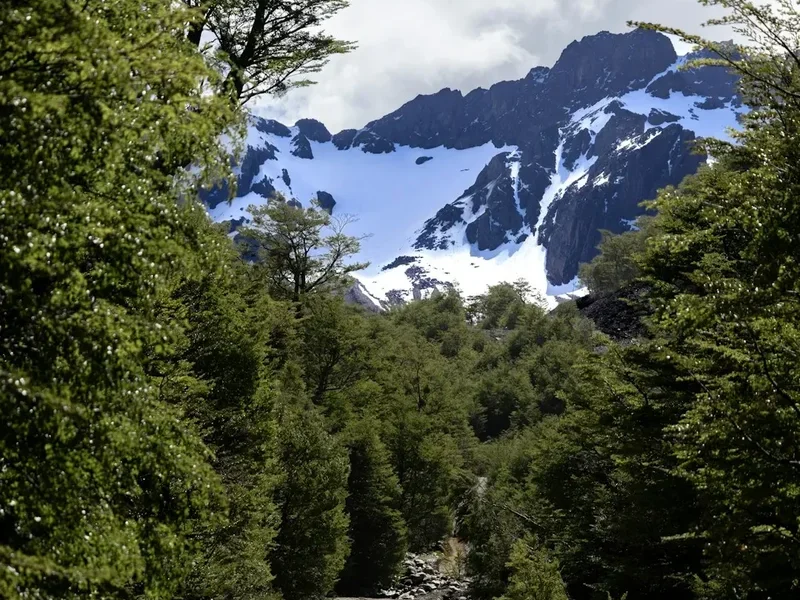
Cerro Uritorco Day Hike Itinerary
Early Morning (e.g., 6:00 AM - 7:00 AM): Departure from Capilla del Monte
- Begin your journey from Capilla del Monte.
- Travel by taxi, remis, or private vehicle to the trailhead of Cerro Uritorco. The drive is short, typically 10-15 minutes.
- Ensure you have registered at the park entrance if required and paid any entry fees.
- Final gear check and hydration before starting the ascent.
Morning (e.g., 7:00 AM - 11:00 AM): Ascent - Lower and Mid-Sections
- Start the hike from the designated trailhead.
- The initial section involves a steady climb through arid scrubland and rocky terrain.
- Maintain a consistent pace, focusing on hydration and taking short breaks as needed.
- The trail is generally well-defined but can be steep and exposed to the sun.
- As you gain altitude, the vegetation may begin to change, and the views of the valley below will start to open up.
Midday (e.g., 11:00 AM - 1:00 PM): Ascent - Upper Section and Summit Push
- The terrain becomes more challenging as you approach the summit.
- Expect steeper gradients, loose scree, and larger rock formations.
- This section requires careful footing and good physical endurance.
- The air will be noticeably cooler, and winds may pick up.
- Continue to hydrate and fuel with snacks.
Early Afternoon (e.g., 1:00 PM - 2:00 PM): Summit and Lunch Break
- Reach the summit of Cerro Uritorco (1,949 m).
- Spend time enjoying the panoramic 360-degree views of the Sierras de Córdoba and the surrounding landscape.
- Have your packed lunch and take a well-deserved rest.
- Take photographs and appreciate the accomplishment.
Afternoon (e.g., 2:00 PM - 5:00 PM): Descent
- Begin the descent back towards the trailhead.
- The descent can be as challenging as the ascent, requiring careful control of your pace to avoid slips and falls on the steep, rocky, and scree-covered sections.
- Use trekking poles if you have them to aid stability and reduce impact on your knees.
- Continue to stay hydrated.
Late Afternoon (e.g., 5:00 PM onwards): Return to Capilla del Monte
- Arrive back at the trailhead.
- Return to Capilla del Monte by your chosen transport.
- Consider a celebratory meal or drink in town after your hike.
Important Notes:
- This is a strenuous day hike; adequate fitness is essential.
- Start early to avoid the midday heat and allow ample time for the descent.
- Carry sufficient water (at least 2-3 litres per person) and high-energy snacks.
- Wear sturdy hiking boots with good ankle support.
- Be prepared for rapidly changing weather conditions.
- Inform someone of your hiking plans and expected return time.
Planning and Bookings
Book Your Trip
Everything you need to plan your journey
Accommodation
Find places to stay near Capilla del Monte
Flights
Search flights to Capilla del Monte
Essential Preparation
Cerro Uritorco is a popular day hike, but its challenging nature requires thorough preparation. The closest town and logistical hub is Capilla del Monte. Visitors typically arrive in Capilla del Monte via bus from Córdoba city, which has the nearest major airport (COR). The bus journey from Córdoba to Capilla del Monte takes approximately 2.5 hours. From Capilla del Monte, a short taxi or remis ride will take you to the trailhead. Ensure you have arranged your transport in advance, especially if travelling during peak times or weekends.
Accommodation options are available in Capilla del Monte, ranging from hostels and guesthouses to small hotels. It is advisable to book accommodation in advance, particularly during the high season (which for this hike is the cooler months). Before setting off, ensure you have registered at the park entrance if required and paid any applicable entry fees. Familiarise yourself with the trail conditions and weather forecast for the day of your hike.
Trail Accommodation
This is a day hike requiring no overnight accommodation.
Required Gear
- Hiking Boots: Sturdy, waterproof hiking boots with good ankle support are essential due to the steep, rocky, and uneven terrain. Ensure they are well broken-in to prevent blisters.
- Backpack: A comfortable daypack (20-30 litres) to carry essentials.
- Clothing: Wear moisture-wicking base layers, an insulating mid-layer (fleece or down jacket), and a waterproof and windproof outer shell. Layers are crucial as temperatures can vary significantly between the base and the summit, and with changing weather.
- Headwear: A wide-brimmed hat or cap for sun protection, and a warm beanie for cooler temperatures at the summit.
- Gloves: Lightweight gloves can be useful for warmth and grip on rocky sections, especially during colder months.
- Navigation: While the trail is generally well-marked, a map of the area and a compass or GPS device are recommended, especially if weather conditions reduce visibility. A charged mobile phone is also advisable.
- Safety Gear: A basic first-aid kit including blister treatment, pain relievers, antiseptic wipes, and any personal medications. A head torch with spare batteries is essential in case of unexpected delays.
- Trekking Poles: Highly recommended for stability on steep ascents and descents, and to reduce strain on knees.
What to Bring
- Water: Carry a minimum of 2-3 litres of water per person. There are no reliable water sources on the trail, so all water must be carried from the start.
- Food: High-energy snacks such as trail mix, energy bars, fruit, and sandwiches. Pack enough for the entire duration of the hike, including extra for potential delays.
- Sun Protection: High SPF sunscreen, sunglasses, and lip balm. The sun can be intense, especially at higher altitudes.
- Insect Repellent: While not as prevalent as in some other regions, insects can be present, particularly during warmer periods.
- Toiletries: Hand sanitiser, biodegradable wet wipes, and any personal hygiene items. Pack out all rubbish.
- Camera: To capture the stunning views from the summit.
- Cash: For potential entry fees, local transport, or purchases in Capilla del Monte.
- Emergency Blanket: A lightweight emergency blanket for unexpected situations.
Permits
Typically, no specific permits are required to hike Cerro Uritorco. However, there is usually an entrance fee or registration requirement at the base of the trail, managed by the local authorities or the park concessionaire. It is advisable to confirm the current regulations and fees with local tourist information in Capilla del Monte before your hike.
Registration: Hikers are often required to register their ascent at the trailhead or a designated visitor centre. This is a safety measure to ensure authorities are aware of who is on the mountain and to track hikers in case of emergencies.
Entry Fees: A modest entry fee may be charged to access the trail and use the facilities at the base, such as parking and restrooms. These fees contribute to the maintenance and upkeep of the trail and surrounding natural area.
Best Practice: Always check with the local tourist office in Capilla del Monte or the park authorities for the most up-to-date information regarding registration requirements, fees, and any specific regulations in place for Cerro Uritorco. This ensures a smooth and compliant hiking experience.
Other Activities in the Area
Capilla del Monte and the surrounding Sierras de Córdoba offer a variety of activities for visitors:
- Exploring Capilla del Monte: This charming town is known for its bohemian atmosphere, artisan markets, and unique spiritual sites. Visit the "Uritorco" viewpoint for a different perspective of the mountain, or explore the local shops selling crafts and regional products.
- Valle de Punilla Exploration: The broader Punilla Valley offers scenic drives, charming small towns, and opportunities for birdwatching and photography.
- Hiking Other Trails: The Sierras de Córdoba are crisscrossed with numerous hiking trails of varying difficulty. Consider exploring other peaks or natural reserves in the region.
- Agua de los_Pajaritos: A beautiful natural spring and waterfall area accessible via a separate trail, offering a refreshing contrast to the arid mountain slopes.
- Cerro Overo: Another prominent peak in the area, offering different hiking challenges and scenic vistas.
- Paragliding: Capilla del Monte is a popular spot for paragliding, offering a bird's-eye view of the landscape you've just explored on foot.
- Relaxation and Wellness: The region is known for its tranquil atmosphere, with opportunities for yoga, meditation, and enjoying the natural surroundings.
Safety and Conditions
Pre-Hike Checks:
- Weather Forecast: Always check the local weather forecast for Capilla del Monte and the mountain summit before you depart. Mountain weather can change rapidly, so be prepared for unexpected conditions.
- Trail Conditions: Inquire locally about current trail conditions. Heavy rains can make sections of the trail slippery and hazardous.
- Inform Someone: Let your accommodation provider or a friend know your hiking plans, including your intended route and estimated return time.
On the Trail:
- Hydration: Carry more water than you think you will need. Dehydration is a significant risk, especially during warmer months or on strenuous ascents.
- Pacing: Start at a sustainable pace. The significant elevation gain requires steady effort. Take regular breaks to rest, hydrate, and refuel.
- Footing: The trail is rocky and can be loose, particularly on the descent. Pay close attention to your footing to avoid twists, sprains, or falls. Trekking poles can greatly assist with stability.
- Sun Exposure: The sun can be intense, especially at higher altitudes. Wear sun protection (hat, sunscreen, sunglasses) and seek shade during breaks.
- Temperature Fluctuations: Be prepared for significant temperature drops as you gain altitude and for wind chill at the summit. Carry appropriate layers.
- Emergency Preparedness: Carry a basic first-aid kit and know how to use it. A fully charged mobile phone is essential for emergencies, though reception may be intermittent.
- Respect the Environment: Stay on marked trails to prevent erosion and protect fragile vegetation. Pack out all your rubbish.
Specific Hazards:
- Steep Terrain: The trail's steepness is its primary challenge. The descent can be particularly hard on the knees and requires concentration.
- Loose Scree: Sections of the upper trail consist of loose scree, which can shift underfoot.
- Rapid Weather Changes: Fiordland's weather is notoriously unpredictable. Be prepared for sudden shifts in temperature, wind, and precipitation.
Emergency Contact: In case of an emergency, contact local authorities or emergency services. Having the local emergency numbers readily available is recommended.
Side Trips and Points of Interest
While Cerro Uritorco is primarily a summit hike, the journey itself offers several points of interest and potential minor detours:
Summit Views: The primary "point of interest" is, of course, the summit itself. At 1,949 metres, the panoramic views are the ultimate reward. On a clear day, the vistas extend across the vast Punilla Valley, the shimmering reservoirs like Embalse La Quebrada, and the undulating mountain ranges of the Sierras de Córdoba. The scale of the landscape from this vantage point is truly impressive.
Vegetation Zones: As you ascend, you will notice distinct changes in the vegetation. The lower slopes are characterised by arid scrubland and hardy grasses adapted to dry conditions. As you climb higher, the flora may shift, offering a glimpse into the ecological diversity of the region. Observing these transitions can be a point of interest in itself.
Rock Formations: The trail passes through areas with interesting geological formations. The rocky outcrops and scree slopes are a testament to the mountain's geological history and provide a rugged, natural aesthetic to the hike.
Panoramic Viewpoints along the Ascent: Even before reaching the summit, there are numerous spots along the trail that offer excellent viewpoints. These are ideal places to pause, catch your breath, and appreciate the expanding views of the valley and the surrounding peaks. They serve as mini-rewards on the way up.
The "Uritorco" Viewpoint (near Capilla del Monte): While not directly on the hiking trail, there is a well-known viewpoint near Capilla del Monte that offers a classic perspective of Cerro Uritorco itself, often framed by the town or surrounding landscape. This is a good spot for photography before or after your hike.
Leave No Trace
The principles of Leave No Trace are crucial for preserving the natural beauty and ecological integrity of Cerro Uritorco for future generations. As a popular hiking destination, responsible visitor behaviour is essential.
Plan Ahead and Prepare: Understand the trail's difficulty, weather conditions, and any regulations before you go. Pack appropriately for the conditions and carry sufficient food and water.
Travel and Camp on Durable Surfaces: Stick to the marked trail. Avoid cutting switchbacks or walking on vegetation, as this causes erosion and damages plant life. The trail itself is the designated durable surface.
Dispose of Waste Properly: Pack out everything you pack in. This includes all food scraps, wrappers, and any other litter. Use designated toilet facilities if available at the trailhead; otherwise, be prepared to pack out human waste if necessary (though for a day hike, this is less common). Never bury waste near water sources.
Leave What You Find: Do not remove rocks, plants, or any natural objects from the environment. Take only photographs and memories.
Minimise Campfire Impacts: Not applicable for this day hike, as camping is not permitted on the trail.
Respect Wildlife: Observe wildlife from a distance. Do not feed any animals, as this can disrupt their natural behaviours and diets. While large wildlife is less common on this specific trail, smaller creatures and birds should be left undisturbed.
Be Considerate of Other Visitors: Keep noise levels down, especially during early morning or late afternoon. Yield to other hikers on the trail, particularly on narrow sections. Allow others to enjoy the peace and solitude of the mountain.
By adhering to these principles, you help ensure that Cerro Uritorco remains a pristine and enjoyable destination for everyone.
 Argentina