
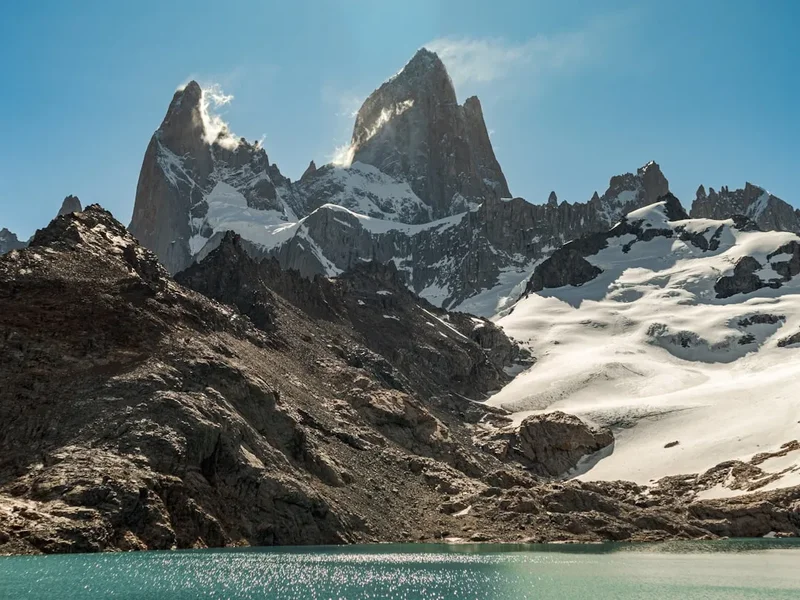
Cerro Torre Viewpoint Hike
The Cerro Torre Viewpoint Hike is a spectacular day walk located near El Chaltén, Argentina, often referred to as the trekking capital of Argentina. This trail offers breathtaking, up-close views of the iconic Cerro Torre, a jagged granite spire that pierces the Patagonian sky. The hike is renowned for its dramatic landscapes, including glacial lakes, rugged mountains, and the imposing presence of the Fitz Roy massif in the distance. It's a moderately challenging trek that rewards hikers with some of the most iconic vistas in Los Glaciares National Park.
- Distance: 20.0 km (return)
- Duration: 6–8 hours
- Elevation Gain: 600 m
- Difficulty: Moderate
- Best Time: October to April (shoulder seasons preferred for fewer crowds and stable weather)
- Closest City: El Chaltén
- Trailhead Access: Well-marked from El Chaltén; no vehicle required. Parking available near the trailhead.
Overview
The Cerro Torre Viewpoint Hike is a quintessential Patagonian trekking experience. Starting from the outskirts of El Chaltén, the trail gradually ascends through a diverse landscape. Initially, it winds through lenga forests, their autumnal colours a spectacle in March and April. As the elevation increases, the trees thin out, revealing panoramic views of the surrounding granite peaks, including the majestic Cerro Torre itself. The trail is well-maintained but can be steep and rocky in sections, demanding a reasonable level of fitness.
The highlight of the hike is undoubtedly the viewpoint overlooking Laguna Torre. This glacial lake, often filled with icebergs calved from the Torre Glacier, sits at the base of Cerro Torre. The sheer granite walls of the mountain, often shrouded in mist or dramatic clouds, create an awe-inspiring spectacle. The wind is a constant companion in this region, adding to the wild and untamed atmosphere. Hikers should be prepared for all types of weather, as conditions can change rapidly in the Andes.
This hike is a popular choice for day-trippers and serious trekkers alike, offering a substantial challenge and an unforgettable reward. The journey is as much about the changing scenery as it is about the destination, with numerous smaller viewpoints and natural features to discover along the way.
History and Cultural Context
The region around El Chaltén, including the area surrounding Cerro Torre, has a rich history tied to indigenous peoples and early European explorers. For centuries, the Tehuelche people, nomadic hunter-gatherers, traversed these lands. Their connection to the mountains and glaciers is deeply ingrained in the natural landscape.
The modern history of El Chaltén is closely linked to the exploration and mountaineering efforts of the 20th century. Cerro Torre, in particular, has a legendary status among climbers due to its extreme technical difficulty and challenging weather conditions. The first successful ascent was in 1959 by an Italian expedition led by Walter Bonatti, though this claim has been debated. Regardless, the mountain's allure has drawn adventurers from around the globe, solidifying its reputation as one of the world's most formidable peaks.
The establishment of Los Glaciares National Park in 1937, and later the town of El Chaltén in 1985, was driven by the need to protect the unique natural environment and promote sustainable tourism. The park is a UNESCO World Heritage site, recognised for its outstanding natural beauty and significant geological features, including the Southern Patagonian Ice Field, from which the glaciers feeding Laguna Torre originate.
Seasonal Highlights and Weather Reality
The hiking season in El Chaltén typically runs from October to April, coinciding with the Patagonian spring, summer, and autumn. Each season offers a distinct experience:
Spring (October–November): The landscape begins to awaken after winter. Wildflowers start to bloom, and the weather can be unpredictable, with a mix of sunny days and strong winds. Snow may still be present on higher sections of the trail early in the season.
Summer (December–February): This is the peak season, offering the longest daylight hours and generally the most stable weather. However, it also means more crowds. The winds can be particularly strong during summer months. Temperatures are mild, but it's essential to be prepared for cold snaps.
Autumn (March–April): This is a favourite time for many due to the spectacular autumn colours of the lenga forests, which turn vibrant shades of red, orange, and yellow. The crowds begin to thin, and the air is crisp. However, daylight hours are shorter, and the weather can become more volatile, with increased chances of snow.
Weather: Patagonian weather is notoriously fickle. Expect rapid changes, including strong winds (often referred to as "Patagonian wind"), rain, sun, and even snow, sometimes all within a single day. Layering clothing is crucial for comfort and safety. Temperatures can range from 5°C to 15°C during the day in summer, dropping significantly at night or with wind chill.
Recommended Itinerary
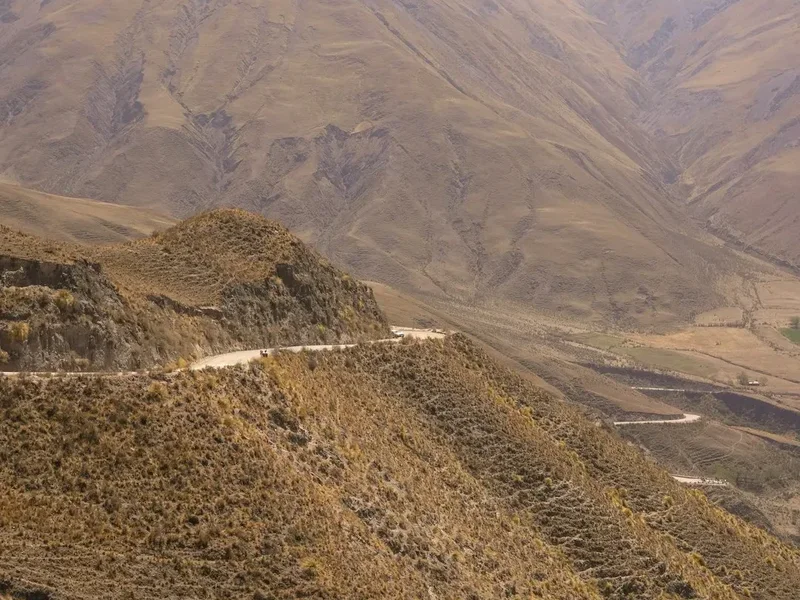
Cerro Torre Viewpoint Hike - Day Walk Itinerary
Early Morning (Approx. 8:00 AM): Start from El Chaltén
- Begin your hike from the well-marked trailhead on the northern edge of El Chaltén.
- The initial section of the trail passes through open areas and then enters the lenga forest.
- Enjoy the relatively gentle gradient as you warm up your legs.
Morning (Approx. 9:00 AM - 12:00 PM): Ascent through Lenga Forest and River Crossings
- Continue ascending through the lenga forest. Keep an eye out for the vibrant colours, especially in autumn.
- The trail becomes steeper and rockier in places.
- You will cross several small streams and potentially a larger river via bridges or stepping stones, depending on water levels.
- Pass the Mirador del Torre (Torre Viewpoint) for your first significant distant views of Cerro Torre and the surrounding peaks.
Midday (Approx. 12:00 PM - 1:00 PM): Arrival at Laguna Torre
- Reach Laguna Torre, a stunning glacial lake at the base of Cerro Torre.
- The lake is often dotted with icebergs calved from the Torre Glacier.
- Take ample time to admire the iconic Cerro Torre, its needle-like peak often playing hide-and-seek with the clouds.
- Find a sheltered spot to enjoy your packed lunch and soak in the magnificent scenery.
- Observe the Torre Glacier clinging to the mountain's flanks.
Afternoon (Approx. 1:00 PM - 4:00 PM): Exploration and Descent
- Spend time exploring the shores of Laguna Torre, taking photographs, and appreciating the scale of the landscape.
- Begin your descent back towards El Chaltén. The downhill section can be hard on the knees, so take your time.
- The return journey offers different perspectives of the mountains and valleys.
Late Afternoon (Approx. 4:00 PM - 5:00 PM): Return to El Chaltén
- Arrive back at the trailhead in El Chaltén, tired but exhilarated.
- Celebrate your accomplishment with a well-deserved meal and drink in town.
Important Notes:
- This is a day hike; no overnight accommodation is required.
- The trail is well-marked, but carrying a map or GPS device is recommended.
- Be prepared for strong winds, especially near the lake.
- Carry plenty of water or a water filter, as stream water is generally potable but treatment is advised.
- Pack layers of clothing to adapt to changing weather conditions.
Planning and Bookings
Book Your Trip
Everything you need to plan your journey
Accommodation
Find places to stay near El Chalten
Flights
Search flights to El Chalten
Essential Preparation
El Chaltén is the primary base town for this hike. It's a small, purpose-built trekking town with a range of accommodation options, from hostels and budget guesthouses to more comfortable hotels. It also offers essential services like supermarkets for food supplies, outdoor gear shops for last-minute purchases, and restaurants and cafes.
Getting to El Chaltén: The nearest major airport is El Calafate (FTE), approximately a 3-hour bus journey away. Buses run frequently between El Calafate and El Chaltén. It is advisable to book bus tickets in advance, especially during peak season.
Fitness Requirements: The hike is considered moderate due to its length (20 km) and elevation gain (600 m). A good level of cardiovascular fitness and leg strength is recommended. You should be comfortable walking for 6-8 hours with some steep ascents and descents. Practicing with a loaded backpack on similar terrain is beneficial.
Logistics: Ensure you have sufficient cash (Argentine Pesos) as card facilities can be unreliable in smaller establishments. Inform someone of your hiking plans and expected return time. The park ranger station in El Chaltén can provide up-to-date trail conditions.
Trail Accommodation
This is a day hike requiring no overnight accommodation.
Required Gear
- Sturdy hiking boots: Waterproof and well broken-in, with good ankle support.
- Backpack: A daypack (20-30 litres) is sufficient for carrying essentials.
- Waterproof jacket and trousers: Essential due to the unpredictable Patagonian weather.
- Warm layers: Fleece or down jacket, thermal base layers (merino wool or synthetic).
- Hat and gloves: Even in summer, temperatures can drop significantly, especially with wind.
- Sun protection: Sunglasses, high SPF sunscreen, and a wide-brimmed hat.
- Navigation: A map of the area and a compass or GPS device. While the trail is well-marked, it's always wise to be prepared.
- Head torch: With spare batteries, in case of unexpected delays.
- First-aid kit: Including blister treatment, pain relievers, antiseptic wipes, and any personal medications.
What to Bring
- Food: Plenty of high-energy snacks (nuts, dried fruit, energy bars) and a substantial packed lunch. There are no facilities to purchase food on the trail.
- Water: Carry at least 1.5-2 litres of water per person. A water filter or purification tablets are recommended if you plan to refill from streams.
- Toiletries: Biodegradable toilet paper, hand sanitiser, and a small trowel for burying human waste if necessary (though designated toilets are available at the trailhead).
- Camera: To capture the incredible scenery.
- Trekking poles: Highly recommended for stability on ascents and descents, and to reduce strain on knees.
- Insect repellent: While not as prevalent as in some other regions, biting insects can be present, especially near water.
Permits
Access to Los Glaciares National Park, where the Cerro Torre Viewpoint Hike is located, generally does not require a specific permit for day hikes. However, there is an entrance fee to the national park, which is typically paid upon arrival at the park entrance or can sometimes be purchased in El Chaltén. It is advisable to check the latest regulations with the park authorities or local tourist information centres in El Chaltén before your hike.
Park Entrance Fee:
- Fees are subject to change and are usually paid in Argentine Pesos.
- Prices can vary for residents and non-residents.
- It is recommended to carry sufficient cash to pay the entrance fee, as card facilities may not always be available at the park entrance.
Registration: While not always mandatory for day hikes, it is good practice to register your hike at the park ranger station in El Chaltén. This helps authorities monitor visitor numbers and provides a point of contact in case of emergencies. They can also offer the most up-to-date information on trail conditions.
Booking: No advance booking is required for the Cerro Torre Viewpoint Hike itself, as it is an open trail within the national park. However, accommodation and bus transport to El Chaltén should be booked well in advance, especially during the peak season (December to February).
Other Activities in the Area
El Chaltén is a paradise for outdoor enthusiasts, offering a wealth of activities beyond the Cerro Torre hike:
- Fitz Roy Trek (Laguna de los Tres): The most famous hike in the area, leading to a stunning glacial lake at the base of Mount Fitz Roy. This is a longer and more challenging day hike (approx. 20-25 km, 8-10 hours).
- Loma del Pliegue Tumbado: A less crowded but equally rewarding hike offering panoramic views of both Cerro Torre and Fitz Roy massifs.
- Mirador de los Cóndores and Las Águilas: Short, easy walks near El Chaltén offering excellent viewpoints over the town and the surrounding valleys, often with opportunities to spot condors.
- Glacier Viedma Boat Trip: Take a boat tour on Lago Viedma to get close to the impressive Viedma Glacier, one of the largest glaciers in Los Glaciares National Park.
- Ice Trekking on Viedma Glacier: For the adventurous, guided ice trekking tours are available on the Viedma Glacier.
- Rock Climbing: El Chaltén is a world-renowned destination for rock climbing, with routes for all skill levels.
- Horseback Riding: Explore the Patagonian steppe and foothills on horseback with guided tours.
- Kayaking: Paddle on Lago Viedma or other nearby lakes for a different perspective of the landscape.
Safety and Conditions
Weather: Patagonian weather is notoriously unpredictable. Be prepared for strong winds, rain, sun, and even snow, sometimes within the same day. Always check the forecast before setting out and be ready to turn back if conditions deteriorate.
Wind: The wind is a significant factor. It can be extremely strong, especially near Laguna Torre, making walking difficult and potentially dangerous. Use trekking poles for stability.
Trail Conditions: The trail is generally well-maintained but can be rocky, uneven, and muddy, especially after rain. Wear appropriate footwear and take care on descents.
Water: While stream water is generally clear and potable, it is always recommended to treat water from natural sources using a filter or purification tablets to avoid gastrointestinal issues.
Navigation: The trail to Laguna Torre is well-marked. However, carrying a map and compass or using a GPS device is advisable, especially if you plan to explore any side routes or if visibility is poor.
Emergencies: Inform someone of your hiking plans, including your intended route and expected return time. The park ranger station in El Chaltén is your primary point of contact for safety information and emergencies. Consider carrying a personal locator beacon (PLB) for remote areas.
Wildlife: While encounters are rare, be aware of your surroundings. Guanacos and condors are commonly seen. Do not feed any wildlife.
Physical Preparedness: Ensure you are physically fit enough for the hike. Pace yourself, take regular breaks, and stay hydrated and fuelled.
Side Trips and Points of Interest
Mirador del Torre: Located about halfway to Laguna Torre, this viewpoint offers your first substantial, distant vista of Cerro Torre and the surrounding peaks. It's a great spot for photos and to gauge the weather conditions further along the trail.
Laguna Torre: The main destination. The lake itself is a spectacle, often filled with icebergs calved from the Torre Glacier. The sheer scale of Cerro Torre rising behind the lake is awe-inspiring. Spend time here to absorb the views and the powerful atmosphere.
Torre Glacier: While you cannot walk on the glacier itself, its presence is felt as you approach Laguna Torre. Observing the ice formations and the way it shapes the landscape is a key part of the experience.
Lenga Forests: The forests of lenga trees (Nothofagus pumilio) are a significant feature of the hike. In autumn (March-April), they transform into a riot of colour, making the walk particularly beautiful. Even outside of autumn, the forests provide welcome shade and a different ecological perspective.
Rio Fitz Roy: The river you will cross multiple times on your way to Laguna Torre. Its clear, cold waters are fed by glacial melt and add to the wild Patagonian scenery.
Leave No Trace
The principles of Leave No Trace are paramount in protecting the fragile Patagonian environment. By adhering to these guidelines, you help preserve the natural beauty of Los Glaciares National Park for future generations.
- Plan Ahead and Prepare: Research the trail, understand the weather, and pack appropriately. Inform someone of your plans.
- Travel and Camp on Durable Surfaces: Stick to marked trails to avoid damaging vegetation. The trail to Laguna Torre is well-defined.
- Dispose of Waste Properly: Pack out everything you pack in, including all food scraps, wrappers, and any other litter. Use designated toilets or dig catholes at least 70 metres away from water sources, trails, and campsites if necessary (though not applicable for this day hike).
- Leave What You Find: Do not remove any natural objects, such as rocks, plants, or flowers.
- Minimize Campfire Impacts: Campfires are generally prohibited in Los Glaciares National Park. This is a day hike, so this principle is less relevant, but always be aware of fire restrictions.
- Respect Wildlife: Observe wildlife from a distance and never feed them. Feeding animals can disrupt their natural behaviours and diets.
- Be Considerate of Other Visitors: Keep noise levels down, yield to other hikers, and maintain a respectful attitude.
By following these principles, you contribute to the conservation of this extraordinary natural landscape.
 Argentina