
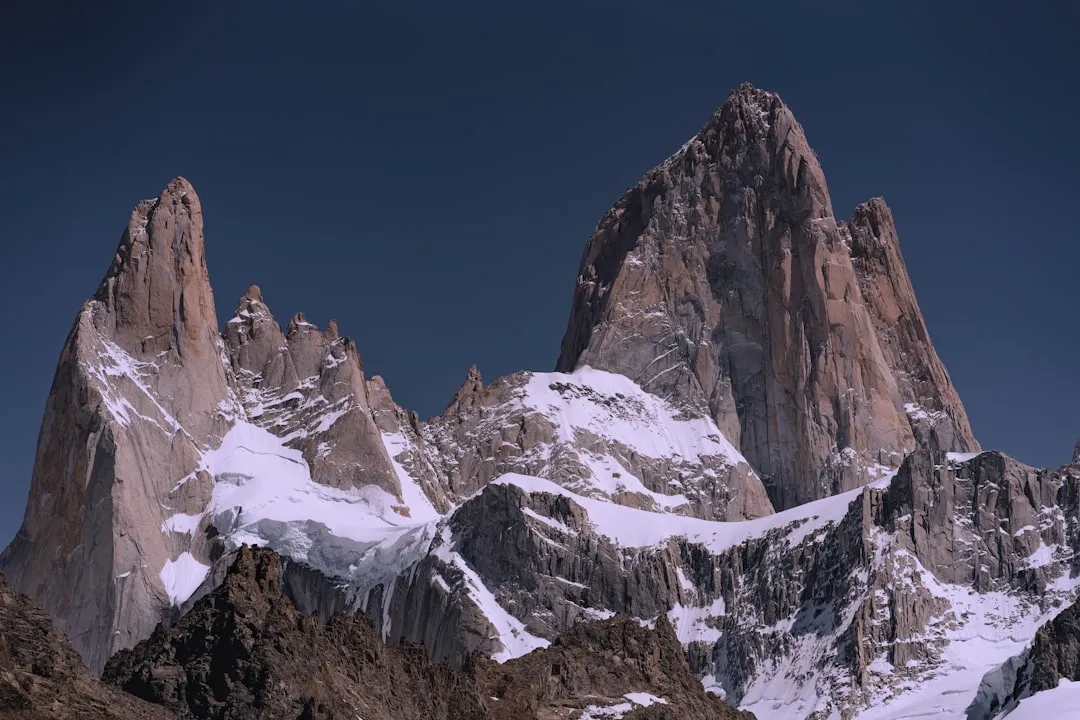
Cerro López Trail - Bariloche's Iconic Summit
The Cerro López Trail is a quintessential day hike offering breathtaking panoramic views of the Patagonian Andes, Nahuel Huapi Lake, and the surrounding forests. Located just a short distance from the vibrant city of San Carlos de Bariloche, this challenging ascent is a popular choice for those seeking a rewarding physical challenge and unparalleled vistas. The trail winds its way up the imposing Cerro López, a prominent peak that dominates the landscape west of Bariloche. While the summit itself is often shrouded in clouds, the journey to its upper reaches provides a spectacular immersion into the diverse ecosystems of the region, from dense Lenga forests to exposed alpine terrain. This trail is a must-do for any visitor to Bariloche looking to experience the raw beauty of the Argentine Patagonia.
- Distance: 10.5 km one-way
- Elevation Gain: 1,050 m
- Duration: 5–7 hours round trip
- Difficulty: Challenging
- Best Time: Spring to Autumn (October – April)
- Closest City: San Carlos de Bariloche
- Trailhead Access: Via bus #20 to Colonia Suiza or by car along Ruta Provincial 77 (Circuito Chico)
- Permits: Not required, but registration at the trailhead is recommended
- Highest point: Summit of Cerro López (approx. 2,100 m)
Overview
The Cerro López Trail is a demanding yet incredibly rewarding day hike that ascends one of the most iconic peaks in the Bariloche region. The trail begins its ascent from the vicinity of Colonia Suiza, a charming Swiss-style settlement nestled on the shores of Lake Nahuel Huapi. Initially, the path meanders through dense, ancient Lenga forests, where sunlight filters through the canopy, creating a dappled, ethereal atmosphere. As you gain altitude, the forest gradually thins, giving way to more open terrain characterized by scrubland and rocky outcrops.
The climb is steep and relentless, with a significant elevation gain of 1,050 metres packed into just over 10 kilometres. This means that much of the hike involves a steady, challenging ascent that will test your stamina and leg strength. However, the effort is consistently rewarded with increasingly spectacular views. At various points along the trail, you'll be treated to sweeping panoramas of the shimmering blue waters of Lake Nahuel Huapi, the intricate network of islands dotting its surface, and the majestic, snow-capped peaks of the Andes stretching into the distance. The higher you climb, the more expansive the vistas become, offering a true sense of accomplishment and awe.
The final section of the trail often involves navigating rocky scree and exposed ridges, requiring careful footing and concentration. While reaching the absolute summit may depend on weather conditions, the upper reaches of Cerro López provide a dramatic alpine environment. Even if clouds obscure the highest points, the experience of being in this rugged, high-altitude landscape, surrounded by the vastness of Patagonia, is unforgettable. The descent offers a different perspective on the scenery, allowing you to appreciate the scale of the journey you've undertaken.
History and Cultural Context
Cerro López, like much of the Patagonian landscape surrounding Bariloche, has a rich history intertwined with indigenous peoples, early European settlers, and the development of tourism in the region. For centuries, the indigenous Mapuche and Tehuelche peoples traversed these lands, utilizing the natural resources and following ancient routes that connected the mountains to the lakes and plains.
The arrival of European settlers in the late 19th and early 20th centuries marked a significant shift. Swiss and German immigrants, drawn by the promise of fertile land and the dramatic mountain scenery, established settlements like Colonia Suiza. These pioneers brought with them their agricultural traditions and architectural styles, which are still evident in the region today. The establishment of Colonia Suiza in the early 1900s provided a base for exploration and early tourism in the area.
Cerro López itself became a focal point for early adventurers and mountaineers. Its prominent position and challenging ascent made it a natural objective for those seeking to explore and conquer the surrounding peaks. The development of the Circuito Chico, a scenic road loop that passes near the base of Cerro López, further facilitated access and boosted tourism. This road, constructed in the mid-20th century, opened up the area to a wider range of visitors, making hikes like the Cerro López trail more accessible.
Over time, the trail has evolved from a rough track to a well-trodden path, though it retains its challenging character. Today, Cerro López is not only a popular hiking destination but also a symbol of the natural beauty and adventurous spirit of Bariloche. The trail’s history is a testament to the enduring allure of this magnificent Patagonian landscape, a place that continues to draw explorers and nature lovers from around the world.
Seasonal Highlights and Weather Reality
The best time to hike the Cerro López Trail is during the warmer months, from spring through autumn, which generally runs from October to April. During this period, the weather is typically more stable, and the trails are free of snow and ice, making the ascent safer and more enjoyable.
Spring (October – November): This season offers a vibrant landscape as nature awakens. Wildflowers begin to bloom, and the forests are lush and green. However, spring can still bring unpredictable weather, with occasional late snowfalls at higher elevations and cooler temperatures. The trails may be muddy in places due to melting snow and increased rainfall.
Summer (December – February): This is the peak hiking season. Days are longer, and temperatures are generally warmer, making it ideal for extended hikes. The views are often clearest during these months, offering expansive panoramas of the Andes and Lake Nahuel Huapi. However, summer can also bring strong winds, and sandflies can be present, especially in the lower forest sections. It's crucial to be prepared for rapid weather changes, as mountain conditions can shift quickly.
Autumn (March – April): Autumn is a spectacular time to hike Cerro López, particularly for its stunning foliage. The Lenga forests transform into a breathtaking display of reds, oranges, and yellows, creating a visually stunning backdrop for the hike. The weather is often crisp and clear, with fewer crowds than in summer. However, temperatures begin to drop, and the possibility of early snow increases towards the end of April.
Winter (May – September): Hiking Cerro López during winter is generally not recommended for casual hikers. The trail is often covered in snow and ice, making it treacherous and requiring specialised winter mountaineering equipment and experience. Avalanches are a risk, and the extreme cold and harsh weather conditions pose significant dangers. Only experienced mountaineers with appropriate gear and knowledge should consider attempting the trail during this period.
Weather Considerations: Regardless of the season, always check the weather forecast before you go. Mountain weather in Patagonia is notoriously unpredictable. Be prepared for sudden changes, including strong winds, rain, fog, and even snow, especially at higher altitudes. Layering clothing is essential to adapt to varying conditions.
Recommended Itinerary
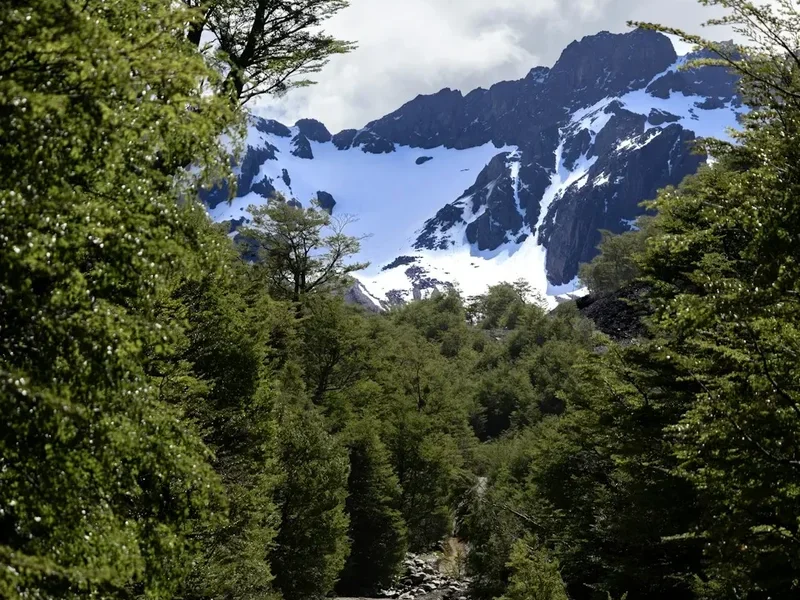
Cerro López Trail - Day Hike Itinerary
Early Morning (Approx. 8:00 AM): Departure from Bariloche
- Begin your journey from San Carlos de Bariloche.
- Take bus #20 towards Colonia Suiza. The journey takes approximately 45 minutes to 1 hour, depending on traffic and stops.
- Alternatively, drive along Ruta Provincial 77 (Circuito Chico) to Colonia Suiza. Parking is available near the trailhead.
- Ensure you have checked the weather forecast and are prepared for the day's conditions.
Morning (Approx. 9:00 AM - 12:00 PM): Ascent through Lenga Forest
- Arrive at the trailhead near Colonia Suiza. Register your hike at the trailhead if a logbook is available.
- Start the ascent. The initial section of the trail winds through dense Lenga forests.
- The path is well-defined but can be steep and uneven in places.
- Enjoy the cool, shaded environment of the forest. Keep an eye out for local flora and fauna.
- The elevation gain begins immediately, so pace yourself.
Midday (Approx. 12:00 PM - 2:00 PM): Emerging into Alpine Terrain
- As you gain altitude, the forest begins to thin, and the terrain becomes more open and rocky.
- The views start to open up, offering glimpses of Lake Nahuel Huapi and the surrounding mountains.
- Continue the steady climb, navigating through scrubland and scree.
- This section can be exposed to wind and sun, so ensure you have sun protection and adequate water.
- Find a suitable spot for a rest and a packed lunch, enjoying the expanding vistas.
Afternoon (Approx. 2:00 PM - 4:00 PM): Reaching Upper Reaches and Descent
- Continue towards the higher sections of Cerro López. The trail may become more challenging, with steeper sections and loose scree.
- The summit area is often subject to cloud cover, but the views from the upper reaches are still spectacular.
- Spend some time at the highest accessible point, taking in the panoramic scenery. Be mindful of weather conditions and visibility.
- Begin your descent, taking care on the rocky and potentially slippery terrain.
- The descent offers a different perspective on the landscape you ascended.
Late Afternoon (Approx. 4:00 PM - 6:00 PM): Return to Trailhead
- Continue descending back through the Lenga forest.
- Arrive back at the trailhead near Colonia Suiza.
- Take the bus or drive back to San Carlos de Bariloche, reflecting on your challenging and rewarding hike.
Important Notes:
- This is a challenging hike with significant elevation gain. Ensure you are physically prepared.
- Always carry sufficient water and high-energy snacks.
- Wear sturdy, broken-in hiking boots with good ankle support.
- Dress in layers, as mountain weather can change rapidly.
- Carry a waterproof and windproof jacket.
- Sun protection (hat, sunglasses, sunscreen) is essential, even on cloudy days.
- A map and compass or GPS device are recommended, although the trail is generally well-marked.
- Check the weather forecast before you leave and be prepared to turn back if conditions deteriorate.
Planning and Bookings
Book Your Trip
Everything you need to plan your journey
Accommodation
Find places to stay near San Carlos de Bariloche
Flights
Search flights to San Carlos de Bariloche
Essential Preparation
The Cerro López Trail is a demanding day hike that requires careful planning to ensure a safe and enjoyable experience. Given its challenging nature and the unpredictable Patagonian weather, thorough preparation is paramount. Before embarking on this trek, it is essential to assess your fitness level. The significant elevation gain of 1,050 metres over 10.5 kilometres means this hike is best suited for individuals with a good level of cardiovascular fitness and strong leg muscles. It is advisable to have prior hiking experience, particularly on trails with steep ascents and uneven terrain.
Logistics for reaching the trailhead are straightforward. San Carlos de Bariloche serves as the primary base town, offering a wide range of accommodation options from budget hostels to luxury hotels. It also provides all necessary amenities, including outdoor gear shops for last-minute purchases, supermarkets for stocking up on food and supplies, and transport services. From Bariloche, the most common way to reach the trailhead near Colonia Suiza is by taking public bus #20. This bus route is frequent and reliable, taking approximately 45 minutes to an hour. Alternatively, driving is an option via Ruta Provincial 77 (Circuito Chico), which offers scenic views along the way. Parking is available near the trailhead, though it can become busy during peak season.
It is crucial to check the weather forecast for the Bariloche region and specifically for the mountain conditions on Cerro López before you set out. Mountain weather can change rapidly and dramatically. Always be prepared for wind, rain, fog, and even snow, regardless of the season. Inform someone of your hiking plans, including your intended route and estimated return time.
Trail Accommodation
This is a day hike requiring no overnight accommodation.
Required Gear
- Hiking Boots: Sturdy, waterproof hiking boots with good ankle support are essential. Ensure they are well broken-in to prevent blisters.
- Backpack: A comfortable daypack (20-30 litres) to carry your essentials. A rain cover for the pack is highly recommended.
- Waterproof Jacket: A high-quality waterproof and windproof jacket is non-negotiable. Patagonian weather can change in an instant, and you need protection against rain and wind.
- Waterproof Overtrousers: Essential for staying dry and comfortable during prolonged rain.
- Warm Layers: Bring multiple layers of clothing, including a moisture-wicking base layer (merino wool or synthetic), an insulating mid-layer (fleece or down jacket), and a warm hat and gloves. Temperatures can drop significantly at higher altitudes.
- Navigation Tools: While the trail is generally well-marked, a map of the area and a compass or GPS device are recommended, especially if visibility is poor. A charged mobile phone with offline maps downloaded is also advisable.
- First-Aid Kit: A comprehensive kit including blister treatment, bandages, antiseptic wipes, pain relievers, and any personal medications.
- Head Torch: Essential in case your hike extends beyond daylight hours, or for navigating through dense forest sections. Ensure it has fresh batteries.
- Sun Protection: High SPF sunscreen, sunglasses, and a wide-brimmed hat are crucial, as the sun can be intense at altitude, even on cloudy days.
What to Bring
- Food: Pack plenty of high-energy snacks and a substantial lunch. Options include energy bars, nuts, dried fruit, sandwiches, and fruit. There are no facilities to purchase food on the trail.
- Water: Carry at least 2-3 litres of water per person. While there may be streams along the lower sections of the trail, it is advisable to treat or filter water from natural sources, or carry all the water you will need.
- Water Treatment: A water filter or purification tablets are recommended if you plan to refill from natural sources.
- Toiletries: Biodegradable soap, toothbrush and toothpaste, hand sanitiser, and toilet paper. Pack out all used toilet paper.
- Trekking Poles: Highly recommended, especially for the steep ascents and descents, as they can help reduce strain on your knees and improve stability.
- Insect Repellent: While not as notorious as in some other regions, sandflies can be present, particularly in the forest sections during warmer months.
- Camera: To capture the stunning scenery.
- Small Binoculars: For spotting wildlife or distant landmarks.
- Cash: A small amount of cash for bus fares or any unexpected needs in Colonia Suiza.
Permits
No specific permits are required to hike the Cerro López Trail. However, it is highly recommended to register your hike at the trailhead if a logbook or information point is available. This is a common practice in national parks and protected areas in Argentina and helps authorities monitor visitor numbers and be aware of who is on the trails in case of emergencies.
While no booking system exists for this day hike, it is always wise to check for any local advisories or temporary trail closures issued by the relevant park authorities or tourism bodies in Bariloche, especially if there have been recent extreme weather events. Information can often be found at the local tourist information centres in Bariloche or sometimes at the trailhead itself.
The trail is generally accessible year-round, but as mentioned in the seasonal section, winter conditions can make it hazardous and require specialised equipment and expertise. For the majority of visitors, the period between October and April offers the safest and most enjoyable hiking conditions.
Other Activities in the Area
Bariloche and its surroundings offer a wealth of activities for visitors to enjoy, complementing the adventure of hiking Cerro López:
- Circuito Chico: This scenic 60-kilometre loop drive is a must-do. It takes you past stunning viewpoints, including Cerro Campanario (often cited as having one of the world's top ten views), the Llao Llao Hotel, and the San Eduardo Chapel.
- Cerro Campanario: Take the chairlift to the summit for arguably the most spectacular panoramic view of the Nahuel Huapi National Park, with its islands, lakes, and mountains.
- Kayaking or Boat Tours on Lake Nahuel Huapi: Explore the vast lake by renting a kayak or joining a boat tour. Popular destinations include Isla Victoria and the Arrayanes Forest.
- Visiting Colonia Suiza: Spend time exploring this charming historic settlement, known for its traditional architecture, local crafts, and delicious regional cuisine, particularly its famous "curanto" (a traditional Patagonian feast cooked in an earth oven).
- Hiking in Nahuel Huapi National Park: Beyond Cerro López, numerous other trails cater to various fitness levels, such as the hike to Refugio Frey or the trail around Llao Llao Peninsula.
- Skiing and Snowboarding (Winter): During the winter months, the nearby Cerro Catedral is a premier ski resort, attracting enthusiasts from around the globe.
- Chocolate Tasting: Bariloche is renowned as Argentina's "Chocolate Capital." Indulge in sampling and purchasing artisanal chocolates from its many renowned chocolatiers.
- Museo de la Patagonia: Located in the historic Civic Centre of Bariloche, this museum offers insights into the region's natural history, indigenous cultures, and pioneering past.
Safety and Conditions
Pre-Hike Checks:
- Weather Forecast: Always check the most up-to-date weather forecast for Bariloche and the mountain region of Cerro López before you depart. Websites like MeteoRed or local meteorological services provide detailed mountain forecasts. Be prepared for rapid changes.
- Trail Conditions: While generally well-maintained, conditions can vary. After heavy rain or snowmelt, sections of the trail can become muddy, slippery, or even washed out. Check with local tourist information centres or park rangers for current trail status if possible.
- Inform Someone: Let your accommodation provider or a friend know your hiking plans, including your intended route, estimated start time, and expected return time.
On the Trail Hazards:
- Steep Terrain and Loose Scree: The trail is consistently steep, and the upper sections often consist of loose scree. This requires careful footing to prevent slips and falls. Trekking poles are highly recommended to aid balance and reduce impact on joints.
- Unpredictable Weather: Patagonian mountain weather is notorious for its rapid shifts. You can experience sunshine, strong winds, rain, fog, and even snow within a single day. Hypothermia is a risk, even in summer, if you become wet and cold. Always carry adequate layers and waterproof gear.
- Visibility: Fog can descend quickly at higher altitudes, drastically reducing visibility. If visibility drops significantly, it is safer to turn back or wait for conditions to improve.
- Sun Exposure: The sun's rays are intense at higher altitudes, even on cloudy days. Ensure you use adequate sun protection to prevent sunburn and heatstroke.
- Dehydration and Fatigue: The strenuous nature of the hike can lead to dehydration and fatigue. Drink water regularly and take breaks as needed.
- Sandflies: While not as prevalent as in some other regions, sandflies can be present, particularly in the forest sections during warmer months. Carry insect repellent.
Emergency Preparedness:
- Mobile Phone: Ensure your mobile phone is fully charged. While signal coverage can be intermittent, it may be available in certain sections of the trail or at the trailhead.
- Emergency Contacts: Have local emergency numbers readily available. In Argentina, the general emergency number is 911.
- Personal Locator Beacon (PLB): For added safety on more remote hikes, consider carrying a PLB.
Respect the Environment: Stay on marked trails to avoid damaging fragile vegetation and to prevent getting lost. Pack out everything you pack in.
Side Trips and Points of Interest
While the primary objective of the Cerro López Trail is the summit or its upper reaches, several points of interest and potential side excursions can enhance the experience:
Colonia Suiza: Before or after your hike, take time to explore Colonia Suiza. This historic settlement offers a glimpse into the region's European heritage with its traditional wooden chalets and a relaxed atmosphere. It's a great place to enjoy local food, including the famous "curanto," a traditional meal cooked in an underground oven, and to purchase local handicrafts.
Refugio López: Approximately halfway up the trail, you may encounter signs for Refugio López. This mountain refuge offers basic accommodation and meals for hikers undertaking multi-day treks or those seeking a stopover. While not a mandatory part of the day hike, its presence signifies a significant milestone in the ascent and offers a potential point for a longer break or even an overnight stay if pre-arranged.
Panoramic Viewpoints: Throughout the ascent, numerous natural clearings and rocky outcrops offer spectacular viewpoints. These are ideal spots to pause, rest, and soak in the expansive vistas of Lake Nahuel Huapi, the surrounding islands (such as Isla Victoria), and the distant Andes mountain range. Each viewpoint provides a slightly different perspective on the vast Patagonian landscape.
Alpine Flora and Fauna: As you ascend, pay attention to the changing vegetation. The lower sections are dominated by Lenga forests, while higher up, you'll encounter more hardy shrubs, grasses, and alpine flowers, especially during spring and summer. Keep an eye out for local birdlife, and if you're lucky, you might spot guanacos or other native mammals in the more open areas.
Summit Area (Weather Permitting): The ultimate point of interest is the summit area itself. Even if the very peak is obscured by clouds, the experience of reaching the upper reaches of Cerro López is rewarding. The rugged, rocky terrain and the feeling of being high in the Andes are significant attractions. The sense of accomplishment upon reaching this altitude, coupled with the dramatic, often cloud-swept scenery, makes the challenging climb worthwhile.
Leave No Trace
The Cerro López Trail traverses a beautiful and ecologically sensitive area within Nahuel Huapi National Park. Adhering to Leave No Trace principles is crucial to preserve this environment for future generations and to ensure the safety and enjoyment of all visitors.
Plan Ahead and Prepare: Research the trail, understand its challenges, and be prepared for the weather. Pack appropriate gear and sufficient food and water. Inform someone of your plans.
Travel and Camp on Durable Surfaces: Stay on the marked trail at all times. This prevents erosion and protects fragile vegetation. Avoid creating new paths or cutting switchbacks. Since this is a day hike, camping is not applicable, but if you were to stop for a break, choose a durable surface like rock or bare ground.
Dispose of Waste Properly: Pack out everything you pack in. This includes all food scraps, wrappers, and any other litter. Use designated toilet facilities if available, or if not, dig a cathole at least 60 metres away from water sources, trails, and campsites, and bury human waste. Pack out used toilet paper.
Leave What You Find: Do not remove or disturb natural objects such as rocks, plants, or flowers. Take only photographs and memories.
Minimize Campfire Impacts: Campfires are generally not permitted on day hikes and are highly discouraged in this sensitive environment. If you are staying at a refuge that allows fires, use established fire rings and keep fires small.
Respect Wildlife: Observe wildlife from a distance. Never feed animals, as this can disrupt their natural behaviours and diets, and can be harmful to their health. Store food securely to prevent attracting animals.
Be Considerate of Other Visitors: Keep noise levels down and yield to other hikers, especially on narrow sections of the trail. Respect the experience of others seeking solitude and enjoyment in nature.
 Argentina