
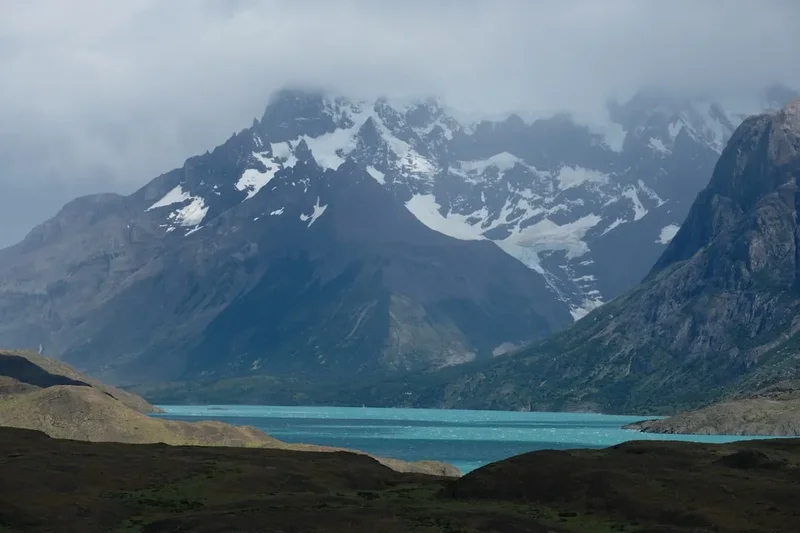
Cerro El Plomo - The Sacred Peak of the Andes
Cerro El Plomo, standing sentinel over Santiago, is more than just a mountain; it's a sacred peak deeply ingrained in the cultural and spiritual landscape of Chile. This challenging trek ascends to an altitude of 5,424 metres, offering a profound mountaineering experience that combines breathtaking Andean vistas with a journey through ancient Incan history. The trail winds through diverse ecosystems, from arid foothills to high-altitude alpine environments, culminating in a summit push that demands respect for the mountain's power and a deep appreciation for the raw beauty of the Andes. It is a pilgrimage for many, a test of endurance and spirit, and an unforgettable adventure for those seeking to connect with the wild heart of South America.
- Distance: 55 km (round trip)
- Elevation Gain: 2,900 m
- Duration: 2-4 days
- Difficulty: Very Challenging (requires mountaineering experience/skills)
- Best Time: November to March (Southern Hemisphere summer)
- Closest City: Santiago
- Trailhead Access: La Parva Ski Resort
- Permits: None required for access, but registration at park entrance recommended
- Highest Point: 5,424 m
Overview
The ascent of Cerro El Plomo is a classic Andean mountaineering objective, renowned for its accessibility from Santiago and its rich historical significance. The trail begins its arduous journey from the La Parva ski resort, initially following well-trodden paths that gradually give way to steeper, more rugged terrain. As you gain altitude, the landscape transforms dramatically. The lower slopes are characterised by arid scrub and rocky outcrops, typical of the central Chilean Andes. Higher up, the vegetation thins, replaced by scree fields, moraines, and eventually, snow and ice, especially in the early summer months. The air thins, and the physical demands increase significantly, requiring acclimatisation and a steady pace.
The route is punctuated by several key landmarks and camps, each offering a stepping stone towards the summit. The ascent typically involves overnight stays at established camps, allowing for acclimatisation and breaking down the formidable elevation gain. The final push to the summit is a demanding scramble and potentially a snow/ice climb depending on conditions, often starting in the pre-dawn darkness to reach the summit for sunrise. The reward at the top is unparalleled: a panoramic 360-degree view encompassing the vast expanse of the Andes, including neighbouring peaks like Nevado San Francisco and Tupungato, and on a clear day, the sprawling metropolis of Santiago far below.
Beyond the physical challenge, Cerro El Plomo holds deep cultural importance. It was a sacred site for the Incas, who conducted rituals and sacrifices at its summit. Evidence of these ancient ceremonies, including the discovery of a remarkably preserved Incan child mummy (the "Plomo Mummy"), underscores the mountain's spiritual legacy. This historical context adds a profound dimension to the trek, transforming it from a mere physical ascent into a journey through time and culture.
History and Cultural Context
Cerro El Plomo has been a significant landmark for millennia, revered by the indigenous peoples of the Andes long before the arrival of Europeans. Archaeological evidence points to the Incas using the mountain as a sacred site for religious ceremonies, particularly during the Capacocha ritual, a high-altitude sacrifice performed to appease the gods and ensure the well-being of the empire. The discovery of the "Plomo Mummy" in 1954, the remarkably preserved remains of a young boy sacrificed around 1450 AD, brought global attention to the mountain's ancient spiritual significance. This discovery, along with other artifacts found at the summit, highlights the Incas' deep connection to the high Andes and their willingness to undertake perilous journeys to reach these sacred places.
The mountain's name, "El Plomo," is thought to derive from the Spanish word for lead, possibly due to the presence of lead ore in the region, or perhaps a misinterpretation of local indigenous terms. Spanish conquistadors and later settlers recognised the mountain's prominence but its challenging terrain meant it remained largely the domain of indigenous peoples and later, intrepid explorers and mountaineers.
In the 20th century, as mountaineering gained popularity, Cerro El Plomo became a sought-after objective for climbers and hikers. Its proximity to Santiago made it an accessible yet formidable challenge. The development of the La Parva ski resort at its base in the mid-20th century further facilitated access, though the route to the summit remains a serious undertaking requiring proper preparation and mountaineering skills. Today, it continues to be a popular destination for both seasoned mountaineers and those seeking a challenging trek with a rich historical and cultural backdrop.
Seasonal Highlights and Weather Reality
The optimal season for climbing Cerro El Plomo is during the Southern Hemisphere summer, from November to March. This period offers the most stable weather conditions and the highest probability of snow-free or manageable snow-covered routes, especially in the higher reaches.
Summer (November to March): This is the prime season. Days are longer, and temperatures are generally milder, though still cold at higher altitudes. Snowfall is less frequent, and existing snow patches tend to melt, making the higher sections more accessible. However, Andean weather is notoriously unpredictable. Sudden storms, strong winds, and significant temperature drops can occur at any time, even during the summer months. Sandstorms can also be a hazard in the drier lower sections.
Spring (October): While technically part of the shoulder season, October can still offer good climbing opportunities, especially in the earlier part of the month. However, there is a higher chance of encountering significant snow and ice, particularly on the upper slopes and summit. Conditions can be more variable, and winter-like weather is more probable.
Autumn (April to May): As summer wanes, temperatures begin to drop, and the likelihood of snow increases. The landscape can be beautiful with autumn colours in the lower valleys, but the higher mountain becomes increasingly challenging and potentially dangerous due to snow and ice. This period is generally not recommended for less experienced climbers.
Winter (June to September): Cerro El Plomo is effectively impassable and extremely dangerous during winter due to heavy snowfall, extreme cold, high winds, and avalanche risk. This season is strictly for highly experienced mountaineers with advanced winter climbing skills and equipment.
Weather Considerations: Regardless of the season, always be prepared for rapid weather changes. The altitude and exposed nature of the mountain mean that conditions can shift from clear and sunny to stormy and freezing within hours. Hypothermia is a significant risk, even in summer.
Recommended Itinerary
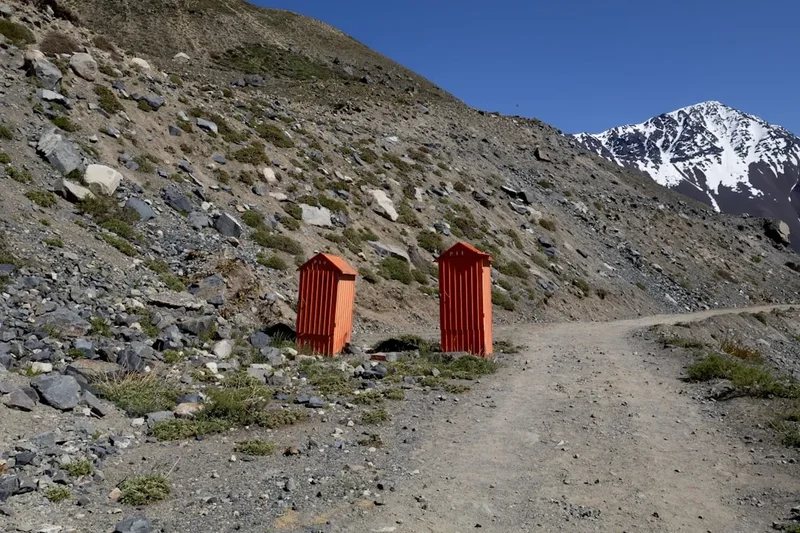
3-Day Cerro El Plomo Itinerary (Standard)
Day 1: La Parva to Refugio Alemán
- Distance: 8 km
- Elevation Gain: 1,000 m
- Time: 4-6 hours
- Start at La Parva Ski Resort (approx. 2,700 m)
- Follow marked trails ascending through arid scrub and rocky terrain
- Pass the "Piedra Numerada" (Numbered Stone)
- Continue towards the "Paso de las Nubes" (Pass of the Clouds)
- Arrive at Refugio Alemán (approx. 3,700 m)
- Set up camp or use the basic refuge facilities
- Begin acclimatisation to the altitude
Day 2: Refugio Alemán to Campamento Agostini (or higher)
- Distance: 7 km
- Elevation Gain: 800 m
- Time: 4-6 hours
- Continue ascent from Refugio Alemán
- The terrain becomes steeper and more exposed
- Pass through scree fields and rocky moraines
- Reach Campamento Agostini (approx. 4,500 m)
- This camp is often situated near the base of the final summit push
- Further acclimatisation is crucial
- Rest and prepare for the summit attempt
Day 3: Summit Push to Cerro El Plomo and Descent to La Parva
- Distance: 15 km (round trip from Agostini)
- Elevation Gain: 924 m to summit, 1,724 m descent
- Time: 8-12 hours (summit day)
- Early morning start (e.g., 2:00 AM - 4:00 AM)
- Ascend the final steep slopes, potentially encountering snow and ice
- Navigate rocky sections and scree
- Reach the summit of Cerro El Plomo (5,424 m)
- Enjoy panoramic views and explore the Incan ceremonial sites
- Begin descent back to Campamento Agostini
- Continue descent to Refugio Alemán
- Descend the remaining route back to La Parva Ski Resort
- This is a very long and demanding day
Alternative 4-Day Itinerary:
A 4-day itinerary allows for more gradual acclimatisation and a more relaxed pace, particularly beneficial for those less accustomed to high altitudes. This typically involves an additional night at Refugio Alemán or a lower camp, spreading the ascent over more days.
Important Notes:
- This itinerary is a guideline; actual timings and camps may vary based on conditions and individual fitness.
- Acclimatisation is paramount. Do not rush the ascent.
- Summit day is extremely demanding and requires excellent physical condition and mental fortitude.
- Weather can change rapidly; be prepared for all conditions.
- Carry sufficient water or a reliable water purification method.
- Inform someone of your itinerary and expected return time.
Planning and Bookings
Book Your Trip
Everything you need to plan your journey
Accommodation
Find places to stay near Santiago
Flights
Search flights to Santiago
Essential Preparation
Climbing Cerro El Plomo is a serious undertaking that requires meticulous planning and preparation. Given its high altitude and challenging terrain, it is not a casual day hike. Prior to departure, ensure you have a solid understanding of the route, potential hazards, and necessary gear. Physical fitness is paramount; a high level of cardiovascular endurance and strength is required to cope with the sustained effort and thin air. Training should include hiking with a weighted pack, cardiovascular exercises, and strength training, particularly for legs and core.
Acclimatisation: This is the single most critical factor for success and safety. Spend at least 2-3 days in Santiago or at a lower altitude in the mountains (e.g., Valle Nevado or Farellones) before starting the ascent to allow your body to adjust to the altitude. The recommended itinerary includes overnight stays at progressively higher camps to facilitate acclimatisation.
Logistics: Access to the trailhead is via La Parva ski resort. You can drive your own vehicle (a 4x4 is recommended for the unpaved sections leading to the resort, though a regular car can often manage in good conditions) or arrange private transport from Santiago. Parking is available at La Parva. No specific permits are required to access the mountain itself, but it is advisable to register your climb with park authorities or the local mountain rescue service if available.
Base Town/City: Santiago is the primary gateway city. It offers a full range of services, including gear rental shops, outdoor equipment stores, supermarkets for supplies, and accommodation options from budget hostels to luxury hotels. It's essential to purchase all necessary supplies and check gear in Santiago before heading to the mountains.
Trail Accommodation
Cerro El Plomo does not have formal, managed campsites or lodges in the same way as some international treks. Accommodation is primarily in the form of basic refuges and designated camping areas.
- Refugio Alemán: This is a basic, unmanaged mountain refuge located at approximately 3,700 metres. It offers rudimentary shelter, often with a common area and sleeping platforms. It is not serviced, and you must bring all your own food, cooking equipment, and sleeping gear. It can be crowded during peak season.
- Campamento Agostini: Located at around 4,500 metres, this is a popular camping spot situated at the base of the final summit push. It is a designated area where climbers typically set up tents. There are no facilities here; it is a wild camping environment.
- Tent Camping: Beyond the designated camps, there are other potential camping spots along the route, particularly on the lower sections. However, camping is generally restricted to areas that minimise environmental impact. Always camp on durable surfaces and away from water sources.
Booking Requirements: There are no formal booking systems for Refugio Alemán or the camping areas. Access is on a first-come, first-served basis. However, due to the popularity of the climb, especially during weekends and holidays, arriving early is recommended to secure a good spot.
Facilities Provided: Basic shelter at Refugio Alemán (walls, roof, sleeping platforms). Access to natural water sources (streams, snowmelt) which must be treated.
What's NOT Provided: Food, cooking equipment, fuel, sleeping bags, sleeping mats, water treatment, toilets, electricity, heating, or any other amenities. You are entirely self-sufficient.
Seasonal Availability: The refuges and camping areas are generally accessible from November to March. Outside this period, snow cover can make access difficult or impossible, and winter conditions prevail.
Costs: There are typically no fees associated with using Refugio Alemán or camping in these areas, as they are unmanaged. However, access to La Parva ski resort may involve parking fees or lift fees if you choose to use them for part of the ascent (though the standard route does not use lifts).
Required Gear
- Mountaineering Boots: Sturdy, waterproof, insulated mountaineering boots are essential for the high altitude and potential snow/ice conditions.
- Crampons: For traction on snow and ice, especially on the upper slopes and summit. Ensure they are compatible with your boots.
- Ice Axe: A technical ice axe is necessary for self-arrest and stability on steep snow and ice.
- Helmet: Essential for protection against rockfall and during potential falls on snow/ice.
- Harness and Rope: Depending on conditions and your experience, a climbing harness and a suitable length of dynamic rope may be required for glacier travel or steeper sections.
- Navigation Tools: GPS device or smartphone with offline maps, compass, and a detailed map of the area. Knowledge of how to use them is critical.
- Headlamp: A powerful headlamp with spare batteries is crucial for early morning starts and potential night descents.
- First-Aid Kit: Comprehensive kit including blister treatment, pain relievers, bandages, antiseptic wipes, and any personal medications.
- Sun Protection: High SPF sunscreen, lip balm with SPF, sunglasses (glacier glasses recommended), and a wide-brimmed hat. The sun at altitude is intense.
- Waterproof/Windproof Outerwear: High-quality, breathable waterproof jacket and trousers (e.g., Gore-Tex) to protect against wind, rain, and snow.
- Warm Layers: Multiple insulating layers (fleece, down jacket, thermal base layers) to adapt to changing temperatures.
- Gloves and Hat: Warm, waterproof gloves and a warm hat (beanie) are essential. Consider liner gloves as well.
What to Bring
- Food: High-energy, lightweight food for 3-4 days. This includes breakfast, lunch, dinner, and plenty of snacks (nuts, dried fruit, energy bars, chocolate). Plan meals carefully to ensure adequate calorie intake.
- Water Bottles/Hydration Reservoir: Carry at least 3-4 litres of water capacity per person.
- Water Treatment: Water filter, purification tablets, or a UV steriliser. Natural water sources are available but must be treated.
- Sleeping Bag: A warm, 4-season sleeping bag rated for sub-zero temperatures (e.g., -10°C to -20°C comfort rating).
- Sleeping Mat: Insulated sleeping mat for comfort and warmth.
- Backpack: A robust trekking backpack (60-75 litres) with a comfortable harness and rain cover.
- Trekking Poles: Highly recommended for stability on ascents and descents, especially on scree and uneven terrain.
- Toiletries: Biodegradable soap, toothbrush, toothpaste, toilet paper, hand sanitiser. Pack out all waste.
- Personal Items: Camera, power bank for electronics, book or journal for downtime.
- Emergency Bivvy Bag: Lightweight emergency shelter for unexpected situations.
- Duct Tape and Repair Kit: For minor gear repairs.
Permits
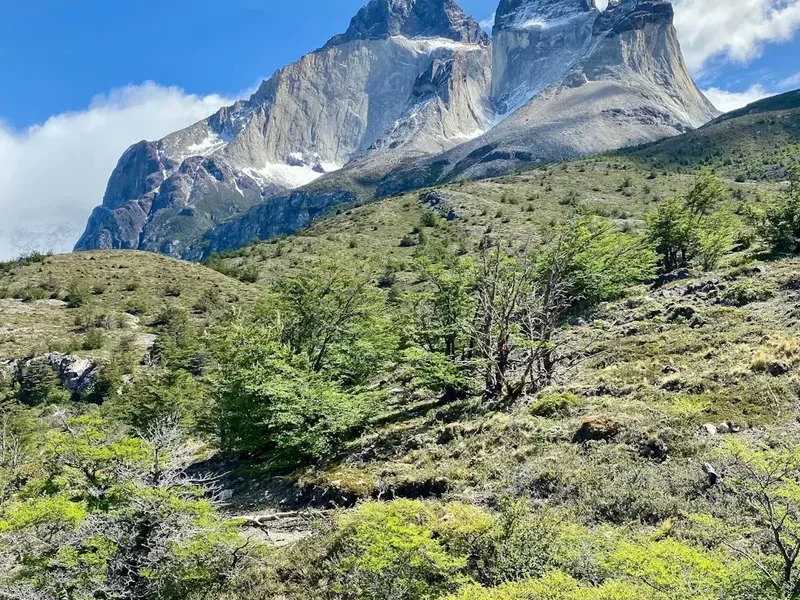
For the standard ascent of Cerro El Plomo via La Parva, no specific permits are required to access the mountain itself. The trails are generally open to the public. However, it is highly recommended to register your climb with the relevant authorities, such as the local mountain rescue service or park rangers if they are present at the trailhead, especially if you are attempting the climb solo or in adverse conditions. This ensures that someone is aware of your plans and can initiate a search if you fail to return as expected.
Registration: While not mandatory, registering your trip details (intended route, expected duration, number of people, contact information) is a crucial safety measure. This can often be done at the information point at La Parva ski resort or by contacting local mountain rescue organisations prior to your departure.
Park Entrance Fees: There are typically no entrance fees for the national park areas surrounding Cerro El Plomo when accessed via La Parva. However, if you were to access the mountain from a different entry point that is part of a managed national park, fees might apply. Always check local regulations.
Private Property: Be mindful that parts of the access route may pass through private land, particularly around the ski resort areas. Respect any signage or requests from landowners.
Inca Sites: While no permits are needed to visit the summit, it is imperative to treat the Incan archaeological sites with the utmost respect. These are protected heritage areas. Do not disturb, remove, or damage any artifacts or structures. The discovery of the Plomo Mummy highlights the sacred nature of this site.
Safety and Rescue: While no permit is required, understanding the emergency procedures and contact numbers for mountain rescue in the region is vital. Ensure you have this information readily available.
Other Activities in the Area
The region surrounding Cerro El Plomo offers a variety of activities for those looking to extend their stay or explore beyond the mountain itself:
- Skiing and Snowboarding (Seasonal): During the winter months (June-September), La Parva and nearby ski resorts like Valle Nevado and El Colorado offer world-class skiing and snowboarding opportunities.
- Hiking in the Andes: Numerous other hiking trails exist in the surrounding Cajón del Maipo and the Andes foothills, ranging from short walks to multi-day treks. Popular options include routes in the Monumento Natural El Morado or exploring the valleys near San José de Maipo.
- Hot Springs: The Cajón del Maipo is famous for its natural hot springs, such as Termas Valle de Colina and Termas de Manzanar, offering a relaxing soak amidst stunning mountain scenery.
- Adventure Sports: The Cajón del Maipo is a hub for adventure activities like white-water rafting, kayaking, zip-lining, and rock climbing.
- Exploring Santiago: The vibrant capital city of Chile offers a wealth of cultural attractions, including museums, art galleries, historic neighbourhoods, excellent cuisine, and lively nightlife.
- Wine Tasting: Chile is renowned for its wine production. Day trips to nearby vineyards in the Maipo Valley or Casablanca Valley can be arranged from Santiago.
- Parque Nacional Radal Siete Tazas: Further afield, this national park features unique basalt rock formations and a series of seven stunning waterfalls and pools, offering a different kind of natural beauty.
Safety and Conditions
Altitude Sickness (Acute Mountain Sickness - AMS): This is the most significant risk when climbing Cerro El Plomo. Symptoms can include headache, nausea, dizziness, fatigue, and shortness of breath. The best prevention is gradual acclimatisation. If symptoms worsen, descend immediately. Do not ascend further if you are experiencing AMS.
Weather: Andean weather is highly unpredictable. Be prepared for sudden changes, including strong winds, heavy snowfall, rain, and extreme cold, even in summer. Hypothermia is a serious risk. Always check the mountain forecast before you go and be prepared to turn back if conditions deteriorate.
Terrain: The route involves steep ascents, scree slopes, rocky sections, and potentially snow and ice. Falls are a risk, especially on descents. Proper footwear, trekking poles, and careful foot placement are essential. On summit day, the terrain can be treacherous, particularly in the dark or in poor visibility.
Rockfall: Be aware of the potential for rockfall, especially on scree slopes and near cliffs. Wear a helmet at all times during the ascent and descent, particularly on summit day. Avoid climbing directly above or below other groups.
Water Sources: Natural water sources are available, but they must be treated to prevent waterborne illnesses. Carry a reliable water filter or purification tablets.
Navigation: The trails can be indistinct in places, especially at higher altitudes or in poor weather. Carry a map, compass, and GPS device, and know how to use them. It is advisable to climb with someone experienced or hire a local guide.
Communication: Mobile phone signal is non-existent on most of the route. Consider carrying a satellite communication device (e.g., PLB or satellite phone) for emergencies.
Emergency Contacts: Know the emergency numbers for mountain rescue in Chile. It is advisable to leave your itinerary with a trusted contact person.
Physical Fitness: Ensure you are in excellent physical condition. The sustained effort at high altitude is demanding. Do not attempt the climb if you are not adequately prepared.
Side Trips and Points of Interest
Incan Ceremonial Sites: The summit of Cerro El Plomo is an archaeological treasure trove. Scattered around the peak are remnants of Incan rituals, including stone platforms, offerings, and the site where the "Plomo Mummy" was discovered. These sites are sacred and must be treated with the utmost respect. Observe them from a distance and do not touch or disturb anything.
The Plomo Mummy: While the mummy itself is now housed in a museum, its discovery site at the summit is a point of historical and cultural significance. It serves as a powerful reminder of the Incas' deep spiritual connection to the Andes and their practice of high-altitude sacrifices.
Panoramic Summit Views: The 360-degree views from the summit of Cerro El Plomo are simply spectacular. On a clear day, you can see an immense sweep of the Andes mountain range, including prominent peaks like Nevado San Francisco, Tupungato, and the distant Aconcagua (weather permitting). The vastness of the mountain landscape is awe-inspiring.
Refugio Alemán and Campamento Agostini: These camps themselves are points of interest, offering a glimpse into the life of high-altitude mountaineers. They are social hubs where climbers share stories and prepare for their ascents. The locations of these camps also provide excellent vantage points for observing the changing light on the surrounding peaks.
The "Paso de las Nubes" (Pass of the Clouds): This section of the trail, often encountered on the first day, offers dramatic views as you traverse ridges and valleys. The name itself suggests the potential for cloud inversions and ethereal mountain vistas.
Leave No Trace
The Andean environment is fragile and susceptible to human impact. Practising Leave No Trace principles is essential to preserve the beauty and ecological integrity of Cerro El Plomo for future generations. As a visitor to this sacred mountain, your responsibility is to minimise your footprint.
Plan Ahead and Prepare: Understand the route, weather, and potential hazards. Pack appropriate gear and food to avoid waste. Travel with experienced individuals or hire a guide.
Travel and Camp on Durable Surfaces: Stick to established trails to avoid eroding vegetation. Camp in designated areas or on bare ground, rock, or scree, at least 70 metres away from water sources. Avoid trampling vegetation.
Dispose of Waste Properly: Pack out everything you pack in, including all food scraps, wrappers, and toilet paper. Use designated toilets where available, or dig catholes at least 15 cm deep and 60 metres away from water, trails, and campsites. Pack out all human waste and toilet paper.
Leave What You Find: Do not remove or disturb natural objects, rocks, or cultural artifacts. The Incan sites are protected heritage; observe them respectfully without touching or altering them.
Minimise Campfire Impacts: Campfires are generally not permitted at high altitudes due to the fragile environment and scarcity of fuel. Use a lightweight stove for cooking.
Respect Wildlife: Observe wildlife from a distance. Do not feed animals, as this can disrupt their natural behaviours and diets. Be aware of potential hazards like Andean condors or other native fauna.
Be Considerate of Other Visitors: Keep noise levels down and yield to other hikers. Respect the solitude and natural quiet of the mountain environment. Share the trail and the experience.
 Chile
Chile