
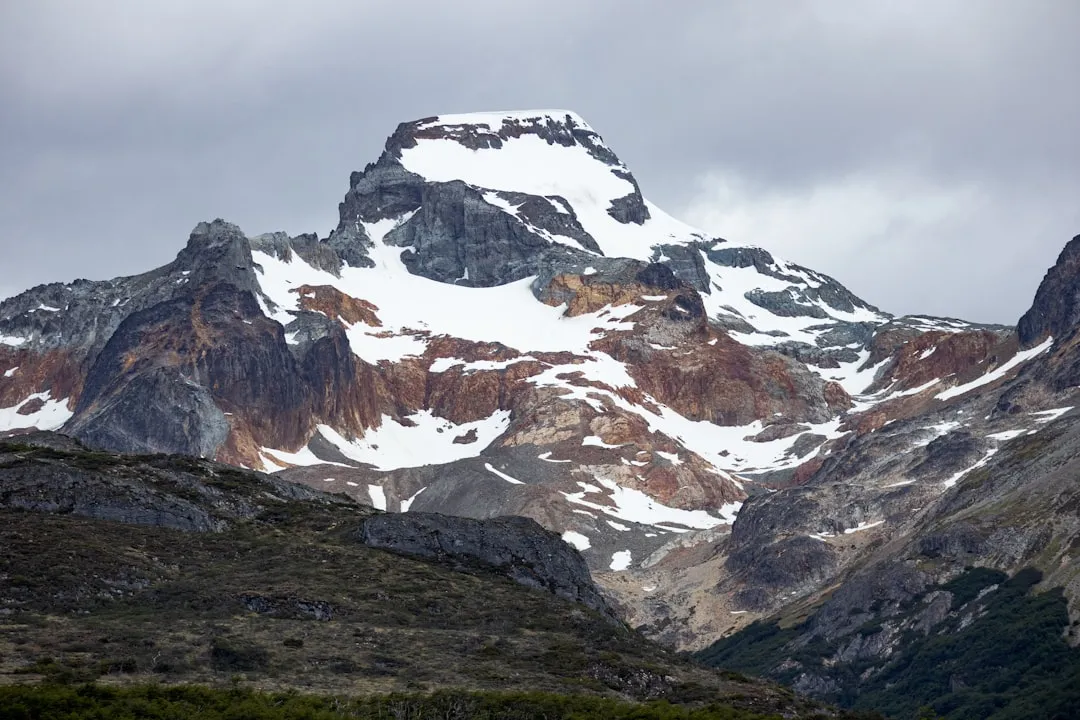
Cerro Champaqui Route - Córdoba's Majestic Summit
The Cerro Champaqui Route is a challenging yet immensely rewarding mountain trek in the heart of Argentina's Sierras Grandes, offering a profound wilderness experience and breathtaking panoramic views from the province's highest peak. This multi-day expedition ascends through diverse landscapes, from arid scrublands and rolling grasslands to the stark, windswept summit plateau of Champaqui. It's a journey that tests physical endurance and mental fortitude, culminating in the satisfaction of standing atop a significant natural landmark.
- Distance: 65.0 km (round trip)
- Elevation Gain: 2,200 m
- Duration: 3-4 days
- Season: October to April (shoulder seasons preferred for milder weather)
- Difficulty: Challenging
- Closest City: Villa General Belgrano
- Trailhead Access: Estancia San Miguel (requires taxi/remise from Villa General Belgrano)
- Accommodation: Basic refugios/campsites
- Permits: Not required, but registration at Estancia San Miguel is mandatory
Overview
The ascent of Cerro Champaqui, at 2,884 metres, is a quintessential Argentine mountain adventure. Unlike the dramatic, jagged peaks of the Andes further west, Champaqui presents a more subtle, yet equally imposing, grandeur. Its summit is a vast, undulating plateau, a stark contrast to the steep, defined peaks often associated with high-altitude trekking. The route is characterised by its gradual but relentless elevation gain, traversing varied terrain that showcases the ecological diversity of the Sierras Grandes.
The journey typically begins from Estancia San Miguel, a working ranch that serves as the gateway to the higher altitudes. The initial stages involve navigating through semi-arid vegetation, gradually giving way to more open grasslands and rocky outcrops as the altitude increases. The air thins, and the landscape becomes more exposed, offering expansive views of the surrounding sierras. The final push to the summit is a true test of endurance, often involving navigating scree slopes and exposed ridges. The reward, however, is unparalleled: a 360-degree vista stretching across the vastness of Córdoba province, a sea of undulating mountains under an immense sky.
The route is not technically demanding in terms of climbing, but its length, significant elevation gain, and the potential for rapidly changing weather conditions make it a challenging undertaking. Hikers must be self-sufficient, carrying all necessary food, water, and camping gear. The experience is one of immersion in a rugged, natural environment, far from the conveniences of urban life. The silence of the high sierras, broken only by the wind and the calls of native birds, offers a profound sense of solitude and connection to the natural world.
History and Cultural Context
The Sierras Grandes of Córdoba have been inhabited for millennia. Archaeological evidence suggests human presence dating back thousands of years, with indigenous peoples utilising the region's resources for hunting and gathering. The name "Champaqui" itself is believed to derive from the indigenous Comechingón language, possibly meaning "land of the Champa people" or "place of the Champa." These early inhabitants left behind a legacy of rock art and archaeological sites, hinting at a deep spiritual and practical connection to this mountainous terrain.
During the colonial era, the region became important for cattle ranching, and many of the estancias, like San Miguel, have a long history of agricultural activity. The mountains provided grazing land, and the challenging terrain shaped the lives of those who settled here. Over time, the allure of Champaqui as the highest point in Córdoba began to attract adventurers and mountaineers. Early ascents were likely undertaken by local gauchos and explorers, charting routes through the rugged landscape.
In the 20th century, as Argentina's national parks and protected areas were established, the Sierras Grandes gained recognition for their unique ecological and geological significance. While Cerro Champaqui is not within a formal national park, its status as the provincial high point has cemented its place as a significant natural landmark. Today, the route is popular among Argentinian trekkers and increasingly attracts international visitors seeking a genuine mountain experience away from more famous, but often more crowded, Andean destinations. The route continues to be a testament to the enduring spirit of exploration and the raw beauty of the Cordobese landscape.
Seasonal Highlights and Weather Reality
The best time to undertake the Cerro Champaqui Route is during the spring and autumn shoulder seasons, generally from October to April. These periods offer the most stable weather conditions and milder temperatures, making the trek more enjoyable and safer.
Spring (October to November): This season sees the landscape begin to awaken after the cooler winter months. Wildflowers may start to bloom in the lower altitudes, and the weather is typically less extreme than in mid-summer. However, early spring can still bring unpredictable weather, including late frosts and occasional snowfalls at higher elevations. Days are getting longer, providing ample daylight for hiking.
Summer (December to February): While offering the warmest temperatures and longest daylight hours, summer in the Sierras Grandes can also bring intense heat, particularly in the lower sections, and a higher chance of afternoon thunderstorms. These storms can develop rapidly, bringing heavy rain, strong winds, and lightning, posing a significant hazard on the exposed summit plateau. Sandflies can also be present, though generally less problematic than in some other regions.
Autumn (March to April): This is often considered the ideal time for the trek. The summer heat subsides, and the weather tends to be more settled and drier. The landscape takes on beautiful autumnal hues, and the air is crisp and clear, offering excellent visibility for the panoramic summit views. However, temperatures can drop significantly at night, and early autumn may still see occasional rain showers.
Winter (May to September): Winter in the Sierras Grandes is cold, with frequent frosts and snow. While the route is technically passable for experienced mountaineers with appropriate winter gear and knowledge, it is generally not recommended for recreational hikers due to the harsh conditions, icy trails, and limited daylight. Huts may be inaccessible or offer minimal shelter.
Weather Considerations: Regardless of the season, weather in the mountains is notoriously unpredictable. Hikers must be prepared for rapid changes, including strong winds, sudden temperature drops, and precipitation. Always check the forecast before departing and be ready to adapt your plans.
Recommended Itinerary
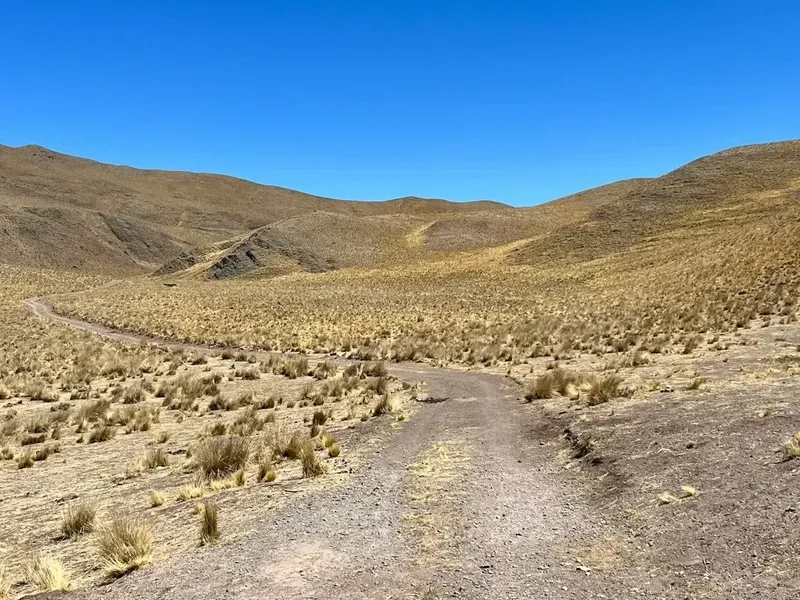
3-Day Cerro Champaqui Itinerary
Day 1: Estancia San Miguel to Refugio La Ramada
- Distance: 18 km
- Elevation Gain: 800 m
- Time: 6–8 hours
- Start at Estancia San Miguel (approx. 1,400 m)
- Initial section through rolling hills and scrubland
- Gradual ascent, following established trails
- Pass through areas with sparse vegetation and rocky terrain
- Arrive at Refugio La Ramada (approx. 2,200 m)
- Refugio offers basic shelter and camping facilities
- Set up camp and prepare for the next day's ascent
Day 2: Refugio La Ramada to Cerro Champaqui Summit and return to Refugio La Ramada
- Distance: 16 km (round trip)
- Elevation Gain: 684 m (to summit), 684 m (descent)
- Time: 7–9 hours
- Early morning start to maximise daylight and potentially avoid afternoon storms
- Ascend towards the summit plateau
- Terrain becomes more exposed and rocky
- Navigate through scree fields and open plains
- Reach the summit of Cerro Champaqui (2,884 m)
- Enjoy panoramic views of the Sierras Grandes
- Descend back to Refugio La Ramada
- This is the most demanding day, requiring good fitness and navigation skills
Day 3: Refugio La Ramada to Estancia San Miguel
- Distance: 18 km
- Elevation Loss: 800 m
- Time: 5–7 hours
- Descend from Refugio La Ramada
- Retrace your steps through the grasslands and scrubland
- Enjoy the changing perspectives on the landscape
- Arrive back at Estancia San Miguel
- Opportunity for a well-deserved rest and refreshment
4-Day Cerro Champaqui Itinerary (More Relaxed Pace)
Day 1: Estancia San Miguel to Campamento El Pinar
- Distance: 12 km
- Elevation Gain: 500 m
- Time: 4–5 hours
- A gentler start, allowing more time to acclimatise
- Camp at El Pinar, a more sheltered spot lower down
Day 2: Campamento El Pinar to Refugio La Ramada
- Distance: 12 km
- Elevation Gain: 500 m
- Time: 4–5 hours
- Continue the ascent to Refugio La Ramada
- Allows for a more leisurely pace and exploration of the intermediate terrain
Day 3: Refugio La Ramada to Cerro Champaqui Summit and return to Refugio La Ramada
- Distance: 16 km (round trip)
- Elevation Gain: 684 m, Loss: 684 m
- Time: 7–9 hours
- Summit day, as per the 3-day itinerary
Day 4: Refugio La Ramada to Estancia San Miguel
- Distance: 18 km
- Elevation Loss: 800 m
- Time: 5–7 hours
- Descent back to the trailhead
Important Notes:
- Water sources can be scarce; carry sufficient water or a reliable purification method.
- Navigation can be challenging, especially in poor visibility. A GPS device or map and compass are essential.
- Weather can change rapidly; be prepared for all conditions.
- Registration at Estancia San Miguel is mandatory for safety tracking.
- No formal booking system for refugios; they are basic shelters. Camping is the primary accommodation.
Planning and Bookings
Book Your Trip
Everything you need to plan your journey
Accommodation
Find places to stay near Villa General Belgrano
Flights
Search flights to Villa General Belgrano
Essential Preparation
The Cerro Champaqui Route requires careful planning due to its remote nature and the need for self-sufficiency. The closest major town is Villa General Belgrano, which serves as the primary logistical hub. From Villa General Belgrano, you will need to arrange transport to the trailhead at Estancia San Miguel. This typically involves hiring a taxi or a remise (private car service). The road to the estancia can be unpaved and may require a vehicle with higher clearance, especially after rain.
Fitness is paramount. The trail involves significant elevation gain over multiple days, and hikers should be accustomed to strenuous physical activity. Training that includes hiking with a weighted pack and incorporating hill work is highly recommended. Familiarise yourself with map reading and navigation techniques, as trails can be indistinct in places, particularly on the summit plateau.
It is crucial to inform someone of your hiking plans, including your intended route, expected duration, and estimated return time. Registration at Estancia San Miguel is mandatory and serves as a safety check-in. Ensure you have adequate travel insurance that covers trekking and potential emergency evacuation.
Trail Accommodation
Accommodation on the Cerro Champaqui Route is basic and primarily consists of camping. There are designated camping areas and rudimentary shelters (refugios) along the trail.
- Estancia San Miguel: The starting point. While not accommodation for trekkers, it is where you register your hike. Some basic facilities might be available for purchase (e.g., water, snacks), but this should not be relied upon.
- Campamento El Pinar: A potential first-night campsite on the 4-day itinerary. It offers a more sheltered location lower down the mountain. Facilities are minimal, likely just a flat area for pitching tents.
- Refugio La Ramada: The primary shelter and campsite located at approximately 2,200 metres. This refugio is a simple stone or brick structure offering basic protection from the elements. It typically has a common area and may have a fireplace. Campers can pitch tents in the designated area around the refugio. Water sources are usually available nearby, but purification is essential.
- Summit Plateau: While not recommended for overnight stays due to exposure, some trekkers may camp at higher altitudes if conditions permit and they are experienced in extreme conditions. This is generally discouraged due to safety concerns.
Booking Requirements: There is no formal booking system for the refugios or campsites. They are available on a first-come, first-served basis. It is advisable to start early each day to secure a good camping spot.
Facilities Provided: Basic shelter from wind and rain (refugios), designated camping areas, and usually access to a water source (stream or spring). Some refugios may have rudimentary toilets.
What's NOT Provided: Food, cooking equipment, sleeping bags, mattresses, fuel, electricity, running water (beyond natural sources), or any amenities. Hikers must be entirely self-sufficient.
Seasonal Availability: The refugios and camping areas are generally accessible year-round, but conditions vary drastically with the seasons. Winter can make access difficult due to snow and ice.
Costs: There are typically no fees associated with using the refugios or camping areas on this route. However, transport to the trailhead and any purchases at Estancia San Miguel will incur costs.
Required Gear
- Sturdy Hiking Boots: Waterproof, well-broken-in boots with good ankle support are essential for navigating varied and often uneven terrain.
- Backpack: A comfortable, well-fitting backpack of 50-70 litre capacity is needed to carry all your gear and supplies. A rain cover is highly recommended.
- Tent: A robust, lightweight, and waterproof tent suitable for mountain conditions.
- Sleeping Bag: A warm sleeping bag rated for sub-zero temperatures (e.g., -5°C to 0°C comfort rating) is necessary, as nights can be cold, especially at higher altitudes.
- Sleeping Pad: For insulation and comfort.
- Waterproof Jacket and Trousers: Essential for protection against rain and wind. Look for breathable, waterproof materials.
- Warm Layers: Fleece jacket, down or synthetic insulated jacket, thermal base layers (merino wool or synthetic).
- Headlamp or Torch: With spare batteries. Essential for navigating in the dark, setting up camp, and early morning starts.
- Navigation Tools: GPS device or smartphone with offline maps (e.g., Maps.me, Gaia GPS), compass, and a physical map of the area. Knowledge of how to use them is critical.
- First-Aid Kit: Comprehensive kit including blister treatment, pain relievers, antiseptic wipes, bandages, gauze, tape, and any personal medications.
- Sun Protection: High SPF sunscreen, sunglasses, and a wide-brimmed hat. The sun can be intense at altitude, even on cloudy days.
- Trekking Poles: Highly recommended for stability on ascents and descents, and to reduce strain on knees.
What to Bring
- Food: Sufficient non-perishable food for the duration of your trek, including breakfast, lunch, dinner, and snacks. Lightweight, high-energy options are best (e.g., dried meals, nuts, dried fruit, energy bars, jerky). Plan for at least one extra day's supply in case of delays.
- Water Bottles/Hydration Reservoir: Capacity for at least 2-3 litres per person.
- Water Purification Method: Water filter, purification tablets, or a UV steriliser. Natural water sources should always be treated.
- Cooking Stove and Fuel: A reliable camping stove (e.g., gas or liquid fuel) and sufficient fuel for all meals.
- Cookware: Lightweight pot, mug, bowl, and eating utensils.
- Toiletries: Biodegradable soap, toothbrush, toothpaste, toilet paper, hand sanitiser, and any personal hygiene items. Pack out all used toilet paper.
- Trash Bags: To pack out all waste, including food scraps and packaging.
- Knife or Multi-tool: Useful for various tasks.
- Repair Kit: Duct tape, cordage, safety pins, needle and thread for gear repairs.
- Personal Items: Camera, power bank for electronics, book or journal for downtime.
- Identification and Emergency Contact Information: Keep this readily accessible.
Permits
No specific permits are required to hike the Cerro Champaqui Route. However, it is mandatory for all hikers to register their intentions at Estancia San Miguel before commencing their trek. This registration process is a crucial safety measure, allowing the estancia staff to know who is on the mountain and to initiate search and rescue efforts if necessary.
Registration at Estancia San Miguel:
- Location: Estancia San Miguel, the trailhead for the route.
- Requirement: All hikers must sign in and provide details of their planned route, expected duration, and estimated return time.
- Purpose: Primarily for safety and emergency response coordination.
- Cost: There is typically no fee for this registration.
While no permits are needed for the trail itself, it is always advisable to check with local authorities or tourism offices in Villa General Belgrano for any updated regulations or recommendations before your trip. The Sierras Grandes are a vast natural area, and while much of it is accessible, respecting local guidelines ensures a safe and responsible experience.
Other Activities in the Area
The region surrounding Villa General Belgrano and the Sierras Grandes offers a variety of activities for those looking to extend their stay or enjoy a different pace:
- Explore Villa General Belgrano: This charming town is known for its Bavarian-style architecture and German heritage. Enjoy local breweries, chocolate shops, and restaurants. It's also a great place to stock up on supplies before your trek.
- Visit La Cumbrecita: A picturesque, car-free village nestled in the mountains, offering beautiful walking trails and a tranquil atmosphere. Access is typically via a scenic drive or guided tour.
- Hiking in Los Gigantes: Another significant mountain range in Córdoba, Los Gigantes offers spectacular rock formations and challenging hiking opportunities, often considered a more rugged alternative to Champaqui.
- Waterfalls and Natural Pools: The Sierras Grandes are dotted with numerous streams and rivers, creating beautiful natural pools and waterfalls. Areas like Los Chorrillos offer accessible natural beauty.
- Horseback Riding: Many estancias in the region offer guided horseback riding tours, providing a unique way to experience the Cordobese landscape.
- Paragliding: Villa Carlos Paz, a larger town nearby, is a popular spot for paragliding, offering aerial views of the surrounding sierras and lakes.
- Wine Tasting: While not a major wine region, Córdoba has a growing number of vineyards that offer tastings and tours, showcasing local varietals.
Safety and Conditions
Pre-Departure Checks:
- Weather Forecast: Always check the most up-to-date weather forecast for the Sierras Grandes region, paying close attention to wind speed, precipitation, and temperature at altitude. MetService or local meteorological services are good resources.
- Trail Conditions: Inquire at Estancia San Miguel or local tourist information centres about current trail conditions, especially if recent heavy rain or snow is reported.
- Emergency Contacts: Ensure you have the contact details for Estancia San Miguel and local emergency services readily available.
- Inform Someone: Leave your detailed itinerary with a reliable contact person who will be responsible for alerting authorities if you do not check in by your expected return time.
Mountain Hazards:
- Altitude Sickness: While Champaqui is not extremely high, altitude sickness can affect some individuals. Ascend gradually, stay hydrated, and be aware of symptoms such as headache, nausea, and dizziness. If symptoms persist or worsen, descend.
- Rapid Weather Changes: The mountain environment is prone to sudden shifts in weather. Be prepared for strong winds, heavy rain, fog, and significant temperature drops, even in summer. Hypothermia is a risk if you become wet and cold.
- Navigation: Trails can be indistinct, especially on the summit plateau and in poor visibility. Relying solely on mobile phone GPS is risky due to potential battery failure and signal loss. Carry a map and compass and know how to use them.
- Water Sources: Water availability can be inconsistent. Always carry sufficient water and have a reliable purification method.
- Wildlife: While large dangerous animals are rare, be aware of snakes and insects.
Self-Sufficiency: This is a remote trek. You must carry all your food, water, shelter, and safety equipment. Do not rely on finding facilities or assistance along the route.
Travel Insurance: Ensure your travel insurance covers trekking activities and includes provisions for emergency evacuation. This is crucial for remote mountain environments.
Side Trips and Points of Interest
Summit Plateau Exploration: Once at the summit of Cerro Champaqui, the plateau itself offers a unique landscape to explore. Unlike a sharp peak, the summit is a vast, undulating expanse. Take time to wander (carefully, especially in fog) and appreciate the sheer scale of the Cordobese sierras stretching out in every direction. The views are particularly stunning at sunrise and sunset.
Refugio La Ramada Area: The vicinity around Refugio La Ramada provides opportunities for short walks and acclimatisation. The landscape here is a transition zone, offering a glimpse into the higher alpine environment. Look for unique flora adapted to the altitude and rocky terrain.
Estancia San Miguel Surroundings: Before or after your trek, take some time to appreciate the working ranch environment. The lower altitudes around the estancia showcase the typical vegetation of the Sierras Grandes, including various shrubs and grasses, and offer a different perspective on the region's natural beauty.
Geological Features: The Sierras Grandes are known for their ancient geological formations. While not specific marked side trips, keep an eye out for interesting rock formations, scree slopes, and evidence of past glacial activity as you ascend.
Leave No Trace
The Cerro Champaqui Route traverses a fragile mountain ecosystem. Adhering to Leave No Trace principles is essential to preserve its natural beauty and ecological integrity for future generations. The Sierras Grandes are a vital natural resource, and responsible hiking practices are paramount.
Your responsibility as a hiker:
- Pack It In, Pack It Out: Carry out all trash, including food scraps, wrappers, and any other waste. Do not bury or burn trash.
- Dispose of Waste Properly: Use designated toilet facilities where available (e.g., at refugios). If no facilities exist, dig a cathole at least 60 metres away from water sources, trails, and campsites. Pack out all toilet paper.
- Leave What You Find: Do not remove rocks, plants, or any natural objects. Leave the environment as you found it.
- Minimise Campfire Impacts: Campfires are generally discouraged in high mountain environments due to the risk of wildfires and slow vegetation recovery. Use a portable stove for cooking. If a campfire is absolutely necessary and permitted, use existing fire rings and ensure it is completely extinguished.
- Respect Wildlife: Observe wildlife from a distance. Do not feed animals, as this can disrupt their natural behaviours and diets. Store food securely to prevent attracting animals.
- Travel and Camp on Durable Surfaces: Stick to established trails to avoid damaging vegetation. Camp in designated areas or on durable surfaces like rock or dry grass.
- Be Considerate of Other Visitors: Keep noise levels down and yield to other hikers. Respect the solitude and natural quiet of the mountain environment.
By following these principles, you help ensure that the Cerro Champaqui Route remains a pristine and enjoyable experience for everyone.
 Argentina