
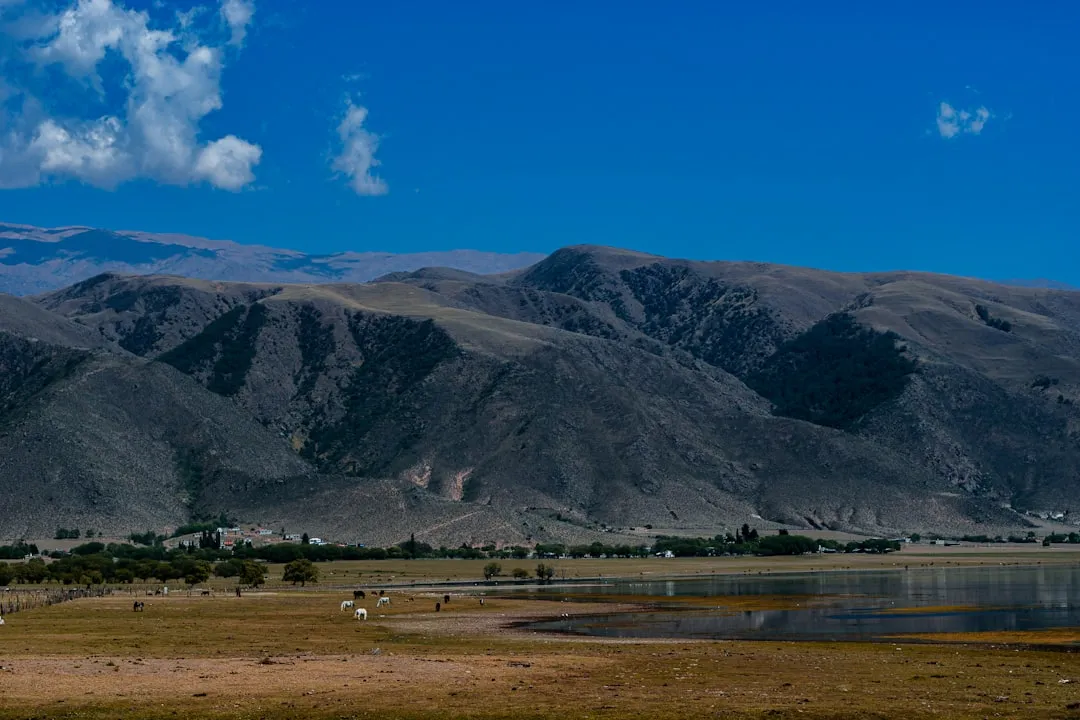
Cerro Campanario Viewpoint - A Panoramic Gem
Cerro Campanario, meaning "Bell Hill," is a prominent natural landmark located near San Carlos de Bariloche in Argentina's Patagonia region. Renowned for its breathtaking 360-degree vistas, it offers one of the most iconic and accessible panoramic views in the entire Lake District. The summit is easily reached via a short, well-maintained trail or a convenient chairlift, making it an ideal destination for visitors of all fitness levels seeking to immerse themselves in the stunning Patagonian landscape. From its elevated perch, walkers and visitors are treated to an unparalleled spectacle of shimmering lakes, rugged mountains, and verdant forests, a quintessential Patagonian panorama that captivates the soul.
- Distance: 2.0 km (round trip)
- Elevation gain: 200 m
- Duration: 1-2 hours (walking)
- Season: Spring to Autumn (October to April)
- Difficulty: Easy
- Closest City: San Carlos de Bariloche
- Access: Bus #20 from Bariloche to chairlift base, or taxi/car
Overview
Cerro Campanario stands as a testament to the raw, untamed beauty of Patagonia. Its relatively modest elevation belies the grandeur of the views it commands. The ascent, whether by foot or chairlift, is a journey into a landscape sculpted by glaciers and time. As you climb, the scenery unfolds like a meticulously crafted map, revealing the intricate tapestry of the region. The primary attraction is undoubtedly the summit viewpoint, a natural amphitheatre offering a sweeping panorama that encompasses several key geographical features.
To the north, the vast expanse of Lago Nahuel Huapi stretches out, its deep blue waters dotted with islands. To the east, the distinctive shape of the Llao Llao Peninsula, a verdant finger of land jutting into the lake, is clearly visible, along with the elegant architecture of the Llao Llao Hotel. The surrounding mountains, including the imposing peaks of the Andes range, form a dramatic backdrop, their snow-capped summits often piercing the clear Patagonian sky. The forests that carpet the lower slopes are a vibrant mix of native trees, their colours shifting with the seasons, from the deep greens of summer to the fiery hues of autumn.
The experience at Cerro Campanario is not just about the visual spectacle; it's about the feeling of being immersed in a wild, expansive environment. The crisp mountain air, the calls of native birds, and the sheer scale of the landscape combine to create a profound sense of awe and tranquility. It's a place where one can truly appreciate the power and artistry of nature, a perfect introduction to the wonders of the Patagonian Lake District.
History and Cultural Context
The history of Cerro Campanario is intrinsically linked to the exploration and development of the San Carlos de Bariloche region. For centuries, the indigenous Mapuche people inhabited these lands, utilising the natural resources of the lakes and forests. Their connection to the land, however, is not extensively documented in relation to specific landmarks like Cerro Campanario in the same way as the later European settlers.
The modern era of development in Bariloche began in the early 20th century, driven by a desire to promote tourism and exploit the region's natural beauty. The construction of the Llao Llao Hotel in the 1930s marked a significant turning point, transforming the area into a sought-after destination for affluent travellers. It was during this period that infrastructure, including roads and the chairlift to Cerro Campanario, began to take shape, making the spectacular views more accessible.
The chairlift itself, a key feature of Cerro Campanario, was installed in the 1950s. Its purpose was to provide a comfortable and efficient means for visitors to reach the summit, thereby enhancing the visitor experience and maximising the appeal of the viewpoint. The chairlift has since become an iconic part of the Cerro Campanario experience, offering a gentle ascent that allows visitors to soak in the changing scenery without strenuous effort.
Today, Cerro Campanario is a protected natural area, managed to preserve its ecological integrity while ensuring public access. It represents a successful integration of natural conservation and tourism, offering a glimpse into the region's past and its enduring appeal as a destination of extraordinary natural beauty.
Seasonal Highlights and Weather Reality
Cerro Campanario is a year-round destination, but its appeal and accessibility vary significantly with the seasons. The most popular and recommended time to visit is during the spring and autumn months, which generally correspond to the period from October to April.
Spring (October to November): This is a time of renewal in Patagonia. The snow begins to melt, and the landscape awakens from its winter slumber. Wildflowers start to bloom, adding splashes of colour to the hillsides. The weather can be variable, with crisp, sunny days interspersed with cooler, potentially rainy periods. The temperatures are generally mild, making it pleasant for walking and enjoying the views. The crowds are typically smaller than in peak summer.
Summer (December to February): This is the peak tourist season in Bariloche. The days are long and warm, with temperatures often reaching comfortable levels for outdoor activities. The lakes are ideal for water sports, and the hiking trails are at their most accessible. However, summer also brings the largest crowds, and accommodation and transport can be more expensive and require advance booking. The weather is generally stable, but Patagonian conditions can always surprise, with occasional strong winds and rain showers.
Autumn (March to April): Autumn in Patagonia is a spectacle of colour. The deciduous forests surrounding Cerro Campanario transform into a breathtaking display of reds, oranges, and yellows. The air becomes crisp and cool, and the light takes on a golden hue, making for spectacular photography. The crowds begin to thin out, offering a more serene experience. While the temperatures are cooler, the days can still be bright and clear, providing excellent viewing conditions. This is often considered the most visually stunning time to visit.
Winter (May to September): While Bariloche is a popular ski destination in winter, Cerro Campanario itself is less accessible for casual visitors. The chairlift may operate on a reduced schedule or be closed due to snow and ice. The trails can be covered in snow, requiring appropriate winter gear and experience for safe navigation. The views can be dramatic, with snow-capped peaks and a serene, hushed landscape, but the overall experience is geared towards winter sports enthusiasts rather than general sightseeing.
Weather Considerations: Regardless of the season, Patagonian weather is notoriously unpredictable. Visitors should always be prepared for rapid changes, including strong winds, sudden rain showers, and temperature fluctuations. Layering clothing is essential, and waterproof outer layers are highly recommended at any time of year.
Recommended Itinerary
Cerro Campanario Day Visit Itinerary
Early Morning (e.g., 9:00 AM - 10:00 AM): Travel to Cerro Campanario
- Depart from your accommodation in San Carlos de Bariloche.
- Take bus #20 towards Llao Llao. The journey takes approximately 20-30 minutes.
- Alternatively, take a taxi or drive your own vehicle. Parking is available at the chairlift base.
- The chairlift base is located at the foot of Cerro Campanario.
Morning (e.g., 10:00 AM - 11:30 AM): Ascent and Summit Exploration
- Purchase your chairlift ticket.
- Board the chairlift for a scenic 7-minute ride to the summit.
- Enjoy the unfolding panoramic views as you ascend.
- Upon arrival at the summit, take your time to explore the viewpoint.
- Walk around the designated viewing platforms to capture the 360-degree vistas.
- Identify key landmarks such as Lago Nahuel Huapi, Llao Llao Peninsula, and surrounding mountains.
- Visit the small café at the summit for refreshments and to further admire the scenery.
- Allow ample time for photography and quiet contemplation of the landscape.
Midday (e.g., 11:30 AM - 12:30 PM): Descent and Return Journey
- Board the chairlift for your descent back to the base.
- The descent offers a different perspective on the landscape.
- Upon reaching the base, you can either:
- - Catch bus #20 back to Bariloche.
- - Continue your exploration of the Llao Llao area if time permits.
- - Return to your accommodation.
Alternative (Hiking):
- Ascent: For those preferring to walk, the trail from the base to the summit is approximately 1 km one-way with an elevation gain of 200 m. It is a well-maintained path suitable for most fitness levels.
- Time: Allow 30-45 minutes for the ascent and 20-30 minutes for the descent.
- Experience: The hike offers a more intimate connection with the natural environment, passing through native forests.
Important Notes:
- Check the operating hours of the chairlift before your visit, as they can vary seasonally.
- The summit can be windy, so bring a jacket even on warm days.
- The café at the summit offers drinks and snacks, but it is advisable to bring water and a small snack if you plan to spend an extended period at the top.
- Consider visiting early in the morning or late in the afternoon to avoid the busiest times.
Planning and Bookings
Book Your Trip
Everything you need to plan your journey
Accommodation
Find places to stay near San Carlos de Bariloche
Flights
Search flights to San Carlos de Bariloche
Essential Preparation
Cerro Campanario is a relatively straightforward destination to plan for, primarily requiring consideration of transport and timing. San Carlos de Bariloche is the primary gateway city, offering a wide range of accommodation options from budget hostels to luxury hotels. It is advisable to book accommodation in advance, especially during the peak summer season (December to February) and the vibrant autumn foliage period (March to April).
Transport: The most common way to reach Cerro Campanario is via public bus #20, which runs regularly from the centre of Bariloche towards Llao Llao. The journey to the chairlift base takes approximately 20-30 minutes. Taxis and rental cars are also readily available. If driving, be aware that parking at the chairlift base can become limited during peak hours.
Timing: The best time to visit Cerro Campanario is during daylight hours. The chairlift typically operates from mid-morning to late afternoon. It is recommended to check the specific operating hours for the season of your visit, as these can change. Visiting earlier in the day or later in the afternoon can help avoid the largest crowds.
Logistics: While no specific permits are required for accessing the viewpoint or using the chairlift, it is wise to have some Argentine Pesos (ARS) on hand for bus fares, chairlift tickets, and any purchases at the summit café, as not all vendors may accept credit cards, especially during busy periods.
Trail Accommodation
This is a day walk requiring no overnight accommodation. Visitors typically base themselves in San Carlos de Bariloche or the nearby Llao Llao area and undertake Cerro Campanario as a half-day excursion.
Required Gear
- Comfortable walking shoes: Sturdy trainers or light hiking boots are recommended, especially if you plan to walk the trail to the summit.
- Layered clothing: Patagonia's weather is unpredictable. Bring a base layer, an insulating mid-layer (fleece or down jacket), and a waterproof and windproof outer shell.
- Sun protection: A wide-brimmed hat, sunglasses, and high-SPF sunscreen are essential, as the sun can be intense at altitude, even on cloudy days.
- Backpack: A small daypack to carry water, snacks, camera, and extra layers.
- Camera: To capture the spectacular panoramic views.
What to Bring
- Water: Carry at least 1 litre of water per person, especially if hiking.
- Snacks: Energy bars, fruit, or other light snacks to enjoy at the summit.
- Camera and spare batteries/memory card: You'll want to capture the incredible scenery.
- Binoculars (optional): For a closer look at distant peaks and the lake.
- Cash: For chairlift tickets, bus fares, and any purchases at the summit café.
- Insect repellent (seasonal): While not as prevalent as in some other regions, mosquitoes and other biting insects can be present, particularly during warmer months.
Permits
No specific permits are required to visit Cerro Campanario. Access to the viewpoint and the use of the chairlift are managed by a private operator. Visitors pay a fee for the chairlift ride, which grants them access to the summit and its facilities.
Chairlift Fees:
- Fees are typically paid in Argentine Pesos (ARS).
- Prices are subject to change and may vary based on the season. It is advisable to check the current pricing at the ticket office or the official website if available.
- As of recent information, a round-trip ticket for the chairlift is generally in the range of ARS 5,000 - 10,000, but this is an estimate and should be verified.
- Discounts may be available for children or seniors.
Hiking Access: The trail to the summit is generally open to the public without charge. However, visitors are expected to respect the natural environment and follow any posted guidelines.
Booking: Advance booking for the chairlift is generally not necessary unless you are part of a large organised group. Tickets can be purchased on arrival at the chairlift base.
Other Activities in the Area
The region surrounding Cerro Campanario offers a wealth of activities for visitors to enjoy, complementing the panoramic views from the viewpoint:
- Llao Llao Municipal Park: Explore the beautiful trails within this protected area, offering stunning lake views, diverse flora and fauna, and opportunities for birdwatching. The park is adjacent to the Llao Llao Hotel and provides a more immersive nature experience.
- Llao Llao Hotel: Even if not staying at this iconic historic hotel, a visit to its grounds is worthwhile. Admire the architecture and enjoy a drink or meal at one of its restaurants or bars, often with spectacular lake views.
- Kayaking and Paddleboarding on Lago Nahuel Huapi: Several operators offer rentals and guided tours for kayaking and paddleboarding on the pristine waters of Lago Nahuel Huapi. This provides a unique perspective of the surrounding mountains and coastline.
- Boat Tours of Lago Nahuel Huapi: Various boat excursions depart from Bariloche and nearby ports, offering tours of the lake, including visits to islands like Isla Victoria and the Arrayanes Forest.
- Hiking in the Andes: For more adventurous hikers, numerous trails exist in the wider Bariloche area, ranging from moderate day hikes to challenging multi-day treks. Popular options include hikes to Refugio Frey or Cerro Llao Llao.
- Cerro Catedral Ski Resort: During the winter months, Cerro Catedral is a premier ski destination. In summer, it offers hiking and scenic chairlift rides.
- San Carlos de Bariloche City: Explore the charming town centre, visit the Civic Centre, enjoy local chocolate shops, and sample Patagonian cuisine at its many restaurants.
Safety and Conditions
Weather Preparedness: Patagonian weather is famously unpredictable. Visitors should always be prepared for rapid changes, including strong winds, sudden rain showers, and significant temperature drops, even during summer. Layering clothing is crucial, and a waterproof and windproof outer layer is highly recommended at all times.
Trail Conditions: The trail to the summit of Cerro Campanario is generally well-maintained and easy to follow. However, after rain, sections may become slippery. If hiking, wear appropriate footwear with good grip.
Chairlift Safety: The chairlift is operated by a professional company. Always follow the instructions of the operators regarding boarding, riding, and disembarking. Ensure children are supervised at all times.
Sun Exposure: The sun's rays can be intense at altitude, especially in clear weather. Use high-SPF sunscreen, wear a hat, and sunglasses to protect yourself from sunburn and UV damage.
Hydration: Carry sufficient water, particularly if hiking, as there are no water sources along the trail. Staying hydrated is important, especially at altitude.
Emergency Contacts: In case of an emergency, the local emergency number in Argentina is 911. It is advisable to have your accommodation's contact details readily available.
Altitude: Cerro Campanario is not at a significantly high altitude, so altitude sickness is unlikely for most visitors. However, if you experience any discomfort, descend and rest.
Insect Bites: While not a major concern, mosquitoes and other biting insects can be present, especially during warmer months. Carrying a small amount of insect repellent is a good precaution.
Side Trips and Points of Interest
Summit Café: Located at the top of Cerro Campanario, this small café offers a welcome respite and the opportunity to enjoy a hot drink or snack while taking in the unparalleled views. It's a perfect spot to pause, reflect, and soak in the Patagonian atmosphere.
The Chairlift Ride: The chairlift journey itself is a point of interest. The 7-minute ride provides a unique perspective of the landscape unfolding below. The slow, steady ascent allows for excellent photo opportunities and a gradual immersion into the panoramic scenery.
The 360-Degree Viewpoint: The summit is designed with viewing platforms that allow visitors to fully appreciate the 360-degree panorama. Key points of interest visible include:
- Lago Nahuel Huapi: The vast, shimmering expanse of Argentina's second-largest lake, dotted with islands.
- Llao Llao Peninsula: A distinctive, verdant landmass extending into the lake, home to the famous Llao Llao Hotel.
- Isla Victoria: A large island in the western part of Lago Nahuel Huapi, often visible on clear days.
- Cerro Llao Llao: A neighbouring hill that forms part of the peninsula's landscape.
- Andean Peaks: The majestic, often snow-capped mountains of the Andes range forming a dramatic backdrop to the lakes and forests.
- San Carlos de Bariloche: The city itself can be seen in the distance, nestled along the southern shore of the lake.
The Hiking Trail: For those who choose to walk, the trail offers a more intimate experience with the local flora and fauna. It winds through native Patagonian forests, providing glimpses of the lake through the trees and a sense of accomplishment upon reaching the summit.
Leave No Trace
Cerro Campanario, while a popular tourist destination, is part of the fragile Patagonian ecosystem. Practising Leave No Trace principles ensures that this beautiful viewpoint remains pristine for future visitors and for the health of the local environment.
Plan Ahead and Prepare: Research the conditions and operating hours before your visit. Understand the weather patterns of Patagonia and pack accordingly to minimise the need for single-use items.
Travel and Camp on Durable Surfaces: When hiking the trail, stay on the marked path. Avoid walking on vegetation, as it can be easily damaged and takes a long time to recover. The chairlift is the designated mode of transport to the summit, minimising impact.
Dispose of Waste Properly: Pack out everything you pack in. This includes all food wrappers, fruit peels, and any other refuse. There are waste bins at the summit café, but it is always best practice to carry your rubbish with you until you can dispose of it responsibly.
Leave What You Find: Do not remove any natural items, such as rocks, plants, or flowers, from the area. Take only photographs and memories.
Minimise Campfire Impacts: Campfires are not permitted at Cerro Campanario. If you are visiting other areas in Patagonia, always use designated fire rings and ensure fires are completely extinguished.
Respect Wildlife: Observe wildlife from a distance and never feed them. Feeding animals can disrupt their natural behaviours and diets, and can make them dependent on human food.
Be Considerate of Other Visitors: Keep noise levels down, especially at the summit viewpoint, to allow everyone to enjoy the natural tranquility. Yield to others on the trail.
 Argentina