
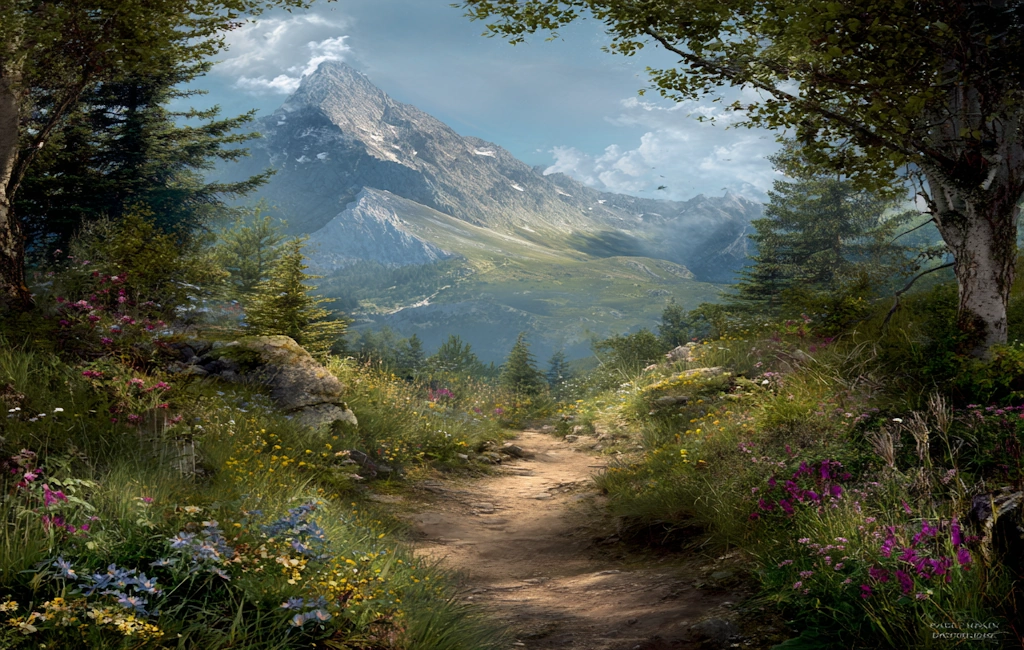
Cerro Arco Trail
The Cerro Arco Trail is a popular day hike located near Mendoza, Argentina, offering stunning panoramic views of the surrounding Andes mountains and the Mendoza River valley. This trail is known for its moderate challenge, accessible trailhead, and rewarding summit vistas, making it a favourite for both locals and tourists seeking a taste of high-altitude trekking without the commitment of an overnight expedition. The ascent takes you through arid, rocky terrain, gradually climbing towards the prominent peak of Cerro Arco, a distinctive landmark in the foothills of the Andes.
- Distance: 6.5 km one-way
- Elevation Gain: 450 m
- Duration: 3-4 hours (round trip)
- Difficulty: Moderate
- Best Time: Autumn and Spring (March-May and September-November)
- Closest City: Mendoza
- Trailhead Access: Nearest city: Mendoza. From Mendoza, take Ruta Provincial 82 west towards Cacheuta. Drive approx. 20km. Look for signs for Cerro Arco trailhead on the right. Road is paved. Parking available at trailhead. No permits required.
- Coordinates: -32.8333, -68.9167
Overview
The Cerro Arco Trail is a classic day hike that provides a significant elevation gain over a relatively short distance, culminating in breathtaking views from the summit of Cerro Arco. The trail begins at an elevation of approximately 1,500 metres and ascends to just under 2,000 metres, a gain of 450 metres. The path is predominantly rocky and uneven, with sections of loose scree, requiring sturdy footwear and a reasonable level of fitness. As you climb, the landscape transitions from sparse vegetation to more exposed, mountainous terrain. The trail is well-defined for most of its length, though it can be steep in places.
The journey to the summit is a steady climb, with switchbacks helping to moderate the gradient. Along the way, hikers are treated to increasingly expansive views of the Mendoza River, the surrounding foothills, and the distant snow-capped peaks of the Andes. The summit of Cerro Arco itself is a broad, relatively flat area offering 360-degree vistas. On a clear day, you can see as far as the Aconcagua massif, the highest peak in the Americas, and the sprawling city of Mendoza below. The descent follows the same path, offering a different perspective on the landscape you've just conquered.
This hike is particularly popular during the shoulder seasons of autumn and spring when the weather is more temperate. Summer can be very hot, making early morning or late afternoon hikes advisable, while winter can bring snow and ice, making the trail more challenging and potentially hazardous. The accessibility from Mendoza makes it an ideal option for a half-day or full-day excursion for those staying in the city.
History and Cultural Context
The region surrounding Cerro Arco has a long history of human interaction, primarily linked to the indigenous peoples who inhabited the Mendoza province for millennia. These early inhabitants, including the Huarpe people, utilized the foothills of the Andes for hunting, gathering, and as part of their seasonal movements. The mountains provided resources and served as natural boundaries and pathways.
With the arrival of Spanish colonisers in the 16th century, the area began to be integrated into the colonial economy. Mendoza became a significant centre for agriculture, particularly viticulture, and the foothills of the Andes were explored for potential resources and routes. The development of roads and infrastructure in the 19th and 20th centuries, such as Ruta Provincial 82, made areas like Cerro Arco more accessible.
Cerro Arco itself has become a popular recreational spot for residents of Mendoza. Its prominent position and accessible summit have made it a natural destination for hiking and mountaineering enthusiasts. Over time, the trail has been worn into the landscape by countless footsteps, becoming a well-trodden path. While not associated with major historical events or figures in the same way as some other Andean peaks, Cerro Arco represents a tangible connection for Mendocinos to their natural environment, a place for physical challenge, and a vantage point from which to appreciate the grandeur of the Andes.
Seasonal Highlights and Weather Reality
The Cerro Arco Trail is best enjoyed during the temperate months of autumn (March to May) and spring (September to November). During these periods, daytime temperatures are generally pleasant, ranging from 10°C to 25°C, making for comfortable hiking conditions. The vegetation, though sparse, can show subtle seasonal changes, and the light on the mountains is often spectacular.
Autumn (March-May): This is arguably the ideal season. The intense heat of summer has subsided, and the air is crisp and clear. The colours of the landscape can be muted but beautiful, and the risk of rain is lower than in spring. The summit views are typically excellent, with clear skies offering expansive panoramas.
Spring (September-November): Spring brings warmer temperatures and the possibility of wildflowers in the lower sections of the trail, though the higher altitudes remain arid. However, spring can also be a season of unpredictable weather. While sunny days are common, there is a higher chance of rain showers and thunderstorms, particularly in the afternoons. Snow can linger on the higher parts of the trail early in the season.
Summer (December-February): Hiking Cerro Arco in summer can be extremely challenging due to high temperatures. Daytime temperatures in Mendoza can easily exceed 30°C, and the exposed trail offers little shade. If attempting the hike during summer, it is crucial to start very early in the morning (before sunrise) or hike in the late afternoon/early evening. Adequate hydration and sun protection are paramount.
Winter (June-August): While not impossible, winter hiking on Cerro Arco requires caution. Temperatures can drop significantly, and frost and ice are common, especially in the early morning and late evening. Snowfall can occur, potentially covering the trail and making navigation difficult. If snow is present, crampons and an ice axe might be necessary, and the hike becomes more of an alpine challenge. The views can be stunning with snow-capped peaks, but conditions can change rapidly.
Recommended Itinerary
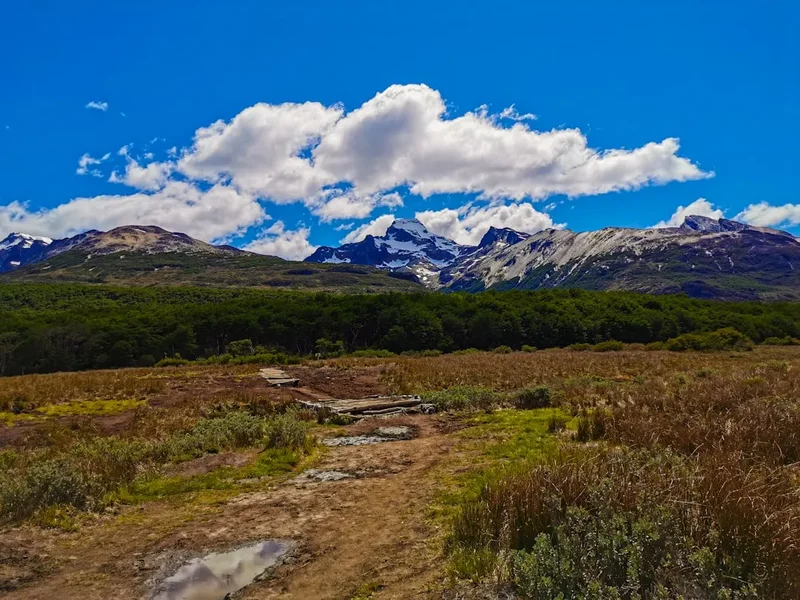
Cerro Arco Trail - Day Hike Itinerary
Early Morning (Approx. 7:00 AM): Departure from Mendoza
- Depart from Mendoza city by private vehicle or taxi.
- Drive west on Ruta Provincial 82 towards Cacheuta.
- The drive takes approximately 30-45 minutes, depending on traffic and starting point in Mendoza.
- Enjoy the initial views of the Mendoza River and the changing landscape as you gain elevation.
Morning (Approx. 8:00 AM): Arrival at Trailhead and Start of Hike
- Arrive at the designated Cerro Arco trailhead.
- Locate the parking area and prepare for the hike.
- Ensure you have water, snacks, and appropriate gear.
- Begin the ascent of the Cerro Arco Trail.
- The initial section is often a clear, rocky path with a moderate incline.
Mid-Morning (Approx. 9:00 AM - 10:30 AM): Ascending the Trail
- Continue climbing, navigating the switchbacks that lead you higher.
- The terrain becomes more rugged and exposed.
- Take short breaks to hydrate and admire the expanding views of the valley below.
- Observe the geological features of the Andean foothills.
- The trail is generally well-trodden, but loose rocks are common.
Late Morning (Approx. 10:30 AM - 11:30 AM): Reaching the Summit
- Arrive at the summit of Cerro Arco (approx. 1,980 m).
- Spend time enjoying the panoramic 360-degree views of the Andes, Mendoza River, and the city.
- Take photographs and appreciate the accomplishment.
- Rest and have a snack or packed lunch at the summit.
- Note the cairns and markers that indicate the summit area.
Midday (Approx. 11:30 AM - 12:30 PM): Descent Begins
- Begin the descent back down the same trail.
- Be mindful of your footing, as descending can be harder on the knees and more prone to slips.
- The views on the way down offer a new perspective on the landscape.
- Take care on steeper sections and loose scree.
Early Afternoon (Approx. 1:00 PM - 2:00 PM): Return to Trailhead
- Arrive back at the trailhead and parking area.
- Stretch and relax after the hike.
- Ensure you have collected all your belongings and left no trace.
Afternoon (Approx. 2:00 PM onwards): Return to Mendoza
- Begin the drive back to Mendoza city.
- Consider stopping at a local restaurant or café in Cacheuta or on the way back for a well-deserved meal.
Important Notes:
- This is a day hike; no overnight accommodation is required.
- Start early, especially during warmer months, to avoid the midday heat.
- Carry ample water (at least 2 litres per person).
- Wear sturdy hiking boots with good ankle support.
- Sun protection (hat, sunglasses, sunscreen) is essential.
- The trail can be exposed; be prepared for wind and sun.
Planning and Bookings
Book Your Trip
Everything you need to plan your journey
Accommodation
Find places to stay near Mendoza
Flights
Search flights to Mendoza
Essential Preparation
The Cerro Arco Trail is a day hike, meaning no complex booking coordination for accommodation is required. However, essential preparation focuses on logistics, fitness, and understanding the local environment. The closest city, Mendoza, serves as the primary base for accessing the trailhead. Mendoza offers a wide range of accommodation options, from budget hostels to luxury hotels, and is well-equipped with supermarkets, outdoor gear shops, and transport services. It is advisable to arrange your transport to the trailhead in advance, whether by taxi, rental car, or organised tour. Ensure your vehicle is in good condition, as the road to the trailhead is paved but can be winding.
Fitness is a key consideration. While the trail is only 6.5 km one-way, the 450-metre elevation gain over this distance makes it a moderate to strenuous hike for those unaccustomed to inclines. It is recommended to have a reasonable level of cardiovascular fitness and leg strength. If you are not acclimatised to altitude, take it easy on your first day in Mendoza and consider a shorter, flatter walk before tackling Cerro Arco.
Trail Accommodation
This is a day hike requiring no overnight accommodation.
Required Gear
- Hiking Boots: Sturdy, broken-in hiking boots with good ankle support are essential due to the rocky and uneven terrain.
- Backpack: A comfortable daypack (20-30 litres) to carry water, snacks, and extra layers.
- Clothing: Wear moisture-wicking base layers. Avoid cotton. Bring a warm mid-layer (fleece or down jacket) as temperatures can drop at higher altitudes or with wind.
- Outerwear: A windproof and water-resistant jacket is highly recommended, as weather can change quickly in the mountains.
- Headwear: A wide-brimmed hat or cap for sun protection, and a beanie for cooler conditions.
- Navigation: While the trail is generally well-marked, a map of the area or a GPS device/app on your phone is advisable. Ensure your phone is fully charged.
- First-aid kit: A basic kit including plasters, antiseptic wipes, pain relievers, and any personal medications.
- Sun protection: High SPF sunscreen, sunglasses.
What to Bring
- Water: Carry at least 2 litres of water per person. There are no water sources on the trail.
- Food: High-energy snacks such as trail mix, energy bars, fruit, and sandwiches.
- Toiletries: Hand sanitiser, tissues. Pack out all rubbish.
- Camera: To capture the spectacular views.
- Walking poles: Optional, but can be helpful for stability on ascents and descents, especially on loose scree.
- Cash: For potential stops at roadside stalls or for transport if needed.
Permits
No permits are required to hike the Cerro Arco Trail. The trailhead is located on public land, and access is generally unrestricted. This makes it a very accessible and spontaneous hiking option for visitors to Mendoza.
While no formal permits are needed, it is always good practice to inform someone of your hiking plans, including your intended route and estimated return time, especially if hiking alone. This is a standard safety precaution for any outdoor activity.
Other Activities in the Area
Mendoza and its surrounding region offer a wealth of activities beyond hiking Cerro Arco:
- Wine Tasting: Mendoza is Argentina's premier wine region, famous for its Malbec. Numerous wineries offer tours and tastings, from large estates to boutique producers.
- Aconcagua Provincial Park: For experienced mountaineers, Aconcagua is the ultimate challenge. Even if not climbing, visiting the park offers spectacular mountain scenery and shorter trekking options.
- Potrerillos Dam and Reservoir: Located on Ruta Provincial 82, this area offers water sports, fishing, and scenic views.
- Cacheuta Hot Springs: A popular spot for relaxation, with natural thermal pools.
- Mendoza City Exploration: Discover the city's plazas, museums, vibrant nightlife, and excellent restaurants.
- Horseback Riding: Explore the foothills of the Andes on horseback, a traditional way to experience the landscape.
- Rafting and Kayaking: The Mendoza River offers opportunities for adventure sports, particularly in the higher sections.
Safety and Conditions
Trail Conditions: The Cerro Arco Trail is generally well-defined but can be steep and rocky. Loose scree is common, especially on the descent, so careful footing is essential. The trail is exposed to the elements, with little shade, making sun protection and hydration critical.
Weather: Weather in the Andes can change rapidly. Always check the local forecast before you go. Be prepared for strong winds, intense sun, and sudden temperature drops, especially at higher elevations. Summer afternoons can bring thunderstorms.
Hydration and Nutrition: Carry more water than you think you will need, especially during warmer months. Dehydration is a significant risk. High-energy snacks are important to maintain stamina.
Altitude: The summit is around 1,980 metres. While not extremely high, individuals sensitive to altitude should be aware and take precautions. If you experience symptoms of altitude sickness (headache, nausea, dizziness), descend immediately.
Navigation: The trail is generally clear, but in poor visibility (fog or heavy cloud), it can be easy to stray from the path. A map, compass, or GPS device is recommended.
Wildlife: While large predators are rare in this accessible area, be aware of smaller wildlife. Snakes can be present in warmer months, so watch where you step and place your hands.
Emergency: Cell phone reception can be intermittent. It is advisable to inform someone of your hiking plans and expected return time. In case of emergency, contact local authorities or emergency services in Mendoza.
Side Trips and Points of Interest
Summit Views: The primary point of interest is the summit of Cerro Arco itself. The 360-degree panoramic views are the reward for the strenuous climb. On a clear day, you can see the vast expanse of the Andes, including distant snow-capped peaks, the winding Mendoza River, and the sprawling urban landscape of Mendoza city. It's an excellent spot for photography and reflection.
Geological Formations: As you ascend, observe the varied geological strata and rock formations characteristic of the Andean foothills. The arid environment reveals the raw beauty of the mountains' structure.
Ruta Provincial 82 Scenic Drive: The drive to the trailhead along Ruta Provincial 82 is a point of interest in itself. This scenic road winds through dramatic landscapes, offering glimpses of the Mendoza River and the foothills. Stops at viewpoints along the road can enhance the experience.
Cacheuta Area: The region around the trailhead, including Cacheuta, offers a glimpse into the local environment and is a popular spot for recreation, including the hot springs, which can be a relaxing stop before or after your hike.
Leave No Trace
The Cerro Arco Trail, like all natural environments, deserves respect. Adhering to Leave No Trace principles ensures that this beautiful area remains pristine for future visitors and for the health of the local ecosystem.
Plan Ahead and Prepare: Understand the trail conditions, weather, and your own capabilities. Pack appropriately for the conditions.
Travel and Camp on Durable Surfaces: Stick to the established trail. Avoid cutting switchbacks or walking on fragile vegetation, which can take years to recover.
Dispose of Waste Properly: Pack out everything you pack in. This includes all food scraps, wrappers, and any other litter. Use designated toilet facilities where available, or if not, bury human waste at least 10 metres away from water sources and trails, and pack out toilet paper.
Leave What You Find: Do not remove rocks, plants, or any other natural objects. Take only photographs and memories.
Minimise Campfire Impacts: Not applicable for this day hike, but a general principle for backcountry travel.
Respect Wildlife: Observe wildlife from a distance. Do not feed animals, as this can disrupt their natural behaviours and diets.
Be Considerate of Other Visitors: Keep noise levels down and yield to other hikers on the trail. Respect the experience of others.
 Argentina