
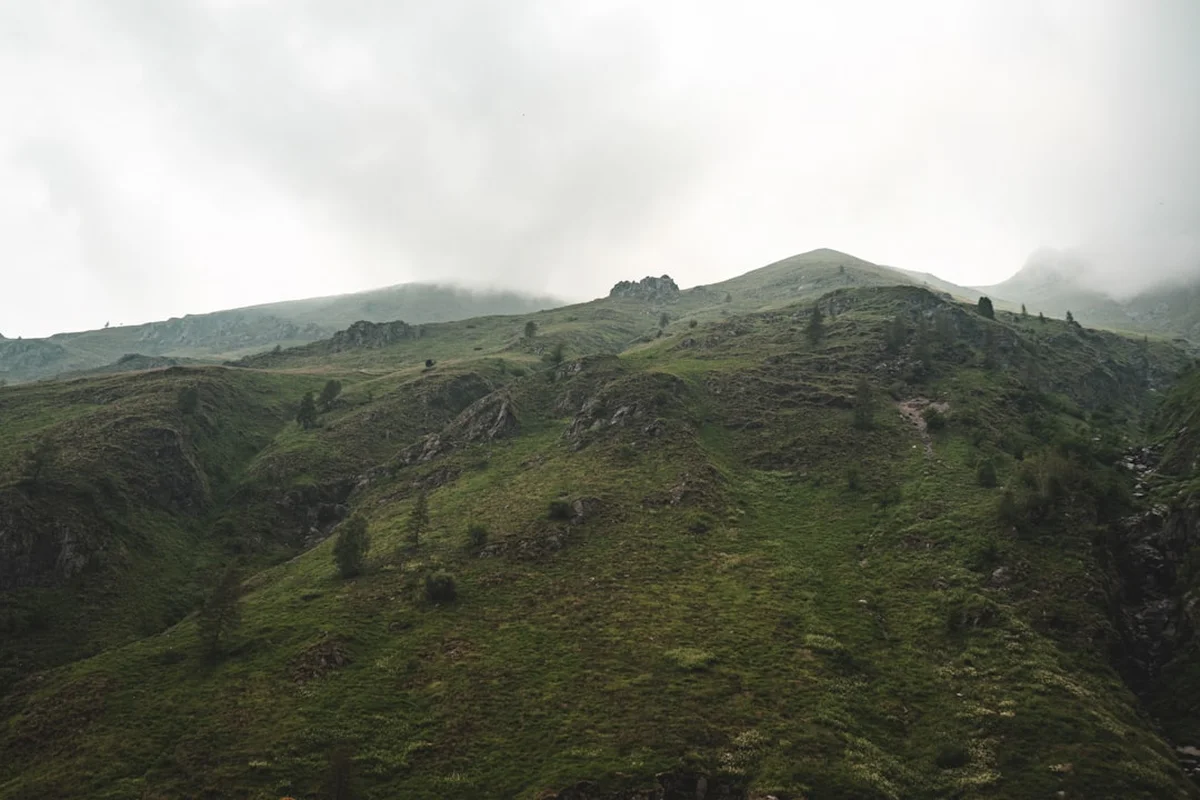
Central Circuit Rwenzori Mountains - The Mountains of the Moon
The Central Circuit in the Rwenzori Mountains is one of Africa's most demanding, rewarding, and otherworldly trekking experiences. Located on the border of Uganda and the Democratic Republic of the Congo, this 56-kilometre loop traverses the heart of the "Mountains of the Moon"—a name bestowed by the ancient Greek geographer Ptolemy, who believed these snow-capped peaks were the source of the Nile River. Unlike the volcanic peaks of Mount Kilimanjaro or Mount Kenya, the Rwenzoris are a non-volcanic range formed by the uplift of the Earth's crust, resulting in a rugged, jagged landscape of extreme verticality and profound ecological diversity. The Central Circuit is a journey through five distinct vegetation zones, from lush montane rainforests to the surreal Afro-alpine moorlands filled with giant lobelias and groundsels, culminating in the permanent glaciers of the high peaks. This is not merely a hike; it is an expedition into a prehistoric world where the weather is unpredictable, the mud is legendary, and the sense of isolation is absolute.
- Distance: 56.0 km loop
- Duration: 6–7 days
- Season: December to February and June to August (dry seasons)
- Huts: Nyabitaba, John Matte, Bujuku, Elena, Kitandara, Guy Yeoman
- Highest point: Margherita Peak (5,109 m) - optional side trip; Circuit high point: Scott-Elliot Pass (4,372 m)
- Difficulty: Very Challenging (requires high fitness and mental resilience)
- Direction: Clockwise (standard Central Circuit route)
- Access: Nyakalengija trailhead, near Kasese, Uganda
Overview
The Rwenzori Mountains National Park, a UNESCO World Heritage site, protects the highest mountain range in Africa. While Kilimanjaro is taller, the Rwenzoris offer a more complex and technically demanding environment. The Central Circuit is the traditional route through this wilderness, providing a comprehensive experience of the range's unique geography. The trek is famous for its "bogs"—vast, high-altitude wetlands where hikers must navigate over "bog boards" or leap between tussocks of grass. This moisture, combined with the equatorial sun, creates a greenhouse effect that fuels the growth of "botanical big game": giant heathers draped in usnea (old man's beard) lichen, and lobelias that grow to the size of trees.
The landscape pacing of the Central Circuit is relentless. Day 1 begins in the humid montane forest, where the sounds of Rwenzori turacos and blue monkeys fill the air. By Day 3, you enter the Heather-Rapanea zone, a misty, ethereal forest that feels like a scene from a fantasy novel. The upper reaches of the circuit, particularly around Lake Bujuku and the Scott-Elliot Pass, offer views of the range's three highest peaks: Mount Stanley, Mount Speke, and Mount Baker. These peaks remain capped with glaciers, though they are receding rapidly due to climate change, making a visit to this frozen equatorial world a time-sensitive endeavour.
Physicality on the Rwenzoris is defined by the terrain rather than just the altitude. The paths are often steep, slippery, and obscured by thick vegetation or deep mud. Hikers must be prepared for "vertical mud" climbing and long days of balancing on slippery roots. However, the reward is a level of biodiversity and landscape drama found nowhere else on Earth. The silence of the high valleys, broken only by the sound of rushing meltwater and the occasional call of a mountain bird, provides a profound sense of sanctuary. This is a trek for those who seek a genuine wilderness experience, far removed from the crowded trails of more famous African peaks.
History and Cultural Context
The Rwenzori Mountains have been shrouded in myth for millennia. Ptolemy's 2nd-century descriptions of the "Lunae Montes" (Mountains of the Moon) remained unverified by outsiders for nearly 1,700 years. It wasn't until 1888 that the explorer Henry Morton Stanley caught a glimpse of the snow-capped peaks, finally confirming their existence to the Western world. The first successful scientific expedition to map the range and summit the major peaks was led by the Duke of Abruzzi in 1906. His team, which included the legendary mountain photographer Vittorio Sella, named many of the peaks and glaciers after European royalty and explorers, names that persist today alongside the local Bakonjo names.
For the local Bakonjo people, the mountains are the home of their primary deity, Kitasamba, who resides in the high snows. The mountains are a source of life, providing the water that feeds the surrounding plains. Traditionally, the Bakonjo used the lower slopes for hunting and gathering, but the high peaks were considered sacred and largely avoided. Today, the Bakonjo are the primary guides and porters for the Rwenzori treks, and their knowledge of the terrain and weather is indispensable. Their culture is deeply intertwined with the mountains, and many of the trail's landmarks have spiritual significance. The establishment of the National Park in 1991 and its subsequent UNESCO listing in 1994 recognised both the natural and cultural importance of this unique landscape.
Want more background? Read extended notes on history and cultural context → Learn more
Seasonal Highlights and Weather Reality
The Rwenzori Mountains are notorious for their wet weather. Precipitation can occur at any time of year, and the range is often shrouded in mist and cloud. However, there are two distinct dry seasons when trekking is most feasible. The primary dry season runs from late December to February, offering the clearest skies and the best chances for summit views. The secondary dry season occurs from June to August. During these windows, the bogs are slightly more manageable, and the risk of being "rained out" is lower, though never zero.
The wet seasons (March to May and September to November) transform the trail into a series of challenging watercourses and deep mud pits. While the mountains are at their most lush and the waterfalls are at their most spectacular during these months, the technical difficulty of the trek increases significantly. High-altitude snow is common on the passes and peaks year-round, and temperatures at night frequently drop below freezing above 3,500 metres.
Weather in the Rwenzoris is highly localised. It can be sunny in the Bujuku Valley while a blizzard rages on the Elena Glacier. Hikers must be prepared for four seasons in a single day. The "Rwenzori mist" is a constant companion, creating an atmosphere of mystery but also making navigation difficult without an experienced guide. The best time to visit for photography is usually early morning, before the daily cloud cover builds up around the peaks.
Recommended Itinerary
Day 1: Nyakalengija to Nyabitaba Hut
- Distance: 8 km | Time: 4–5 hours | Elevation gain: 1,036 m
- Start at Nyakalengija (1,615 m), walk through farmland and montane forest.
- Follow Mubuku River, cross Mahoma River via suspension bridge.
- Steep climb to Nyabitaba Hut (2,651 m).
Day 2: Nyabitaba Hut to John Matte Hut
- Distance: 11 km | Time: 6–7 hours | Elevation gain: 854 m
- Descend to Kurt Shafer Bridge, enter bamboo and Heather-Rapanea zones.
- Navigate first major bogs at Nyamileju.
- Arrive at John Matte Hut (3,505 m).
Day 3: John Matte Hut to Bujuku Hut
- Distance: 7 km | Time: 5–6 hours | Elevation gain: 457 m
- Cross Bujuku River, navigate Lower and Upper Bigo Bogs with "bog boards".
- Pass Lake Bujuku, reflecting surrounding peaks.
- Arrive at Bujuku Hut (3,962 m) in a glacial cirque.
Day 4: Bujuku Hut to Elena Hut (Summit Base)
- Distance: 4 km | Time: 3–4 hours | Elevation gain: 579 m
- Steep climb through Groundsel Gully.
- Trail splits for Central Circuit or summit attempt.
- Climb steep rock slabs to Elena Hut (4,541 m).
Day 5: Elena Hut to Margherita Peak and down to Kitandara Hut
- Distance: 10 km | Time: 8–10 hours | Elevation gain: 568 m | Descent: 1,086 m
- Pre-dawn start for Margherita Peak (5,109 m).
- Traverse Elena Glacier and Stanley Plateau, technical summit climb.
- Descend to Scott-Elliot Pass (4,372 m) and then to Kitandara Hut (4,023 m).
Day 6: Kitandara Hut to Guy Yeoman Hut
- Distance: 6 km | Time: 5–6 hours | Elevation gain: 250 m | Descent: 768 m
- Climb to Freshfield Pass (4,282 m) with expansive views.
- Long descent through alpine zone into heather forest.
- Arrive at Guy Yeoman Hut (3,505 m) on Mubuku River.
Day 7: Guy Yeoman Hut to Nyakalengija
- Distance: 10 km | Time: 5–7 hours | Elevation loss: 1,890 m
- Final steep descent through bamboo and montane forest.
- Cross Mubuku River multiple times.
- Return to Nyakalengija trailhead to complete the circuit.
Important Notes:
- Itinerary can be shortened to 6 days by skipping the Margherita summit.
- Acclimatisation is crucial; do not rush the ascent.
- Gumboots are recommended for boggy sections.
- Hiring porters is highly recommended.
Planning and Bookings
Book Your Trip
Everything you need to plan your journey
Accommodation
Find places to stay near Kasese
Essential Preparation
The Central Circuit requires significant logistical coordination. Most trekkers book through one of two primary authorised operators: Rwenzori Mountaineering Services (RMS), which manages the Central Circuit huts, or Rwenzori Trekking Services (RTS), which operates the Kilembe Route but can also facilitate Central Circuit treks. It is essential to book your trek at least 2–3 months in advance, especially during the peak dry seasons. Your operator will handle park fees, hut bookings, guides, and porters.
Physical fitness is paramount. This is not a walk on a groomed trail; it involves high-stepping over roots, balancing on slippery logs, and navigating deep mud at high altitudes. Cardiovascular training and leg strength exercises are essential. You should also be comfortable with basic rock scrambling. If you plan to summit Margherita Peak, you must have basic knowledge of using crampons and ice axes, although guides will provide on-trail instruction.
The base town for the Rwenzoris is Kasese. It is accessible from Kampala or Entebbe by a 6–7 hour drive or a short domestic flight. Kasese offers several hotels and guesthouses where you can store extra luggage and have a final hot shower before heading to the trailhead at Nyakalengija.
Trail Accommodation
Accommodation on the Central Circuit consists of basic mountain huts. These are managed by Rwenzori Mountaineering Services (RMS) in partnership with the Uganda Wildlife Authority (UWA).
Hut Facilities:
- Wooden or metal structures with bunk beds and thin mattresses.
- Common dining areas (often just a separate room in the hut).
- Basic pit latrines located a short distance from the huts.
- No electricity or charging points (bring solar chargers or power banks).
- No running water inside the huts; water is collected from nearby streams by porters.
- No heating; huts can be extremely cold at night.
What Huts Don't Provide:
- Bedding or sleeping bags (you must bring your own 4-season bag).
- Pillows or towels.
- Cooking equipment for independent use (porters/cooks handle the kitchen).
- Lighting (bring a head torch).
Booking Requirements:
- Hut stays are included in the overall trek package price paid to the operator.
- Independent camping is generally not permitted along the Central Circuit to protect the fragile environment.
- Costs for a 7-day trek typically range from US$800 to US$1,200, including park fees, huts, food, and staff.
Required Gear
- Gumboots (Wellies): Non-negotiable. These are the primary footwear for the bogs. Ensure they have good tread.
- Hiking Boots: For the rocky sections and the summit attempt. Should be waterproof and well broken-in.
- Waterproof Jacket and Trousers: High-quality Gore-Tex or equivalent. It will rain, and you will get wet.
- 4-Season Sleeping Bag: Rated to at least -10°C. The huts are uninsulated.
- Technical Gear: If summiting Margherita, you need a harness, crampons, ice axe, and helmet (usually provided by the operator, but check in advance).
- Backpack: 50–65L for your main gear (carried by porters) and a 25–30L daypack for yourself.
- Dry Bags: Essential for keeping your sleeping bag and clothes dry inside your pack.
- Head Torch: With extra batteries for hut use and the summit start.
What to Bring
- Water Treatment: Purification tablets or a high-quality filter. Stream water is plentiful but must be treated.
- High-Energy Snacks: Trail mix, chocolate, energy bars, and electrolyte powder.
- Personal First Aid Kit: Include blister pads, antiseptic, rehydration salts, and any personal medications.
- Altitude Medication: Consult your doctor about Diamox (Acetazolamide).
- Sun Protection: High SPF sunscreen, lip balm with SPF, and polarised sunglasses (essential for glacier travel).
- Thermal Layers: Merino wool or synthetic base layers, a heavy down jacket, and fleece mid-layers.
- Gloves and Beanie: Waterproof outer gloves and warm inner liners.
- Toiletries: Biodegradable soap, wet wipes (for "mountain showers"), and sufficient toilet paper.
Permits
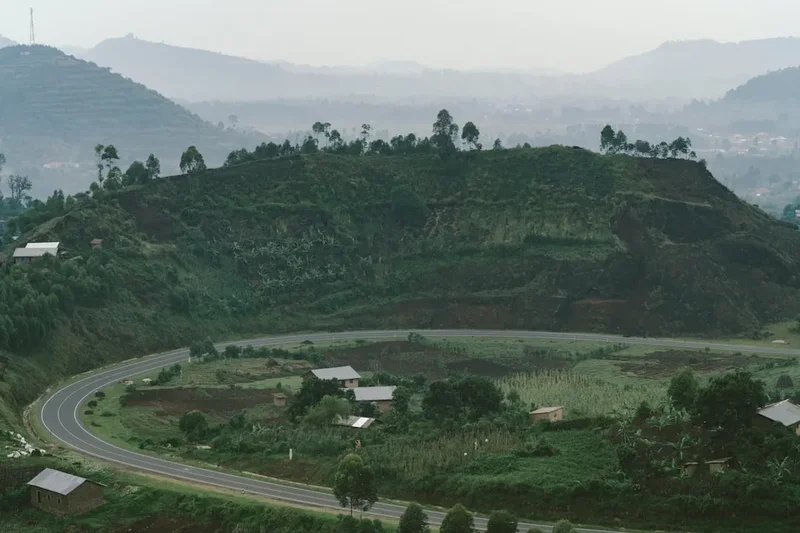
All visitors to the Rwenzori Mountains National Park must pay park entrance fees and trekking fees to the Uganda Wildlife Authority (UWA). These are almost always included in the package price provided by your trekking operator (RMS or RTS). However, it is important to understand the breakdown of these costs and the requirements for entry.
Permit and Fee Structure:
- Park Entrance Fees: Approximately US$35 per day for foreign non-residents.
- Trekking Fees: A flat fee that covers the use of the trail and the maintenance of the huts.
- Peak Fees: If you intend to summit Margherita Peak, there is an additional fee for the technical guiding and equipment.
- Rescue Fee: A mandatory contribution to the park's emergency rescue fund.
Important Documentation:
- A valid passport with at least six months' validity.
- A Ugandan tourist visa (usually obtained online as an e-visa).
- Yellow Fever vaccination certificate (mandatory for entry into Uganda).
- Proof of travel insurance that specifically covers high-altitude trekking and emergency evacuation.
Booking Strategy: Because the Central Circuit has limited hut capacity, it is vital to secure your dates early. Once your operator confirms your booking, they will pay the necessary fees to UWA on your behalf. You will receive a briefing at the Nyakalengija park headquarters on the morning of Day 1, where your permits will be verified and you will sign the park register.
Other Activities in the Area
The Rwenzori region and Western Uganda offer numerous opportunities to extend your adventure:
- Queen Elizabeth National Park: Located just an hour from Kasese, this is Uganda's most popular savannah park. Take a boat cruise on the Kazinga Channel to see hippos and elephants, or go on a game drive to spot the famous tree-climbing lions of Ishasha.
- Kibale National Park: Approximately two hours away, this park is the best place in East Africa for chimpanzee trekking. It is home to 13 species of primates.
- Ruboni Community Walk: For those who want a shorter experience, the Ruboni village at the base of the mountains offers guided walks through the foothills, providing insight into Bakonjo culture and local birdlife.
- Semuliki National Park: Visit the Sempaya Hot Springs and experience the unique lowland tropical forest that feels more like Central Africa than East Africa.
- Crater Lakes of Fort Portal: Explore the stunning landscape of volcanic crater lakes near the town of Fort Portal, perfect for hiking and photography.
Safety and Conditions
Altitude Sickness: Acute Mountain Sickness (AMS) is a significant risk on the Central Circuit, as you ascend from 1,600 m to over 4,000 m in just three days. Symptoms include headache, nausea, dizziness, and fatigue. The best prevention is a slow ascent, drinking plenty of water (4–5 litres per day), and "climbing high, sleeping low." If symptoms persist or worsen into HAPE (High Altitude Pulmonary Edema) or HACE (High Altitude Cerebral Edema), immediate descent is the only cure.
Hypothermia: The combination of wet clothes, wind, and cold temperatures makes hypothermia a constant threat. Always keep a set of dry clothes in a waterproof bag for use inside the huts. Never wear cotton; stick to wool or synthetic fabrics that retain heat when wet.
Terrain Hazards: The "vertical mud" and slippery bog boards are the most common causes of injury. Use trekking poles for balance and take your time. The descent from Freshfield Pass and the "Kichuchu" rock steps are particularly taxing on the knees and require careful foot placement.
Glacier Safety: For those summiting Margherita Peak, the glaciers have deep crevasses. You must remain roped to your guide at all times. The weather on the summit plateau can change in minutes, reducing visibility to zero. Trust your guide's decision to turn back if conditions become dangerous.
Emergency Evacuation: There is no helicopter rescue available in the Rwenzoris. In the event of a serious injury or illness, the porters will carry the patient down the mountain on a "stretcher" (often a modified ladder or chair). This is a slow and arduous process, highlighting the importance of self-care and caution.
Side Trips and Points of Interest
Margherita Peak (5,109 m): The ultimate side trip. While the Central Circuit is a loop, most fit trekkers add an extra day at Elena Hut to attempt the summit of Mount Stanley's highest peak. It involves crossing the Elena and Margherita glaciers and a final scramble up a steep rock face. Standing on the summit, you are on the border of Uganda and the DRC, with the vast Congo basin stretching out to the west.
Weismann's Peak (4,620 m): For those who want a high-altitude summit without the technical glacier travel of Margherita, Weismann's Peak on Mount Luigi di Savoia is a popular alternative. It offers incredible views of the Stanley massif and the Kitandara Lakes.
Lake Bujuku: This black-water lake sits at 3,962 m and is surrounded by the "Big Three" massifs. It is one of the most photogenic spots in the range. The walk around the lake through the giant groundsel forest is hauntingly beautiful.
The Bigo Bogs: While often cursed by hikers, the Lower and Upper Bigo Bogs are unique ecosystems. The sight of thousands of giant lobelias (Lobelia bequaertii) rising out of the mist is a highlight of the trek. The bog boards have made this section easier, but the scale of the wetland remains impressive.
Freshfield Pass: At 4,282 m, this pass offers a different perspective of the range, looking south towards the Edward Flats and the distant mountains of the Congo. It is a place of immense solitude and often the last high-altitude view before the long descent.
Leave No Trace
The Rwenzori Mountains are a fragile Afro-alpine ecosystem. The slow growth rates of plants at this altitude mean that damage can take decades to heal. As a UNESCO World Heritage site, it is the responsibility of every trekker to minimise their impact.
Leave No Trace Principles:
- Stay on the Trail: Even when it is muddy, do not walk on the vegetation. Use the bog boards and rocks. Stepping off the trail widens the path and destroys rare plants.
- Dispose of Waste Properly: All trash must be packed out. This includes "micro-trash" like candy wrappers and cigarette butts. Use the pit latrines at the huts; never leave human waste near water sources.
- Respect Wildlife: Do not feed the birds or monkeys. Observe from a distance and keep noise levels low to avoid disturbing the fauna.
- Leave What You Find: Do not collect plants, rocks, or any "souvenirs" from the park. The giant lobelias and heathers are protected.
- Minimise Fire Impact: Fires are strictly prohibited. Cooking is done on gas or kerosene stoves brought by the operators.
- Water Protection: Do not use soap or detergent directly in the streams. Carry water at least 20 metres away from the source for washing.