
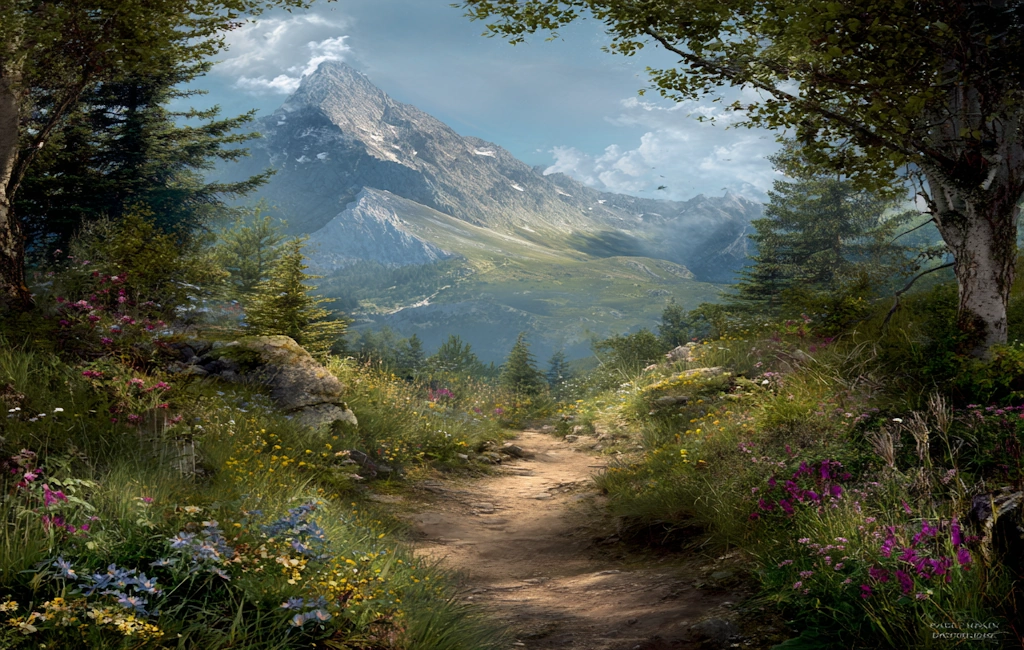
Cathedral Range Southern Circuit
The Cathedral Range Southern Circuit is a challenging day walk located in Victoria, Australia, offering spectacular views and a demanding ascent. This circuit is renowned for its rugged terrain, steep climbs, and panoramic vistas across the surrounding ranges. It's a route that tests your fitness and rewards you with a true sense of accomplishment. The park itself is a significant natural asset, known for its unique flora and fauna, and the dramatic ridgelines that give it its name.
- Distance: 11.0 km
- Elevation Gain: 650 m
- Duration: 4–6 hours
- Difficulty: Very Challenging
- Best Time: Autumn and Spring offer calmer weather. Avoid hiking after rain.
- Closest City: Taggerty
- Trailhead Access: Nearest city: Melbourne. Drive from Melbourne via Maroondah Hwy to Taggerty, then follow signs to Cathedral Range State Park. Road is sealed but can be narrow. Parking available at Ned's Gully Campground. No permits needed for day hiking.
- Coordinates: -37.3815, 145.7619
Overview
The Cathedral Range Southern Circuit is a loop that takes you to the highest points of the Cathedral Range, offering breathtaking views that stretch for kilometres on a clear day. The trail is characterised by its steep and sustained ascents, particularly as you climb towards the main ridgeline. You'll traverse rocky paths, navigate through diverse bushland, and experience the raw beauty of this significant natural area. The park is a popular destination for bushwalkers, trail runners, and nature enthusiasts, but the Southern Circuit is less frequented than some of the shorter, more accessible walks, offering a more solitary experience for those willing to tackle its rigours.
The landscape is dominated by the imposing ridgelines that give the range its name, resembling the spires of a grand cathedral. The vegetation varies from dense eucalypt forest at lower elevations to more open, heathland-like environments on the exposed ridges. The park is known for its wildflowers in spring and its vibrant autumn colours, making it a visually stunning destination throughout the year, though weather conditions can be a significant factor.
This walk is not for the faint-hearted. The significant elevation gain over a relatively short distance means you'll be working hard for much of the journey. However, the payoff is immense. The summit areas provide expansive 360-degree views, allowing you to appreciate the vastness of the Victorian high country. It's a walk that demands respect for the terrain and the weather, but one that offers a profound connection with the Australian bush.
History and Cultural Context
The Cathedral Range State Park is situated on the traditional lands of the Wurundjeri Woi Wurrung people, who have a deep and enduring connection to this country. For millennia, they have walked these lands, understanding its seasons, its resources, and its spiritual significance. The park's dramatic ridgelines and abundant natural beauty would have held particular importance within their cultural landscape.
European settlement in the region began in the mid-19th century, with land being cleared for farming and timber. The rugged terrain of the Cathedral Range, however, proved less amenable to extensive agriculture, and large areas were eventually protected. The establishment of Cathedral Range State Park in the latter half of the 20th century recognised the ecological and recreational value of this unique landscape. The park was gazetted to preserve its natural features, including its significant biodiversity and its striking geological formations.
The trails within the park, including the Southern Circuit, have evolved over time. Initially, they may have been informal tracks used by early settlers or prospectors. Over the years, these have been formalised and maintained by Parks Victoria to facilitate public access for recreation. The Southern Circuit, in particular, is a testament to the challenging nature of the terrain, requiring careful track construction and ongoing maintenance to ensure walker safety while minimising environmental impact. The park continues to be a vital natural area, offering a glimpse into the region's past and a sanctuary for its native flora and fauna.
Seasonal Highlights and Weather Reality
The Cathedral Range Southern Circuit is best enjoyed during the cooler months, specifically autumn and spring. These seasons typically offer more stable weather patterns and comfortable temperatures for strenuous hiking.
Autumn (March to May): This is arguably the prime season for the Southern Circuit. The eucalypt forests begin to display a subtle shift in colour, and the air is crisp and clear. The risk of bushfires is significantly lower than in summer, and the temperatures are ideal for the demanding ascents. However, rain can still occur, and the rocky sections of the track can become slippery.
Spring (September to November): Spring brings a burst of life to the park. Wildflowers bloom in abundance, particularly in the more open areas and along the ridgelines. The weather can be variable, with warm, sunny days interspersed with cooler, wet periods. It's essential to be prepared for all conditions, as the weather can change rapidly at higher elevations.
Summer (December to February): Summer hiking on the Southern Circuit can be extremely challenging due to high temperatures and the risk of bushfires. The exposed ridgelines can become very hot, and water sources may be scarce. If attempting the walk in summer, an early start is crucial, and carrying ample water is non-negotiable. Always check fire danger ratings before heading out.
Winter (June to August): While winter can bring frost and occasional light snow to the higher elevations, it is generally a less popular time for this specific circuit due to colder temperatures and potentially icy conditions on the track. However, if you are well-equipped and prepared for cold weather, winter can offer stunning, crisp views and a sense of solitude.
Weather Considerations: Regardless of the season, the weather in the Cathedral Range can be unpredictable. Exposed ridgelines are subject to strong winds, and rain can arrive suddenly. Always check the forecast before you go and be prepared for a range of conditions. Hiking immediately after heavy rain is not recommended, as the track can become very muddy, slippery, and potentially hazardous, especially on steep sections.
Recommended Itinerary
Cathedral Range Southern Circuit - Day Walk Itinerary
Early Morning (Approx. 7:00 AM): Departure from Melbourne
- Drive from Melbourne via Maroondah Highway towards Taggerty.
- Continue following signs for Cathedral Range State Park.
- The drive takes approximately 1.5 to 2 hours, depending on traffic.
Morning (Approx. 9:00 AM): Arrival at Ned's Gully Campground
- Park your vehicle at the designated parking area within Ned's Gully Campground.
- Ensure you have all your gear ready and conduct a final check of your water supply and navigation tools.
- Locate the trailhead for the Southern Circuit.
Morning to Midday (Approx. 9:30 AM - 12:30 PM): Ascent to the Ridges
- Begin the challenging ascent from Ned's Gully.
- The initial section involves a steep climb through dense bushland.
- Follow the marked track, paying close attention to signage.
- The gradient will increase significantly as you gain elevation.
- Key waypoints may include junctions leading towards the main ridgeline.
- Expect to gain a substantial amount of elevation during this phase.
Midday (Approx. 12:30 PM - 1:30 PM): Summit and Lunch Break
- Reach the main ridgeline of the Cathedral Range.
- Find a suitable spot to rest and enjoy your packed lunch, taking in the panoramic views.
- This is a prime location for photography, with expansive vistas across the surrounding countryside.
- Note the highest points of the circuit and the general direction of the loop.
Afternoon (Approx. 1:30 PM - 4:00 PM): Traverse and Descent
- Continue along the ridgeline, following the circuit markers.
- The terrain may involve some ups and downs as you traverse the range.
- Begin the descent back towards Ned's Gully.
- The descent can be steep and rocky, requiring careful footing.
- The track will lead you back into denser forest as you lose elevation.
Late Afternoon (Approx. 4:00 PM - 4:30 PM): Return to Trailhead
- Arrive back at the Ned's Gully Campground parking area.
- Ensure you have collected all your belongings and left the area clean.
- Begin your drive back to Melbourne.
Important Notes:
- This is a strenuous day walk; ensure you are physically prepared.
- Carry sufficient water (at least 2-3 litres per person) as there are no reliable water sources on the track.
- Wear sturdy, broken-in hiking boots with good ankle support.
- Carry a map and compass, and know how to use them, or use a reliable GPS device. Mobile reception can be intermittent.
- Inform someone of your hiking plans, including your expected return time.
- Be aware of weather conditions and check the forecast before you leave.
- Avoid hiking this track immediately after heavy rain due to slippery conditions.
Planning and Bookings
Book Your Trip
Everything you need to plan your journey
Accommodation
Find places to stay near Taggerty
Flights
Search flights to Taggerty
Essential Preparation
The Cathedral Range Southern Circuit is a demanding day walk that requires thorough preparation. Given its challenging nature and the potential for rapidly changing weather, it's crucial to be physically fit and mentally prepared. Ensure you have a good level of cardiovascular fitness and leg strength to cope with the sustained ascents and descents. Familiarise yourself with the route using maps and any available trail notes. It is highly recommended to inform a reliable contact of your hiking plans, including your intended route, departure time, and estimated return time. This is a critical safety measure in case of an emergency. The closest town with comprehensive services is Taggerty, which offers basic amenities. For more extensive options, including accommodation and specialised outdoor gear stores, you would need to travel further to towns like Marysville or Healesville. However, for a day trip, Taggerty is the most convenient point for last-minute supplies or fuel.
Trail Accommodation
This is a day hike requiring no overnight accommodation.
Required Gear
- Sturdy Hiking Boots: Waterproof and with good ankle support are essential due to the steep, rocky, and potentially slippery terrain.
- Backpack: A comfortable day pack (20-30 litres) to carry essentials.
- Navigation Tools: A detailed topographic map of the area, a compass, and a GPS device or smartphone with offline maps. Ensure you know how to use them.
- Head Torch: With fresh batteries, in case your hike extends longer than anticipated or you encounter unexpected delays.
- First-Aid Kit: Comprehensive kit including blister treatment, bandages, antiseptic wipes, pain relievers, and any personal medications.
- Sun Protection: Sunscreen (SPF 30+), sunglasses, and a wide-brimmed hat. The exposed ridgelines offer little shade.
- Insect Repellent: Particularly important during warmer months to ward off flies and other biting insects.
- Emergency Shelter: A lightweight emergency blanket or bivvy bag can be a lifesaver in unexpected situations.
What to Bring
- Food: High-energy snacks and a substantial packed lunch. Given the duration and difficulty, you'll need plenty of fuel. Consider items like trail mix, energy bars, sandwiches, and fruit.
- Water: Carry a minimum of 2-3 litres of water per person. There are no reliable water sources on the circuit, and dehydration is a significant risk, especially during warmer months or strenuous climbs. Water bottles or a hydration reservoir are recommended.
- Clothing: Wear moisture-wicking base layers, an insulating mid-layer (fleece or down jacket), and a waterproof and windproof outer shell. Layers are crucial as temperatures can fluctuate significantly. Avoid cotton clothing, as it retains moisture and can lead to hypothermia.
- Spare Clothing: A dry set of socks and a warm layer are advisable in case of unexpected weather changes or getting wet.
- Trekking Poles: Highly recommended for both the ascent and descent, as they can significantly reduce strain on your knees and improve stability on uneven terrain.
- Mobile Phone: Fully charged, with a power bank if possible. Note that mobile reception can be intermittent within the park.
- Small Trowel and Toilet Paper: For emergency toilet needs, ensuring you practice 'Leave No Trace' principles.
Permits
No specific permits are required for day hiking on the Cathedral Range Southern Circuit. Cathedral Range State Park is managed by Parks Victoria, and access for recreational purposes is generally free. However, it is always advisable to check the official Parks Victoria website for any temporary closures, fire bans, or specific regulations that may be in place before your visit. These can change due to weather conditions, fire danger, or park maintenance.
Important Considerations:
- Fire Danger: Cathedral Range State Park is a high fire-risk area. Always check the Country Fire Authority (CFA) website for the fire danger rating on the day of your planned hike. On days of extreme fire danger, the park may be closed to the public. Never light a campfire outside of designated fireplaces, and ensure any fires are completely extinguished.
- Park Closures: Parks Victoria may close sections of the park or the entire park due to severe weather events (e.g., heavy rain, strong winds, bushfires), track maintenance, or other safety concerns. It is your responsibility to check for any alerts or closures before you depart.
- Vehicle Access: While the main roads leading to the park are generally sealed, some internal park roads, including the access road to Ned's Gully Campground, can be unsealed and may be rough. A standard passenger vehicle is usually sufficient, but caution is advised, especially after rain.
Other Activities in the Area
While the Southern Circuit is a significant undertaking, the Cathedral Range State Park and its surrounding region offer a variety of other activities for those looking to extend their visit or explore different facets of the area:
- Short Walks: The park features several shorter, less strenuous walks that are ideal for families or those seeking a more relaxed experience. These include the Rainforest Walk and the short loop to the top of the range via the Sugarloaf Car Park.
- Picnicking: Designated picnic areas are available within the park, such as at Ned's Gully Campground and Sugarloaf Car Park, offering pleasant spots to relax and enjoy the natural surroundings.
- Nature Observation: The park is home to a diverse range of flora and fauna. Keep an eye out for native birds, kangaroos, wallabies, and a variety of wildflowers, particularly in spring.
- Photography: The dramatic ridgelines, diverse vegetation, and expansive views provide ample opportunities for photographers. Sunrise and sunset can offer particularly stunning light conditions.
- Trail Running: While the Southern Circuit is extremely challenging for running, other sections of the park may be suitable for experienced trail runners.
- Exploring Nearby Towns: The nearby towns of Taggerty, Marysville, and Healesville offer charming country experiences. Marysville, in particular, has undergone significant redevelopment after bushfires and offers cafes, shops, and recreational facilities. Healesville is known for its wineries and the Healesville Sanctuary.
- Scenic Drives: The Maroondah Highway and surrounding country roads offer pleasant scenic drives through rolling hills and agricultural landscapes.
Safety and Conditions
Pre-Departure Checks:
- Weather Forecast: Always check the Bureau of Meteorology (BOM) forecast for the Cathedral Range area before you leave home. Pay close attention to temperature, wind speed, and rainfall predictions. Be aware that mountain weather can change rapidly and can be significantly different from forecasts for lower-lying areas.
- Fire Danger: Check the Country Fire Authority (CFA) website for the fire danger rating. On days of 'Code Red' or 'Extreme' fire danger, the park will likely be closed. Do not hike on these days.
- Park Alerts: Visit the Parks Victoria website for any current alerts, track closures, or warnings related to Cathedral Range State Park.
- Inform Someone: Leave your detailed itinerary with a reliable friend or family member, including your planned route, expected start and finish times, and when to raise the alarm if you don't check in.
Trail Hazards:
- Steep and Uneven Terrain: The Southern Circuit involves significant elevation gain and loss over rocky, uneven, and often loose surfaces. This increases the risk of slips, trips, and falls.
- Slippery Conditions: After rain, the track can become very muddy and slippery, especially on the steep ascents and descents. This significantly increases the difficulty and risk of injury. Avoid hiking immediately after heavy rainfall.
- Exposure: The ridgeline sections are exposed to the elements. You can experience strong winds, intense sun, and rapid temperature drops.
- Navigation: While the track is generally marked, it is essential to have reliable navigation tools and know how to use them. Mobile phone reception can be unreliable within the park.
- Dehydration and Heatstroke: There are no reliable water sources on the circuit. Carrying sufficient water is critical, especially during warmer months.
- Hypothermia: Even on a warm day, conditions can change quickly, and getting wet can lead to hypothermia. Always carry adequate warm and waterproof layers.
- Wildlife: While generally not aggressive, be aware of native wildlife. Snakes can be present during warmer months.
Emergency Procedures:
- In case of an emergency, call Triple Zero (000).
- Provide your exact location, the nature of the emergency, and the number of people involved.
- If possible, stay put and conserve energy.
- If you have a Personal Locator Beacon (PLB) or satellite phone, use it if you have no mobile reception.
Side Trips and Points of Interest
While the Cathedral Range Southern Circuit is a substantial walk in itself, there are several points of interest and potential short detours that enhance the experience:
Ned's Gully Campground: The starting and ending point for the Southern Circuit. This campground offers basic facilities and is a good place to acclimatise before or recover after your hike. The surrounding bushland provides a pleasant introduction to the park's environment.
Sugarloaf Car Park and Lookout: Although not directly on the Southern Circuit, the Sugarloaf Car Park is a popular access point to the higher parts of the range. A short, steep walk from here leads to a lookout with excellent views. If you have extra time or are looking for a shorter walk, this is a good option. It offers a different perspective on the ridgelines.
Rainforest Walk: Located near the Ned's Gully Campground, this short, easy loop track takes you through a beautiful temperate rainforest environment. It's a stark contrast to the exposed ridgelines of the Southern Circuit and offers a chance to appreciate the park's diverse ecosystems.
The Ridges Themselves: The primary "point of interest" on the Southern Circuit is the dramatic ridgeline itself. As you ascend, the vegetation changes, and the views open up. The highest points of the circuit offer expansive panoramas that are the main reward for the strenuous climb. Take time to appreciate the geological formations and the vastness of the landscape.
Wildflowers (Spring): If hiking during spring, the open areas and heathland sections of the ridgeline can be adorned with a variety of native wildflowers. These add vibrant splashes of colour to the landscape and are a delight for nature lovers and photographers.
Autumn Colours: While not as dramatic as deciduous forests, the eucalypts and other native vegetation can display subtle shifts in colour during autumn, offering a different aesthetic appeal to the landscape.
Leave No Trace
The Cathedral Range State Park is a precious natural environment, and it is vital that all visitors adhere to Leave No Trace principles to minimise their impact and preserve its beauty for future generations. The Southern Circuit, due to its challenging nature and popularity, is particularly susceptible to the effects of overuse if not managed responsibly.
Your responsibility as a walker:
- Pack It In, Pack It Out: This is the golden rule. Carry out all your rubbish, including food scraps, wrappers, and any other waste you generate. Do not bury or burn rubbish.
- Stay on the Track: Stick to the marked trail at all times. Walking off-track can cause erosion, damage fragile vegetation, and disturb wildlife habitats. The steep slopes of the Cathedral Range are particularly vulnerable to erosion.
- Dispose of Waste Properly: Use designated toilets where available. If you must go in the bush, dig a cathole at least 100 metres away from water sources, trails, and campsites. Pack out all toilet paper and hygiene products.
- Leave What You Find: Do not take rocks, plants, flowers, or any other natural objects from the park. Leave them for others to enjoy and for the ecosystem to thrive.
- Minimise Campfire Impacts: Campfires are generally not permitted on day walks, and if you are camping, use designated fire rings and keep fires small. Ensure fires are completely extinguished before leaving. (Note: This is a day walk, so campfire impact is less of a concern unless camping is permitted in specific areas).
- Respect Wildlife: Observe wildlife from a distance. Never feed animals, as this can disrupt their natural behaviours and diets, and can make them dependent on humans or aggressive.
- Be Considerate of Other Visitors: Keep noise levels down, especially in natural settings. Yield to other walkers on narrow sections of the track.
By following these principles, you help ensure that the Cathedral Range Southern Circuit remains a wild and beautiful place for everyone to enjoy.
 Australia