
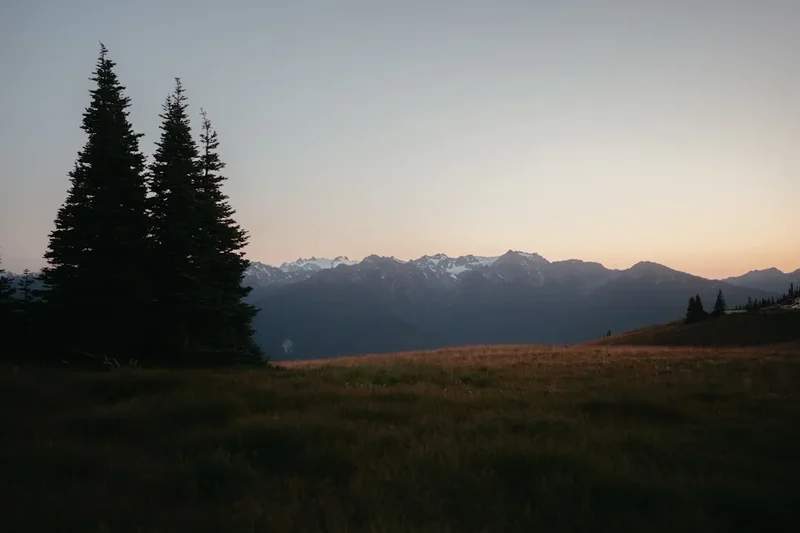
Cathedral Lakes Trail
The Cathedral Lakes Trail is a quintessential alpine day hike located in the heart of the Sierra Nevada, offering breathtaking views of granite peaks, pristine alpine lakes, and the rugged beauty of the high country. This trail is a popular choice for hikers seeking a challenging yet rewarding experience, with its stunning scenery and accessible trailhead. The journey takes you through diverse landscapes, from subalpine forests to exposed granite slopes, culminating in the serene beauty of the Cathedral Lakes basin.
- Distance: 18.5 km return
- Elevation Gain: 670 m
- Duration: 6-8 hours
- Difficulty: Moderate
- Best Time: July to September, when the trails are clear of snow
- Closest City: Yosemite Valley, California
- Trailhead Access: Nearest airport: Fresno Yosemite Int'l (FAT). Drive ~3 hours to Yosemite Valley, then take the Tuolumne Meadows Shuttle to the Cathedral Lakes Trailhead (shuttle availability is seasonal). Limited parking available at the trailhead. Road conditions vary, check before travel. No permits required for day hiking. GPS: 37.8511, -119.3611
- Coordinates: 37.8511, -119.3611
Overview
The Cathedral Lakes Trail is a moderately challenging day hike that ascends into the high alpine environment of the Ansel Adams Wilderness, just outside Yosemite National Park's eastern boundary. The trail begins near Tuolumne Meadows, a vast subalpine meadow known for its stunning granite domes and expansive vistas. From the trailhead, the path immediately begins a steady climb, winding through lodgepole pine and fir forests. As you gain elevation, the trees begin to thin, offering tantalising glimpses of the surrounding granite peaks, including the iconic Cathedral Peak itself.
The trail is well-maintained but can be steep in sections, requiring a reasonable level of fitness. The ascent is gradual enough to allow for acclimatisation to the altitude, which can reach over 3,000 metres. Along the way, you'll pass through areas of exposed granite, offering a true sense of the high Sierra landscape. The air is crisp and clean, and the scent of pine needles fills the air. Wildlife sightings are common, including marmots, deer, and various bird species. Keep an eye out for the majestic Steller's jay, with its vibrant blue plumage.
The reward for your efforts comes as you approach the Cathedral Lakes. The Lower Cathedral Lake is the first to appear, a beautiful expanse of clear blue water reflecting the surrounding granite spires. A short distance further, the Upper Cathedral Lake offers an even more dramatic setting, nestled in a cirque beneath the imposing face of Cathedral Peak. These lakes are a popular spot for picnicking, photography, and simply soaking in the magnificent scenery. The entire area feels like a natural cathedral, hence its evocative name. The return journey follows the same path, offering a different perspective on the landscape as you descend.
History and Cultural Context
The area surrounding Cathedral Lakes has a rich history, deeply intertwined with the indigenous peoples of the Sierra Nevada, particularly the Miwok and Paiute tribes, who utilized these high-altitude regions for hunting and gathering for thousands of years. The granite peaks and pristine lakes held spiritual significance for these communities, forming an integral part of their ancestral lands.
In the mid-19th century, the California Gold Rush brought increased human activity to the Sierra Nevada. While the immediate area of Cathedral Lakes was not a primary gold mining region, the expansion of trails and exploration into the high country was a direct consequence of this era. Prospectors and adventurers began to chart routes through the mountains, laying the groundwork for future recreational use.
The late 19th and early 20th centuries saw the rise of mountaineering and wilderness appreciation. Figures like John Muir, the famed naturalist and founder of the Sierra Club, championed the preservation of these wild places. Muir's writings often described the awe-inspiring beauty of the high Sierra, including areas similar to Cathedral Lakes, inspiring generations to explore and protect these landscapes. The establishment of Yosemite National Park in 1890, and later the surrounding wilderness areas, was crucial in safeguarding these natural wonders.
The specific naming of "Cathedral Lakes" and "Cathedral Peak" is attributed to the early geological surveys and exploration of the region. The dramatic, spire-like formation of Cathedral Peak, rising majestically above the lakes, undoubtedly inspired the name, evoking a sense of natural grandeur and reverence. The trail itself evolved from old game trails and early exploration routes, eventually becoming a designated hiking path as recreational use of the high country grew. Today, the Cathedral Lakes Trail is part of the Ansel Adams Wilderness, managed by the U.S. Forest Service, ensuring its preservation for future generations to experience its profound beauty.
Seasonal Highlights and Weather Reality
The prime season for hiking the Cathedral Lakes Trail is from July through September. During these months, the snow typically melts from the trail, making it accessible and safe for hikers. The weather is generally stable, with warm, sunny days and cool nights. Wildflowers are often in bloom during July and August, adding vibrant colours to the alpine meadows.
Summer (July-September): This is the most popular time to visit. Expect daytime temperatures to range from 15°C to 25°C, with nighttime temperatures dropping to near freezing at higher elevations. Afternoon thunderstorms are common, so starting your hike early in the morning is highly recommended. The lakes are usually clear and inviting, though the water remains very cold.
Late Spring (June): While some early hikers may attempt the trail in June, it is often still covered in significant snow, especially at higher elevations. Snow travel skills and equipment (like microspikes or snowshoes) may be necessary. Conditions can be highly variable, and avalanche risk can still be present in shaded areas.
Autumn (October): The early part of October can still offer excellent hiking conditions, with fewer crowds and crisp, clear air. The autumn colours, though subtle in the high Sierra, can add a unique beauty to the landscape. However, snow can begin to fall as early as mid-October, so checking weather forecasts and trail conditions is crucial. The Tuolumne Meadows road may close due to snow, impacting trailhead access.
Winter (November-May): The Cathedral Lakes Trail is inaccessible during winter due to heavy snowfall. The Tioga Pass Road (which provides access to Tuolumne Meadows) is typically closed from November through May or June. This period is for experienced winter mountaineers only, requiring advanced navigation and snow travel skills.
Weather Considerations: The high Sierra weather is notoriously unpredictable. Even during the summer months, conditions can change rapidly. Be prepared for sun, wind, rain, and even snow. Afternoon thunderstorms can develop quickly, bringing lightning and heavy downpours. Always check the weather forecast before you go and be prepared to turn back if conditions deteriorate.
Recommended Itinerary
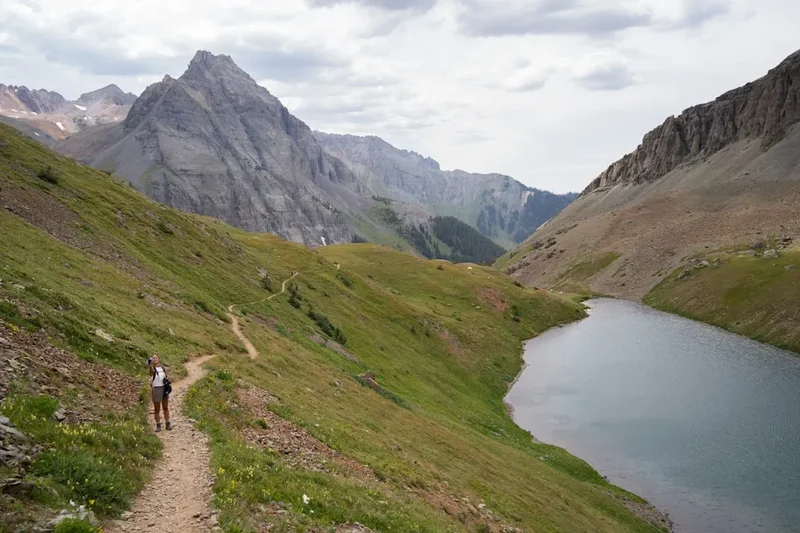
Cathedral Lakes Day Hike Itinerary
Early Morning (6:00 AM - 7:00 AM):
- Depart from your accommodation in or near Yosemite Valley or Lee Vining.
- Drive to the Tuolumne Meadows area. If coming from Yosemite Valley, this drive takes approximately 1.5 to 2 hours via Tioga Pass Road (Hwy 120).
- If using the Tuolumne Meadows Shuttle, confirm its operating schedule and stops.
- Arrive at the Cathedral Lakes Trailhead, located off Tioga Pass Road. Limited parking is available, so arriving early is advised, especially during peak season.
- Final gear check and preparation. Ensure you have ample water, snacks, and sun protection.
Morning (7:00 AM - 11:00 AM):
- Begin the hike from the trailhead (elevation approximately 2,600 metres).
- The initial section of the trail is a steady, moderate climb through a forest of lodgepole pine and fir.
- Gain approximately 300 metres in elevation over the first 4-5 kilometres.
- The trail is well-defined and marked.
- Enjoy the scent of pine and the increasing sense of solitude as you move away from the road.
- Keep an eye out for early morning wildlife.
Midday (11:00 AM - 1:00 PM):
- Reach the junction for Lower and Upper Cathedral Lakes. The trail to Lower Cathedral Lake is a short spur.
- Continue towards Upper Cathedral Lake, which is the primary destination for most hikers.
- The terrain becomes more open and rocky as you approach the lakes.
- Arrive at Lower Cathedral Lake (elevation approximately 2,940 metres). Take a moment to appreciate the views and the reflection of Cathedral Peak.
- Continue the short, steeper climb to Upper Cathedral Lake (elevation approximately 3,000 metres).
- Find a scenic spot for lunch and to rest, taking in the panoramic views of Cathedral Peak and the surrounding granite landscape.
Afternoon (1:00 PM - 4:00 PM):
- Explore the area around Upper Cathedral Lake. You can walk along the shoreline or find a comfortable rock to relax on.
- Begin your descent back towards the trailhead. The descent can be hard on the knees, so take your time and use trekking poles if you have them.
- The return journey offers different light and perspectives on the landscape.
- Be mindful of afternoon thunderstorms; if dark clouds gather, descend quickly.
Late Afternoon (4:00 PM - 6:00 PM):
- Complete the hike, returning to the trailhead.
- Drive back to your accommodation.
- Consider stopping at a viewpoint along Tioga Pass Road for sunset photos.
Important Notes:
- This is a strenuous day hike due to the elevation gain and altitude.
- Carry at least 3-4 litres of water per person, or a reliable water filter/purifier.
- Pack high-energy snacks and a substantial lunch.
- Sun protection (hat, sunglasses, sunscreen) is essential.
- Layered clothing is recommended, as temperatures can fluctuate significantly.
- Trekking poles can be very helpful for both the ascent and descent.
- Be aware of altitude sickness symptoms. If you feel unwell, descend immediately.
Planning and Bookings
Book Your Trip
Everything you need to plan your journey
Accommodation
Find places to stay near Yosemite Valley, California
Flights
Search flights to Yosemite Valley, California
Essential Preparation
The Cathedral Lakes Trail is located in the Ansel Adams Wilderness, adjacent to Yosemite National Park. Access is primarily via Tioga Pass Road (State Route 120), which is a seasonal road, typically open from late May or June through October or November, depending on snow conditions. It is crucial to check the road status before planning your trip. The nearest major airport is Fresno Yosemite International Airport (FAT), approximately a 3-hour drive from Yosemite Valley, which then leads to the Tioga Pass Road. Alternatively, Mammoth Yosemite Airport (MMH) is closer to the eastern entrance of Yosemite, but flight availability can be limited. If flying into a larger hub like San Francisco (SFO) or Los Angeles (LAX), expect a longer drive (5-6 hours).
Accommodation options are varied. Inside Yosemite National Park, options include Yosemite Valley Lodge, The Ahwahnee, and various campgrounds. Outside the park, towns like Lee Vining (east of Tioga Pass) and Mammoth Lakes offer hotels, motels, and vacation rentals. Tuolumne Meadows itself has limited lodging and camping facilities, often requiring advance reservations.
Given the trail's altitude (trailhead at ~2,600m, lakes at ~3,000m), acclimatisation is key. If possible, spend a night at a similar elevation before undertaking the hike. This could involve staying in Lee Vining or Mammoth Lakes, or camping in Tuolumne Meadows. Be aware of the symptoms of altitude sickness, which can include headache, nausea, dizziness, and fatigue. If symptoms arise, descend to a lower elevation.
Trail Accommodation
This is a day hike requiring no overnight accommodation. Hikers typically start from the trailhead near Tuolumne Meadows and complete the hike within a single day, returning to their base accommodation or continuing their journey.
Required Gear
- Sturdy hiking boots: Waterproof and broken-in, providing good ankle support for uneven terrain.
- Backpack: A daypack (20-35 litres) is sufficient to carry essentials. Ensure it has a comfortable harness and hip belt.
- Navigation tools: A physical map of the Ansel Adams Wilderness and a compass are essential. A GPS device or smartphone with downloaded offline maps is also highly recommended.
- Headlamp or flashlight: With extra batteries, in case your hike extends beyond daylight hours.
- Sun protection: Wide-brimmed hat, sunglasses with UV protection, and high SPF sunscreen. The sun at high altitudes is intense.
- First-aid kit: Including blister treatment, pain relievers, antiseptic wipes, bandages, and any personal medications.
- Insect repellent: Especially important during summer months to ward off mosquitoes and biting flies.
- Water filter or purification tablets: While water sources are available, treating water is always recommended.
- Trekking poles: Highly recommended for stability on ascents and descents, and to reduce strain on knees.
What to Bring
- Food: High-energy snacks (nuts, dried fruit, energy bars) and a substantial lunch. Pack more than you think you'll need in case of delays.
- Water: Carry at least 3-4 litres of water per person. Refill opportunities exist, but a filter or purification method is essential.
- Clothing layers:
- Moisture-wicking base layer (synthetic or merino wool)
- Insulating mid-layer (fleece or down jacket)
- Waterproof and windproof outer shell jacket
- Hiking trousers or shorts (quick-drying material)
- Extra warm layer (e.g., beanie, gloves) for higher elevations or unexpected weather changes.
- Toiletries: Biodegradable toilet paper, hand sanitiser, and a trowel for burying human waste if away from designated facilities (though this is a day hike, it's good practice).
- Emergency shelter: A lightweight emergency blanket or bivy sack.
- Camera: To capture the stunning scenery.
- Identification and emergency contact information.
Permits
For day hiking on the Cathedral Lakes Trail within the Ansel Adams Wilderness, a wilderness permit is required for entry. These permits are managed by the Inyo National Forest. While the trail is popular, it is not subject to the same stringent lottery system as some Yosemite National Park trails. However, it is essential to obtain a permit to ensure legal access.
Permit Acquisition:
- Online Reservations: The majority of permits for day use are available for reservation online through Recreation.gov. It is highly recommended to book your permit in advance, especially if you plan to hike during peak season (July-September) or on weekends.
- Walk-up Permits: A limited number of walk-up permits may be available at the Wilderness Permit Station in Mammoth Lakes or at the Wilderness centre in Lee Vining. These are issued on a first-come, first-served basis and are not guaranteed.
- Permit Details: When obtaining your permit, you will need to specify your entry trailhead (Cathedral Lakes Trailhead), your intended entry date, and the number of people in your group. You will also need to indicate your exit trailhead.
Important Considerations:
- Quota System: While Cathedral Lakes is popular, it may not have the same strict daily quota as some of Yosemite's most sought-after hikes. However, quotas do exist to manage visitor numbers and protect the wilderness.
- Self-Issuance: For walk-up permits, you will typically fill out the permit yourself at a designated station and leave a copy in the provided box.
- Displaying Permits: Ensure your permit is readily accessible during your hike, as rangers may check for compliance.
- No Fee for Day Use: Typically, there is no fee for a day-use wilderness permit for this trail, though a reservation fee may apply if booking online in advance.
- Yosemite National Park Entry Fee: Note that if you are entering Yosemite National Park to access Tioga Pass Road, you will also need to pay the park entrance fee, unless you have a valid park pass.
Always check the official Inyo National Forest website or Recreation.gov for the most up-to-date information on permit requirements, quotas, and reservation procedures.
Other Activities in the Area
The region surrounding the Cathedral Lakes Trail offers a wealth of activities for outdoor enthusiasts:
- Hiking in Tuolumne Meadows: Explore the vast subalpine meadows with numerous other trails, such as Lembert Dome, Gaylor Lakes, and Lyell Canyon.
- Climbing Cathedral Peak: For experienced climbers, Cathedral Peak offers challenging routes with spectacular summit views. This requires significant technical climbing skills and appropriate gear.
- Exploring Mono Lake: A short drive east of Tioga Pass, Mono Lake is a unique saline lake famous for its tufa towers and diverse birdlife.
- Visiting Bodie State Historic Park: A well-preserved ghost town from the Gold Rush era, located a scenic drive from Lee Vining.
- Scenic Drives: Tioga Pass Road itself is a stunning scenic drive, offering numerous pull-offs with panoramic views of the Sierra Nevada.
- Photography: The entire area is a photographer's paradise, with dramatic granite formations, alpine lakes, and expansive vistas. Sunrise and sunset at Cathedral Lakes or other viewpoints can be particularly spectacular.
- Stargazing: Due to its remote location and high altitude, the night skies in the Ansel Adams Wilderness are incredibly clear, offering exceptional stargazing opportunities.
Safety and Conditions
Altitude Sickness: The Cathedral Lakes Trail reaches an elevation of approximately 3,000 metres. Altitude sickness can affect anyone, regardless of fitness level. Symptoms include headache, nausea, dizziness, and fatigue. To mitigate risk:
- Acclimatise by spending at least one night at a higher elevation before hiking.
- Stay well-hydrated by drinking plenty of water.
- Avoid alcohol and strenuous activity on your first day at altitude.
- If symptoms develop, descend immediately to a lower elevation.
Weather: Sierra Nevada weather can change rapidly. Be prepared for:
- Afternoon Thunderstorms: These are common during summer and can bring lightning, heavy rain, and hail. Start your hike early to avoid the worst of the afternoon storms. If you hear thunder or see lightning, descend immediately and seek shelter away from exposed ridges and tall trees.
- Temperature Fluctuations: Even on warm summer days, temperatures at higher elevations can drop significantly, especially after sunset or during storms. Carry layers of clothing.
- Wind: Exposed sections of the trail can be very windy.
Trail Conditions:
- Snow: Snow can linger on the trail well into July, especially in shaded areas. Check recent trail reports before your hike. If snow is present, assess conditions carefully and be prepared with appropriate footwear and potentially traction devices (microspikes).
- Uneven Terrain: The trail is rocky and uneven in many sections. Wear sturdy hiking boots and watch your footing.
- Water Crossings: While generally not a major issue on this trail, small streams may need to be crossed. Be prepared for wet feet if necessary.
Wildlife:
- Bears: Black bears are present in the area. Store food properly in bear-resistant containers or use bear lockers if camping. Never feed bears.
- Insects: Mosquitoes and biting flies can be prevalent, especially in early to mid-summer. Use insect repellent and consider wearing long sleeves and trousers.
- Other Wildlife: You may encounter marmots, deer, and various bird species. Observe wildlife from a distance and do not disturb them.
General Safety:
- Inform someone of your plans: Let a friend or family member know your hiking route, expected return time, and when to expect you back.
- Carry a map and compass/GPS: Do not rely solely on mobile phone navigation, as service is unreliable.
- Stay on the trail: Venturing off-trail can lead to getting lost and can damage fragile alpine vegetation.
- Pack out what you pack in: Leave no trace of your visit.
- Emergency Contact: Inyo National Forest Dispatch: (760) 873-2497. For immediate life-threatening emergencies, call 911.
Side Trips and Points of Interest
Cathedral Peak: While the trail leads to the lakes, the imposing granite massif of Cathedral Peak itself is a major point of interest. Its distinctive shape dominates the skyline above the lakes. For experienced climbers, ascending Cathedral Peak offers an unforgettable challenge and unparalleled views. The standard route is a technical climb requiring significant mountaineering experience and equipment.
Lower Cathedral Lake: The first of the two lakes encountered on the trail. It's a beautiful, serene spot that offers excellent reflections of Cathedral Peak on calm mornings. It's a great place to pause, take photos, and enjoy the initial grandeur of the basin before continuing to the upper lake.
Upper Cathedral Lake: This is the main destination for most hikers. Nestled in a dramatic cirque, it provides a more intimate and awe-inspiring setting. The sheer granite walls rise steeply from the lake's edge, creating a truly majestic amphitheatre. It's an ideal spot for a picnic lunch and to simply sit and absorb the immense scale and beauty of the high Sierra.
Views of Echo Peaks and other surrounding granite formations: As you ascend, and particularly from the lakes, you will be treated to expansive views of the surrounding granite landscape. The jagged outlines of Echo Peaks and other unnamed spires contribute to the wild and rugged character of the Ansel Adams Wilderness.
Alpine Wildflowers (seasonal): During the summer months, particularly July and August, the meadows and slopes around the trail can be adorned with a vibrant display of alpine wildflowers. Keep an eye out for Indian paintbrush, lupine, columbine, and various other species that add splashes of colour to the granite landscape.
Leave No Trace
The Cathedral Lakes Trail traverses a sensitive alpine environment within the Ansel Adams Wilderness. Adhering to Leave No Trace principles is crucial to preserving its natural beauty and ecological integrity for future generations. As a visitor, you play a vital role in protecting this pristine landscape.
Plan Ahead and Prepare: Research the trail, weather, and any permit requirements before your visit. Pack appropriate gear and sufficient food and water. Know the regulations for the Ansel Adams Wilderness.
Travel and Camp on Durable Surfaces: Stay on the marked trail at all times. The alpine vegetation is fragile and can take decades to recover from trampling. Avoid creating new paths or shortcuts. If camping (though this is a day hike), use established campsites or areas with minimal vegetation.
Dispose of Waste Properly: Pack out everything you pack in, including all trash, food scraps, and even fruit peels. Use designated toilets where available. If you must go in the backcountry, dig a cathole at least 60 metres (60 m) from water sources, trails, and campsites. Pack out all toilet paper.
Leave What You Find: Do not remove any natural objects, such as rocks, plants, or flowers. Leave them for others to enjoy and for the ecosystem to thrive.
Minimize Campfire Impacts: Campfires are generally prohibited in the Ansel Adams Wilderness, especially at higher elevations and near lakes. If permitted in specific areas, use established fire rings and keep fires small. Ensure fires are completely extinguished before leaving.
Respect Wildlife: Observe wildlife from a distance. Never feed animals, as this can disrupt their natural behaviours and diets, and can be harmful to their health. Store food securely to prevent attracting animals.
Be Considerate of Other Visitors: Keep noise levels down, yield to other hikers on the trail, and maintain a respectful distance. The wilderness experience is enhanced when all visitors can enjoy the peace and solitude.
 USA
USA