
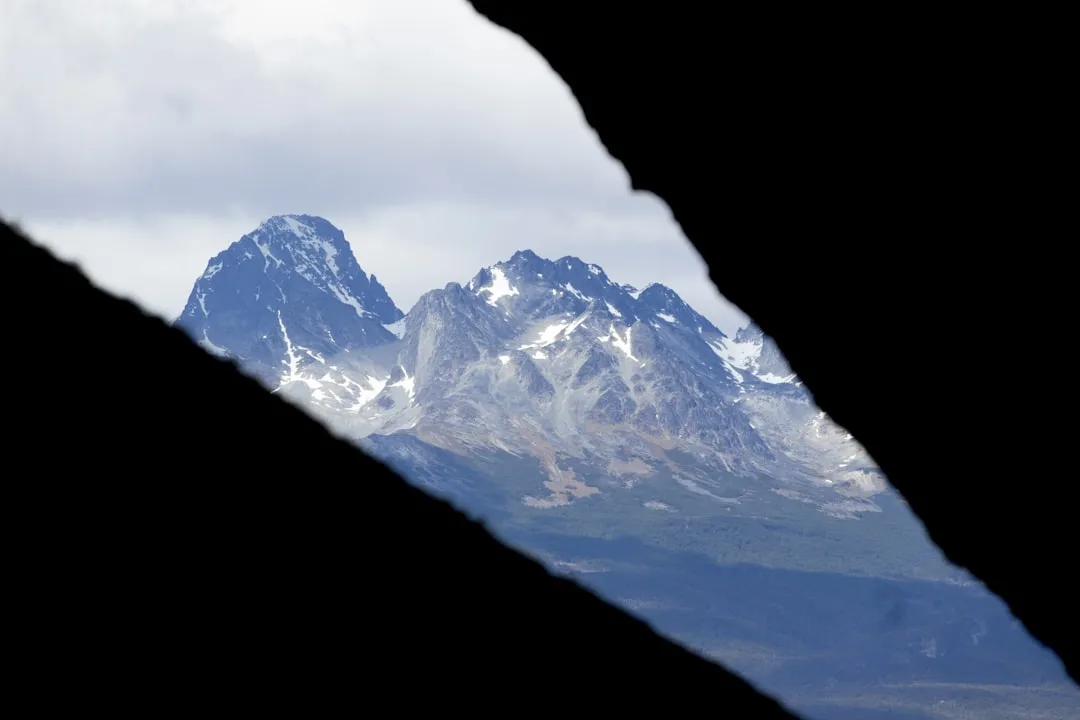
Cerro Catedral to Refugio Frey: A Patagonian Gem
The trail from Cerro Catedral to Refugio Frey is a quintessential Patagonian day hike, offering a spectacular introduction to the dramatic landscapes of Argentina's Nahuel Huapi National Park. This route ascends from the bustling ski resort base of Cerro Catedral into a realm of jagged granite spires, pristine alpine lakes, and windswept Andean terrain. It's a journey that balances accessible trailhead logistics with a genuine sense of wilderness immersion, making it a popular choice for hikers of all levels seeking breathtaking vistas and a taste of the high mountains.
- Distance: 10.0 km one-way
- Elevation gain: 700 m
- Duration: 4–6 hours (return)
- Difficulty: Moderate
- Best Time: December to March (Argentine summer)
- Closest City: San Carlos de Bariloche
- Trailhead Access: Cerro Catedral base station
- Permits: Not required for this day hike
Overview
The hike to Refugio Frey is a classic day excursion from San Carlos de Bariloche, renowned for its accessibility and the sheer visual impact of its destination. Starting at the base of Cerro Catedral, one of South America's premier ski resorts, the trail quickly leaves the developed infrastructure behind and begins a steady, sometimes steep, ascent into the heart of the mountains. The path winds through a mix of lenga forests, rocky scree slopes, and open alpine meadows, offering increasingly expansive views of the surrounding peaks and valleys.
The primary objective, Refugio Frey, is nestled beside the stunning Laguna Tonček. This picturesque mountain hut, a beloved landmark in the region, serves as a gateway to a dramatic amphitheatre of granite spires, including the iconic Torres del Frey. The sheer rock faces, sculpted by ancient glaciers and weathered by Patagonian winds, create a formidable and awe-inspiring backdrop. The lake itself, often a brilliant turquoise or deep blue depending on the light, reflects the surrounding peaks, adding to the scene's ethereal beauty.
This trail is a testament to the accessibility of significant mountain scenery in Patagonia. While it involves a substantial elevation gain and can be challenging, the well-defined path and the relatively short distance make it achievable for most reasonably fit hikers. The reward is immense: a true alpine experience with dramatic geological formations, vibrant mountain lakes, and the palpable sense of being deep within the Andes, all within a single day's excursion.
History and Cultural Context
The area surrounding Cerro Catedral and Refugio Frey has a rich history intertwined with indigenous peoples, early European exploration, and the development of tourism in Patagonia. For centuries, the lands around what is now Nahuel Huapi National Park were inhabited by indigenous groups, including the Mapuche and Tehuelche peoples, who traversed these mountains for hunting and gathering.
The modern era of exploration and settlement in the region began in the late 19th and early 20th centuries. European immigrants, drawn by the promise of land and opportunity, established settlements in the Bariloche area. The stunning natural beauty of the Andes quickly attracted attention, and efforts began to explore and document the mountain ranges. The development of ski resorts in the mid-20th century, particularly at Cerro Catedral, transformed the area into a major tourist destination.
Refugio Frey itself was established by the Club Andino Bariloche (CAB), a prominent mountaineering club founded in 1931. The CAB has played a crucial role in developing and maintaining trails, refuges, and climbing routes throughout the region. Refugio Frey, named after a prominent local mountaineer, became a vital hub for climbers, hikers, and skiers venturing into the Catedral massif. Its construction and ongoing maintenance reflect the dedication of the club and its members to preserving and promoting access to these magnificent mountains.
The designation of Nahuel Huapi National Park in 1934 was a pivotal moment, recognising the immense ecological and scenic value of the area and ensuring its protection for future generations. The trail to Refugio Frey is part of this protected landscape, offering a window into the natural and cultural heritage of Argentine Patagonia.
Seasonal Highlights and Weather Reality
The best time to undertake the hike to Refugio Frey is during the Argentine summer, from December to March. During these months, the weather is generally more stable, and the trails are clear of snow, allowing for safe passage and enjoyable hiking conditions.
Summer (December to March): This period offers the longest daylight hours and the highest probability of clear skies. Temperatures are mild, typically ranging from 10°C to 25°C. Wildflowers bloom in the alpine meadows, and the lakes are at their most inviting. However, summer is also the peak tourist season, and trails can be busy. Patagonian weather, even in summer, is notoriously unpredictable. Expect strong winds, sudden rain showers, and rapid temperature drops at higher elevations. It is crucial to be prepared for all conditions.
Autumn (April to May): The autumn months bring a spectacular display of colour as the lenga forests turn shades of red, orange, and yellow. The air becomes crisp, and the crowds thin out. However, temperatures begin to drop significantly, and early snowfalls are possible, especially at higher altitudes. Trails may become icy or snow-covered, requiring appropriate gear and caution.
Winter (June to August): This is the ski season at Cerro Catedral. While the resort is operational, the hiking trails to Refugio Frey are typically covered in deep snow and are only suitable for experienced mountaineers with winter climbing and navigation skills. Avalanches are a significant hazard during this period.
Spring (September to November): Spring sees the snow melt, and the landscape begins to reawaken. However, trails can remain muddy and snow-patched well into November, especially at higher elevations. The weather is highly variable, with a mix of sunshine, rain, and wind. It is a good time for those seeking fewer crowds, but requires flexibility and preparedness for challenging conditions.
Recommended Itinerary
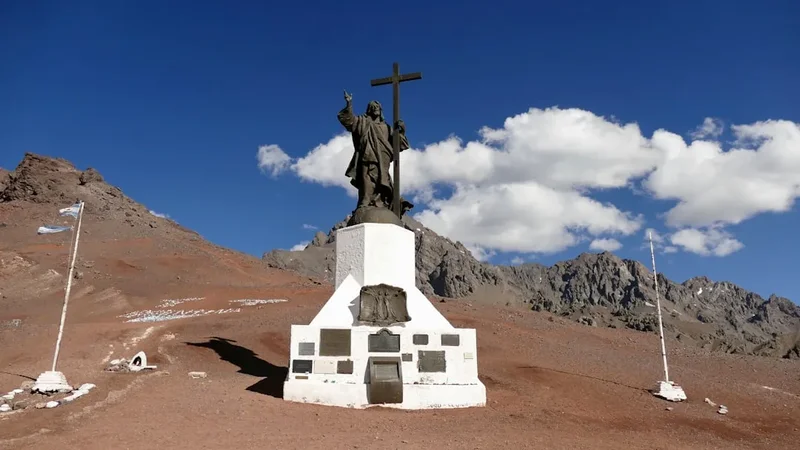
Cerro Catedral to Refugio Frey Day Hike
Early Morning (Approx. 8:00 AM - 9:00 AM): Arrival and Start
- Arrive at the base of Cerro Catedral ski resort.
- Locate the trailhead for Refugio Frey. It is usually well-marked, often starting near the main ski lifts or parking areas.
- Final gear check and application of sunscreen and insect repellent.
- Begin the ascent.
Morning (Approx. 9:00 AM - 12:00 PM): Forest Ascent and Initial Views
- The trail initially passes through dense lenga forests.
- The path is well-defined but can be rocky and uneven in places.
- Gain elevation steadily, with occasional clearings offering glimpses of the valley below and the peaks of Cerro Catedral.
- The air is crisp, and the scent of pine and damp earth fills the forest.
Midday (Approx. 12:00 PM - 2:00 PM): Alpine Meadows and Lake Tonček Approach
- Emerge from the treeline into open alpine meadows and rocky terrain.
- The landscape opens up, revealing more dramatic granite spires and the vastness of the Patagonian Andes.
- The trail becomes more exposed to the elements, particularly wind.
- Catch your first views of Laguna Tonček and the iconic Torres del Frey.
- Arrive at Refugio Frey.
- Enjoy lunch with a view at the refuge or by the lake.
Afternoon (Approx. 2:00 PM - 4:00 PM): Exploration and Descent Preparation
- Spend time exploring the area around the refuge.
- Take photographs of the lake, the spires, and the surrounding peaks.
- Consider a short walk around the lake or to a nearby viewpoint.
- Begin the descent back towards Cerro Catedral.
Late Afternoon (Approx. 4:00 PM - 6:00 PM): Return to Trailhead
- The descent is generally faster than the ascent but can be hard on the knees.
- Take care on rocky and potentially slippery sections.
- Re-enter the lenga forest as you approach the base.
- Arrive back at the Cerro Catedral base.
Important Notes:
- This is a day hike, so no overnight accommodation is required.
- The trail is generally well-marked, but carrying a map or GPS device is recommended.
- Weather can change rapidly; always be prepared for wind, rain, and cooler temperatures.
- Carry sufficient water and food, as there are no facilities along the trail until Refugio Frey.
- Refugio Frey offers basic services (food, drinks, sometimes accommodation for overnight stays) but these are not guaranteed and depend on the season and availability.
Planning and Bookings
Book Your Trip
Everything you need to plan your journey
Accommodation
Find places to stay near San Carlos de Bariloche
Flights
Search flights to San Carlos de Bariloche
Essential Preparation
The primary logistical consideration for this hike is reaching the trailhead at Cerro Catedral. San Carlos de Bariloche is the closest major city and serves as the gateway to the region. From Bariloche, you can reach Cerro Catedral via public bus (Bus 55 is a common route, taking approximately 45 minutes) or by taxi/private car. The road to Cerro Catedral is paved but can be icy during winter months, though this is less of a concern during the hiking season (December-March).
It is advisable to base yourself in San Carlos de Bariloche for at least a day or two before and after your hike. This allows time for acclimatisation, purchasing any last-minute supplies, and enjoying the amenities of the city. Bariloche offers a wide range of accommodation options, from budget hostels to luxury hotels, and numerous restaurants and outdoor gear shops.
Ensure you have a reliable way to get to and from Cerro Catedral. If relying on public transport, check bus schedules in advance, as they can vary. If driving, be aware of parking availability at the resort base, especially during peak times.
Trail Accommodation
This is a day hike requiring no overnight accommodation. Refugio Frey offers basic overnight accommodation for those wishing to extend their stay or use it as a base for further exploration. However, for the standard day hike from Cerro Catedral, no booking is necessary for accommodation.
Refugio Frey Facilities (for overnight stays):
- Bunk beds (bring your own sleeping bag)
- Basic meals and drinks available for purchase (check availability and prices)
- Common area for dining and socialising
- Limited facilities; it is a rustic mountain refuge.
Booking Requirements for Refugio Frey (if staying overnight):
- Reservations are highly recommended, especially during peak season.
- Contact the Club Andino Bariloche (CAB) directly for booking information and availability.
- Costs vary, but expect a modest fee per night.
Required Gear
- Sturdy hiking boots: Waterproof and with good ankle support are essential for navigating rocky and uneven terrain. Ensure they are well broken-in.
- Waterproof and windproof jacket: Patagonian weather is unpredictable; a reliable outer shell is crucial for protection against rain and strong winds.
- Waterproof overtrousers: Essential for staying dry during sudden downpours.
- Warm layers: Including a fleece or down jacket, and thermal base layers. Temperatures can drop significantly, especially at higher altitudes and with wind chill.
- Hat and gloves: Even in summer, these are important for warmth and protection against the wind.
- Backpack: A daypack (20-30 litres) is sufficient to carry essentials.
- Navigation tools: A map of the area, a compass, and/or a GPS device or smartphone with offline maps. While the trail is generally well-marked, it's wise to be prepared.
- Head torch: With spare batteries, in case of unexpected delays or early starts/late finishes.
- First-aid kit: Including blister treatment, pain relievers, antiseptic wipes, bandages, and any personal medications.
What to Bring
- Food: Plenty of high-energy snacks (nuts, dried fruit, energy bars) and a packed lunch. There are limited food options at Refugio Frey, and it's best to be self-sufficient.
- Water: Carry at least 1.5-2 litres of water per person. There are streams along the route, but water treatment (filter or purification tablets) is recommended if you plan to refill from natural sources.
- Sun protection: High SPF sunscreen, sunglasses, and a wide-brimmed hat. The sun can be intense at altitude, even on cloudy days.
- Insect repellent: Especially important during the summer months to ward off biting insects.
- Toiletries: Small personal items, including hand sanitiser and biodegradable toilet paper (though facilities may be available at the refuge).
- Camera: To capture the stunning scenery.
- Trekking poles: Highly recommended for stability on ascents and descents, and to reduce strain on knees.
- Cash: For any purchases at Refugio Frey (card facilities may be limited or unavailable).
Permits
For the standard day hike from Cerro Catedral to Refugio Frey and back, no specific permits are required. The trail is located within Nahuel Huapi National Park, but access for day hikers does not necessitate special permits or fees beyond the general park regulations.
However, if you plan to stay overnight at Refugio Frey, it is essential to contact the Club Andino Bariloche (CAB) well in advance to make a reservation. Availability can be limited, especially during the peak summer season (December to March) and during Argentine holidays.
Key points regarding permits and access:
- Day Hikes: No permit or fee required for the hike itself.
- Overnight Stays at Refugio Frey: Reservations are mandatory and should be made directly with the Club Andino Bariloche.
- National Park Entry: While Nahuel Huapi National Park has general regulations, specific entry fees for this particular trail are not typically levied for day visitors.
- Cerro Catedral Resort: Access to the trailhead at Cerro Catedral may involve parking fees if you are driving, or the cost of public transport. The ski resort itself operates independently of the national park trail access.
Other Activities in the Area
The region around Cerro Catedral and San Carlos de Bariloche offers a wealth of activities for outdoor enthusiasts and travellers:
- Skiing and Snowboarding: Cerro Catedral is a world-class ski resort, offering excellent slopes and facilities during the winter months (June-August).
- Climbing: Refugio Frey is a renowned base for rock climbing, with numerous granite spires and routes catering to various skill levels. The Club Andino Bariloche can provide information on climbing areas and guides.
- Multi-day Trekking: For those seeking longer adventures, numerous multi-day treks originate from or pass through the Catedral massif, including routes to other refuges like Refugio Otto Meiling (near Mount Tronador) or Refugio López.
- Kayaking and Boating on Lake Nahuel Huapi: The vast expanse of Lake Nahuel Huapi offers opportunities for kayaking, sailing, and boat tours to nearby islands like Isla Victoria and the Arrayanes Forest.
- Exploring San Carlos de Bariloche: The city itself is a charming alpine town with a vibrant atmosphere, excellent chocolate shops, breweries, and a picturesque waterfront.
- Mount Tronador Excursion: A popular day trip to the majestic Mount Tronador, a triple-peaked volcano straddling the Chilean border, featuring glaciers and stunning views.
- Cerro Campanario: Take a chairlift to the summit of Cerro Campanario for arguably the best panoramic views of the Bariloche region, encompassing lakes, islands, and mountains.
Safety and Conditions
Weather Preparedness: The most critical safety aspect of this hike is being prepared for rapid and extreme weather changes. Patagonian winds can be relentless and powerful, and temperatures can drop significantly, even in summer. Always check the weather forecast before you go, but be prepared for it to change. Carry layers of clothing, including waterproof and windproof outer shells.
Trail Conditions: The trail is generally well-maintained but can be rocky, uneven, and steep in sections. During and after rain, sections can become slippery. In early spring or late autumn, snow and ice may be present at higher elevations, making the trail hazardous without appropriate equipment (crampons, ice axe) and experience.
Navigation: While the main trail to Refugio Frey is usually clear, it is essential to carry a map and compass or a reliable GPS device. Visibility can be severely reduced in fog or cloud, making navigation difficult. Stay on marked trails to avoid getting lost and to protect the fragile alpine environment.
Water: Carry sufficient water for your hike. While streams are present, it is advisable to treat water from natural sources using a filter or purification tablets to avoid waterborne illnesses.
Physical Fitness: The hike involves a significant elevation gain (700 metres) over a moderate distance. Ensure you have a reasonable level of fitness and are accustomed to hiking on uneven terrain. If you have any pre-existing medical conditions, consult your doctor before undertaking the hike.
Wildlife: While large predators are rare, be aware of your surroundings. You may encounter guanacos, condors, and various smaller birds and mammals. Do not feed any wildlife.
Emergency Contact: Cell phone reception can be unreliable in the mountains. Consider carrying a personal locator beacon (PLB) or satellite messenger for emergencies, especially if hiking alone or planning to stay overnight.
Refugio Frey: If staying overnight, be aware that facilities are basic. Follow the refuge rules and guidelines for waste disposal and general conduct.
Side Trips and Points of Interest
Laguna Tonček: The jewel of the hike, this stunning alpine lake is the primary destination. Its clear, often vividly coloured waters reflect the surrounding granite spires, creating a breathtaking panorama. It's an ideal spot for a picnic and for photography.
Torres del Frey: These iconic granite spires dominate the skyline around Refugio Frey. They are a magnet for climbers and offer spectacular views for hikers. The sheer scale and dramatic shapes of these peaks are a testament to the powerful geological forces that shaped the Andes.
Cerro Catedral Summit (via alternative routes): While the main trail leads to Refugio Frey, experienced hikers with appropriate gear and knowledge can explore routes leading to the higher summits of Cerro Catedral itself. These are more challenging and require advanced mountaineering skills.
Views of the Valley: Throughout the ascent and descent, numerous viewpoints offer expansive vistas of the valley leading up to Cerro Catedral, the city of Bariloche in the distance, and the vastness of the Patagonian landscape.
Lenga Forests: The lower sections of the trail wind through beautiful lenga forests. These deciduous trees provide shade and a unique atmosphere, especially in autumn when their leaves turn vibrant colours.
Leave No Trace
The principles of Leave No Trace are paramount for preserving the natural beauty and ecological integrity of Nahuel Huapi National Park and the trail to Refugio Frey. As a visitor, your actions directly impact this environment.
Plan Ahead and Prepare: Understand the trail conditions, weather, and any regulations before you go. Pack appropriately for all potential weather scenarios.
Travel and Camp on Durable Surfaces: Stick to the marked trail. Avoid cutting switchbacks or walking on fragile vegetation, especially in the alpine meadows. If camping overnight (at designated sites, if applicable), use established campsites.
Dispose of Waste Properly: Pack out everything you pack in. This includes all food scraps, wrappers, and any other litter. Use designated toilet facilities where available. If not, dig a cathole at least 60 metres away from water sources, trails, and campsites.
Leave What You Find: Do not remove any natural objects, such as rocks, plants, or flowers. Respect cultural heritage sites.
Minimise Campfire Impacts: Campfires are generally not permitted on this trail. If they were allowed in designated areas, use established fire rings and ensure fires are completely extinguished.
Respect Wildlife: Observe wildlife from a distance. Never feed animals, as this can disrupt their natural behaviours and diets. Store food securely.
Be Considerate of Other Visitors: Keep noise levels down, yield to uphill hikers, and be courteous to fellow trail users. The goal is to enjoy the wilderness without negatively impacting the experience of others or the environment.
 Argentina