
Cascade Saddle Trek - The Ultimate Alpine Challenge
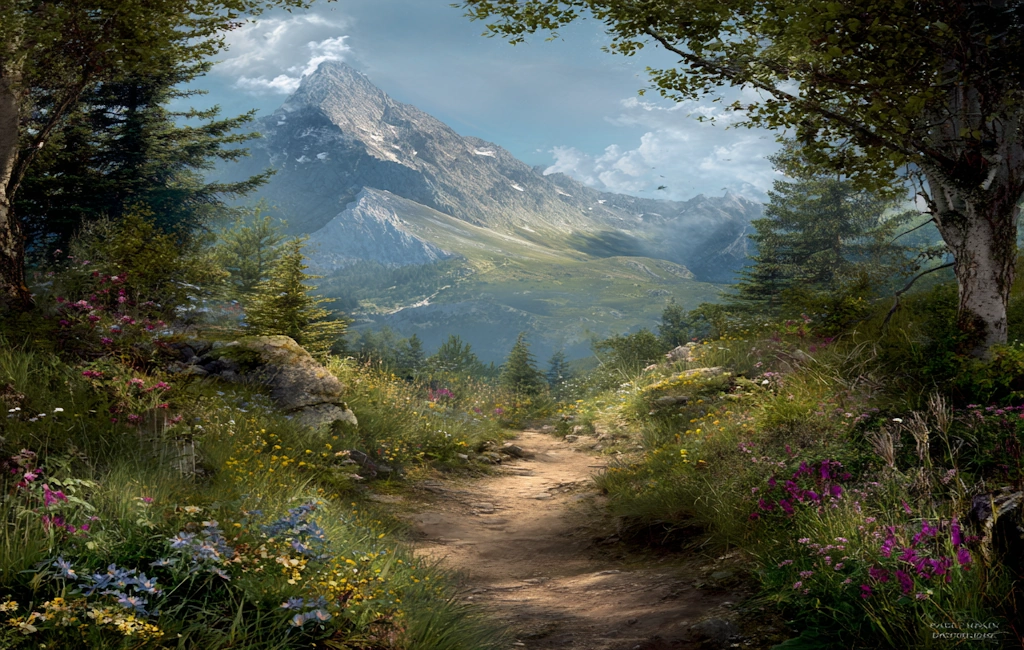
The Cascade Saddle Trek is widely regarded as one of New Zealand’s most spectacular, yet most demanding, alpine crossings. Located in the heart of Mount Aspiring National Park, this 22-kilometre route connects the West Matukituki Valley with the Dart River Valley, offering unparalleled views of the "Matterhorn of the South," Mount Aspiring/Tititea. Unlike the Great Walks, this is a marked route rather than a groomed track, requiring a high level of fitness, backcountry experience, and a deep respect for the volatile mountain environment. The journey takes walkers from the lush, pastoral flats of the Matukituki River, through ancient beech forests, and up onto a high-altitude alpine saddle that sits at 1,500 metres, surrounded by hanging glaciers and jagged peaks. It is a trek of extremes—extreme beauty and extreme challenge—where the reward for a 1,800-metre elevation gain is a panoramic vista that few other places on Earth can match.
- Distance: 22.0 km (point-to-point)
- Duration: 2–3 days
- Elevation Gain: 1,800 m
- Difficulty: Very Challenging (Alpine Route)
- Best Time: December to March (strictly summer/autumn)
- Highest Point: Cascade Saddle (1,500 m) and the Pylon (1,835 m)
- Closest City: Wanaka / Queenstown
- Access: Raspberry Flat Car Park (Matukituki side)
Overview
The Cascade Saddle Trek is not a journey for the faint-hearted or the inexperienced. It is a route that demands technical competence and mental fortitude. The trek is famous for its "Pylon" section—a relentless, near-vertical climb of 1,000 metres over just a few kilometres. This section is notorious for its steep, slippery tussock slopes and exposed rock bluffs, which have claimed lives in wet or icy conditions. However, for those who possess the necessary skills and choose a window of perfect weather, the Cascade Saddle offers a sensory overload of New Zealand’s finest alpine scenery. The transition from the wide, braided Matukituki River to the sheer granite walls of the upper mountains is a masterclass in glacial geology.
The landscape is dominated by the presence of Mount Aspiring/Tititea, which rises to 3,033 metres. From the saddle, the view looks directly across the Bonar Glacier, a massive expanse of blue ice that feeds the rivers below. To the west, the Dart Glacier spills down from the heights, carving its way toward the Tasman Sea. The silence of the high country is broken only by the occasional thunder of an avalanche in the distance or the cheeky, high-pitched call of the Kea, the world’s only alpine parrot. This is a place where the scale of nature is humbling, and the human presence feels fleeting and small.
Because this is a point-to-point route, logistics are a significant part of the adventure. Most walkers begin at Raspberry Flat in the Matukituki Valley and exit via the Rees or Dart Valleys, requiring a multi-day commitment and careful transport planning. The route is often combined with the Rees-Dart Track to create a longer, 4–5 day circuit. Regardless of the chosen path, the Cascade Saddle remains the undisputed highlight—a high-altitude bridge between two of the most beautiful valleys in the Southern Alps. It is a trek that tests your knees on the descent and your lungs on the ascent, but leaves an indelible mark on your soul.
History and Cultural Context
The mountains of the Mount Aspiring region hold deep significance for Māori, particularly the Ngāi Tahu iwi. For centuries, these valleys served as vital corridors for the collection and transport of pounamu (greenstone). While the Cascade Saddle itself was not a primary trade route due to its technical difficulty, the surrounding valleys—the Matukituki, the Dart, and the Rees—were well-known to Māori explorers. The name Tititea, given to Mount Aspiring, translates to "Steep Peak of Glistening White," a perfect description of the mountain’s permanent snow cap and ice fields. The area is part of Te Wāhipounamu, a UNESCO World Heritage site recognised for its outstanding natural and cultural values.
European history in the area began in the mid-19th century with the arrival of pastoralists and surveyors. The Matukituki Valley was quickly identified as prime grazing land, and high-country stations were established that still operate today. The Cascade Saddle was first "discovered" by European explorers in the late 1800s as they sought overland routes between the Otago goldfields and the West Coast. However, it wasn't until the early 20th century that the area became a focal point for mountaineering. The New Zealand Alpine Club (NZAC) played a pivotal role in the exploration of the region, building the iconic Aspiring Hut in 1949. This hut, constructed from local stone, remains a sanctuary for climbers and trampers and stands as a testament to the pioneering spirit of New Zealand’s mountain community.
Over the decades, the Cascade Saddle has gained a reputation as a "rite of passage" for New Zealand trampers. It represents the transition from valley floor tramping to true alpine route-finding. The history of the track is also marked by tragedy, which has led to increased safety awareness and the installation of the "Pylon"—a navigational marker that helps walkers find the safest line through the treacherous bluffs. Today, the Department of Conservation (DOC) manages the area with a focus on preserving its wilderness character while ensuring that those who attempt the crossing are well-informed of the risks involved.
Want more background? Read extended notes on history and cultural context → Learn more
Seasonal Highlights and Weather Reality
The window for safely attempting the Cascade Saddle is remarkably narrow. Unlike lower-elevation tracks, the saddle is covered in snow and ice for much of the year, making it the domain of experienced mountaineers with ice axes and crampons from May through to November. For the recreational tramper, the season is strictly limited to the summer and early autumn months.
Summer (December to February): This is the most popular time to trek. The days are long, and the alpine flowers, including the giant Mount Cook Lily (Ranunculus lyallii), are in full bloom. However, summer in the Southern Alps does not guarantee sunshine. High-pressure systems can bring scorching heat to the valley floors, while the saddle remains prone to sudden, violent storms. The "Pylon" section becomes extremely dangerous when wet, as the steep tussock becomes as slippery as ice. If rain is forecast, the crossing should be postponed.
Autumn (March to April): Many experienced locals consider March the best month for the Cascade Saddle. The weather is often more stable, the air is crisp and clear, and the biting insects (sandflies) begin to diminish. The light in autumn is exceptional for photography, casting long shadows across the glaciers. However, the risk of early-season snowfalls increases, and the temperatures at night can drop well below freezing.
Winter and Spring (May to November): During these months, the Cascade Saddle is a serious alpine undertaking. Avalanche risk is high, particularly on the steep slopes above the Matukituki Valley and the Dart Glacier. The route is often obscured by snow, and the technical difficulty increases exponentially. Only those with specific alpine training and equipment should consider the route during this period. The Department of Conservation often advises against the crossing for general trampers during these months due to the extreme risk of falls on frozen snow.
Recommended Itinerary
3-Day Cascade Saddle Itinerary
Day 1: Raspberry Flat to Aspiring Hut
- Distance: 9 km
- Elevation gain: 100 m
- Time: 2.5–3 hours
- Start at Raspberry Flat Car Park, 54 km from Wanaka
- Easy walk along the wide, grassy flats of the West Matukituki Valley
- Pass through active farmland (be respectful of livestock)
- Cross several small streams and enjoy views of the Rob Roy Glacier in the distance
- Arrive at Aspiring Hut (stone hut, 38 bunks)
- Use the afternoon to check the weather forecast via the hut warden and prepare for the big climb
- This is a gentle introduction designed to save energy for the following day
Day 2: Aspiring Hut to Cascade Saddle and Dart Hut
- Distance: 10 km
- Elevation gain: 1,400 m gain, 1,000 m descent
- Time: 8–10 hours
- Early start is essential (before 7:00 AM) to avoid the midday heat and ensure time for the descent
- Follow the track from the hut toward the head of the valley before turning sharply uphill
- The "Pylon" climb: A relentless 1,000 m ascent through beech forest and then steep tussock
- Reach the Pylon (1,835 m) for breathtaking views of Mt Aspiring and the Bonar Glacier
- Traverse the high ridge toward the Cascade Saddle (1,500 m)
- Descend the steep, rocky route alongside the Dart Glacier
- Arrive at Dart Hut (32 bunks) located at the junction of the Rees and Dart Tracks
- This is an exhausting day that requires constant concentration and steady footing
Day 3: Dart Hut to Rees Valley (Muddy Creek)
- Distance: 18 km
- Elevation gain: 400 m gain (to Rees Saddle), 1,000 m descent
- Time: 7–9 hours
- Climb from Dart Hut up to the Rees Saddle (1,471 m)
- Enjoy final views back toward the Dart Glacier and the snowy peaks
- Descend into the Rees Valley, following the river downstream
- The track passes through alpine meadows and then into the forest
- Final stretch across the grassy flats of the Rees Valley to the Muddy Creek car park
- Pre-arranged transport is required to return to Glenorchy or Queenstown
- A long but rewarding finish to one of New Zealand's greatest adventures
Important Notes:
- This itinerary assumes the crossing from Matukituki to Dart. Crossing in the opposite direction is possible but involves a very steep and dangerous descent down the Pylon.
- Aspiring Hut and Dart Hut require bookings or hut tickets (check DOC for current season rules).
- Camping is permitted in certain areas but must be at least 500 m away from the main track in some sections.
- Water is available at huts, but treatment is recommended.
- Always carry a Personal Locator Beacon (PLB).
Planning and Bookings
Book Your Trip
Everything you need to plan your journey
Accommodation
Find places to stay near Queenstown
Flights
Search flights to Queenstown
Essential Preparation
Preparation for the Cascade Saddle Trek begins months before you set foot on the trail. The most critical factor is physical fitness. You must be comfortable carrying a 12–15 kg pack while ascending 1,000 metres of vertical elevation in a single push. Training should include steep hill climbs and multi-day hiking to condition your legs for the heavy descent. Navigation skills are also paramount; while the route is marked with poles, visibility can drop to zero in cloud, and you must be able to use a map and compass or GPS.
Logistics are the second pillar of preparation. Since the trek is a point-to-point route, you need to arrange transport between the Matukituki Valley (near Wanaka) and the Rees/Dart Valleys (near Glenorchy). Several shuttle companies operate in the area, but they must be booked in advance. If you are driving, you will need to arrange a car relocation service or use two vehicles. Finally, check the weather forecast religiously. The Department of Conservation (DOC) visitor centres in Wanaka or Queenstown provide the most accurate mountain forecasts and track condition updates.
Trail Accommodation
Accommodation on the Cascade Saddle Trek consists of backcountry huts and wild camping. The huts are managed by the Department of Conservation (DOC) and the New Zealand Alpine Club (NZAC).
Aspiring Hut (Matukituki Valley): This is a historic stone hut owned by the NZAC but managed in conjunction with DOC. It features 38 bunks, a large common area, and a wood-burning stove. During the summer season, a warden is present. Bookings are required through the DOC website. Facilities include mattresses, non-treated water, and long-drop toilets. You must bring your own cooking stove and fuel.
Dart Hut (Dart Valley): A standard DOC hut with 32 bunks. It is a modern, comfortable hut located at a spectacular junction. It operates on a first-come, first-served basis or a booking system depending on the season (check current DOC status). It has mattresses, water, and toilets, but no gas cookers or heating provided outside of the winter wood stove.
Camping: Camping is allowed in Mount Aspiring National Park, but there are restrictions. You cannot camp within 200 metres of the huts unless at a designated campsite. On the Cascade Saddle itself, camping is discouraged due to the fragile alpine environment and lack of shelter. Most campers choose to stay near Aspiring Hut or in the upper Dart Valley. Ensure you have a high-quality, four-season tent, as alpine winds can be destructive.
Required Gear
- Footwear: Sturdy, waterproof tramping boots with excellent grip. The steep tussock and rock require boots with good ankle support and a deep tread pattern.
- Clothing: A layered system is essential. Include a merino or synthetic base layer, a warm fleece or down mid-layer, and a high-quality waterproof and windproof shell jacket (Gore-Tex or similar).
- Navigation: Topographic map (NZTopo50-CA11), compass, and a GPS or smartphone with offline maps (e.g., Topo Maps NZ).
- Safety: A Personal Locator Beacon (PLB) is non-negotiable. There is no mobile phone coverage on the majority of the route.
- Pack: A 50–65 litre tramping pack with a waterproof liner or rain cover.
- Emergency Shelter: Even if staying in huts, carry a lightweight emergency bivvy bag or space blanket.
- Headlamp: With spare batteries, essential for early starts or unexpected delays.
What to Bring
- Food: High-energy, lightweight meals for 3–4 days. Dehydrated meals, nuts, chocolate, and energy bars are ideal. Always carry one extra day of emergency rations in case you are pinned down by weather.
- Water Treatment: While mountain water is generally clean, Giardia can be present. Use a filter, UV purifier, or boiling method. Carry at least 2–3 litres of water capacity for the climb to the saddle.
- Cooking Gear: A lightweight gas stove (e.g., Jetboil or MSR), fuel canister, pot, and utensils. Huts do not provide cooking facilities.
- Sun Protection: High-SPF sunscreen, lip balm, sunglasses (essential for snow glare), and a wide-brimmed hat. The alpine sun is exceptionally strong.
- First Aid: A comprehensive kit including blister pads (Compeed), antiseptic wipes, bandages, and personal medications.
- Toiletries: Biodegradable soap, toothbrush, and a small trowel for waste if camping (though huts have toilets).
Permits
There is no "permit" required to walk the Cascade Saddle in the sense of a restricted entry pass. However, you must pay for your accommodation in the DOC and NZAC huts. For the 2024–2025 season, Aspiring Hut requires a specific booking through the DOC Great Walks or Backcountry Hut booking system, especially during the peak summer months. Dart Hut and Rees Valley huts typically operate on the Backcountry Hut Pass or Hut Tickets system, but you should always check the latest regulations on the DOC website as rules can change.
Hut Costs:
- Aspiring Hut: Approximately NZ$30–$40 per night for adults (discounts for NZAC members).
- Standard DOC Huts (Dart/Rees): Approximately NZ$25 per night or use of a Backcountry Hut Pass.
- Camping: Usually free if more than 200 m from a hut, but some designated areas may charge a small fee.
Transport Logistics: While not a permit, the logistics of getting to and from the trailheads are a mandatory part of your planning. The road to Raspberry Flat involves several fords that can become impassable for 2WD vehicles after heavy rain. A 4WD is recommended. Shuttles from Wanaka to Raspberry Flat and from Muddy Creek (Rees Valley) to Glenorchy/Queenstown are the most reliable way to manage the point-to-point nature of the trek.
Other Activities in the Area
The region surrounding Wanaka and Mount Aspiring National Park is an outdoor enthusiast's playground. If you have extra time, consider these activities:
- Rob Roy Glacier Track: A half-day walk from the Raspberry Flat car park that offers spectacular views of hanging glaciers and waterfalls. It is a great "warm-up" for the Cascade Saddle.
- Wanaka Lake Activities: After your trek, relax by Lake Wanaka. You can rent kayaks, go paddleboarding, or take a boat cruise to Mou Waho Island.
- Rock Climbing: The Matukituki Valley and the cliffs around Wanaka offer some of the best sport and trad climbing in New Zealand.
- Skydiving and Scenic Flights: For a different perspective, take a scenic flight over Mount Aspiring. You will be able to see the Cascade Saddle and the Bonar Glacier from the air, giving you a true sense of the terrain you conquered.
- Wine Tasting: The Central Otago region is world-famous for its Pinot Noir. Visit the vineyards in the Rippon or Cardrona areas for a post-hike celebration.
Safety and Conditions
The "Pylon" Danger: The section between Aspiring Hut and the Pylon is the most dangerous part of the trek. It is a steep, 1,000-metre climb on a narrow ridge. In wet weather, the snow-grass (tussock) becomes incredibly slippery. Multiple fatalities have occurred here when trampers have slipped and been unable to stop their slide before going over the bluffs. Do not attempt this section if it is raining, snowing, or if the ground is frozen. If you are descending this way, be extremely cautious; many find the descent more terrifying than the ascent.
Weather Volatility: Mount Aspiring National Park is subject to rapid weather changes. A clear morning can turn into a blizzard within an hour. High winds on the saddle can make walking impossible and increase the risk of being blown off balance. Always check the "Mountain Forecast" on MetService and talk to the hut warden at Aspiring Hut before heading up. If the warden advises against it, listen to them.
River Crossings: While the main route avoids major river crossings, the Matukituki and Rees Rivers are braided and can rise rapidly during rain. Do not attempt to cross flooded rivers. The road to the trailhead also involves fords; if the water is over the axles of a 4WD, do not attempt to drive through.
Kea Behaviour: The Kea are highly intelligent and destructive. They will tear apart tents, boots, and packs if left unattended. Never feed them, as this encourages aggressive behaviour and is harmful to their health. Store all gear inside the huts or in Kea-proof containers.
Emergency Communication: There is no cell service. A PLB is your only lifeline. In the event of an injury or being trapped by weather, activate your PLB and stay put. Ensure you have enough warm clothing and food to survive an unplanned night out in the open.
Side Trips and Points of Interest
The Pylon (1,835 m): While technically part of the route, the Pylon is a destination in itself. It is a large metal marker that signifies the end of the steepest climbing. From here, the views of the Matukituki Valley winding away toward Wanaka and the sheer face of Mt Aspiring are unparalleled. Many people climb to the Pylon as a day trip from Aspiring Hut rather than doing the full crossing.
Dart Glacier: As you descend from the saddle toward the Dart Valley, the track skirts the edge of the Dart Glacier. You can see the blue ice, deep crevasses, and the moraine walls. It is a powerful reminder of the glacial forces that shaped this landscape. Do not venture onto the glacier without proper mountaineering equipment and training.
Liverpool Hut: For those with an extra day, a side trip to Liverpool Hut (located on the opposite side of the Matukituki Valley from the Cascade route) offers another steep climb and a stunning "bird's eye" view of Mt Aspiring. It is a red tin hut perched on a ledge and is one of the most photogenic spots in the park.
Black Peak and Shotover Saddle: Experienced navigators sometimes explore the high ridges toward the Shotover River, but this is strictly off-track territory requiring advanced route-finding skills.
Leave No Trace
The alpine environment of the Cascade Saddle is incredibly fragile. The plants that grow here, such as the alpine cushions and herbs, take decades to grow just a few centimetres. A single misplaced footstep or a tent site can cause damage that lasts for years. As a visitor, you have a responsibility to protect this wilderness.
Principles for the Cascade Saddle:
- Plan Ahead and Prepare: Ensure you have the skills to stay on the route so you don't trample sensitive vegetation while lost.
- Travel and Camp on Durable Surfaces: Stay on the marked route. If camping, choose established sites or gravelly areas rather than lush alpine meadows.
- Dispose of Waste Properly: Pack out everything. This includes food scraps, tea bags, and all tissues. Use the toilets at the huts. If you must go between huts, bury solid waste at least 15–20 cm deep and 50 m from water, or better yet, use a "poo tube" to pack it out.
- Leave What You Find: Do not pick alpine flowers or remove rocks. Leave the landscape as you found it for the next person to enjoy.
- Minimise Campfire Impacts: Fires are strictly prohibited in Mount Aspiring National Park. Use a portable stove for all cooking.
- Respect Wildlife: Observe Kea and other birds from a distance. Do not share your food.
- Be Considerate of Others: Keep noise levels down in the huts and allow faster walkers to pass on the track.
 New Zealand