
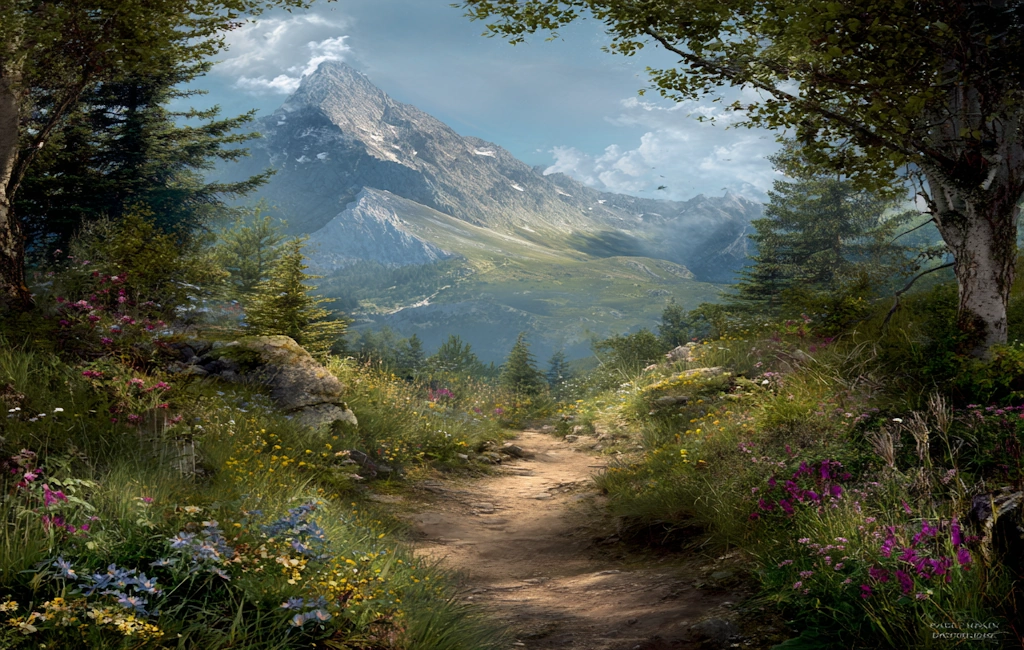
Cascade du Hérisson Trail
The Cascade du Hérisson Trail, nestled in the Jura region of France, offers a captivating day walk through a landscape sculpted by water and time. This relatively short but rewarding trail leads walkers through a series of stunning waterfalls, lush forests, and picturesque gorges, culminating in the impressive Cascade du Hérisson itself. It's a perfect escape for nature lovers and photographers seeking the serene beauty of the French countryside, easily accessible from nearby towns and offering a refreshing immersion in the natural world. The trail is well-maintained and suitable for most fitness levels, making it an ideal choice for a family outing or a peaceful solo adventure.
- Distance: 7.2 km one-way
- Elevation gain: 250 m
- Duration: 3-4 hours
- Difficulty: Moderate
- Best Time: Spring to Autumn (April-October)
- Closest City: Lons-le-Saunier
- Trailhead Access: Nearest airport: Geneva (GVA). Drive from Lons-le-Saunier (approx. 30 mins). Follow D678 to Ménétrux-en-Joux. Parking available at Maison des Cascades (GPS: 46.6167, 5.8667). Road conditions generally good. No permits needed.
Overview
The Cascade du Hérisson Trail is a gem of the Jura, renowned for its spectacular series of waterfalls that tumble down a verdant valley. The walk begins near the Maison des Cascades, a visitor centre that provides an excellent introduction to the area's geology and natural history. From here, the path winds its way alongside the Hérisson river, revealing a succession of cascades, rapids, and tranquil pools. The trail is a mix of well-trodden paths, wooden boardwalks, and some steeper sections, ensuring an engaging experience for walkers.
The journey is characterised by the constant sound of rushing water, the dappled sunlight filtering through the dense canopy of beech and oak trees, and the fresh, clean air of the Jura mountains. As you progress, the scale of the waterfalls increases, with the final destination, the Cascade du Hérisson, being the most impressive. This magnificent waterfall plunges over a dramatic cliff face, creating a breathtaking spectacle, especially after periods of rain when the water flow is at its most powerful. The surrounding environment is rich in flora and fauna, with opportunities to spot various bird species and enjoy the vibrant colours of wildflowers in spring and summer.
The trail is designed to be a circular or out-and-back route, depending on the chosen starting point and desired length. However, the most popular and comprehensive experience follows the river upstream, allowing for a gradual ascent and a series of discoveries. The moderate difficulty level means that while some physical exertion is required, particularly on the ascents, the overall experience is accessible to a wide range of hikers. The trail's popularity means it can be busy during peak season, but its natural beauty and the sheer number of cascades ensure that it rarely feels overcrowded.
History and Cultural Context
The Hérisson river and its cascades have been a source of fascination and a vital resource for the local communities for centuries. The name "Hérisson" (hedgehog) is thought to derive from the Latin "ericius," referring to the spiky appearance of the rocks or perhaps the sound of the water resembling the rustling of hedgehogs in the undergrowth. Historically, the power of the Hérisson river was harnessed by local industries. Evidence of old mills and water management systems can still be found along the riverbanks, hinting at a past where the river was central to the economic life of the region.
The area's natural beauty has long been recognised, attracting visitors seeking its picturesque landscapes. In the late 19th and early 20th centuries, as tourism began to develop in France, the Jura region, with its waterfalls and forests, became a popular destination for those seeking to escape the cities and connect with nature. The development of marked trails and visitor facilities, such as the Maison des Cascades, has further enhanced the accessibility and enjoyment of the Cascade du Hérisson for modern-day hikers.
The geological formation of the cascades is a testament to the erosive power of water over millennia. The limestone bedrock of the Jura massif has been gradually carved away by the Hérisson river, creating the dramatic drops and tiered formations that define the landscape. This ongoing geological process, combined with the rich biodiversity of the surrounding forests, makes the Cascade du Hérisson a place of both natural wonder and historical significance.
Seasonal Highlights and Weather Reality
The Cascade du Hérisson Trail is a year-round destination, but each season offers a distinct experience. The best time to visit is generally from spring to autumn, when the weather is most favourable for hiking.
Spring (April-May): This is a particularly beautiful time to visit. The forests come alive with vibrant green foliage, and wildflowers carpet the ground. The snowmelt from the Jura mountains often means the waterfalls are at their most powerful and spectacular. Temperatures are mild, making for comfortable hiking conditions, though occasional rain showers are common.
Summer (June-August): Summer offers the warmest weather and longest daylight hours, ideal for extended exploration. The lush greenery of the forest provides welcome shade. However, this is also the peak tourist season, so expect more crowds, especially on weekends and during school holidays. The waterfalls may be less powerful than in spring due to reduced snowmelt, but they remain impressive.
Autumn (September-October): Autumn transforms the landscape into a riot of colour. The deciduous trees turn shades of gold, red, and orange, creating a breathtaking backdrop for the waterfalls. The air is crisp and cool, and the crowds thin out, offering a more tranquil experience. The waterfalls are still substantial, fed by autumn rains.
Winter (November-March): While the trail remains accessible, winter presents a different kind of beauty. The waterfalls may partially freeze, creating stunning ice formations. However, conditions can be challenging, with potential for snow and ice on the paths, requiring appropriate winter gear and caution. Some facilities, like the Maison des Cascades, may have reduced opening hours or be closed during the winter months. The sound of the water can be muffled by snow, and the overall atmosphere is one of quiet solitude.
Weather Reality: The Jura region can experience unpredictable weather. Even in summer, rain showers are frequent, and temperatures can drop, especially at higher elevations. It is always advisable to check the weather forecast before your visit and be prepared for changing conditions by packing layers and waterproof clothing.
Recommended Itinerary
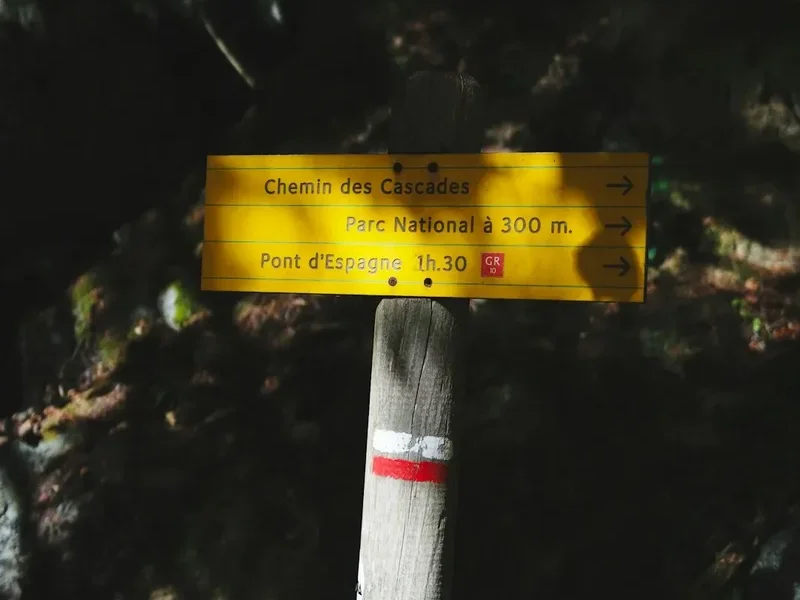
Cascade du Hérisson Trail - Day Walk Itinerary
Early Morning (Approx. 9:00 AM): Arrival and Preparation
- Arrive at the Maison des Cascades (Visitor Centre) in Ménétrux-en-Joux.
- Park your vehicle in the designated parking area.
- Visit the Maison des Cascades to gather information, maps, and learn about the trail's natural and historical significance.
- Use the facilities and prepare your daypack.
Morning (Approx. 9:30 AM - 12:30 PM): Ascent to the Grand Cascade
- Begin your walk from the Maison des Cascades, following the clearly marked signs for the Cascade du Hérisson.
- The initial section of the trail is a gentle introduction, often a well-maintained path through woodland.
- You will soon encounter the first of many smaller cascades and rapids along the Hérisson river.
- The path begins to ascend more noticeably, with some steeper sections and steps.
- Wooden boardwalks and bridges are used to cross streams and navigate particularly wet or uneven terrain.
- Key Waypoints: Observe the various named cascades (e.g., Cascade de la Queue de Cheval, Cascade du Moulin) as you ascend.
- Enjoy the sounds and sights of the forest and the ever-present water.
Midday (Approx. 12:30 PM - 1:30 PM): Reaching the Grand Cascade and Lunch Break
- Arrive at the main viewpoint for the Cascade du Hérisson, the largest and most impressive waterfall on the trail.
- Spend time admiring the powerful cascade, which drops approximately 60 metres in stages.
- Find a suitable spot for a picnic lunch, taking in the magnificent views. There are often benches or designated picnic areas near the main cascade.
- This is an excellent opportunity for photography.
Afternoon (Approx. 1:30 PM - 3:30 PM): Return Journey
- Begin your descent back towards the Maison des Cascades.
- The return route may follow a slightly different path, offering new perspectives of the valley and smaller cascades you may have missed on the way up.
- Continue to enjoy the forest environment and the sounds of the river.
- The descent is generally easier than the ascent, but care should still be taken on steeper or potentially slippery sections.
- Key Waypoints: Re-trace your steps or follow alternative marked paths back to the starting point.
Late Afternoon (Approx. 3:30 PM onwards): Departure
- Arrive back at the Maison des Cascades.
- Visit the gift shop or café if desired.
- Depart from Ménétrux-en-Joux.
Important Notes:
- Wear sturdy, comfortable walking shoes with good grip.
- Carry water and snacks, especially if you plan to picnic.
- Be prepared for changeable weather; pack a waterproof jacket.
- The trail can be slippery, particularly after rain.
- Respect the natural environment and stay on marked paths.
Planning and Bookings
Book Your Trip
Everything you need to plan your journey
Accommodation
Find places to stay near Lons-le-Saunier
Flights
Search flights to Lons-le-Saunier
Essential Preparation
The Cascade du Hérisson Trail is a day walk, meaning no overnight accommodation is required. The primary logistical consideration is reaching the trailhead and ensuring you have adequate supplies for a few hours of hiking. The closest major city is Lons-le-Saunier, which offers a good base for exploring the Jura region. From Lons-le-Saunier, it's a straightforward drive of approximately 30 minutes to Ménétrux-en-Joux, where the Maison des Cascades and parking are located. The D678 road is well-maintained and signposted. It's advisable to check local road conditions before travelling, especially outside of the main tourist season, though major disruptions are rare.
For those travelling from further afield, Geneva Airport (GVA) in Switzerland is the nearest international airport, approximately a 1.5 to 2-hour drive away. Car rental is highly recommended for flexibility in exploring the Jura region. Public transport options to Ménétrux-en-Joux are limited, making a private vehicle the most convenient choice.
Trail Accommodation
This is a day hike requiring no overnight accommodation.
Required Gear
- Footwear: Sturdy walking shoes or hiking boots with good ankle support and non-slip soles are essential. The trail can be uneven and slippery, especially after rain.
- Clothing: Wear comfortable, moisture-wicking clothing suitable for the season. Layers are recommended, as temperatures can fluctuate. A waterproof and windproof jacket is crucial, as weather in the Jura can change rapidly.
- Navigation: While the trail is generally well-marked, a trail map or a reliable offline navigation app on your smartphone is advisable. The Maison des Cascades provides maps.
- Safety Gear: A basic first-aid kit including plasters, antiseptic wipes, pain relievers, and any personal medications is recommended. A fully charged mobile phone is important for emergencies.
What to Bring
- Food and Drink: Carry sufficient water for the duration of your walk (at least 1-1.5 litres per person). Pack snacks such as energy bars, fruit, or nuts to keep your energy levels up. A picnic lunch is ideal for enjoying at the main cascade viewpoint.
- Toiletries: Sunscreen, sunglasses, and a hat are recommended, even on cloudy days, due to the altitude and potential for strong sun. Insect repellent may be useful during warmer months, though sandflies are not a significant issue here. Hand sanitiser is always a good idea.
- Personal Items: A small backpack to carry your essentials. A camera to capture the stunning scenery. Binoculars can enhance wildlife viewing opportunities.
Permits
No permits are required to walk the Cascade du Hérisson Trail. Access to the trail and the surrounding natural area is free and open to the public. The Maison des Cascades visitor centre is also free to enter, though donations are appreciated to support its upkeep and educational programmes.
Parking: Parking is available at the Maison des Cascades. While generally free, it's always wise to check for any local parking regulations or potential small fees, especially during peak season. Arriving early in the day is recommended to secure a parking spot, particularly on weekends and during summer holidays.
Opening Hours: The Maison des Cascades typically operates during daylight hours, with specific opening times varying by season. It is advisable to check their official website or contact them directly for the most up-to-date information on opening hours, especially if visiting outside of the main summer season.
Other Activities in the Area
The Jura region surrounding the Cascade du Hérisson offers a wealth of activities for visitors:
- Explore Ménétrux-en-Joux: This charming village offers a glimpse into traditional Jura life. Wander through its streets, admire the local architecture, and perhaps enjoy a meal at a local restaurant.
- Visit the Source of the Hérisson: For those interested in a longer exploration, the source of the Hérisson river is located further upstream and can be reached via more extensive hiking routes.
- Discover other Jura Waterfalls: The Jura is home to numerous other beautiful waterfalls, such as the Cascades du Saut du Doubs on the French-Swiss border, or the Cascades de la Source Bleue.
- Lake Vouglans: This large artificial lake is a popular spot for water sports, swimming, and relaxing. Boat trips are also available.
- Château de Chalon: Explore the ruins of this historic castle, offering panoramic views of the surrounding vineyards and the picturesque village of Chalon.
- Local Gastronomy: Indulge in the regional specialities of the Jura, including Comté cheese, Morteau sausage, and local wines such as Vin Jaune. Many local farms and producers offer tastings and direct sales.
- Hiking and Cycling: The Jura region is crisscrossed with numerous marked trails for hiking and cycling, catering to all levels of experience.
Safety and Conditions
Trail Conditions: The Cascade du Hérisson Trail is generally well-maintained. However, sections can be steep, uneven, and slippery, particularly after rain or during autumn when fallen leaves can obscure the path. Sturdy footwear with good grip is essential. Always stay on the marked paths to avoid injury and to protect the fragile environment.
Weather: The weather in the Jura can be unpredictable. Be prepared for sudden changes, including rain, wind, and cooler temperatures, even during summer. Check the local weather forecast before you set out and pack appropriate clothing, including waterproofs and layers.
Water Safety: While the waterfalls are beautiful, the currents can be strong and the water cold. It is advisable to avoid swimming directly in the cascades or fast-flowing sections of the river. Supervise children closely at all times near water.
Wildlife: The forests are home to various wildlife. While encounters are usually harmless, it's best to observe animals from a distance and avoid feeding them. Ticks can be present in grassy and wooded areas, especially during warmer months; check yourself for ticks after your walk.
Emergency Contacts: In case of an emergency, dial 112 (the European emergency number). Ensure your mobile phone is fully charged and consider carrying a portable power bank. Inform someone of your hiking plans, including your intended route and estimated return time.
Maison des Cascades: The visitor centre can provide up-to-date information on trail conditions and weather. Staff are available to assist with any safety concerns.
Side Trips and Points of Interest
The Grand Cascade: The undisputed highlight of the trail, the Cascade du Hérisson is a magnificent waterfall approximately 60 metres high, cascading in multiple tiers. It's a spectacular sight, especially after rainfall when the water flow is at its most impressive. The viewpoint offers excellent photo opportunities and a chance to feel the spray of the water.
Smaller Cascades and Rapids: As you ascend the trail, you will encounter numerous smaller, yet equally charming, cascades and rapids along the Hérisson river. These include named falls such as the Cascade de la Queue de Cheval (Horse's Tail Waterfall) and the Cascade du Moulin (Mill Waterfall), each with its unique character. These smaller falls offer continuous visual and auditory interest throughout the walk.
The Hérisson River Source: For those seeking a more extended adventure, the source of the Hérisson river is located further upstream. This requires a longer hike, often involving more challenging terrain, but offers a deeper immersion into the natural landscape and the origins of the river's power.
Maison des Cascades: This visitor centre serves as an excellent starting point, providing valuable information about the geology, flora, fauna, and history of the Hérisson valley. It helps to enrich the understanding and appreciation of the natural environment you are about to explore.
Forest Ecosystem: The trail winds through a beautiful temperate forest, predominantly beech and oak. Take time to appreciate the diverse plant life, including mosses, ferns, and various wildflowers, depending on the season. The rich biodiversity of the forest adds another layer of interest to the walk.
Leave No Trace
The Cascade du Hérisson Trail is a natural treasure, and it is crucial for all visitors to practice Leave No Trace principles to preserve its beauty and ecological integrity for future generations. By following these guidelines, you help ensure that the Hérisson valley remains a pristine and enjoyable environment for everyone.
Plan Ahead and Prepare: Familiarise yourself with the trail, its conditions, and any potential hazards before you go. Pack appropriate gear and supplies for a few hours of hiking. Check the weather forecast.
Travel and Camp on Durable Surfaces: Stick to the marked trails and designated paths. Avoid walking on vegetation, especially mosses and wildflowers, as they are easily damaged and take a long time to recover. The existing paths are designed to withstand foot traffic.
Dispose of Waste Properly: Pack out everything you pack in. This includes all food scraps, wrappers, and any other litter. There are bins at the Maison des Cascades, but it is best practice to carry your rubbish with you until you can dispose of it responsibly. Use the toilet facilities provided at the visitor centre.
Leave What You Find: Do not pick wildflowers, collect rocks, or disturb natural features. The beauty of the Hérisson valley lies in its natural state. Take only photographs and leave only footprints.
Minimise Campfire Impacts: As this is a day walk, campfires are not applicable. However, if you were to picnic, ensure any discarded food scraps are packed out and not left for wildlife.
Respect Wildlife: Observe wildlife from a distance. Do not feed animals, as this can disrupt their natural behaviours and diets, and can make them dependent on human food. Keep dogs under control if you bring them along (check local regulations regarding dogs on trails).
Be Considerate of Other Visitors: Keep noise levels down to allow everyone to enjoy the natural sounds of the environment. Yield to other hikers on narrower sections of the trail. Be courteous and respectful.
 France