
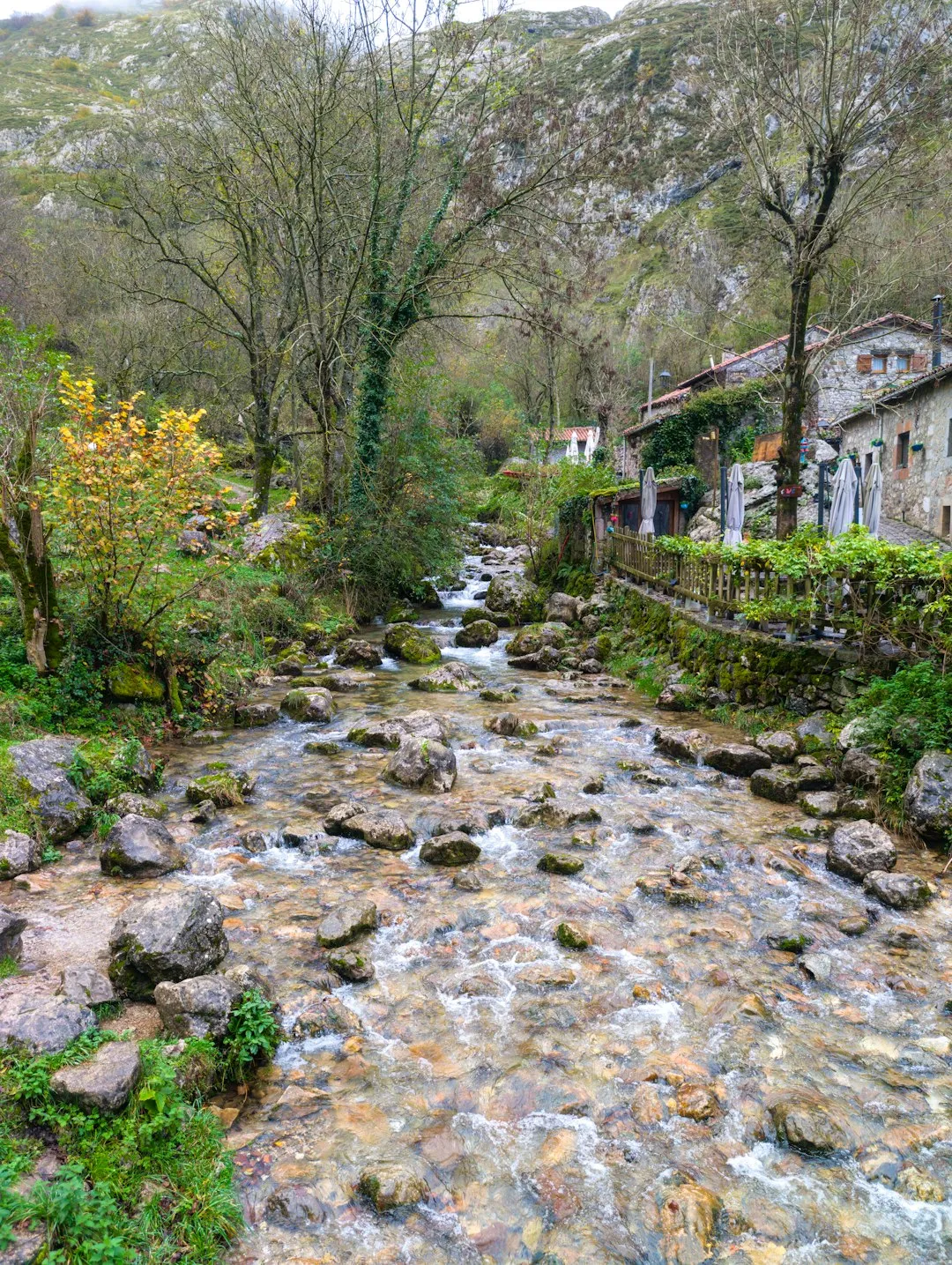
Cares Gorge to Bulnes: A Picos de Europa Gem
The Cares Gorge (Ruta del Cares) to Bulnes trail is a spectacular day walk nestled within the Picos de Europa National Park in northern Spain. This route offers a dramatic and unforgettable experience, traversing a narrow, man-made path carved directly into the sheer limestone cliffs of the Cares River gorge. The trail is renowned for its breathtaking vertical drops, stunning geological formations, and the remote, picturesque village of Bulnes, accessible only on foot or by funicular. It's a walk that combines natural grandeur with a touch of human ingenuity, providing a challenging yet immensely rewarding adventure for those seeking dramatic mountain scenery.
- Distance: 12.0 km (one-way from Poncebos to Bulnes, or vice-versa)
- Duration: 4-5 hours (walking time, not including stops)
- Elevation Gain: Approximately 700 metres (depending on direction)
- Difficulty: Moderate to Challenging (due to exposure and sustained ascent/descent)
- Best Time: May to October (weather dependent)
- Closest City: Arenas de Cabrales, Asturias
- Trailhead Access: Poncebos (for the main gorge walk)
- Permits: No permits required for the trail itself.
Overview
The Cares Gorge trail is a testament to human endeavour, a narrow walkway hewn from the rock face that follows the course of the Cares River. This river, a powerful force of nature, has carved a deep and dramatic canyon through the Picos de Europa massif. The trail itself is a marvel of engineering, constructed primarily in the early to mid-20th century to facilitate the maintenance of a hydroelectric power station's water channel. It is a route of constant visual spectacle, with sheer rock walls rising hundreds of metres on one side and a dizzying drop into the gorge on the other.
The walk is typically undertaken as a point-to-point journey, most commonly starting from Poncebos and finishing in the remote mountain village of Bulnes, or vice versa. The ascent from Poncebos to Bulnes involves a sustained climb, while the descent from Bulnes to Poncebos is equally demanding on the knees. The path is well-maintained but narrow in places, with no railings for much of its length, demanding a good head for heights and careful footing. The scenery is consistently awe-inspiring: the vibrant turquoise waters of the Cares River far below, the imposing grey limestone cliffs, and the occasional glimpse of mountain wildlife, such as chamois or birds of prey, add to the wild, untamed atmosphere.
The destination, Bulnes, is a unique reward. This tiny village, clinging to the mountainside, was for centuries accessible only by a steep, arduous mule track. The construction of the funicular railway in the early 2000s provided a modern alternative, but the village retains its remote charm and traditional Asturian architecture. Exploring Bulnes, enjoying a local meal, and then taking the funicular back down to Poncebos offers a complete and satisfying day out. The walk is not technically difficult in terms of climbing, but the exposure, length, and sustained elevation change make it a moderate to challenging undertaking, best suited for experienced walkers with a good level of fitness and no fear of heights.
History and Construction
The history of the Cares Gorge trail is intrinsically linked to the development of hydroelectric power in the Picos de Europa region. The construction of the Camarmena and Poncebos dams in the early 20th century necessitated the creation of a water channel to transport water from the high mountain reservoirs down to the power stations. This ambitious project, undertaken between the 1920s and 1950s, involved carving a narrow pathway along the sheer cliffs of the Cares River gorge.
The construction was a monumental feat of engineering and human labour. Workers, often local villagers, used basic tools and explosives to blast and chisel their way along the precipice, creating the walkway that now forms the famous trail. The primary purpose was not tourism but industrial maintenance, allowing engineers and workers to access and repair the water conduits. The path's width varies, but it is generally just wide enough for one person to pass comfortably, with steep, unfenced drops into the gorge below. This inherent danger meant that safety was paramount, and the construction itself was a perilous undertaking.
The village of Bulnes, situated high above the gorge, has a history stretching back centuries. For generations, its inhabitants were largely isolated, relying on traditional farming and a steep, challenging mule track for access to the outside world. The construction of the Cares Gorge walkway provided a more direct, albeit still demanding, route for the villagers and for those involved in the hydroelectric works. In recent years, the opening of the Funicular de Bulnes has further transformed access, making the village more accessible to visitors while preserving its unique character. The trail, therefore, represents a fascinating intersection of natural landscape, industrial history, and the enduring spirit of mountain communities.
Seasonal Considerations and Weather
The Picos de Europa, like all mountain ranges, experiences distinct seasonal variations that significantly impact the Cares Gorge trail experience. The best time to undertake this walk is generally from May to October, when the weather is most favourable and the risk of snow and ice is minimal.
Spring (May-June): This is a beautiful time to visit. The landscape is vibrant with wildflowers, and the temperatures are generally pleasant. However, early spring can still see lingering snow at higher elevations, and the river can be swollen with meltwater, making it particularly powerful. Rainfall is also common, so waterproof gear is essential.
Summer (July-August): This is the peak tourist season. The weather is typically warm and sunny, making it ideal for walking. However, it can also be very crowded, especially at the Poncebos trailhead and in Bulnes. Temperatures can become quite high in the gorge itself, so carrying plenty of water is crucial. The river levels are usually lower, but the path remains exposed and can feel very hot.
Autumn (September-October): Autumn offers a fantastic alternative to the summer crowds. The colours of the landscape begin to change, and the temperatures are often cooler and more comfortable for walking. The light can be particularly beautiful, casting dramatic shadows across the gorge. However, as the season progresses, the weather can become more unpredictable, with increased chances of rain and fog. By late October, snow can begin to fall at higher altitudes, potentially making the trail hazardous.
Winter (November-April): This period is generally not recommended for the Cares Gorge walk unless you are an experienced winter mountaineer with appropriate equipment. Snow and ice can make the narrow path treacherous, and visibility can be severely reduced by fog and storms. The hydroelectric channel may also be less maintained during these months. The funicular to Bulnes may also operate on a reduced schedule or be closed due to weather.
Weather Reality: Mountain weather is notoriously changeable. Even in summer, you can experience sudden downpours, strong winds, and dramatic temperature drops. Always check the forecast before you set out and be prepared for all conditions. The gorge itself can create its own microclimate, with wind funnelling through the narrow passage.
Recommended Itinerary
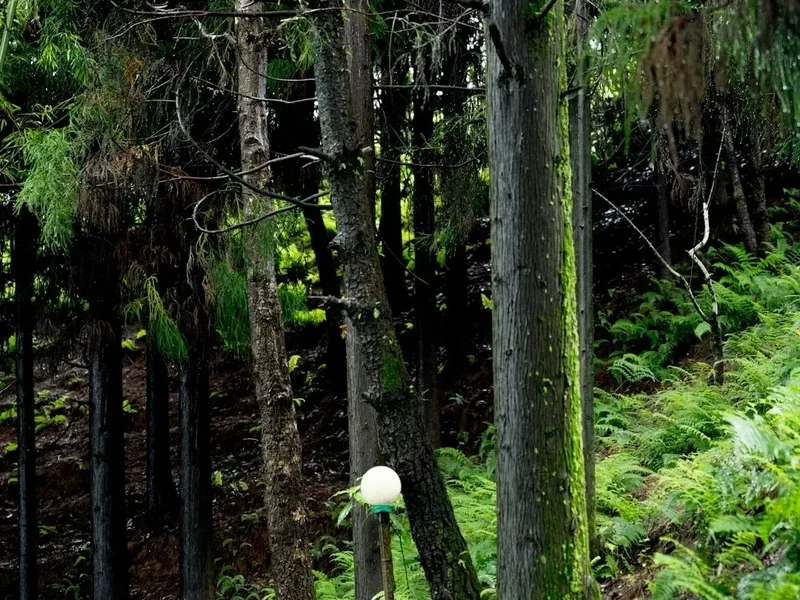
Day Walk: Poncebos to Bulnes and Return (via Funicular)
This is the most common and recommended way to experience the Cares Gorge, offering a balanced challenge and a unique destination.
Early Morning (Approx. 8:00 AM - 9:00 AM): Arrival and Preparation
- Arrive at Poncebos (approx. 1.5 hours drive from Oviedo, or 1 hour from Cangas de Onís).
- Park your vehicle at the designated parking area in Poncebos. Arrive early, especially during peak season, as parking is limited.
- Visit the small tourist information point if available for any last-minute updates or advice.
- Ensure you have all your gear, water, and snacks ready.
Morning (Approx. 9:00 AM - 1:00 PM): The Ascent to Bulnes
- Begin the walk from Poncebos towards Bulnes. The trail is well-marked.
- The initial section involves a steady, sustained climb. You will be walking alongside the Cares River's water channel.
- Distance: Approximately 4.5 km to Bulnes.
- Elevation Gain: Approximately 400 metres.
- Time: 1.5–2 hours of walking.
- Key Waypoints: The start of the water channel, various small bridges and tunnels, increasing views into the gorge.
- Note: This section is exposed and can be hot in summer.
Midday (Approx. 1:00 PM - 3:00 PM): Exploring Bulnes and Lunch
- Arrive in the charming village of Bulnes.
- Explore the narrow, cobbled streets, admire the traditional stone houses, and soak in the remote atmosphere.
- Enjoy a well-deserved lunch at one of the local restaurants or cafés. Try local Asturian specialities like fabada (bean stew) or cachopo (veal cordon bleu).
- Take photos and appreciate the stunning mountain backdrop.
Afternoon (Approx. 3:00 PM - 4:00 PM): Descent via Funicular
- Head to the Bulnes Funicular station.
- Purchase tickets for the funicular descent back to Poncebos.
- The funicular ride is a scenic and efficient way to return, offering different perspectives of the gorge and surrounding mountains.
- Distance: Approximately 2.2 km (funicular track).
- Time: 8 minutes (funicular ride).
Late Afternoon (Approx. 4:00 PM onwards): Return Journey
- Arrive back at Poncebos via the funicular.
- Collect your vehicle and begin your journey back to your accommodation.
Alternative: Cares Gorge Traverse (Poncebos to Caín and Return)
This is a longer, more demanding option that traverses the entire gorge from the Asturian side (Poncebos) to the Leonese side (Caín). It requires logistical planning for transport back to your starting point.
Day 1: Poncebos to Caín
- Distance: 12.0 km
- Elevation Gain: 700 m (approximate, with ups and downs)
- Time: 4-5 hours walking
- Start at Poncebos.
- Walk the entire length of the Cares Gorge trail.
- Arrive in Caín, a small village on the Leonese side of the gorge.
- Overnight stay in Caín (limited accommodation available, booking essential).
Day 2: Caín to Poncebos (Return)
- Distance: 12.0 km
- Elevation Gain: 700 m (approximate, with ups and downs)
- Time: 4-5 hours walking
- Walk back along the Cares Gorge trail from Caín to Poncebos.
- This option requires arranging transport to pick you up from Caín or having a second vehicle.
Note: The "Cares Gorge to Bulnes" description focuses on the most popular and logistically simpler day walk. The traverse to Caín is a more serious undertaking.
Planning and Bookings
Book Your Trip
Everything you need to plan your journey
Accommodation
Find places to stay near Arenas de Cabrales
Flights
Search flights to Arenas de Cabrales
Essential Preparation
The Cares Gorge to Bulnes walk is a popular day hike, and while no specific permits are required for the trail itself, careful planning is essential, especially regarding access and timing. The closest major town for accommodation and amenities is Arenas de Cabrales. From Arenas, it's a scenic drive of about 15-20 minutes to the trailhead at Poncebos. If you are travelling from further afield, cities like Oviedo or Santander offer more extensive accommodation and transport options, but require a longer drive to reach the Picos de Europa.
Logistics:
- Transport: The most convenient way to reach Poncebos is by car. Roads are paved but can be narrow and winding as you approach the Picos de Europa. Parking at Poncebos is limited and can fill up quickly, particularly during peak season (summer and weekends). Arriving early in the morning is highly recommended.
- Accommodation: Base yourself in Arenas de Cabrales or nearby villages like Poncebos itself (limited options). These locations offer a range of hotels, guesthouses, and apartments.
- Timing: Start your walk as early as possible to avoid the midday heat and the largest crowds. The trail can become very busy, especially during July and August.
- Fitness: While not technically difficult, the walk involves a sustained ascent and descent with significant elevation gain. A moderate level of fitness is required. Ensure you are comfortable with heights and exposed sections.
Trail Accommodation
This is a day hike requiring no overnight accommodation on the trail itself. The primary destination, Bulnes, offers a few small guesthouses and restaurants where you can rest and refuel before descending. If undertaking the full gorge traverse to Caín, there are limited accommodation options available in Caín, which must be booked well in advance.
Bulnes:
- Guesthouses/Restaurants: Several establishments offer rooms and meals. These are basic but comfortable, providing a true mountain village experience.
- Booking: Essential, especially during peak season, as options are very limited.
- Facilities: Typically include basic rooms, communal dining areas, and local cuisine.
- What's NOT provided: No camping is permitted along the trail or in Bulnes.
Caín (for traverse option):
- Guesthouses/Hostels: Limited options are available.
- Booking: Absolutely essential due to scarcity.
Required Gear
- Sturdy walking boots: With good ankle support and a well-worn sole for grip on rocky and uneven terrain.
- Waterproof and windproof jacket: Mountain weather can change rapidly; essential for protection against rain and wind.
- Comfortable walking trousers: Quick-drying material is ideal. Avoid jeans.
- Backpack: A comfortable daypack (20-30 litres) to carry essentials.
- Sun protection: High SPF sunscreen, sunglasses, and a wide-brimmed hat are crucial due to the exposed nature of the trail and altitude.
- Navigation: While the trail is generally well-marked, a map of the Picos de Europa and a compass or GPS device are recommended, especially if considering the full gorge traverse. A downloaded offline map on your phone is also useful.
- First-aid kit: Including blister plasters, antiseptic wipes, pain relievers, and any personal medications.
- Head torch: Essential if you plan to start very early or finish late, or for any unexpected delays.
What to Bring
- Food: Plenty of high-energy snacks (nuts, dried fruit, energy bars) and at least 1.5-2 litres of water per person. There are limited opportunities to buy food and drink until you reach Bulnes.
- Water treatment: While the river is visible, drinking untreated water is not recommended. Carry sufficient water or a reliable water filter/purification tablets if you plan to refill from streams (use with caution).
- Toiletries: Hand sanitiser, tissues. There are basic toilet facilities in Bulnes.
- Personal items: Camera, mobile phone (ensure it's fully charged), power bank.
- Cash: For the funicular, food and drinks in Bulnes, and parking fees. Card payment facilities may be limited.
- Walking poles: Highly recommended, especially for the descent, to reduce strain on knees and provide stability.
Permits
No specific permits are required to walk the Cares Gorge trail or to visit the village of Bulnes. The trail is part of the Picos de Europa National Park, which is a protected area, but access for hiking is generally unrestricted. However, it is important to be aware of park regulations regarding waste disposal and respecting the natural environment.
Parking: There is a designated parking area at Poncebos, the main trailhead. During peak season and on weekends, this car park can fill up very quickly. Arriving early in the morning is strongly advised to secure a spot. There may be a small fee for parking.
Funicular de Bulnes: While the trail to Bulnes is free, the Funicular de Bulnes, which provides an alternative and much easier way to reach the village from Poncebos, requires a ticket. Tickets can be purchased at the funicular station in Poncebos. It is advisable to check the operating hours and prices in advance, as these can vary seasonally.
National Park Regulations: As a visitor to the Picos de Europa National Park, you are expected to adhere to Leave No Trace principles. This includes carrying out all your rubbish, staying on marked trails, and respecting wildlife and the natural environment. Dogs are generally permitted on the trail but must be kept under control and on a lead, especially in Bulnes and around livestock.
Other Activities in the Area
The Picos de Europa National Park and its surrounding areas offer a wealth of activities for visitors:
- Hiking and Trekking: Beyond the Cares Gorge, the Picos de Europa boasts an extensive network of trails catering to all levels of experience. Popular options include the ascent to the Lakes of Covadonga, the Fuente Dé cable car with access to high-altitude walks, and the challenging routes around the Naranjo de Bulnes (Picu Urriellu).
- Fuente Dé Cable Car: A spectacular cable car ride that ascends over 750 metres in just four minutes, offering breathtaking panoramic views of the Picos. At the top, you can access high-altitude walking routes and enjoy the dramatic mountain scenery.
- Lakes of Covadonga (Lagos de Covadonga): A stunning glacial lake system set amidst rolling hills and mountains. Accessible by car (with restrictions during peak season) or public bus, the lakes are a popular destination for walking, photography, and enjoying the serene natural beauty. The historic sanctuary of Covadonga is also nearby.
- Climbing and Mountaineering: The Picos de Europa is a world-renowned destination for rock climbing and mountaineering, with iconic peaks like the Naranjo de Bulnes attracting experienced climbers from around the globe.
- Caving: The karst landscape of the Picos is riddled with caves, some of which are accessible to guided tours, offering a glimpse into the subterranean world.
- Gastronomy: Explore the rich culinary traditions of Asturias and Cantabria. Sample local cheeses (like Cabrales, a potent blue cheese from the region), Asturian cider (sidra), hearty stews (fabada), and fresh seafood.
- Cultural Visits: Explore charming mountain villages, visit historical sites like the Sanctuary of Covadonga, and learn about the region's unique heritage.
Safety and Conditions
Trail Conditions: The Cares Gorge trail is generally well-maintained, but it is a narrow path carved into a cliff face. Be aware of the following:
- Exposure: Large sections of the trail have no railings, and the drop into the gorge is significant. A good head for heights is essential.
- Surface: The path is uneven and can be slippery, especially after rain or in shaded areas. Wear appropriate footwear.
- Width: The trail is narrow in places, making it difficult for two people to pass comfortably. Be prepared to step aside for oncoming walkers, especially in busy sections.
- Tunnels: There are several short tunnels carved through the rock. Ensure you have a light source (head torch or phone light) for these sections.
Weather: Mountain weather is unpredictable. Always check the forecast before you go. Be prepared for sudden changes, including rain, strong winds, and fog, even on a sunny day. Temperatures can vary significantly with altitude and exposure.
Water: Carry ample water, especially during warmer months. The river is visible far below, but drinking untreated water is not advised. Refill points are scarce until Bulnes.
Crowds: The trail is extremely popular, particularly during summer and on weekends. Start early to avoid the busiest periods. If you are uncomfortable with crowds or exposed paths, consider visiting during the shoulder seasons (May-June or September-October).
Emergencies:
- Mobile Signal: Signal can be intermittent along the gorge. Do not rely on your phone for constant communication.
- Emergency Numbers: In Spain, the general emergency number is 112.
- First Aid: Carry a well-stocked first-aid kit and know how to use it.
- Funicular: The Funicular de Bulnes provides a quick and safe descent option if needed, but it operates on a schedule and can be closed due to weather.
Respect the Environment: Stay on the marked path to protect the fragile vegetation and prevent erosion. Take all your litter with you. Do not disturb wildlife.
Side Trips and Points of Interest
The Village of Bulnes: The primary point of interest and destination for many walkers. Bulnes is a remarkably preserved mountain village that was historically accessible only by a steep mule track. Its stone houses, narrow cobbled streets, and dramatic setting make it a unique reward after the hike. Enjoy a meal at one of the local restaurants, sample regional specialities like Cabrales cheese and Asturian cider, and soak in the tranquil atmosphere. The Funicular de Bulnes offers a modern contrast to the traditional village.
The Cares River: The star of the show. The powerful river has carved this immense gorge over millennia. Even from the high trail, you can see the vibrant turquoise water flowing far below. The sheer scale of the gorge and the force of the river are awe-inspiring. The water channel itself, a feat of engineering, runs alongside the path for much of the route.
Tunnels and Bridges: The trail features several short, dark tunnels blasted through the rock. These add an element of adventure and provide welcome shade on hot days. You will also cross several small bridges over side ravines or water channels, offering different perspectives of the gorge.
Geological Formations: The limestone cliffs of the Picos de Europa are a geological marvel. Observe the intricate patterns, fissures, and layers in the rock faces. The sheer verticality of the gorge walls is a constant reminder of the powerful natural forces at play.
Wildlife Spotting: Keep an eye out for mountain wildlife. Chamois (rebecos) are often seen grazing on the steep slopes. Birds of prey, such as eagles and vultures, may circle overhead. The sound of the river and the calls of birds are the dominant natural sounds.
Views of Naranjo de Bulnes (Picu Urriellu): On clear days, from higher points near Bulnes or on the approach, you may catch glimpses of the iconic Naranjo de Bulnes, one of the most famous and challenging peaks in the Picos de Europa, a dramatic spire of rock that is a magnet for climbers.
Leave No Trace
The Cares Gorge and the Picos de Europa National Park are precious natural environments that require our utmost respect and care. Adhering to Leave No Trace principles ensures that this stunning landscape remains pristine for future generations.
Plan Ahead and Prepare:
- Familiarise yourself with the trail and its conditions.
- Pack appropriate gear and sufficient supplies (water, food).
- Be aware of parking limitations and consider arriving early.
Travel and Camp on Durable Surfaces:
- Stay on the marked trail at all times. The path is specifically engineered for access; venturing off can cause erosion and damage fragile vegetation.
- In Bulnes, respect private property and designated areas.
Dispose of Waste Properly:
- Pack it in, pack it out. Carry all your rubbish, including food scraps and wrappers, back with you.
- Use designated toilet facilities where available (in Poncebos and Bulnes). If caught short in the wilderness, dig a cathole at least 60 metres away from water sources, trails, and campsites, and bury human waste. Pack out used toilet paper.
Leave What You Find:
- Do not remove rocks, plants, or any natural or cultural artefacts.
- Take only photographs and memories.
Minimise Campfire Impacts:
- Campfires are not permitted on this day hike.
Respect Wildlife:
- Observe wildlife from a distance. Do not feed animals, as it can harm their health and alter their natural behaviours.
- Keep dogs under control and on a lead.
Be Considerate of Other Visitors:
- Keep noise levels down.
- Yield to oncoming walkers on narrow sections of the trail.
- Be patient and courteous, especially during busy periods.
By following these principles, you contribute to the preservation of the Cares Gorge and the Picos de Europa, ensuring its beauty and ecological integrity endure.
 Spain
Spain