
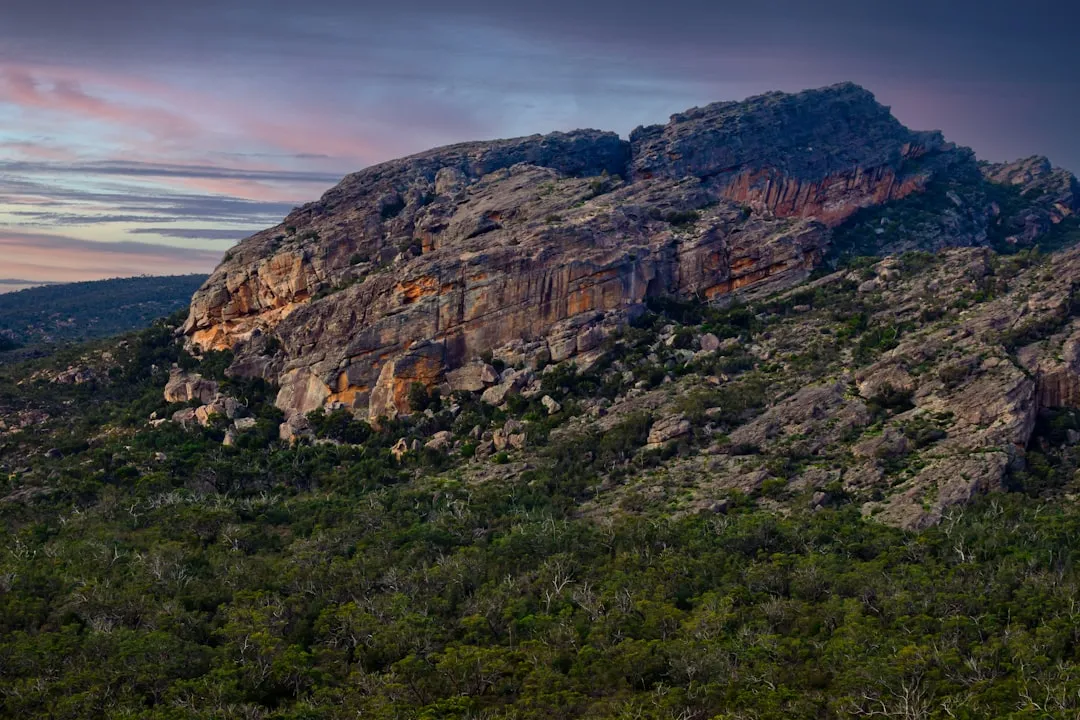
Cape Pillar Track - Tasmania's Wild Southern Edge
The Cape Pillar Track is a challenging multi-day walk located on the Tasman Peninsula, Tasmania, Australia. It forms part of the iconic Three Capes Track, a world-class hiking experience that showcases the dramatic coastal scenery of the region. This track is renowned for its sheer sea cliffs, ancient rainforests, and abundant wildlife, offering a profound connection with nature in one of Australia's most spectacular wilderness areas. The Cape Pillar Track itself is a significant section of this longer route, demanding a good level of fitness and preparedness due to its rugged terrain and unpredictable weather.
- Distance: 46.0 km (return from Fortescue Bay, or as part of the full Three Capes Track)
- Elevation Gain: 1300 m
- Duration: 3-4 days
- Difficulty: Challenging
- Best Time: October to April (Tasmanian summer and shoulder seasons)
- Closest City: Hobart
- Trailhead Access: Fortescue Bay, Tasman Peninsula (approx. 1.5 hours drive from Hobart)
- National Park Pass: Required for entry into Tasman National Park
Overview
The Cape Pillar Track is a journey into the heart of Tasmania's rugged coastal wilderness, a place where ancient forests meet the formidable Southern Ocean. This track is not for the faint-hearted; it is a challenging expedition that rewards walkers with unparalleled views of towering dolerite sea cliffs, some of the tallest in Australia. The route winds through dense, temperate rainforests, across open heathlands, and along exposed ridgelines, offering a diverse and immersive natural experience.
The track is characterised by its significant elevation changes. While the overall distance might seem moderate, the cumulative elevation gain of 1300 metres means there are substantial climbs and descents, testing the endurance of even experienced hikers. The terrain can be rough and uneven, with rocky sections, muddy patches after rain, and steep ascents and descents that require careful footing.
The highlight of the Cape Pillar Track is undoubtedly the dramatic coastline. Walking along the edge of the Tasman Peninsula, you are treated to breathtaking vistas of the Tasman Sea, with waves crashing against the base of sheer cliffs that plunge hundreds of metres into the ocean. Landmarks like the Totem Pole and the Candlestick, impressive sea stacks, are visible from the track, adding to the awe-inspiring scenery. The area is also a haven for wildlife, with opportunities to spot Australian fur seals, seabirds, and if you're lucky, whales during their migration seasons.
The weather in this region is notoriously changeable. Visitors can experience sunshine, strong winds, heavy rain, and fog all within a single day. This unpredictability adds to the wild and untamed nature of the Cape Pillar experience, underscoring the importance of thorough preparation and appropriate gear. The track is best enjoyed during the warmer months, from October to April, when daylight hours are longer and the weather is generally more favourable, though still requiring vigilance.
The Cape Pillar Track is often walked as part of the full Three Capes Track, a 48-kilometre loop that includes Cape Raoul and Cape Huayont. However, the Cape Pillar section can also be tackled as a standalone multi-day hike, typically starting and finishing at Fortescue Bay. This allows for a focused exploration of the peninsula's most dramatic coastal features.
History and Cultural Context
The Tasman Peninsula, and specifically the area around Cape Pillar, has a rich and complex history. For millennia, this land was the traditional territory of the Muwinina people, an Aboriginal group who lived in harmony with the natural environment, utilising its resources for sustenance and cultural practices. Evidence of their presence, such as shell middens and tool-making sites, can be found throughout the region, testifying to a deep and enduring connection with this land.
European settlement in the area began in the early 19th century, with the establishment of whaling stations and later, agricultural pursuits. The rugged coastline and dense forests presented significant challenges to early settlers. The peninsula also played a role in Tasmania's penal history, with the infamous Port Arthur Historic Site located nearby, serving as a stark reminder of the harsh realities of colonial Australia.
The development of the Cape Pillar Track as a formal hiking route is a more recent phenomenon, driven by a desire to showcase and protect the region's spectacular natural beauty. The Three Capes Track, of which Cape Pillar is a key component, was conceived as a premium walking experience, designed to provide access to some of Tasmania's most iconic coastal landscapes while minimising environmental impact. The construction of the track involved careful planning and engineering to ensure sustainability and safety, incorporating elevated boardwalks, robust staircases, and well-maintained pathways that navigate the challenging terrain.
The track's modern iteration reflects a shift towards conservation and ecotourism, aiming to provide visitors with an unforgettable wilderness experience while fostering an appreciation for the delicate ecosystems and the historical significance of the Tasman Peninsula. The ongoing management of the track by Tasmania Parks and Wildlife Service ensures that this wild edge of Tasmania remains accessible for future generations to explore and cherish.
Seasonal Highlights and Weather Reality
The Cape Pillar Track experiences distinct seasonal variations, each offering a unique perspective on this wild coastal environment. The best time for walking is generally during the warmer months, from October to April, which encompasses spring, summer, and early autumn in Tasmania.
Spring (October to November): This is a time of renewal. Wildflowers begin to bloom, adding splashes of colour to the heathlands and forests. The weather can be unpredictable, with a mix of sunny days and cooler, wetter periods. Wildlife becomes more active, and it's a good time to spot seabirds nesting. The track is generally less crowded than in peak summer.
Summer (December to February): These months offer the longest daylight hours, ideal for maximising time on the track. Temperatures are generally milder, though heatwaves can occur. This is also the peak season for sandflies, so adequate repellent is essential. The coastal cliffs are at their most dramatic under clear skies, and whale sightings are possible during their migration periods.
Autumn (March to April): The weather often stabilises in autumn, with crisp air and clear days becoming more frequent. The forests begin to show autumn colours, and the crowds thin out, offering a more serene experience. The risk of early snow on higher sections is minimal but possible. Sandfly activity typically decreases.
Winter (May to September): While the track is technically open year-round, winter is not recommended for casual walkers. The weather is cold, wet, and windy, with significantly shorter daylight hours. Snowfall can occur on higher sections, and the track can become hazardous due to ice and mud. Access to Fortescue Bay can also be affected by severe weather. This season is best suited for experienced, well-equipped winter hikers.
Weather Reality: It is crucial to understand that Fiordland's weather is notoriously fickle. Even in summer, you can encounter strong winds, heavy rain, and fog. The exposed nature of the coastal sections means that conditions can change rapidly. Always be prepared for all types of weather, regardless of the season. Checking the forecast immediately before and during your hike is essential.
Recommended Itinerary
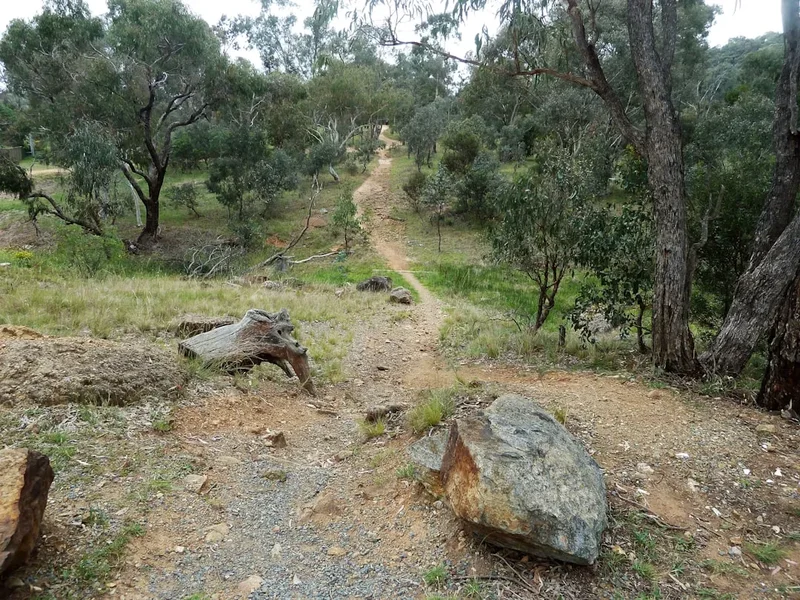
3-Day Cape Pillar Track Itinerary (as part of Three Capes Track)
Day 1: Fortescue Bay to Surveyors Hut
- Distance: 11.0 km
- Elevation gain: 450 m
- Time: 3–4 hours
- Start at Fortescue Bay, a picturesque bay with camping facilities and a boat ramp.
- The initial section involves a steady climb through coastal heath and eucalypt forest.
- Pass through areas of ancient rainforest, with towering trees and dense undergrowth.
- Arrive at Surveyors Hut, a well-equipped hut offering shelter and basic amenities.
- This day is designed to ease you into the walk, with a manageable distance and significant elevation gain.
- Opportunity to explore the immediate surroundings of the hut and enjoy the coastal views.
Day 2: Surveyors Hut to Barnards Hut (via Cape Pillar)
- Distance: 18.0 km
- Elevation gain: 650 m
- Time: 6–8 hours
- This is the most challenging and rewarding day, featuring the dramatic Cape Pillar.
- The track ascends to exposed ridgelines offering spectacular panoramic views of the Tasman Sea and the coastline.
- Walk along the edge of towering dolerite cliffs, some of the highest in Australia.
- Pass the iconic sea stacks: The Totem Pole and The Candlestick.
- Descend into sheltered valleys and ascend again, with significant ups and downs throughout the day.
- Arrive at Barnards Hut, situated in a more sheltered location.
- This day demands good fitness and resilience due to the distance, elevation changes, and potential for strong winds.
Day 3: Barnards Hut to Fortescue Bay
- Distance: 17.0 km
- Elevation gain: 200 m
- Time: 5–6 hours
- A predominantly downhill and flatter section, though still with some undulations.
- The track continues through diverse coastal vegetation, including rainforest and heathland.
- Enjoy final views of the dramatic coastline before descending back towards Fortescue Bay.
- The final kilometres offer a sense of accomplishment as you return to the trailhead.
- Arrive back at Fortescue Bay, completing the loop.
Important Notes:
- This itinerary assumes walking the Cape Pillar section as part of the full Three Capes Track. If walking as a standalone out-and-back from Fortescue Bay, adjustments to accommodation and daily distances would be necessary.
- Hut bookings are mandatory for the Three Capes Track.
- Carry all your own food and supplies.
- Be prepared for rapidly changing weather conditions.
- National Park Pass is required.
Planning and Bookings
Book Your Trip
Everything you need to plan your journey
Accommodation
Find places to stay near Hobart
Flights
Search flights to Hobart
Essential Preparation
The Cape Pillar Track, as part of the Three Capes Track, requires careful planning and booking well in advance. The limited number of walkers allowed per day is crucial for conservation and to maintain the wilderness experience. Your primary logistical hub will be Hobart, the closest major city, from which you will drive to the trailhead at Fortescue Bay. Ensure your vehicle is in good condition, as the drive involves winding roads. A National Park Pass is mandatory for entry into Tasman National Park, and this should be purchased online or at a visitor centre before your trip.
Consider your fitness level. The track is rated as challenging due to its distance, significant elevation changes, and rugged terrain. Regular cardiovascular exercise, including hiking with a weighted pack, is highly recommended in the months leading up to your trip. Familiarise yourself with the route, potential hazards, and weather patterns specific to the Tasman Peninsula.
Trail Accommodation
The Cape Pillar Track, as part of the Three Capes Track, utilises a system of well-appointed, eco-friendly huts managed by Tasmania Parks and Wildlife Service. These huts are designed to blend into the environment and provide comfortable shelter for walkers.
Hut Facilities:
- Bunk beds with mattresses (sleeping bags required)
- Wood-burning stoves for heating (firewood provided)
- Gas cooking facilities (stoves and fuel provided)
- Water tanks (rainwater, treatment recommended)
- Toilets (composting, eco-friendly)
- Communal dining and lounge areas
- Outdoor decks with seating
- No electricity or charging facilities
What Huts Don't Provide:
- Food or cooking utensils (pots, pans, cutlery)
- Sleeping bags, pillows, or personal bedding
- Toiletries or personal items
- First aid supplies (beyond basic warden provisions)
Booking Requirements:
- Bookings are essential and must be made through the Tasmania Parks and Wildlife Service website.
- The Three Capes Track operates on a strict booking system with limited daily allocations to manage visitor numbers.
- Bookings typically open several months in advance and can sell out quickly, especially during peak season.
- Hut fees are charged per person, per night. Costs vary depending on the season but are generally around AUD$60-80 per person per night.
- This is a multi-day hike requiring overnight stays in the designated huts.
Required Gear
- Sturdy, waterproof hiking boots: Broken-in and providing good ankle support are essential for the varied terrain.
- Waterproof and windproof jacket and overtrousers: Fiordland's weather is unpredictable; these are non-negotiable for staying dry and warm.
- Warm layers: Merino wool or synthetic base layers, fleece or down mid-layers, and a warm hat and gloves are crucial, even in summer.
- Sleeping bag: A 3-season bag (rated to around 0°C) is recommended for comfort in the huts.
- Backpack: A comfortable, well-fitting pack (45-65 litres) with a rain cover.
- Head torch or flashlight: With spare batteries, as huts have no electricity.
- First aid kit: Comprehensive kit including blister treatment, pain relievers, antiseptic wipes, bandages, and any personal medications.
- Navigation tools: Map of the track, compass, and a GPS device or smartphone with offline maps. While the track is well-marked, it's wise to be prepared.
- Sun protection: Sunscreen, sunglasses, and a wide-brimmed hat. The sun can be intense, especially on exposed coastal sections.
What to Bring
- Food: Sufficient non-perishable food for the duration of your hike, including breakfast, lunch, dinner, and snacks. Plan for at least one extra day's supply in case of delays.
- Water bottles or hydration reservoir: Capacity for at least 2 litres per person.
- Water treatment: A filter or purification tablets are recommended, even though hut water is from tanks.
- Cooking equipment: Lightweight camping stove, fuel, pot, utensils, plate, bowl, and mug.
- Toiletries: Biodegradable soap, toothbrush, toothpaste, toilet paper (for emergencies outside huts), hand sanitiser.
- Towel: A quick-drying travel towel.
- Insect repellent: Especially important during warmer months for sandflies.
- Personal items: Camera, book, journal, power bank for electronics (though charging is not possible in huts).
- Trash bags: To pack out all rubbish.
- Trekking poles: Highly recommended for stability on ascents and descents, and for reducing strain on knees.
Permits
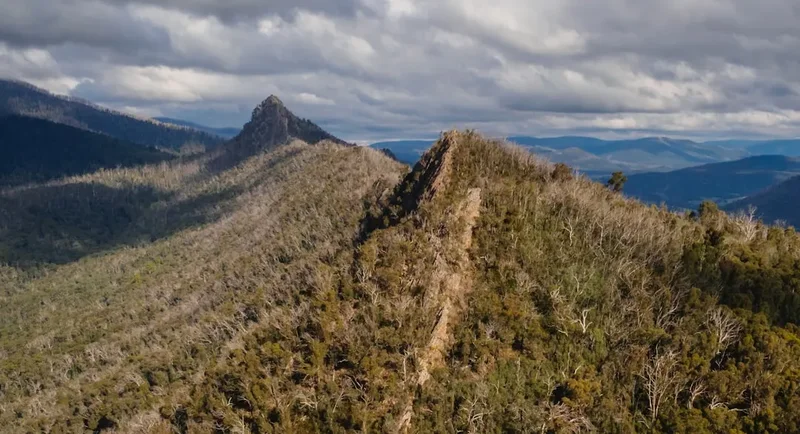
Access to the Cape Pillar Track, as part of the Three Capes Track, is strictly managed through a booking system operated by Tasmania Parks and Wildlife Service. This system ensures that visitor numbers are controlled, minimising environmental impact and maintaining the quality of the wilderness experience. Bookings are essential and must be made in advance, often several months ahead, particularly for peak season dates.
Booking Process:
- Visit the official Tasmania Parks and Wildlife Service website dedicated to the Three Capes Track.
- Select your desired start date and the number of people in your group.
- The system will show available dates and hut allocations.
- Complete the booking and payment process online.
- You will receive a confirmation email with your booking details and a permit.
Permit Requirements:
- A valid booking confirmation serves as your permit to walk the track and stay in the huts.
- You must carry a copy of your booking confirmation with you at all times during the hike.
- The permit is for a specific date and hut allocation.
- Walkers are allocated specific huts for each night of their itinerary.
Costs:
- Hut fees are charged per person, per night.
- Prices vary depending on the season, with higher fees typically applied during the peak summer months (December to February).
- Expect costs to be in the range of AUD$60-80 per person, per night.
- A Tasmania National Park Pass is also required for entry into Tasman National Park, which can be purchased separately online or at visitor centres.
Important Considerations:
- Book as early as possible, especially if you have specific dates in mind.
- Be flexible with your dates if possible, as popular periods sell out quickly.
- Ensure you have adequate time to reach Fortescue Bay for your scheduled start time.
- Familiarise yourself with the cancellation and refund policy.
Other Activities in the Area
The Tasman Peninsula offers a wealth of activities beyond the Cape Pillar Track, making it an ideal destination for an extended stay:
- Port Arthur Historic Site: Explore one of Australia's most significant convict sites, a UNESCO World Heritage property. Discover the history of the penal colony through guided tours, museums, and preserved buildings.
- Cape Raoul Track: If you have extra time, this challenging day hike offers equally spectacular coastal views, including the impressive dolerite columns of Cape Raoul. It's a shorter but still demanding walk.
- Tasman Arch and Devil's Kitchen: Visit these impressive natural rock formations carved by the sea. These easily accessible lookouts provide stunning coastal vistas and are a must-see for any visitor to the peninsula.
- Remarkable Cave: A unique sea cave accessible via a staircase. At certain times of the year, sunlight illuminates the cave, creating a spectacular effect.
- Freycinet National Park: While a longer drive, this park is home to the iconic Wineglass Bay and offers further opportunities for coastal walks, beaches, and wildlife viewing.
- Local Wineries and Breweries: The region boasts several excellent wineries and craft breweries, offering tastings and a chance to sample local produce.
- Dolphin and Seal Watching Tours: Take a boat trip from Eaglehawk Neck or Port Arthur to observe marine life, including seals, dolphins, and potentially whales during migration season.
Safety and Conditions
Pre-Trip Checks:
- Weather Forecast: Always check the latest MetService forecast for the Tasman Peninsula and coastal areas before and during your hike. Be prepared for rapid changes.
- Track Conditions: Visit the Tasmania Parks and Wildlife Service website for any alerts or track closures.
- National Park Pass: Ensure you have purchased and displayed your National Park Pass correctly.
- Emergency Contact: Inform a reliable person of your itinerary, expected return time, and contact details.
On-Track Safety:
- Weather: Conditions can change dramatically. Be prepared for strong winds, heavy rain, fog, and cold temperatures, even in summer. Hypothermia is a risk if you get wet and cold.
- Terrain: The track is challenging with steep ascents and descents, uneven surfaces, rocky sections, and potential for mud. Wear appropriate footwear and use trekking poles for stability.
- Coastal Exposure: Sections of the track are exposed to the open sea. Be aware of wind gusts and the potential for large waves, especially near cliff edges. Stay well back from cliff tops.
- Water: While huts have water tanks, it is always recommended to treat water (filter or boil) before drinking. Carry sufficient water for your daily needs.
- Wildlife: While generally not dangerous, maintain a safe distance from all wildlife. Be aware of snakes during warmer months, though they are rarely encountered on the main track.
- Navigation: The track is generally well-marked, but carry a map and compass and know how to use them. Do not rely solely on mobile phone reception, which is unreliable.
- Communication: Mobile phone reception is intermittent. Consider carrying a personal locator beacon (PLB) for emergencies.
- First Aid: Carry a comprehensive first aid kit and know how to use it.
Sandflies: Sandflies are prevalent, especially during warmer months and after rain. They are small but can deliver irritating bites. Use effective insect repellent (containing DEET or Picaridin), wear long sleeves and trousers when stationary, and consider a head net.
Emergency Procedures: In case of an emergency, use your PLB if you have one, or attempt to contact emergency services via mobile phone if reception is available. Know the location of the nearest ranger station or visitor centre.
Side Trips and Points of Interest
The Totem Pole and The Candlestick: These are iconic dolerite sea stacks that stand dramatically off the coast near Cape Pillar. The Totem Pole, a slender, 65-metre-high column, is a famous rock-climbing challenge. The Candlestick is a similarly impressive, though slightly shorter, formation. They are best viewed from the track as you traverse the exposed coastal sections, offering incredible photographic opportunities and a sense of the raw power of the ocean.
Cape Pillar Lookout: The highest point of the Cape Pillar section, offering breathtaking 360-degree views. On a clear day, you can see the vast expanse of the Southern Ocean, the dramatic coastline stretching in both directions, and the rugged interior of the Tasman Peninsula. This is a prime spot for whale watching during migration seasons (May-July and September-November).
Tasman Arch: While not directly on the Cape Pillar Track itself, this natural arch formation is a short detour from the main Three Capes Track route or accessible from a nearby road. It's a magnificent example of coastal erosion, where the sea has carved a large opening through the rock face.
Devil's Kitchen: Another spectacular coastal feature, Devil's Kitchen is a deep chasm or gorge carved into the dolerite cliffs. Waves surge into the chasm, creating dramatic spray and a powerful display of nature's force. It's easily accessible from a lookout point and offers a different perspective on the coastal geology.
Remarkable Cave: Located a short drive from Fortescue Bay, this unique sea cave is accessible via a steep staircase. The cave's shape is remarkable, and at certain times of the day, sunlight streams through, illuminating the water within. It's a worthwhile stop for its geological interest and unique beauty.
Leave No Trace
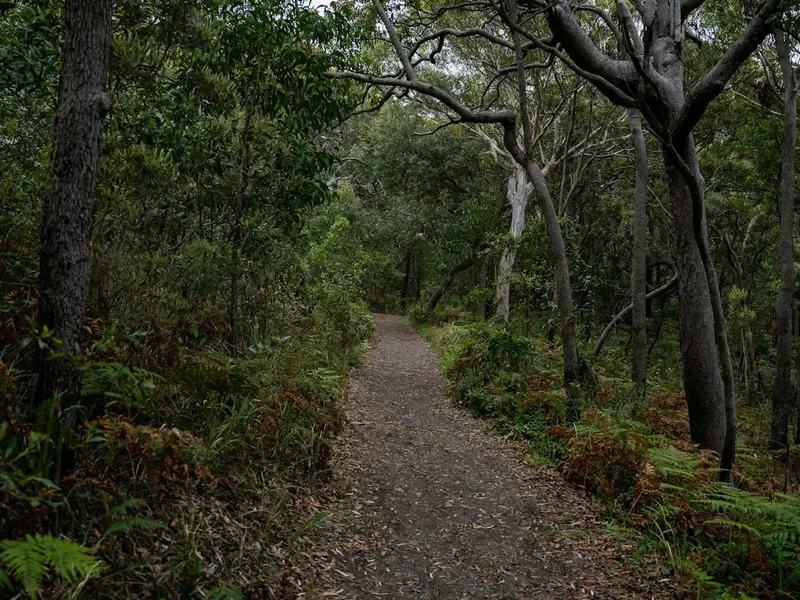
The Cape Pillar Track traverses a pristine and ecologically sensitive environment. Adhering to Leave No Trace principles is paramount to preserving its natural beauty and integrity for future generations. The Three Capes Track is designed with minimal impact in mind, and your actions on the track contribute directly to its conservation.
Your responsibility as a walker:
- Pack it in, pack it out: Carry out all rubbish, including food scraps, wrappers, and any other waste. Do not bury or burn rubbish.
- Stay on the track: Stick to marked paths and boardwalks to avoid damaging fragile vegetation, including delicate heathland plants and ancient rainforest undergrowth.
- Dispose of waste properly: Use the composting toilets provided in the huts. If caught short in the bush, dig a cathole at least 100 metres away from water sources and the track, and bury human waste. Pack out toilet paper.
- Leave what you find: Do not remove plants, rocks, or any other natural objects. Take only photographs and memories.
- Minimise campfire impacts: Campfires are not permitted on the track or in the huts. Use the provided gas stoves in the huts.
- Respect wildlife: Observe animals from a distance and never feed them. Feeding wildlife can harm their health and alter their natural behaviour.
- Be considerate of others: Keep noise levels down, especially in huts, and yield to other walkers when necessary.
By following these principles, you help ensure that the Cape Pillar Track remains a wild and beautiful place for everyone to enjoy.
 Australia