
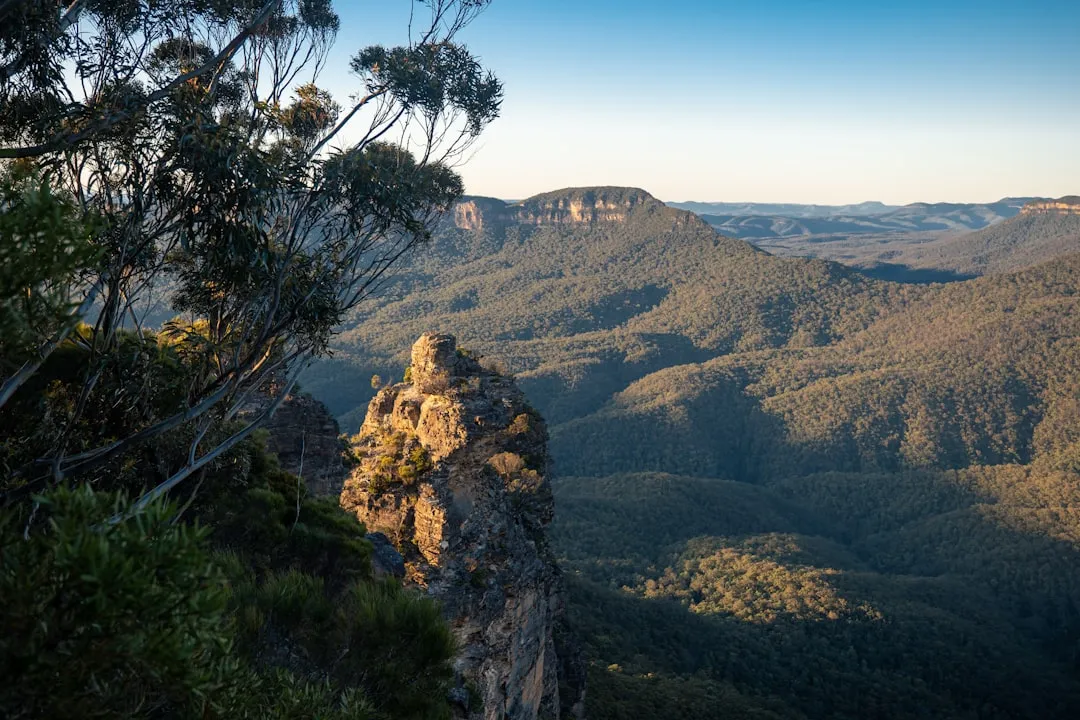
Cape Hauy Track - Tasman Peninsula's Coastal Gem
The Cape Hauy Track is a spectacular coastal walk on the Tasman Peninsula, Tasmania, Australia. Renowned for its dramatic dolerite cliffs, sweeping ocean vistas, and the iconic Totem Pole sea stack, this trail offers a relatively short but intensely rewarding experience. It forms part of the Three Capes Track, a multi-day wilderness walk, but can be easily completed as a day hike. The path winds through coastal heath and eucalyptus forests before emerging onto the exposed headland, providing breathtaking views of the Southern Ocean and the rugged coastline. It's a journey that showcases the raw power and beauty of Tasmania's wild eastern shores.
- Distance: 8.8 km return
- Duration: 3–4 hours
- Season: Year-round, but best in Spring (October-November) for wildflowers and Autumn (March-May) for clearer skies. Summer can be hot and exposed.
- Difficulty: Moderate (due to some steep sections and exposed cliff edges)
- Closest City: Hobart (~1.5 hours drive)
- Trailhead Access: Fortescue Bay, Tasman Peninsula
- Permits: No permits required for day hiking.
Overview
The Cape Hauy Track is a testament to the dramatic geological forces that have shaped Tasmania's coastline. This 8.8 km return walk is a highlight of the Tasman Peninsula, offering a concentrated dose of coastal grandeur. Starting from the tranquil Fortescue Bay, the trail initially meanders through coastal woodlands, providing a gentle introduction before the landscape opens up to reveal the full extent of the Tasman Sea.
As you ascend, the vegetation thins, and the path becomes more exposed, offering increasingly spectacular views. The dolerite cliffs, formed from ancient volcanic activity, plunge hundreds of metres to the churning ocean below. These sheer rock faces are a photographer's dream, especially when bathed in the golden light of sunrise or sunset. The trail is well-maintained, with boardwalks and steps in steeper sections, but caution is advised due to the proximity of cliff edges.
The main drawcard is undoubtedly Cape Hauy itself, a prominent headland jutting out into the sea. Here, the iconic Totem Pole, a slender dolerite column, stands sentinel offshore, a testament to the relentless erosion by wind and waves. Nearby, the Candlestick, another impressive sea stack, adds to the dramatic seascape. The panoramic views from the cape are simply awe-inspiring, stretching across the vast Southern Ocean and back towards the rugged coastline of the Tasman Peninsula. Keep an eye out for seabirds, and if you're lucky, you might even spot whales during their migration seasons.
While the walk is moderate, the exposure to the elements and the sheer drops require a good level of fitness and a head for heights. It's a walk that rewards effort with unparalleled natural beauty, making it a must-do for any visitor to Tasmania.
History and Cultural Context
The Tasman Peninsula, including the area around Cape Hauy, has a rich and complex history. For millennia, this land was the traditional territory of the Muwinina people, an Aboriginal Tasmanian nation. They utilised the coastal resources, including the abundant marine life and the flora and fauna of the forests, for sustenance and cultural practices. Evidence of their presence can be found in shell middens and other archaeological sites scattered throughout the region, though specific historical records for the immediate Cape Hauy area are less detailed than for other parts of Tasmania.
European settlement in the area began in the early 19th century, primarily driven by the need for timber and the establishment of penal colonies. The nearby settlement of Port Arthur, established in 1830, was one of the most notorious Australian penal settlements. While Cape Hauy itself was not a direct part of the penal operations, its proximity meant that the surrounding landscape was surveyed and exploited for resources. The rugged coastline also played a role in maritime history, with numerous shipwrecks occurring along the treacherous shores of Tasmania, a constant reminder of the power of the Southern Ocean.
In more recent times, the area has been recognised for its outstanding natural beauty and ecological significance. The establishment of national parks and conservation reserves, including the Tasman National Park which encompasses Cape Hauy, has aimed to protect these unique landscapes and their biodiversity. The development of the Three Capes Track, of which Cape Hauy is a part, has further highlighted the importance of this region for both nature-based tourism and conservation efforts. The track's design aims to minimise environmental impact while maximising the visitor experience of this wild and beautiful coastline.
Seasonal Highlights and Weather Reality
The Cape Hauy Track is accessible year-round, but each season offers a different experience:
Spring (October to November): This is a fantastic time to visit. The coastal heath bursts into bloom with a vibrant array of wildflowers, including native peas, banksias, and waratahs. The weather is generally mild, though still prone to change. Birdlife is active, and the cooler temperatures make for comfortable walking.
Summer (December to February): Summer offers the warmest weather, with long daylight hours. However, the track is very exposed, and temperatures can become uncomfortably hot, especially on the open headland. Sun protection is crucial. While generally drier, summer can still experience sudden squalls and strong winds. Sandflies can also be present, though usually less of an issue than in some other Tasmanian coastal areas.
Autumn (March to May): Autumn is often considered the best season for clear skies and stable weather. The colours of the eucalyptus forests can be beautiful, and the sea is often a deep, rich blue. The crowds of summer have thinned, offering a more peaceful experience. Temperatures are cool and pleasant for walking.
Winter (June to August): Winter brings cooler temperatures, higher rainfall, and stronger winds. While the landscape can be dramatic and moody in winter, the conditions can be challenging. Snow is rare at sea level but can occur on higher inland areas. The track remains open, but visitors should be prepared for wet and windy conditions, and shorter daylight hours.
Weather Reality: Regardless of the season, the weather on the Tasman Peninsula can change rapidly. The exposed nature of Cape Hauy means that conditions can shift from calm and sunny to windy, wet, and cold within a short period. Always check the forecast before you go and be prepared for all eventualities. The sea can be particularly rough, and the wind can be relentless.
Recommended Itinerary
Cape Hauy Day Walk Itinerary
Morning (Approx. 9:00 AM): Arrival at Fortescue Bay
- Drive from Hobart (approx. 1.5 hours) to Fortescue Bay.
- Park at the designated car park near the campground and boat ramp.
- Use the facilities (toilets available).
- Final gear check and apply sunscreen/insect repellent.
Late Morning (Approx. 9:30 AM - 10:00 AM): Commence Walk to Cape Hauy
- Begin the walk from the trailhead located at the eastern end of Fortescue Bay.
- The initial section (approx. 2 km) winds through coastal woodland and eucalyptus forest.
- Enjoy the dappled sunlight and the scent of native flora.
- The path is generally well-formed with some gentle inclines.
Midday (Approx. 11:00 AM - 12:00 PM): Ascend to the Headland
- The terrain begins to steepen as you approach the dolerite cliffs.
- You'll encounter sections of boardwalk and stone steps designed to manage erosion and provide safe passage.
- The vegetation opens up, revealing increasingly impressive views of the Tasman Sea.
- Be mindful of the cliff edges and stay on the marked path.
Early Afternoon (Approx. 12:00 PM - 1:00 PM): Arrive at Cape Hauy
- Reach the prominent headland of Cape Hauy.
- Marvel at the panoramic views of the Southern Ocean.
- Observe the iconic sea stacks: the Totem Pole and the Candlestick.
- Take time to rest, have lunch, and soak in the dramatic scenery.
- Look for seabirds and potentially marine life in the waters below.
Mid-Afternoon (Approx. 1:00 PM - 2:30 PM): Return Walk to Fortescue Bay
- Retrace your steps back along the same path.
- The descent can be quicker but requires careful footing, especially on the steeper sections.
- Enjoy the changing perspectives of the coastline as you walk back.
Late Afternoon (Approx. 2:30 PM - 3:00 PM): Arrive back at Fortescue Bay
- Return to the car park.
- Use the facilities to freshen up.
- Consider a short stroll along the beach at Fortescue Bay.
Optional Extensions:
- If time and energy permit, explore other short walks around Fortescue Bay or enjoy a picnic by the water.
Important Notes:
- This is a day walk; no overnight accommodation is required.
- The track is well-marked but can be exposed to wind and sun.
- Wear sturdy walking shoes and carry sufficient water and snacks.
- Be aware of the proximity to cliff edges and supervise children closely.
Planning and Bookings
Book Your Trip
Everything you need to plan your journey
Accommodation
Find places to stay near Hobart
Flights
Search flights to Hobart
Essential Preparation
The Cape Hauy Track is a popular day walk, and while no bookings are required for the track itself, planning your visit is still essential for a safe and enjoyable experience. The closest major city is Hobart, which serves as the primary gateway for travellers. From Hobart, the drive to Fortescue Bay on the Tasman Peninsula takes approximately 1.5 hours (around 85 km) via the Tasman Highway (A3). The road is sealed and well-maintained, making access straightforward.
Fortescue Bay is a beautiful, sheltered bay with a campground and boat ramp, offering basic facilities. It's advisable to arrive early, especially during peak season or on weekends, as parking can become limited. Ensure you have all your supplies before leaving Hobart or the larger towns on the peninsula, as services are scarce closer to the trailhead. Mobile phone reception can be patchy in the area, so download offline maps and information beforehand.
Trail Accommodation
This is a day hike requiring no overnight accommodation. Fortescue Bay offers a campground with basic facilities for those wishing to stay overnight in the vicinity, but the Cape Hauy Track itself is walked within a single day.
Required Gear
- Sturdy walking shoes: Hiking boots or trail shoes with good grip are essential due to uneven terrain and some steep sections.
- Waterproof jacket: Tasmania's weather can change rapidly; a waterproof and windproof jacket is highly recommended, even on a sunny day.
- Sun protection: A wide-brimmed hat, sunglasses, and high SPF sunscreen are crucial, as the track is very exposed, especially on the headland.
- Backpack: A small daypack (15-25 litres) to carry essentials.
- Navigation: While the track is well-marked, a map or GPS device with an offline map of the area is advisable.
- First-aid kit: A basic kit with plasters, antiseptic wipes, pain relievers, and any personal medications.
- Insect repellent: Especially important during warmer months to ward off flies and potentially sandflies.
What to Bring
- Water: Carry at least 1-2 litres of water per person. There are no water sources along the track.
- Food: Plenty of snacks and a packed lunch. There are no facilities for purchasing food at the trailhead.
- Toiletries: Hand sanitiser, tissues.
- Personal items: Camera, fully charged mobile phone (though reception is unreliable).
- Optional: Binoculars for wildlife spotting, walking poles for added stability on descents.
Permits
No permits are required to walk the Cape Hauy Track as a day hike. Access to Fortescue Bay and the trailhead is free. This makes it an easily accessible and popular destination for both locals and tourists.
However, it is important to note that the Cape Hauy Track is part of the larger Three Capes Track, which is a multi-day wilderness experience. For the Three Capes Track, advance bookings and permits are mandatory, and these are managed by Tasmania Parks and Wildlife Service. Day walkers do not need to book or pay for access to the Cape Hauy section.
Important Considerations:
- National Park Entry: While the track itself is free, Fortescue Bay is within the Tasman National Park. Day entry fees may apply to the national park system in general, though for this specific trailhead, it is typically covered by the general access to the area. Always check the latest information on the Tasmania Parks and Wildlife Service website for any potential changes to fees or access regulations.
- Campground Fees: If you plan to camp at Fortescue Bay, fees apply and bookings are recommended, especially during peak seasons.
- Three Capes Track Bookings: If you intend to complete the full Three Capes Track, you must book well in advance through the official Parks and Wildlife Service website. This is a separate process from day-hiking the Cape Hauy section.
Other Activities in the Area
The Tasman Peninsula is rich with attractions, making it worthwhile to extend your visit:
- Three Capes Track: For the more adventurous, consider booking and completing the full 48 km, three-day, two-night Three Capes Track. This iconic walk takes you to Cape Pillar and Mount Stormont in addition to Cape Hauy, with excellent eco-huts along the way.
- Port Arthur Historic Site: A UNESCO World Heritage site, this former penal colony offers a fascinating glimpse into Australia's convict past. Allow several hours to explore the extensive grounds, ruins, and museums.
- Tasman Arch and Devil's Kitchen: These impressive natural rock formations are easily accessible via short walks and boardwalks, showcasing the power of coastal erosion.
- Remarkable Cave: A unique sea cave accessible by a steep staircase, known for its distinctive shape and the powerful waves that crash within it.
- Surfing and Beaches: Nearby areas like Roaring Beach and White Beach offer opportunities for surfing and swimming, though conditions can be wild.
- Dolphin Sands: A beautiful stretch of beach perfect for a leisurely stroll or enjoying the coastal scenery.
- Local Wineries and Breweries: The region boasts several boutique wineries and craft breweries offering tastings and local produce.
Safety and Conditions
Pre-Walk Checks:
- Weather Forecast: Always check the latest weather forecast for the Tasman Peninsula and Fortescue Bay before you depart. MetService or the Bureau of Meteorology are reliable sources. Be prepared for rapid changes, especially wind and rain.
- Track Conditions: While generally well-maintained, check the Tasmania Parks and Wildlife Service website for any alerts or temporary closures due to maintenance or extreme weather events.
- Tides: While not a direct concern for the main Cape Hauy track, be aware of tidal movements if exploring the immediate Fortescue Bay beach area.
On the Track:
- Cliff Edges: The most significant hazard is the proximity to steep cliff edges. Maintain a safe distance from the edge at all times, especially in windy conditions. Never walk off-track.
- Exposure: Cape Hauy is very exposed to sun, wind, and rain. Wear appropriate clothing and sun protection. In hot weather, dehydration is a risk.
- Footing: The track includes uneven surfaces, loose gravel, and steep sections with steps. Wear sturdy footwear with good ankle support and take your time, particularly on descents.
- Wind: Strong winds are common on the headland and can make walking difficult and increase the risk of falling near cliff edges.
- Wildlife: While generally not dangerous, be aware of native wildlife. Keep a safe distance and do not feed any animals. Snakes can be present in warmer months; be aware of your surroundings.
- Communication: Mobile phone reception is unreliable in this area. Inform someone of your plans, including your expected return time. Consider carrying a Personal Locator Beacon (PLB) if venturing further afield or if you are concerned about communication.
- Children: Supervise children closely at all times due to the cliff edges and uneven terrain.
Emergency Procedures:
- In case of emergency, call 000 (Australia's emergency number).
- Provide your location as Fortescue Bay, Tasman Peninsula, and the specific location on the Cape Hauy Track if possible.
- If you have a PLB, activate it according to its instructions.
Side Trips and Points of Interest
The Totem Pole and Candlestick: These are the absolute highlights of the Cape Hauy walk. The Totem Pole is a striking, slender dolerite sea stack that stands proudly offshore, a testament to the relentless power of erosion. Nearby, the Candlestick is another impressive rock formation. The viewing platforms at Cape Hauy offer excellent vantage points for photographing these natural wonders. The sheer scale and isolation of these formations are awe-inspiring.
Coastal Vistas: Beyond the sea stacks, the entire walk offers magnificent panoramic views of the Southern Ocean. On clear days, you can see for miles, with the rugged coastline stretching out in both directions. The dramatic dolerite cliffs, with their distinctive columnar jointing, provide a stunning backdrop.
Fortescue Bay: The starting and ending point of the walk, Fortescue Bay itself is a beautiful, sheltered bay. It's a great spot for a picnic, a swim (though the water can be cool), or simply to relax and enjoy the scenery before or after your hike. The bay is also a popular launching point for boaters and kayakers.
Coastal Heathland: As you walk, you'll pass through diverse coastal heathland ecosystems. In spring, this area is particularly beautiful with a variety of wildflowers in bloom. The unique flora is adapted to the harsh coastal conditions.
Wildlife Spotting: Keep an eye out for seabirds nesting on the cliffs or soaring overhead. During migration seasons (typically May-July and September-November), there's a chance of spotting whales offshore. Fur seals may also be seen in the waters around the cape.
Leave No Trace
The Cape Hauy Track traverses a sensitive coastal environment within the Tasman National Park. Adhering to Leave No Trace principles is crucial to preserve its natural beauty and ecological integrity for future visitors.
Your responsibility as a walker:
- Pack It In, Pack It Out: Carry out all rubbish, including food scraps, wrappers, and any other waste you generate. There are no bins along the track or at the trailhead.
- Stay on the Track: Stick to the marked path and boardwalks. This protects fragile vegetation, prevents erosion, and ensures your safety by keeping you away from cliff edges.
- Respect Wildlife: Observe animals from a distance and never feed them. Feeding wildlife can alter their behaviour, make them dependent on human food, and cause them harm.
- Dispose of Waste Properly: Use the toilet facilities at Fortescue Bay before and after your walk. If nature calls unexpectedly, do so well away from water sources and bury human waste at least 10 cm deep, scattering the soil afterwards. Pack out all toilet paper.
- Leave What You Find: Do not take any natural souvenirs, such as rocks, plants, or shells. Leave them for others to enjoy and for the ecosystem to function naturally.
- Minimise Campfire Impacts: Campfires are not permitted on the Cape Hauy Track or at Fortescue Bay. If camping at the Fortescue Bay campground, use designated fire pits and ensure fires are completely extinguished.
- Be Considerate of Others: Keep noise levels down, especially near other walkers. Allow faster walkers to pass.
By following these principles, you help ensure that the stunning natural environment of Cape Hauy remains pristine and enjoyable for everyone.
 Australia