
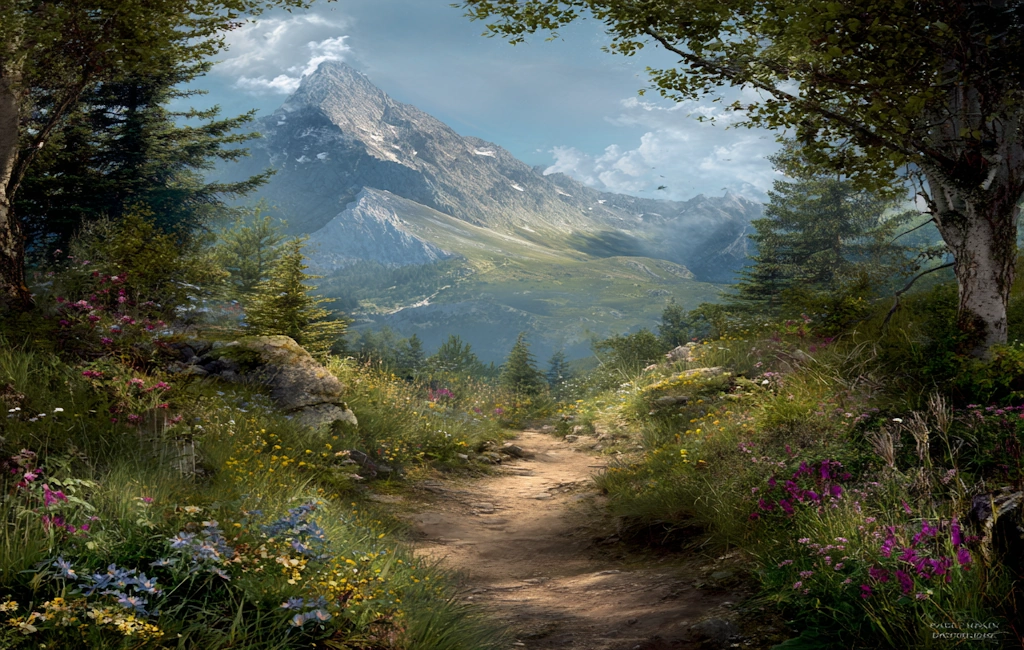
Parque Nacional do Caparaó Circuit
The Parque Nacional do Caparaó Circuit is a challenging and rewarding multi-day trek through one of Brazil's most iconic mountain landscapes. Located on the border of the states of Espírito Santo and Minas Gerais, this circuit offers a profound immersion into high-altitude ecosystems, dramatic granite peaks, and breathtaking panoramic views. The park is renowned for housing Pico da Bandeira, the third-highest mountain in Brazil, and Pico do Cristal, another significant summit that draws trekkers seeking adventure and natural beauty.
This trail is not for the faint of heart. It demands a good level of physical fitness, preparedness for variable mountain weather, and a spirit of adventure. The circuit typically spans 3 to 4 days, allowing ample time to ascend to the summits, explore the unique flora and fauna, and soak in the awe-inspiring vistas. The landscape is characterised by rugged terrain, steep ascents, and exposed ridges, with the reward being unparalleled views of the surrounding mountain ranges and the vast Brazilian highlands.
- Distance: 45.0 km
- Elevation Gain: 2,500 m
- Duration: 3-4 days
- Difficulty: Challenging
- Best Time: May to September (dry season)
- Closest City: Alto Caparaó
- Trailhead Access: Nearest airport: Vitória (VIX). Take a bus to Manhumirim, then another to Alto Caparaó. By car from Vitória: BR-262 to Manhuaçu, then MG-111 to Alto Caparaó. Road is paved but can be winding. Parking available near the park entrance. Park entry fee and registration required.
- Coordinates: -20.4050, -41.7900
Overview
The Parque Nacional do Caparaó Circuit is a journey into a realm of granite giants and high-altitude wilderness. The park's topography is dominated by the Serra do Caparaó, a mountain range that forms a natural boundary between Espírito Santo and Minas Gerais. The circuit is designed to take trekkers to some of the region's most spectacular viewpoints, including the summits of Pico da Bandeira and Pico do Cristal.
The trail winds through diverse ecosystems, from dense Atlantic Forest at lower elevations to the stark, rocky landscapes of the alpine zone. As you ascend, the vegetation changes, with hardy shrubs and grasses replacing the trees. The air becomes thinner and cooler, and the views expand dramatically. The granite formations are a prominent feature, sculpted by millennia of erosion, creating dramatic cliffs, spires, and vast rock fields.
Pico da Bandeira, at 2,891 metres, is a major draw. Its summit offers a truly unforgettable experience, especially at sunrise, when the first rays of light illuminate the vast expanse of clouds and mountains below. The climb to Pico da Bandeira is demanding, involving steep ascents and rocky sections, but the panoramic reward is immense. Pico do Cristal, slightly lower at 2,770 metres, provides another spectacular vantage point, often considered to have equally impressive, if not more dramatic, views due to its more exposed position.
The circuit is typically undertaken over 3 to 4 days, allowing for acclimatisation and the exploration of multiple peaks and viewpoints. The dry season, from May to September, is the ideal time to visit, offering clearer skies, lower humidity, and more stable weather conditions. However, even during this period, mountain weather can be unpredictable, with sudden temperature drops, strong winds, and occasional rain or frost.
The park's infrastructure includes basic campsites and shelters, providing essential resting points for trekkers. The journey is a test of endurance and resilience, but the profound connection with nature and the sheer beauty of the Caparaó landscape make it an unforgettable adventure for experienced hikers.
History and Cultural Context
The Serra do Caparaó region has a rich history intertwined with indigenous peoples, early settlers, and the ongoing efforts to conserve its unique natural heritage. For centuries, indigenous communities likely traversed these mountains, utilising their resources and respecting their formidable presence. The name "Caparaó" itself is believed to derive from the Tupi language, possibly meaning "river of stones" or "place of stones," reflecting the dominant geological features of the area.
During the colonial period and the subsequent development of Brazil, the region saw increased human activity, including agriculture and cattle ranching. However, the rugged terrain and challenging climate of the Serra do Caparaó limited extensive settlement, preserving much of its natural character. The discovery and exploration of its highest peaks, particularly Pico da Bandeira, became a focus for adventurers and geographers in the late 19th and early 20th centuries.
Pico da Bandeira, in particular, has a symbolic significance in Brazilian history. The Brazilian flag was reportedly raised on its summit for the first time in 1859, solidifying its status as a national landmark. The establishment of Parque Nacional do Caparaó in 1961 was a crucial step in protecting this ecologically significant area, which is part of the Atlantic Forest biome, a biodiversity hotspot under severe threat.
The park's creation aimed to safeguard its unique ecosystems, including its high-altitude grasslands, cloud forests, and the distinctive granite formations. Conservation efforts continue to focus on protecting the region's endemic flora and fauna, managing visitor impact, and promoting sustainable tourism. The park is a testament to the growing awareness of the importance of preserving Brazil's natural wonders for future generations, offering a glimpse into a landscape that has remained relatively untouched by widespread development.
Seasonal Highlights and Weather Reality
The Parque Nacional do Caparaó Circuit experiences distinct seasonal variations that significantly impact the trekking experience. The most favourable period for hiking is during the dry season, which generally runs from May to September.
Dry Season (May to September): This is the prime trekking season. Days are typically sunny and clear, with significantly lower humidity and rainfall. Temperatures can be cool to cold, especially at higher elevations and during the night, with frost and even occasional snow possible on the highest peaks. This period offers the best visibility for panoramic views and the lowest risk of weather-related disruptions. However, "dry" does not mean entirely free of rain; brief showers can still occur. The nights can be very cold, often dropping below freezing, requiring appropriate warm gear.
Shoulder Seasons (April and October): These months can offer a transition period with fewer crowds than the peak dry season. The weather may be more variable, with a higher chance of rain compared to the core dry months. However, they can still be good times to visit if you are prepared for changeable conditions.
Rainy Season (November to April): This period is characterised by higher temperatures, increased humidity, and frequent, often heavy, rainfall. The trails can become muddy and slippery, and visibility can be severely reduced by clouds and fog. The risk of landslides and flash floods increases, making trekking more hazardous. While some trekkers may still attempt the circuit during this time, it is generally not recommended due to the increased risks and less favourable conditions. The park authorities may also impose restrictions or closures during periods of extreme weather.
Weather on the Peaks: Regardless of the season, the weather at the summits of Pico da Bandeira and Pico do Cristal can change rapidly. Strong winds, sudden temperature drops, and dense fog are common. Trekkers must be prepared for alpine conditions, even during the warmer months. Sunrise attempts on Pico da Bandeira, while popular, often involve hiking in the dark and cold, with temperatures frequently below freezing.
Recommended Itinerary
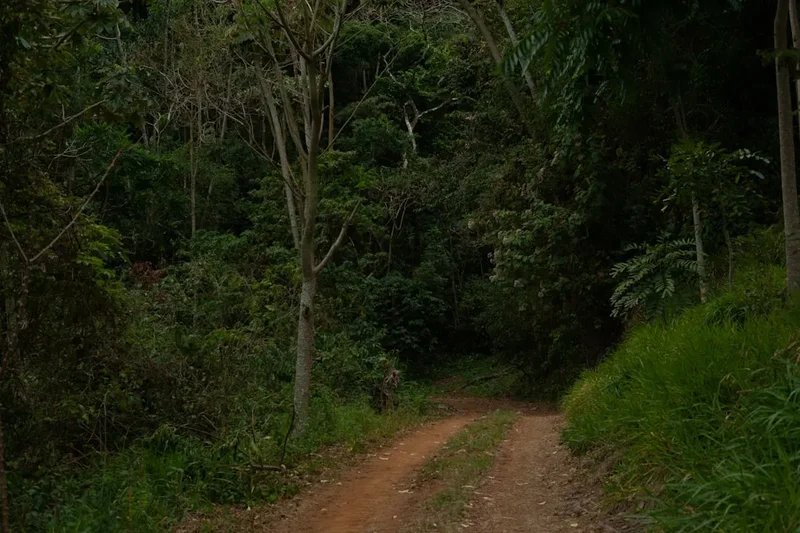
3-Day Parque Nacional do Caparaó Circuit Itinerary
Day 1: Arrival in Alto Caparaó and Ascent to Terreirão Camp
- Morning: Arrive in Alto Caparaó, complete park registration, and pay entry fees.
- Late Morning: Drive or arrange transport to the park entrance (Portaria do Caparaó).
- Midday: Begin the hike from the park entrance towards Terreirão Camp.
- Distance: Approximately 10 km
- Elevation Gain: Approximately 1,000 m
- Time: 4-6 hours
- Terrain: Starts with a well-maintained dirt road, transitioning to a rocky trail through Atlantic Forest.
- Key Waypoints: Portaria do Caparaó, Cachoeira dos Funis (waterfall), Terreirão Camp.
- Evening: Set up camp at Terreirão Camp, a designated camping area with basic facilities. Acclimatise to the altitude.
Day 2: Summit of Pico da Bandeira and Descent to Macieiras Camp
- Early Morning (pre-dawn): Begin the ascent to Pico da Bandeira for sunrise.
- Distance to Pico da Bandeira: Approximately 5 km
- Elevation Gain to Pico da Bandeira: Approximately 800 m
- Time to Pico da Bandeira: 2-3 hours
- Terrain: Steep, rocky, and exposed trail.
- Key Waypoints: Terreirão Camp, Pedra do Forno, Pico da Bandeira summit (2,891 m).
- Morning: Enjoy the sunrise and panoramic views from Pico da Bandeira.
- Midday: Descend back to Terreirão Camp. Pack up camp.
- Afternoon: Hike towards Macieiras Camp.
- Distance from Terreirão to Macieiras: Approximately 7 km
- Elevation Gain/Loss: Varied, with some ascents and descents.
- Time: 3-4 hours
- Terrain: Rocky trails, some open areas.
- Evening: Set up camp at Macieiras Camp.
Day 3: Ascent of Pico do Cristal and Descent to Alto Caparaó
- Morning: Begin the ascent to Pico do Cristal.
- Distance to Pico do Cristal: Approximately 5 km
- Elevation Gain to Pico do Cristal: Approximately 600 m
- Time to Pico do Cristal: 2-3 hours
- Terrain: Steep, rocky, and exposed trail, with some scrambling.
- Key Waypoints: Macieiras Camp, Pico do Cristal summit (2,770 m).
- Midday: Descend from Pico do Cristal back towards the park entrance.
- Distance from Pico do Cristal to Portaria: Approximately 12 km
- Elevation Loss: Approximately 1,600 m
- Time: 4-5 hours
- Terrain: Steep descent, rocky and potentially slippery.
- Late Afternoon: Arrive back at the park entrance (Portaria do Caparaó).
- Evening: Depart from Alto Caparaó.
Alternative 4-Day Itinerary:
A 4-day itinerary allows for a more relaxed pace, more time at each summit, and the possibility of exploring additional viewpoints or resting at camps. For instance, Day 2 could involve reaching Pico da Bandeira and returning to Terreirão, with Day 3 dedicated to hiking to Macieiras and Day 4 to Pico do Cristal and descent.
Important Notes:
- This itinerary is a suggestion and can be adapted based on fitness levels and weather conditions.
- All trekkers must register at the park entrance and pay the required fees.
- Carry sufficient water or have a reliable water purification method, as water sources can be scarce at higher altitudes.
- Be prepared for significant temperature fluctuations and rapidly changing weather.
- Book accommodation in Alto Caparaó in advance, especially during peak season.
Planning and Bookings
Book Your Trip
Everything you need to plan your journey
Accommodation
Find places to stay near Alto Caparaó
Flights
Search flights to Alto Caparaó
Essential Preparation
The Parque Nacional do Caparaó Circuit requires thorough preparation due to its challenging nature and remote location. The closest town with essential services is Alto Caparaó, which serves as the primary gateway to the park. It's advisable to spend at least one night here before starting your trek to acclimatise and make final arrangements.
Fitness: This circuit is rated as challenging. Trekkers should have a high level of cardiovascular fitness and muscular endurance. Regular hiking, including uphill training with a weighted pack, is highly recommended. The altitude gain is significant, and the terrain is often steep and rocky.
Logistics: Access to Alto Caparaó is typically via Vitória (Espírito Santo) or Belo Horizonte (Minas Gerais). From these cities, you'll need to take buses or drive to Manhumirim, and then connect to Alto Caparaó. The final stretch of road to the park entrance can be rough and may require a 4x4 vehicle, especially during the rainy season. It's wise to arrange transport in advance or confirm road conditions with local guides.
Base Town: Alto Caparaó offers basic accommodation, restaurants, and shops for essential supplies. It's a small, charming town that caters to trekkers. Booking accommodation in Alto Caparaó in advance is recommended, particularly during the dry season and holidays.
Trail Accommodation
Accommodation within Parque Nacional do Caparaó is primarily in the form of designated campsites and basic shelters. These facilities are managed by the park service and are essential for multi-day treks.
- Terreirão Camp: Located at approximately 2,000 metres, this is a primary campsite and a common starting point for ascents to Pico da Bandeira. It offers a relatively flat area for pitching tents and usually has access to a water source. Basic toilet facilities may be available.
- Macieiras Camp: Situated at a higher elevation, this camp is often used as a staging point for the ascent to Pico do Cristal or as a stopover between Terreirão and the higher peaks. Facilities are minimal, typically consisting of camping space and possibly a basic shelter.
- Pico da Bandeira Summit Shelter: A very basic shelter exists near the summit of Pico da Bandeira, but it is often overcrowded and offers minimal protection. Most trekkers opt to camp at Terreirão and make a pre-dawn ascent.
Booking Requirements: While there isn't a formal booking system for campsites in the same way as some international trails, it is advisable to check with the park authorities upon arrival or in Alto Caparaó regarding any registration requirements or potential capacity limits, especially during peak season. It's wise to carry your own tent and sleeping gear.
Facilities Provided: Designated camping areas, access to water sources (treatment recommended), and basic toilet facilities at some locations.
What's NOT Provided: Food, cooking equipment, sleeping bags, sleeping mats, tents, electricity, charging facilities, or any form of heating.
Seasonal Availability: Campsites are generally accessible year-round, but conditions vary drastically between the dry and rainy seasons. The rainy season can make camping hazardous due to mud, flooding, and difficult access.
Costs: There is an entrance fee for the national park. Camping itself is usually free or incurs a minimal fee, but this should be confirmed with park officials.
Required Gear
- Sturdy Hiking Boots: Waterproof, with good ankle support and excellent grip for rocky and uneven terrain. Ensure they are well broken-in.
- Backpack: A 50-65 litre backpack is suitable for a 3-4 day trek. Ensure it has a comfortable harness and hip belt. A rain cover is essential.
- Tent: A lightweight, durable, and waterproof 3-season tent is crucial for camping.
- Sleeping Bag: Rated for sub-zero temperatures (e.g., -5°C to -10°C comfort rating) due to cold nights at altitude.
- Sleeping Mat: For insulation and comfort.
- Waterproof Jacket and Trousers: High-quality, breathable, and fully waterproof outer layers are non-negotiable.
- Warm Layers: Thermal base layers (merino wool or synthetic), fleece mid-layers, and a warm insulated jacket (down or synthetic).
- Head Torch: With spare batteries, essential for pre-dawn starts and navigating in the dark.
- Navigation Tools: Map of the park, compass, and a GPS device or smartphone with offline maps. Familiarise yourself with the route beforehand.
- First-Aid Kit: Comprehensive kit including blister treatment, pain relievers, antiseptic wipes, bandages, and any personal medications.
- Sun Protection: High SPF sunscreen, sunglasses, and a wide-brimmed hat. The sun can be intense at altitude.
- Trekking Poles: Highly recommended for stability on ascents and descents, and to reduce strain on knees.
What to Bring
- Food: Lightweight, high-energy, non-perishable food for 3-4 days. This includes breakfast, lunch, dinner, and plenty of snacks. Consider freeze-dried meals, energy bars, nuts, dried fruit, and jerky.
- Water Bottles/Hydration Reservoir: Capacity for at least 2-3 litres per person.
- Water Purification: Water filter, purification tablets, or a UV steriliser. While water sources exist, they should always be treated.
- Cooking Gear: Lightweight camping stove, fuel, cooking pot, utensils, mug, and a bowl.
- Toiletries: Biodegradable soap, toothbrush, toothpaste, toilet paper, hand sanitiser, and any personal hygiene items.
- Trash Bags: To pack out all waste, including food scraps and packaging.
- Insect Repellent: Although less of an issue at higher altitudes, it can be useful at lower elevations.
- Camera: To capture the stunning scenery.
- Power Bank: For charging electronic devices.
- Cash: For park entrance fees, potential transport, and any small purchases in Alto Caparaó.
- Identification: Personal identification documents.
Permits
Parque Nacional do Caparaó requires trekkers to register and pay an entrance fee. While there isn't a strict quota system for daily hikers like some international parks, registration is mandatory for safety and park management purposes. It's advisable to check the official park website or contact the park administration in advance for the most up-to-date information on fees, opening hours, and any specific regulations.
Registration Process:
- Location: Registration typically takes place at the park's main entrance (Portaria do Caparaó) or at an administrative office in Alto Caparaó.
- Information Required: You will likely need to provide personal details, your trekking itinerary, and emergency contact information.
- Fees: An entrance fee is charged per person, and this fee can vary. It's best to confirm the current rates directly with the park authorities.
Booking for Campsites:
- As mentioned in the accommodation section, formal booking for campsites is generally not required. However, during peak seasons (e.g., national holidays, long weekends, and the dry season), the park can become busy. It is wise to arrive early in the day to secure a good camping spot.
- If you plan to use the basic shelter near Pico da Bandeira, it's a first-come, first-served system, and it's highly recommended to have a tent as a backup.
Guides: While not strictly mandatory for the main circuit, hiring a local guide is highly recommended, especially for those unfamiliar with the area, the terrain, or the weather conditions. Guides can assist with navigation, safety, and provide valuable insights into the park's natural and cultural history. Some guides may require advance booking.
Important Considerations:
- Always carry your registration receipt and identification with you during your trek.
- Be aware of park rules and regulations, including those related to camping, fires, and waste disposal.
- The park authorities have the right to close trails or the entire park in case of adverse weather conditions or other safety concerns.
Other Activities in the Area
While the primary draw of Parque Nacional do Caparaó is its challenging trekking circuit, the surrounding region offers several other activities and points of interest:
- Waterfalls: The park and its surroundings are dotted with beautiful waterfalls. Cachoeira dos Funis (Funnel Waterfall) is a notable one encountered on the trail to Terreirão Camp. Other cascades can be found in the lower-lying areas, offering refreshing spots for a dip.
- Birdwatching: The Atlantic Forest biome is rich in biodiversity, making Caparaó an excellent destination for birdwatchers. Keep an eye out for various endemic species, including tanagers, hummingbirds, and toucans.
- Photography: The dramatic landscapes, unique rock formations, and stunning sunrises/sunsets provide endless opportunities for photographers. The vast cloud seas seen from the summits are particularly photogenic.
- Exploring Alto Caparaó: The small town of Alto Caparaó itself offers a glimpse into rural Brazilian life. Enjoy local cuisine, interact with the friendly residents, and soak in the mountain atmosphere.
- Driving the Scenic Roads: The roads leading to and within the park offer spectacular views of the mountainous terrain. Even the drive to Alto Caparaó is scenic, winding through lush countryside.
- Visiting Pico do Forno: For those seeking additional challenges, Pico do Forno is another peak in the park that can be explored, offering different perspectives of the mountain range.
Safety and Conditions
Pre-Trek Preparation:
- Physical Fitness: Ensure you are adequately fit for a challenging multi-day trek with significant elevation gain and potentially harsh weather.
- Acclimatisation: Spend at least one night in Alto Caparaó (around 1,000 m) before starting your trek to help your body adjust to the altitude.
- Weather Monitoring: Check the weather forecast for the region and specifically for high altitudes before and during your trek. Mountain weather can change rapidly and without warning.
- Inform Someone: Leave your detailed itinerary and expected return date with a trusted friend or family member.
On the Trail:
- Altitude Sickness: Be aware of the symptoms of altitude sickness (headache, nausea, dizziness, fatigue). If symptoms appear, descend immediately. Stay hydrated and avoid alcohol and strenuous activity on your first day at altitude.
- Navigation: Stick to marked trails. If you are unsure of the route, hire a local guide. Carry a map and compass and know how to use them.
- Weather Changes: Be prepared for sudden shifts in weather. Hypothermia is a risk even in warmer months due to wind chill and rain at higher elevations. Always carry warm and waterproof layers.
- Water Sources: Treat all water from streams or springs before drinking.
- Wildlife: While large dangerous animals are not common, be aware of your surroundings. Respect wildlife and do not feed animals.
- Rockfalls: Be cautious on steep, rocky sections, especially after rain.
- Emergency: Carry a fully charged mobile phone, but be aware that signal coverage is extremely limited within the park. Consider a satellite communication device for remote areas. Know the park's emergency contact numbers.
Specific Hazards:
- Pico da Bandeira Sunrise: The pre-dawn ascent is in darkness and can be very cold. Ensure you have a reliable head torch and warm clothing. The trail can be slippery.
- Pico do Cristal: This peak is known for its exposed ridges and can be very windy. The summit area is rocky and requires careful footing.
- Rainy Season Risks: During the rainy season (November to April), trails can become extremely muddy, slippery, and prone to flash floods. River crossings can become dangerous.
Travel Insurance: It is highly recommended to have travel insurance that covers trekking and potential emergency evacuation.
Side Trips and Points of Interest
Sunrise from Pico da Bandeira: This is the quintessential Caparaó experience. The pre-dawn hike to the summit (2,891 m) is challenging but immensely rewarding. Witnessing the sunrise paint the sky with vibrant colours over a sea of clouds is an unforgettable spectacle. The third highest peak in Brazil, its summit offers a 360-degree view of the surrounding mountain ranges and the vast Brazilian plateau.
Pico do Cristal: Standing at 2,770 metres, Pico do Cristal offers arguably one of the most spectacular panoramic views in the park. Its summit is more exposed and often considered to have a more dramatic vista than Pico da Bandeira, with jagged rock formations and sweeping views across the Serra do Caparaó. The climb is steep and requires careful navigation over rocky terrain.
Cachoeira dos Funis (Funnel Waterfall): Located along the trail to Terreirão Camp, this beautiful waterfall is a welcome sight and a good spot for a rest and to refill water supplies (ensure treatment). Its cascading waters add to the natural beauty of the lower-altitude forest sections.
The "Sea of Clouds": A common phenomenon, especially during the dry season, is the formation of a vast "sea of clouds" that fills the valleys below the mountain peaks. Witnessing this from the summits, particularly at sunrise or sunset, is a breathtaking sight, making the landscape appear like an ethereal ocean.
Unique Flora and Fauna: The park is home to a diverse range of plant and animal life, characteristic of the Atlantic Forest biome and high-altitude ecosystems. Keep an eye out for unique bromeliads, orchids, and various bird species. The stark, rocky landscapes at higher altitudes also host hardy, specialised vegetation.
Granite Formations: The Serra do Caparaó is characterised by its impressive granite formations. The sculpted rocks, sheer cliffs, and unique shapes are a testament to millions of years of geological processes and add to the dramatic visual appeal of the trekking routes.
Leave No Trace
The Parque Nacional do Caparaó is a precious natural environment, and it is crucial for all visitors to practice Leave No Trace principles to preserve its beauty and ecological integrity for future generations. Adhering to these guidelines ensures that the park remains a pristine wilderness experience.
Plan Ahead and Prepare: Research the park, understand its regulations, and be prepared for the challenging conditions. Pack appropriately for variable weather and carry all necessary gear.
Travel and Camp on Durable Surfaces: Stick to designated trails and campsites. Avoid walking on fragile vegetation, especially at higher altitudes where recovery is slow. Camp in established areas to minimise impact.
Dispose of Waste Properly: Pack out everything you pack in. This includes all food scraps, wrappers, and any other refuse. Use designated toilet facilities where available, or dig catholes at least 60 metres away from water sources, trails, and campsites. Pack out all toilet paper.
Leave What You Find: Do not remove any natural objects, such as rocks, plants, or flowers. Leave them for others to enjoy and for the ecosystem to thrive.
Minimise Campfire Impacts: Campfires are generally discouraged or prohibited in national parks to protect vegetation and prevent wildfires. Use a lightweight camping stove for cooking instead.
Respect Wildlife: Observe wildlife from a distance. Never feed animals, as this can disrupt their natural behaviours and diets, and can be harmful to their health. Secure your food properly to prevent attracting animals to your campsite.
Be Considerate of Other Visitors: Keep noise levels down, especially during early mornings and evenings. Yield to other hikers on narrow trails. Respect the solitude and natural quiet of the park.
By following these principles, you contribute to the conservation of Parque Nacional do Caparaó and ensure that the experience remains positive and sustainable for everyone.