
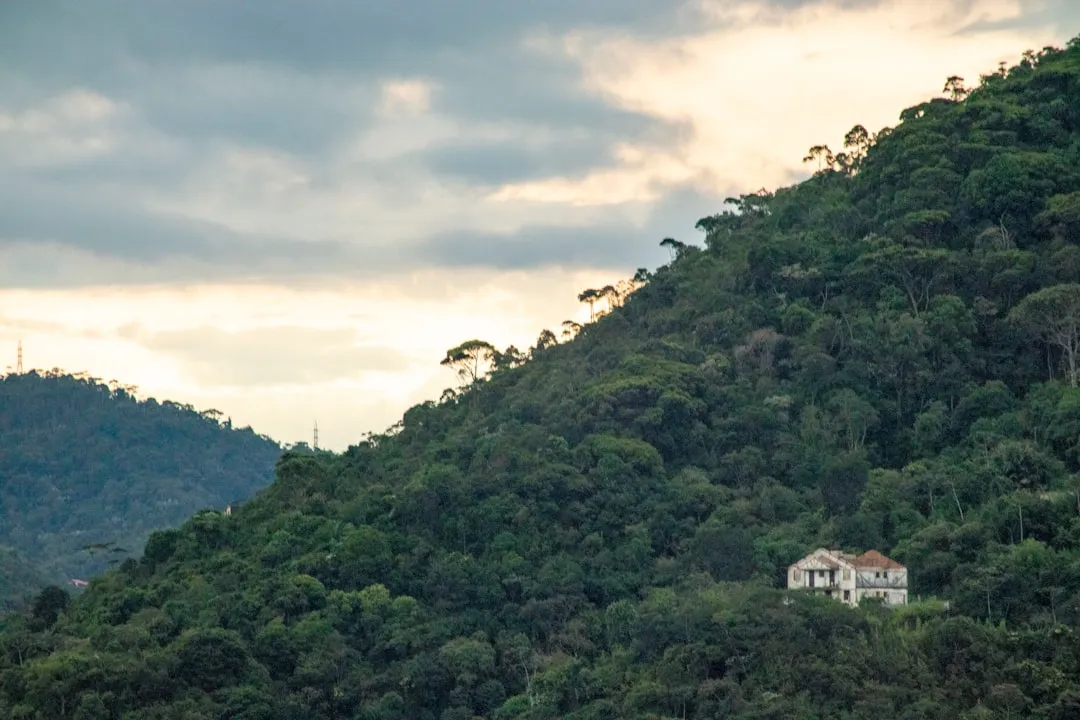
Trilha do Cânion Itaimbezinho: A Grandeur of the Brazilian Highlands
The Trilha do Cânion Itaimbezinho, located within the Aparados da Serra National Park in Brazil, offers a breathtaking day walk that plunges visitors into the dramatic geological formations of the Brazilian Highlands. This trail is not merely a walk; it is an immersion into a landscape sculpted by millennia of erosion, revealing colossal canyons, cascading waterfalls, and a unique ecosystem adapted to the high-altitude environment. The primary route follows the rim of the Itaimbezinho Canyon, providing awe-inspiring vistas of its sheer walls, often shrouded in mist, and the lush Atlantic Forest clinging to its slopes. While the main trail is a well-maintained path, the sheer scale and raw beauty of the canyon make it an unforgettable experience, comparable to some of the world's most iconic gorge walks.
- Distance: 14.0 km one-way (rim walk)
- Duration: 4-5 hours
- Season: April to September (drier season, clearer views)
- Accommodation: Day hike, no overnight accommodation on the trail
- Highest point: Rim of the canyon (approx. 900 m above sea level)
- Daily walkers: Variable, but park entry may have daily limits
- Direction: Out-and-back along the canyon rim
Overview
The Trilha do Cânion Itaimbezinho is a spectacular day walk that showcases the immense power of nature and the unique geological heritage of southern Brazil. The trail primarily traverses the rim of the Itaimbezinho Canyon, one of the most impressive canyons in the Aparados da Serra National Park. This park, shared between the states of Rio Grande do Sul and Santa Catarina, protects a vast expanse of dramatic landscapes, including deep canyons, high plateaus, and remnants of the Atlantic Forest biome.
The walk itself is relatively moderate in terms of physical exertion, with a gentle elevation gain of approximately 300 metres over 14 kilometres. However, the sheer scale of the canyon, which plunges up to 700 metres in places, and the exposed nature of the rim path demand respect and a good head for heights. The trail winds along the edge of the canyon, offering constantly changing perspectives of its immense walls, the winding river far below, and the verdant vegetation that thrives in this humid environment. The air is often cool and moist, carrying the sound of distant waterfalls and the calls of native birds.
The best time to visit is during the drier season, from April to September. During these months, the skies are generally clearer, offering better visibility and reducing the chances of the canyon being completely obscured by mist. However, even in the dry season, Fiordland's weather can be unpredictable, and rain showers are not uncommon. When it does rain, the canyon comes alive with countless temporary waterfalls cascading down its sheer faces, a truly mesmerising spectacle.
The Trilha do Cânion Itaimbezinho is an accessible yet profoundly wild experience. It provides a tangible connection to the raw geological forces that shaped this region, offering a sense of awe and wonder that lingers long after the walk is completed. It is a testament to the enduring beauty and power of the natural world.
History and Cultural Context
The region encompassing Aparados da Serra National Park, including the Itaimbezinho Canyon, has a rich history intertwined with indigenous peoples, European colonisation, and the development of Brazil's conservation efforts. For centuries, indigenous groups, such as the Kaingang and Xokleng peoples, inhabited these highlands, utilising the abundant natural resources and navigating the challenging terrain. Their knowledge of the land, its flora, and fauna was extensive, and their presence is a vital part of the region's cultural heritage.
European settlement in the area began in earnest in the 19th century, with the arrival of immigrants, primarily from Europe, who sought land for agriculture and cattle ranching. The dramatic landscapes, while beautiful, presented significant challenges for early settlers. The deep canyons and rugged terrain made transportation and communication difficult, fostering a sense of isolation and self-reliance among the communities that gradually established themselves.
The recognition of the unique ecological and geological significance of the Itaimbezinho Canyon and its surroundings led to the establishment of Aparados da Serra National Park. Created in 1959, it was one of Brazil's first national parks, a pioneering step in the country's conservation movement. The park's designation aimed to protect the fragile Atlantic Forest biome, the diverse wildlife, and the extraordinary geological formations, including the impressive canyons like Itaimbezinho and Fortaleza.
Over the decades, the park has become a significant destination for ecotourism and scientific research. The development of trails, including the Trilha do Cânion Itaimbezinho, has allowed visitors to experience the grandeur of the landscape while promoting awareness of the importance of conservation. The park's history is a narrative of human interaction with a powerful natural environment, from indigenous stewardship to modern-day efforts to preserve its irreplaceable beauty and biodiversity for future generations.
Seasonal Highlights and Weather Reality
The Trilha do Cânion Itaimbezinho is best experienced during the drier months, which typically run from April to September. This period offers the highest probability of clear skies and good visibility, allowing for the most spectacular views into the vast Itaimbezinho Canyon.
April to September (Drier Season): This is the prime season for visiting. The weather is generally more stable, with less rainfall. Temperatures are cooler, ranging from approximately 10°C to 20°C. The reduced humidity and rainfall mean that the canyon walls are less likely to be obscured by mist, and the trails are less prone to becoming muddy or slippery. The colours of the Atlantic Forest are still vibrant, and the crisp air makes for pleasant walking conditions. This is also the season when the park is most popular with both domestic and international tourists.
October to March (Wetter Season): This period corresponds to the warmer months and the rainy season in southern Brazil. While the temperatures are warmer, ranging from 20°C to 30°C, rainfall is significantly higher. The increased humidity and frequent rain showers can lead to the canyon being frequently shrouded in mist, obscuring the views. Trails can become muddy and challenging, and waterfalls are at their most powerful, which can be both a spectacle and a hazard. While the lushness of the vegetation is at its peak, the chances of experiencing the full grandeur of the canyon are reduced due to weather conditions. However, for those who appreciate the dramatic atmosphere of mist-laden landscapes and the raw power of swollen waterfalls, this season can still offer a unique experience.
Regardless of the season, visitors should always be prepared for rapidly changing weather conditions. The high altitude and exposed nature of the canyon rim mean that temperatures can drop quickly, and rain can occur unexpectedly, even during the drier months. Layered clothing and waterproof gear are essential year-round.
Recommended Itinerary
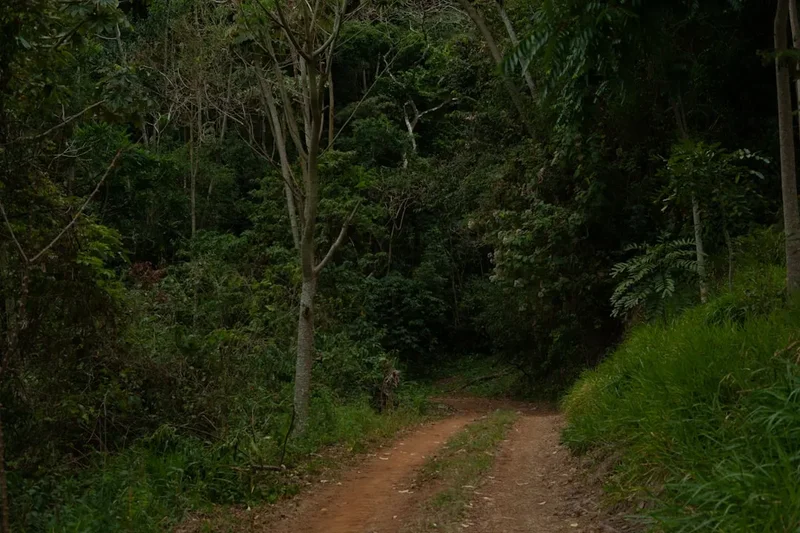
Day Walk: Trilha do Cânion Itaimbezinho
Early Morning (Approx. 8:00 AM - 9:00 AM): Arrival and Park Entry
- Arrive at the entrance of Aparados da Serra National Park.
- Complete park entry procedures and pay any applicable fees.
- Obtain a park map and any safety information from the rangers.
- Drive to the designated parking area near the Trilha do Cânion Itaimbezinho trailhead.
Morning (Approx. 9:00 AM - 12:00 PM): The Canyon Rim Walk - Part 1
- Begin the Trilha do Cânion Itaimbezinho.
- The trail is generally well-maintained and follows the edge of the Itaimbezinho Canyon.
- Walk approximately 7 km along the rim, enjoying panoramic views of the canyon's immense scale.
- Key viewpoints will offer different perspectives of the canyon's depth, width, and the river far below.
- Observe the unique flora of the Atlantic Forest clinging to the canyon walls.
- Keep an eye out for native birdlife.
- The path involves some gentle ascents and descents, with a total elevation gain of around 150-200 metres in this section.
Midday (Approx. 12:00 PM - 1:00 PM): Lunch and Reflection at a Viewpoint
- Find a suitable, safe spot at one of the designated viewpoints for a packed lunch.
- Take time to absorb the breathtaking scenery and the sheer magnitude of the canyon.
- This is an excellent opportunity for photography and quiet contemplation.
- Ensure all litter is packed out.
Afternoon (Approx. 1:00 PM - 3:30 PM): The Canyon Rim Walk - Part 2 and Return
- Continue the walk along the canyon rim for the remaining 7 km, completing the 14 km round trip.
- The trail may lead to specific points of interest, such as the base of certain waterfalls (though access to the canyon floor is restricted and requires guided tours).
- The return journey offers a different light and perspective on the landscape.
- Pay attention to the trail conditions, especially if recent rain has occurred.
- The total elevation gain for the entire 14 km walk is approximately 300 metres.
Late Afternoon (Approx. 3:30 PM - 4:30 PM): Departure from the Park
- Arrive back at the trailhead and parking area.
- Ensure you have all your belongings.
- Depart from Aparados da Serra National Park.
- Consider visiting the nearby town of Cambará do Sul for dinner or further exploration.
Important Notes:
- This is a day hike; no overnight accommodation is available on the trail.
- The trail is primarily along the canyon rim; access to the canyon floor is restricted and requires specific guided tours.
- Weather can change rapidly; always be prepared for rain and cooler temperatures.
- Wear sturdy, comfortable walking shoes or hiking boots.
- Carry plenty of water and snacks, as facilities on the trail are limited.
- Stay on marked paths and obey all park signage and ranger instructions.
Planning and Bookings
Book Your Trip
Everything you need to plan your journey
Accommodation
Find places to stay near Cambará do Sul
Flights
Search flights to Cambará do Sul
Essential Preparation
The Trilha do Cânion Itaimbezinho is a day walk, which simplifies some aspects of planning compared to multi-day treks. However, careful preparation is still crucial for a safe and enjoyable experience. The closest major town and logistical hub is Cambará do Sul, located approximately 18 kilometres from the park entrance. Cambará do Sul offers a range of accommodation options, from simple guesthouses to more comfortable hotels, as well as restaurants, supermarkets, and basic services.
Logistics:
- Getting There: The nearest major airport is Porto Alegre (POA), which is about 200 kilometres (approximately 3 hours' drive) from Cambará do Sul. From Porto Alegre, you can rent a car or arrange for private transport. The roads leading to Cambará do Sul and the park entrance are generally in good condition, though some sections may be unpaved.
- Vehicle Access: A car is highly recommended for flexibility in reaching the park and exploring the surrounding region. Parking is available at the park entrance.
- Park Entrance: Check the official website for Aparados da Serra National Park for current opening hours, entrance fees, and any specific regulations or booking requirements. While it is a day hike, some parks may have visitor limits or require advance registration, especially during peak seasons.
- Base Town: Cambará do Sul is the ideal base. It provides essential services and a comfortable place to stay before and after your hike.
Trail Accommodation
This is a day hike requiring no overnight accommodation.
Required Gear
- Hiking Boots: Sturdy, waterproof hiking boots with good ankle support are essential. The terrain can be uneven, and the trail may be slippery after rain.
- Waterproof Jacket: A lightweight, breathable waterproof jacket is crucial, as weather can change rapidly in the highlands, and rain showers are common.
- Backpack: A comfortable daypack (20-30 litres) to carry essentials like water, snacks, extra clothing, and a first-aid kit.
- Navigation: While the main trail is well-marked, a map of the park and a compass or GPS device are advisable for safety, especially if you plan to explore any less-travelled areas or if visibility is poor. A charged mobile phone with offline maps downloaded is also recommended.
- Safety Gear: A basic first-aid kit including blister treatment, pain relievers, antiseptic wipes, and any personal medications. A whistle for emergencies.
What to Bring
- Food and Water: Carry sufficient water (at least 2 litres per person) as there are no water sources available on the trail. Pack high-energy snacks and a packed lunch.
- Clothing Layers: Bring layers of clothing that can be added or removed as needed. This should include moisture-wicking base layers, an insulating mid-layer (fleece or down jacket), and your waterproof outer layer. A hat and gloves can be useful, especially during cooler months or if the wind picks up.
- Sun Protection: Even on cloudy days, the sun's rays can be strong at higher altitudes. Bring sunscreen (SPF 30+), sunglasses, and a wide-brimmed hat.
- Insect Repellent: While not as notorious as some other regions, insects can be present, especially during warmer months.
- Camera: To capture the stunning scenery.
- Binoculars: For observing wildlife and distant features.
- Toiletries: Hand sanitiser and any personal hygiene items.
- Cash: For park entrance fees, local purchases, or in case card facilities are unavailable.
Permits
Access to Aparados da Serra National Park, including the Trilha do Cânion Itaimbezinho, typically requires an entrance fee. It is advisable to check the official website of the park or ICMBio (Instituto Chico Mendes de Conservação da Biodiversidade), the Brazilian federal agency responsible for national parks, for the most up-to-date information regarding fees, opening hours, and any specific regulations or booking requirements.
Entrance Fees: Fees are usually charged per person and can vary. It is recommended to have cash on hand, as card payment facilities may not always be available or reliable, especially in more remote park entrances.
Park Regulations: Visitors are expected to adhere to park rules, which generally include:
- Staying on marked trails to protect the fragile ecosystem.
- Not feeding wildlife.
- Packing out all litter.
- Not collecting any plants or natural souvenirs.
- Respecting designated quiet zones and viewpoints.
Guided Tours: While the main rim trail is accessible independently, some deeper canyon exploration or specific viewpoints might require a certified guide. If you are interested in such experiences, it is best to inquire at the park entrance or through local tour operators in Cambará do Sul well in advance.
Peak Season Considerations: During Brazilian national holidays or peak tourist seasons (such as school holidays), the park may experience higher visitor numbers. While advance booking for a day hike is less common than for multi-day treks, it is always prudent to check if any pre-registration is necessary to avoid disappointment.
Other Activities in the Area
The region surrounding Aparados da Serra National Park and Cambará do Sul offers a wealth of natural attractions and activities for visitors looking to extend their stay:
- Trilha do Cânion Fortaleza: Located in the same national park, this trail offers a different perspective of canyon landscapes. Fortaleza Canyon is even larger than Itaimbezinho and provides equally stunning, though distinct, views.
- Parque Estadual da Guarita: Situated on the coast, this state park offers dramatic cliff formations, beaches, and hiking trails with ocean views. It's a great contrast to the inland canyons.
- Cascata do Tio Tony: A beautiful waterfall accessible via a short trail, offering a refreshing spot to cool down and enjoy nature.
- Canyoning and Rappelling: For the adventurous, guided canyoning and rappelling tours are available in various locations around the park, offering an exhilarating way to experience the canyons up close.
- Horseback Riding: Explore the rolling hills and rural landscapes surrounding Cambará do Sul on horseback, a traditional and scenic way to see the countryside.
- Gastronomy: Cambará do Sul is known for its regional cuisine, particularly its lamb dishes (cordeiro). Enjoy hearty meals at local restaurants after a day of exploring.
- Stargazing: The remote location and minimal light pollution make the area ideal for stargazing. On clear nights, the sky is a breathtaking spectacle.
Safety and Conditions
Trail Conditions: The Trilha do Cânion Itaimbezinho is generally well-maintained, but conditions can vary. After rain, sections of the trail can become muddy, slippery, and potentially hazardous. Always wear appropriate footwear and exercise caution.
Weather: The weather in the highlands can be unpredictable and change rapidly. Be prepared for:
- Rain: Frequent rain showers are common, especially outside the dry season.
- Mist and Fog: The canyons are often shrouded in mist, which can significantly reduce visibility. This can be atmospheric but also disorienting.
- Wind: The exposed canyon rim can be very windy.
- Temperature Fluctuations: Temperatures can drop significantly, especially in the early morning and late afternoon, or if the weather turns. Layering clothing is essential.
Canyon Rim: The trail follows the edge of a very deep canyon. Always maintain a safe distance from the edge, especially in windy conditions or when visibility is poor. Never venture off the marked path. Supervise children closely at all times.
Wildlife: While large dangerous animals are not a significant concern on this trail, be aware of smaller wildlife. Do not approach or feed any animals you encounter.
Communication: Mobile phone signal can be intermittent within the park and along the trail. Inform someone of your hiking plans, including your expected return time. Consider carrying a personal locator beacon (PLB) if venturing into more remote areas or if you are hiking alone.
First Aid: Carry a well-stocked first-aid kit and know how to use it. Be aware of the symptoms of hypothermia and heat exhaustion.
Park Rangers: Familiarise yourself with the location of park rangers and any emergency contact numbers provided at the park entrance. They are your best resource for current conditions and safety advice.
Side Trips and Points of Interest
Itaimbezinho Canyon Rim Viewpoints: The primary "side trip" on this walk is simply exploring the various designated viewpoints along the 14 km rim trail. Each viewpoint offers a unique angle and perspective of the canyon's immense scale, its sheer walls, and the winding river far below. Some popular spots include:
- Mirante do Vértice: Often one of the first major viewpoints encountered, offering a broad panorama.
- Mirante das Bromélias: Known for the abundance of bromeliads growing on the surrounding rocks and trees.
- Mirante do Rio: Provides a closer look at the river that carved the canyon.
Waterfalls: While direct access to the canyon floor and its waterfalls is restricted and requires specialised guided tours, from the rim, you can often see numerous temporary waterfalls cascading down the canyon walls, especially after rainfall. The sheer volume of water during these times is a spectacular sight.
Atlantic Forest Flora: The trail passes through a section of the Atlantic Forest biome. Keep an eye out for the diverse plant life, including ancient trees, ferns, orchids, and the characteristic bromeliads that thrive in the humid environment.
Geological Formations: The canyon itself is a point of interest, showcasing the dramatic results of millions of years of erosion on the basaltic rock of the Paraná Plateau. The sheer, vertical walls and the vastness of the gorge are a testament to geological time and natural forces.
Leave No Trace
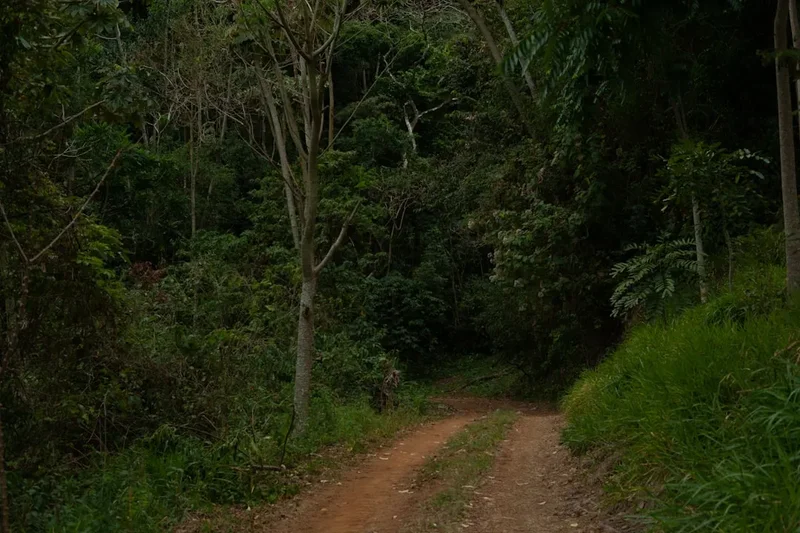
The Trilha do Cânion Itaimbezinho traverses a sensitive and ecologically significant area within Aparados da Serra National Park. Adhering to Leave No Trace principles is paramount to preserving this natural wonder for future generations.
Plan Ahead and Prepare: Research the park's regulations, weather forecasts, and trail conditions before your visit. Pack appropriately for the conditions and carry all necessary supplies.
Travel and Camp on Durable Surfaces: While this is a day hike, the principle applies to staying on marked trails. Avoid walking on vegetation or stepping off the path, as this can damage fragile plant life and contribute to erosion.
Dispose of Waste Properly: Pack out everything you pack in. This includes all food scraps, wrappers, and any other litter. Use designated bins if available, but be prepared to carry your rubbish back to Cambará do Sul or your accommodation.
Leave What You Find: Do not take any natural souvenirs, such as rocks, plants, or flowers. Leave the natural and cultural heritage of the park undisturbed.
Minimise Campfire Impacts: Not applicable for this day hike, as camping is not permitted on the trail.
Respect Wildlife: Observe wildlife from a distance. Never feed animals, as this can disrupt their natural behaviours and diets, and can make them dependent on human food. Keep pets under control if permitted (though generally not allowed on trails in national parks).
Be Considerate of Other Visitors: Keep noise levels down, especially at viewpoints. Yield to other hikers on the trail. Allow others to enjoy the peace and beauty of the natural environment.
By following these principles, you help ensure that the Trilha do Cânion Itaimbezinho remains a pristine and awe-inspiring destination.