
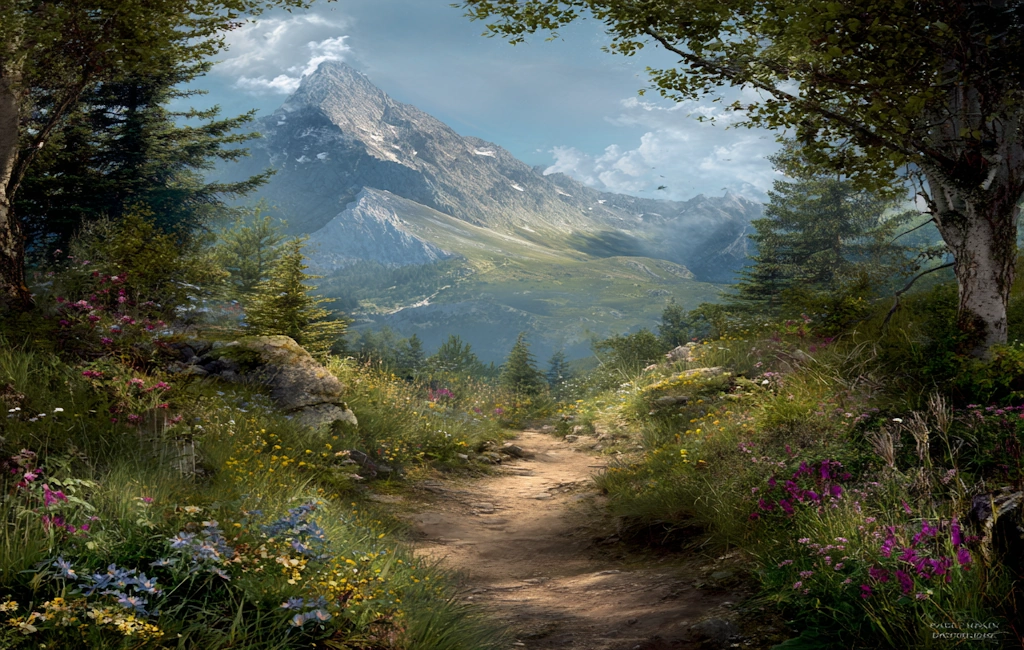
Trilha do Cânion Fortaleza
The Trilha do Cânion Fortaleza, or Fortaleza Canyon Trail, is a spectacular day hike located in the Serra Geral National Park, within the state of Rio Grande do Sul, Brazil. This trail offers breathtaking views of one of the most impressive canyons in the region, characterized by its sheer, towering walls and dramatic geological formations. It's a relatively short but rewarding walk, suitable for those seeking stunning natural beauty and a sense of adventure without the commitment of an overnight trek. The trail leads to viewpoints that showcase the immense scale and raw power of nature, making it a highlight for visitors to the Cambará do Sul area.
- Distance: 12.0 km one-way
- Duration: 4-5 hours
- Season: April to September (drier season recommended)
- Difficulty: Moderate
- Elevation Gain: 400 m
- Closest City: Cambará do Sul
- Trailhead Access: Via RS-429, partially unpaved road; 4x4 recommended. Limited parking.
- Permits: Generally not required, but check local park authority for updates.
Overview
The Trilha do Cânion Fortaleza is a testament to the geological forces that shaped southern Brazil's dramatic landscapes. This trail is renowned for its access to the edge of the immense Cânion Fortaleza, a colossal rift in the earth's crust that plunges hundreds of metres. The hike itself is a journey through varied terrain, starting in more open areas and gradually leading towards the canyon's rim. As you progress, the vegetation changes, and the sheer scale of the canyon begins to reveal itself, offering increasingly spectacular vistas.
The trail is moderately challenging, involving a significant elevation gain over its 12 km length. This ascent is necessary to reach the prime viewpoints that overlook the canyon. Along the way, walkers will encounter diverse flora typical of the Pampa biome and the transition zones leading into the highlands. The air is often crisp, especially during the recommended drier months, and the silence of the vast landscape is broken only by the sounds of nature.
The highlight is undoubtedly the series of viewpoints along the canyon's edge. From these vantage points, you can gaze down into the depths of Cânion Fortaleza, observing its immense walls, the winding river far below, and the surrounding plateaus. The sheer drop-offs and the vastness of the panorama create a profound sense of awe and insignificance. It's a place where the raw beauty of the natural world is on full display, offering unparalleled photographic opportunities and a deeply memorable hiking experience.
History and Cultural Context
The region surrounding Cânion Fortaleza has a rich history tied to indigenous peoples and later European settlers. For centuries, indigenous groups, such as the Kaingang and Xokleng, inhabited these highlands, utilizing the abundant natural resources. Their presence is marked by archaeological findings and oral traditions that speak of a deep connection to the land.
With the arrival of European colonists, primarily Portuguese and later German and Italian immigrants, the area began to be settled and exploited for agriculture and cattle ranching. The dramatic landscapes, including the canyons, were often viewed with a mixture of awe and practicality, serving as natural boundaries and sources of water. The development of tourism in the region is a more recent phenomenon, driven by the recognition of the unique natural heritage and the potential for ecotourism.
The establishment of national parks and protected areas, such as Serra Geral National Park, has been crucial in preserving these magnificent canyons and their ecosystems. The Trilha do Cânion Fortaleza, as a designated hiking route, allows visitors to experience this natural wonder while ensuring that the environment is protected. The trail's existence is a result of efforts to balance conservation with public access, enabling people to appreciate the geological marvels of southern Brazil.
Seasonal Highlights and Weather Reality
The best time to undertake the Trilha do Cânion Fortaleza is during the drier season, which typically runs from April to September. During these months, the weather is generally more stable, with less rainfall and lower humidity, making the trail conditions more favourable and the views clearer.
Autumn (April to June): This period offers pleasant temperatures and beautiful autumnal colours in the surrounding vegetation. The air is crisp, and the skies are often clear, providing excellent visibility of the canyon. Rainfall is significantly reduced compared to summer.
Winter (July to September): While cooler, winter can also be an excellent time to hike. Temperatures can drop, especially in the mornings and evenings, but daytime conditions are often sunny and dry. The reduced vegetation cover in some areas can also enhance canyon views. However, frost and occasional light snow are possible at higher elevations.
Spring (October to November): This is a transitional period. While the landscape begins to green up, rainfall can increase. The weather can be more unpredictable, with a higher chance of showers and thunderstorms. However, the post-rain greenery can be very vibrant.
Summer (December to March): This is the wettest season. While temperatures are warmer, the region experiences frequent and often heavy rainfall, which can lead to muddy trails, reduced visibility, and potentially hazardous conditions due to flash floods in lower-lying areas. The lushness of the vegetation is at its peak, but the chances of clear canyon views are lower.
Regardless of the season, weather in mountainous regions can change rapidly. It is always advisable to check the local forecast before setting out and to be prepared for unexpected changes.
Recommended Itinerary
Trilha do Cânion Fortaleza - Day Hike Itinerary
Early Morning (Approx. 8:00 AM): Departure from Cambará do Sul
- Begin your journey from Cambará do Sul.
- Drive towards the trailhead via RS-429. Allow approximately 1 hour for the drive, depending on road conditions.
- The road is partially unpaved and can be rough; a 4x4 vehicle is recommended for better traction and comfort, though a standard vehicle may manage in dry conditions.
- Ensure you have sufficient fuel, as services are limited in the park area.
Morning (Approx. 9:00 AM - 9:30 AM): Arrival at Trailhead and Preparation
- Arrive at the Cânion Fortaleza trailhead.
- Note the limited parking facilities; arrive early, especially during peak season, to secure a spot.
- Final gear check: ensure you have water, snacks, appropriate clothing layers, sun protection, and a basic first-aid kit.
- Familiarise yourself with the trail markers and any information provided at the trailhead.
Morning to Midday (Approx. 9:30 AM - 12:30 PM): The Ascent to the Canyon Rim
- Begin the hike. The trail is approximately 6 km to the main viewpoints.
- The initial part of the trail may traverse more open fields or lower-lying scrubland.
- As you ascend, the terrain becomes more rugged, and the vegetation may change.
- The trail involves a steady climb, with an elevation gain of around 400 metres.
- Take your time, enjoy the changing scenery, and pause for photos.
- Key waypoints will include distinct rock formations or changes in vegetation that signal your progress towards the canyon.
Midday (Approx. 12:30 PM - 2:00 PM): Exploring the Canyon Viewpoints
- Reach the primary viewpoints overlooking Cânion Fortaleza.
- Spend ample time absorbing the panoramic views. Observe the sheer scale of the canyon walls, the river far below, and the surrounding landscape.
- This is an ideal time for a packed lunch, allowing you to rest and savour the magnificent surroundings.
- Be cautious near the canyon edges; there are no safety barriers in many areas. Stay on marked paths and maintain a safe distance from the rim.
- Capture photographs and appreciate the geological wonder.
Afternoon (Approx. 2:00 PM - 4:00 PM): Descent and Return to Trailhead
- Begin the descent back to the trailhead.
- The descent can be quicker but requires careful footing, especially on loose or uneven sections.
- Continue to appreciate the views as you retrace your steps.
- Arrive back at the trailhead.
Late Afternoon (Approx. 4:00 PM onwards): Return to Cambará do Sul
- Drive back to Cambará do Sul.
- Consider stopping at other local attractions or enjoying a meal in town to reflect on your hike.
Important Notes:
- This is a day hike; no overnight accommodation is required on the trail itself.
- Carry sufficient water (at least 1.5-2 litres per person) as there are no reliable water sources along the trail.
- Wear sturdy, broken-in hiking boots.
- Sun protection (hat, sunscreen, sunglasses) is essential, as much of the trail is exposed.
- Be aware of the weather; conditions can change rapidly.
- Respect the natural environment and follow Leave No Trace principles.
Planning and Bookings
Book Your Trip
Everything you need to plan your journey
Accommodation
Find places to stay near Cambará do Sul
Flights
Search flights to Cambará do Sul
Essential Preparation
The Trilha do Cânion Fortaleza is a day hike, meaning the primary planning revolves around logistics for reaching the trailhead and ensuring you have the necessary supplies for a moderate day of walking. Cambará do Sul is the closest town and serves as the main base for exploring the canyons of the region. It offers a range of accommodation options, from pousadas (guesthouses) to more rustic lodgings, and essential services like restaurants, supermarkets, and fuel stations.
Access to the trailhead is via the RS-429 road, which connects Cambará do Sul to the park area. This road is partially unpaved and can be in variable condition, especially after heavy rain. While a standard vehicle might manage in dry conditions, a 4x4 vehicle is highly recommended for improved traction, stability, and a more comfortable journey, particularly if you plan to explore other remote areas. Ensure your vehicle is in good condition and that you have enough fuel, as services are scarce once you leave Cambará do Sul.
It is advisable to check the local weather forecast for Cambará do Sul and the surrounding park area before your trip. While permits are generally not required for this specific trail, it's always prudent to confirm with the local park authority or tourism office for any updated regulations or advisories, especially concerning access roads or specific park rules.
Trail Accommodation
This is a day hike requiring no overnight accommodation.
Required Gear
- Hiking Boots: Sturdy, waterproof, and well-broken-in hiking boots are essential for navigating the uneven and potentially slippery terrain.
- Backpack: A comfortable daypack (20-30 litres) to carry essentials.
- Clothing Layers: Wear moisture-wicking base layers, an insulating mid-layer (fleece or down jacket), and a waterproof and windproof outer shell. Weather can change quickly in the mountains.
- Headwear: A wide-brimmed hat for sun protection and a warm hat (beanie) for cooler temperatures.
- Gloves: Lightweight gloves can be useful for cooler mornings or evenings.
- Navigation: While the trail is generally well-marked, a map of the park and a compass or GPS device are recommended, especially if you plan to explore off the main path. A charged mobile phone with offline maps is also advisable.
- Safety Gear: A basic first-aid kit including blister treatment, pain relievers, antiseptic wipes, bandages, and any personal medications. A whistle for emergencies.
What to Bring
- Water: Carry at least 1.5 to 2 litres of water per person. There are no reliable water sources along the trail.
- Food: High-energy snacks such as trail mix, energy bars, fruit, and sandwiches for a packed lunch.
- Sun Protection: High SPF sunscreen, sunglasses, and lip balm.
- Insect Repellent: While not as notorious as some other regions, insects can be present, especially during warmer months.
- Toiletries: Hand sanitiser, biodegradable wet wipes, and any personal hygiene items. Pack out all rubbish.
- Camera: To capture the stunning scenery.
- Binoculars (Optional): For observing distant features or wildlife.
- Trekking Poles (Optional): Can provide extra stability and reduce strain on knees, especially during the descent.
Permits
For the Trilha do Cânion Fortaleza, specific permits are generally not required for individual hikers or small groups. The trail is part of the Serra Geral National Park, and access is typically managed through general park entry regulations rather than individual trail permits, especially for day hikes.
However, it is always recommended to verify the latest regulations with the official park authorities or the local tourism office in Cambará do Sul before your visit. Regulations can change, and specific requirements might apply for larger groups, organised tours, or during certain times of the year. Confirming this in advance will prevent any last-minute issues and ensure a smooth experience.
Key points regarding permits:
- General Access: Entry to Serra Geral National Park is usually free or involves a nominal fee for vehicle access, if applicable.
- No Advance Booking: Unlike some highly regulated national parks, this trail typically does not require advance booking for day hikers.
- Group Size: While not strictly enforced for this trail, it's good practice to be mindful of group sizes to minimise environmental impact.
- Updates: Always check official sources for the most current information on park access and any potential permit requirements.
Other Activities in the Area
The region around Cambará do Sul is rich in natural attractions and offers several other activities for visitors:
- Trilha do Cânion Itaimbezinho: Another spectacular canyon hike within the Aparados da Serra National Park, located nearby. Itaimbezinho is famous for its dramatic waterfalls and sheer cliffs, offering a different but equally impressive canyon experience.
- Parque Nacional da Serra Geral: Explore other trails and viewpoints within the park, which is home to diverse flora and fauna.
- Cachoeira dos Venâncios: A beautiful waterfall accessible via a short trail, offering a refreshing natural spot.
- Rota do Sol: A scenic drive that offers panoramic views of the rolling hills and plateaus of the Pampa region.
- Local Gastronomy: Cambará do Sul is known for its regional cuisine, particularly its barbecue (churrasco) and dishes featuring local produce. Enjoying a traditional meal is a must.
- Horseback Riding: Experience the Pampa landscape on horseback, a traditional way to explore the rolling hills and open grasslands.
- Stargazing: The clear skies in this region, away from major light pollution, make it an excellent spot for stargazing.
Safety and Conditions
Trail Conditions: The Trilha do Cânion Fortaleza is a moderate trail. While generally well-defined, sections can be uneven, rocky, and steep. After rain, the path can become muddy and slippery, increasing the risk of falls. Always wear appropriate footwear.
Weather: Weather in the highlands can change rapidly. Be prepared for sun, wind, and rain, even on the same day. Check the forecast before you go and carry layers of clothing. Hypothermia is a risk if you get wet and cold, especially at higher elevations or during windy conditions.
Canyon Edge Safety: The most significant safety concern is the proximity to the canyon edge. There are few, if any, safety barriers along the main viewpoints. Always maintain a safe distance from the rim, especially in windy conditions or when taking photographs. Never venture off marked trails near the edge.
Wildlife: While large dangerous animals are uncommon, be aware of your surroundings. Snakes can be present, though usually shy. Observe wildlife from a distance and do not feed any animals.
Water and Food: Carry sufficient water and high-energy food. There are no facilities or water sources along the trail. Dehydration and lack of energy can lead to poor decision-making and accidents.
Communication: Mobile phone signal can be unreliable in remote areas and within the canyon. Inform someone of your hiking plans, including your expected return time. Consider carrying a personal locator beacon (PLB) if venturing into very remote areas or if you are hiking alone.
Emergency Services: In case of an emergency, contact local park rangers or emergency services. Have the contact numbers readily available. Note that response times can be longer in remote areas.
Side Trips and Points of Interest
Main Canyon Viewpoints: The primary points of interest are the various viewpoints along the rim of Cânion Fortaleza. These offer different perspectives of the canyon's immense scale, its sheer walls, and the winding river far below. Each viewpoint provides a unique angle for photography and contemplation of the vast landscape.
Geological Formations: As you hike, observe the fascinating rock formations and the layers of basalt that make up the canyon walls. These are evidence of ancient volcanic activity that shaped the region.
Flora and Fauna: The trail passes through areas with distinct vegetation, transitioning from open grasslands to more scrubby or forested areas as you gain elevation. Keep an eye out for local birdlife and plant species adapted to the highland environment.
The Road to the Trailhead (RS-429): The drive itself can be considered a point of interest. The partially unpaved road winds through the picturesque countryside, offering glimpses of the Pampa landscape and rural life. The changing scenery as you approach the park adds to the overall experience.
Leave No Trace
The Trilha do Cânion Fortaleza traverses a sensitive natural environment. Adhering to Leave No Trace principles is crucial to preserving its beauty and ecological integrity for future visitors and for the health of the ecosystem itself.
Plan Ahead and Prepare: Research the trail, check weather forecasts, and be prepared for conditions. Know the regulations and any specific guidelines for Serra Geral National Park.
Travel and Camp on Durable Surfaces: Stick to the marked trail. Avoid walking on vegetation, especially near the canyon edges, as it can be fragile and slow to recover. The trail itself is the designated durable surface.
Dispose of Waste Properly: Pack out everything you pack in. This includes all food scraps, wrappers, and any other litter. Use designated bins if available, but be prepared to carry all waste back with you. Do not bury or burn trash.
Leave What You Find: Do not remove any natural objects, such as rocks, plants, or flowers. Take only photographs and memories.
Minimise Campfire Impacts: This is a day hike, so campfires are not applicable. However, if camping were permitted, use established fire rings and keep fires small.
Respect Wildlife: Observe animals from a distance. Never feed them, as it can alter their natural behaviour and diet, and can be harmful to their health. Store food securely if you are picnicking.
Be Considerate of Other Visitors: Keep noise levels down, especially near viewpoints. Yield to other hikers on the trail. Respect the natural quiet of the area.