
Trilha do Canion do Funil - A Gem of the Serra Catarinense
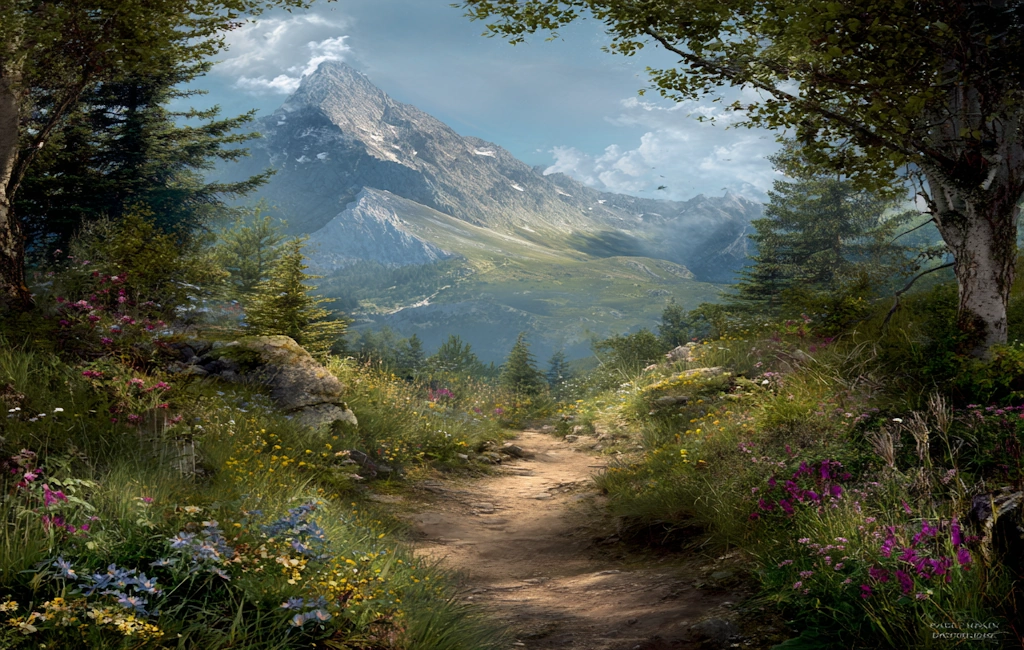
The Trilha do Canion do Funil, located in the stunning Serra Catarinense region of Brazil, offers a captivating day hike through dramatic landscapes shaped by millennia of geological forces. This trail leads adventurers to the breathtaking Canion do Funil (Funnel Canyon), a spectacular gorge carved by the relentless flow of water, presenting a visual spectacle of sheer rock faces and cascading streams. While not as globally renowned as some international treks, this Brazilian gem provides an immersive experience into the unique natural beauty of Santa Catarina's highlands, characterised by its rugged terrain, diverse flora, and the raw power of erosion.
- Distance: 14.5 km one-way
- Duration: 6 hours
- Elevation Gain: 310 m
- Difficulty: Moderate
- Best Time: April onwards, to avoid heavy fog. Be prepared for changing weather conditions.
- Closest City: Bom Jardim da Serra
- Trailhead Access: From Florianópolis Airport, drive ~4 hours to Bom Jardim da Serra. Take route SC-390, mostly paved but expect some unpaved sections closer to the canyon. Parking available at trailhead. No permits required, but advisable to inform local authorities.
- Coordinates: -28.3488, -49.5034
Overview
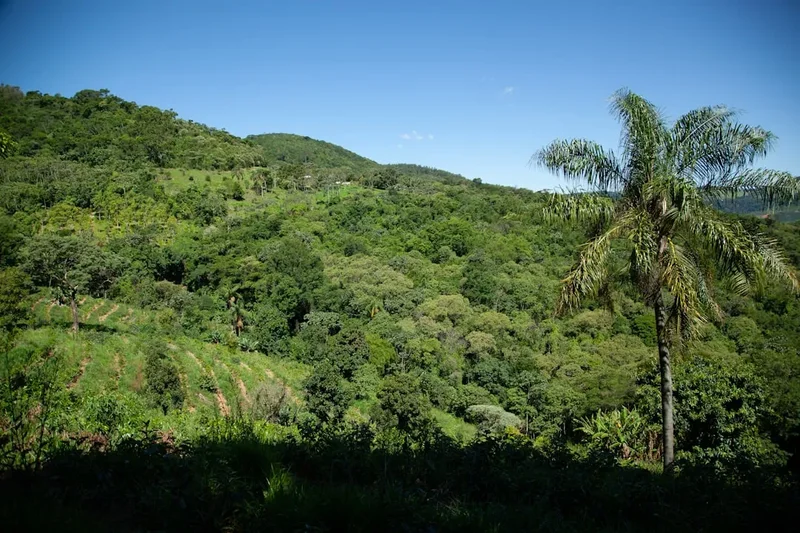
The Trilha do Canion do Funil is a moderate day walk that encapsulates the rugged beauty of the Serra Catarinense. The trail begins with a relatively gentle ascent, gradually introducing hikers to the unique geological formations and the characteristic vegetation of the region. As the path progresses, the landscape opens up, revealing panoramic vistas of rolling hills and distant mountains, hinting at the dramatic spectacle that awaits.
The highlight of the hike is undoubtedly the Canion do Funil itself. This natural wonder is a testament to the erosive power of water, featuring steep, almost vertical walls that plunge into a deep, narrow gorge. The "funnel" shape gives the canyon its name, creating a unique acoustic and visual experience. Depending on recent rainfall, the canyon may feature active waterfalls or simply showcase the immense scale of the rock formations. The trail often follows the rim of the canyon for a significant portion, offering spectacular viewpoints and opportunities for photography.
The moderate difficulty level makes this trail accessible to a wide range of hikers, provided they have a reasonable level of fitness and are prepared for uneven terrain and some elevation gain. The 310 metres of elevation gain are spread across the 14.5 km distance, meaning the climbs are generally not excessively steep but require sustained effort. The total duration of approximately six hours allows ample time to appreciate the scenery, take breaks, and fully experience the canyon's grandeur.
The best time to visit is from April onwards. This period generally offers clearer skies and less fog compared to the winter months, allowing for better visibility of the canyon and surrounding landscapes. However, the Serra Catarinense is known for its unpredictable weather, and hikers should always be prepared for sudden changes, including rain and cooler temperatures, even outside of the peak rainy season.
History and Cultural Context
The Serra Catarinense region, where the Canion do Funil is located, has a rich history intertwined with indigenous peoples and early European settlers. For centuries, indigenous communities, such as the Kaingang and Xokleng, inhabited these highlands, utilising the natural resources for sustenance and shelter. Their knowledge of the land, its flora, and fauna would have included an understanding of the canyons and rivers that define the landscape.
European settlement in the region began in earnest in the 19th century, with pioneers drawn by the fertile land and opportunities for agriculture and cattle ranching. The rugged terrain presented significant challenges, but communities gradually established themselves, with towns like Bom Jardim da Serra developing as centres for local life. The construction of roads, such as the SC-390, gradually improved access to these remote areas, making them more accessible for exploration and tourism.
The Canion do Funil, like many natural wonders, likely remained a local secret for a long time, known primarily to those who lived in the vicinity. Its geological formation is a product of millions of years of erosion, primarily by water, which has sculpted the sandstone and basaltic rock formations into the dramatic shapes seen today. The specific history of its "discovery" as a hiking destination is less documented than in some more established international trails, but its appeal lies in its raw, untamed beauty and the sense of adventure it offers to those who seek it out.
The region's economy is still largely based on agriculture, particularly dairy farming and potato cultivation, but ecotourism is increasingly recognised as a valuable asset. Trails like the Trilha do Canion do Funil contribute to this growing sector, offering visitors a chance to connect with the natural heritage of Santa Catarina.
Seasonal Highlights and Weather Reality
The Trilha do Canion do Funil is a year-round destination, but certain seasons offer distinct advantages and challenges. Understanding these can help in planning the most enjoyable and safest experience.
April to October (Autumn, Winter, Early Spring): This period is generally considered the best time to visit for clear skies and reduced fog. The autumn months (April-May) offer pleasant temperatures and the possibility of seeing autumn colours in the surrounding vegetation. Winter (June-August) can be cold, with temperatures occasionally dropping below freezing, and frost is common. Snowfall is rare but possible at higher elevations. The dry season means waterfalls might be less active, but the clarity of the air often provides exceptional long-distance views of the landscape. The reduced fog is a significant advantage for appreciating the full scale of the Canion do Funil.
November to March (Spring, Summer): This is the warmer part of the year, but also the period with a higher chance of rain and fog. While rain can lead to more active waterfalls and a more vibrant green landscape, it also increases the risk of slippery trails and can obscure views within the canyon. Summer can be humid, and thunderstorms are possible, requiring hikers to be vigilant about weather changes. The fog, which is common in the Serra Catarinense, can descend rapidly, significantly reducing visibility and potentially making navigation more challenging. However, for those who enjoy lush vegetation and the sound of flowing water, this season has its own unique appeal.
Weather Preparedness: Regardless of the season, the weather in the Serra Catarinense can change rapidly. Hikers must be prepared for a range of conditions, including sunshine, rain, wind, and cooler temperatures, even on the same day. Layering clothing is essential, and carrying waterproof gear is highly recommended at all times of the year.
Recommended Itinerary
Day Hike: Trilha do Canion do Funil
Early Morning (Approx. 7:00 AM - 8:00 AM): Departure from Bom Jardim da Serra
- Begin your journey from Bom Jardim da Serra.
- Drive towards the trailhead, following route SC-390. Be aware that some sections closer to the canyon may be unpaved.
- Ensure you have sufficient fuel and supplies for the day.
Morning (Approx. 8:00 AM - 9:00 AM): Arrival at Trailhead and Preparation
- Arrive at the designated parking area near the trailhead.
- GPS coordinates for the trailhead are approximately -28.3488, -49.5034.
- Take time to prepare your gear, apply sunscreen, and have a light snack.
- Inform local authorities of your hiking plans if possible, as a safety precaution.
Late Morning (Approx. 9:00 AM - 12:00 PM): Ascent and Initial Views
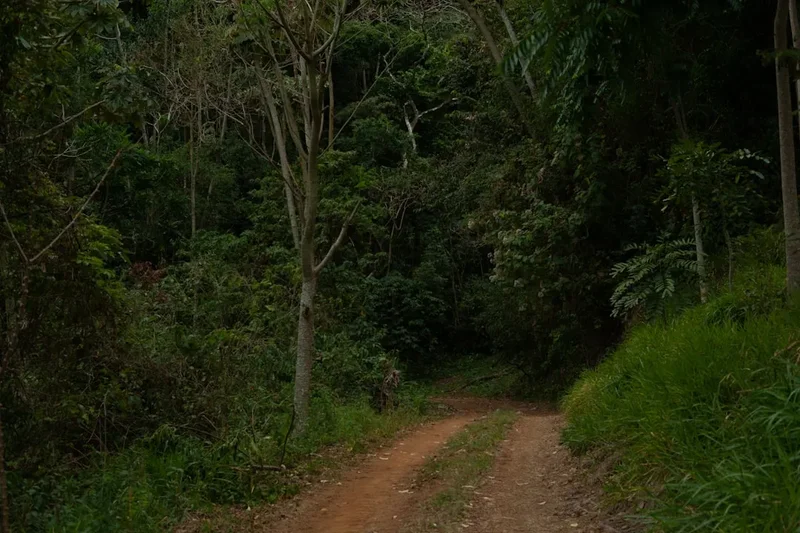
- Begin the hike. The initial section involves a moderate ascent through varied terrain, possibly including open fields and patches of forest.
- The trail is approximately 14.5 km one-way, with an elevation gain of 310 metres.
- Enjoy the gradually unfolding landscape and the first panoramic views of the surrounding highlands.
- Keep an eye out for local flora and fauna.
Midday (Approx. 12:00 PM - 2:00 PM): Reaching the Canion do Funil
- The trail will lead you towards the rim of the Canion do Funil.
- Spend time at the viewpoints, marvelling at the sheer scale and depth of the canyon.
- If water levels permit, you may see active waterfalls or the impressive rock formations carved by erosion.
- This is an ideal spot for a packed lunch and photography.
Afternoon (Approx. 2:00 PM - 4:00 PM): Return Journey
- Begin your descent back towards the trailhead.
- The return journey offers a different perspective on the landscape.
- Be mindful of your footing, especially on downhill sections.
Late Afternoon (Approx. 4:00 PM - 5:00 PM): Arrival at Trailhead and Departure
- Arrive back at the trailhead.
- Ensure you have collected all your belongings and left the area clean.
- Begin your drive back to Bom Jardim da Serra or your next destination.
Important Notes:
- This is a day hike; no overnight accommodation is required.
- Carry sufficient water (at least 2 litres per person) as water sources may be unreliable or untreated.
- Wear sturdy, broken-in hiking boots.
- Be prepared for rapidly changing weather conditions.
- Carry a basic first-aid kit.
- Inform someone of your hiking plans and expected return time.
Planning and Bookings
Book Your Trip
Everything you need to plan your journey
Accommodation
Find places to stay near Bom Jardim da Serra
Flights
Search flights to Bom Jardim da Serra
Essential Preparation
The Trilha do Canion do Funil is a day hike, which simplifies some aspects of planning compared to multi-day treks. However, thorough preparation is still crucial for a safe and enjoyable experience. The closest major town and logistical hub is Bom Jardim da Serra. This town offers basic amenities, including accommodation, restaurants, and some shops for essential supplies. It is advisable to base yourself here the night before and/or after your hike.
Access to the trailhead is via route SC-390, a scenic road that connects Bom Jardim da Serra to other towns in the region. While much of the road is paved, expect some unpaved sections closer to the canyon, which can become challenging in wet weather. It is recommended to have a vehicle capable of handling varied road conditions, though a standard car is usually sufficient in dry weather. Parking is available at the trailhead, but it is advisable to arrive early, especially during peak seasons, to secure a spot.
Given that this is a day hike, the primary "booking" is ensuring you have suitable transport and accommodation in Bom Jardim da Serra. While no formal permits are required for the trail itself, it is good practice to inform local authorities or your accommodation provider about your hiking plans, including your intended route and expected return time. This is a safety measure in case of emergencies.
Trail Accommodation
This is a day hike requiring no overnight accommodation.
Required Gear
- Hiking Boots: Sturdy, waterproof, and well-broken-in hiking boots with good ankle support are essential for navigating the uneven and potentially slippery terrain.
- Backpack: A comfortable daypack (20-30 litres) to carry essentials, including water, food, extra clothing, and safety equipment.
- Waterproof Jacket: A lightweight, breathable waterproof jacket is crucial due to the unpredictable weather in the Serra Catarinense.
- Headlamp/Torch: Essential for safety, even on a day hike, in case of unexpected delays or if starting very early/finishing late. Ensure it has fresh batteries.
- Navigation Tools: A reliable map of the area, a compass, and a GPS device or smartphone with offline maps downloaded. While the trail is generally well-defined, it's important to be prepared.
- First-Aid Kit: A comprehensive kit including bandages, antiseptic wipes, pain relievers, blister treatment, and any personal medications.
- Sun Protection: High SPF sunscreen, sunglasses, and a wide-brimmed hat to protect against strong sun, especially at higher elevations.
- Insect Repellent: Particularly important during warmer months to ward off biting insects.
What to Bring
- Food: Sufficient high-energy snacks and a packed lunch for the duration of the hike. There are no facilities for purchasing food along the trail.
- Water: Carry at least 2 litres of water per person. While there may be streams, it is advisable to treat any water collected from natural sources using a filter or purification tablets.
- Extra Clothing Layers: Include a warm fleece or insulating layer, and a hat and gloves, as temperatures can drop significantly, especially at higher elevations or if the weather turns.
- Toiletries: Biodegradable soap, toothbrush, toothpaste, hand sanitiser, and toilet paper. Pack out all waste.
- Camera: To capture the stunning scenery.
- Walking Poles (Optional): Can provide extra stability and reduce strain on knees, especially during descents.
- Small Towel: Useful for drying off if caught in rain or for general comfort.
Permits
For the Trilha do Canion do Funil, no specific permits are required for individuals or small groups to hike the trail. This makes it a relatively accessible destination for independent travellers.
However, it is always advisable to exercise caution and good practice when venturing into natural areas:
- Inform Local Authorities/Accommodation: While not mandatory, it is a good safety measure to let your accommodation provider in Bom Jardim da Serra or local tourism offices know about your hiking plans. This includes your intended route, estimated start and end times, and the number of people in your group. In the event of an emergency, this information can be invaluable for search and rescue efforts.
- Respect Private Property: Ensure you are hiking on public access land or areas where access is permitted. If the trailhead or parts of the route cross private land, be respectful of the landowners' property and any signage.
- Environmental Regulations: Although no specific permits are needed, all visitors are expected to adhere to general environmental regulations, such as not littering, not disturbing wildlife, and staying on marked trails where they exist to minimise environmental impact.
The lack of a formal permit system means that visitor numbers are not regulated, reinforcing the importance of personal responsibility for safety and environmental stewardship.
Other Activities in the Area
The region surrounding Bom Jardim da Serra and the Canion do Funil offers several other attractions and activities for visitors looking to extend their stay or explore more of the Serra Catarinense:
- Serra do Rio do Rastro: This iconic mountain road is a marvel of engineering, winding its way down the escarpment with numerous hairpin bends. Driving or cycling this road (check current access conditions) offers spectacular views and a thrilling experience.
- Cascata do Avencal: Located near Urubici, this impressive waterfall plunges over a high cliff face. It's a popular spot for photography and offers a different kind of natural beauty compared to the canyon.
- Morro da Igreja and Pedra Furada: Also near Urubici, this area features dramatic rock formations and high-altitude landscapes. Morro da Igreja is one of the highest points in southern Brazil and offers stunning vistas, though access can be restricted at times.
- Exploring Bom Jardim da Serra: The town itself is a charming base with a relaxed atmosphere. You can enjoy local cuisine, visit small artisan shops, and learn about the region's agricultural heritage.
- Stargazing: The clear, unpolluted skies of the Serra Catarinense make it an excellent location for stargazing. On clear nights, the Milky Way is often visible in spectacular detail.
- Local Agriculture: The region is known for its dairy production and potato farming. Visiting local farms or markets can offer insight into the rural lifestyle and provide opportunities to sample local produce.
Safety and Conditions
Trail Conditions: The Trilha do Canion do Funil is a moderate day hike. The terrain can be uneven, with loose rocks and soil, especially on steeper sections. After rain, the trail can become muddy and slippery, increasing the risk of falls. Always wear appropriate footwear.
Weather: The Serra Catarinense is known for its rapidly changing weather. Be prepared for sunshine, rain, strong winds, and significant temperature drops, even within the same day. Fog can descend quickly, severely reducing visibility. Check the weather forecast before you go and be prepared to turn back if conditions deteriorate.
Navigation: While the trail is generally well-marked, it is essential to carry and know how to use navigation tools such as a map, compass, and GPS device or smartphone with offline maps. Do not rely solely on mobile phone signal, as it can be unreliable in remote areas.
Water: Carry sufficient water for the entire hike. While streams may be present, it is crucial to treat any water collected from natural sources using a filter or purification tablets to avoid waterborne illnesses.
Wildlife: Be aware of local wildlife. While large dangerous animals are uncommon, respect all creatures and maintain a safe distance. Do not feed any animals.
Communication: Mobile phone reception can be intermittent or non-existent along the trail. Inform someone of your hiking plans, including your expected return time, and carry a fully charged mobile phone. For remote areas, consider a personal locator beacon (PLB) if you are hiking alone or in a very remote section.
Emergency Preparedness: Carry a well-stocked first-aid kit and know how to use its contents. Be aware of basic first-aid procedures for common hiking injuries such as sprains, cuts, and blisters. In case of an emergency, stay calm, assess the situation, and contact emergency services if possible. If you are unable to contact help, stay put and try to signal for assistance.
Local Knowledge: If possible, speak with locals in Bom Jardim da Serra about current trail conditions and any specific hazards to be aware of before you set out.
Side Trips and Points of Interest
While the Trilha do Canion do Funil is a destination in itself, the surrounding area offers several points of interest that can enhance your visit:
The Canyon Rim Walk: The primary trail follows the rim of the Canion do Funil for a significant distance. This allows for numerous viewpoints, each offering a slightly different perspective of the canyon's immense scale and geological features. Take your time to explore these vantage points, especially during different times of the day when the light can dramatically alter the appearance of the rock faces.
Waterfalls (Seasonal): Depending on the time of year and recent rainfall, you may encounter smaller waterfalls cascading down the canyon walls or along the trail. These are particularly prevalent during and immediately after the rainy season. While not as grand as some of Brazil's more famous waterfalls, they add to the lushness and dynamic nature of the landscape.
Unique Flora and Fauna: The Serra Catarinense is home to a variety of plant and animal species adapted to the high-altitude environment. Keep an eye out for endemic plants, colourful birds, and other small wildlife. The transition in vegetation from the lower slopes to the canyon rim can be quite noticeable.
Geological Formations: Beyond the main canyon, the trail and surrounding areas showcase fascinating rock formations, evidence of the region's volcanic past and the ongoing process of erosion. The layered sandstone and basalt offer a visual history of the land.
Leave No Trace
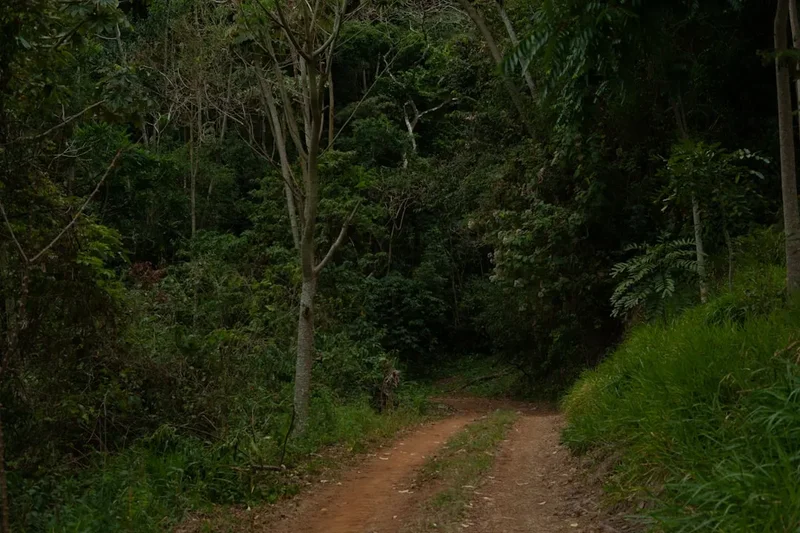
The Trilha do Canion do Funil, like any natural environment, is a fragile ecosystem that requires careful stewardship. Adhering to Leave No Trace principles ensures that this beautiful area remains pristine for future generations and minimises our impact on the local environment.
Plan Ahead and Prepare: Research the trail, understand its conditions, and be prepared for the weather. This includes carrying appropriate gear and sufficient supplies.
Travel and Camp on Durable Surfaces: Stick to the marked trail. Avoid creating new paths or walking on fragile vegetation, which can take years to recover. The trail itself is the most durable surface.
Dispose of Waste Properly: Pack it in, pack it out. This means carrying out all your litter, including food scraps, wrappers, and any other waste you generate. Use designated toilets if available, or learn how to properly dispose of human waste away from water sources if necessary (though for a day hike, this is less likely to be an issue).
Leave What You Find: Do not take any natural objects, such as rocks, plants, or flowers, from the area. Leave them for others to enjoy and for the ecosystem to thrive.
Minimise Campfire Impacts: As this is a day hike, campfires are not applicable. However, if you were to camp in the region, always use established fire rings or portable stoves and ensure fires are completely extinguished.
Respect Wildlife: Observe wildlife from a distance. Never feed animals, as this can disrupt their natural behaviours and diets, and can make them dependent on humans or aggressive.
Be Considerate of Other Visitors: Keep noise levels down, yield to other hikers on the trail, and be mindful of others' experience. The goal is to enjoy the tranquility of nature.
Useful Links
- Santa Catarina Tourism Official Website (General information on tourism in the state)
- Bom Jardim da Serra Official Website (Local information, accommodation, and services)
- Climatempo - Bom Jardim da Serra Weather (Local weather forecasts)
- DNIT - Road Conditions Brazil (Information on federal highway conditions, SC-390 is a state highway, so local sources may be more accurate)