
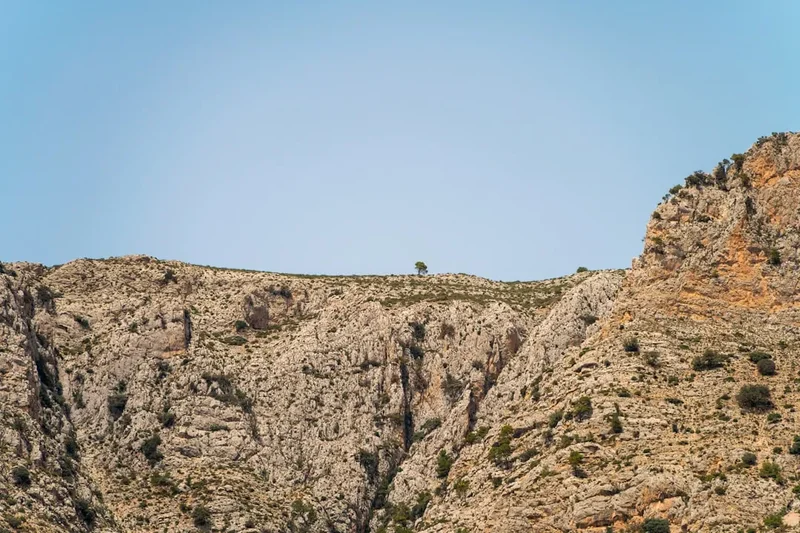
Caminos de Ronda: The Costa Brava's Coastal Path
The Caminos de Ronda, or "Ronda Paths," are a network of ancient coastal trails that trace the rugged beauty of Spain's Costa Brava. These paths, once used by fishermen to patrol the coastline, smugglers to evade authorities, and locals to access hidden coves, now offer a spectacular walking experience for hikers of all levels. Stretching for approximately 140 kilometres, the Caminos de Ronda wind their way along dramatic cliffs, through fragrant pine forests, and past secluded beaches and charming fishing villages. The route is a vibrant tapestry of turquoise waters, golden sands, and rugged Mediterranean landscapes, punctuated by the scent of wild herbs and the sound of the sea.
- Distance: 140.0 km one-way
- Duration: 5-7 days
- Season: Spring (April-June) or Autumn (September-October)
- Difficulty: Moderate
- Highest point: Varies, but significant elevation changes occur along cliff sections
- Closest City: Girona
- Trailhead Access: Nearest airport: Girona-Costa Brava (GRO). From Girona, take a bus to Blanes (start point). Alternatively, drive to Blanes; parking is available but can be limited in peak season. The trail is well-marked. No permits required.
Overview
The Caminos de Ronda offer a captivating journey through the heart of the Costa Brava, a region renowned for its dramatic coastline, crystal-clear waters, and picturesque villages. This trail is not a single, continuous path but rather a series of interconnected segments that can be walked individually or combined to create a multi-day adventure. The route begins in the bustling seaside town of Blanes, known for its botanical gardens and vibrant harbour, and meanders northwards, eventually reaching the French border. Along the way, walkers will encounter a diverse range of scenery, from the sheltered bays and sandy beaches of the southern Costa Brava to the more rugged, rocky coves and dramatic cliffs of the northern sections.
The paths themselves vary in character. Some are wide, well-maintained gravel tracks, while others are narrow, rocky, and steep, requiring careful footing. The elevation gain can be significant in places, with steep ascents and descents to navigate around headlands and access hidden beaches. The Mediterranean climate provides a pleasant backdrop for much of the year, with warm sunshine and gentle sea breezes. However, it's important to be prepared for potential heat during the summer months and cooler, wetter conditions in winter.
The cultural richness of the Costa Brava is as much a draw as its natural beauty. The trail passes through numerous charming towns and villages, each with its own unique character and history. From the lively atmosphere of Lloret de Mar to the artistic charm of Calella de Palafrugell and the historic fortifications of Tossa de Mar, there are ample opportunities to immerse yourself in local life, sample delicious Catalan cuisine, and discover hidden architectural gems. The Caminos de Ronda provide an unparalleled way to experience the diverse landscapes and vibrant culture of this beloved Spanish coastline.
History and Cultural Context
The Caminos de Ronda have a long and fascinating history, deeply intertwined with the maritime traditions and strategic importance of the Costa Brava. For centuries, these paths served as vital arteries connecting coastal communities, facilitating trade, and enabling local defence. Fishermen used them to access their boats and to patrol the coastline for signs of illegal activity. Smugglers, taking advantage of the numerous hidden coves and inlets, relied on these trails to transport contraband under the cover of darkness, often evading the watchful eyes of customs officials.
The name "Caminos de Ronda" itself hints at their historical role. "Ronda" refers to a patrol or watch, suggesting that these paths were actively used for surveillance and defence. In times of conflict or piracy, coastal patrols would traverse these routes to monitor for approaching ships and to alert nearby villages. The strategic value of the coastline meant that these paths were maintained and used for generations, evolving organically with the needs of the local population.
In more recent times, as the Costa Brava transitioned from a primarily fishing and agricultural region to a popular tourist destination, the Caminos de Ronda began to be rediscovered and revitalised. Local authorities and hiking enthusiasts recognised the immense potential of these trails for tourism and recreation. Efforts were made to clear, mark, and maintain the paths, transforming them from forgotten routes into accessible hiking trails. Today, they are a testament to the region's rich past, offering a unique blend of natural beauty, historical significance, and cultural immersion for those who walk them.
Seasonal Highlights and Weather Reality
The Caminos de Ronda are a year-round destination, but certain seasons offer distinct advantages for walkers. The best times to visit are generally spring (April to June) and autumn (September to October).
Spring (April-June): This is an ideal time to walk the Caminos de Ronda. The weather is typically mild and pleasant, with average temperatures ranging from 15°C to 25°C. Wildflowers bloom profusely along the trails, adding vibrant splashes of colour to the landscape. The sea is beginning to warm up, and the tourist crowds are not yet at their peak, allowing for a more tranquil experience. Rainfall is possible but usually in the form of brief showers.
Summer (July-August): While the Costa Brava is at its most vibrant in summer, it can be very hot for hiking, with temperatures often exceeding 30°C. The trails can be crowded with beachgoers and tourists. If you choose to walk in summer, it is essential to start very early in the morning, carry plenty of water, and focus on shorter sections or those with more shade. The sea is at its warmest, making it perfect for swimming.
Autumn (September-October): Similar to spring, autumn offers excellent hiking conditions. The sea is still warm enough for swimming, and the temperatures are comfortable, typically between 18°C and 26°C. The light is often softer and more beautiful, ideal for photography. The crowds begin to thin out after the summer holidays, providing a more relaxed atmosphere.
Winter (November-March): Winter on the Costa Brava is generally mild, with average temperatures around 10°C to 15°C. While it is possible to walk the trails, days are shorter, and there is a higher chance of rain and stronger winds. Some coastal sections might be exposed and less pleasant in inclement weather. However, winter offers the quietest experience, with very few other walkers on the trails.
Recommended Itinerary
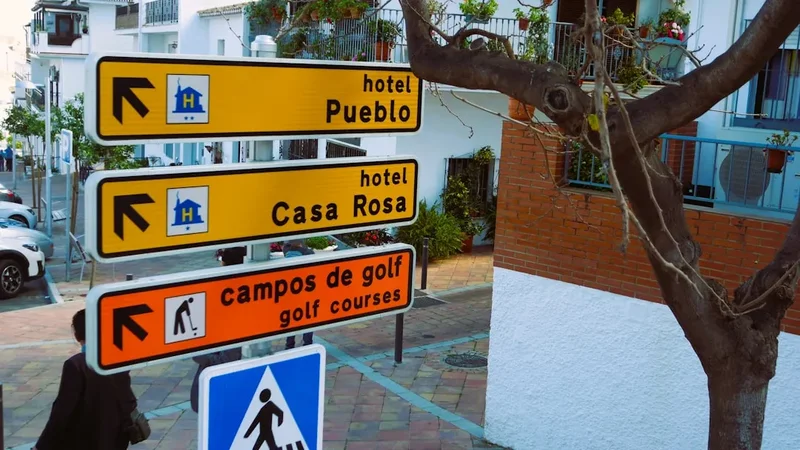
5-Day Caminos de Ronda Itinerary (South to North)
This itinerary provides a balanced experience, covering a significant portion of the trail and allowing time to explore charming villages.
Day 1: Blanes to Lloret de Mar
- Distance: 10 km
- Elevation gain: 250 m
- Time: 3–4 hours
- Start at Blanes promenade, heading towards the botanical gardens (Jardí Botànic Marimurtra).
- Follow the coastal path, enjoying views of secluded coves and rocky outcrops.
- Pass through pine forests and enjoy panoramic vistas of the Mediterranean Sea.
- Arrive in Lloret de Mar, a lively resort town with a beautiful beach.
- Explore the town's historic centre and enjoy local cuisine.
Day 2: Lloret de Mar to Tossa de Mar
- Distance: 12 km
- Elevation gain: 300 m
- Time: 4–5 hours
- Continue north from Lloret de Mar along the coastal path.
- The terrain becomes more rugged, with steeper ascents and descents.
- Pass by picturesque coves like Cala Sa Caleta and Cala Pola.
- Arrive in Tossa de Mar, famous for its well-preserved medieval walled town (Vila Vella).
- Spend the afternoon exploring the castle and enjoying the atmosphere of this historic town.
Day 3: Tossa de Mar to Sant Feliu de Guíxols
- Distance: 18 km
- Elevation gain: 400 m
- Time: 6–7 hours
- A longer day, traversing a more remote and wild section of the coast.
- The path winds through dense Mediterranean scrub and pine forests.
- Discover hidden beaches and dramatic cliff formations.
- The approach to Sant Feliu de Guíxols offers stunning views of the bay.
- Sant Feliu de Guíxols is a charming fishing town with a beautiful promenade.
Day 4: Sant Feliu de Guíxols to Palamós
- Distance: 15 km
- Elevation gain: 350 m
- Time: 5–6 hours
- This section offers a mix of coastal paths and stretches through coastal towns.
- Pass through the popular resort of Platja d'Aro, known for its shopping and beaches.
- Continue towards Palamós, a significant fishing port with a lively atmosphere.
- Explore the fishing museum and enjoy fresh seafood for dinner.
Day 5: Palamós to Calella de Palafrugell / Llafranc
- Distance: 10 km
- Elevation gain: 200 m
- Time: 3–4 hours
- A relatively shorter and easier day, focusing on some of the most iconic villages.
- Walk along the coast, passing through charming coves and beaches.
- Arrive in the picturesque village of Calella de Palafrugell, known for its whitewashed houses and traditional fishing boats.
- Continue a short distance to Llafranc, another beautiful coastal village with a lovely harbour.
- This section is ideal for enjoying the quintessential Costa Brava experience.
Notes:
- This itinerary can be adjusted based on your fitness and desired pace. Shorter or longer days are possible by breaking the route into different segments.
- Accommodation is readily available in the towns and villages along the route, ranging from hotels and guesthouses to apartments and campsites. Booking in advance is recommended, especially during peak season.
- Public transport (buses) connects many of the towns, offering flexibility for shorter walks or if you need to skip a section.
Planning and Bookings
Book Your Trip
Everything you need to plan your journey
Accommodation
Find places to stay near Girona
Flights
Search flights to Girona
Essential Preparation
The Caminos de Ronda are a fantastic choice for a walking holiday, offering a blend of natural beauty and cultural exploration. Essential preparation involves understanding the trail's nature as a network of paths rather than a single, continuous route. This means you'll need to plan your daily segments, considering accommodation and transport between them. The closest major city with an international airport is Girona (GRO), which offers good connections to the Costa Brava via bus or rental car. Blanes is the most common starting point for a south-to-north traverse. Parking can be found in most towns, but it may be limited and costly in popular areas during peak season. Familiarise yourself with the local bus network (e.g., Moventis, Sagalés) as it provides excellent connectivity between coastal towns, allowing for flexible itinerary planning and the ability to do day hikes or shorter sections.
Trail Accommodation
The Caminos de Ronda do not have designated trail huts or campsites in the same way as some long-distance mountain trails. Accommodation is found in the towns and villages along the route. Options are plentiful and cater to various budgets:
- Hotels and Guesthouses: Available in all major towns and villages, offering a range of comfort levels from budget-friendly to luxury.
- Apartments and Holiday Rentals: A popular choice for longer stays or families, providing more space and self-catering facilities.
- Hostels: Increasingly available in larger towns, offering dormitory-style accommodation for budget travellers.
- Campsites: Several campsites are located near coastal towns, providing pitches for tents and caravans, and often offering additional facilities like swimming pools and restaurants.
Booking Requirements: It is highly recommended to book accommodation in advance, especially if travelling during the peak summer months (July-August) or during local festivals. Booking platforms like Booking.com, Airbnb, and local tourism websites are useful resources.
Facilities Provided: Varies by accommodation type. Hotels and guesthouses typically offer en-suite bathrooms, bedding, towels, and often breakfast. Apartments and rentals will have kitchens and living areas. Campsites provide pitches and communal facilities.
What's NOT Provided: For day hikes or sections where you are not staying overnight, you will need to carry all your own supplies. If you are staying in self-catering accommodation, you will need to purchase your own food and toiletries.
Seasonal Availability: Accommodation is generally available year-round, though some smaller establishments may have reduced hours or closures during the off-season (winter). Prices are highest during summer and local holidays.
Costs: Prices vary significantly. Budget accommodation (hostels, basic campsites) can range from €20-€40 per night. Mid-range hotels and apartments might cost €70-€150 per night. Luxury options can exceed €200 per night. Prices are typically per room or per pitch, not per person, except for hostels.
Required Gear
- Hiking Boots: Sturdy, broken-in hiking boots with good ankle support are essential. The terrain can be uneven, rocky, and steep in places.
- Waterproof Jacket: A lightweight, breathable waterproof jacket is advisable, as coastal weather can change quickly, and rain is possible even outside the winter months.
- Daypack: A comfortable daypack (20-30 litres) to carry essentials for daily walks.
- Navigation: While the paths are generally well-marked, a good map of the Caminos de Ronda, a compass, and a GPS device or smartphone with offline maps are recommended.
- Sun Protection: A wide-brimmed hat, sunglasses, and high SPF sunscreen are crucial, especially during spring, summer, and autumn.
- First Aid Kit: A basic first aid kit including blister treatment, antiseptic wipes, bandages, pain relievers, and any personal medications.
- Trekking Poles: Highly recommended for steep ascents and descents, providing stability and reducing strain on knees.
What to Bring
- Food and Water: Carry sufficient water for your daily walks (at least 1.5-2 litres per person). Water refill points are available in towns and villages, but not consistently on remote sections. Pack high-energy snacks such as nuts, dried fruit, energy bars, and sandwiches.
- Clothing: Lightweight, moisture-wicking clothing is ideal. Layers are key: a base layer (synthetic or merino wool), a mid-layer (fleece or light insulated jacket), and your waterproof outer layer. Bring comfortable walking trousers or shorts.
- Footwear: In addition to hiking boots, consider bringing comfortable sandals or flip-flops for relaxing in the evenings or for short walks on sandy beaches.
- Toiletries: Biodegradable soap, toothbrush, toothpaste, and any personal hygiene items. Consider insect repellent, especially for evenings near marshy areas or during warmer months.
- Personal Items: Camera, power bank for electronics, a book, and a small towel.
- Cash: While credit cards are widely accepted in towns, it's useful to have some cash for smaller purchases, local markets, or in more remote areas.
Permits
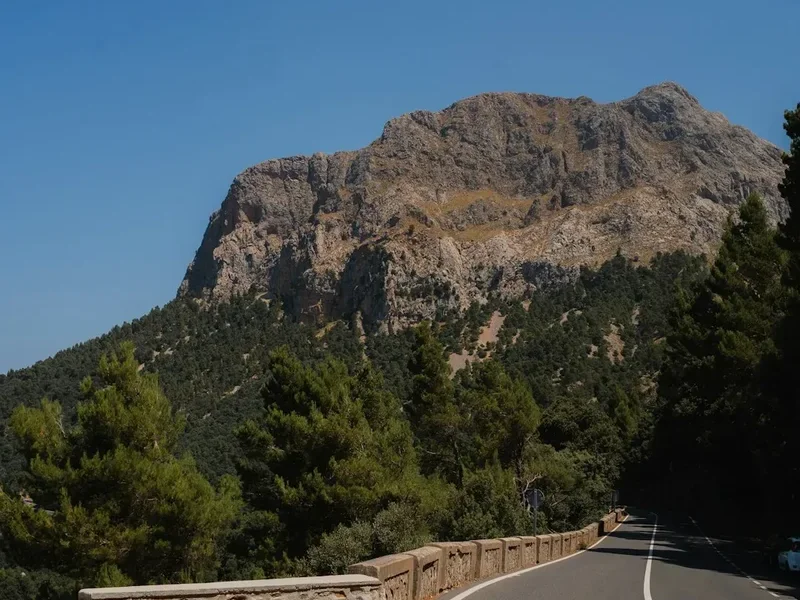
One of the significant advantages of the Caminos de Ronda is that no specific permits are required to walk the trails. The paths are part of the public domain and are accessible to everyone. This makes planning a spontaneous trip or a flexible itinerary much easier. However, it's important to note that while no permits are needed for walking, access to certain natural parks or protected areas might have specific regulations regarding camping or other activities, though these are generally not encountered on the main coastal paths.
Booking Accommodation: As mentioned in the planning section, while no permits are needed for the trail itself, booking accommodation in advance is highly recommended, especially during peak seasons. This is not a permit requirement but a practical necessity to secure your preferred lodging.
National Park Regulations: Some sections of the Costa Brava may pass through or near natural parks. It's always wise to check local signage for any specific rules regarding behaviour within these areas, such as restrictions on fires, camping, or waste disposal. However, these are typically standard environmental protection measures rather than formal permit requirements for walking.
Flexibility: The lack of permit requirements allows for a high degree of flexibility. You can decide to extend your stay in a particular village, shorten a day's walk, or change your route based on weather or personal preference without needing to obtain additional permissions.
Other Activities in the Area
The Costa Brava offers a wealth of activities beyond walking the Caminos de Ronda, making it an ideal destination for a varied holiday:
- Beach Relaxation: With countless coves and beaches, from long sandy stretches to tiny, secluded bays, there are ample opportunities to swim, sunbathe, and enjoy the Mediterranean Sea.
- Water Sports: Kayaking, paddleboarding, snorkelling, and diving are popular activities, with many rental centres and guided tours available.
- Boat Trips: Explore the coastline from the water on a boat tour, visiting hidden caves and inaccessible coves. Some tours offer glass-bottomed boats for underwater viewing.
- Gastronomy: Indulge in the delicious Catalan cuisine. Sample fresh seafood, paella, tapas, and local wines. Many villages have excellent restaurants and traditional markets.
- Cultural and Historical Sites: Visit the medieval walled town of Tossa de Mar, explore the Roman ruins in Empúries, or discover the charming fishing villages like Calella de Palafrugell and Tamariu.
- Botanical Gardens: The Jardí Botànic Marimurtra in Blanes and the Jardí Botànic Pinya de Rosa offer stunning collections of Mediterranean and exotic plants with spectacular sea views.
- Cycling: The inland areas and some coastal roads are popular with cyclists, offering challenging routes and scenic vistas.
Safety and Conditions
Trail Conditions: The Caminos de Ronda are generally well-maintained, but sections can be steep, rocky, and uneven. Proper footwear is essential. In wet weather, some paths can become slippery. Be aware of potential hazards such as loose stones, exposed roots, and steep drop-offs near the cliffs.
Weather: The Mediterranean climate is generally pleasant, but conditions can change. Summers can be very hot, requiring ample hydration and sun protection. Spring and autumn offer milder temperatures but can still experience rain and wind. Always check the weather forecast before setting out for the day.
Navigation: While the main paths are usually marked with signage (often red and white paint marks or specific trail markers), it is advisable to carry a map and compass or use a GPS device with offline maps. Some smaller detours or less-used sections might be less clearly marked.
Water and Food: Carry sufficient water, especially during warmer months, as there are long stretches between villages where no facilities are available. Pack high-energy snacks. You can replenish supplies in the towns and villages along the route.
Sun Protection: The sun can be intense, particularly during midday. Wear a hat, sunglasses, and apply sunscreen regularly. Seek shade during the hottest parts of the day.
Emergency: The European emergency number is 112. Mobile phone reception is generally good along most of the coastal path, but there may be dead spots in remote areas or deep coves. Inform someone of your planned route and expected return time.
Respect the Environment: Stay on marked paths to avoid damaging fragile vegetation and to prevent erosion. Take all litter with you. Do not disturb wildlife.
Swimming: Be cautious when swimming in the sea. Pay attention to local flag warnings and currents. Some coves may have strong undertows.
Side Trips and Points of Interest
The Caminos de Ronda are rich with points of interest and opportunities for short side trips that enhance the walking experience:
Jardí Botànic Marimurtra (Blanes): Located at the southern start of the trail, this stunning botanical garden offers a vast collection of plants from around the world, set against breathtaking views of the Mediterranean. It's a beautiful place to begin or end your walk.
Vila Vella (Tossa de Mar): The remarkably well-preserved medieval walled town of Tossa de Mar is a highlight. Walking through its narrow cobbled streets, past ancient ramparts and towers, feels like stepping back in time. The views from the castle walls are spectacular.
Hidden Coves (Calas): The Costa Brava is famous for its numerous small, secluded coves, often accessible only by foot or boat. Many of these, such as Cala Sa Caleta, Cala Pola, and Cala Giverola, are encountered along the Caminos de Ronda and offer perfect spots for a refreshing swim or a peaceful picnic.
Fishing Villages: Beyond the larger towns, smaller fishing villages like Calella de Palafrugell, Llafranc, and Tamariu offer a glimpse into traditional coastal life. Their whitewashed houses, colourful fishing boats, and charming harbours are incredibly picturesque.
Roman Ruins of Empúries: While a slight detour inland from some sections of the northern trail, the ancient Greek and Roman ruins of Empúries are a significant historical site worth visiting for those interested in archaeology.
Cap de Creus Natural Park: At the northernmost end of the Costa Brava, this rugged and windswept peninsula offers dramatic rock formations shaped by the Tramuntana wind. It's a wilder, more remote landscape that can be explored via its own network of trails, offering a different character to the southern Caminos de Ronda.
Leave No Trace
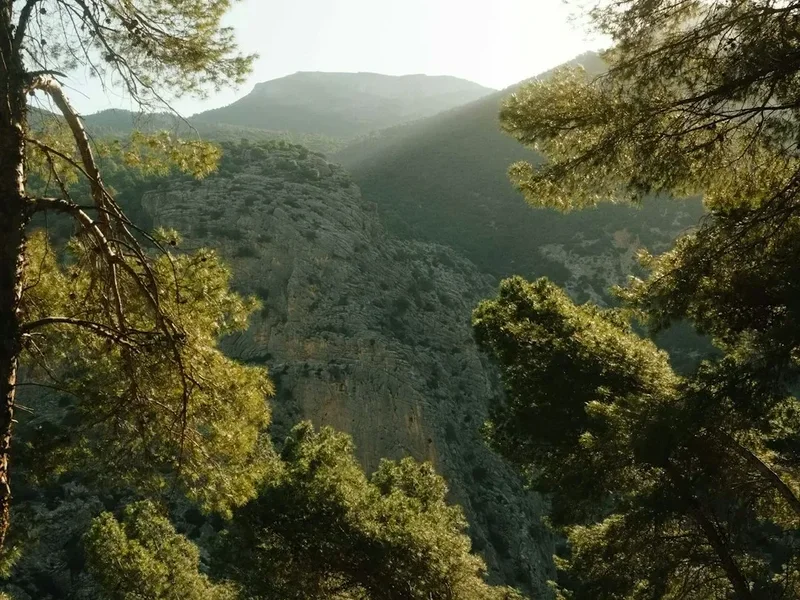
The Caminos de Ronda traverse a beautiful and ecologically sensitive coastal environment. Practising Leave No Trace principles ensures that this stunning landscape remains pristine for future generations and for the enjoyment of all visitors. The Costa Brava's natural beauty is a precious resource, and responsible behaviour is paramount.
Plan Ahead and Prepare: Research your route, understand the terrain, and check weather forecasts. Know your accommodation and transport options. Pack appropriately for the conditions.
Travel and Camp on Durable Surfaces: Stick to marked trails. Avoid cutting corners or creating new paths, which can lead to erosion and damage fragile vegetation. When stopping for breaks, use existing clearings or rocky areas.
Dispose of Waste Properly: Pack out everything you pack in. This includes all food scraps, wrappers, and any other litter. Use designated bins in towns and villages. If no bins are available, carry your waste until you find one.
Leave What You Find: Do not pick wildflowers, collect stones, or disturb natural features. Take only photographs and memories.
Minimise Campfire Impacts: Campfires are generally not permitted on the Caminos de Ronda, especially near beaches or in natural parks. If you are camping in designated areas (which are rare on this trail), use established fire rings and ensure fires are completely extinguished.
Respect Wildlife: Observe wildlife from a distance. Do not feed animals, as this can disrupt their natural behaviour and diet. Keep pets under control.
Be Considerate of Other Visitors: Keep noise levels down, especially in quieter sections and near residential areas. Yield to other walkers, particularly on narrow paths. Respect the local culture and customs.
 Spain
Spain