
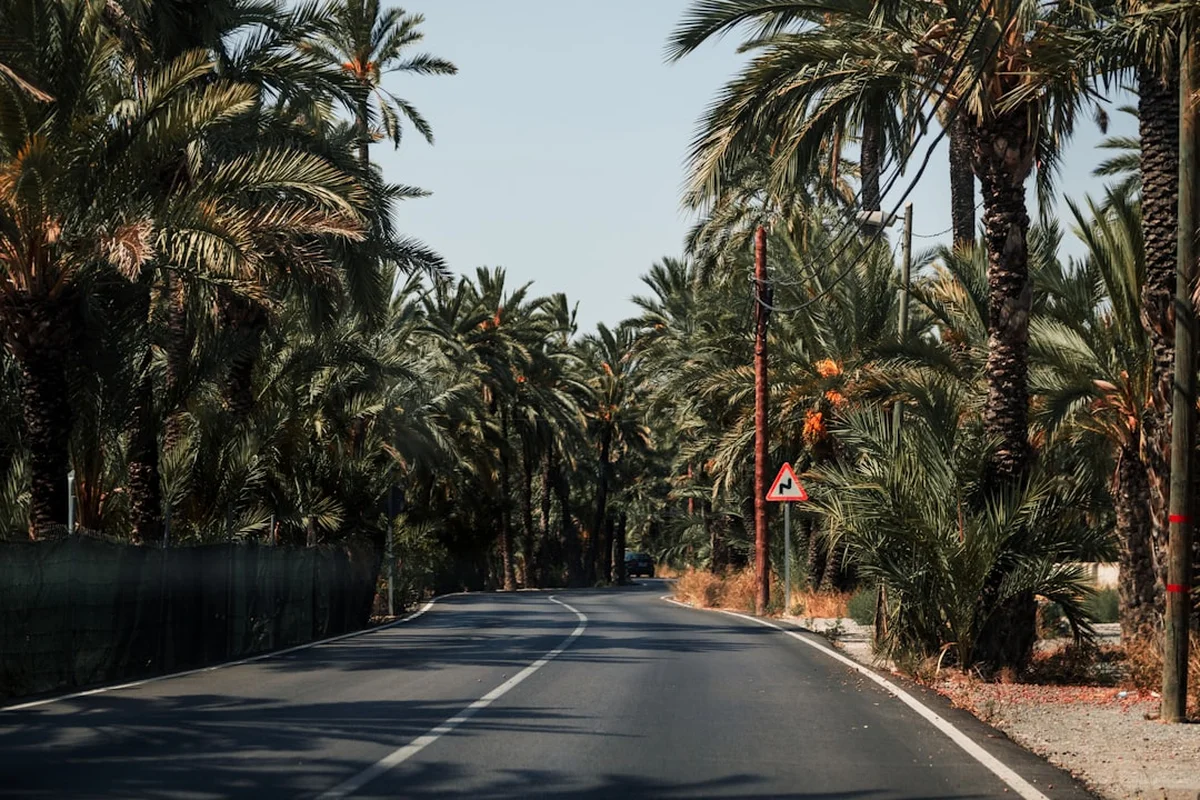
Camino Primitivo - The Original Way of St. James
The Camino Primitivo, or the "Original Way," is the oldest of all the pilgrimage routes to Santiago de Compostela. Stretching approximately 321 kilometres from the elegant Asturian capital of Oviedo to the sacred destination of Santiago, this trail offers a profound journey through the rugged heart of Northern Spain. Unlike the more crowded Camino Francés, the Primitivo is a demanding, high-altitude traverse of the Cantabrian Mountains, designed for those who seek solitude, physical challenge, and a deep connection to the medieval roots of the pilgrimage tradition. It is a route defined by mist-shrouded peaks, ancient Roman remains, and the warm hospitality of remote mountain villages where time seems to have stood still for centuries.
- Distance: 321.0 km
- Duration: 12–14 days
- Elevation Gain: Approximately 9,000 m
- Difficulty: Challenging (the most mountainous of all Camino routes)
- Best Time: April–June or September–October
- Starting Point: Oviedo Cathedral, Asturias, Spain
- Ending Point: Cathedral of Santiago de Compostela, Galicia, Spain
Overview
The Camino Primitivo is widely regarded as the most beautiful, yet most physically taxing, of the various routes leading to Santiago. While the Camino Francés follows the rolling plains of the Meseta, the Primitivo forces pilgrims to contend with the vertical reality of the Asturian and Galician mountains. With over 9,000 metres of cumulative elevation gain, the trail is a constant cycle of steep ascents and knee-jarring descents. However, the reward for this exertion is unparalleled: panoramic views of the Picos de Europa, lush emerald valleys that rival the landscapes of Ireland, and a sense of peace that is increasingly rare on the more commercialised routes.
The journey begins in Oviedo, a city of pre-Romanesque architecture and cider-pouring traditions. From here, the path strikes west, immediately entering the foothills of the Cantabrian range. The first week is dominated by the wild beauty of Asturias, where the "Ruta de los Hospitales" offers one of the most spectacular alpine crossings in Europe—a high-altitude ridge walk that follows the ruins of medieval pilgrim hospitals. As the trail crosses into Galicia at the Acebo Pass, the landscape softens into the rolling, eucalyptus-scented hills characteristic of the region, eventually merging with the Camino Francés in the town of Melide for the final two days of the journey.
This is a trail for the "true" pilgrim—those who value the internal journey as much as the external one. The infrastructure is sufficient but not excessive; albergues (pilgrim hostels) are spaced appropriately, but you will not find the endless cafes and souvenir shops of the French Way. Instead, you will find a community of dedicated walkers, the sound of cowbells echoing through the valleys, and the profound silence of the Spanish wilderness. It is a route that demands respect, preparation, and a sturdy pair of boots, but it offers a spiritual and physical payoff that is arguably the finest in the entire Camino network.
History and Cultural Context
The history of the Camino Primitivo is the history of the pilgrimage itself. In the early 9th century, a hermit named Pelayo followed a miraculous light to a field in Galicia, where he discovered a tomb believed to be that of Saint James the Apostle. Upon hearing the news, King Alfonso II "The Chaste," the ruler of the Kingdom of Asturias, set out from his court in Oviedo to verify the discovery. His journey in the year 814 AD became the very first pilgrimage to Santiago, and the route he took is what we now call the Camino Primitivo.
For centuries, this was the primary route for pilgrims, as the lands to the south were still under the control of the Moorish Caliphate. Oviedo became a crucial spiritual hub, giving rise to the famous medieval saying: "He who goes to Santiago and not to San Salvador [the Cathedral of Oviedo], visits the servant and forgets the Lord." As the Reconquista pushed the borders further south, the Camino Francés gained popularity due to its easier terrain, and the Primitivo faded into a secondary, more secluded path. This historical "hibernation" is exactly what preserved its authentic character.
Along the trail, the cultural heritage is palpable. You will pass through Lugo, a city still entirely enclosed by its original 3rd-century Roman walls—a UNESCO World Heritage site. You will see pre-Romanesque churches in Asturias that predate the Gothic cathedrals of the rest of Europe. The very stones beneath your feet in sections of the "Ruta de los Hospitales" have been trodden by kings, monks, and peasants for over a millennium. Walking the Primitivo is not just a hike; it is a deliberate step back into the medieval soul of Europe.
Want more background? Read extended notes on history and cultural context → Learn more
Seasonal Highlights and Weather Reality
The Camino Primitivo is a mountain route, and its weather is dictated by the Atlantic climate of Northern Spain. This means rain is a frequent companion, and temperatures can fluctuate wildly even in the height of summer. Choosing the right window is essential for both safety and enjoyment.
Spring (April to June): This is arguably the best time to walk. The Asturian valleys are a vibrant, almost neon green, and the wildflowers are in full bloom. However, April and May can still see significant snow on the higher passes, particularly the Hospitales route. Rain is common, often manifesting as a fine, persistent mist known locally as "orvallo."
Summer (July and August): While the rest of Spain swelters in 40°C heat, the Primitivo remains relatively cool due to its altitude and northern latitude. However, this is the busiest time for the albergues, and the final sections where the route joins the Camino Francés can feel overwhelmingly crowded. Thunderstorms are a genuine risk in the afternoons on the high ridges.
Autumn (September to October): September offers stable weather and crisp, clear mornings. The changing colours of the beech and chestnut forests in October are spectacular. This is a favourite time for experienced hikers, as the crowds have thinned and the air is perfect for strenuous climbing.
Winter (November to March): Walking the Primitivo in winter is an undertaking for experts only. Many albergues close, and the mountain passes are frequently blocked by deep snow. The "Ruta de los Hospitales" becomes extremely dangerous in winter conditions due to exposure and lack of shelter. If you choose to walk now, you must be prepared for freezing temperatures, heavy rain, and very short daylight hours.
Recommended Itinerary
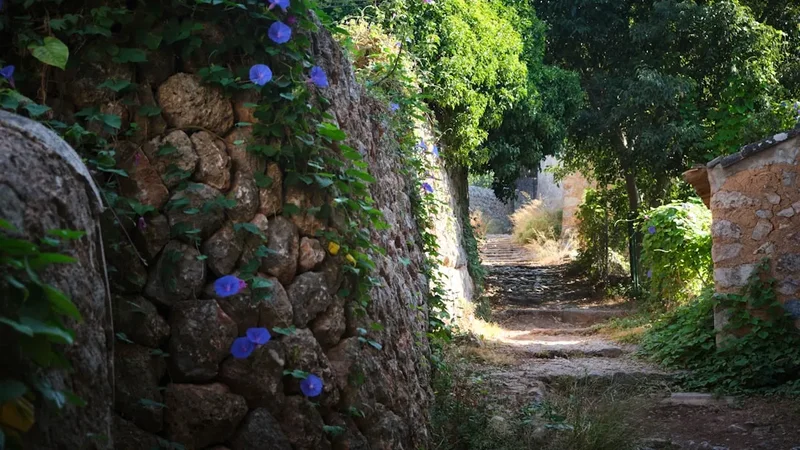
14-Day Camino Primitivo Itinerary
Day 1: Oviedo to Grado
- Distance: 25.0 km
- Elevation gain: 450 m
- Time: 6–7 hours
- Start at the San Salvador Cathedral in Oviedo
- Exit the city through the San Lázaro neighbourhood
- Follow quiet country lanes through the Asturian countryside
- Pass the Romanesque church of San Juan de Priorio
- Cross the bridge over the Nalón River at Peñaflor
- Arrive in Grado, known for its traditional Sunday market
Day 2: Grado to Salas
- Distance: 23.0 km
- Elevation gain: 650 m
- Time: 6–7 hours
- Begin with a steep climb out of Grado to the San Juan de Villapañada albergue
- Ascend to the Alto del Fresno for views back toward Oviedo
- Descend into the Narcea Valley
- Follow the river toward the medieval town of Salas
- Visit the Valdés-Salas Tower and the Collegiate Church of Santa María
- The terrain becomes noticeably more rugged today
Day 3: Salas to Tineo
- Distance: 20.0 km
- Elevation gain: 700 m
- Time: 5–6 hours
- A day of significant climbing through oak and chestnut forests
- Pass the Nonaya waterfall shortly after leaving Salas
- Ascend to the La Espina plateau
- Walk through the quiet villages of Bodenaya and La Espina
- Follow a beautiful forest track along the ridge to Tineo
- Tineo is a historic town perched on a steep hillside with great views
Day 4: Tineo to Pola de Allande
- Distance: 27.0 km
- Elevation gain: 600 m
- Time: 7–8 hours
- Pass the Monastery of Santa María la Real de Obona (a 15-minute detour)
- Climb through pine forests to the Alto de la Guardia
- Descend into the valley toward Campiello
- Continue through rural hamlets with traditional "hórreos" (granaries)
- Final steep descent into Pola de Allande
- Rest well, as tomorrow is the hardest day of the trail
Day 5: Pola de Allande to La Mesa (via Ruta de los Hospitales)
- Distance: 22.0 km
- Elevation gain: 850 m
- Time: 7–9 hours
- The "Queen Stage" of the Primitivo
- Choose the high-altitude "Hospitales" route in good weather
- Climb to 1,200 metres along a ridge with no villages or water
- Pass the ruins of three medieval pilgrim hospitals
- Incredible 360-degree views of the Asturian mountains
- Descend to the tiny hamlet of La Mesa (very limited facilities)
- Note: Take the valley route via Berducedo if weather is poor
Day 6: La Mesa to Grandas de Salime
- Distance: 15.0 km
- Elevation gain: 350 m
- Time: 4–5 hours
- Climb to the wind turbines at the Alto del Palo
- Dramatic descent toward the Salime Reservoir (Embalse de Salime)
- Walk across the massive dam wall built in the 1950s
- Steep climb from the dam up to the town of Grandas de Salime
- Visit the Ethnographic Museum, one of the best in Northern Spain
Day 7: Grandas de Salime to A Fonsagrada
- Distance: 25.0 km
- Elevation gain: 800 m
- Time: 7–8 hours
- Cross the border from Asturias into Galicia at the Acebo Pass (1,030 m)
- The landscape changes to slate-roofed houses and stone walls
- Long, steady climbs through pine and eucalyptus plantations
- Arrive in A Fonsagrada, the highest town in Galicia
- Tradition dictates eating "Pulpo a Feira" (octopus) here
Day 8: A Fonsagrada to O Cadavo
- Distance: 25.0 km
- Elevation gain: 550 m
- Time: 6–7 hours
- Pass the ruins of the Hospital de Montouto, used until the 20th century
- Walk through the "Sierra de Fontaneira"
- Rolling terrain with several short, sharp climbs
- Pass through remote Galician hamlets like Paradavella
- Arrive in O Cadavo (Baleira), a functional town with good services
Day 9: O Cadavo to Lugo
- Distance: 30.0 km
- Elevation gain: 400 m
- Time: 8–9 hours
- A long day but with a generally descending trend
- Walk through the Chamoso Valley
- Enter the city of Lugo through the San Pedro gate
- Lugo is the only city in the world surrounded by intact Roman walls
- Walk the 2.2 km perimeter of the walls at sunset
Day 10: Lugo to San Romao da Retorta
- Distance: 20.0 km
- Elevation gain: 250 m
- Time: 5–6 hours
- Exit Lugo through the Roman Gate and cross the Roman Bridge
- Follow the "Via Romana" (Roman Road) for sections
- Quiet agricultural landscape with many small churches
- Arrive in the tiny village of San Romao
- See the replica of a Roman milestone (miliario)
Day 11: San Romao da Retorta to Melide
- Distance: 28.0 km
- Elevation gain: 450 m
- Time: 7–8 hours
- Continue through the heart of rural Galicia
- Pass through the Serra de Careón
- The path becomes busier as you approach Melide
- In Melide, the Camino Primitivo joins the Camino Francés
- The atmosphere changes from solitary to social
Day 12: Melide to Arzúa
- Distance: 14.0 km
- Elevation gain: 300 m
- Time: 3–4 hours
- A shorter day to recover from the mountain stages
- Walk through beautiful oak forests and cross medieval bridges
- Pass through the village of Ribadiso with its riverside albergue
- Arrive in Arzúa, famous for its local cheese
- The trail is now significantly more crowded
Day 13: Arzúa to O Pedrouzo
- Distance: 19.0 km
- Elevation gain: 250 m
- Time: 5–6 hours
- Easy walking through eucalyptus groves and meadows
- Pass the "Santa Irene" chapel and fountain
- The anticipation of reaching Santiago begins to build
- O Pedrouzo is the final major stop before the cathedral
Day 14: O Pedrouzo to Santiago de Compostela
- Distance: 20.0 km
- Elevation gain: 300 m
- Time: 5–6 hours
- Walk past the perimeter of the Santiago airport
- Climb to Monte do Gozo (Mount of Joy) for the first glimpse of the cathedral spires
- Descend into the city and navigate the narrow medieval streets
- Finish at the Praza do Obradoiro in front of the Cathedral
- Attend the Pilgrim Mass and collect your Compostela
Planning and Bookings
Book Your Trip
Everything you need to plan your journey
Accommodation
Find places to stay near Oviedo
Flights
Search flights to Oviedo
Essential Preparation
The Camino Primitivo is not a trail to be underestimated. Unlike the flatter sections of the Camino Francés, the Primitivo requires a high level of cardiovascular fitness and leg strength. You should begin training at least three months in advance, focusing on hill climbs and walking with a weighted pack. Because the route is less travelled, services are further apart; you must be comfortable walking 20–30 kilometres a day with significant elevation changes.
Logistically, you should fly into Asturias Airport (OVD), which is well-connected to Oviedo by a 45-minute bus ride. Spend at least one full day in Oviedo to visit the Cathedral and obtain your "Credencial" (Pilgrim Passport). Booking your first two nights of accommodation in advance is highly recommended, especially during the peak months of May, June, and September. Unlike other trails, there is no central booking system for the entire route; you will deal with a mix of municipal, parochial, and private albergues.
Trail Accommodation
Accommodation on the Camino Primitivo consists primarily of "Albergues," which are hostels specifically for pilgrims. These are divided into three categories: Municipal (run by the local council), Parochial (run by the church), and Private (privately owned). In larger towns like Lugo and Oviedo, you will also find "Pensiones" (guesthouses) and hotels.
Albergue Facilities:
- Dormitory-style rooms with bunk beds (literas)
- Shared bathroom and shower facilities (usually gender-separated)
- Common kitchen area (facilities vary; some have stoves, others only microwaves)
- Laundry sinks and sometimes washing machines/dryers (paid)
- Wi-Fi is common in private albergues, less so in municipal ones
- Blankets are rarely provided; a sleeping bag or liner is essential
Booking and Costs:
- Municipal/Parochial: Usually €6–€10 per night. These generally cannot be booked in advance and operate on a "first-come, first-served" basis. You must have a Credencial to stay here.
- Private Albergues: €12–€20 per night. These can often be booked via WhatsApp, email, or booking platforms. They usually offer better facilities and smaller dorms.
- Pensiones/Hotels: €40–€70 for a private room. Recommended for rest days in Lugo or Oviedo.
Required Gear
- Hiking boots or trail runners: Must be well broken-in. Waterproofing (Gore-Tex) is highly recommended for the Asturian mud.
- Backpack: 30–40 litres is ideal. Keep the total weight under 10% of your body weight.
- Rain gear: A high-quality lightweight rain jacket and a pack cover. A trekking umbrella is a popular alternative in Spain.
- Sleeping bag: A lightweight 2-season bag or a silk liner depending on the time of year.
- Trekking poles: Essential for the steep descents in the Cantabrian Mountains to protect your knees.
- Clothing: Two sets of walking clothes (moisture-wicking), one set of "clean" clothes for the evening, and three pairs of high-quality wool socks (e.g., Merino).
- Flip-flops or sandals: For the showers and to let your feet breathe in the evenings.
What to Bring
- Credencial del Peregrino: Your pilgrim passport, essential for staying in albergues and getting your Compostela.
- Water purification: While tap water in Spain is generally safe, a filter bottle (like LifeStraw) is useful for mountain springs.
- First aid kit: Focus on blister care (Compeed, needle and thread, antiseptic), ibuprofen, and sunblock.
- Toiletries: Solid soap and shampoo to save weight, a quick-dry microfibre towel, and earplugs (essential for dorm life).
- Power bank and universal adapter: To keep your phone/GPS charged in crowded albergues.
- Snacks: High-energy items like nuts, dried fruit, and chocolate. Shops can be scarce in the mountains between Tineo and Grandas de Salime.
- Cash: Many small village bars and municipal albergues do not accept credit cards. Carry at least €50 in small notes.
Permits
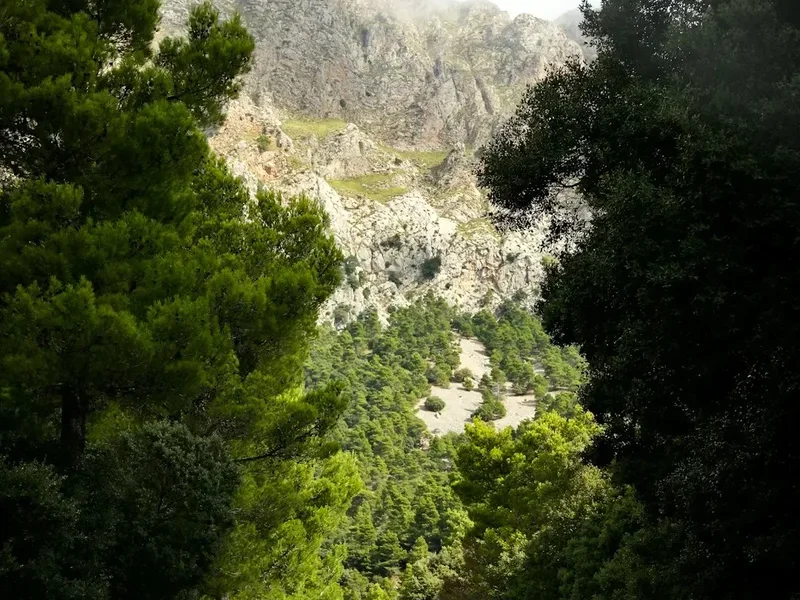
The Camino Primitivo does not require a "permit" in the traditional sense of a wilderness permit. However, to access the network of pilgrim hostels (albergues) and to receive the official certificate of completion in Santiago, you must carry a Credencial del Peregrino (Pilgrim Passport).
The Credencial: This is a folding document that you "stamp" at albergues, churches, bars, and town halls along the route. You need at least one stamp per day (two per day for the final 100 km from Lugo) to prove you have walked the distance. You can purchase a Credencial for approximately €2–€5 at the Oviedo Cathedral, at most major albergues, or through your national Camino association before you leave home.
The Compostela: Upon arrival in Santiago, you take your stamped Credencial to the Pilgrim's Office. If you have walked at least the last 100 km (which the Primitivo covers easily), you will receive the "Compostela," a beautiful Latin certificate confirming your pilgrimage. If you walked for non-religious reasons, you can request a "Certificate of Distance."
The Ruta de los Hospitales: While no permit is needed, there is a "safety check." In Pola de Allande, the local albergue hospitaleros and police will often advise against the Hospitales route in bad weather. Always heed their advice; there is no "permit" to rescue you if you ignore weather warnings on the ridge.
Other Activities in the Area
The regions of Asturias and Galicia offer rich cultural and natural experiences beyond the trail:
- Oviedo's Pre-Romanesque Architecture: Visit Santa María del Naranco and San Miguel de Lillo, 9th-century palaces and churches on the outskirts of the city.
- Cider Culture: In Oviedo, visit "Calle de la Gascona" (Cider Boulevard) to watch waiters pour Asturian cider from a height to aerate it.
- Lugo's Roman Walls: Spend an extra day in Lugo to walk the world's best-preserved Roman walls and explore the city's Roman bridge and thermal baths.
- Ethnographic Museum of Grandas de Salime: A world-class museum showcasing traditional Asturian mountain life, including blacksmithing, weaving, and milling.
- Gastronomy: Sample "Fabada Asturiana" (a rich bean stew) in the mountains and "Pulpo a Feira" (octopus with paprika) once you cross into Galicia.
- Santiago de Compostela: After finishing, take a day trip to Finisterre (the "End of the World") or Muxía on the Atlantic coast.
Safety and Conditions
Mountain Weather: The greatest risk on the Primitivo is the weather. The "Ruta de los Hospitales" is highly exposed with no shelter for 15 kilometres. Fog can roll in within minutes, reducing visibility to near zero. If the forecast predicts heavy rain, high winds, or low cloud, take the lower "Palo" route via Berducedo. Hypothermia is a risk even in summer if you get wet and the wind picks up at altitude.
Terrain: The descents on the Primitivo are notoriously steep. The descent from the Alto del Palo to the Salime reservoir is particularly taxing on the knees and ankles. Use trekking poles and take frequent breaks. Mud is a constant factor in Asturias; it can be deep and slippery, making progress slow and increasing the risk of falls.
Road Walking: While the Primitivo has less asphalt than the Camino Francés, there are still sections along the AS-14 and other regional roads. Always walk facing traffic, wear reflective gear if walking at dawn, and be cautious on narrow mountain bends where visibility for drivers is limited.
Health: Blisters are the most common "injury." Treat hot spots immediately with tape or Compeed. Dehydration can be an issue on the long stretches between villages (like the Hospitales route); always carry at least 2 litres of water. Ticks can be present in the long grass of the Galician meadows; check your legs at the end of each day.
Side Trips and Points of Interest
Ruta de los Hospitales: This is the most famous "variant" of the Primitivo. It follows the original medieval path along a high mountain ridge. It is named after the ruins of the hospitals of Fanfaraón, Valparaíso, and Puerto, which provided shelter to pilgrims in the Middle Ages. It is 2 km shorter than the valley route but significantly harder. Only attempt it in clear weather.
Monastery of Santa María la Real de Obona: Located between Tineo and Campiello, this 13th-century Benedictine monastery was once a major intellectual centre. Though now largely in ruins and often closed to the public, the exterior and the surrounding forest are incredibly atmospheric and worth the short detour.
The Salime Dam: An unexpected piece of industrial heritage. The dam wall features a massive mural by architect Joaquín Vaquero Palacios, depicting the construction of the dam. The scale of the engineering in such a remote mountain location is staggering.
The Roman Walls of Lugo: You don't just see these; you walk on top of them. The entire old city is enclosed, and the 2.2 km walkway on top of the walls provides a unique perspective on the city's history and daily life. It is the only city in the world where you can walk a complete circuit on Roman walls.
Leave No Trace
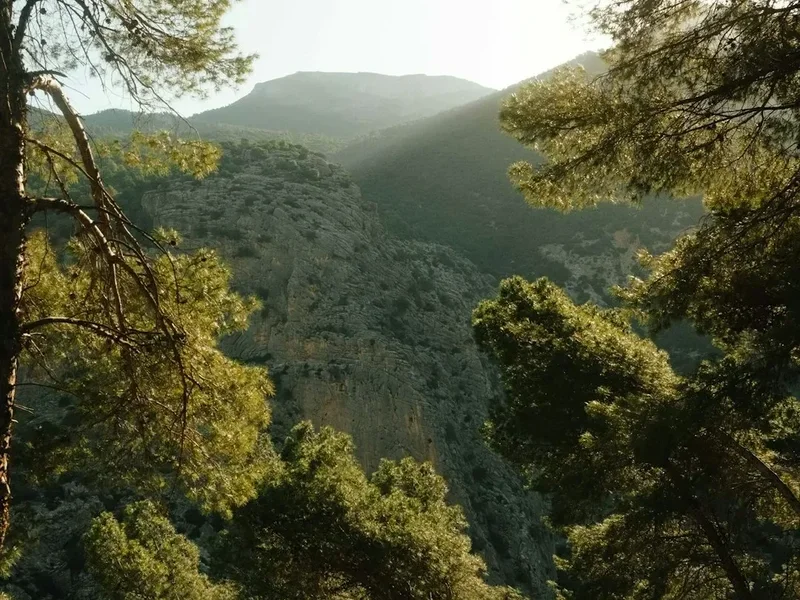
The Camino Primitivo passes through some of the most pristine rural landscapes in Spain. As a pilgrim, you are a guest in these ancient communities and fragile ecosystems. Practising Leave No Trace principles is essential to ensure the trail remains viable for future generations.
Guidelines for Pilgrims:
- Pack it out: Never leave litter on the trail. This includes fruit peels and tissues. Carry a small bag for your trash until you reach a bin in a village.
- Respect the "Hórreos": These traditional granaries are often private property and historical monuments. Do not climb on them or use them for shelter without permission.
- Stay on the path: In the Asturian mountains, straying from the path can damage fragile alpine flora and contribute to soil erosion.
- Water sources: Do not use soap (even biodegradable) in mountain streams or village fountains. Use the facilities provided in albergues.
- Respect the silence: Many villages along the Primitivo have very few residents, often elderly. Keep noise levels down, especially when departing early in the morning.
- Don't "decorate" the trail: Avoid the temptation to leave "memorials," stack stones, or write graffiti on waymarks. The yellow arrow is the only mark that should be on the trail.
 Spain
Spain