
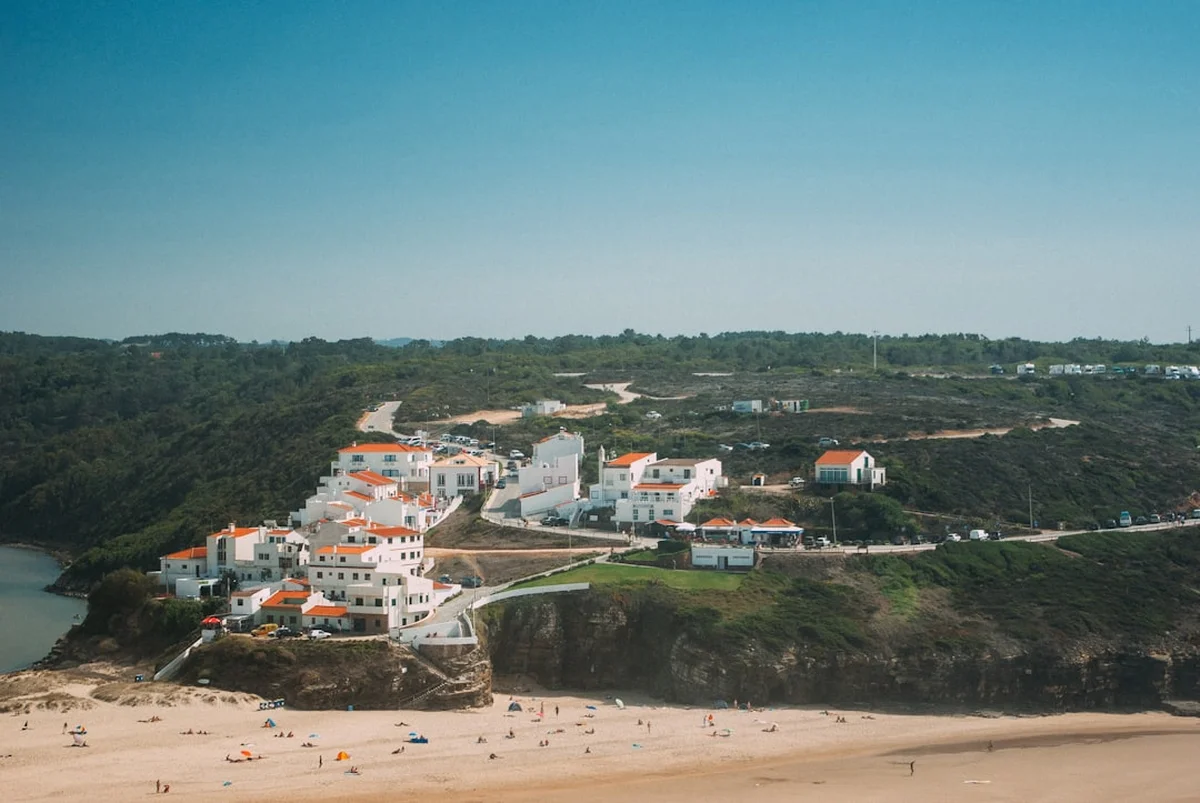
Camino Português: The Portuguese Way to Santiago
The Camino Português, or Portuguese Way, is a historic pilgrimage route leading pilgrims from Portugal to the revered tomb of Saint James the Great in Santiago de Compostela, Spain. This ancient path offers a rich tapestry of culture, history, and breathtaking landscapes, winding through Portugal's vibrant cities, charming villages, and serene countryside before crossing into Spain. Unlike some of its more crowded European counterparts, the Camino Português provides a more intimate and often more tranquil pilgrimage experience, allowing for deeper reflection and connection with fellow travellers and the surrounding environment.
The route is renowned for its diverse scenery, from the bustling urban centres of Porto and Lisbon to the rolling vineyards of the Douro Valley, the historic towns of the Minho region, and the verdant Galician countryside. Pilgrims can choose from several variations, most notably the Central Route and the Coastal Route, each offering unique perspectives and experiences. The Central Route is generally considered the more traditional and direct path, while the Coastal Route offers stunning ocean vistas and a different flavour of Portuguese and Spanish culture.
This guide provides a comprehensive overview of the Camino Português, covering its history, seasonal considerations, a detailed itinerary, essential planning advice, permit information, safety guidelines, and much more. Whether you are a seasoned pilgrim or embarking on your first Camino, this resource aims to equip you with the knowledge needed for a memorable and fulfilling journey.
- Distance: Approximately 240 km (Central Route from Porto)
- Duration: 10–14 days
- Season: April to June, September to October (Spring and Autumn)
- Difficulty: Moderate
- Starting Point: Porto, Portugal
- Ending Point: Santiago de Compostela, Spain
- Variations: Central Route, Coastal Route, Spiritual Variant
- Accommodation: Albergues (pilgrim hostels), guesthouses, hotels
- Highest Point: Varies by route, generally rolling hills
Overview of the Camino Português
The Camino Português is a journey of discovery, both external and internal. It is a path that has been trodden by countless pilgrims for centuries, each seeking spiritual solace, personal growth, or simply the profound experience of walking a historic route. The trail is well-marked, particularly in Portugal, with the ubiquitous yellow arrows and scallop shell symbols guiding the way.
The Central Route, starting from Porto, is the most popular and direct path. It takes pilgrims through a varied landscape, beginning with the vibrant city of Porto, a UNESCO World Heritage site. From Porto, the route heads north, passing through historic towns like Vila do Conde and Barcelos, famous for its rooster legend. The terrain is a mix of paved roads, gravel paths, and some forest trails, with moderate ascents and descents. The journey continues through the picturesque Minho region, known for its lush greenery and vineyards, before crossing the border into Spain near Tui.
The Coastal Route offers a different experience, hugging the Atlantic coastline for much of its Portuguese section. This variation provides stunning sea views, fresh ocean air, and a chance to explore charming seaside towns like Esposende and Viana do Castelo. While beautiful, the coastal path can sometimes be more exposed to the elements and may involve more walking on sandy or uneven terrain. It eventually rejoins the Central Route or offers its own path towards Santiago.
A more challenging and spiritually focused option is the Spiritual Variant, which branches off the Central Route in Pontevedra, Spain, and follows the Ulla River to Padrón, then on to Santiago. This route is known for its more remote and natural settings.
Regardless of the chosen route, the Camino Português is characterised by its welcoming atmosphere. The albergues provide essential rest stops and a communal spirit, where pilgrims share stories, advice, and camaraderie. The food is a highlight, with delicious Portuguese and Galician cuisine offering a taste of local culture. The journey is as much about the people you meet and the experiences you have along the way as it is about reaching the final destination.
History and Cultural Significance
The origins of the Camino Português as a pilgrimage route are deeply intertwined with the history of Christianity in the Iberian Peninsula and the veneration of Saint James the Great. While the Camino Francés (French Way) gained prominence earlier, the Portuguese routes developed as a significant alternative, particularly from the 12th century onwards, as Portugal established itself as an independent kingdom.
The discovery of the tomb of Saint James in the 9th century in Galicia, Spain, sparked a wave of religious fervour and pilgrimage that continues to this day. The Camino Português emerged as a vital artery for pilgrims travelling from Portugal and, by extension, from North Africa and other parts of the world seeking to reach Santiago de Compostela. The route's development was facilitated by the establishment of religious orders, the construction of churches and monasteries, and the provision of hospices and shelters for travellers.
Historically, the Camino Português was not a single, fixed path but rather a network of routes that evolved based on local geography, political boundaries, and the availability of safe passage. Different starting points, such as Lisbon, Coimbra, and Porto, all contributed to the diverse tapestry of the Portuguese Way. The Central Route from Porto gained particular importance due to Porto's status as a major city and port.
The decline of pilgrimage in later centuries, due to factors like the Reformation and political instability, saw many of these routes fall into disuse. However, the late 20th century witnessed a significant revival of the Camino de Santiago, with the Camino Português experiencing a surge in popularity. Today, it is the second most popular route after the Camino Francés, attracting thousands of pilgrims annually who are drawn to its rich history, cultural heritage, and spiritual significance.
The route passes through numerous historic towns and villages that bear witness to centuries of history. From the Romanesque cathedrals and medieval bridges to the traditional architecture and local festivals, the Camino Português offers a living history lesson, connecting pilgrims to the past and the enduring legacy of Saint James.
Seasonal Considerations and Weather
The Camino Português can be walked year-round, but certain seasons offer more favourable conditions for pilgrims. The best times to undertake the journey are generally during the spring and autumn months.
Spring (April to June): This is an ideal time to walk the Camino Português. The weather is typically mild and pleasant, with temperatures ranging from 15°C to 25°C. The countryside is in full bloom, with vibrant wildflowers and lush greenery, making for a visually stunning experience. Rainfall is possible, but generally less frequent than in winter. Daylight hours are increasing, providing ample time for walking.
Summer (July to August): While the summer months offer the warmest weather and longest daylight hours, they can also be very hot, especially in the southern parts of Portugal. Temperatures can regularly exceed 30°C, making walking challenging, particularly during the midday sun. The routes can also be more crowded during this period, as it coincides with European holiday seasons. Hydration and sun protection are paramount.
Autumn (September to October): Autumn is another excellent season for the Camino Português. The weather is often similar to spring, with mild temperatures and pleasant sunshine. The summer heat subsides, and the landscapes take on beautiful autumnal colours. The crowds also begin to thin out after the summer peak, offering a more tranquil experience. Rainfall can increase towards the end of October.
Winter (November to March): Walking the Camino Português in winter is possible but requires more preparation. Temperatures are cooler, typically ranging from 5°C to 15°C, and rainfall is more frequent. Some albergues may have reduced hours or be closed during the off-season, so it is essential to check opening times in advance. Despite the potential for inclement weather, winter offers a unique and peaceful pilgrimage experience with very few other walkers on the trail.
Weather Patterns: The weather can be unpredictable, especially in the mountainous regions. It is advisable to be prepared for a range of conditions, including sunshine, rain, and wind, regardless of the season. Packing layers is crucial.
Recommended Itinerary (Central Route from Porto)
Day-by-Day Itinerary: Camino Português (Central Route)
Day 1: Porto to São Pedro de Rates
- Distance: 27 km
- Elevation Gain: Moderate
- Time: 6–7 hours
- Start in the historic city of Porto, following the yellow arrows through its charming streets.
- Pass through suburban areas and then into more rural landscapes.
- The route involves some urban walking and then transitions to country roads and paths.
- Arrive in the small village of São Pedro de Rates, known for its ancient church.
Day 2: São Pedro de Rates to Barcelos
- Distance: 16 km
- Elevation Gain: Gentle
- Time: 3–4 hours
- A shorter, more relaxed day.
- Walk through rolling hills and agricultural land.
- Arrive in Barcelos, a town famous for its pottery and the legend of the Galo de Barcelos (Rooster of Barcelos).
- Explore the historic centre and its iconic bridge.
Day 3: Barcelos to Ponte de Lima
- Distance: 35 km
- Elevation Gain: Moderate
- Time: 7–8 hours
- A longer day, passing through picturesque villages and vineyards.
- The landscape becomes greener and more undulating as you approach the Minho region.
- Arrive in Ponte de Lima, one of Portugal's oldest towns, renowned for its beautiful Roman bridge.
Day 4: Ponte de Lima to Rubiaes
- Distance: 15 km
- Elevation Gain: Significant climb
- Time: 3–4 hours
- A challenging but rewarding day with a substantial climb.
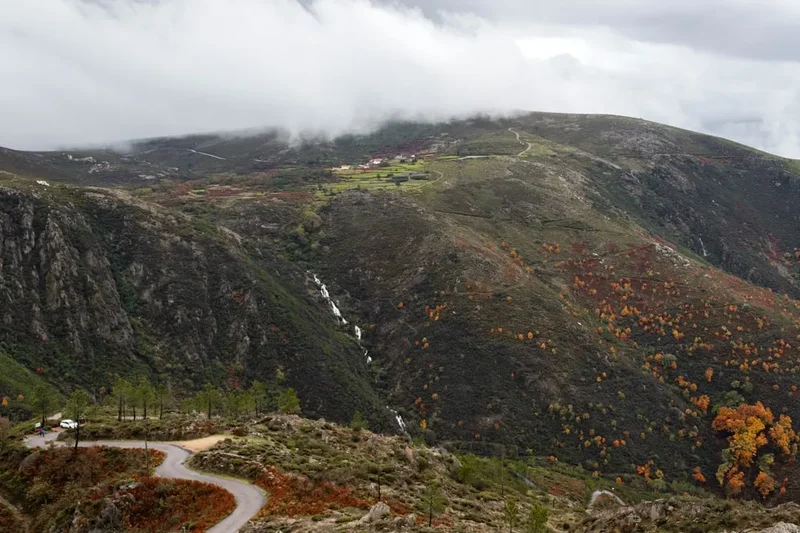
- The route ascends into the hills, offering scenic views.
- Pass through the historic village of Labruja.
- Arrive in the small hamlet of Rubiaes, a peaceful stopover.
Day 5: Rubiaes to Tui (Spain)
- Distance: 19 km
- Elevation Gain: Gentle
- Time: 4–5 hours
- A relatively short day, culminating in crossing the border into Spain.
- Walk through forests and along the River Minho.
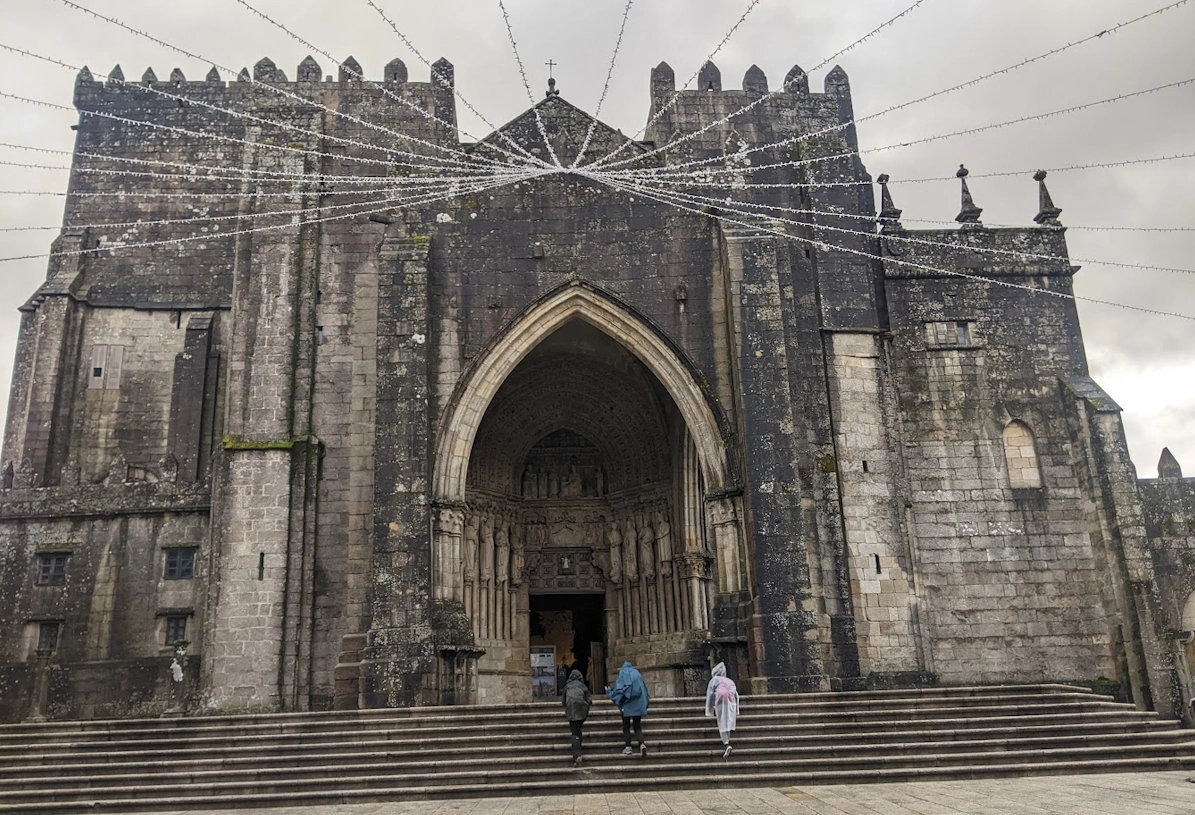
- Cross the impressive international bridge into Tui, a historic Galician city with a magnificent cathedral.
- Spend time exploring Tui's old town.
Day 6: Tui to O Porriño
- Distance: 10 km
- Elevation Gain: Gentle
- Time: 2–3 hours
- A very short day, allowing for a relaxed morning in Tui.
- Walk through industrial areas and then into O Porriño.
- O Porriño is a modern town, offering good amenities for pilgrims.
Day 7: O Porriño to Redondela
- Distance: 16 km
- Elevation Gain: Moderate
- Time: 3–4 hours
- The route continues through varied terrain, including some urban and rural sections.
- Pass through the town of Mos.
- Arrive in Redondela, a town known for its railway viaducts and its position at a junction of the Camino routes.
Day 8: Redondela to Pontevedra
- Distance: 20 km
- Elevation Gain: Gentle
- Time: 4–5 hours
- A pleasant walk through forests and small villages.
- The route offers glimpses of the Ría de Vigo (Vigo Estuary).
- Arrive in Pontevedra, a beautiful historic city with a well-preserved old town.
Day 9: Pontevedra to Caldas de Reis
- Distance: 22 km
- Elevation Gain: Gentle
- Time: 4–5 hours
- Walk through vineyards and rural landscapes.
- Pass through the town of San Mauro.
- Arrive in Caldas de Reis, a town famous for its thermal springs.
Day 10: Caldas de Reis to Padrón
- Distance: 19 km
- Elevation Gain: Gentle
- Time: 4–5 hours
- A scenic walk through forests and along rivers.
- The route is relatively flat and pleasant.
- Arrive in Padrón, a town with historical significance related to Saint James.
Day 11: Padrón to Santiago de Compostela
- Distance: 25 km
- Elevation Gain: Moderate
- Time: 5–6 hours
- The final day of the pilgrimage.
- Walk through charming villages and countryside.
- The anticipation builds as you approach Santiago.
- Arrive at the Cathedral of Santiago de Compostela, the culmination of your journey.
- Collect your Compostela certificate.
Note: This itinerary is a suggestion and can be adjusted based on individual fitness levels and preferences. Many pilgrims choose to walk shorter distances or take rest days, extending the journey to 14 days or more.
Planning and Bookings
Book Your Trip
Everything you need to plan your journey
Accommodation
Find places to stay near Porto
Flights
Search flights to Porto
Essential Preparation
Embarking on the Camino Português requires thoughtful planning to ensure a smooth and enjoyable pilgrimage. The most crucial aspect is to determine your route and the approximate duration of your walk. The Central Route from Porto is the most popular and well-supported, making it an excellent choice for first-time pilgrims. The Coastal Route offers a different experience, and the Spiritual Variant provides a more challenging, nature-focused option.
Logistics:
- Getting to Porto: Porto Airport (OPO) is well-connected internationally. From the airport, you can take the Metro (Line E) directly into the city centre.
- Getting to Santiago de Compostela: Santiago de Compostela Airport (SCQ) offers connections to various European cities. Alternatively, you can take a bus or train from Santiago to other major Spanish cities like Madrid or Lisbon.
- Accommodation Booking: While many albergues operate on a first-come, first-served basis, booking ahead is highly recommended, especially during peak season (spring and autumn) or for popular albergues. Some private albergues and hotels allow advance reservations.
- Physical Fitness: The Camino Português is a moderate-difficulty trail. It is advisable to undertake regular walking and cardiovascular exercise in the months leading up to your pilgrimage to build stamina and prevent injuries.
- Language: While English is spoken in tourist areas and by many pilgrims, learning a few basic phrases in Portuguese and Spanish will be greatly appreciated by locals.
Base Town/City Information:
- Porto: A vibrant city with a rich history, excellent food, and a lively atmosphere. It's the perfect place to begin your journey, allowing time to explore its attractions before setting off.
- Santiago de Compostela: The final destination, a magnificent city with a stunning cathedral and a palpable sense of accomplishment for pilgrims. It offers a wide range of accommodation and dining options for post-pilgrimage relaxation.
Trail Accommodation
Accommodation along the Camino Português primarily consists of albergues, which are hostels specifically for pilgrims. These range from basic municipal or parish-run establishments to more comfortable private albergues.
Albergues:
- Types: Municipal albergues are often the most basic and affordable, while private albergues may offer more amenities. Some churches also provide simple accommodation.
- Facilities: Typically include dormitory-style bunk beds, shared bathrooms with hot showers, and communal kitchen and dining areas. Some albergues have washing machines and dryers.
- What's NOT Provided: Bedding (you'll need a sleeping bag or liner), towels, toiletries, and cooking utensils. You will need to bring your own food or purchase it from local shops and supermarkets.
- Booking Requirements: Many albergues operate on a first-come, first-served basis, with check-in typically opening in the afternoon (around 1 pm or 2 pm). Some private albergues allow advance booking, which is advisable during peak season.
- Costs: Municipal and parish albergues are very affordable, often with a donation-based system or a small fixed fee (typically €5-€15 per night). Private albergues are generally more expensive (€15-€30 per night).
- Seasonal Availability: Most albergues are open year-round, but some may have reduced hours or be closed during the winter months. It is essential to check in advance, especially if travelling outside the main pilgrimage seasons.
Other Accommodation: Guesthouses (pensions), B&Bs, and hotels are available in larger towns and cities for those seeking more privacy and comfort. These will be more expensive than albergues.
Required Gear
- Walking Boots/Shoes: Sturdy, broken-in walking boots or trail running shoes with good grip and ankle support are essential. Waterproofing is beneficial.
- Backpack: A comfortable backpack of 30-45 litres is usually sufficient for carrying essentials. Ensure it has a good hip belt and adjustable straps. A rain cover is highly recommended.
- Waterproof Jacket: A lightweight, breathable waterproof jacket is crucial for protection against rain and wind.
- Sleeping Bag/Liner: A lightweight sleeping bag or a silk liner is necessary for albergues, as bedding is not usually provided.
- Trekking Poles: Highly recommended for reducing strain on knees and improving balance, especially on descents and ascents.
- Headlamp/Torch: Essential for navigating albergues in the dark and for early morning starts.
- First-Aid Kit: Include blister treatment (Compeed, moleskin), antiseptic wipes, pain relievers, bandages, and any personal medications.
- Navigation: While the Camino Português is well-marked, a guidebook, map, or GPS device/app can be helpful for orientation and planning.
What to Bring
- Clothing: Pack lightweight, moisture-wicking clothing. Include several pairs of walking socks (merino wool is excellent), a few t-shirts, a long-sleeved shirt for sun protection, comfortable walking trousers or shorts, and warm layers (fleece or down jacket) for cooler evenings or higher altitudes.
- Rain Gear: Waterproof trousers are also advisable.
- Toiletries: Travel-sized biodegradable soap, shampoo, toothbrush, toothpaste, sunscreen, lip balm with SPF, insect repellent (especially for summer), and hand sanitiser.
- Food and Water: Carry a reusable water bottle or hydration reservoir (at least 1-2 litres capacity). While water sources are generally available, it's wise to carry some snacks (nuts, dried fruit, energy bars) for between towns.
- Documents: Passport, pilgrim passport (Credencial), any necessary visas, and copies of important documents.
- Money: A mix of cash (Euros) and debit/credit cards. Many smaller establishments may only accept cash.
- Phone and Charger: A portable power bank is useful for keeping devices charged on the go.
- Optional Items: A small towel, earplugs and eye mask (for shared dormitories), a book or journal, a camera.
Permits and Documentation
For the Camino Português, there are generally no specific permits required to walk the trail itself. The route passes through public lands and established paths. However, there are crucial documents and considerations for pilgrims:
1. Pilgrim Passport (Credencial):
- This is the most important document for any pilgrim. It serves as your identification on the Camino and is required to stay in most albergues.
- It contains spaces for stamps from towns, albergues, churches, and other establishments along the route. Collecting stamps proves you have walked the necessary distance.
- You need at least two stamps per day to qualify for the Compostela.
- You can obtain a Credencial from pilgrim offices in Porto, Lisbon, or other starting points, or from many albergues. You can also purchase them online in advance.
2. The Compostela:
- This is the certificate of completion awarded to pilgrims who arrive in Santiago de Compostela having walked a minimum of 100 km (for walking) or 200 km (for cycling) and collected the required stamps in their Credencial.
- To receive the Compostela, you must present your stamped Credencial at the Pilgrim's Office in Santiago de Compostela.
- There is no fee for the Compostela itself, but you may need to pay a small fee for the Credencial.
3. Other Documentation:
- Passport: Essential for international travel and for identification.
- Visa (if applicable): Ensure you have the correct visa for Portugal and Spain if required based on your nationality.
- Travel Insurance: Highly recommended to cover medical emergencies, lost luggage, trip cancellations, and potential evacuation.
Booking Accommodation: While not a permit, booking accommodation in advance, especially for private albergues or hotels during peak season, is a critical part of planning. Some popular albergues may have limited capacity and fill up quickly.
Important Note: The Camino Português is a well-established pilgrimage route, and unlike some national parks or protected areas, it does not typically require specific entry permits for individuals walking the trail. The focus is on the pilgrim's journey and documentation of their progress.
Other Activities in the Area
Beyond the pilgrimage itself, the regions traversed by the Camino Português offer a wealth of cultural, historical, and natural attractions:
- Porto Exploration: Before starting your walk, dedicate time to exploring Porto's Ribeira district (UNESCO World Heritage), the iconic Dom Luís I Bridge, the Livraria Lello bookstore, and tasting world-famous Port wine in Vila Nova de Gaia.
- Vinho Verde Wine Region: The Minho region, particularly around Ponte de Lima, is the heartland of Vinho Verde, a light, crisp Portuguese wine. Wine tasting tours are readily available.
- Historic Cities: Many towns along the route boast significant historical sites. Tui's cathedral and old town, Pontevedra's medieval quarter, and Santiago de Compostela's magnificent cathedral and plazas are must-sees.
- Beaches and Coastal Scenery: If you opt for the Coastal Route or take a detour, you can enjoy the beautiful Atlantic coastline of Portugal, with opportunities for swimming and exploring charming seaside towns like Viana do Castelo.
- Gastronomy: Indulge in the local cuisine. In Portugal, try bacalhau (codfish), pastéis de nata (custard tarts), and fresh seafood. In Galicia, savour pulpo a la gallega (Galician-style octopus), empanadas, and local cheeses.
- Thermal Springs: Caldas de Reis is known for its thermal waters. You can visit the local spa or simply enjoy the relaxing atmosphere of the town.
- Hiking and Nature: While the Camino itself is a walk, surrounding areas offer opportunities for more extensive hiking in national parks or along coastal trails.
Safety and Conditions
The Camino Português is generally considered a safe pilgrimage, but like any long-distance walk, it requires awareness and preparation.
General Safety:
- Petty Theft: Be mindful of your belongings, especially in crowded areas like albergues and city centres. Keep valuables secure and out of sight.
- Walking Alone: While the Camino is social, you will have periods of walking alone. Inform someone of your general itinerary and expected arrival times.
- Emergency Contacts: Have emergency numbers readily available (112 is the European emergency number).
Trail Conditions:
- Marking: The Camino Português is generally well-marked with yellow arrows and scallop shells. However, in urban areas or at trail junctions, it's wise to double-check your route using a guidebook or app.
- Terrain: The terrain varies from paved roads and gravel paths to forest trails and some uneven ground. Good footwear is essential to prevent injuries.
- Weather: Be prepared for changing weather conditions. Summers can be hot, while spring and autumn can bring rain. Always check the forecast before setting out for the day.
Health and Well-being:
- Blisters: The most common ailment. Address them immediately by cleaning, treating, and protecting them. Good socks and well-fitting footwear are key preventative measures.
- Hydration and Nutrition: Drink plenty of water and eat balanced meals to maintain energy levels.
- Sun Protection: Use sunscreen, wear a hat, and sunglasses, especially during warmer months.
- Heatstroke: Avoid strenuous walking during the hottest part of the day in summer. Take breaks in the shade.
- Injuries: Listen to your body. If you experience pain, rest. Don't push yourself too hard, especially in the early days.
Albergue Safety:
- Hygiene: Maintain good hygiene, especially in shared dormitories. Use hand sanitiser regularly.
- Security: Store your valuables in designated lockers if available, or keep them with you.
- Respect: Be considerate of other pilgrims regarding noise and personal space.
Emergency Procedures: In case of a serious emergency, call 112. For less urgent issues, seek assistance from albergue staff, local police, or medical centres in towns along the route.
Side Trips and Points of Interest
While the primary focus of the Camino Português is the journey to Santiago, several points of interest and potential side trips can enhance the pilgrimage experience:
Porto's Ribeira District: Before commencing your walk, spend at least a day or two exploring Porto. The Ribeira district, a UNESCO World Heritage site, is a labyrinth of narrow streets, colourful buildings, and historic port wine cellars. A walk across the Dom Luís I Bridge offers spectacular views of the city and the Douro River.
Vinho Verde Wine Region: The area around Ponte de Lima is renowned for its Vinho Verde. Consider a detour to visit a local quinta (winery) for a tasting of this unique, slightly effervescent wine. The lush, green landscapes are beautiful.
The Legend of the Galo de Barcelos: In Barcelos, you can learn about the famous legend of the rooster, a symbol of justice and faith. The town's pottery is a significant part of its cultural heritage.
Tui Cathedral: The imposing Cathedral of Santa María in Tui is a magnificent example of Romanesque and Gothic architecture. Its strategic location overlooking the Miño River makes it a historically significant landmark.
Pontevedra's Old Town: Pontevedra boasts one of the best-preserved medieval old towns in Galicia. Its pedestrianised streets, charming squares, and historic churches offer a delightful place to explore.
Caldas de Reis Thermal Springs: This town is famous for its natural hot springs. You can visit the public thermal baths or simply enjoy the relaxing atmosphere of a town built around its healing waters.
The Spiritual Variant: For those seeking a more challenging and nature-focused experience, the Spiritual Variant branches off the Central Route near Pontevedra. It follows the Ulla River and offers a more remote and contemplative path, eventually leading to Padrón and then Santiago.
Coastal Route Detour: If time and inclination permit, consider incorporating sections of the Coastal Route, particularly in Portugal, for stunning ocean views and a different perspective on the landscape.
Leave No Trace
The principles of Leave No Trace are fundamental to preserving the beauty and integrity of the Camino Português for future pilgrims and for the environment. By adhering to these guidelines, you contribute to the sustainability of this historic pilgrimage route.
1. Plan Ahead and Prepare: Understand the route, weather conditions, and accommodation options. Pack appropriately to minimise waste and ensure you have what you need.
2. Travel and Camp on Durable Surfaces: Stick to marked trails. Avoid walking through sensitive vegetation, especially in rural or natural areas. In albergues, use designated sleeping areas and common spaces.
3. Dispose of Waste Properly: Pack out everything you pack in. This includes all food scraps, wrappers, and any other litter. Use designated bins in towns and albergues. Never bury or burn waste.
4. Leave What You Find: Do not remove or disturb natural objects, historical artefacts, or cultural landmarks. Take only photographs and memories.
5. Minimise Campfire Impacts: Campfires are generally not permitted or practical on the Camino Português, especially in albergues. If camping is an option in designated areas, use existing fire rings and ensure fires are completely extinguished.
6. Respect Wildlife: Observe wildlife from a distance. Do not feed animals, as this can disrupt their natural behaviour and diet. Be mindful of domestic animals in rural areas.
7. Be Considerate of Other Visitors: The Camino is a shared experience. Be mindful of noise levels, especially in albergues and quiet rural areas. Respect the personal space and privacy of other pilgrims. Offer assistance to those who may need it.
Specific Camino Considerations:
- Water Sources: While water is generally available, treat water from natural sources if unsure of its purity.
- Albergue Etiquette: Follow the rules of each albergue, including check-in/check-out times and quiet hours.
- Cultural Sensitivity: Be respectful of local customs, traditions, and religious sites.
By practising these principles, you help ensure that the Camino Português remains a cherished and sustainable pilgrimage for generations to come.