
Camino Mozarabe (Granada to Cordoba)
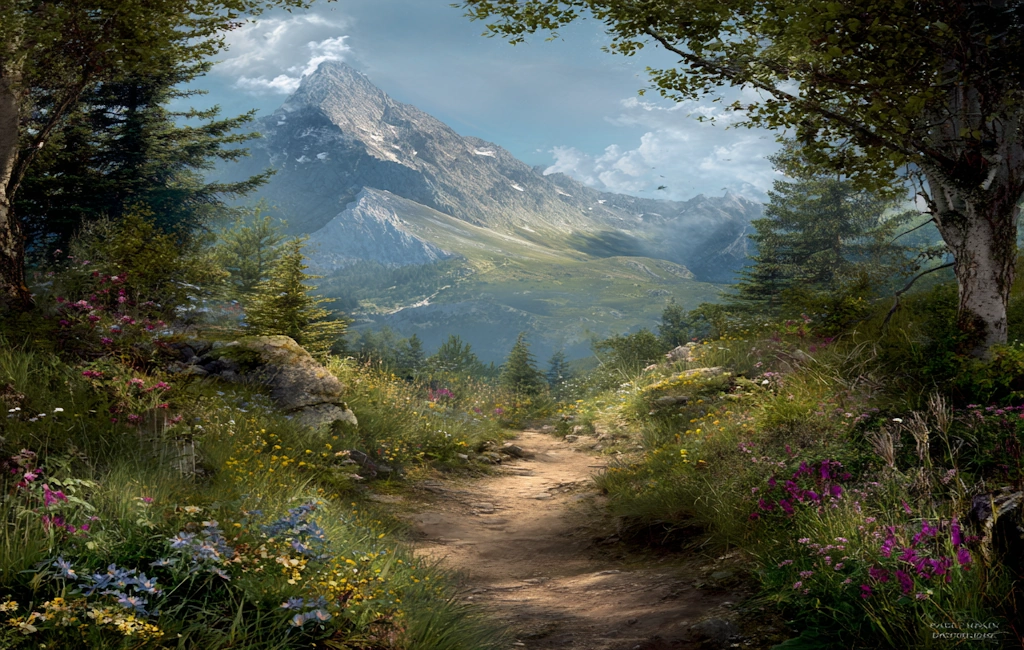
The Camino Mozarabe, a segment of the vast network of pilgrimage routes leading to Santiago de Compostela, offers a unique journey through the heart of Andalusia, Spain. This trail traces the ancient paths trodden by Mozarabs—Christians living under Muslim rule in medieval Iberia—as they made their way towards the tomb of Saint James. Starting in the vibrant city of Granada, with its rich Moorish heritage, the Camino Mozarabe winds through diverse landscapes, from the rugged Sierra Nevada foothills to fertile plains dotted with olive groves and whitewashed villages. It is a route that blends profound historical significance with breathtaking natural beauty, offering a contemplative and culturally immersive pilgrimage experience. Unlike some of the more crowded northern routes, the Camino Mozarabe provides a sense of solitude and discovery, allowing pilgrims to connect deeply with the land, its history, and its people. The journey culminates in Cordoba, a city renowned for its magnificent Mezquita-Cathedral, a testament to centuries of cultural exchange and architectural brilliance.
- Distance: Approximately 200 km
- Duration: 10–12 days
- Season: Spring (April–May) and Autumn (September–October)
- Difficulty: Moderate
- Starting Point: Granada, Spain
- Ending Point: Cordoba, Spain
- Category: Pilgrimage Trail
- Accommodation: Albergues (pilgrim hostels), guesthouses, hotels
- Terrain: Varied, including paved roads, gravel tracks, and some dirt paths
Overview
The Camino Mozarabe from Granada to Cordoba is a journey through time and culture. It begins in Granada, a city that captivates with the Alhambra palace and the Albaicín quarter, a UNESCO World Heritage site. From here, the trail embarks on a path less travelled, leading pilgrims through landscapes that have witnessed centuries of history. The initial stages involve ascending into the foothills of the Sierra Nevada, offering panoramic views of the surrounding countryside. As the route progresses, it descends into fertile valleys, where the scent of orange blossoms and olive trees fills the air. The trail passes through numerous picturesque villages, each with its own charm and history, often featuring ancient churches and traditional architecture.
The terrain is varied, presenting a moderate challenge. While much of the route follows well-maintained tracks and quiet country roads, there are sections that require more effort, particularly the ascents and descents in the mountainous areas. The moderate difficulty level makes it accessible to a wide range of pilgrims, provided they have a reasonable level of fitness and are prepared for daily walking. The journey is punctuated by opportunities to experience authentic Andalusian life, from sampling local cuisine to interacting with the friendly locals who are accustomed to welcoming pilgrims.
The spiritual heart of the Camino Mozarabe lies in its historical context. It represents a continuation of ancient pilgrimage traditions, connecting modern travellers to the footsteps of those who sought spiritual solace and devotion centuries ago. The destination, Cordoba, with its iconic Mezquita-Cathedral, serves as a powerful symbol of the confluence of cultures that has shaped this region. The Camino Mozarabe is more than just a physical journey; it is an exploration of faith, history, and the enduring spirit of pilgrimage.
History and Cultural Context
The Camino Mozarabe's history is deeply intertwined with the complex tapestry of Iberian history, particularly the period of Muslim rule (Al-Andalus) and the subsequent Reconquista. The term "Mozarab" refers to the Iberian Christians who lived under Muslim governance from the 8th to the 11th centuries. While many converted to Islam, a significant number retained their Christian faith and customs, often worshipping in churches that were sometimes converted mosques or built in a style that blended Christian and Islamic architectural elements.
During the era of Al-Andalus, pilgrimage to Christian holy sites, including Santiago de Compostela, became more challenging. However, for those who remained Christian, the desire to undertake spiritual journeys persisted. The routes that would later become known as the Camino Mozarabe were used by these Mozarabs to travel north, either to visit important Christian centres within Christian kingdoms or to make the long pilgrimage to Santiago de Compostela. These routes often followed ancient Roman roads and pathways that had been in use for centuries, connecting settlements and facilitating trade and communication.
The Reconquista, the gradual Christian reconquest of the Iberian Peninsula, saw the Christian kingdoms expand southwards. As territories were retaken, the Mozarabs often found themselves under Christian rule once more, and their pilgrimage routes became more integrated into the broader network of routes leading to Santiago. The Camino Mozarabe, therefore, represents a unique historical bridge, linking the Christian communities of the south with the pilgrimage destination in the northwest, and reflecting the cultural and religious fluidity of medieval Iberia.
The trail's path through Andalusia is marked by numerous historical sites, including ancient Roman ruins, Moorish fortifications, and medieval churches. Villages along the route often retain architectural features that speak to their diverse past, with elements of Islamic, Romanesque, Gothic, and Renaissance styles visible. The journey is a living testament to the centuries of coexistence, conflict, and cultural exchange that have shaped southern Spain.
Seasonal Highlights and Weather Reality
The Camino Mozarabe is best walked during the spring and autumn months. These seasons offer the most pleasant weather conditions for walking, with mild temperatures and a lower chance of extreme heat or cold.
Spring (April–May): This is an ideal time to undertake the pilgrimage. The landscape is vibrant and green, with wildflowers in bloom, particularly in the early stages around Granada and the Sierra Nevada foothills. Temperatures are generally mild, ranging from 15°C to 25°C, making for comfortable walking days. Rainfall is possible but usually in the form of brief showers rather than prolonged downpours. The longer daylight hours in late spring also provide ample time for walking and exploring.
Autumn (September–October): Autumn is another excellent season. The intense heat of the Andalusian summer subsides, and temperatures become more moderate, typically between 18°C and 28°C. The countryside takes on a golden hue as the olive harvests begin, and the air is crisp and clear. The risk of rain increases slightly towards the end of October, but generally, the weather remains favourable for walking. The autumn colours add a unique beauty to the landscape.
Summer (June–August): Walking the Camino Mozarabe during the summer months is not recommended due to the extreme heat. Temperatures can regularly exceed 35°C, and often reach 40°C or higher, especially in the inland plains. This can make walking dangerous and extremely uncomfortable, leading to dehydration and heatstroke. If summer travel is unavoidable, pilgrims must start very early in the morning, take long breaks during the hottest part of the day, and ensure they have ample water supplies.
Winter (November–March): While winter can be milder than in northern Europe, it is generally not the preferred season for this route. Temperatures can drop significantly, especially at higher elevations near Granada, with occasional frost or even light snow. Rainfall is more frequent, and daylight hours are shorter, limiting walking time. However, for those who don't mind cooler weather and potential rain, winter can offer a quieter pilgrimage experience with fewer crowds.
Recommended Itinerary
10-Day Camino Mozarabe Itinerary (Granada to Cordoba)
Day 1: Granada to Víznar
- Distance: 15 km
- Elevation gain: 600 m
- Time: 4–5 hours
- Start at Granada Cathedral, follow signs towards the Albaicín and then the Sierra Nevada foothills.
- The initial climb offers stunning views back over Granada.
- Pass through small hamlets and agricultural land.
- Overnight in Víznar, a small village with basic accommodation.
Day 2: Víznar to Huétor Santillán
- Distance: 18 km
- Elevation gain: 450 m
- Time: 5–6 hours
- Continue through the Sierra de Huétor Natural Park.
- The route involves rolling hills and open countryside.
- Pass through pine forests and scrubland.
- Arrive in Huétor Santillán, a traditional Andalusian village.
Day 3: Huétor Santillán to Iznalloz
- Distance: 22 km
- Elevation gain: 300 m
- Time: 6–7 hours
- A longer day, mostly descending towards the plains.
- The landscape opens up, with views of agricultural fields.
- Pass through smaller settlements.
- Iznalloz is a larger town with more amenities.
Day 4: Iznalloz to Almedíjar
- Distance: 20 km
- Elevation gain: 250 m
- Time: 5–6 hours
- The route continues through rolling countryside.
- Pass through olive groves and vineyards.
- Almedíjar is a charming village known for its traditional architecture.
Day 5: Almedíjar to Aldea del Río (near Moreda)
- Distance: 25 km
- Elevation gain: 200 m
- Time: 6–7 hours
- A flatter section, following riverbeds and agricultural tracks.
- The landscape becomes more arid in places.
- Aldea del Río is a small hamlet offering basic accommodation.
Day 6: Aldea del Río to Baena
- Distance: 22 km
- Elevation gain: 150 m
- Time: 5–6 hours
- Continue through the olive-growing region.
- Baena is a significant town known for its olive oil production.
- Opportunity to visit local olive oil mills.
Day 7: Baena to Castro del Río
- Distance: 18 km
- Elevation gain: 100 m
- Time: 4–5 hours
- A relatively easy day, passing through more olive groves.
- Castro del Río is a small town with a historic centre.
Day 8: Castro del Río to Córdoba
- Distance: 25 km
- Elevation gain: 100 m
- Time: 6–7 hours
- The final approach to Córdoba.
- The terrain becomes flatter as you near the city.
- Arrive in Córdoba, a UNESCO World Heritage city.
- Check into accommodation and begin exploring the city.
Day 9: Córdoba (Rest and Exploration)
- A full day to rest and explore the magnificent Mezquita-Cathedral, the Alcázar de los Reyes Cristianos, and the Jewish Quarter.
- Enjoy the local cuisine and soak in the atmosphere of this historic city.
Day 10: Departure from Córdoba
- Depart from Córdoba.
Alternative 12-Day Itinerary: For a more relaxed pace, consider adding an extra day in larger towns like Baena or splitting longer walking days. This allows for more time to appreciate the scenery and local culture.
Planning and Bookings
Book Your Trip
Everything you need to plan your journey
Accommodation
Find places to stay near Granada
Flights
Search flights to Granada
Essential Preparation
The Camino Mozarabe is a pilgrimage that requires thoughtful planning, especially regarding accommodation and logistics. While it is generally less crowded than the Camino Francés, booking accommodation in advance is highly recommended, particularly during peak seasons (spring and autumn). The trail passes through many small villages where accommodation options can be limited. Researching albergues (pilgrim hostels), guesthouses, and small hotels along the route is crucial. Many albergues operate on a first-come, first-served basis, so arriving early in the day is advisable. For those travelling during peak times, making reservations a few days or even weeks in advance is a wise strategy. Consider the best time to travel, as summer heat can be extreme. Ensure you have adequate travel insurance that covers medical emergencies and potential trip cancellations. Familiarise yourself with the route using guidebooks, maps, or GPS devices, as signage can sometimes be inconsistent.
Trail Accommodation
Accommodation along the Camino Mozarabe varies from basic pilgrim hostels (albergues) to private guesthouses and hotels. The availability and type of accommodation can differ significantly between villages.
Albergues (Pilgrim Hostels):
- Booking Requirements: Many albergues operate on a first-come, first-served basis. It is advisable to arrive early in the afternoon to secure a bed, especially in popular towns or during peak season. Some albergues may accept advance bookings, particularly for groups or if you contact them directly a few days prior.
- Facilities Provided: Typically include a dormitory-style bed with a mattress, a communal kitchen (often basic), shared bathrooms with showers, and a common area. Some may offer laundry facilities.
- What's NOT Provided: Bedding (sleeping bags or sheets are usually required), cooking utensils, toiletries, and often Wi-Fi.
- Seasonal Availability: Most albergues are open year-round, but some smaller ones in remote villages might have reduced hours or be closed during the winter months.
- Costs: Donations are common in municipal albergues (typically €5-€10), while private albergues charge between €10-€20 per night.
Guesthouses and Hotels:
- Booking Requirements: Advance booking is highly recommended, especially in larger towns or during peak pilgrimage seasons.
- Facilities Provided: Private rooms with en-suite bathrooms, often with amenities like Wi-Fi, television, and sometimes breakfast.
- What's NOT Provided: Pilgrim-specific facilities like communal kitchens.
- Seasonal Availability: Generally open year-round, but prices may fluctuate seasonally.
- Costs: Range from €30-€70+ per night for a double room, depending on the location and standard.
Campsites: While less common directly on the route, some larger towns may have campsites available. This is a more budget-friendly option but requires carrying camping gear.
Note on Day Hikes: This is a multi-day pilgrimage trail requiring overnight accommodation.
Required Gear
- Sturdy Walking Boots: Waterproof and well broken-in to prevent blisters. Ankle support is beneficial for varied terrain.
- Comfortable Walking Socks: Several pairs of moisture-wicking socks (merino wool or synthetic).
- Waterproof Jacket: Lightweight and breathable, essential for unpredictable spring and autumn weather.
- Waterproof Overtrousers: To protect against rain.
- Backpack: A 35-50 litre backpack is usually sufficient for carrying essentials. Ensure it has a comfortable hip belt and adjustable straps.
- Rain Cover for Backpack: To keep your belongings dry.
- Head Torch: With spare batteries, for early morning starts or navigating albergues at night.
- First-Aid Kit: Including blister plasters, antiseptic wipes, pain relievers, bandages, and any personal medications.
- Sun Protection: High SPF sunscreen, sunglasses, and a wide-brimmed hat.
- Insect Repellent: Especially for evenings and areas near water.
What to Bring
- Food and Water: Carry sufficient water (at least 2 litres per person per day) and snacks for the walking day. Many villages have shops or bars where you can resupply.
- Water Bottle or Hydration Reservoir: For carrying water.
- Toiletries: Biodegradable soap, toothbrush, toothpaste, small towel, hand sanitiser.
- Sleeping Bag or Liner: Essential for albergues, as bedding is often not provided. A lightweight sleeping bag is recommended.
- Earplugs and Eye Mask: For sleeping in shared dormitory rooms.
- Walking Poles (Optional): Can help reduce strain on knees, especially on descents.
- Small Knife or Multi-tool: Useful for preparing snacks.
- Phone and Portable Charger: For navigation and communication.
- Guidebook and Maps/GPS Device: For route finding.
- Cash: Many small villages may not accept credit cards, and some albergues are donation-based.
- Basic Sewing Kit: For minor clothing repairs.
Permits
The Camino Mozarabe (Granada to Cordoba section) does not require specific permits or registration for independent walkers. Unlike some other long-distance trails or national parks, there are no entry fees or booking systems for accessing the public paths and roads that constitute this route. Pilgrims are free to walk the trail at their own pace and choose their accommodation as they go.
However, it is important to note the following:
- Accommodation Bookings: While no formal permit is needed, booking accommodation in advance, especially in albergues and guesthouses, is highly recommended, particularly during the peak pilgrimage seasons of spring (April-May) and autumn (September-October). This is due to limited capacity in many villages.
- National Park Access: If your route takes you through protected natural areas, such as parts of the Sierra de Huétor Natural Park, it's always wise to check for any local regulations or advisories. However, the standard Camino Mozarabe route generally follows established public paths and roads that do not require special permits for passage.
- Respect for Private Property: Always stay on marked trails and respect private property. Do not cut across fields or enter private land unless explicitly permitted.
The beauty of the Camino Mozarabe lies in its accessibility and the freedom it offers pilgrims. The focus is on the journey itself, the historical context, and the cultural immersion, rather than on navigating complex permit systems.
Other Activities in the Area
Beyond the pilgrimage itself, the regions of Andalusia and the cities of Granada and Cordoba offer a wealth of cultural and natural attractions:
- Granada:
- The Alhambra: A breathtaking palace and fortress complex, a masterpiece of Moorish architecture. Book tickets well in advance.
- Albaicín Quarter: Wander through the narrow, winding streets of this historic Moorish neighbourhood, with its stunning views of the Alhambra.
- Sacromonte: Explore the cave dwellings of this traditional gypsy quarter, known for its flamenco performances.
- Granada Cathedral and Royal Chapel: Visit the burial place of Catholic Monarchs Ferdinand and Isabella.
- Cordoba:
- Mezquita-Cathedral: A truly unique architectural marvel, a former mosque that was converted into a cathedral.
- Alcázar de los Reyes Cristianos: A fortress with beautiful gardens, offering insights into Cordoba's history.
- Jewish Quarter (Judería): Explore the charming narrow streets, patios, and synagogues.
- Patios of Cordoba: If visiting in May, experience the famous Cordoban patios, decorated with vibrant flowers.
- Villages along the Route: Many of the smaller towns and villages offer opportunities to experience authentic Andalusian life. Look for local festivals, traditional markets, and opportunities to sample regional cuisine and wines.
- Sierra de Huétor Natural Park: For nature lovers, this park offers opportunities for hiking and enjoying the natural beauty of the region, with diverse flora and fauna.
- Olive Oil Tasting: The region is famous for its olive oil. Many towns offer opportunities to visit olive mills and sample local produce.
Safety and Conditions
Pre-Departure Checks:
- Weather Forecast: Always check the local weather forecast before starting each day's walk, especially during spring and autumn when conditions can change rapidly. Met Éireann (Irish Meteorological Service) is not relevant for Spain; use Spanish meteorological services like AEMET (Agencia Estatal de Meteorología).
- Route Familiarisation: Study your guidebook and maps. While the Camino Mozarabe is generally well-marked, signage can be inconsistent in some sections. Consider using a GPS device or a reliable offline mapping app.
- Accommodation: Confirm accommodation bookings, especially if travelling during peak season. Have backup options in mind for larger towns.
On the Trail:
- Hydration: Carry ample water, especially during warmer months. Refill whenever possible in villages.
- Sun Protection: The Andalusian sun can be intense, even outside of summer. Wear a hat, sunglasses, and apply sunscreen regularly.
- Foot Care: Blisters are the most common ailment for pilgrims. Address any hot spots immediately by applying blister plasters. Keep your feet clean and dry.
- Terrain: Be prepared for varied terrain, including paved roads, gravel tracks, and some uneven paths. Sturdy walking boots are essential.
- Heatstroke: If walking during warmer periods, start early, take breaks during the hottest part of the day, and stay hydrated. Recognise the symptoms of heatstroke (dizziness, nausea, headache) and seek shade and rest if they occur.
- Emergency Contacts: Know the local emergency number (112 in Spain). Carry a fully charged mobile phone.
- Respect Local Customs: Dress modestly when entering churches and be mindful of siesta times when shops and services may be closed.
Travel Insurance: It is strongly recommended to have comprehensive travel insurance that covers medical emergencies, evacuation, and trip cancellation.
Side Trips and Points of Interest
Granada: Before starting your walk, dedicate at least two full days to exploring Granada. The Alhambra is an absolute must-see, requiring pre-booked tickets. Wander through the historic Albaicín and Sacromonte districts, soak in the atmosphere, and enjoy the tapas culture.
Sierra de Huétor Natural Park: The initial stages of the Camino Mozarabe traverse this beautiful natural park. While the trail itself offers scenic views, consider taking short detours to explore its hiking trails, discover hidden springs, and enjoy the diverse flora and fauna. The park offers a welcome respite from urban environments and a chance to connect with nature.
Olive Groves and Vineyards: The Camino Mozarabe passes through some of Andalusia's most productive agricultural regions. Take time to appreciate the vast expanses of olive groves and vineyards. In towns like Baena, renowned for its olive oil, consider visiting a local producer for a tasting and to learn about the cultivation and production process.
Whitewashed Villages: The route is dotted with charming whitewashed villages (pueblos blancos) that are characteristic of Andalusia. Each village has its own unique character, often featuring historic churches, plazas, and traditional architecture. Towns like Huétor Santillán, Almedíjar, and Castro del Río offer glimpses into rural Andalusian life.
Roman Ruins: Parts of the Camino Mozarabe follow ancient Roman roads. Keep an eye out for remnants of Roman infrastructure, such as old paving stones or bridge foundations, which serve as a reminder of the region's long history.
Cordoba's Mezquita-Cathedral: Upon arrival in Cordoba, the Mezquita-Cathedral is the ultimate point of interest. Allow ample time to explore its vast forest of columns, intricate arches, and the stunning Renaissance cathedral built within its walls. It is a profound symbol of the cultural fusion that defines this region.
Cordoba's Patios: If your pilgrimage concludes in May, you are in for a treat. Cordoba's patios are world-famous, and during the annual Patio Festival, residents open their private courtyards, adorned with an abundance of flowers and plants, to the public. It's a spectacular display of horticultural artistry.
Leave No Trace
The Camino Mozarabe, like any pilgrimage or long-distance trail, benefits greatly from the adherence to Leave No Trace principles. While the route primarily follows public roads and well-trodden paths, respecting the environment and local communities is paramount to preserving the experience for future pilgrims and residents.
Your responsibility as a pilgrim:
- Pack It In, Pack It Out: Carry out all litter, including food scraps, wrappers, and any other waste. Do not leave anything behind, even organic materials like fruit peels, which can take a long time to decompose and are unsightly.
- Stay on the Trail: Stick to marked paths and roads. Avoid cutting across fields or through private property, as this can damage vegetation, disturb wildlife, and disrespect landowners.
- Dispose of Waste Properly: Use designated bins in villages. If no bins are available, carry your waste until you find one. For human waste, use toilet facilities whenever possible. If caught short in the countryside, dig a cathole at least 60 metres (60 m) away from water sources, trails, and campsites, and bury your waste.
- Respect Wildlife: Observe wildlife from a distance. Do not feed animals, as this can disrupt their natural behaviours and diets.
- Minimise Campfire Impacts: Campfires are generally not permitted on the Camino Mozarabe, especially as most pilgrims stay in established accommodation. If camping is necessary and permitted, use established fire rings and ensure fires are completely extinguished.
- Be Considerate of Other Visitors: Keep noise levels down, especially in shared accommodation and natural areas. Respect the quiet contemplation that many pilgrims seek.
- Respect Local Culture: Dress modestly when passing through villages and entering churches. Be mindful of local customs and traditions.
By following these principles, you contribute to the preservation of the Camino Mozarabe's natural beauty and cultural heritage, ensuring a positive experience for yourself and for those who follow.
 Spain
Spain