
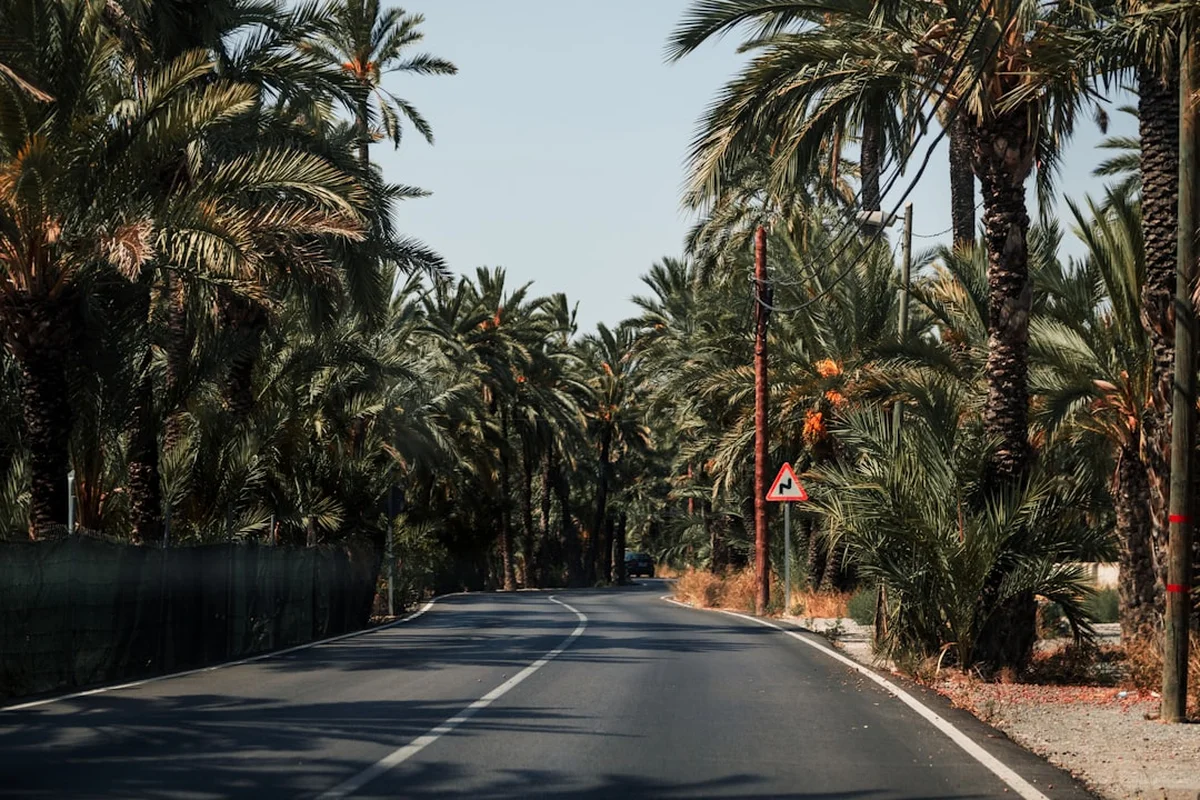
Camino Mozárabe - The Ancient Path of the South
The Camino Mozárabe is one of the most culturally profound and physically demanding pilgrimage routes in the Iberian Peninsula. Stretching approximately 1,200 kilometres from the Mediterranean shores of Almería to the holy city of Santiago de Compostela, this trail offers a journey through the heart of Al-Andalus. Unlike the crowded paths of the Camino Francés, the Mozárabe is a route of profound solitude, traversing the vast olive groves of Andalusia, the rugged foothills of the Sierra Nevada, and the expansive dehesas of Extremadura. It follows the historical paths used by Christians living under Muslim rule (Mozarabs) who travelled north to pay homage to the remains of Saint James. This is not merely a hike; it is a 40 to 50-day odyssey through layers of Roman, Moorish, and Christian history, demanding high levels of self-reliance, physical endurance, and a deep respect for the searing landscapes of southern Spain.
- Distance: 1,200 km (total to Santiago de Compostela)
- Duration: 40–50 days
- Season: Spring (April–May) or Autumn (September–October)
- Accommodation: Pilgrim albergues, municipal hostels, and rural guesthouses
- Highest point: Puerto de la Ragua (approx. 2,000 m, depending on variant) or various passes in the Sierra Nevada foothills
- Difficulty: Moderate to High (due to distance, heat, and limited infrastructure)
- Direction: South to North (Almería/Málaga/Granada towards Mérida and Santiago)
Overview
The Camino Mozárabe is a collection of pathways that converge to link the major cities of Andalusia—Almería, Málaga, Granada, and Córdoba—with the Vía de la Plata in Mérida. From Mérida, pilgrims continue northward through the plains of Castile and the mountains of Galicia. It is a trail defined by its immense scale and its silence. While the northern routes of the Camino de Santiago have seen a surge in commercialisation, the Mozárabe remains a raw, authentic experience where a pilgrim might walk for days without encountering another soul. The landscape is a masterclass in Mediterranean geography: from the arid, desert-like volcanic soils of Almería to the lush, silver-green seas of olive trees in Jaén and Córdoba, and finally the granite-strewn oak forests of the north.
The physical challenge of the Mozárabe is significant. The elevation gain of 15,000 metres is spread across nearly seven weeks of walking, but the true test lies in the exposure. Southern Spain is a land of intense light and heat. The trail often follows ancient Roman roads and medieval cattle tracks (cañadas reales) that offer little to no shade for kilometres on end. Walkers must be prepared for long stages—sometimes exceeding 30 kilometres—between villages where water and supplies can be found. However, the reward for this exertion is unparalleled access to some of Europe’s most significant historical sites, including the Alhambra in Granada and the Mezquita-Catedral in Córdoba, viewed not as a tourist but as a traveller who has earned their arrival through sweat and persistence.
Culturally, the route is a bridge between worlds. The architecture of the "Pueblos Blancos" (White Villages) clinging to hillsides, the scent of orange blossoms in the spring, and the hospitality of rural Andalusians who are often surprised and delighted to see a pilgrim, create an atmosphere of discovery. This is a route for those who seek the "Internal Camino"—a space for reflection, endurance, and a connection to a history that spans over a millennium.
History and Cultural Context
The term "Mozárabe" refers to the Iberian Christians who lived under Muslim rule in Al-Andalus following the Umayyad conquest in the 8th century. These communities maintained their Christian faith, Roman-Visigothic traditions, and ecclesiastical structures while adopting the Arabic language and many cultural customs of their rulers. The Camino Mozárabe originated as the route taken by these Christians from the southern caliphates of Córdoba and Granada when they made the arduous journey north to the tomb of the Apostle James in Galicia.
The route fell into relative obscurity for centuries following the Reconquista, as the northern paths became more popular and safer for European pilgrims. However, in the late 20th and early 21st centuries, various "Amigos del Camino" (Friends of the Camino) associations in Almería, Granada, Málaga, and Córdoba worked tirelessly to recover, mark, and document these ancient paths. They cleared overgrown tracks, installed the iconic yellow arrows, and established a network of albergues to support the modern pilgrim.
Walking the Mozárabe today is an exercise in historical immersion. You walk upon stones laid by Roman engineers, pass through city gates built by Almohad architects, and sleep in villages that were once the frontier between warring kingdoms. The trail honours the resilience of the Mozarabic people, whose unique cultural synthesis is still visible in the Mozarabic art and architecture found in the small chapels and churches along the way. The land itself is a palimpsest, where every valley and ridge tells a story of conquest, coexistence, and faith.
Want more background? Read extended notes on history and cultural context → Learn more
Seasonal Highlights and Weather Reality
Timing is the most critical decision for any pilgrim on the Camino Mozárabe. Unlike the northern routes, where summer is the peak season, the Mozárabe is dangerously hot during July and August. Temperatures in the Guadalquivir Valley and the plains of Extremadura regularly exceed 40 degrees Celsius, making long-distance walking physically impossible and life-threatening due to heatstroke and dehydration.
Spring (April to May): This is arguably the best time to walk. The Andalusian countryside is a riot of colour, with wildflowers carpeting the hills and the olive groves appearing vibrant and green. The temperatures are generally mild (15–25 degrees Celsius), though rain is possible. The "Semana Santa" (Holy Week) festivities in cities like Granada and Córdoba offer a spectacular cultural experience, though accommodation can be harder to find during this period.
Autumn (September to October): Another excellent window. The intense heat of summer begins to fade, and the harvest season brings a different energy to the rural villages. The light in autumn is particularly beautiful for photography, with golden hues over the dehesas. However, days are shorter, and the landscape can appear more parched after the long summer drought.
Winter (November to March): While the southern sun remains bright, winter brings significant challenges. The Sierra Nevada foothills and the mountains of Galicia can see heavy snow and freezing temperatures. Many rural albergues may be unheated or closed. However, for the experienced and well-equipped walker, winter offers total solitude and a unique perspective on the landscape, provided they are prepared for sub-zero nights and short walking days.
Recommended Itinerary
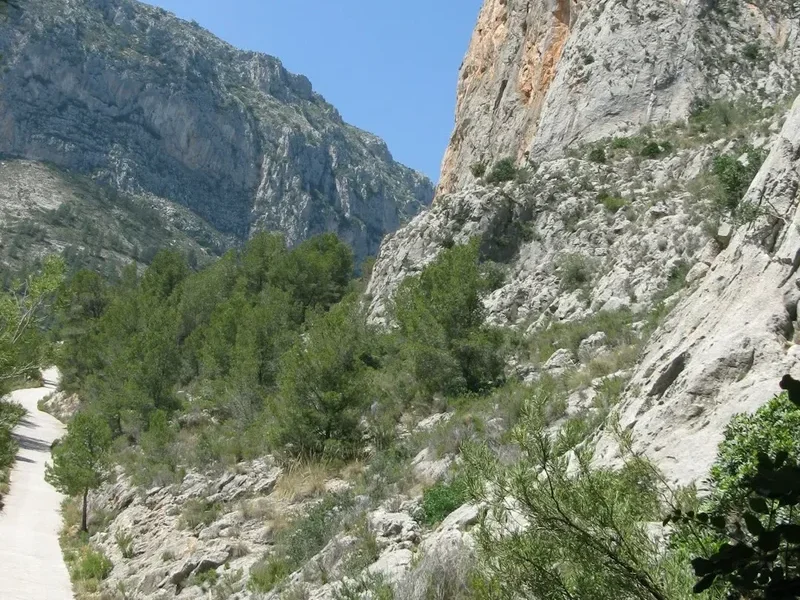
45-Day Camino Mozárabe Itinerary
Segment 1: Almería to Granada (The Alpujarras and Mountains)
- Distance: Approx. 200 km
- Duration: 7–9 days
- Key Waypoints: Almería, Santa Fe de Mondújar, Alboloduy, Abla, La Calahorra, Guadix, Granada
- This segment begins at the Mediterranean and climbs into the rugged landscapes of the Alpujarras.
- Highlights include the desert scenery of Almería and the cave dwellings of Guadix.
- The arrival in Granada offers the first major cultural milestone with the Alhambra overlooking the city.
Segment 2: Granada to Córdoba (The Olive Sea)
- Distance: Approx. 170 km
- Duration: 7–8 days
- Key Waypoints: Pinos Puente, Moclín, Alcalá la Real, Alcaudete, Baena, Castro del Río, Córdoba
- A transition into the heart of olive oil country. The terrain is rolling hills with significant climbs to fortress towns like Moclín and Alcalá la Real.
- Baena is a highlight for its world-class olive oil and medieval streets.
- The entry into Córdoba via the Roman Bridge is one of the most iconic moments of the trail.
Segment 3: Córdoba to Mérida (The Sierra Morena and Extremadura)
- Distance: Approx. 250 km
- Duration: 10–12 days
- Key Waypoints: Cerro Muriano, Villaharta, Alcaracejos, Hinojosa del Duque, Monterrubio de la Serena, Campanario, Medellín, Mérida
- This is the most isolated section of the Mozárabe. It crosses the Sierra Morena mountains into the vast plains of Extremadura.
- Stages are long, and water management is crucial.
- Medellín offers incredible Roman ruins and a castle with views over the Guadiana River.
- In Mérida, the Mozárabe joins the Vía de la Plata, a major north-south Roman road.
Segment 4: Mérida to Santiago de Compostela (The Vía de la Plata and Sanabrés)
- Distance: Approx. 600 km
- Duration: 20–25 days
- Key Waypoints: Cáceres, Salamanca, Zamora, Ourense, Santiago de Compostela
- Following the Vía de la Plata northward, the landscape shifts from the dehesas of Extremadura to the sandstone beauty of Salamanca.
- Most pilgrims choose the "Camino Sanabrés" variant from Zamora, which heads west through Ourense into the green, misty mountains of Galicia.
- The final descent into Santiago de Compostela marks the end of a 1,200 km journey.
Important Notes:
- Distances between villages in Andalusia can be 25–35 km; plan your water and food carefully.
- The yellow arrows (flechas amarillas) are generally reliable, but a GPS track is highly recommended for the Mozárabe.
- Many albergues require a phone call in advance to ensure someone is there to open the door.
- The "Credencial" (Pilgrim Passport) is mandatory to stay in pilgrim-specific accommodation.
Planning and Bookings
Book Your Trip
Everything you need to plan your journey
Accommodation
Find places to stay near Córdoba
Flights
Search flights to Córdoba
Essential Preparation
The Camino Mozárabe requires a higher level of logistical planning than the more popular northern routes. Fitness is paramount; you should be comfortable walking 25–30 kilometres per day with a 7–10 kilogramme pack for multiple consecutive weeks. Training should include hill work and walking in warm conditions to understand your body's hydration needs. Booking coordination is less about "reserving" and more about "verifying." Many municipal albergues in small Andalusian villages are managed by the local town hall (Ayuntamiento) or a local volunteer. It is essential to carry a list of contact numbers and call ahead to confirm availability and check where to collect the key.
Almería and Granada serve as the primary starting hubs. Almería is well-connected by bus and train, though its airport has limited international flights compared to Málaga. Most pilgrims spend a day in their starting city to secure their Credencial (available at the Cathedral or local Friends of the Camino association) and purchase last-minute supplies. Logistics also involve planning your "Credencial" stamps (sellos), which are required twice daily in the final 100 km to Santiago to receive your Compostela certificate.
Trail Accommodation
Accommodation on the Mozárabe is a mix of dedicated pilgrim albergues, municipal hostels, and private guesthouses (pensiones or hostales). Because the route is less travelled, you will rarely face the "bed race" common on the Camino Francés, but facilities can be more basic.
Hut and Albergue Facilities:
- Dormitory-style bunk beds (bring your own sleeping bag or liner)
- Shared bathroom facilities with showers (hot water is usually available but not guaranteed)
- Basic kitchen facilities (often just a microwave and sink; pots and pans are hit-or-miss)
- Common areas for socialising with the few other pilgrims you may meet
- Laundry sinks (manual washing is the norm; some private albergues have machines)
- Costs: Municipal albergues usually ask for a donation (donativo) or a small fee of 5–12 Euros. Private hostales range from 25–50 Euros.
What is NOT Provided:
- Bedding and towels (most albergues provide only a disposable paper sheet)
- Toiletries (soap, shampoo, and laundry detergent must be carried)
- Food (there are no meal services in municipal albergues; you must buy food in the village)
- Consistent WiFi (available in bars and some private hostels, but rare in municipal ones)
Seasonal Availability: Most albergues are open year-round, but in the deep winter (January–February), some may close for maintenance. Always call ahead during the off-season.
Required Gear
- Walking boots or trail shoes - Must be well broken-in. Many prefer breathable trail runners over heavy leather boots due to the heat and hard-packed surfaces.
- Backpack - 35–45 litres is ideal. Keep the total weight under 10% of your body weight.
- Sleeping bag or liner - A lightweight silk or cotton liner is sufficient for summer/spring; a 2-season bag is needed for autumn or winter.
- Navigation - A dedicated GPS device or a smartphone with offline maps (e.g., Mapy.cz or Gaia GPS) and the Mozárabe tracks.
- Sun protection - A wide-brimmed hat, high-quality sunglasses, and SPF 50+ sunscreen are non-negotiable.
- First aid kit - Focus on blister care (Compeed, needle and thread, antiseptic), electrolytes, and anti-inflammatories.
- Water storage - Capacity for at least 3 litres (bladder or bottles).
What to Bring
- Clothing - Two sets of walking clothes (merino wool or synthetic moisture-wicking), one set of "clean" clothes for the evening, and three pairs of high-quality socks.
- Rain gear - A lightweight poncho or rain jacket (even in Andalusia, sudden storms occur).
- Toiletries - Solid soap/shampoo to save weight, travel-sized toothpaste, and a quick-dry microfibre towel.
- Electronics - Smartphone, power bank (essential for long stages), and a European plug adapter.
- Food and Snacks - Always carry emergency rations (nuts, dried fruit, energy bars) as village shops have limited opening hours (siesta is strictly observed).
- Water treatment - While tap water in Spanish villages is generally safe, a lightweight filter (like a Sawyer Squeeze) is useful for emergencies or if drinking from rural fountains.
- The Credencial - Your pilgrim passport, which grants access to albergues.
Permits
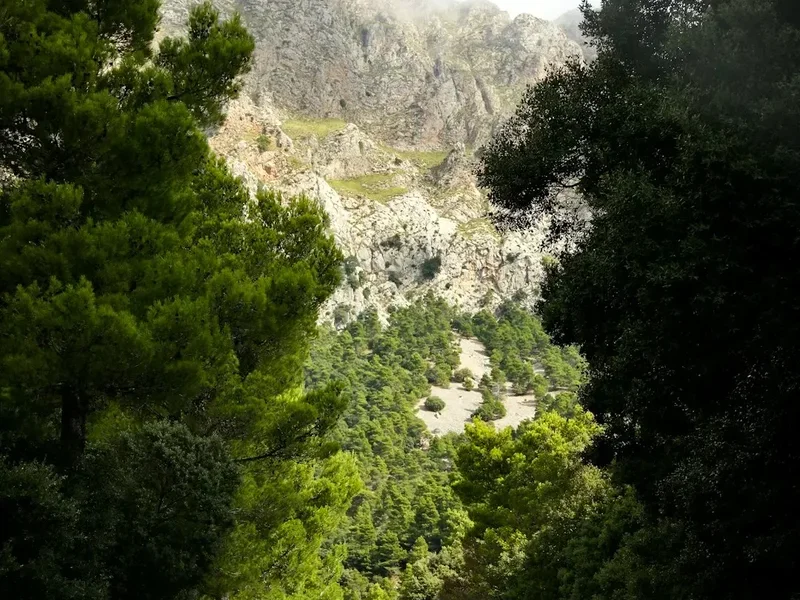
The Camino Mozárabe does not require a "permit" in the sense of a restricted wilderness pass. However, to access the network of pilgrim albergues and to receive the "Compostela" (the certificate of completion) in Santiago, you must carry a Credencial del Peregrino (Pilgrim Passport).
How to obtain a Credencial:
- Purchase one at the starting point: The Cathedrals of Almería, Granada, or Málaga usually sell them for 2–5 Euros.
- Order online: Various national Camino associations (such as the Confraternity of Saint James in the UK or the American Pilgrims on the Camino) can mail one to you before you leave home.
- Local Associations: The "Asociación de Amigos del Camino de Santiago de Almería" or "Granada" are excellent resources for obtaining the most up-to-date version.
Using the Credencial: Each day, you must get your Credencial stamped at your accommodation. You can also get stamps at churches, town halls (ayuntamientos), and even some bars or cafes along the route. These stamps serve as proof of your journey. To receive the Compostela in Santiago, you need at least one stamp per day for the majority of the route, and two stamps per day for the final 100 kilometres.
Costs and Fees: There are no trail fees. Your primary costs will be accommodation and food. Budgeting 30–45 Euros per day allows for a comfortable journey using a mix of albergues and occasional private rooms. If you plan to stay exclusively in private hotels, budget 60–80 Euros per day.
Other Activities in the Area
The Camino Mozárabe passes through some of Spain's most historic cities. It is worth building "rest days" into your itinerary to explore these sites:
- The Alhambra (Granada): A breathtaking Moorish palace and fortress complex. Tickets must be booked months in advance.
- The Mezquita-Catedral (Córdoba): One of the world's greatest examples of Islamic architecture, with its famous forest of red-and-white striped arches.
- Roman Theatre and Amphitheatre (Mérida): Some of the best-preserved Roman ruins in Europe, still used for performances today.
- Olive Oil Tasting in Baena: Visit a local "almazara" (oil mill) to learn about the production of the region's "liquid gold."
- The Alcazaba of Almería: A massive 10th-century fortress offering views over the Mediterranean and the start of your journey.
- Flamenco in the Sacromonte (Granada): Experience traditional Gitano flamenco in the cave dwellings of the Sacromonte district.
Safety and Conditions
Heat and Hydration: The single greatest danger on the Camino Mozárabe is the sun. Heat exhaustion and heatstroke can occur rapidly. Strategies for safety include starting your walk at dawn (or even before) to finish by 1:00 PM, wearing a hat that covers the neck, and drinking water consistently even when not thirsty. Electrolyte powders are highly recommended to replace salts lost through sweat.
Solitude and Navigation: Because you will often be walking alone in remote areas, ensure someone knows your daily plan. Download offline maps, as mobile signal can be spotty in the mountains between Almería and Granada or in the Sierra Morena. If you lose the yellow arrows, do not continue blindly; backtrack to the last known marker.
Road Walking: Some sections of the Mozárabe involve walking on the shoulders of quiet country roads. Always walk facing oncoming traffic and wear high-visibility gear or attach a reflective strip to your pack.
Livestock and Dogs: You will pass through many farming areas. While most farm dogs are behind fences or are indifferent to walkers, carry a walking pole to keep distance if a loose dog approaches. In the dehesas, you may encounter free-roaming cattle or Iberian pigs; give them a wide berth and never get between a mother and her young.
Emergency Numbers: The general emergency number in Spain is 112. It is free to call and usually has English-speaking operators available.
Side Trips and Points of Interest
The Cave Dwellings of Guadix: Located on the segment between Almería and Granada, Guadix is famous for its "Barrio de las Cuevas," where over 2,000 caves are still inhabited. The white chimneys poking out of the red clay hills create a surreal landscape. Visiting the Cave Museum provides insight into this ancient and sustainable way of living.
Castillo de La Calahorra: This imposing fortress sits on a hill overlooking the Marquesado de Zenete plain. While it looks like a medieval castle from the outside, the interior is a stunning example of Italian Renaissance architecture. It is a short but steep detour from the main path and offers incredible views of the Sierra Nevada.
Medellín: Before reaching Mérida, the trail passes through Medellín, the birthplace of Hernán Cortés. The town features a magnificent Roman theatre and a castle that has been occupied by Romans, Visigoths, Moors, and Christians. The view from the castle walls over the Guadiana River is one of the finest in Extremadura.
The Vía Verde del Aceite: Between Jaén and Córdoba, the trail often follows or intersects with this "Greenway of Oil," a converted railway line that provides a flat, easy walking surface through endless olive groves and over spectacular 19th-century iron viaducts designed by students of Gustave Eiffel.
Leave No Trace
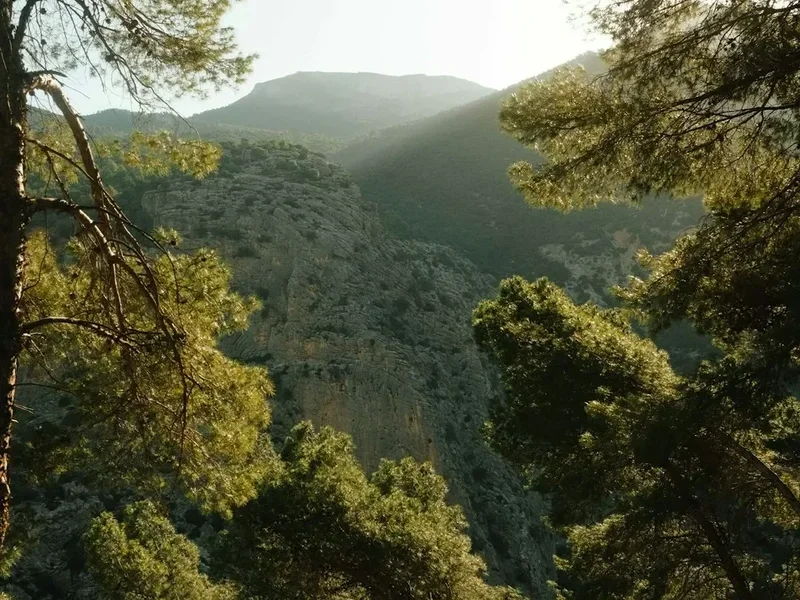
The Camino Mozárabe traverses fragile agricultural landscapes and protected natural parks. As a pilgrim, you are a guest in these rural communities. Practising Leave No Trace principles ensures the path remains open and welcoming for those who follow.
Your responsibility as a pilgrim:
- Pack out all trash, including fruit peels and tissues. In the arid climate of southern Spain, decomposition is very slow.
- Respect private property. Many paths cross through working farms and olive groves; stay on the marked trail and always close gates behind you.
- Water conservation is critical. Many villages in Andalusia and Extremadura face chronic water shortages. Keep showers short and never leave taps running in albergues.
- Use designated toilets. If you must go in nature, bury waste at least 15 cm deep and 60 metres from any water source or the trail. Pack out your toilet paper.
- Do not pick wildflowers or disturb livestock. The dehesas are carefully managed ecosystems; your presence should be as unobtrusive as possible.
- Support the local economy. Buy your supplies in small village shops rather than large supermarkets in the cities to help sustain the rural communities that host the trail.
 Spain
Spain