
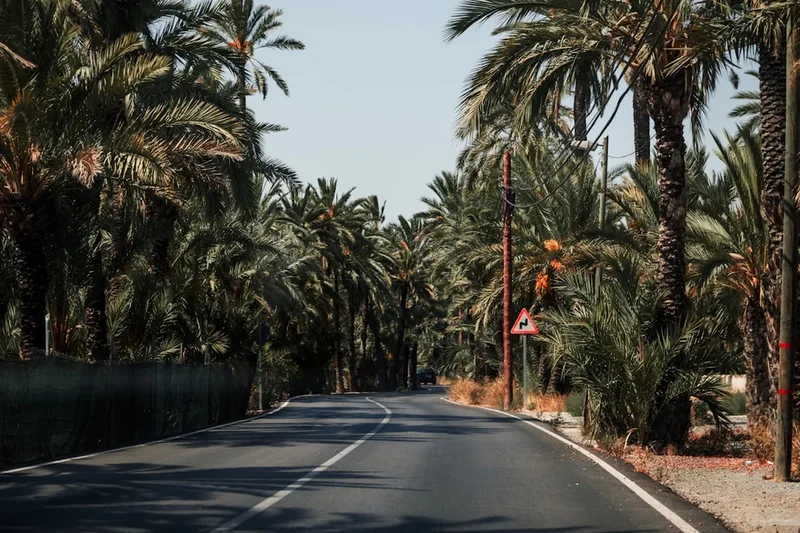
Camino Lebaniego - The Path of the True Cross
The Camino Lebaniego is one of Spain's most profound and visually spectacular pilgrimage routes, a 72-kilometre journey that bridges the gap between the crashing waves of the Cantabrian Sea and the jagged limestone spires of the Picos de Europa. While often overshadowed by the more famous Camino de Santiago, the Lebaniego holds a unique spiritual status: it leads to the Monastery of Santo Toribio de Liébana, which houses the Lignum Crucis—the largest surviving piece of the True Cross of Christ. This status grants the trail its own "Holy Year" whenever the Feast of Saint Turibius falls on a Sunday, making it one of only five places in the world allowed to celebrate a perpetual Jubilee. For the modern walker, the trail offers a condensed but intense physical challenge, traversing deep river gorges, ancient chestnut forests, and high mountain passes where the air is thin and the views are infinite. It is a route of transition, moving from the maritime traditions of the coast to the rugged, isolated pastoralism of the Cantabrian mountains.
- Distance: 72.0 km one-way
- Duration: 3–4 days
- Season: Spring or Autumn (April–June, September–October)
- Difficulty: Moderate (significant elevation gain in short distances)
- Highest point: Collado de Arcedón (approx. 800 m) and the approach to Cabañes
- Total Elevation Gain: 2,300 m
- Direction: North to South (San Vicente de la Barquera to Santo Toribio)
- Closest City: Santander, Cantabria
Overview
The Camino Lebaniego is a masterclass in ecological and topographical diversity. It begins in the medieval coastal town of San Vicente de la Barquera, where the trail winds through salt marshes and over ancient stone bridges. Within just three days, the landscape undergoes a radical transformation. The first stage follows the Nansa River, a turquoise vein cutting through lush, emerald-green valleys where the humidity of the Atlantic still lingers. Here, the path is often a "Senda Fluvial" (river path), a gentle introduction that belies the vertical challenges to come. As the trail moves inland, the coastal hills give way to the foothills of the Picos de Europa. The gradient steepens sharply as walkers ascend into the heart of the Liébana region, a geographical enclave protected by a unique microclimate that allows Mediterranean flora—like cork oaks and vineyards—to thrive in the shadow of alpine peaks.
Unlike the sprawling plains of the Camino Francés, the Lebaniego is intimate and vertical. The physical demand is concentrated; walkers must navigate steep ascents through ancient forests of oak and beech, followed by technical descents into hidden stone villages like Cicera and Lebeña. The silence of these valleys is profound, broken only by the chime of cowbells or the rush of mountain streams. The route is not merely a physical trek but a journey through the architectural history of Northern Spain, passing Mozarabic churches, Romanesque hermitages, and the distinctive "hórreos" (raised granaries) of the Cantabrian highlands. It is a trail for those who seek the spiritual weight of a pilgrimage combined with the raw, unrefined beauty of a mountain expedition.
The culmination of the journey at the Monastery of Santo Toribio de Liébana provides a sense of closure rarely found on shorter trails. Standing before the "Puerta del Perdón" (Door of Forgiveness), walkers are greeted by the sight of the Picos de Europa forming a natural cathedral around the sanctuary. Whether walking for religious devotion, historical interest, or purely for the physical challenge of the Cantabrian terrain, the Camino Lebaniego offers a concentrated dose of Spanish heritage and wilderness that lingers in the memory long after the final kilometre is completed.
History and Cultural Context
The history of the Camino Lebaniego is inextricably linked to the protection of sacred relics during the tumultuous centuries of the Middle Ages. The monastery of Santo Toribio de Liébana was founded in the 6th century, but its significance exploded in the 8th century. As the Moorish conquest pushed northward through the Iberian Peninsula, Christians sought to safeguard the most precious relics of the faith. According to tradition, the remains of Saint Turibius of Astorga, along with the Lignum Crucis (the piece of the True Cross he had brought from Jerusalem), were moved to the isolated and defensible valleys of Liébana. This remote mountain fastness became a bastion of Christian culture and scholarship during the Reconquista.
It was within these walls that the monk Beatus of Liébana authored the "Commentary on the Apocalypse" in the year 776. This work, famously illustrated in later centuries (the "Beatus" manuscripts), became one of the most influential texts of the Middle Ages, shaping medieval iconography and theology. Beatus was also a fierce defender of orthodoxy, and his presence turned Liébana into a major intellectual centre. In 1512, Pope Julius II granted the monastery the privilege of celebrating a Holy Year, cementing its status alongside Rome, Jerusalem, Santiago de Compostela, and Caravaca de la Cruz. Pilgrims who walk the Lebaniego are known as "Crucenos" (cross-bearers), a term that distinguishes them from the "Peregrinos" heading to Santiago.
The trail itself follows ancient paths used by shepherds, traders, and pilgrims for over a millennium. Many walkers today choose to link the Camino Lebaniego with the Camino del Norte (the Northern Way to Santiago), branching off at San Vicente de la Barquera. This historical intersection highlights the interconnected nature of medieval European travel. The villages along the route, such as Potes and Lebeña, retain a medieval layout that has changed little in five hundred years, offering a living museum of Cantabrian mountain life. The Mozarabic church of Santa María de Lebeña, passed on the final day, stands as a stunning architectural testament to the "Mozarabs"—Christians who lived under Moorish rule and brought Islamic architectural influences north when they fled to the mountains.
Want more background? Read extended notes on history and cultural context → Learn more
Seasonal Highlights and Weather Reality
The Camino Lebaniego is best experienced during the shoulder seasons of Spring (April to June) and Autumn (September to October). During these months, the weather is generally temperate, and the landscape is at its most vibrant. In Spring, the melting snow from the Picos de Europa fills the Nansa and Deva rivers to capacity, and the valleys are carpeted in wildflowers. The temperatures are ideal for the steep climbs, typically ranging from 12°C to 22°C. However, Spring can also bring "galernas"—sudden, heavy rainstorms from the Bay of Biscay—so high-quality waterproof gear is essential.
Autumn offers a different but equally spectacular palette. The vast forests of beech and oak that line the ascent to Cabañes turn brilliant shades of gold and copper. This is also the harvest season in the Liébana valley; the air in Potes is often thick with the scent of fermenting grapes and the distillation of "Orujo," the local pomace brandy. The weather in September is often the most stable of the year, with clear blue skies providing the best visibility of the limestone peaks.
Summer (July and August) can be challenging due to the heat, particularly in the exposed sections of the Nansa river path and the final approach to Potes. While the mountains provide some relief, temperatures in the valleys can soar above 30°C. This is also the peak tourist season in Cantabria, meaning albergues and hotels in San Vicente and Potes will be crowded. If travelling in summer, an early start (before 7:00 AM) is mandatory to avoid the midday sun.
Winter (November to March) transforms the Lebaniego into a serious mountain undertaking. While the coastal start remains mild, the higher passes like the Collado de Arcedón can see significant snowfall. Many pilgrim hostels (albergues) close during the winter months, and the days are short and often misty. The "niebla" (thick mountain fog) can make navigation difficult on the higher trails. Only experienced mountain walkers with appropriate cold-weather gear and navigation skills should attempt the full route in winter.
Recommended Itinerary
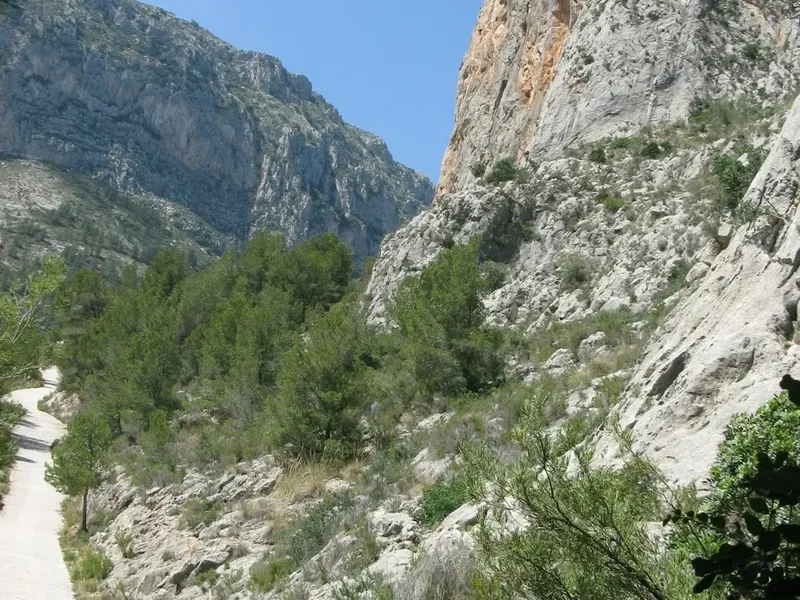
3-Day Camino Lebaniego Itinerary
Day 1: San Vicente de la Barquera to Cades
- Distance: 28.5 km
- Elevation gain: 450 m
- Time: 7–8 hours
- Start at the Church of Santa María de los Ángeles in San Vicente
- Cross the Maza Bridge and follow the coast toward Muñorrodero
- Enter the Senda Fluvial del Nansa, a stunning riverside path
- Pass through lush riparian forests and over wooden boardwalks
- Key waypoints: Muñorrodero, Camijanes, Cabanzón (with its medieval tower)
- Arrive in Cades, home to a historic 18th-century ironworks and mill
- The first half is coastal and flat; the second half follows the river with gentle undulations
Day 2: Cades to Cabañes
- Distance: 30.5 km
- Elevation gain: 1,350 m
- Time: 8–10 hours
- The "Queen Stage" of the trail, involving significant climbing
- Ascend from Cades toward the village of Cicera through deep forest
- Steep climb from Cicera to the Collado de Arcedón (800 m), offering first views of the Picos de Europa
- Technical descent into the valley of Lebeña
- Visit the 10th-century Mozarabic church of Santa María de Lebeña
- Final brutal ascent of the day up to the mountain village of Cabañes
- Stay at the Albergue de Cabañes, perched high above the valley with incredible sunset views
Day 3: Cabañes to Santo Toribio de Liébana
- Distance: 13 km
- Elevation gain: 500 m
- Time: 4–5 hours
- Descend from Cabañes through the "Habario," an ancient grove of chestnut trees
- Follow the trail toward Pendes and then down into the town of Potes
- Explore Potes, the medieval capital of Liébana, with its Infantado Tower
- Final 3 km steady climb from Potes up to the Monastery of Santo Toribio
- Attend the Pilgrim Mass (usually at 12:00 PM) and see the Lignum Crucis
- Optional: Continue 500 m further up to the San Miguel hermitage for the ultimate view of the monastery and the Picos
Important Notes:
- The second day is exceptionally long and strenuous; some walkers choose to break it by staying in Cicera
- The "Credencial Lebaniega" (pilgrim passport) should be stamped at each village to receive the "Lebaniega" certificate at the end
- Water fountains (fuentes) are available in most villages, but carry at least 2 litres for the climb out of Cicera
- The trail is marked with red arrows (distinct from the yellow arrows of the Camino de Santiago)
- Ensure you check the opening times for the Church in Lebeña if you wish to see the interior
Planning and Bookings
Book Your Trip
Everything you need to plan your journey
Accommodation
Find places to stay near Santander
Flights
Search flights to Santander
Essential Preparation
The Camino Lebaniego requires a higher level of physical fitness than the average coastal walk. With 2,300 metres of total elevation gain over just 72 kilometres, your legs will face steep gradients, particularly on Day 2. Training should include hill repeats and walking with a weighted pack. Logistically, Santander is the primary gateway. It is well-connected by air (Santander Airport - SDR) and ferry to the UK. From Santander, regular ALSA buses run to San Vicente de la Barquera (approx. 45–60 minutes).
Booking coordination is vital if you are travelling during the Holy Year or peak summer. While the trail is less crowded than the Camino Francés, the limited number of albergues in small villages like Cades and Cabañes means they can fill up quickly. It is highly recommended to carry a "Credencial Lebaniega," which can be obtained at the church in San Vicente or the tourist office in Santander. This document identifies you as a pilgrim and grants access to the network of public albergues.
Trail Accommodation
Accommodation on the Lebaniego ranges from basic pilgrim albergues to charming rural hotels (Posadas). Public albergues are generally the most affordable option (approx. €10–€15 per night) and offer a communal experience.
Hut and Albergue Facilities:
- Dormitory-style bunk beds (disposable sheets often provided, but a lightweight sleeping bag is essential)
- Shared bathroom facilities with hot showers (usually)
- Common areas for socialising with other "Crucenos"
- Basic kitchen facilities (though some albergues do not allow cooking; check in advance)
- Laundry sinks and drying lines
- No WiFi in most public albergues; rural hotels usually provide it
What is NOT Provided:
- Towels and toiletries
- Bedding (pillows are provided, but you need your own sleeping bag or liner)
- Food (some albergues offer a communal breakfast for a small fee)
- Power sockets at every bed (usually a few shared sockets in the room)
Booking Requirements:
- Public albergues often operate on a "first-come, first-served" basis, though some now allow reservations via WhatsApp or phone
- Private albergues and "Posadas" should be booked at least 2–4 weeks in advance, especially for Cabañes and Potes
- Costs: Public albergues (€10–€15), Private albergues (€18–€25), Rural hotels (€50–€90)
Required Gear
- Hiking boots or trail runners - Must have excellent grip for the steep, sometimes muddy descents into Lebeña
- Hiking poles - Highly recommended to save your knees on the 1,350 m of ascent/descent on Day 2
- Waterproof jacket - Cantabria is famously green for a reason; rain can occur in any season
- Lightweight sleeping bag - Rated for 10°C to 15°C for albergue use
- Backpack - 30–40L is sufficient for a 3-day trek
- Quick-dry clothing - Merino wool or synthetic layers to manage sweat during climbs
- Sun hat and high-SPF sunscreen - The mountain sun at 800 m is deceptively strong
- Flip-flops or light sandals - For use in albergue showers and to rest feet in the evening
What to Bring
- Credencial Lebaniega - Your pilgrim passport for stamps and albergue access
- Water bladder or bottles - Minimum 2-litre capacity
- Basic first aid - Compeed/blister plasters, ibuprofen, antiseptic wipes
- Portable power bank - To ensure your phone/GPS remains charged in remote areas
- Spanish phrasebook or app - English is not widely spoken in the mountain villages
- High-energy snacks - Nuts, dried fruit, and chocolate for the long climb from Cicera
- Cash - Many small village bars and albergues do not accept credit cards
- Earplugs and eye mask - Essential for sleeping in communal dormitories
Permits
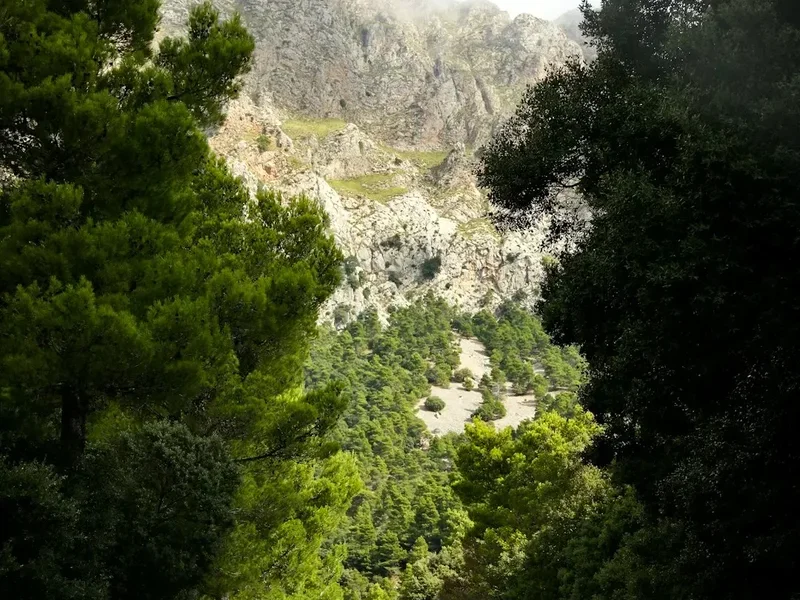
There are no formal permits or entry fees required to walk the Camino Lebaniego. The trail is open to the public year-round. However, to stay in the official pilgrim albergues and to receive the "Lebaniega" certificate (the "Compostela" equivalent) at the end of the journey, you must carry the official Credencial.
The Credencial Lebaniega:
- Where to get it: Church of Santa María de los Ángeles (San Vicente), Santander Cathedral, or various tourist offices in Cantabria
- Cost: Usually €2–€3
- Usage: You must collect at least one stamp (sello) per day from churches, albergues, or bars along the route to prove your progress
The Lebaniega Certificate:
- Upon arrival at the Monastery of Santo Toribio, present your stamped Credencial at the pilgrim office
- The certificate is issued free of charge to those who have completed the route for religious or spiritual reasons
- During a Holy Year (Año Jubilar), the "Puerta del Perdón" is opened, and pilgrims can receive a plenary indulgence
Logistics and Transport:
- Bus: ALSA is the primary operator. Check schedules in advance as services to remote villages like Cades are infrequent
- Taxi: Local taxis are available in Potes for those who need to return to the coast or skip a particularly difficult section. A taxi from Potes to San Vicente costs approximately €60–€80
- Parking: If driving, long-term parking is available in San Vicente de la Barquera. It is generally safe, but do not leave valuables in the car
Other Activities in the Area
The Liébana region and the Picos de Europa offer a wealth of experiences for those with extra time:
- Fuente Dé Cable Car: Located 20 km from Potes, this cable car whisks you up 753 metres in just 4 minutes to the heart of the Picos de Europa central massif. The views from the top station (1,823 m) are some of the most famous in Spain.
- Cider Tasting in Potes: Cantabria and neighbouring Asturias are famous for dry cider (sidra). Visit a local "taberna" in Potes to watch the traditional "escanciar" (pouring from a height to aerate the drink).
- Hiking the Cares Gorge: Often called the "Divine Gorge," this is one of the most spectacular day hikes in Europe, located a short drive from the Liébana valley.
- Surfing in San Vicente: Before you start your walk, take a lesson at Oyambre beach, one of the premier surfing spots in Northern Spain.
- El Soplao Cave: A short detour from the trail near Cades, this cave is world-renowned for its unique "eccentric" stalactite formations.
- Santander City Break: Spend a day in the Cantabrian capital visiting the Magdalena Palace and the Centro Botín art gallery.
Safety and Conditions
Pre-Departure Checks:
- Check the AEMET (Spanish Meteorological Agency) forecast for "Picos de Europa" and "Litoral de Cantabria"
- Ensure your mobile phone is fully charged; while signal is generally good, there are "dead zones" in the deep gorges of the Nansa and Deva rivers
- Inform your albergue host or a friend of your intended destination for the day, especially on the strenuous Day 2
- Verify the opening hours of the Monastery of Santo Toribio if you plan to attend the midday mass
Mountain Hazards: The climb from Cicera to the Collado de Arcedón is steep and can be slippery after rain. The descent into Lebeña is technical, with loose scree and steep gradients that can be hard on the ankles. In the Picos de Europa, weather can change in minutes. Thick fog (niebla) can descend rapidly, reducing visibility to a few metres. If you lose the red arrows in the fog, stay put or backtrack to the last known marker; do not attempt to "shortcut" down steep slopes.
Heat and Hydration: Despite the green landscape, the climb to Cabañes is highly exposed. Heat exhaustion is a genuine risk in summer. There are long stretches between villages (especially between Cades and Cicera) where no treated water is available. Always carry a minimum of 2 litres of water and use electrolyte tablets if walking in temperatures above 25°C.
Road Walking: While much of the trail is on tracks and paths, there are sections where you must walk on the shoulder of regional roads (notably near Muñorrodero and the final approach to Potes). Always walk facing oncoming traffic and wear high-visibility gear or bright colours.
Livestock: You will encounter cattle and sheep grazing freely. These animals are generally docile, but always give them a wide berth, especially if calves are present. Ensure all gates are closed behind you to prevent livestock from straying.
Side Trips and Points of Interest
Santa María de Lebeña: This 10th-century church is a masterpiece of Mozarabic architecture. Built by Christians fleeing the Moorish-occupied south, it features distinctive horseshoe arches and a unique floor plan. The interior is small but incredibly atmospheric. Legend says the Earl of Liébana built it to house the remains of Saint Turibius, but the saint "refused" to be moved, striking the Earl blind until he returned the relics to the monastery.
The Habario: Located just below the village of Cabañes, this ancient grove of sweet chestnut trees is hundreds of years old. The gnarled, twisted trunks create a fairytale atmosphere. It is a perfect spot for a quiet meditation before the final descent into the valley. Many of these trees were planted by generations of local families to provide a staple food source during the winter.
Torre del Infantado (Potes): This 15th-century stone tower dominates the skyline of Potes. It once belonged to the Duke of Infantado and served as a prison. Today, it houses an excellent exhibition on the life and works of Beatus of Liébana, including high-quality facsimiles of his illuminated manuscripts. The view from the battlements over the terracotta roofs of Potes is exceptional.
Ermita de San Miguel: A short, steep walk above the Monastery of Santo Toribio leads to this small, secluded hermitage. It offers the most iconic view of the monastery nestled in the valley with the limestone wall of the Picos de Europa rising directly behind it. It is the traditional spot for pilgrims to sit and reflect on their journey's end.
Cades Ironworks (Ferrería de Cades): A beautifully restored 18th-century industrial site where you can see how the power of the Nansa river was harnessed to work iron and grind flour. It provides a fascinating glimpse into the pre-industrial economy of the Cantabrian valleys.
Leave No Trace
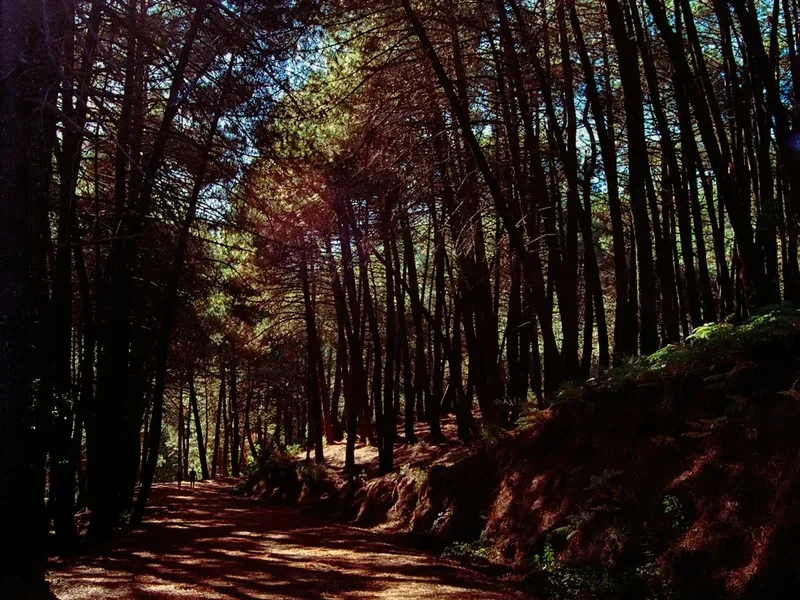
The Camino Lebaniego passes through the Picos de Europa National Park and several protected "Red Natura 2000" areas. These ecosystems are home to rare species, including the Cantabrian brown bear and the capercaillie. As a pilgrim and walker, you have a responsibility to preserve this landscape for those who follow.
Your responsibility as a walker:
- Pack out all rubbish, including organic waste like orange peels and apple cores, which decompose slowly in the mountain air and can harm local wildlife
- Stick strictly to the marked red-arrow path; shortcuts cause soil erosion and destroy fragile alpine flora
- Respect the silence of the villages and the monastery; the Lebaniego is a route of reflection
- Never wash clothes or dishes directly in the rivers or "fuentes"; use the facilities provided in albergues
- Do not leave "spiritual" markers like stone stacks (cairns) or plastic ribbons; the best way to honour the trail is to leave it exactly as you found it
- Keep all gates closed; the local economy depends on managed livestock grazing
- If you must use the toilet outdoors, dig a "cat hole" at least 15 cm deep and 60 metres away from any water source, and pack out your toilet paper
The Camino Lebaniego is a gift of history and nature. Walk with gratitude and leave no trace of your passage.
 Spain
Spain