Spain — A Coruña
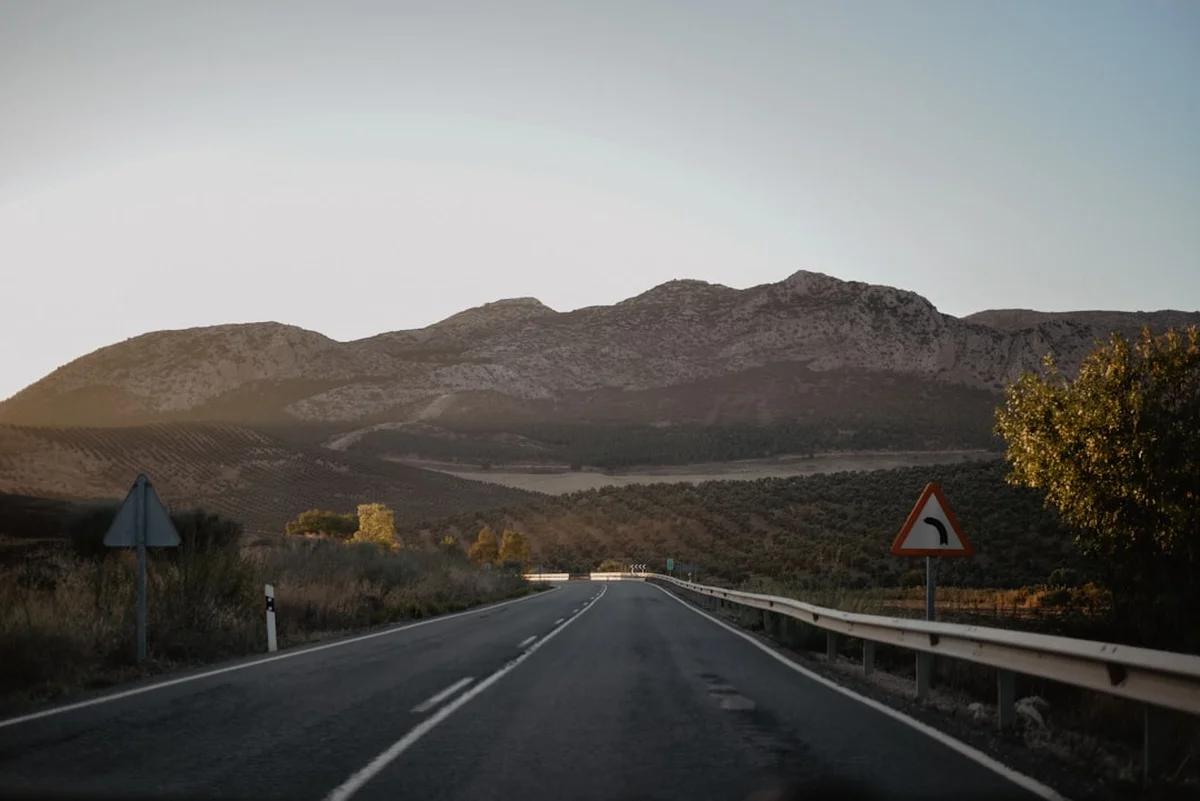
Walk the Camino Inglés, a 118km pilgrimage route in Spain, perfect for a 4-6 day, easy walk. Historically the sea-bound path for pilgrims, this gentle introduction to the Camino offers a less crowded, accessible experience. Traverse varied landscapes from coastal Galicia to inland paths, enjoying scenic views and a rich cultural heritage on this historic route.
Distance: 118.0 km
Elevation Gain: 2500 m
Difficulty: Easy
Duration: 4-6 days
The Camino Inglés, or English Way, is one of the shorter pilgrimage routes to Santiago de Compostela, offering a more accessible and less crowded experience compared to its more famous counterparts. Historically, it was the route taken by pilgrims arriving by sea to the northern ports of Galicia, primarily Ferrol and A Coruña. This 118 km journey typically takes between 4 to 6 days to complete, making it an ideal option for those with limited time or seeking a gentler introduction to the Camino de Santiago.
The trail winds through rolling green hills, picturesque villages, and tranquil forests, showcasing the distinct charm of rural Galicia. While shorter, it still provides a rich cultural and spiritual experience, with opportunities to connect with local Galician life, enjoy delicious regional cuisine, and reflect on the journey towards the tomb of Saint James. The relatively gentle terrain and well-marked paths make it a popular choice for beginners and experienced pilgrims alike.
The Camino Inglés is a journey of contrasts, from the bustling port city of A Coruña or the historic naval base of Ferrol, to the serene countryside and finally the magnificent cathedral of Santiago de Compostela. The route is characterised by its verdant landscapes, a testament to Galicia's abundant rainfall. Expect rolling hills, eucalyptus forests, and fertile farmland dotted with traditional stone houses and small hamlets.
Historically, pilgrims arriving by ship at the ports of Ferrol or A Coruña would disembark and begin their pilgrimage inland. The route from Ferrol is the longer and more traditional of the two, covering approximately 118 km. A shorter variant begins in A Coruña, covering around 75 km, which is still sufficient to qualify for the Compostela certificate if walked consecutively.
The terrain is generally undulating rather than mountainous, with a maximum elevation of around 300 metres. This makes it one of the most physically accessible Camino routes. The path is well-marked with the ubiquitous yellow arrows and scallop shells, ensuring pilgrims can navigate with ease. Along the way, you'll encounter charming towns like Pontedeume, Betanzos, and Bruma, each offering a glimpse into Galician culture, history, and gastronomy. The final approach to Santiago is a gradual ascent, building anticipation for the arrival at the cathedral.
The Camino Inglés offers a more intimate pilgrimage experience. While it attracts fewer pilgrims than the French Way, it provides ample opportunities for quiet contemplation and genuine interaction with locals. The albergues (pilgrim hostels) are often smaller and more communal, fostering a strong sense of camaraderie among walkers. The journey is as much about the internal reflection and the connections made as it is about reaching the final destination.
The name "Camino Inglés" (English Way) reflects its historical origins. During the medieval period, England, Ireland, and Northern Europe were significant sources of pilgrims travelling to Santiago de Compostela. Due to the dangers and length of overland routes from these regions, many pilgrims chose to travel by sea. They would disembark at the Galician ports of Ferrol and A Coruña, which offered sheltered harbours and were strategically located for onward travel to Santiago.
The route from Ferrol is considered the primary "English Way" as it was the more common disembarkation point for larger vessels. Pilgrims arriving here would then follow a path inland, connecting with other pilgrimage routes as they neared Santiago. The route from A Coruña emerged as a shorter alternative, particularly for those arriving at its more prominent port.
The pilgrimage to Santiago de Compostela gained immense popularity in the 11th and 12th centuries, becoming one of the three major Christian pilgrimage destinations, alongside Rome and Jerusalem. The discovery of the tomb of Saint James the Great (Santiago el Mayor) in the 9th century led to the development of these pilgrimage routes across Europe. The Camino Inglés, though shorter, played a vital role in facilitating access for pilgrims from across the English Channel and the North Sea.
Over centuries, the popularity of the Camino Inglés waxed and waned. It experienced a resurgence in the late 20th century with the broader revival of the Camino de Santiago. Today, it is recognised as an official route by the Pilgrim's Office in Santiago and is part of the network of routes leading to the tomb of the Apostle.
The cultural landscape of the Camino Inglés is deeply rooted in Galician traditions. The region is known for its Celtic heritage, distinct language (Galego), and unique cuisine, heavily influenced by the sea and its fertile land. Traditional stone architecture, rural villages, and a strong sense of community are evident throughout the journey, offering pilgrims a rich cultural immersion.
The Camino Inglés can be walked year-round, but certain seasons offer a more pleasant experience. The best times to undertake this pilgrimage are generally from April to June and from September to October.
Spring (April-June): This period offers mild temperatures and blooming landscapes. The countryside is lush and green, with wildflowers adding vibrant colours to the scenery. Rainfall is common, as is typical for Galicia, but it often comes in showers rather than prolonged downpours. The days are getting longer, providing ample daylight for walking. Crowds are moderate, making it a good time for a balanced experience of solitude and community.
Summer (July-August): While the days are long and sunny, summer can be quite hot, especially in July and August. Temperatures can reach the high 20s or low 30s Celsius. This heat, combined with the undulating terrain, can make walking more challenging. It is also the peak tourist season, so accommodation, particularly in Santiago, can be busier and more expensive. However, the weather is generally more stable, with less rain.
Autumn (September-October): This is often considered the ideal time to walk the Camino Inglés. The intense heat of summer has subsided, and the temperatures are mild and pleasant. The autumn colours begin to appear, adding a beautiful palette to the Galician landscape. Rainfall increases as the season progresses, but it is usually manageable. The crowds thin out considerably after August, offering a more tranquil pilgrimage experience.
Winter (November-March): Winter in Galicia is characterised by cooler temperatures, shorter daylight hours, and frequent rainfall. While the Camino is still walkable, it requires more preparation for potentially wet and cold conditions. Some albergues may have reduced opening hours or be closed entirely during the off-season. However, for those seeking solitude and a more introspective journey, winter can be a rewarding time to walk, provided they are well-equipped.
Weather Considerations: Galicia is known for its Atlantic climate, which means rain is a frequent occurrence throughout the year. Pilgrims should always be prepared for wet weather, regardless of the season. The temperature is generally moderate, with less extreme variations than in continental climates.
This itinerary is a suggestion and can be adjusted based on individual pace and preferences. The total distance is approximately 118 km.
Day 1: Ferrol to Neda
Day 2: Neda to Pontedeume
Day 3: Pontedeume to Betanzos
Day 4: Betanzos to Bruma
Day 5: Bruma to Santiago de Compostela
Alternative Start: A Coruña (approx. 75 km)
If starting from A Coruña, the itinerary would be shorter, typically 3-4 days. The route from A Coruña merges with the Ferrol route around the halfway point.
Important Notes:
The Camino Inglés is a relatively straightforward pilgrimage, but proper preparation is still key to an enjoyable experience. Given its shorter distance, it's an excellent choice for those new to long-distance walking or with limited holiday time. The primary logistical hub for the Camino Inglés is Santiago de Compostela, where most pilgrims begin their journey by travelling to either Ferrol or A Coruña.
Getting to the Trailhead:
Base Town Information:
Accommodation along the Camino Inglés primarily consists of albergues (pilgrim hostels), which are specifically designed for pilgrims. There are also private pensions, guesthouses, and hotels available in most towns and villages.
Albergues (Pilgrim Hostels):
Private Accommodation: Pensions, hostales, and hotels offer more privacy and comfort but at a higher cost. These are readily available in larger towns like Ferrol, Pontedeume, Betanzos, and Santiago.
Note on Bruma: The albergue in Bruma is known to be very basic and can fill up quickly. If you are concerned about accommodation, consider walking a little further or arranging private accommodation in a nearby village if possible.
No specific permits are required to walk the Camino Inglés. The route is open to all pilgrims. However, to receive the Compostela (the certificate of completion) upon arrival in Santiago de Compostela, you will need to obtain a Pilgrim Passport (Credencial).
Pilgrim Passport (Credencial):
Compostela Certificate:
Accommodation Bookings: As mentioned in the planning section, most albergues operate on a first-come, first-served basis. While not a permit, securing a bed, especially in smaller towns or during peak season, requires early arrival. Some private albergues do offer online booking.


Precisely traced GPX for the Camino Ingl S, ready for your GPS or favourite mapping app.
Before or after your pilgrimage, or during rest days, there are several activities and points of interest to explore in the regions of Ferrol, A Coruña, and Santiago de Compostela:
The Camino Inglés is generally considered a safe and accessible pilgrimage route. However, as with any long-distance walk, it's important to be aware of potential hazards and take necessary precautions.
Terrain and Markings:
Weather:
Health and First Aid:
Personal Safety:
Albergue Safety:
Emergency Contacts: The national emergency number in Spain is 112. This number connects you to police, ambulance, and fire services.
While the Camino Inglés is a relatively direct route, there are several points of interest and potential side trips that can enhance your pilgrimage experience:
Tower of Hercules (A Coruña): If you choose to start your pilgrimage from A Coruña, a visit to this ancient Roman lighthouse is a must. It's a UNESCO World Heritage site and offers spectacular views of the coastline. It's a perfect way to begin your journey with a sense of history and grandeur.
Pontedeume Medieval Bridge: The town of Pontedeume is crossed by a magnificent medieval bridge, a testament to the engineering of its time. Walking across it offers a sense of stepping back in time and provides lovely views of the town and the estuary.
Betanzos Old Town: Betanzos is a town rich in history and architectural beauty. Its old quarter is a designated national historic-artistic site. Explore its Gothic churches, charming plazas like Plaza de la Constitución, and the traditional Galician arcaded buildings. It's a delightful place to spend an afternoon.
Monte do Gozo (Mount of Joy): Located just a few kilometres before Santiago de Compostela, Monte do Gozo is traditionally where pilgrims first catch sight of the cathedral's spires. It's a place of great emotional significance, marking the imminent end of the journey. There are sculptures and a pilgrim monument here, and it's a popular spot for pilgrims to gather and reflect.
Gastronomic Delights: While not a physical side trip, actively seeking out and enjoying the local Galician cuisine is a significant part of the experience. Make time to try regional specialities like 'pulpo a la gallega', 'empanada', fresh seafood, and local wines in the various towns and villages along the route.
Coastal Views (near Ferrol/A Coruña): If you have extra time at the beginning of your pilgrimage, consider exploring some of the coastal areas near Ferrol or A Coruña. The rugged coastline offers beautiful scenery and a different perspective on the Galician landscape.
The principles of Leave No Trace are essential for preserving the beauty and integrity of the Camino Inglés and the Galician countryside for future pilgrims and residents. While the Camino Inglés is not a wilderness trek in the same vein as some other routes, respecting the environment and local communities is paramount.
Pack It In, Pack It Out:
Stay on the Path:
Respect Wildlife:
Minimise Campfire Impacts:
Be Considerate of Others:
Dispose of Waste Properly:
By adhering to these principles, you contribute to maintaining the Camino Inglés as a beautiful and welcoming pilgrimage for everyone.
