
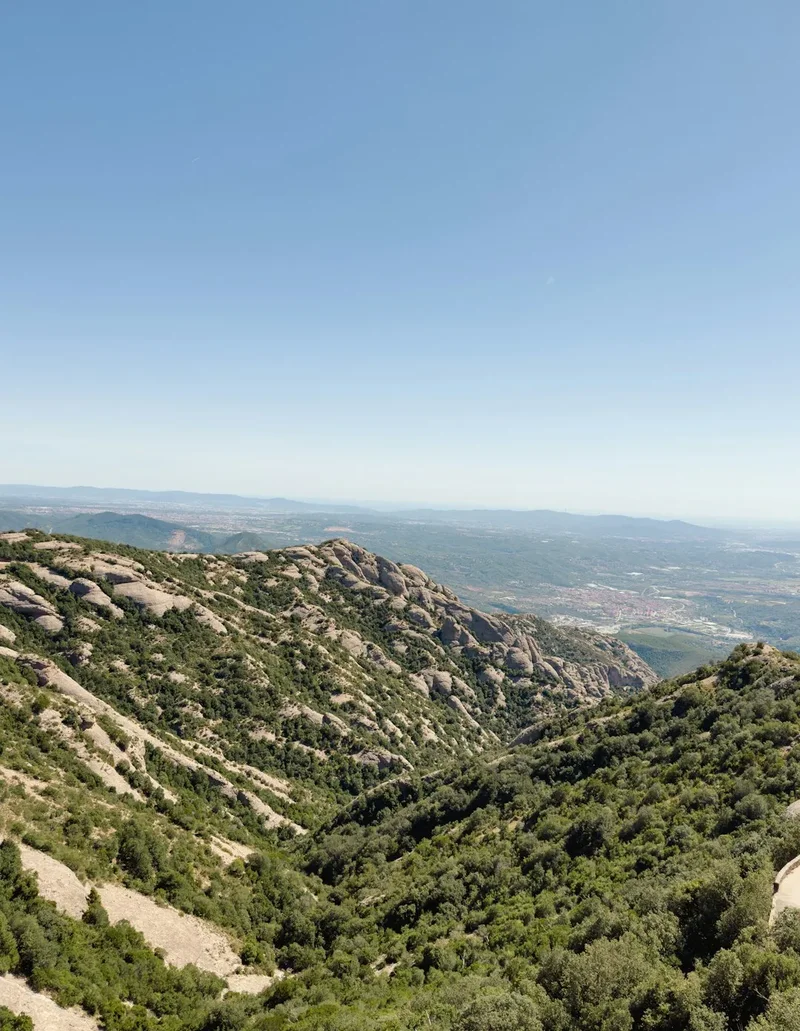
Camino del Salvador
The Camino del Salvador is a captivating pilgrimage route that winds through the heart of Asturias and León in northern Spain. This ancient path, steeped in history and spiritual significance, offers a profound journey for those seeking reflection, natural beauty, and a connection to centuries of tradition. Stretching approximately 325 kilometres, the Camino del Salvador is not merely a physical trek but a passage through diverse landscapes, from the rugged peaks of the Cantabrian Mountains to the rolling hills and historic towns of the Spanish interior. It is a route that rewards perseverance with breathtaking vistas, charming villages, and a deep sense of accomplishment.
- Distance: 325.0 km one-way
- Duration: 12–14 days
- Season: Spring (April–June) or Autumn (September–October)
- Difficulty: Moderate
- Highest point: Puerto de San Lorenzo (approx. 1,500 m)
- Starting point: León Cathedral
- Ending point: San Salvador Monastery, Ujo (near Oviedo)
- Accommodation: Albergues (pilgrim hostels), rural guesthouses, hotels
Overview
The Camino del Salvador is a lesser-known but incredibly rewarding alternative to the more famous Camino de Santiago routes. It begins in the historic city of León, a UNESCO World Heritage site renowned for its magnificent Gothic cathedral and Romanesque architecture. From León, the trail embarks on a dramatic ascent into the Picos de Europa National Park, a mountain range of spectacular limestone peaks, deep gorges, and verdant valleys. This mountainous section is the most challenging part of the Camino del Salvador, demanding good physical fitness and preparation.
As the trail progresses, it descends from the high mountains into the lush, green landscapes of Asturias. This region is characterised by its rolling hills, dense forests, and picturesque villages, offering a stark contrast to the rugged alpine scenery of the Picos. The route passes through charming towns and hamlets, many of which have a rich history tied to the pilgrimage and the region's mining heritage. The final destination is the historic San Salvador Monastery in Ujo, a place of ancient spiritual significance that marks the culmination of the journey.
The Camino del Salvador offers a unique blend of natural beauty, cultural immersion, and spiritual introspection. It is a route that allows pilgrims to experience the authentic spirit of northern Spain, away from the crowds, and to discover a landscape that is both wild and welcoming. The moderate difficulty level, combined with the well-marked path and available accommodation, makes it accessible to a wide range of walkers, from seasoned pilgrims to those embarking on their first long-distance trek.
History and Cultural Context
The Camino del Salvador has a long and storied history, deeply intertwined with the religious and cultural development of northern Spain. Its origins can be traced back to the medieval period, when it served as a vital pilgrimage route connecting the city of León with the ancient San Salvador Monastery in Ujo. This monastery, founded in the 9th century, was a significant religious centre and a place of pilgrimage in its own right, attracting devotees from across the region.
The route's strategic importance also extended beyond its religious function. It served as a passage for trade and communication between the Kingdom of León and the northern territories, facilitating the movement of people and goods. The trail's path through the Picos de Europa, while challenging, offered a more direct route than travelling around the mountains, making it a crucial artery for centuries.
Over time, the Camino del Salvador, like many other pilgrimage routes, experienced periods of decline and resurgence. In recent decades, there has been a renewed interest in this historic path, driven by a desire to explore lesser-known routes and to experience the authentic spirit of pilgrimage. Today, the Camino del Salvador is being revitalised, with efforts to improve signage, accommodation, and support for pilgrims, ensuring that its rich history and spiritual significance can be appreciated by a new generation of travellers.
The cultural landscape along the route is a testament to its long history. You will encounter Romanesque churches, medieval bridges, traditional Asturian architecture, and remnants of the region's industrial past, particularly its mining heritage. Each village and town along the way has its own stories to tell, contributing to the rich tapestry of the Camino del Salvador.
Seasonal Highlights and Weather Reality
The Camino del Salvador is best walked during the spring and autumn months. These seasons offer a pleasant climate for hiking, with moderate temperatures and fewer crowds than the peak summer season.
Spring (April–June): This is an ideal time to walk the Camino del Salvador. The landscape bursts into life with vibrant green foliage, wildflowers bloom profusely, and the mountain air is crisp and invigorating. Temperatures are generally mild, though higher elevations in the Picos de Europa can still experience frost or even late snowfalls in early spring. The days are getting longer, providing ample daylight for walking. However, spring can also bring unpredictable weather, with occasional heavy rain showers, especially in the mountainous regions.
Summer (July–August): While the weather is typically warm and sunny, summer is also the busiest period, with more pilgrims and tourists. The higher temperatures can make the mountain sections more challenging, and accommodation may be more difficult to secure without advance booking. The Picos de Europa can experience heatwaves, and water sources might be less abundant in some areas.
Autumn (September–October): Autumn offers another excellent window for walking the Camino del Salvador. The weather is often stable and pleasant, with clear skies and mild temperatures. The changing colours of the foliage create a stunning visual spectacle, particularly in the Asturian countryside. The crowds of summer have dispersed, offering a more tranquil experience. However, as autumn progresses, temperatures will begin to drop, and the possibility of early snow in the Picos de Europa increases, especially in late October.
Winter (November–March): Winter is generally not recommended for walking the Camino del Salvador, especially the mountain sections. Snowfall can make the Picos de Europa impassable, and many of the smaller albergues and rural guesthouses may be closed. The weather can be harsh, with cold temperatures, strong winds, and limited daylight hours.
Weather Considerations: Regardless of the season, it is crucial to be prepared for variable weather conditions. The Picos de Europa are known for their rapidly changing weather patterns. Even in summer, you can encounter rain, fog, and strong winds. Always check the weather forecast before setting out each day and carry appropriate waterproof and warm clothing.
Recommended Itinerary
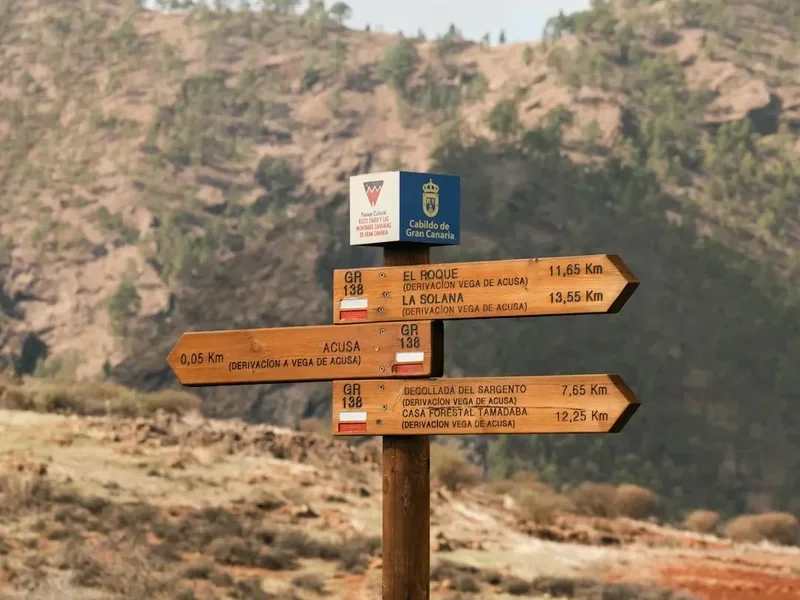
12-Day Camino del Salvador Itinerary (Moderate Pace)
Day 1: León to La Virgen del Camino
- Distance: 10.5 km
- Elevation gain: 100 m
- Time: 2–3 hours
- Start at León Cathedral
- Gentle walk through urban outskirts and agricultural land
- Pass through Trobajo del Camino and La Virgen del Camino
- Arrive at La Virgen del Camino, known for its modern sanctuary
Day 2: La Virgen del Camino to Puentelán
- Distance: 22 km
- Elevation gain: 250 m
- Time: 5–6 hours
- Continue through rural landscapes
- Pass through villages like Valverde de la Virgen and San Miguel del Camino
- Arrive at Puentelán, a small village with pilgrim accommodation
Day 3: Puentelán to Hospital de Órbigo
- Distance: 18 km
- Elevation gain: 150 m
- Time: 4–5 hours
- Walk towards the historic town of Hospital de Órbigo
- Cross the impressive medieval bridge over the Órbigo River
- Explore the town and its historical significance
Day 4: Hospital de Órbigo to Villares de Órbigo
- Distance: 16 km
- Elevation gain: 100 m
- Time: 3–4 hours
- A relatively easy day through farmland
- Pass through small hamlets
- Arrive at Villares de Órbigo
Day 5: Villares de Órbigo to La Bañeza
- Distance: 15 km
- Elevation gain: 100 m
- Time: 3–4 hours
- Continue through agricultural plains
- Reach the larger town of La Bañeza, known for its Roman past
- Opportunity to resupply and rest
Day 6: La Bañeza to Astorga
- Distance: 25 km
- Elevation gain: 200 m
- Time: 5–6 hours
- A longer day leading to the significant city of Astorga
- Astorga boasts a Roman legacy, a magnificent cathedral, and Gaudí's Episcopal Palace
- Allow time to explore the city
Day 7: Astorga to Murias de Rechivaldo
- Distance: 15 km
- Elevation gain: 250 m
- Time: 3–4 hours
- Begin the ascent towards the Picos de Europa
- The landscape starts to change, becoming more rugged
- Arrive at Murias de Rechivaldo
Day 8: Murias de Rechivaldo to La Acebeda
- Distance: 18 km
- Elevation gain: 400 m
- Time: 4–5 hours
- The terrain becomes increasingly mountainous
- Pass through forests and open moorland
- Reach the small hamlet of La Acebeda
Day 9: La Acebeda to Puerto de San Lorenzo
- Distance: 12 km
- Elevation gain: 500 m
- Time: 4–5 hours
- The most challenging ascent of the route
- Reach the Puerto de San Lorenzo, the highest point of the Camino del Salvador
- Spectacular panoramic views of the Picos de Europa
- Descend slightly to accommodation near the pass
Day 10: Puerto de San Lorenzo to Pola de Somiedo
- Distance: 20 km
- Elevation gain: 200 m (descent)
- Time: 5–6 hours
- Begin the descent into Asturias
- The landscape transforms into lush green valleys and forests
- Pass through the stunning Somiedo Natural Park
- Arrive in Pola de Somiedo, a charming Asturian town
Day 11: Pola de Somiedo to La Riera de Meres
- Distance: 25 km
- Elevation gain: 300 m
- Time: 6–7 hours
- Continue through the rolling hills and valleys of Asturias
- Pass through picturesque villages and farmland
- Arrive at La Riera de Meres, a small rural settlement
Day 12: La Riera de Meres to Ujo (San Salvador Monastery)
- Distance: 15 km
- Elevation gain: 150 m
- Time: 3–4 hours
- Final stretch of the Camino del Salvador
- Walk towards the historic San Salvador Monastery in Ujo
- Reach your destination, completing the pilgrimage
Notes:
- This itinerary is a suggestion and can be adjusted based on individual fitness and preferences.
- Distances and times are approximate and can vary based on walking pace and conditions.
- Accommodation options may be limited in some smaller villages; advance booking is recommended, especially during peak season.
- The mountain section (Days 8-10) requires careful planning and preparation due to its challenging terrain and potential for adverse weather.
Planning and Bookings
Book Your Trip
Everything you need to plan your journey
Accommodation
Find places to stay near León
Flights
Search flights to León
Essential Preparation
The Camino del Salvador is a moderate-difficulty pilgrimage, but the mountainous section through the Picos de Europa requires a good level of fitness and preparation. Before embarking, it is essential to:
- Assess your fitness: The route involves significant elevation changes, particularly in the Picos de Europa. Train by undertaking regular hikes with a loaded backpack, focusing on hill walking.
- Plan your route: While the trail is generally well-marked, having a reliable guidebook or map is advisable, especially for the mountain sections. Consider the pace you wish to maintain and break down the journey into manageable daily stages.
- Book accommodation: Especially during the spring and autumn shoulder seasons, accommodation in smaller villages can be limited. It is highly recommended to book your albergues or guesthouses in advance, particularly for the mountain stages.
- Logistics: Arrange your travel to León and from Ujo. León is well-connected by train and bus. From Ujo, public transport options to larger cities like Oviedo or León are available, but may require some planning.
- Base Town/City Information: León is a vibrant city with a rich history, offering a wide range of accommodation, dining, and cultural attractions. It's an excellent starting point for acclimatising and preparing for the journey. Ujo, the endpoint, is a smaller town with historical significance, serving as the culmination of the pilgrimage.
Trail Accommodation
Accommodation along the Camino del Salvador primarily consists of:
- Albergues (Pilgrim Hostels): These are the most common and affordable option for pilgrims. They typically offer dormitory-style beds, shared bathrooms, and communal kitchen facilities. Some albergues may have a small donation system, while others charge a fixed fee.
- Rural Guesthouses (Casas Rurales): Many villages offer charming rural guesthouses that provide private rooms and a more comfortable stay. These are often family-run and offer a taste of local hospitality.
- Hotels: In larger towns like León, Astorga, and Pola de Somiedo, you will find a range of hotels offering standard hotel amenities.
Booking Requirements:
- For albergues, booking is often on a first-come, first-served basis, especially in smaller villages. However, during peak season or for larger groups, it is advisable to call ahead or book online if possible.
- Rural guesthouses and hotels should be booked in advance, particularly during the spring and autumn shoulder seasons.
Facilities Provided:
- Albergues typically provide a bed (often a bunk), a communal area, and basic kitchen facilities.
- Rural guesthouses and hotels offer private rooms, en-suite bathrooms, and often breakfast.
What's NOT Provided:
- Sleeping bags are usually required for albergues.
- Cooking utensils, pots, and pans may not always be available in albergues.
- Towels are not always provided in albergues.
Seasonal Availability: Most albergues and rural guesthouses operate from spring through autumn. Some may close during the winter months. It is essential to verify opening times and availability for your chosen travel dates.
Costs:
- Albergues: €10–€20 per night (donation or fixed fee)
- Rural Guesthouses: €40–€80 per night for a double room
- Hotels: €60–€120+ per night for a double room
Required Gear
- Sturdy walking boots: Waterproof and well broken-in, with good ankle support for varied terrain.
- Waterproof jacket: Essential for protection against rain, which can be frequent in northern Spain.
- Waterproof overtrousers: To keep your lower body dry during downpours.
- Backpack: A comfortable backpack of 40-55 litres, with a rain cover.
- Sleeping bag: A lightweight, 3-season sleeping bag is recommended for albergues.
- Head torch: With spare batteries, for navigating in albergues or early morning starts.
- First-aid kit: Including blister treatment, pain relievers, antiseptic wipes, and any personal medications.
- Navigation tools: A detailed guidebook, maps, and a compass or GPS device.
- Trekking poles: Highly recommended for stability and reducing strain on joints, especially on descents.
- Sun protection: Sunscreen, sunglasses, and a wide-brimmed hat.
What to Bring
- Clothing: Moisture-wicking base layers, insulating mid-layers (fleece or down jacket), comfortable walking trousers (avoid jeans), and spare socks (wool or synthetic).
- Footwear: Comfortable walking socks, and a pair of lightweight shoes or sandals for evenings.
- Toiletries: Biodegradable soap, toothbrush, toothpaste, quick-drying towel, and any personal hygiene items.
- Food and Water: While villages offer opportunities to buy supplies, carry some snacks and water for the day's walk. A reusable water bottle or hydration reservoir is recommended. Water purification tablets can be a useful backup.
- Documents: Passport, any necessary visas, travel insurance details, and emergency contact information.
- Money: Euros in cash are essential, as not all albergues or small shops accept cards.
- Electronics: Mobile phone, power bank, and universal travel adapter.
- Miscellaneous: Small padlock for albergue lockers, earplugs, a book or journal for downtime.
Permits
The Camino del Salvador does not typically require specific permits for walking the route itself. As a public path and a historical pilgrimage trail, it is generally accessible to all. However, there are a few points to consider:
- National Park Access: The section of the trail that passes through the Picos de Europa National Park is open to the public. While no specific permit is needed for walking, it is important to adhere to the park's regulations regarding waste disposal, camping (which is generally not permitted outside designated areas), and respecting the natural environment.
- Accommodation Bookings: While not a permit, securing accommodation in advance, especially in the albergues and rural guesthouses along the route, is crucial. Many smaller establishments have limited capacity, and booking ahead ensures you have a place to stay, particularly during the popular spring and autumn seasons.
- Private Property: Always stay on the marked trail and respect private property. The route passes through agricultural land and private estates, and it is important to avoid trespassing.
Important Note: Always check for any local advisories or temporary restrictions that might be in place due to weather conditions, local events, or conservation efforts. Information can usually be found through local tourist offices or the park authorities for the Picos de Europa.
Other Activities in the Area
The regions traversed by the Camino del Salvador offer a wealth of activities beyond the pilgrimage itself:
- Exploring León: Before or after your walk, dedicate time to León's stunning Gothic Cathedral, the Romanesque Basilica of San Isidoro, and the unique Casa Botines designed by Antoni Gaudí.
- Astorga's Roman Heritage: Discover the well-preserved Roman walls, the amphitheatre, and the impressive Roman Museum in Astorga.
- Picos de Europa National Park: Beyond the pilgrimage route, the park offers numerous hiking opportunities, from challenging mountain ascents to gentler valley walks. Consider visiting the stunning Lakes of Covadonga (a slight detour) or taking a cable car ride for panoramic views.
- Somiedo Natural Park: This UNESCO Biosphere Reserve is home to brown bears and wolves, and offers incredible biodiversity. Explore its traditional 'brañas' (summer pastures with unique stone huts) and enjoy the pristine natural environment.
- Gastronomy: Indulge in the local cuisine of Asturias and León. Sample Asturian cider (sidra), fabada (a hearty bean stew), cachopo (a large breaded veal cutlet), and local cheeses like Cabrales.
- Cultural Villages: Many villages along the route have their own charm and historical significance. Take time to wander through their streets, visit local churches, and soak in the atmosphere.
- Birdwatching: The diverse habitats along the Camino del Salvador, from mountains to forests, are ideal for birdwatching, with opportunities to spot various raptors, woodland birds, and alpine species.
Safety and Conditions
Pre-Departure Checks:
- Weather Forecast: Always check the weather forecast for both León and the Picos de Europa region before you start and daily during your trek. Weather can change rapidly in the mountains.
- Trail Conditions: While generally well-maintained, sections of the trail, especially in the Picos de Europa, can be affected by recent rainfall, snowmelt, or landslides. Check with local tourist offices or park authorities for any specific alerts.
- Communication: Mobile phone signal can be intermittent, especially in mountainous areas. Inform someone of your itinerary and expected arrival times. Consider carrying a personal locator beacon (PLB) for remote sections.
Mountain Hazards:
- Altitude: The highest point, Puerto de San Lorenzo, is around 1,500 metres. While not extremely high, be aware of potential altitude effects if you are not accustomed to it.
- Terrain: The mountain sections can be steep, rocky, and uneven. Wear appropriate footwear and use trekking poles for stability.
- Weather: Be prepared for sudden changes in weather, including fog, strong winds, rain, and even snow, especially at higher elevations. Hypothermia is a risk even in milder temperatures if you get wet and cold.
- Navigation: While the trail is marked, it is essential to have reliable navigation tools and know how to use them, particularly in poor visibility.
General Safety:
- Hydration and Nutrition: Carry sufficient water and snacks, especially for the longer stretches between villages.
- Pace Yourself: Do not overexert yourself. Take regular breaks and listen to your body.
- Respect Wildlife: Maintain a safe distance from any wildlife you encounter.
- Emergency Contacts: Have emergency numbers readily available (e.g., 112 for general emergencies in Spain).
Travel Insurance: It is highly recommended to have comprehensive travel insurance that covers hiking and potential medical evacuation.
Side Trips and Points of Interest
León Cathedral: A masterpiece of Gothic architecture, known for its stunning stained-glass windows. Spend ample time admiring its beauty before starting your pilgrimage.
Astorga's Gaudí Palace: The Episcopal Palace of Astorga, designed by Antoni Gaudí, is a whimsical and unique building that stands in stark contrast to the city's Romanesque cathedral. It's a must-see for architecture enthusiasts.
Roman Ruins of Astorga: Explore the remnants of the ancient Roman city, including the well-preserved walls, the amphitheatre, and the impressive Roman Museum, which offers insights into the city's past as a significant Roman settlement.
Picos de Europa National Park: The heart of the Camino del Salvador's mountain section. The park offers breathtaking vistas of limestone peaks, deep gorges, and alpine meadows. Even if not deviating significantly from the main trail, the views are a constant point of interest.
Puerto de San Lorenzo: The highest point of the Camino del Salvador, offering panoramic views across the Picos de Europa and into Asturias. This is a significant landmark and a rewarding achievement for pilgrims.
Somiedo Natural Park: A UNESCO Biosphere Reserve renowned for its biodiversity, including brown bears and wolves. The park's traditional 'brañas' (summer pastures with unique stone huts) are a fascinating cultural and architectural feature.
San Salvador Monastery, Ujo: The final destination of the pilgrimage. This ancient monastery holds deep historical and spiritual significance, marking the culmination of your journey.
Leave No Trace
The Camino del Salvador traverses diverse and often fragile environments, from the urban landscapes of León to the pristine wilderness of the Picos de Europa and the verdant countryside of Asturias. Practising Leave No Trace principles is essential to preserve these areas for future generations and to ensure a positive experience for all.
Your responsibility as a walker:
- Pack it in, Pack it out: Carry out all your litter, including food scraps, wrappers, and any other waste. Do not leave anything behind, even organic materials like fruit peels, which can take a long time to decompose and attract unwanted wildlife.
- Stay on the Trail: Stick to the marked paths to avoid damaging vegetation, causing erosion, and disturbing wildlife habitats. Especially in the Picos de Europa, trails can be narrow and the surrounding vegetation delicate.
- Respect Wildlife: Observe wildlife from a distance and never feed animals. Feeding them can alter their natural behaviour and diet, and can be harmful to their health.
- Dispose of Waste Properly: Use designated toilets in albergues and villages. If you must go in the backcountry, dig a cathole at least 60 metres (60 m) away from water sources, trails, and campsites. Pack out all toilet paper.
- Leave What You Find: Do not take rocks, plants, or any other natural objects from the environment. Leave them for others to enjoy and for the ecosystem to thrive.
- Be Considerate of Others: Keep noise levels down, especially in albergues and natural areas. Respect the quiet and reflective nature of the pilgrimage for yourself and others.
- Minimise Campfire Impacts: Campfires are generally not permitted on the Camino del Salvador, especially within national parks. If you are camping in designated areas (which is rare on this route), use established fire rings and ensure fires are completely extinguished.
By adhering to these principles, you help protect the natural beauty and cultural heritage of the Camino del Salvador, ensuring its integrity for years to come.
 Spain
Spain