
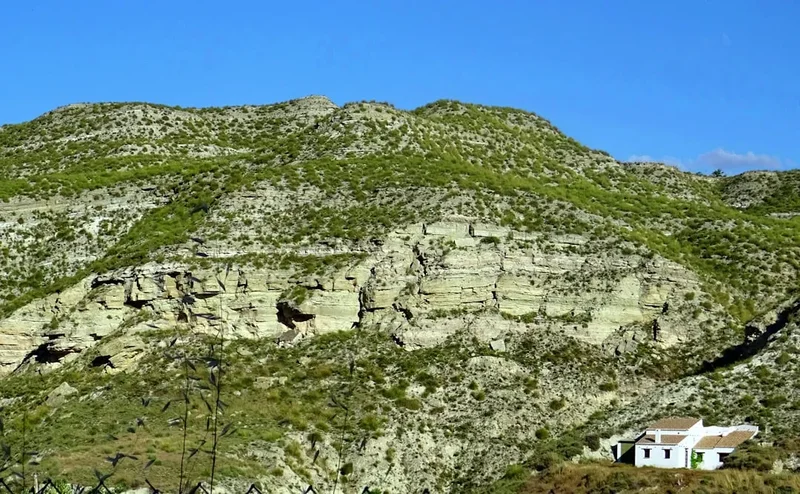
Camino de Santiago (Day Section) - The Final 100 Kilometres
The Camino de Santiago, or the Way of St. James, is perhaps the most famous pilgrimage route in the world, a network of ancient paths leading to the tomb of the Apostle Saint James the Greater in the Cathedral of Santiago de Compostela in Galicia, Northwest Spain. While the full Camino Francés (French Way) stretches nearly 800 kilometres from the Pyrenees, the final section from Sarria to Santiago de Compostela is the most popular segment for modern pilgrims. Covering approximately 115 kilometres, this journey represents the minimum distance required for a walker to earn the "Compostela"—the official certificate of completion issued by the Pilgrim's Office. This section is a profound cultural and spiritual odyssey through the rolling green hills, ancient oak forests, and mist-shrouded hamlets of rural Galicia, offering a condensed but deeply authentic experience of the "Camino Spirit."
- Distance: 115.0 km one-way
- Duration: 5–7 days
- Season: Spring (April–May) and Autumn (September–October) for milder temperatures
- Accommodation: Albergues (pilgrim hostels), pensions, and hotels
- Highest point: Alto de San Roque (1,270 m) - though the Sarria section stays mostly below 700 m
- Daily walkers: High volume, particularly in summer and Holy Years
- Direction: East to West (towards Santiago de Compostela)
Overview
The Sarria to Santiago section of the Camino Francés is a masterclass in Galician landscape and hospitality. Unlike the high-altitude passes of the Pyrenees or the vast, sun-baked plains of the Meseta found earlier on the French Way, this final 115-kilometre stretch is defined by "Green Spain." The route meanders through a tapestry of agricultural land, ancient chestnut groves, and fragrant eucalyptus forests. The terrain is characterized by "corredoiras"—ancient stone-walled paths that have been trodden by millions of feet over more than a millennium. While the elevation gain of 2,500 metres over five to seven days is moderate, the path is never truly flat; it consists of a rhythmic series of rolling hills that test the endurance of the legs without the punishing gradients of alpine trekking.
What sets this section apart is the unique social atmosphere. Because Sarria is the most common starting point for those with limited time, the trail becomes a melting pot of global cultures. You will walk alongside "peregrinos" (pilgrims) from every corner of the globe, all united by the yellow arrows that mark the way. The infrastructure is the most developed of any long-distance trail in the world, with "pulperías" (octopus restaurants), cafes, and albergues appearing every few kilometres. This accessibility makes it an ideal introduction to long-distance walking, yet the historical weight of the path—passing Romanesque churches, medieval bridges, and Celtic-influenced stone villages—ensures that the experience remains profound.
The arrival into Santiago de Compostela is the emotional climax of the journey. Walking into the Praza do Obradoiro and standing before the towering twin spires of the Cathedral is a transformative moment for many. Whether walking for religious reasons, spiritual reflection, or simply the physical challenge, the final 100 kilometres of the Camino offer a sense of purpose and community that is rare in the modern world. It is a journey where the destination is iconic, but the "Way" itself—the conversations with strangers, the shared meals, and the simple rhythm of walking—becomes the true reward.
History and Cultural Context
The history of the Camino de Santiago dates back to the early 9th century, when the tomb of the Apostle St. James was purportedly discovered by a hermit named Pelayo, who was guided by a miraculous star to a field (hence "Compostela," from the Latin *Campus Stellae* or "Field of Stars"). King Alfonso II of Asturias declared St. James the patron saint of his kingdom and built a small chapel over the site, which eventually grew into the magnificent Romanesque and Baroque Cathedral seen today. By the 11th and 12th centuries, the Camino had become one of the three great pilgrimages of Christendom, alongside Rome and Jerusalem. Millions of medieval pilgrims travelled from across Europe, bringing with them ideas, art, and architecture, which led to the Camino being described as the "High Street of Europe."
Galicia, the region through which this section passes, has a distinct cultural identity that differs significantly from the rest of Spain. With deep Celtic roots, the local culture is reflected in the "Gaita" (Galician bagpipes), the stone "Hórreos" (raised granaries) that dot the landscape, and the "Cruceiros" (stone crosses) found at crossroads to protect travellers. The language, Galego, is more closely related to Portuguese than Spanish, adding another layer of cultural richness to the walk. The trail was designated as the first European Cultural Route by the Council of Europe in 1987 and a UNESCO World Heritage site in 1993, sparking a modern revival that has seen numbers grow from a few thousand pilgrims a year in the 1980s to over 400,000 in recent years.
The yellow arrow, now the universal symbol of the Camino, was only introduced in the 1980s by Father Elías Valiña, the parish priest of O Cebreiro, who painted them to help pilgrims find their way. Today, these arrows are a comforting constant, guiding walkers through the labyrinthine Galician countryside. The scallop shell, another iconic symbol, was historically worn by pilgrims as a badge of completion, as the shells were found on the Galician coast. Today, it is worn from the start, signifying the wearer's status as a pilgrim and their commitment to the journey.
Want more background? Read extended notes on history and cultural context → Learn more
Seasonal Highlights and Weather Reality
The climate in Galicia is maritime and notoriously unpredictable. Known as the "piss-pot of Spain" by some locals, the region receives significant rainfall throughout the year, which accounts for its lush, emerald-green landscapes. Choosing the right season is crucial for balancing weather comfort with the social experience of the trail.
Spring (April to May): This is arguably the best time to walk. The wildflowers are in full bloom, the temperatures are mild (typically 12°C to 20°C), and the crowds are manageable. However, April can be quite rainy, so high-quality waterproof gear is essential. The landscape is at its most vibrant green during these months.
Summer (June to August): This is the peak season, coinciding with European holidays and the Feast of St. James (July 25th). While the weather is generally sunny and warm (20°C to 30°C), the trail can become extremely crowded. Finding beds in albergues can be a "race" in the mornings, and the social atmosphere, while vibrant, can feel overwhelming for those seeking solitude. Heat can be a factor, though Galicia is significantly cooler than central or southern Spain.
Autumn (September to October): Another "Goldilocks" period. The morning mists in the Galician valleys are spectacular, and the changing colours of the oak and chestnut forests provide a beautiful backdrop. Temperatures remain pleasant, and the summer crowds begin to thin out. October sees an increase in rainfall as winter approaches.
Winter (November to March): Walking in winter is a solitary and challenging experience. Many albergues and cafes close for the season, and the weather can be cold, damp, and grey. Snow is rare on this lower-elevation section but possible. This season is only recommended for experienced walkers who value solitude over social interaction and are prepared for short daylight hours and persistent rain.
Recommended Itinerary
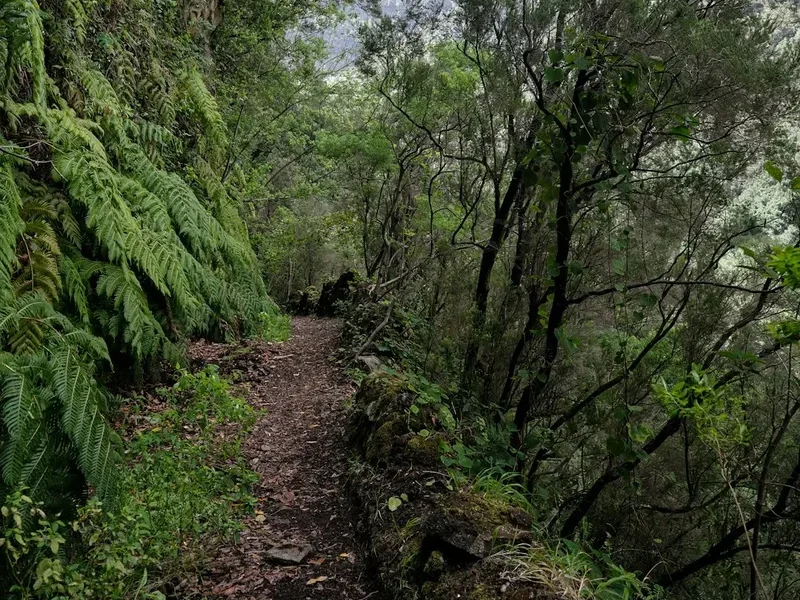
6-Day Sarria to Santiago Itinerary
Day 1: Sarria to Portomarín
- Distance: 22.5 km
- Elevation gain: 450 m
- Time: 5–6 hours
- Start in the upper town of Sarria, passing the Monastery of La Magdalena
- Cross the 100 km marker—a major milestone for all pilgrims
- Walk through beautiful oak woodlands and small hamlets like Ferreiros
- Descend into the Miño River valley to Portomarín
- The original town of Portomarín was flooded by a dam; the historic church was moved stone-by-stone to the new hilltop location
- Key waypoint: The medieval bridge over the Belesar Reservoir
Day 2: Portomarín to Palas de Rei
- Distance: 25.0 km
- Elevation gain: 480 m
- Time: 6–7 hours
- A steady climb out of the valley onto the Sierra de Ligonde
- Pass the Cruceiro de Lameiros, one of the most famous stone crosses on the Camino
- Walk through the villages of Gonzar and Ventas de Narón
- The terrain is a mix of paved country roads and ancient stone paths
- Arrive in Palas de Rei, a town with Roman origins and plenty of services
Day 3: Palas de Rei to Melide
- Distance: 15.0 km
- Elevation gain: 200 m
- Time: 3–4 hours
- A shorter day allowing for a long lunch in Melide, the "Pulpo Capital" of the Camino
- Cross the medieval bridge at Furelos, one of the most beautiful on the route
- Enter Melide, where the Camino Francés joins the Camino Primitivo
- Essential stop: A traditional pulpería for "Pulpo a la Gallega" (octopus with paprika)
Day 4: Melide to Arzúa
- Distance: 14.0 km
- Elevation gain: 250 m
- Time: 3–4 hours
- Walk through dense eucalyptus and pine forests
- Cross several small streams and stone bridges
- The path is undulating but generally easy underfoot
- Arrive in Arzúa, famous for its local creamy cow's milk cheese (Queixo Arzúa-Ulloa)
- Arzúa is where the Camino del Norte (Northern Way) merges with the French Way
Day 5: Arzúa to O Pedrouzo
- Distance: 19.5 km
- Elevation gain: 300 m
- Time: 4–5 hours
- A peaceful day through rural landscapes and small farming communities
- Pass the chapel of Santa Irene with its unique fountain
- The scent of eucalyptus is pervasive throughout this section
- O Pedrouzo is the final major stop before Santiago, located in the municipality of O Pino
- The town is geared entirely towards pilgrims, with numerous albergues and restaurants
Day 6: O Pedrouzo to Santiago de Compostela
- Distance: 20.0 km
- Elevation gain: 350 m
- Time: 5–6 hours
- Early start recommended to arrive in Santiago for the Pilgrim's Mass at noon
- Pass around the perimeter of the Santiago airport (Lavacolla)
- Climb to Monte do Gozo (Hill of Joy), where pilgrims catch their first glimpse of the Cathedral spires
- Descend into the city streets of Santiago, following the arrows to the historic centre
- Finish at Praza do Obradoiro in front of the Cathedral
- Visit the Pilgrim's Office to claim your Compostela certificate
Important Notes:
- The 100 km requirement: You must get your Credencial stamped twice per day in this section to prove you walked the full distance
- The terrain is mostly gravel paths, forest tracks, and quiet tarmac roads
- Water fountains (fuentes) are frequent, but always carry at least 1 litre
- The "Pilgrim's Menu" (Menu del Peregrino) is available in most towns for approx. €12–€15
Planning and Bookings
Book Your Trip
Everything you need to plan your journey
Accommodation
Find places to stay near Santiago de Compostela
Flights
Search flights to Santiago de Compostela
Essential Preparation
While the Camino is not a technical mountain trek, walking 20+ kilometres a day for a week requires a baseline level of fitness. It is highly recommended to train by walking in the boots and with the pack you intend to use. Start with 5 km walks and gradually increase to 15–20 km on consecutive days. Focus on hill work, as the Galician terrain is constantly undulating.
Sarria is the logistical hub for this section. It is well-connected to Madrid and Santiago by train and bus. Most pilgrims arrive in Santiago (SCQ airport) and take a bus or private transfer to Sarria to begin. There is no need to book the trail itself, but during peak season (June–September), booking accommodation in advance is highly recommended to avoid the "stress of the bed race."
Trail Accommodation
The Camino offers a unique hierarchy of accommodation designed specifically for pilgrims. To stay in pilgrim-specific housing, you must carry a "Credencial" (Pilgrim Passport).
Albergues Públicos (Public Hostels): Run by the Xunta de Galicia or local parishes. They are the most affordable (€8–€10) but cannot be booked in advance. They operate on a first-come, first-served basis, with priority given to those walking (over cyclists). Facilities are basic: large dormitories, shared bathrooms, and sometimes a communal kitchen. You must vacate by 8:00 AM.
Albergues Privados (Private Hostels): These cost €12–€20 and can be booked in advance via apps or websites. They often offer better facilities, such as smaller dorms, laundry machines, and sometimes breakfast. They are a great middle-ground for those wanting the social experience with more certainty.
Pensions and Hotels: For those seeking privacy and comfort, every town has private rooms. Prices range from €40 to €80 for a double room. These are popular in the final 100 km and should be booked weeks in advance during summer.
What is NOT provided: Most albergues provide a bottom sheet and pillowcase (often disposable), but you must bring your own sleeping bag or lightweight liner. Towels and toiletries are rarely provided in albergues.
Required Gear
- Footwear: Lightweight hiking boots or high-quality trail runners. Ensure they are well broken-in. Blisters are the most common reason for failure on the Camino.
- Backpack: A 30–40 litre pack is sufficient. It should have a good hip belt to transfer weight. Aim for a total weight (including water) of no more than 10% of your body weight.
- Rain Gear: A high-quality poncho is often preferred over a jacket as it covers both the walker and the pack, and provides better ventilation in the humid Galician climate.
- Socks: Merino wool or synthetic "liner and outer" combinations to reduce friction. Bring at least three pairs.
- Clothing: Moisture-wicking layers. Avoid cotton. Two sets of walking clothes and one set of "clean" clothes for the evening are standard.
- Sleeping Bag Liner: A silk or cotton liner is usually enough for summer; a lightweight 1-season bag is better for spring/autumn.
What to Bring
- The Credencial: Your pilgrim passport, essential for staying in albergues and getting your Compostela.
- First Aid Kit: Focus on blister care (Compeed, needle and thread, antiseptic wipes), ibuprofen, and sunblock.
- Earplugs and Eye Mask: Essential for sleeping in crowded dormitories.
- Reusable Water Bottle: 1–2 litre capacity. Tap water in Galicia is safe and delicious.
- Toiletries: Travel-sized soap, shampoo, and a quick-dry microfibre towel.
- Power Bank: Outlets in albergues can be scarce and poorly located.
- Scallop Shell: The traditional symbol of the pilgrim, usually tied to the back of the pack.
- Flip-flops: For the shower and to let your feet breathe in the evenings.
Permits
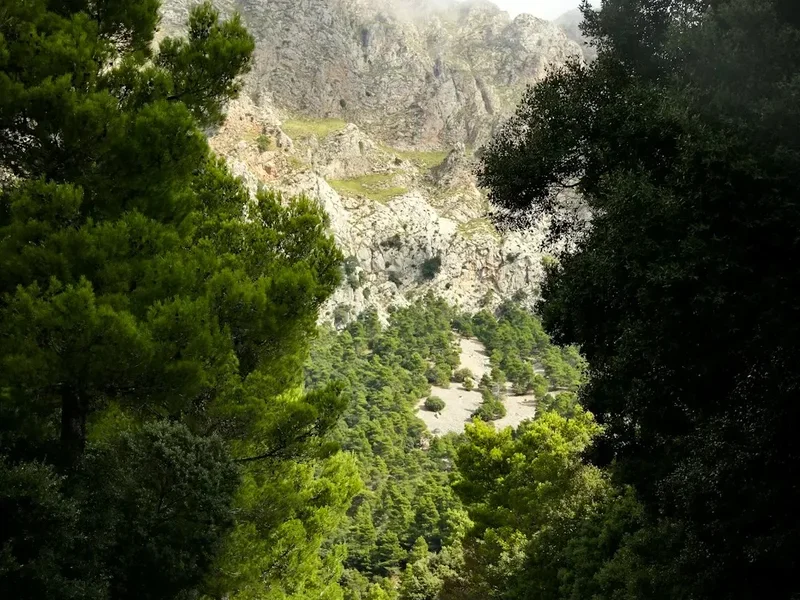
Technically, no "permit" is required to walk the paths of the Camino de Santiago, as they are public rights of way. However, to access the pilgrim infrastructure and receive official recognition, you must obtain the Credencial del Peregrino (Pilgrim Passport).
The Credencial:
- Can be purchased for €2–€5 at the Cathedral in Santiago, at the start in Sarria (Monastery of La Magdalena), or through various Confraternities of St. James worldwide before you leave.
- It serves as your "ID card" for albergues.
- In the final 100 km, you must collect at least two stamps (sellos) per day from churches, cafes, albergues, or shops to prove your progress.
The Compostela:
- This is the official certificate of completion. To receive it, you must present your stamped Credencial at the Pilgrim's Office in Santiago.
- You must state that your pilgrimage was made for "religious or spiritual reasons" (or "at least a searching attitude"). If you walk for purely leisure reasons, you receive a different certificate called the *Certificado de Distancia*.
- There is no fee for the Compostela, though a small donation is encouraged.
The Welcome Service: During peak months, the Pilgrim's Office uses a QR code system. Upon arriving in Santiago, you scan a code to get a digital ticket with a number, allowing you to explore the city rather than standing in a physical queue for hours.
Other Activities in the Area
The end of the walk is just the beginning of the Galician experience. Consider these activities in and around Santiago:
- The Rooftop Tour of the Cathedral: Offers a stunning perspective of the city's granite rooftops and the surrounding Galician hills. It provides a close-up view of the Romanesque and Baroque architectural details.
- Botafumeiro Ceremony: Witness the world's largest incense burner swinging through the transept of the Cathedral. It traditionally takes place during Friday evening mass (check current schedules as it varies).
- Day Trip to Finisterre and Muxía: Historically considered the "End of the World," many pilgrims continue walking or take a bus to the coast to see the sun set over the Atlantic.
- Mercado de Abastos: Santiago's vibrant food market. It is the second most visited site in the city after the Cathedral. Try the local cheeses, fresh seafood, and the famous Padrón peppers.
- Tapas Crawl on Rúa do Franco: The historic street leading to the Cathedral is lined with traditional bars. Order a drink and enjoy the free tapas, or sit down for a full meal of *Arroz con Bogavante* (lobster rice).
- Monastery of San Martiño Pinario: Located just behind the Cathedral, this massive monastery offers a fascinating museum and a stunning Plateresque facade.
Safety and Conditions
Navigation: The Camino Francés is exceptionally well-marked with yellow arrows and stone milestones. It is almost impossible to get lost during daylight hours. However, in the early morning Galician mists, keep a sharp eye out for the arrows at junctions. Using a GPS app like "Buen Camino" or "Wise Pilgrim" is helpful but rarely strictly necessary.
Road Safety: While much of the trail is on forest paths, there are sections where you must walk along or cross busy roads (particularly the N-547). Always walk facing oncoming traffic and be extremely cautious at crossings. Wear reflective gear if walking in the twilight or rain.
Physical Health: Blisters are the primary "injury" on the Camino. Treat "hot spots" immediately with tape or Compeed before they become blisters. Dehydration can occur even in the cool Galician climate; drink regularly from the many public fountains. Tendonitis (Shin Splints) is common due to the repetitive nature of walking on hard surfaces; don't be afraid to take a rest day or shorten your stages.
Personal Safety: The Camino is generally very safe, even for solo female walkers. However, petty theft can occur in crowded albergues. Always keep your "Pilgrim Trio" (Passport, Credencial, and Cash/Phone) in a small neck pouch or waist bag that stays with you at all times, including in the shower and while sleeping.
Emergency Services: The general emergency number in Spain is 112. Most hospitaleros (hostel wardens) are trained to assist with common pilgrim ailments and can call for medical help if needed.
Side Trips and Points of Interest
The 100 km Milestone: Located near the village of Ferreiros, this is the most photographed stone on the entire Camino. It marks the point where you have exactly 100 kilometres left to reach the Cathedral. For many, it is a moment of both celebration and reflection on the journey ahead.
The Church of San Juan (Portomarín): This fortress-like church was built by the Knights Hospitaller of St. John of Jerusalem. When the Belesar Reservoir was created in the 1960s, the church was moved stone-by-stone to the new town. You can still see the numbers carved into the stones used by the masons to reassemble it.
The Medieval Bridge of Furelos: Just before entering Melide, you cross this stunning four-arched bridge dating back to the 12th century. It is considered one of the finest examples of civil architecture on the Camino and provides a perfect backdrop for photos.
Monte do Gozo (Hill of Joy): Located 5 km before Santiago, this is the spot where medieval pilgrims would fall to their knees upon seeing the Cathedral for the first time. There is a large monument and a modern albergue complex here. Even if you aren't staying, it's a traditional place to pause and prepare yourself mentally for the arrival into the city.
The Hórreos of Galicia: Throughout this section, you will see hundreds of these granite and wood structures. They are traditional granaries, raised on stone pillars (pilpayos) to keep rodents and dampness away from the corn and grain. They are a symbol of Galician rural wealth and heritage.
Leave No Trace
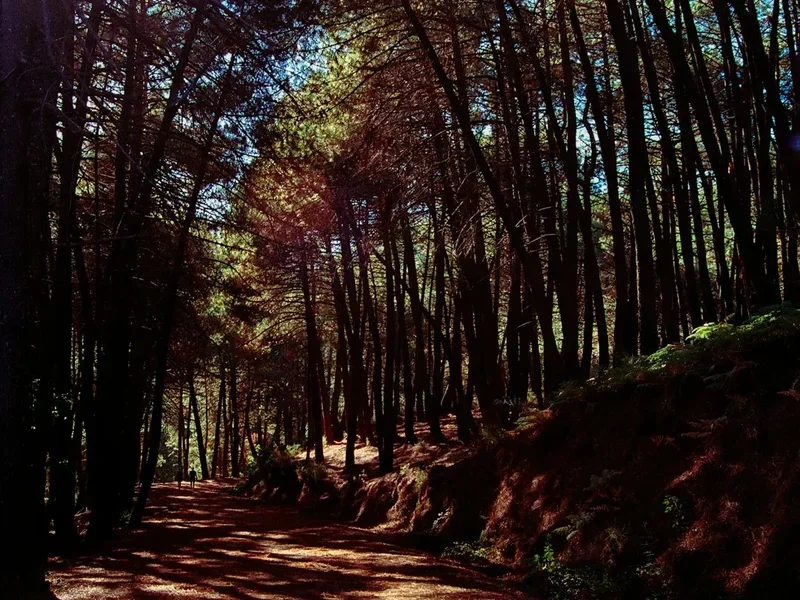
The Camino is a living cultural landscape, not a wilderness area, but the principles of Leave No Trace are more important than ever due to the sheer volume of walkers. Respecting the local communities who live along the "Way" is a core part of the pilgrim's duty.
Your responsibility as a pilgrim:
- Dispose of Waste Properly: Use the bins provided in towns. Never leave "white flowers" (toilet paper) behind bushes; if you must go between towns, pack out your paper in a sealed bag.
- Respect Private Property: The trail often passes through private farmland. Stay on the path, close gates behind you, and never pick fruit or crops from the fields.
- Leave What You Find: While it is a tradition to leave small stones at certain landmarks, avoid leaving non-biodegradable items, photos, or plastic trinkets along the trail.
- Minimise Noise: Many villages along the Camino are home to elderly residents. Avoid loud conversations or playing music through speakers, especially in the early morning hours.
- Be Water Wise: In albergues, keep showers short. Water is a precious resource in Spain, even in rainy Galicia.
- Support Local: Buy your supplies from small village shops rather than large supermarkets to ensure the economic benefits of the Camino reach the local communities.
 Spain
Spain