
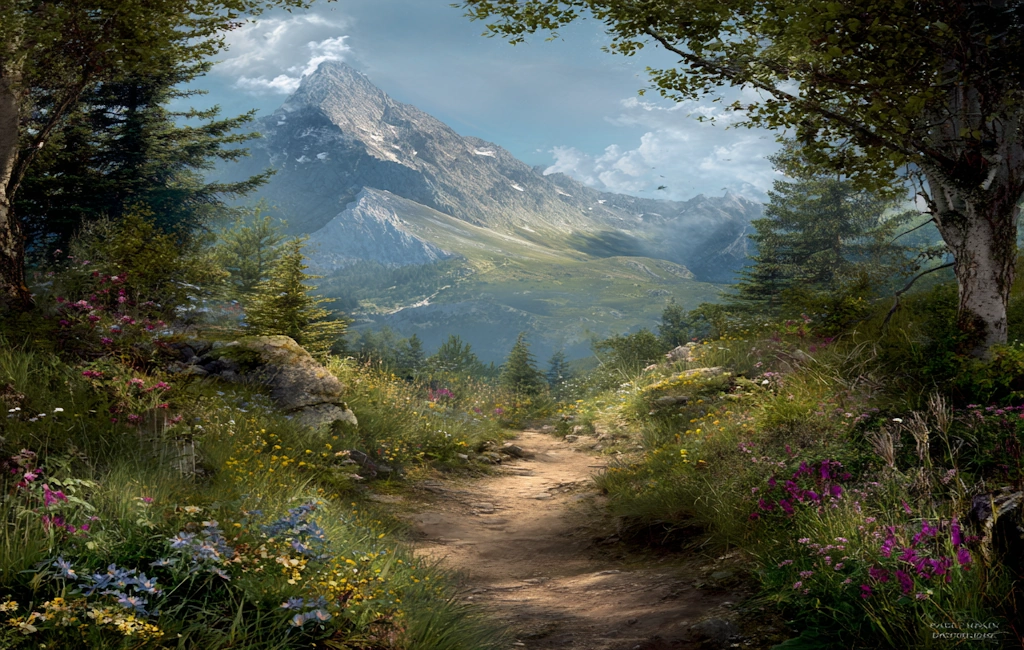
Calanques National Park Coastal Trail
The Calanques National Park, nestled between Marseille and Cassis on the Mediterranean coast of France, offers a dramatic and breathtaking hiking experience. This coastal trail winds through a landscape of sheer limestone cliffs, turquoise waters, and hidden coves, providing a stunning contrast to the urban sprawl of Marseille. The park is renowned for its unique geological formations, known as calanques – deep, narrow inlets with steep, rocky sides, often filled with crystal-clear, vibrant blue water. This trail is not a single, defined path but rather a network of interconnected routes that allow for various explorations, from short, accessible walks to more challenging multi-day adventures. The combination of rugged terrain, Mediterranean flora, and spectacular sea views makes the Calanques Coastal Trail a must-visit for nature lovers and hikers seeking a Mediterranean escape.
- Distance: Approximately 20.0 km (variable depending on route chosen)
- Duration: 1-2 days
- Season: Spring (April-June) or Autumn (September-October)
- Difficulty: Moderate
- Highest point: Varies, but generally around 200-300 m above sea level
- Access: Trailheads accessible from Marseille (Luminy) and Cassis
- Terrain: Rocky, uneven paths, some steep ascents and descents, well-marked in parts but can be confusing
Overview
The Calanques National Park is a protected natural area that stretches for approximately 20 kilometres along the coast. The park's defining features are its calanques, which are geological marvels carved by millennia of erosion. These inlets are often accessible only by foot or by boat, preserving their pristine beauty. The coastal trail network offers a variety of experiences, from leisurely strolls to more demanding hikes that require good physical condition and navigation skills. The landscape is characterised by garrigue vegetation – hardy shrubs and aromatic herbs like rosemary, thyme, and lavender – which thrive in the dry, rocky environment. The scent of these plants, combined with the salty sea air, creates a unique sensory experience.
The trail offers spectacular panoramic views of the Mediterranean Sea, with its ever-changing shades of blue and green. Hikers can discover secluded beaches, dramatic cliffs, and diverse marine life in the clear waters. The park is also home to a variety of bird species and other wildlife. The accessibility from major cities like Marseille makes it a popular destination, yet the vastness of the park and the challenging terrain ensure that moments of solitude and connection with nature are readily found. The best times to visit are spring and autumn, when the weather is pleasant, the crowds are smaller, and the natural beauty is at its peak. Summer can be very hot, making hiking challenging, and access may be restricted due to fire risk.
The trail system is not a single, linear path but a web of interconnected routes. This allows for flexibility in planning your hike, whether you aim for a challenging day hike or a more relaxed exploration over two days. Key calanques to explore include Calanque de Sormiou, Calanque de Morgiou, Calanque d'En-Vau, and Calanque de Port-Pin. Each offers its own unique charm and challenges, from sandy beaches to dramatic cliff faces. The park's commitment to conservation means that visitors are expected to adhere to strict environmental guidelines, ensuring the preservation of this exceptional natural heritage.
History and Cultural Context
The Calanques region has a rich history, dating back to prehistoric times. Archaeological evidence suggests that early humans inhabited the caves and shelters within the calanques, drawn by the access to fresh water and the sea. The area was also strategically important throughout history, with fortifications and watchtowers built along the coast to defend against invaders. The limestone cliffs themselves have been a source of livelihood for centuries, with quarrying providing stone for the construction of Marseille and other coastal settlements.
In more recent history, the calanques were a haven for fishermen and smugglers. The secluded coves provided ideal locations for clandestine activities, and the rugged terrain made them difficult to police. The traditional lifestyle of the local communities, closely tied to the sea and the land, has left a lasting cultural imprint on the region. The establishment of the Calanques National Park in 2012 was a significant milestone, recognising the immense ecological and cultural value of this unique landscape and ensuring its protection for future generations.
The park's designation as a national park has brought increased attention to its natural beauty and recreational opportunities, while also highlighting the need for sustainable tourism. Efforts are underway to balance visitor access with the preservation of the fragile ecosystems and the cultural heritage of the area. The park's history is deeply intertwined with the sea, the limestone geology, and the resilient communities that have lived and worked here for centuries, making it a place of both natural wonder and profound human connection.
Seasonal Highlights and Weather Reality
The Calanques National Park experiences a Mediterranean climate, with hot, dry summers and mild, wet winters. The best times for hiking are during the shoulder seasons: spring and autumn.
Spring (April-June): This is an ideal time to visit. The weather is generally warm and pleasant, with average temperatures ranging from 15°C to 25°C. The landscape is vibrant with wildflowers, and the sea is starting to warm up, making it inviting for a dip. The days are long, providing ample time for exploration. However, spring can also bring occasional rain showers, so it's wise to be prepared.
Summer (July-August): Summers in the Calanques are typically very hot and dry, with temperatures often exceeding 30°C. Hiking during midday can be extremely uncomfortable and even dangerous due to the risk of heatstroke and dehydration. Access to certain areas may be restricted due to high fire risk. If visiting in summer, it is essential to hike very early in the morning or late in the evening, carry plenty of water, and wear protective clothing. The sea is at its warmest, making it perfect for swimming and water activities.
Autumn (September-October): Autumn offers a continuation of pleasant weather, with temperatures gradually cooling down but remaining mild. The sea is still warm enough for swimming, and the crowds begin to thin out. The landscape takes on a different beauty, with the changing light casting a golden hue over the cliffs. This is another excellent period for hiking, offering a good balance of comfortable temperatures and fewer visitors.
Winter (November-March): Winters are mild and wet, with average temperatures around 10°C. While not ideal for swimming, winter can be a beautiful time for hiking, with dramatic skies and a sense of solitude. The trails are less crowded, and the air is fresh. However, heavy rainfall can make some paths slippery and potentially hazardous, and access to certain areas might be affected by weather conditions.
Weather Reality: Regardless of the season, always check the weather forecast before heading out. The Mediterranean can experience sudden changes, and strong winds (mistral) can occur, especially in winter and spring, which can make coastal hiking challenging. Fire risk is a significant concern during dry periods, and park authorities may implement access restrictions, particularly in summer.
Recommended Itinerary
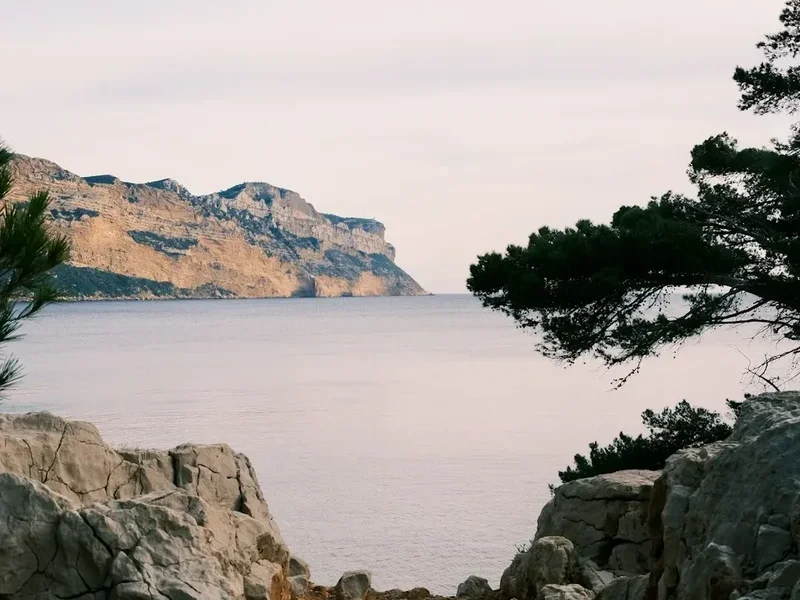
Calanques National Park Coastal Trail - 2-Day Itinerary
Day 1: Luminy to Calanque d'En-Vau (via Sormiou and Morgiou)
- Distance: Approximately 12-15 km
- Elevation gain: Variable, estimated 500-700 m
- Time: 6-8 hours
- Start at Luminy (University campus), the most common access point from Marseille.
- Follow signs towards GR98, heading towards Calanque de Sormiou.
- Descend to Calanque de Sormiou, a large, picturesque calanque with a small restaurant (seasonal opening).
- Continue along the coastal path towards Calanque de Morgiou. This section can be more rugged.
- Explore Calanque de Morgiou, another beautiful inlet with a small harbour and restaurant.
- From Morgiou, the path becomes more challenging as you ascend towards the plateau and then descend towards Calanque d'En-Vau.
- Calanque d'En-Vau is considered one of the most stunning, with towering cliffs and a narrow, deep inlet.
- Overnight: Camping is not permitted within the park. Options include returning to Luminy for accommodation or finding lodging in Cassis if you plan to finish there. For a true overnight experience within the park, consider booking a stay at a gîte or private rental in the vicinity of the park, or arrange transport to Cassis.
Day 2: Calanque d'En-Vau to Cassis (via Port-Pin and Port-Miou)
- Distance: Approximately 5-8 km
- Elevation gain: Variable, estimated 200-300 m
- Time: 3-4 hours
- Begin from Calanque d'En-Vau.
- Hike towards Calanque de Port-Pin, a smaller, more intimate calanque with a lovely beach.
- Continue to Calanque de Port-Miou, the westernmost calanque, which is more of a harbour with a quarry.
- From Port-Miou, it's a short walk to the charming fishing town of Cassis.
- Explore Cassis, enjoy lunch, and take a boat tour to see the calanques from the sea.
- Return transport from Cassis to Marseille via bus or train.
Alternative Day Hike (Moderate):
- Start at Luminy.
- Hike to Calanque de Sormiou and back (approx. 10 km round trip, 3-4 hours).
- Or, hike from Luminy to Calanque de Sugiton (a smaller, less accessible calanque, but with stunning views) and back (approx. 8 km round trip, 3 hours).
Important Notes:
- The trail network is extensive; maps and a compass or GPS device are highly recommended.
- Water sources are scarce; carry ample water, especially during warmer months.
- Wear sturdy hiking boots with good ankle support.
- Be aware of potential access restrictions due to fire risk, especially in summer.
- Swimming is permitted in the calanques, but be cautious of currents and rocky seabeds.
Planning and Bookings
Book Your Trip
Everything you need to plan your journey
Accommodation
Find places to stay near Marseille
Flights
Search flights to Marseille
Essential Preparation
The Calanques National Park is a popular destination, and while no specific permits are required for general hiking, it's crucial to plan your visit, especially during peak seasons. The nearest major city is Marseille, which serves as the primary gateway for accessing the park. Marseille Provence Airport (MRS) is well-connected internationally. From Marseille, you can reach the park's main access points via public transport or car.
Public Transport: Bus line #21 from Marseille city centre (e.g., Castellane) goes to Luminy, the main starting point for hikes towards the western calanques. From Cassis, local buses can take you to trailheads for the eastern calanques. Check local bus schedules as they can vary seasonally.
Driving: If driving, follow the A50 motorway towards Toulon and take the exit for Luminy or Cassis. Parking is available at Luminy, but it can fill up quickly, especially on weekends and during holidays. Parking in Cassis is also limited and can be expensive. Consider arriving early or using public transport.
Logistics: The park is vast, and routes can be confusing. It's advisable to have a good map of the park, a GPS device, or a reliable navigation app on your phone. Download offline maps as mobile signal can be unreliable within the calanques. Plan your water and food supplies carefully, as amenities are scarce within the park itself.
Base Towns: Marseille offers a wide range of accommodation options, from budget hostels to luxury hotels. Cassis is a charming fishing town with a more relaxed atmosphere and boutique hotels, ideal for those wanting to be closer to the eastern calanques. Both towns provide excellent dining and shopping opportunities.
Trail Accommodation
This is a day hike requiring no overnight accommodation within the national park itself. Camping is strictly prohibited within the Calanques National Park. Hikers typically base themselves in nearby towns such as Marseille or Cassis and undertake day trips into the park. These towns offer a comprehensive range of accommodation options:
- Marseille: Offers a wide variety of hotels, hostels, and apartments catering to all budgets. It's a good base for accessing the western calanques (Sormiou, Morgiou, Sugiton).
- Cassis: A picturesque fishing port with charming hotels and guesthouses, ideal for exploring the eastern calanques (Port-Pin, Port-Miou, En-Vau).
For those seeking a more immersive experience, there are a limited number of private gîtes or rental properties in the villages surrounding the park, but these require advance booking and are often more expensive. It is essential to book accommodation in Marseille or Cassis well in advance, especially during the peak tourist season (summer) and popular hiking periods (spring and autumn).
Required Gear
- Sturdy Hiking Boots: Essential for navigating the rocky, uneven terrain. Look for boots with good ankle support and a grippy sole.
- Waterproof Jacket: While summers are dry, spring and autumn can bring rain. A lightweight, breathable waterproof jacket is advisable.
- Sun Protection: A wide-brimmed hat, sunglasses, and high SPF sunscreen are crucial due to the intense Mediterranean sun, especially on exposed coastal paths.
- Navigation Tools: A detailed map of the Calanques National Park, a compass, and/or a GPS device or smartphone with offline maps. Mobile signal can be intermittent.
- First Aid Kit: Including blister treatment, antiseptic wipes, bandages, pain relievers, and any personal medications.
- Head Torch: Useful if you plan to start very early or finish late, or for exploring any caves (though cave exploration is not part of the standard coastal trail).
- Trekking Poles: Recommended for stability on steep ascents and descents, and to reduce strain on knees.
What to Bring
- Water: This is the most critical item. Carry at least 2-3 litres of water per person, per day, especially during warmer months. There are very few reliable water sources within the park.
- Food: Pack plenty of high-energy snacks and a packed lunch. Options for purchasing food within the park are extremely limited and often seasonal (e.g., small restaurants in Sormiou and Morgiou).
- Toiletries: Biodegradable soap, toothbrush, toothpaste, hand sanitiser, and toilet paper. There are no toilet facilities on most of the trails.
- Swimsuit and Towel: The clear waters of the calanques are perfect for swimming, so don't forget your swimwear.
- Camera: To capture the stunning scenery.
- Insect Repellent: While not as prevalent as in some other regions, mosquitoes can be present, especially near water sources or in the evenings.
- Small Backpack: To comfortably carry all your essentials.
Permits
For general hiking and day visits, no specific permits are required to enter the Calanques National Park. The park is freely accessible to the public for recreational activities. However, it is crucial to be aware of and adhere to park regulations, which are in place to protect the environment and ensure visitor safety.
Access Restrictions: During periods of high fire risk, particularly in the summer months (typically June to September), access to the park may be restricted or completely prohibited. These restrictions are put in place by the local authorities (Préfecture des Bouches-du-Rhône) to prevent wildfires, which can be devastating in this dry, Mediterranean environment. Information regarding access restrictions is usually posted at park entrances and on the official website of the Calanques National Park and local government sites. It is essential to check these before your visit.
Fires: Open fires are strictly forbidden within the park at all times. This includes barbecues and campfires. The dry vegetation makes the area highly susceptible to ignition.
Camping: Wild camping is not permitted within the Calanques National Park. If you wish to stay overnight in the vicinity, you must book accommodation in Marseille, Cassis, or surrounding villages.
Commercial Activities: Organised commercial activities, such as guided tours or boat trips, may require specific authorisations from the park authorities. If you are booking a guided hike, ensure your guide is officially recognised and compliant with park regulations.
Respecting the Environment: While not a permit, respecting the park's natural and cultural heritage is paramount. This includes staying on marked trails, not disturbing wildlife, not removing any natural elements (plants, rocks), and taking all litter with you. The park is a protected area, and its preservation depends on the responsible behaviour of its visitors.
Other Activities in the Area
Beyond hiking, the Calanques National Park and its surrounding areas offer a wealth of activities:
- Boat Tours: Explore the calanques from the sea with various boat tours departing from Marseille or Cassis. These offer a different perspective of the dramatic cliffs and turquoise waters, often including stops for swimming.
- Kayaking and Paddleboarding: Rent a kayak or paddleboard from Cassis or other coastal points to explore the calanques at your own pace. This allows access to smaller coves and a more intimate experience with the marine environment.
- Swimming and Snorkelling: The clear, calm waters of many calanques are ideal for swimming and snorkelling. Discover the underwater world of the Mediterranean.
- Rock Climbing: The limestone cliffs of the Calanques are a world-renowned destination for rock climbing, attracting climbers from around the globe. There are routes for all levels, from beginner to expert.
- Canyoning: For the adventurous, guided canyoning trips are available in some of the more remote inland areas of the park, involving rappelling down waterfalls and navigating through gorges.
- Visiting Marseille: Explore the vibrant port city of Marseille, with its historic Vieux Port, Notre-Dame de la Garde basilica, MuCEM museum, and bustling markets.
- Exploring Cassis: Wander through the charming streets of Cassis, enjoy fresh seafood at its harbour-side restaurants, and relax on its small beaches.
- Wine Tasting: The region around Cassis is known for its AOC Cassis white wines. Visit local vineyards for tastings.
Safety and Conditions
Weather: The Mediterranean climate can be unpredictable. Always check the weather forecast before heading out. Summers are very hot and dry, posing a risk of heatstroke and dehydration. Winters can be wet and windy. Strong winds, known as the Mistral, can occur, making coastal paths exposed and potentially hazardous.
Fire Risk: During dry periods, especially in summer, the risk of wildfires is extremely high. Access to the park may be restricted or prohibited. Be vigilant, do not smoke, and do not light any fires. Report any signs of fire immediately.
Terrain: The trails are rocky, uneven, and can be steep. Sturdy hiking boots with good ankle support are essential. Some sections may require scrambling. Be mindful of loose rocks and slippery surfaces, especially after rain.
Water: Water sources are scarce within the park. Carry more water than you think you will need, especially during warmer months. Dehydration is a serious risk.
Navigation: The trail network can be confusing, with many intersecting paths. It is highly recommended to use a detailed map, a compass, or a GPS device. Download offline maps as mobile phone signal can be unreliable.
Swimming: While the calanques offer beautiful swimming opportunities, be aware of potential currents, submerged rocks, and boat traffic. Swim in designated areas where possible and exercise caution.
Wildlife: While large wildlife is rare, be aware of snakes (though generally not aggressive) and insects. Sandflies can be present, especially near water. The park is also home to various bird species.
Emergency Contacts: In case of emergency, dial 112 (European emergency number). It is advisable to inform someone of your hiking plans, including your intended route and expected return time.
Physical Fitness: The trails can be demanding, with significant elevation changes. Ensure you have an adequate level of fitness for the chosen route. Consider shorter, less strenuous options if you are unsure of your capabilities.
Side Trips and Points of Interest
Calanque de Sormiou: One of the largest and most accessible calanques, known for its sandy beach and the presence of a small restaurant (seasonal). It's a popular spot for swimming and picnicking. The hike down is relatively gentle, making it suitable for families.
Calanque de Morgiou: Another significant calanque, featuring a small fishing port and a restaurant. It's a picturesque spot with clear waters, popular with local boaters and hikers. The path leading to Morgiou can be more rugged than the route to Sormiou.
Calanque d'En-Vau: Often cited as the most beautiful calanque, En-Vau is a dramatic inlet with towering limestone cliffs that plunge into the sea. It's a challenging hike to reach, involving steep ascents and descents, but the reward is a truly spectacular natural amphitheatre. It's a popular spot for climbers.
Calanque de Port-Pin: A smaller, more intimate calanque with a lovely pebble beach. It's easily accessible from Cassis and offers a more tranquil experience compared to the larger calanques. The water here is exceptionally clear.
Calanque de Port-Miou: The westernmost calanque, characterised by a quarry and a more industrial feel, but still offering beautiful sea views. It's the closest calanque to Cassis and serves as a gateway to the more remote inlets.
Cap Canaille: While not strictly within the calanques themselves, the cliffs of Cap Canaille, overlooking Cassis and the eastern calanques, offer some of the highest sea cliffs in France. Hiking to the summit provides breathtaking panoramic views of the coastline and the park. The Sentier des Douaniers (Customs Officers' Path) offers spectacular coastal vistas.
Îles du Frioul: Accessible by ferry from Marseille, these islands offer a different coastal landscape with rugged terrain, hidden coves, and historical fortifications. They provide a good alternative or addition to exploring the mainland calanques.
Leave No Trace
The Calanques National Park is a fragile ecosystem, and it is essential for all visitors to practice Leave No Trace principles to help preserve its natural beauty and ecological integrity for future generations. The park's designation as a national park underscores its importance and the need for responsible stewardship.
Plan Ahead and Prepare: Research the park, understand its regulations, and be aware of potential hazards such as fire risk and difficult terrain. Pack appropriately for the conditions, including sufficient water and food.
Travel and Camp on Durable Surfaces: Stick to marked trails to avoid damaging vegetation and causing erosion. The limestone terrain is particularly susceptible to damage. Avoid creating new paths or shortcuts.
Dispose of Waste Properly: Pack out everything you pack in. This includes all food scraps, wrappers, and any other litter. There are very few bins within the park, so be prepared to carry your rubbish back to Marseille or Cassis. Use designated toilet facilities where available, or if not, dig a cathole at least 60 metres away from water sources, trails, and campsites, and bury human waste.
Leave What You Find: Do not remove any natural objects, such as rocks, plants, or shells. These are part of the park's natural heritage. Similarly, do not disturb wildlife or their habitats.
Minimise Campfire Impacts: Campfires are strictly prohibited within the Calanques National Park. This is a critical rule due to the high fire risk in the Mediterranean climate.
Respect Wildlife: Observe wildlife from a distance and do not feed them. Feeding animals can disrupt their natural behaviours and diets, and can be harmful to their health.
Be Considerate of Other Visitors: Keep noise levels down, especially in quieter areas. Yield to other hikers on narrow trails. Respect the peaceful nature of the park.
By adhering to these principles, you contribute to the ongoing protection of this extraordinary natural treasure.
 France