
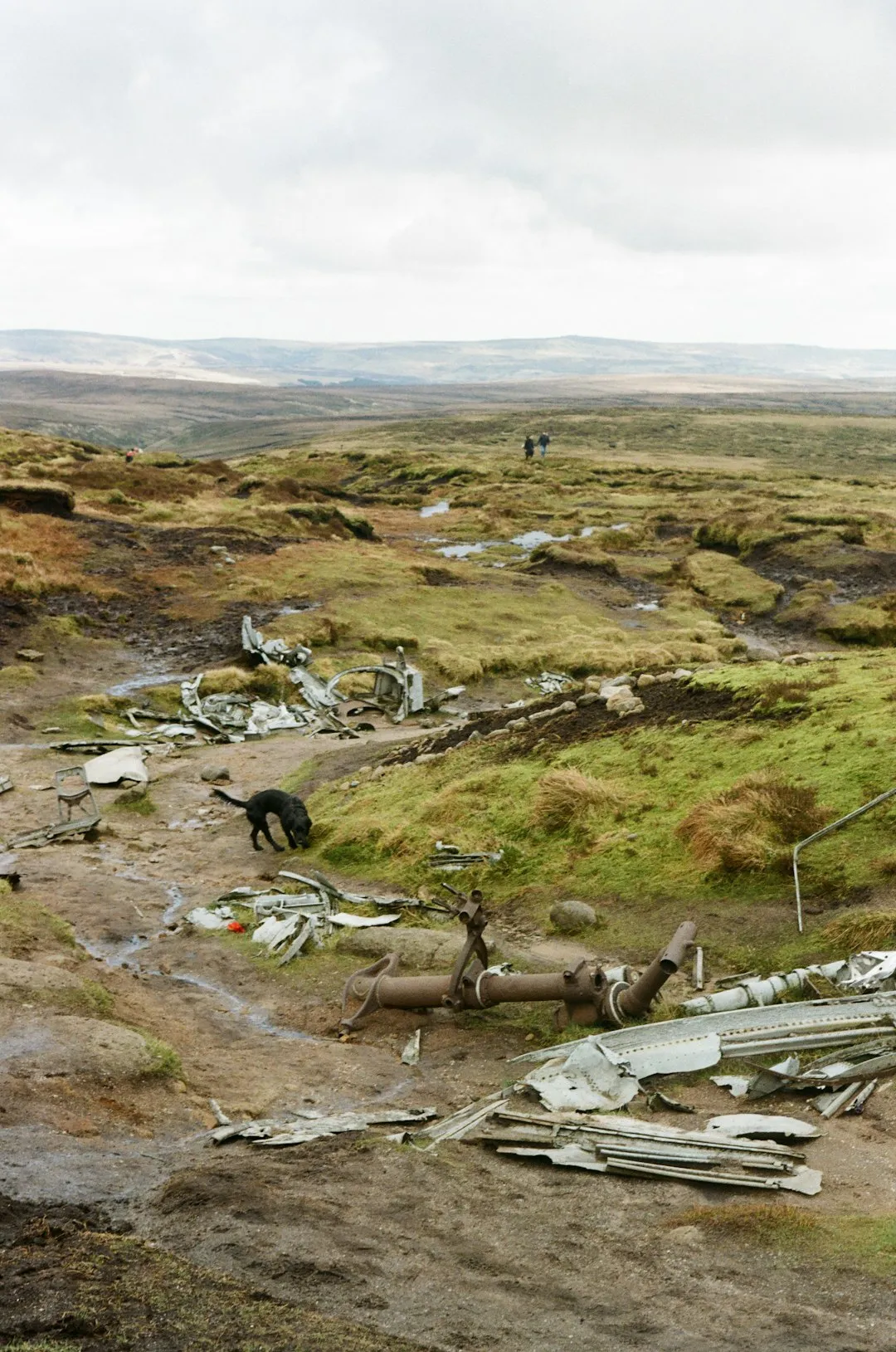
Cadair Idris via Minffordd Path
Cadair Idris, a majestic mountain in the southern reaches of Snowdonia National Park, Wales, offers a challenging yet immensely rewarding ascent. The Minffordd Path, one of the most popular routes to its summit, provides a dramatic and varied experience, traversing rugged terrain, passing by stunning mountain lakes, and culminating in breathtaking panoramic views from the 893-metre summit. This route is a true test of endurance and navigation, suitable for experienced hikers seeking a substantial mountain challenge.
- Distance: 10.0 km one-way
- Elevation Gain: 870 m
- Duration: 4-5 hours (one way)
- Difficulty: Challenging
- Best Time: April–October
- Closest City: Dolgellau
- Trailhead Access: Nearest airport: Manchester (MAN). Drive via A483 & A470 (approx. 2.5-3 hrs). Limited bus service to Dolgellau, then taxi. Road to Minffordd is narrow. Parking available (charge applies). Coordinates: 52.698889, -3.923611. No permits needed, but be aware of weather conditions.
Overview
The Minffordd Path to Cadair Idris is a classic Snowdonia hike, renowned for its steep ascents, rocky terrain, and the spectacular scenery it unveils. Starting from the small car park at Minffordd, the path immediately begins to climb, offering glimpses of the surrounding countryside and the imposing massif of Cadair Idris itself. The initial section winds through woodland before opening up to reveal the dramatic landscape of the Idris massif.
A significant feature of this route is the passage by Llyn Cau, a stunning, deep glacial lake nestled in a cirque beneath the mountain's imposing southern cliffs. The path skirts the western edge of Llyn Cau, providing magnificent reflections of the mountain in its still waters on a calm day. From Llyn Cau, the ascent becomes significantly steeper and more rugged. The path transforms into a series of rocky steps and scree, demanding careful footwork and a good level of fitness.
The final push to the summit involves navigating a steep, rocky ridge. The summit plateau itself is a collection of rocky outcrops, with the highest point marked by a distinctive trig pillar. On a clear day, the views from the summit are exceptional, encompassing much of Snowdonia, the Llŷn Peninsula, Cardigan Bay, and even Ireland on the clearest of days. The descent via the same path requires concentration, especially on the steep, rocky sections.
This is a mountain walk that requires respect for the elements and a solid understanding of mountain safety. The weather can change rapidly, and conditions can be significantly different at the summit compared to the start. The Minffordd Path is a challenging but incredibly rewarding route for those prepared for its demands.
History and Cultural Context
Cadair Idris, meaning "Chair of Idris" in Welsh, is steeped in legend and folklore. According to ancient Welsh mythology, the mountain was the seat of Idris, a giant poet and astronomer who used it as his vantage point to observe the stars. The name evokes a sense of ancient power and mystery, a feeling that permeates the landscape.
Historically, Cadair Idris and its surrounding hills have been a significant area for human activity. The fertile valleys around Dolgellau provided opportunities for agriculture, while the mineral wealth of the region, particularly slate and copper, led to mining operations in the 18th and 19th centuries. Evidence of this industrial past can still be found in the landscape, though the Minffordd Path itself largely avoids these more industrial scars, focusing on the natural beauty of the mountain.
The Minffordd Path, while not a historically ancient route in the same vein as some pilgrimage trails, has evolved over time as a popular hiking route. Its development as a recognised path reflects the growing popularity of mountaineering and hillwalking in Snowdonia during the 19th and 20th centuries. The path's construction and maintenance have been undertaken by various bodies, including the National Trust and Snowdonia National Park Authority, to ensure its accessibility and safety for walkers.
The mountain's prominence and its association with legend have made it a focal point for Welsh culture and identity. It is a place that inspires awe and respect, a natural monument that has witnessed centuries of human endeavour and remains a powerful symbol of the Welsh landscape.
Seasonal Highlights and Weather Reality
Cadair Idris, like all mountains, presents a different character throughout the year. Understanding these seasonal variations is crucial for planning a safe and enjoyable ascent.
Spring (April–May): This is a popular time to tackle Cadair Idris via the Minffordd Path. The days are lengthening, and the mountain begins to shed its winter snows. Wildflowers start to appear in the lower sections, adding colour to the landscape. However, spring weather can be highly unpredictable. You may encounter bright, sunny days perfect for summit views, or you could be faced with driving rain, strong winds, and lingering snow patches, especially at higher elevations. The path can be wet and boggy in places.
Summer (June–August): Summer offers the longest daylight hours and, statistically, the best chance of settled weather. The paths are generally clear of snow, and the views from the summit can be spectacular. This is peak season for walkers, so expect the Minffordd Path and the summit area to be busy, particularly on weekends and public holidays. Sandflies can be a nuisance in sheltered, damp areas, especially in the early morning and late evening.
Autumn (September–October): Autumn can be a magical time to climb Cadair Idris. The changing colours of the bracken and heather create a stunning tapestry across the mountainside. The air is often crisp and clear, offering excellent visibility. However, autumn also brings an increased risk of storms, with strong winds and heavy rainfall becoming more common. The days are shorter, so starting early is essential. Snow can begin to fall on the higher reaches from late October onwards.
Winter (November–March): Winter ascents of Cadair Idris via the Minffordd Path are for experienced mountaineers only. The path can be covered in ice and snow, requiring the use of crampons and an ice axe. Navigation becomes significantly more challenging due to poor visibility and the lack of clear path markers. The summit ridge can be extremely dangerous in winter conditions due to high winds and ice. Huts or shelters are not available on the route, so full winter camping gear would be necessary for any overnight winter expeditions.
Weather Reality: The most important factor for any mountain ascent is the weather. Cadair Idris is notorious for its rapidly changing conditions. Even on a seemingly clear morning in Dolgellau, the summit can be shrouded in thick cloud, buffeted by gale-force winds, and experiencing torrential rain or sleet. Always check the mountain forecast (e.g., MetOffice Mountain Forecast for Snowdonia) before you set off and be prepared to turn back if conditions deteriorate.
Recommended Itinerary
Cadair Idris via Minffordd Path - Day Hike Itinerary
Early Morning (Approx. 8:00 AM): Arrival and Preparation
- Arrive at the Minffordd car park (chargeable).
- Ensure you have all necessary gear, including waterproofs, warm layers, food, water, and navigation equipment.
- Check the latest mountain weather forecast for Cadair Idris.
- Briefly familiarise yourself with the route description and map.
Morning (Approx. 8:30 AM - 11:00 AM): Ascent through Woodland and to Llyn Cau
- Begin the hike from the car park, following the well-marked Minffordd Path.
- The initial section climbs through woodland, offering dappled light and a gentle introduction to the ascent.
- The path emerges from the trees, and the gradient begins to increase.
- Continue climbing towards the dramatic glacial lake, Llyn Cau.
- Circumnavigate the western edge of Llyn Cau, enjoying the stunning reflections and the imposing cliffs above.
- Distance covered: Approx. 3.5 km
- Elevation gain: Approx. 400 m
Midday (Approx. 11:00 AM - 1:00 PM): Steep Ascent to the Summit Ridge
- From Llyn Cau, the path becomes significantly steeper and more rugged.
- Navigate rocky steps, scree, and uneven terrain. This section requires careful footwork and concentration.
- The path ascends towards the summit ridge, with increasingly expansive views opening up.
- Take a break for lunch and refreshments, perhaps at a sheltered spot if the weather is poor.
- Distance covered: Approx. 2.5 km
- Elevation gain: Approx. 350 m
Afternoon (Approx. 1:00 PM - 2:00 PM): Summit and Views
- Reach the summit plateau of Cadair Idris (893 m).
- Locate the trig pillar marking the highest point.
- Spend time enjoying the panoramic views (weather permitting).
- Identify surrounding peaks and landmarks.
- Distance covered: Approx. 1.0 km
- Elevation gain: Approx. 120 m
Late Afternoon (Approx. 2:00 PM - 4:30 PM): Descent via Minffordd Path
- Begin the descent back down the Minffordd Path.
- Exercise caution on the steep, rocky sections, especially if the ground is wet or icy.
- Retrace your steps past Llyn Cau and through the woodland.
- Distance covered: Approx. 6.0 km
- Elevation loss: Approx. 870 m
Late Afternoon/Early Evening (Approx. 4:30 PM onwards): Return to Car Park
- Arrive back at the Minffordd car park.
- Ensure you have accounted for all your belongings and left no trace.
- Consider a celebratory drink or meal in nearby Dolgellau.
Important Notes:
- This is a challenging mountain hike. Ensure you are fit enough and have appropriate experience.
- Weather can change rapidly; always carry full waterproofs and warm layers.
- Carry sufficient food and water for the entire duration of the hike.
- Navigation skills are essential, especially in poor visibility.
- The path can be slippery and treacherous, particularly after rain or frost.
- Start early to allow ample time for the ascent and descent, and to avoid being caught out after dark.
Planning and Bookings
Book Your Trip
Everything you need to plan your journey
Accommodation
Find places to stay near Dolgellau
Flights
Search flights to Dolgellau
Essential Preparation
Cadair Idris is a significant mountain, and preparation is key to a safe and enjoyable experience. The Minffordd Path is a popular route, but it is a serious mountain hike, not a casual stroll. Ensure you have a good level of physical fitness, as the ascent is steep and sustained, with significant elevation gain over a relatively short distance. Familiarise yourself with the route using a detailed map and compass, or a reliable GPS device with offline maps. Understand the potential weather conditions for the area and be prepared for rapid changes. The nearest major town is Dolgellau, which offers a range of accommodation, shops, and amenities. It's advisable to base yourself here or in a nearby village. Parking is available at the Minffordd car park, but it can fill up quickly, especially during peak season and on weekends. Arrive early to secure a space. There are no booking requirements for hiking Cadair Idris itself, but if you plan to stay in local accommodation, booking in advance is highly recommended, particularly during the summer months and bank holidays.
Trail Accommodation
This is a day hike requiring no overnight accommodation.
Required Gear
- Sturdy hiking boots: Waterproof, with good ankle support and a well-worn sole for grip on rocky terrain.
- Waterproof jacket and trousers: Essential for protection against rain and wind. Ensure they are breathable.
- Warm layers: Including a fleece or insulated jacket, and a base layer made of merino wool or synthetic material. Avoid cotton.
- Hat and gloves: Even in summer, the summit can be cold and windy.
- Backpack: A comfortable day pack (20-30 litres) to carry essentials.
- Navigation equipment: Map of the area (OS Explorer OL18 or similar), compass, and knowledge of how to use them. A GPS device or smartphone with offline maps is a useful backup.
- Head torch: With spare batteries, in case of unexpected delays or if starting/finishing in low light.
- First aid kit: Including blister plasters, bandages, antiseptic wipes, pain relievers, and any personal medication.
- Sun protection: Sunscreen, sunglasses, and a sun hat, even on cloudy days, as UV radiation is stronger at altitude.
What to Bring
- Food: High-energy snacks such as energy bars, nuts, dried fruit, and sandwiches for lunch.
- Water: At least 1.5-2 litres of water per person. Water sources on the mountain can be unreliable or contaminated, so carrying all your water is recommended.
- Mobile phone: Fully charged, for emergencies. Note that signal coverage can be intermittent on the mountain.
- Whistle: For signalling in an emergency.
- Emergency shelter: A lightweight emergency bivvy bag or foil blanket.
- Trekking poles: Optional, but can be very helpful for stability on steep ascents and descents, and for reducing strain on knees.
- Small trowel and toilet paper: If you need to go to the toilet away from facilities, ensure you bury human waste at least 10 cm deep and at least 50 m away from water sources, paths, and campsites. Pack out all toilet paper.
Permits
No specific permits are required to hike Cadair Idris via the Minffordd Path. The mountain is part of Snowdonia National Park, and access is generally open to the public. However, it is essential to be aware of the park's regulations and guidelines, which aim to protect the natural environment and ensure visitor safety. These include adhering to Leave No Trace principles, respecting wildlife, and being mindful of the impact of your visit.
While no permits are needed for the hike itself, if you are planning any organised group activities or commercial ventures on the mountain, you may need to contact the Snowdonia National Park Authority for specific permissions or guidance.
The primary consideration for planning your hike is not a permit, but rather the weather conditions and your own preparedness. Always check the mountain forecast before you set out, and be ready to postpone your hike if conditions are deemed unsafe. The Minffordd car park has a limited capacity and may have a parking charge, so factor this into your planning.
Other Activities in the Area
The region surrounding Cadair Idris offers a wealth of activities for outdoor enthusiasts and those seeking to explore the natural beauty and cultural heritage of Snowdonia:
- Dolgellau Town: Explore the historic market town of Dolgellau, with its charming narrow streets, independent shops, and traditional Welsh pubs. It's a great place to refuel after a hike or to find local crafts and produce.
- Bala Lake (Llyn Tegid): A large natural lake offering opportunities for watersports such as sailing, kayaking, and windsurfing. There are also walking and cycling routes around the lake.
- Coed y Brenin Forest Park: Renowned for its world-class mountain biking trails, Coed y Brenin also offers walking routes through beautiful woodland, with waterfalls and scenic viewpoints.
- Talyllyn Railway: A historic narrow-gauge steam railway that runs through the stunning Dysynni Valley, offering a nostalgic journey with spectacular views of Cadair Idris and the surrounding countryside.
- Cader Idris Visitor Centre: Located near Dolgellau, this centre provides information about the mountain, its history, geology, and wildlife, as well as offering advice on walking routes and safety.
- Coastal walks: The nearby coastline of Cardigan Bay offers beautiful walking opportunities, with sandy beaches, dramatic cliffs, and opportunities for wildlife spotting, including seals and dolphins.
- Mach Loop: For aviation enthusiasts, the Mach Loop is a series of valleys in the surrounding hills used for low-level flying by military aircraft. Watching these jets manoeuvre through the valleys is a thrilling spectacle.
Safety and Conditions
Pre-Departure Checks:
- Weather Forecast: Always check the mountain weather forecast specifically for Cadair Idris and Snowdonia National Park (e.g., MetOffice Mountain Forecast). Pay close attention to wind speed, precipitation, and visibility.
- Route Familiarisation: Study your map and understand the Minffordd Path, including key landmarks and potential hazards.
- Gear Check: Ensure all your equipment is in good working order and suitable for mountain conditions.
- Inform Someone: Let a friend or family member know your planned route, estimated return time, and who to contact if you do not check in.
On the Mountain:
- Navigation: Maintain awareness of your location at all times. If visibility drops, stop and consult your map and compass. Do not rely solely on mobile phone GPS, as batteries can fail and signal can be lost.
- Weather Changes: Be prepared for rapid weather deterioration. If conditions become dangerous (e.g., severe wind, fog, heavy rain, or snow), do not hesitate to turn back. The summit is not worth risking your safety for.
- Terrain: The Minffordd Path is steep and rocky, especially above Llyn Cau. The ground can be slippery when wet, icy, or covered in scree. Wear appropriate footwear and take your time.
- Hypothermia: This is a risk even in summer. Stay dry, wear layers, and eat regularly to maintain body temperature. Symptoms include shivering, confusion, and slurred speech.
- Injuries: Sprains, twists, and falls are common. Carry a well-stocked first aid kit and know how to use it. If someone is seriously injured, stay with them, keep them warm, and call for emergency services (112 or 999).
- Emergency Services: The emergency number in the UK is 999 or 112. Provide your location as accurately as possible. Mountain Rescue teams are volunteers and rely on accurate information.
- Respect the Environment: Follow Leave No Trace principles. Stay on the path to prevent erosion and protect fragile vegetation.
Specific Hazards for Minffordd Path:
- Steepness and Exposure: The path above Llyn Cau is very steep and can feel exposed in windy conditions.
- Scree and Loose Rock: Sections of the path are covered in loose scree, which can shift underfoot.
- Llyn Cau: While beautiful, the steep sides of the cirque can be dangerous if you stray from the path.
- Summit Ridge: The final approach to the summit can be narrow and exposed in high winds.
Side Trips and Points of Interest
Llyn Cau: This is the most significant and striking feature along the Minffordd Path. Llyn Cau is a large, deep glacial lake situated in a dramatic cirque beneath the southern cliffs of Cadair Idris. Its dark, still waters often reflect the imposing mountain above, creating a breathtaking scene. The path skirts its western edge, offering excellent vantage points for photography and contemplation. The sheer scale of the cliffs surrounding the lake adds to its dramatic atmosphere.
Summit Trig Pillar: The summit of Cadair Idris is marked by a prominent trig pillar, a concrete structure used for surveying. Reaching this point signifies the completion of your ascent. The area around the trig pillar offers the best chance for panoramic views on a clear day.
The Idris Chair Legend: While not a physical landmark, the legend of Idris the giant is a point of interest. Imagine the giant sitting on his "chair" (the mountain) observing the stars. This folklore adds a layer of mystique to the mountain.
Views from the Summit: On a clear day, the summit provides unparalleled views. To the west, you can see the Llŷn Peninsula and the vast expanse of Cardigan Bay. To the north and east, the rugged peaks of Snowdonia stretch out, including Snowdon itself on a very clear day. The views are a significant reward for the challenging climb.
Geological Features: The mountain is composed of volcanic rocks and is a classic example of glacial erosion, with features like the cirque containing Llyn Cau being testament to the power of ice ages. Observing the rock formations and the sculpted landscape can be a point of interest for those with an interest in geology.
Leave No Trace
Cadair Idris, as part of Snowdonia National Park, is a precious natural environment that requires careful stewardship. Adhering to Leave No Trace principles is paramount to preserving its beauty and ecological integrity for future generations. Your actions on the mountain have a direct impact, and by following these guidelines, you contribute to its conservation.
Your responsibility as a walker:
- Plan Ahead and Prepare: Understand the route, weather conditions, and any specific regulations for the area. Pack appropriately for the conditions.
- Travel and Camp on Durable Surfaces: Stick to the marked paths, especially on the Minffordd Path, to prevent erosion and protect fragile vegetation. Avoid creating new paths or shortcuts.
- Dispose of Waste Properly: Pack out everything you pack in, including all litter, food scraps, and wrappers. Use designated toilet facilities where available. If you must go to the toilet in the wild, dig a cathole at least 10 cm deep and 50 metres away from water, trails, and campsites. Pack out all toilet paper.
- Leave What You Find: Do not disturb or remove any natural objects, plants, or historical artefacts. Take only photographs and memories.
- Minimise Campfire Impacts: Campfires are generally not permitted on Cadair Idris. If you are camping elsewhere in the park, use established fire rings and keep fires small. Ensure they are completely extinguished.
- Respect Wildlife: Observe wildlife from a distance and never feed wild animals. Feeding can harm their health, alter their natural behaviours, and expose them to predators.
- Be Considerate of Other Visitors: Keep noise levels down, yield to uphill walkers, and be courteous to fellow hikers. Allow others to enjoy the peace and solitude of the mountain.
By embracing these principles, you help ensure that Cadair Idris remains a wild and beautiful place for everyone to enjoy.