
Bukhansan Baegundae Peak - The Granite Crown of Seoul
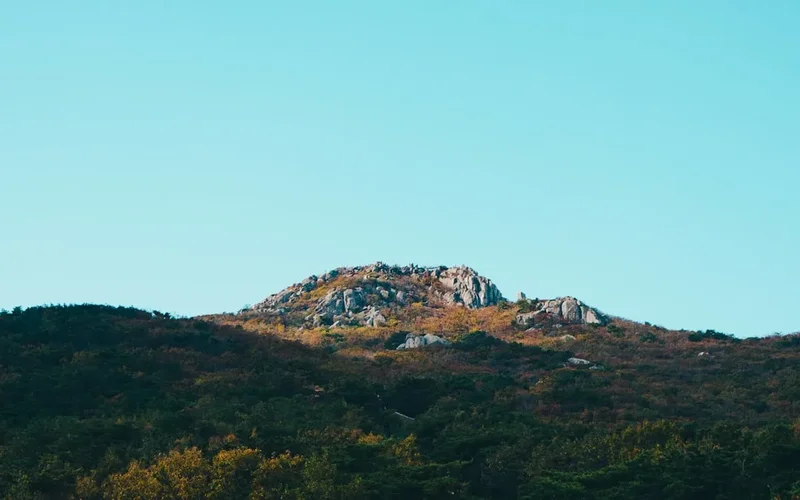
Rising majestically above the sprawling metropolis of Seoul, Bukhansan National Park serves as the literal and metaphorical "lungs" of South Korea’s capital. Among its many jagged peaks and forested ridges, Baegundae Peak stands as the ultimate prize. Reaching an elevation of 836.5 metres, it is the highest point in the park and the entire city, offering a 360-degree panorama that juxtaposes ancient granite wilderness with the shimmering glass towers of one of the world’s most densely populated urban centres. The hike to Baegundae is not merely a physical challenge; it is a cultural rite of passage for locals and a breathtaking introduction to the Korean peninsula's rugged topography for international visitors. This 8.3-kilometre return journey takes hikers through historic fortress gates, past serene Buddhist temples, and up steep, wire-rope-assisted granite slabs that demand both respect and steady footing. It is a landscape defined by its dramatic white granite peaks—Baegundae, Insubong, and Mangnyeongdae—which together earned the area the historic name Samkak-san, or "Three-Horned Mountain." Whether you are seeking a spiritual escape from the city's neon glow or a rigorous alpine workout, the ascent to Baegundae Peak delivers an experience that is uniquely and profoundly Korean.
- Distance: 8.3 km return (via Bukhansanseong Course)
- Duration: 4–5 hours
- Elevation Gain: 840 m
- Difficulty: Challenging (steep granite scrambles)
- Highest Point: Baegundae Peak (836.5 m)
- Best Time: Spring (April–May) and Autumn (September–October)
- Trailhead: Bukhansanseong Visitor Centre
- Access: Public transport via Seoul Subway Line 3 or 4 and local buses
Overview
Bukhansan National Park holds a Guinness World Record for being the "Most Visited National Park per Unit Area," and nowhere is this popularity more evident than on the trail to Baegundae Peak. Despite the crowds, the experience remains essential. The trail is a masterclass in vertical progression, transitioning from the lush, deciduous forests of the lower valleys to the exposed, wind-swept granite heights of the summit. The terrain is predominantly rocky, consisting of well-maintained stone stairs, dirt paths interwoven with tree roots, and the final, exhilarating scramble over massive granite slabs where steel cables provide the only handholds against the steep incline.
The hike typically begins at the Bukhansanseong Visitor Centre, the most popular gateway. From here, the path follows a mountain stream, passing through the historic Bukhansanseong Fortress walls—a defensive structure originally built to protect the capital during the Joseon Dynasty. As you ascend, the forest canopy provides welcome shade, but the gradient is relentless. The final 500 metres of the climb are the most dramatic; the trees disappear, replaced by smooth, pale granite that glows under the sun. Here, hikers must use fixed wire ropes to pull themselves up the steep rock faces. It is a section that tests your nerves but rewards you with increasingly vast views of the surrounding peaks, including the sheer, vertical face of Insubong, a world-famous destination for rock climbers.
At the summit, a small, flat area marked by a South Korean flag offers a vantage point like no other. To the south, the entire city of Seoul unfolds—the Han River winding through the centre, the Lotte World Tower piercing the horizon, and the dense clusters of apartment blocks stretching toward the sea. To the north, on a clear day, the mountains of North Korea are visible across the demilitarised zone. The atmosphere at the top is often celebratory, with hikers sharing snacks and taking photos at the summit stone. The descent requires careful footwork, particularly on the granite sections, but the sense of accomplishment upon returning to the valley floor is immense. This is a hike that captures the spirit of Seoul: a city that refuses to be separated from the wild, ancient mountains that birthed it.
History and Cultural Context
The history of Bukhansan is inextricably linked to the history of Korea itself. For centuries, these mountains have been regarded as sacred protectors of the capital. The name "Bukhansan" literally translates to "Mountains North of the Han River," and their strategic importance led to the construction of the Bukhansanseong Fortress. While the original fortifications date back to the Baekje Kingdom (132 BC), the massive stone walls and gates seen today were largely reconstructed in 1711 during the Joseon Dynasty under King Sukjong. This was a response to the devastating invasions by the Japanese and Manchus, intended to provide a mountain refuge for the royal family in times of war.
The fortress wall stretches for 12.7 kilometres along the ridges of the park, connecting the major peaks. As you hike toward Baegundae, you will pass through several of the original gates, such as Daegumun (Great North Gate), which served as vital checkpoints for centuries. These stones have witnessed the rise and fall of dynasties, the Japanese occupation, and the Korean War. Even today, the mountain remains a site of spiritual significance, home to dozens of Buddhist temples and hermitages. It is common to hear the rhythmic sound of temple bells or the chanting of monks echoing through the valleys as you climb.
Culturally, hiking is more than just exercise in South Korea; it is a national pastime and a social ritual. You will notice hikers of all ages, often dressed in high-end, colourful technical gear, regardless of the trail's difficulty. This "hiking culture" includes a deep respect for the mountain and a tradition of sharing food at the summit. It is not unusual for a stranger to offer you a slice of frozen pear, a piece of dried squid, or a cup of hot ginger tea. Understanding this cultural backdrop—the blend of military history, Buddhist spirituality, and modern social tradition—enriches the hike, making it a journey through the Korean soul as much as a trek through its geography.
Want more background? Read extended notes on history and cultural context → Learn more
Seasonal Highlights and Weather Reality
Bukhansan undergoes a dramatic transformation with each season, and the experience of climbing Baegundae varies significantly depending on when you visit. The weather in Seoul is temperate but experiences extremes, with hot, humid summers and cold, dry winters.
Spring (April–May): This is arguably the most beautiful time to visit. The mountain wakes up with a burst of colour as cherry blossoms, azaleas, and forsythia bloom along the lower slopes. The temperatures are mild (15–22°C), making the steep climb comfortable. However, spring also brings "Hwangsa" (Yellow Dust) from the Gobi Desert, which can occasionally obscure views and affect air quality. It is wise to check the fine dust (PM2.5) levels before heading out.
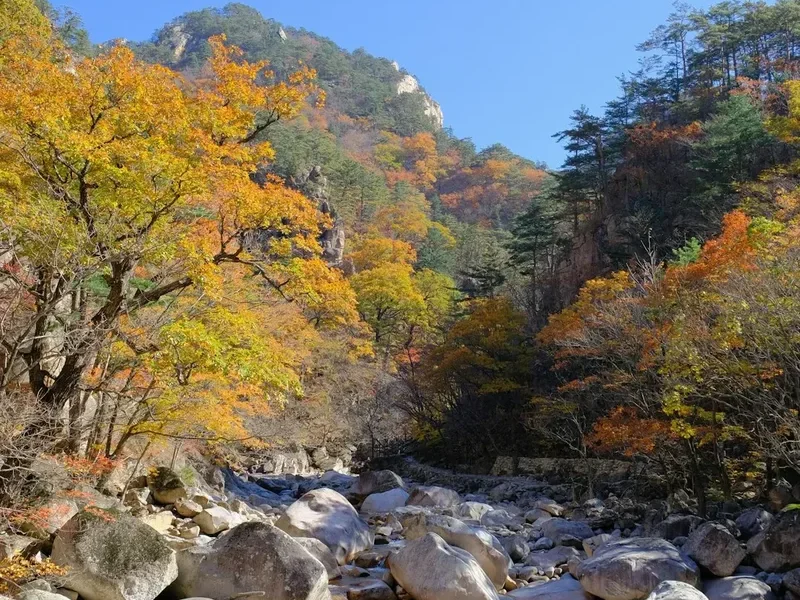
Autumn (September–October): Autumn is the peak season for hiking in Korea. The humidity of summer vanishes, replaced by crisp, clear air and exceptionally blue skies. The foliage turns into a spectacular tapestry of crimson, orange, and gold, usually peaking in mid-to-late October. Because the weather is stable and the scenery is world-class, the trails can become extremely crowded, especially on weekends. If visiting in autumn, a weekday hike is strongly recommended.
Summer (June–August): Summer is challenging due to high humidity and temperatures often exceeding 30°C. The "Jangma" (monsoon season) typically occurs in July, bringing heavy rains that can make the granite slabs dangerously slippery. If hiking in summer, start as early as possible (06:00) to avoid the midday heat and carry significantly more water than you think you need. The lush green canopy provides shade, but the air remains heavy.
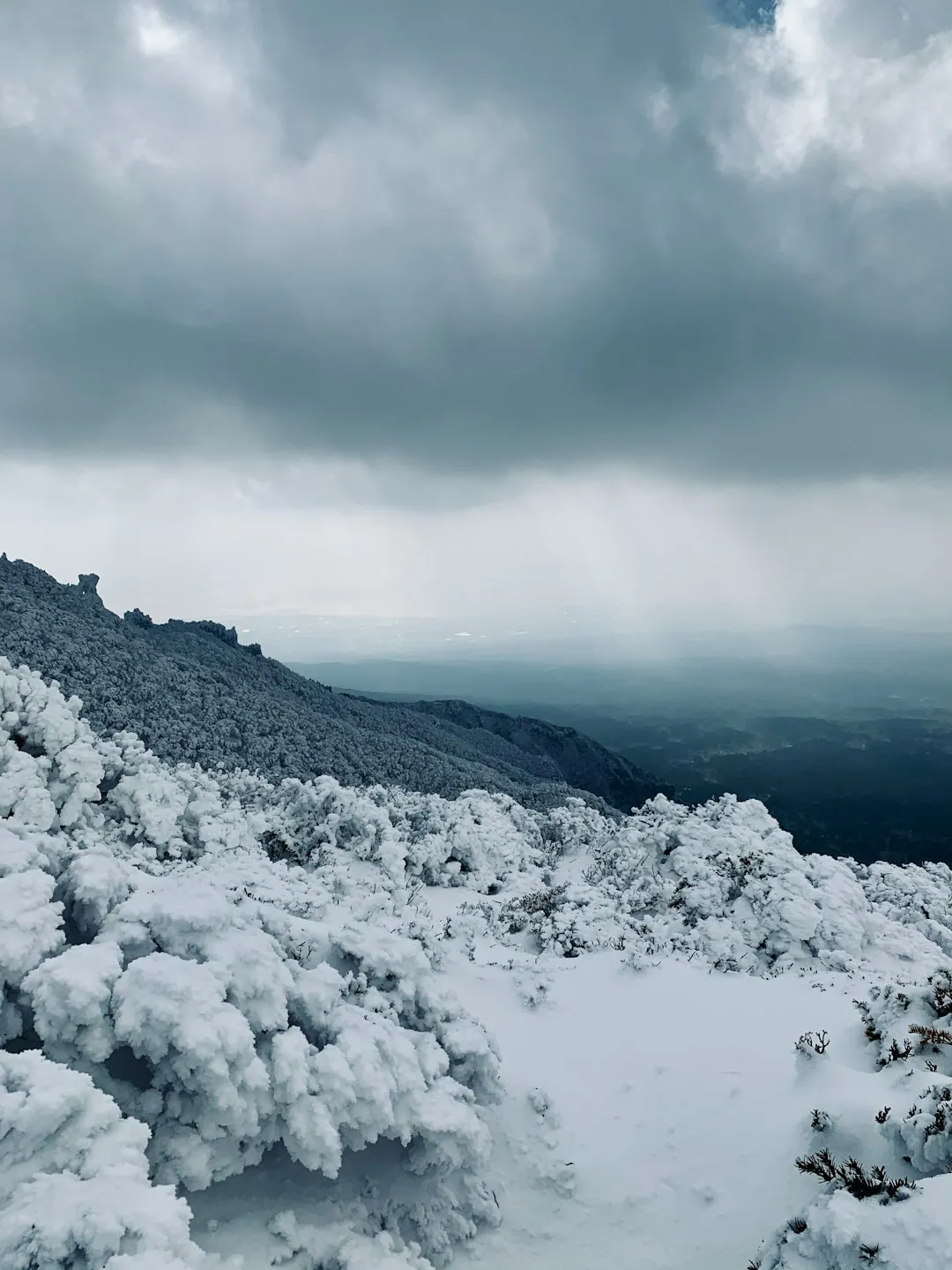
Winter (November–March): Winter transforms Bukhansan into a stark, monochrome landscape of white granite and dark pines. While beautiful, it is the most dangerous season. The granite slabs on the final ascent to Baegundae often glaze over with ice, making them impassable without crampons (spikes). Temperatures can drop to -15°C at the summit with significant wind chill. Only experienced hikers with proper winter gear should attempt the summit during these months.
Recommended Itinerary
Baegundae Peak Day Hike Itinerary
08:00 – 08:30: Arrival and Preparation
- Arrive at Bukhansanseong Visitor Centre via bus from Gupabal Station (Line 3).
- Use the clean public restrooms and check the trail map at the visitor centre.
- Ensure your water bottles are full; there are several convenience stores at the trailhead for last-minute supplies like kimbap (seaweed rice rolls) or energy bars.
- The atmosphere here is buzzing with hikers preparing their gear.
08:30 – 10:00: The Forest Ascent
- Begin the hike following the Bukhansanseong Course. The first section is a paved road that gradually transitions into a well-maintained stone path.
- Pass through the Daeseomun Gate, the largest of the fortress gates.
- Continue alongside the mountain stream. The sound of running water and the shade of the oak and maple trees make this a pleasant, though steady, climb.
- Pass Borisa Temple, a small, peaceful Buddhist temple where you can pause to admire the architecture and the statues.
10:00 – 11:00: The Steep Climb to Baegunbong-ammun
- The trail becomes significantly steeper and more rugged. The stone stairs are replaced by uneven rocks and roots.
- Reach the Baegunbong-ammun Gate (formerly known as Wimun Gate). This is a narrow stone portal in the fortress wall and serves as the final staging area before the summit scramble.
- Take a short break here. From this point on, the trail leaves the forest and moves onto the exposed granite.
11:00 – 11:45: The Granite Scramble to the Summit
- This is the most technical and exciting part of the hike. You will be climbing directly onto the massive granite shoulder of Baegundae.
- Use the steel cables and railings provided. The rock is grippy when dry but very steep.
- Pass the "Face Rock" (looking like a human profile) and look across to the vertical walls of Insubong, where you can often see rock climbers.
- The final push involves a narrow ridge with steep drops on either side, but the railings make it safe for those without a severe fear of heights.
11:45 – 12:30: Summit and Lunch
- Reach the summit of Baegundae Peak (836.5 m). Touch the summit stone and take a photo with the South Korean flag.
- Find a spot on the granite slabs to sit and enjoy your lunch. The view of Seoul to the south and the ridges of the national park to the north is unparalleled.
- Watch out for the "mountain cats"—semi-wild cats that live at the summit and are very adept at begging for food.
12:30 – 14:30: Descent
- Carefully descend the granite section. Going down is often harder on the knees and requires more focus on the cables.
- Retrace your steps back through Baegunbong-ammun Gate.
- You can choose to return the same way or take a slightly different path toward the Ui-dong side if you have arranged transport there. Most hikers return to the Bukhansanseong Visitor Centre.
- Finish the hike and enjoy a traditional post-hike meal of "pajeon" (green onion pancake) and "makgeolli" (rice wine) at one of the many restaurants near the trailhead.
Important Notes:
- The trail is very well-marked with English signage.
- Weekends are extremely busy; expect queues at the wire-rope sections.
- The granite can be very slippery if there has been recent rain.
- There are no rubbish bins on the mountain; you must carry everything out.
Planning and Bookings
Book Your Trip
Everything you need to plan your journey
Accommodation
Find places to stay near Seoul
Flights
Search flights to Seoul
Essential Preparation
Bukhansan is a high-intensity day hike that requires a moderate to high level of cardiovascular fitness. While the distance is relatively short (8.3 km), the elevation gain of 840 metres occurs over a short horizontal distance, meaning the gradient is steep. Preparation should focus on leg strength and balance for the rocky sections. No formal bookings are required to enter the park or hike the peak, but logistics regarding transport and timing are crucial.
The most common base for this hike is anywhere in central Seoul. To reach the Bukhansanseong trailhead, take Subway Line 3 to Gupabal Station. From Exit 1, take Bus 704 or 34 and get off at the "Bukhansanseong Entrance" stop. The bus ride takes about 20 minutes. If you prefer the Ui-dong entrance (shorter but steeper), take the Ui-Sinseol Light Rail to the terminal station (Bukhansan Ui Station). Taxis are also readily available and affordable from most parts of northern Seoul.
Trail Accommodation
This is a day hike requiring no overnight accommodation. Camping is strictly prohibited within Bukhansan National Park to protect the environment and prevent forest fires. There are no mountain huts or lodges available for public overnight stays on the Baegundae route.
Nearby Accommodation:
- Most hikers stay in Seoul hotels, hostels, or guesthouses.
- The Eunpyeong-gu and Gangbuk-gu districts offer the closest proximity to the trailheads.
- Traditional "Hanok" (Korean traditional house) stays are available in the nearby Eunpyeong Hanok Village, providing a cultural experience before or after your hike.
- For those arriving late, there are numerous "Jjimjilbangs" (Korean saunas) near the major subway stations where one can rest for a few hours at a very low cost.
Required Gear
- Hiking boots or shoes with excellent grip - The granite slabs are smooth; footwear with "Stealth" rubber or similar high-friction soles is highly recommended.
- Hiking poles - Extremely helpful for the steep stone stairs to reduce impact on knees during the descent.
- Breathable clothing - Synthetic or merino wool layers. Avoid cotton, as it stays wet with sweat and can lead to chilling at the windy summit.
- Lightweight jacket - Even in summer, the summit can be windy and significantly cooler than the city.
- Gloves - Essential for the final scramble. The steel cables can be cold in winter and rough on the hands in summer.
- Small backpack - 15–25L is sufficient for a day hike.
- Sun protection - Hat and sunglasses; the granite sections are highly reflective and offer no shade.
What to Bring
- Water - At least 2 litres per person. There are no reliable water sources on the upper sections of the trail.
- Food - Kimbap is the classic Korean hiking lunch. Energy bars, nuts, and fruit (especially pears or cucumbers, which are hydrating) are excellent snacks.
- Electrolytes - Useful during the humid summer months to prevent cramping.
- Personal first aid - Bandages for blisters, antiseptic wipes, and any personal medications.
- Mobile phone and power bank - Signal is generally excellent throughout the park, but GPS usage drains batteries.
- Trash bag - You must carry out all your waste, including fruit peels and tissues.
- Cash or T-Money card - For the bus and for purchasing food at the trailhead restaurants.
Permits
One of the greatest advantages of Bukhansan National Park is its accessibility. Currently, no permits are required for individual hikers to climb Baegundae Peak. Entry to the park is free of charge, as the national park entry fees were abolished in South Korea in 2007 to encourage public health and outdoor recreation.
Important Considerations:
- Group Limits: While individuals don't need permits, very large organised groups (usually 20+ people) may occasionally need to notify the park office for safety coordination, though this is rarely enforced for standard hiking.
- Night Hiking: Hiking is generally prohibited from sunset to two hours before sunrise. This is for safety and to allow the park's wildlife a period of undisturbed activity. Entering the park during these hours can result in a fine.
- Restricted Areas: Certain peaks, such as Insubong, are restricted to those with proper rock-climbing equipment and, in some cases, specific registration. Baegundae is open to all, but you must stay on the designated trails.
- Seasonal Closures: During periods of extreme fire risk (usually late autumn or early spring) or after heavy snowfall, certain trails may be temporarily closed. Check the Korea National Park Service (KNPS) website for real-time alerts.
Parking: If you choose to drive, there are paid parking lots at the Bukhansanseong and Ui-dong entrances. However, these fill up by 07:30 AM on weekends. Public transport is much more reliable and recommended.
Other Activities in the Area
Bukhansan is located within the city limits of Seoul, meaning you can combine your hike with world-class urban experiences:
- Eunpyeong Hanok Village: Located right at the base of the Bukhansanseong entrance, this modern Hanok village offers beautiful architecture, traditional tea houses, and the Jingwansa Temple, which is famous for its temple stay programmes and vegetarian temple food.
- Jingwansa Temple: One of the four major temples of Seoul, located in a beautiful valley. It is a peaceful place to walk even if you aren't doing the full hike to the peak.
- Gilsangsa Temple: A short taxi ride from the Ui-dong side, this temple has a unique history (formerly a high-end restaurant) and is known for its beautiful gardens and meditation spaces.
- Korean Sauna (Jjimjilbang): After your hike, visit a local sauna to soak your tired muscles in hot medicinal baths and experience the unique Korean culture of relaxation.
- Bukhansan Dulle-gil: If the climb to the peak seems too daunting, the Dulle-gil is a 71-kilometre low-elevation forest path that circles the base of the mountain, divided into 21 easy-to-walk sections.
- Insadong and Gyeongbokgung Palace: Since the mountain is in northern Seoul, it is only a 30-minute subway ride back to the historic heart of the city to visit the royal palaces and traditional craft markets.
Safety and Conditions
Pre-Departure Checks:
- Check the local weather forecast specifically for "Bukhansan" rather than just "Seoul," as the mountain can have its own microclimate.
- Check the air quality index (AQI). High levels of fine dust can make strenuous exercise uncomfortable or even dangerous for those with respiratory issues.
- Ensure your footwear is in good condition. The granite on Baegundae is unforgiving to worn-out soles.
Granite Hazards: The primary safety concern on Baegundae is the granite. When dry, it offers incredible friction. However, when wet or covered in a thin layer of dust or ice, it becomes incredibly slippery. If it begins to rain while you are on the upper sections, descend immediately and with extreme caution. Use the steel cables at all times on the summit ridge; do not attempt to "free climb" the slabs away from the safety railings.
Crowd Management: On weekends, the sheer number of people can be a safety hazard. Queues form at the narrow cable sections. Be patient, do not push, and allow descending hikers the right of way in steep sections. Watch out for "hiking poles" from other hikers, which can be accidentally poked toward you in crowded areas.
Dehydration and Exhaustion: The climb is deceptively steep. Many hikers underestimate the effort required and do not bring enough water. Heatstroke is a genuine risk in July and August. If you feel dizzy or excessively fatigued, stop in the shade and rest. There are mountain rescue posts at major junctions, and the "119" emergency number works throughout the park.
Wildlife: While there are no dangerous large predators, be mindful of the mountain cats and magpies at the summit; they can be aggressive if they smell food. Wild boars exist in the park but are rarely seen on the high, rocky trails; if you encounter one, do not run—back away slowly and avoid eye contact.
Emergency Contact: Dial 119 for emergency services. Most trail signs have a "location number" (e.g., Bukhansan 01-04). Note these down as you pass them; they are vital for rescuers to find you in a park with hundreds of kilometres of trails.
Side Trips and Points of Interest
Insubong Viewpoint: As you approach the summit of Baegundae, you will have a front-row seat to Insubong (810 m). This giant granite dome is a sheer vertical wall and is the birthplace of modern rock climbing in Korea. Watching the tiny specks of climbers navigating the "Insubong Face" is a highlight of the trip. The contrast between the hikers on Baegundae and the technical climbers on Insubong is striking.
Bukhansanseong Fortress Walls: Don't just walk past the walls—take a moment to examine the masonry. You can see the difference between the original 18th-century stones (weathered and irregular) and the modern restoration work. Walking along the ridge top allows you to follow the wall as it snakes over the jagged topography, a testament to the incredible engineering of the Joseon era.
The "Face Rock": Located near the final ascent, this natural rock formation looks remarkably like a human profile staring out over the city. It is a popular spot for a quick photo and a reminder of the strange and beautiful shapes that wind and water erosion have carved into the granite over millions of years.
Baegunbong-ammun (Secret Gate): This is the highest gate in the fortress. Unlike the grand main gates, this "ammun" (secret gate) was designed to be inconspicuous, used for moving supplies or messengers in and out of the fortress during a siege. Its narrow, dark passage provides a cool blast of air even on the hottest days.
Mangnyeongdae: The third of the "Three Horns," this peak is less visited than Baegundae but offers a fantastic perspective of the summit you just climbed. It requires more technical scrambling and is often quieter, providing a moment of solitude in an otherwise busy park.
Leave No Trace
Bukhansan National Park is a precious ecological island in a sea of concrete. With millions of visitors annually, the impact on the environment is significant. Following Leave No Trace principles is not just a suggestion; it is essential for the park's survival.
Your responsibility as a walker:
- Carry Out All Trash: There are no bins on the mountain. This includes organic waste like orange peels or eggshells, which do not decompose quickly in the thin mountain soil and can harm local wildlife.
- Stay on the Trail: The "social trails" or shortcuts cause severe soil erosion and destroy the fragile root systems of the Korean pines. Stick to the stone stairs and marked paths.
- Respect the Silence: Many people visit Bukhansan for spiritual reasons or to escape city noise. Avoid playing music on speakers and keep your voice at a moderate level.
- No Smoking or Cooking: Forest fires are a massive threat to Korea's mountains. Smoking and the use of portable stoves are strictly prohibited and carry heavy fines.
- Do Not Feed the Animals: The mountain cats may look cute, but feeding them disrupts the natural ecosystem and leads to overpopulation and disease.
- Protect the Water: Do not wash your hands or feet in the mountain streams using soap. These streams are the primary water source for the flora and fauna of the lower valleys.
By walking mindfully, you ensure that the "Granite Crown of Seoul" remains a pristine escape for the generations of hikers who will follow in your footsteps.
 Nepal
Nepal