
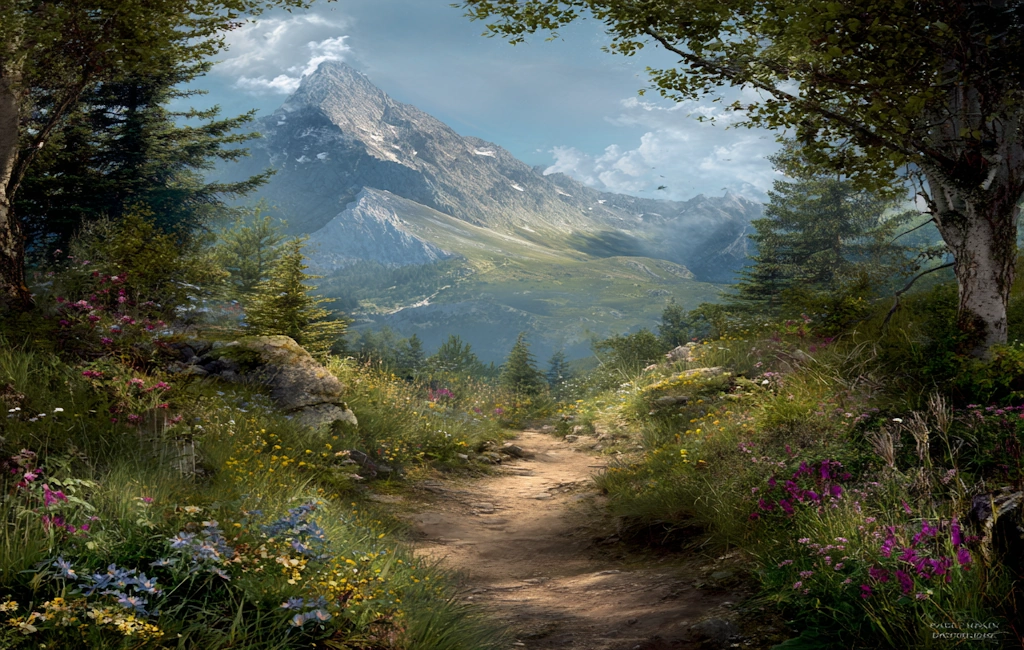
Bucegi Plateau Hike
The Bucegi Plateau Hike is a spectacular day walk in Romania's Carpathian Mountains, offering a unique blend of dramatic karst formations, alpine meadows, and panoramic vistas. This route takes you to the heart of the Bucegi Mountains, a range renowned for its distinctive rock formations shaped by millennia of wind and water erosion. The plateau itself is a vast, relatively flat expanse at high altitude, dotted with unique geological wonders that have captured the imagination and inspired local legends. It's a journey that combines physical exertion with a profound connection to a wild, ancient landscape, accessible from the bustling mountain resort town of Busteni.
- Distance: 25.0 km
- Elevation gain: 1200 m
- Duration: 8-10 hours
- Difficulty: Moderate
- Best Time: June to September
- Closest City: Brașov
- Trailhead Access: Busteni (via cable car to Babele)
- Permits: Not required for the trail itself
Overview
The Bucegi Plateau Hike is a journey into a landscape that feels almost otherworldly. Starting from the Babele cable car station, you are immediately immersed in a high-altitude environment where the air is crisp and the views stretch for miles. The plateau is characterised by its unique rock formations, the most famous being the Sphinx and Babele (The Old Women). These natural sculptures, carved by aeons of wind and frost, stand like silent sentinels against the sky, their shapes often interpreted as human or animal figures, fuelling local folklore and myths.
The hike is not a single, linear path but rather a network of trails that crisscross the plateau, allowing for exploration of its many geological curiosities. You'll traverse open alpine meadows carpeted with wildflowers in summer, navigate rocky outcrops, and experience the dramatic changes in weather that are typical of mountain environments. The elevation gain of 1200 metres is significant, primarily achieved via the cable car ascent, with the walking on the plateau itself involving considerable undulation rather than sustained climbs. The moderate difficulty rating reflects the distance and the need for sure-footedness on uneven terrain, but the well-marked paths make it accessible to most reasonably fit hikers.
The Bucegi Mountains are part of the Southern Carpathians and are a popular destination for both Romanian and international tourists. The plateau offers a sense of vastness and solitude, even during peak season, providing a welcome escape from the lower-lying valleys. The combination of natural beauty, geological marvels, and the accessibility via the cable car makes the Bucegi Plateau Hike a must-do for anyone visiting the Prahova Valley region.
History and Cultural Context
The Bucegi Mountains have a long and rich history, deeply intertwined with Romanian folklore and national identity. For centuries, these mountains have been seen as a sacred place, a refuge, and a source of inspiration. Local legends speak of Dacian gods residing in the peaks and of the mountains being a place of spiritual power. The distinctive rock formations, particularly the Sphinx and Babele, have been central to these myths, often interpreted as ancient deities or petrified giants.
The Sphinx, with its uncanny resemblance to a human face, is believed by some to be a natural formation that was later enhanced by ancient peoples. Its origins are debated, but its presence has undoubtedly contributed to the mystical aura of the plateau. Babele, a cluster of mushroom-shaped rocks, is said to represent a group of old women who were turned to stone for their transgressions.
In more recent history, the Bucegi Mountains became a symbol of Romanian resilience. During the communist era, the mountains were a place where people could find a sense of freedom and connection to their heritage, away from the watchful eyes of the regime. The construction of the cable car in the mid-20th century made the plateau more accessible, transforming it into a popular tourist destination. However, the trails themselves retain a wild character, connecting visitors to the raw, untamed beauty of the Carpathians.
The Bucegi Plateau is also significant for its biodiversity. The alpine meadows are home to a variety of endemic plant species, and the area is a habitat for chamois and other mountain wildlife. Conservation efforts are in place to protect this unique environment, ensuring that its natural and cultural heritage is preserved for future generations.
Seasonal Highlights and Weather Reality
The best time to undertake the Bucegi Plateau Hike is during the summer months, from June to September. During this period, the weather is generally more stable, and the alpine meadows are in full bloom, creating a vibrant tapestry of colours.
Summer (June to August): This is the peak season for hiking in the Bucegi Mountains. Days are long, and temperatures are pleasant, typically ranging from 15°C to 25°C. Wildflowers are abundant, making the plateau a photographer's paradise. However, summer can also bring afternoon thunderstorms, so it's essential to start your hike early and be prepared for sudden changes in weather. The cable car operates daily, providing easy access.
Early Autumn (September): September offers a beautiful transition period. The crowds thin out, the air becomes crisper, and the foliage begins to change, offering stunning autumnal colours. Temperatures can drop, especially at night, so warm layers are crucial. Snowfall is possible towards the end of the month, particularly at higher elevations.
Late Autumn and Winter (October to May): The Bucegi Plateau is not recommended for hiking during these months unless you possess advanced winter mountaineering skills and equipment. Heavy snowfall can cover the trails, and conditions can be extremely hazardous due to strong winds, low visibility, and avalanche risk. The cable car may also operate on a reduced schedule or close due to adverse weather.
Weather Considerations: Mountain weather is notoriously unpredictable. Even in summer, temperatures can plummet rapidly, and fog or storms can descend without warning. It is crucial to check the weather forecast before you go and to be prepared for all conditions, including rain, wind, and cold, regardless of the season.
Recommended Itinerary
Bucegi Plateau Day Hike Itinerary
Early Morning: Travel to Busteni and Cable Car Ascent
- Depart from your accommodation in Brașov or a nearby town.
- Travel to Busteni (approx. 45-60 minutes from Brașov by car or train).
- Head to the Busteni cable car station (Telecabina Bușteni).
- Purchase tickets and board the cable car for the ascent to Babele.
- The cable car journey offers spectacular views of the Prahova Valley and the surrounding mountains.
- Duration of cable car ride: Approximately 15-20 minutes.
- Arrival at Babele station (altitude ~2,200 m).
Morning: Exploring Babele and the Sphinx
- Upon arrival at Babele, take time to explore the immediate vicinity.
- Visit the iconic Babele rock formation, a cluster of mushroom-shaped stone pillars.
- Walk a short distance to the Sphinx, a large rock formation with a striking resemblance to a human face.
- Enjoy the panoramic views of the surrounding peaks and valleys.
- Begin your hike across the plateau, following marked trails.
- Initial exploration of the plateau's unique karst landscape.
Midday: Traverse the Plateau and Visit Omu Peak
- Continue hiking across the Bucegi Plateau, aiming towards Omu Peak (Vârful Omu), the highest point in the Bucegi Mountains (2,505 m).
- The terrain is undulating, with a mix of rocky paths and open meadows.
- Pass by other notable rock formations and geological features.
- The hike to Omu Peak is approximately 1.5-2 hours from Babele, depending on pace and chosen route.
- Reach the meteorological station at Omu Peak, which often has a small refuge where you can purchase refreshments.
- Enjoy breathtaking 360-degree views from the summit.
Afternoon: Return Journey and Descent
- Begin your return journey from Omu Peak, retracing your steps or taking a slightly different marked route back towards Babele.
- Allow ample time for the return hike, as the terrain can be tiring.
- Take breaks to admire the changing light and scenery.
- Arrive back at the Babele cable car station.
- Board the cable car for the descent back to Busteni.
- Ensure you check the last cable car departure time to avoid being stranded.
Late Afternoon/Evening: Departure from Busteni
- Upon arrival in Busteni, you can explore the town briefly or head directly back to your accommodation.
- Consider a meal in Busteni to celebrate your hike.
Important Notes:
- This is a demanding day hike due to the distance and altitude.
- Wear sturdy hiking boots and dress in layers.
- Carry plenty of water and high-energy snacks.
- Always check the weather forecast before you go.
- Be aware of the last cable car departure time.
- Stick to marked trails to avoid getting lost and to protect the fragile environment.
Planning and Bookings
Book Your Trip
Everything you need to plan your journey
Accommodation
Find places to stay near Brașov
Flights
Search flights to Brașov
Essential Preparation
The Bucegi Plateau Hike is a day trip, but its high altitude and significant distance require thorough preparation. The primary logistical challenge is reaching the trailhead, which is facilitated by the cable car from Busteni. Ensure you have a reliable way to get to Busteni, whether by car or public transport. If driving, be aware that parking near the cable car station can be limited, especially during peak season. It's advisable to arrive early in the morning to secure a parking spot and to allow ample time for the cable car ascent and descent, as queues can form.
The closest major city with good transport links is Brașov. From Brașov, you can take a train or bus to Busteni, which takes approximately 45-60 minutes. If you are staying in Bucharest, it's a longer journey by train or car (around 2.5-3 hours). Accommodation options are plentiful in Busteni, ranging from budget guesthouses to more upscale hotels, providing a convenient base for early morning starts.
Given the mountain environment, it's crucial to be prepared for rapidly changing weather conditions. Even on a sunny summer day, temperatures at the plateau can be significantly cooler, and wind can make it feel much colder. Pack accordingly, and always check the weather forecast for the Bucegi Mountains specifically, not just the general regional forecast.
Trail Accommodation
This is a day hike requiring no overnight accommodation.
Required Gear
- Hiking Boots: Sturdy, waterproof hiking boots with good ankle support are essential for navigating the rocky and uneven terrain of the plateau. Ensure they are well broken-in to prevent blisters.
- Waterproof Jacket: A breathable, waterproof and windproof jacket is crucial. Mountain weather can change rapidly, and you may encounter rain, wind, or even sleet, regardless of the season.
- Waterproof Overtrousers: Recommended for protection against rain and wind, especially if the forecast is uncertain.
- Backpack: A comfortable daypack (20-30 litres) is sufficient to carry your essentials. Ensure it has a rain cover or is made of water-resistant material.
- Head Torch: Essential, even for a day hike, in case of unexpected delays or if you start or finish in low light conditions. Carry spare batteries.
- First Aid Kit: A basic kit including plasters, antiseptic wipes, pain relievers, blister treatment, and any personal medications.
- Navigation Tools: While the trails on the plateau are generally well-marked, it's wise to carry a map of the Bucegi Mountains, a compass, and a GPS device or smartphone with offline maps.
- Sun Protection: High-altitude sun can be intense. Bring sunscreen (SPF 50+), sunglasses, and a wide-brimmed hat or cap.
What to Bring
- Food: Pack plenty of high-energy snacks such as nuts, dried fruit, energy bars, and sandwiches. There are limited refreshment options at Omu Peak, and it's best to be self-sufficient.
- Water: Carry at least 2-3 litres of water per person. There are no reliable water sources on the plateau for refilling, so bring enough for the entire duration of your hike.
- Clothing Layers: Pack a range of clothing layers. This should include a moisture-wicking base layer, an insulating mid-layer (fleece or down jacket), and your waterproof outer shell. A warm hat and gloves are advisable, even in summer.
- Toiletries: Biodegradable soap, toothbrush, toothpaste, hand sanitiser, and toilet paper.
- Personal Items: Mobile phone (fully charged), power bank, camera, identification, and some cash for cable car tickets or any small purchases.
- Trekking Poles: Optional but highly recommended, especially for the descent, to reduce strain on your knees.
Permits
No specific permits are required to hike on the Bucegi Plateau or to use the cable car. Access to the national park and the trails is generally free. However, it is important to be aware of any park regulations that may be in place to protect the environment. These typically include rules about staying on marked trails, not disturbing wildlife, and not littering.
Cable Car Tickets: Tickets for the Busteni-Babele cable car must be purchased at the station. Prices can vary, and it's advisable to check the official website or inquire at the station for the most up-to-date pricing and operating hours. It is recommended to buy return tickets to ensure your descent is covered.
National Park Entry: While there isn't a formal entry fee for the Bucegi Mountains National Park, visitors are expected to adhere to conservation guidelines. Respecting the natural environment and leaving no trace are paramount. Information about park regulations can usually be found at visitor centres or online through official Romanian national park websites.
Operating Hours: The cable car operates on a schedule, and it's crucial to be aware of the last departure time for the descent. Missing the last cable car could leave you stranded on the plateau overnight, which is not advisable without proper winter camping gear and experience.
Other Activities in the Area
The Bucegi Mountains and the surrounding Prahova Valley offer a wealth of activities for visitors:
- Sinaia: Visit the stunning Peleș Castle, a former royal residence and one of Romania's most beautiful palaces, and the smaller Pelișor Castle. Sinaia also offers hiking opportunities and ski resorts in winter.
- Poiana Brașov: A popular ski resort and summer destination, offering hiking, mountain biking, and other outdoor activities.
- Brașov City: Explore the historic medieval city of Brașov, with its Black Church, Council Square, and the charming Old Town.
- Bran Castle: Often associated with the Dracula legend, this impressive medieval fortress is a popular tourist attraction.
- Hiking in other Bucegi trails: Beyond the plateau, the Bucegi Mountains offer numerous other hiking routes, including ascents to other peaks and explorations of valleys and gorges.
- Paragliding: For the adventurous, paragliding from higher points in the mountains offers a unique perspective of the landscape.
- Local Cuisine: Enjoy traditional Romanian dishes in the restaurants and guesthouses of Busteni, Sinaia, and Brașov.
Safety and Conditions
Weather: The most significant safety concern on the Bucegi Plateau is the unpredictable mountain weather. Be prepared for sudden changes, including strong winds, fog, rain, and even snow, especially at higher altitudes. Always check the forecast before you go and be ready to turn back if conditions deteriorate.
Altitude: The plateau is at an altitude of over 2,000 metres. While most people acclimatise well to this altitude for a day hike, be aware of potential symptoms of altitude sickness, such as headache, nausea, and dizziness. If symptoms persist or worsen, descend immediately.
Terrain: The trails can be rocky, uneven, and slippery, especially after rain. Wear appropriate footwear and watch your step. The marked paths are generally clear, but it's easy to stray off-course in poor visibility. Stick to the marked routes.
Wildlife: While large predators like bears are present in the wider Carpathian region, encounters on the well-trodden paths of the Bucegi Plateau are rare. However, it's always wise to be aware of your surroundings and to make noise as you hike to avoid surprising any wildlife. Do not feed any animals you encounter.
Cable Car Safety: Ensure you are aware of the operating hours of the Busteni-Babele cable car, particularly the last departure time for the descent. Do not attempt to hike down from the plateau if you are unsure of the route or if daylight is fading. The cable car can also be closed due to adverse weather conditions, so have a backup plan if possible.
Communication: Mobile phone signal can be intermittent on the plateau. Inform someone of your hiking plans, including your expected return time. Consider carrying a portable power bank for your phone.
Emergency Services: In case of an emergency, contact the Romanian Mountain Rescue (Salvamont) on the emergency number 0SALVAMONT (0725 826 668 or 0725 826 669). It's advisable to have these numbers saved in your phone.
Side Trips and Points of Interest
The Sphinx (Sfinxul): This is arguably the most famous rock formation on the Bucegi Plateau. Its uncanny resemblance to a human face, particularly when viewed from a certain angle, has led to numerous theories about its origin, from natural erosion to ancient carvings. It's a must-see and a popular spot for photographs.
Babele: Located near the cable car station, Babele (meaning "The Old Women") is a cluster of distinctive mushroom-shaped rock formations. These are formed by differential erosion, where harder rock caps protect softer rock bases from weathering. They are a striking example of the plateau's unique geology.
Omu Peak (Vârful Omu): At 2,505 metres, this is the highest point in the Bucegi Mountains. The summit offers breathtaking panoramic views of the surrounding peaks, valleys, and the vast expanse of the plateau. There is a meteorological station and a small refuge at the peak, which sometimes offers basic refreshments.
Caraiman Monastery: Situated on the plateau, this monastery is a place of pilgrimage and offers a serene atmosphere. It's a good spot for a moment of reflection amidst the rugged landscape.
Ialomița Cave (Peștera Ialomiței): While a more significant detour, this cave is accessible from the plateau and offers a fascinating underground exploration. It's one of the largest caves in Romania and has historical significance, having been used as a sanctuary by the Dacians.
The "Great Wall" of Bucegi: This is not a man-made structure but a dramatic cliff face that offers spectacular views and a sense of the sheer scale of the mountains. Various viewpoints along the trails provide opportunities to admire this natural wonder.
Leave No Trace
The Bucegi Plateau is a fragile alpine environment, and it is crucial for all visitors to practice Leave No Trace principles to preserve its natural beauty and ecological integrity.
- Plan Ahead and Prepare: Research the trail, understand the weather conditions, and pack appropriately. Know the regulations of the Bucegi Mountains National Park.
- Travel and Camp on Durable Surfaces: Stick to marked trails at all times. Avoid walking on vegetation, especially the delicate alpine meadows, as it can take years to recover. The plateau is vast, so there is ample space to stay on designated paths.
- Dispose of Waste Properly: Pack out everything you pack in. This includes all food scraps, wrappers, and any other litter. Use the designated bins at the cable car stations if available, but it's best practice to carry all waste with you until you can dispose of it responsibly.
- Leave What You Find: Do not remove any natural objects, such as rocks, plants, or flowers. Take only photographs and memories.
- Minimise Campfire Impacts: This is a day hike, so campfires are not applicable. However, if you were to camp overnight in designated areas (which is not the standard for this hike), you would need to use established fire rings or portable stoves.
- Respect Wildlife: Observe wildlife from a distance and never feed them. Feeding animals can disrupt their natural behaviours and diets, and can make them dependent on humans or aggressive.
- Be Considerate of Other Visitors: Keep noise levels down, especially near rock formations and viewpoints. Yield to other hikers on narrow sections of the trail.
By adhering to these principles, you help ensure that the Bucegi Plateau remains a pristine and enjoyable destination for generations to come.