
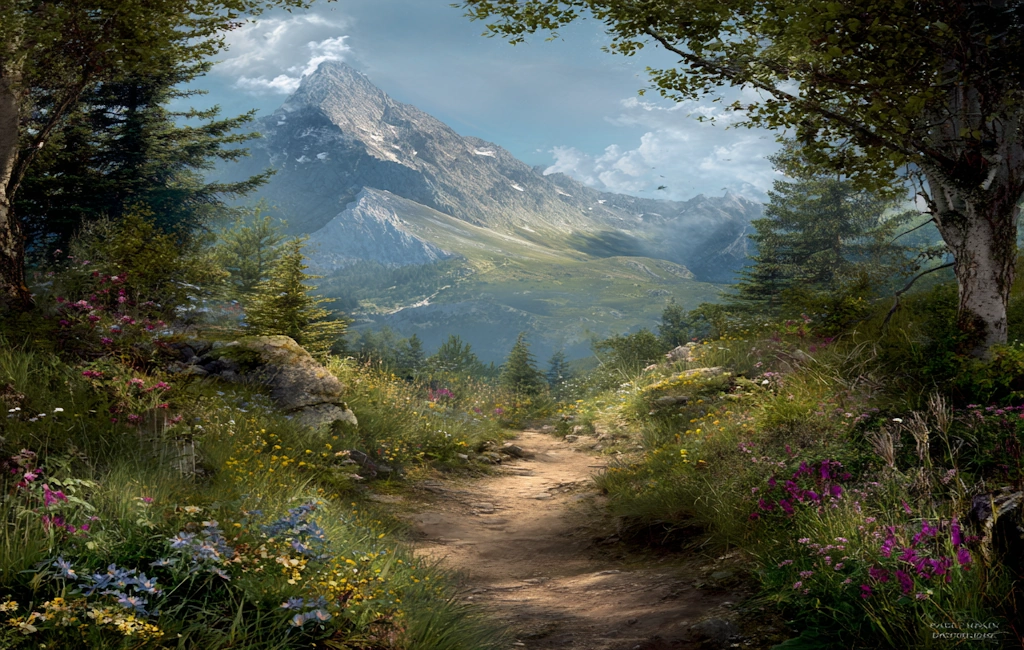
Bright Angel Trail to Plateau Point
The Bright Angel Trail, a legendary path descending into the Grand Canyon, offers a challenging yet immensely rewarding day hike to Plateau Point. This iconic trail plunges from the South Rim of the Grand Canyon National Park, descending over 975 metres to the Colorado River and then ascending to the breathtaking viewpoint of Plateau Point. It's a journey through geological time, showcasing the canyon's immense scale, vibrant colours, and the raw power of the Colorado River. While the full descent to the river and back is a strenuous undertaking for a single day, reaching Plateau Point provides a spectacular taste of the inner canyon's grandeur without the extreme commitment of a rim-to-river-and-back hike. This description focuses on the challenging day hike to Plateau Point, a popular objective for fit and well-prepared hikers seeking unparalleled canyon vistas.
- Distance: 19.3 km (round trip to Plateau Point)
- Elevation Gain: 975 m (to Plateau Point)
- Duration: 10-12 hours (round trip)
- Difficulty: Very Challenging
- Best Time: Spring (April-May) and Fall (September-October) for milder temperatures
- Closest City: Flagstaff, Arizona
- Trailhead Access: Grand Canyon South Rim, Arizona. Nearest airport: Flagstaff Pulliam Airport (FLG). Drive south on US-180 S. Road is paved. Driving time: ~1.5 hours. Parking at Grand Canyon South Rim, limited availability. Arrive early. No permits needed for day hiking, but park entrance fee required. Trailhead GPS: 36.0551, -112.1158
Overview
The Bright Angel Trail is one of the most famous and well-maintained hiking routes into the Grand Canyon. Carved into the canyon's steep walls, it offers a direct and dramatic descent from the South Rim, providing increasingly spectacular views with every metre gained or lost. The trail is known for its switchbacks, shaded sections, and the presence of water sources (seasonal) and rest houses, making it a more accessible, though still demanding, route compared to some of the park's more remote trails.
The hike to Plateau Point is a significant undertaking, typically requiring a full day and exceptional fitness. The trail begins at the Grand Canyon Village, descending steeply through the upper layers of Kaibab Limestone and Toroweap Formation. As you descend, the landscape transforms, revealing the vastness of the canyon and the intricate geological strata that tell the story of millions of years of erosion. The trail follows the contours of the canyon, offering panoramic vistas that change with the light and your perspective. The descent is relentless, and the subsequent ascent is equally challenging, especially in warmer temperatures.
Plateau Point itself is a remarkable overlook situated on a bench approximately 1.6 km from the Colorado River. From this vantage point, you are treated to an unobstructed, awe-inspiring view of the mighty Colorado River carving its path through the inner gorge. The sheer scale of the canyon walls surrounding the river, the vibrant colours of the rock formations, and the distant roar of the water create an unforgettable experience. This hike is not for the faint of heart; it demands respect for the environment, careful planning, and a high level of physical conditioning. The reward, however, is a profound connection with one of the world's most magnificent natural wonders.
History and Cultural Context
The Bright Angel Trail has a long and storied history, deeply intertwined with the indigenous peoples who have inhabited the Grand Canyon region for millennia, as well as the pioneers and entrepreneurs who developed tourism in the area.
For thousands of years, the Havasupai people, whose name translates to "people of the blue-green waters," have lived in and around the Grand Canyon, utilising its resources and navigating its complex terrain. Their ancestral lands include the area around the Bright Angel Trail, and they have a deep spiritual and cultural connection to the canyon. The trail's route likely follows ancient indigenous pathways that were used for hunting, gathering, and trade.
In the late 19th century, as the American West was being explored and settled, the Grand Canyon began to attract the attention of tourists. The Atchison, Topeka and Santa Fe Railway, seeking to boost passenger numbers, invested heavily in developing infrastructure around the South Rim. In the 1890s, William Wallace Wylie, a pioneer of Grand Canyon tourism, began developing trails and lodging. The Bright Angel Trail, in its early form, was established and improved by Wylie and later by the Fred Harvey Company, which took over hospitality operations at the Grand Canyon Hotel (now El Tovar) in 1905.
The trail was significantly improved and expanded by the National Park Service in the 1930s as part of the Civilian Conservation Corps (CCC) program. These improvements included the construction of stone retaining walls, the creation of more stable switchbacks, and the development of water pipelines to provide drinking water at various points along the trail. The goal was to make the canyon more accessible to visitors while also ensuring the trail's longevity and safety.
Plateau Point, the destination of this challenging day hike, was developed as a scenic overlook to showcase the inner canyon and the Colorado River. Its accessibility from the Bright Angel Trail made it a popular destination for those seeking a dramatic perspective without the full commitment of descending to the river itself. The trail's history is a testament to the enduring allure of the Grand Canyon and the human desire to explore and experience its profound beauty.
Seasonal Highlights and Weather Reality
The Grand Canyon experiences extreme temperature variations throughout the year, making the timing of your hike crucial for safety and enjoyment. The Bright Angel Trail to Plateau Point is best attempted during the shoulder seasons.
Spring (April-May): This is an ideal time for the hike. Daytime temperatures on the rim are pleasant, typically ranging from 15-25°C. However, temperatures at Plateau Point can already reach 25-30°C. The higher elevations of the rim may still experience frost or even light snow in early spring, while the inner canyon begins to warm considerably. Wildflowers can be seen blooming on the upper sections of the trail. The risk of flash floods is lower than in summer monsoon season.
Summer (June-August): Hiking to Plateau Point during the summer months is extremely dangerous and strongly discouraged. Daytime temperatures at Plateau Point can soar to 35-45°C or higher, with temperatures at the bottom of the canyon often exceeding 50°C. The heat is relentless and can lead to severe heat exhaustion, heatstroke, and dehydration. If you must hike in summer, start well before dawn (e.g., 3-4 AM), carry an excessive amount of water, and be prepared to turn back if conditions become too extreme. The monsoon season (July-August) brings the risk of sudden, violent thunderstorms and flash floods, which can make the trail impassable.
Fall (September-October): Similar to spring, fall offers excellent hiking conditions. September can still be quite warm, especially in the inner canyon, but temperatures gradually cool throughout October. The colours of the canyon can be spectacular in the autumn light. The risk of flash floods decreases significantly after the monsoon season ends.
Winter (November-March): While the rim may be cold, snowy, and icy (requiring traction devices for the upper trail), the inner canyon can be surprisingly pleasant, with daytime temperatures at Plateau Point often in the 10-20°C range. However, water sources may be frozen or turned off, and ice can persist on shaded sections of the trail for extended periods. The trail is generally less crowded, but conditions require careful monitoring and appropriate gear.
Weather Considerations: Always check the weather forecast for both the South Rim and the inner canyon before your hike. Temperatures can vary by as much as 20°C between the rim and Plateau Point. Be prepared for rapid changes in weather, especially on the rim, where wind and storms can develop quickly.
Recommended Itinerary
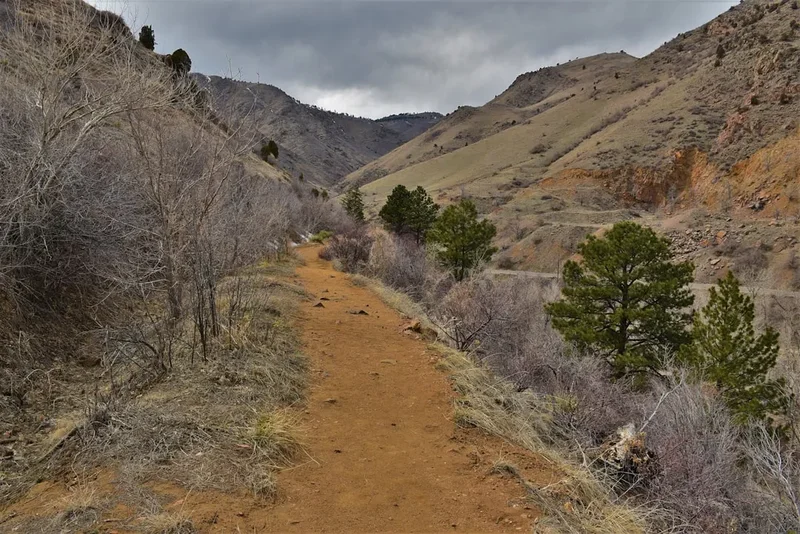
Bright Angel Trail to Plateau Point: A Challenging Day Hike
This itinerary assumes an early start to maximise daylight and minimise exposure to the midday heat. It is a strenuous out-and-back hike.
Early Morning (4:00 AM - 6:00 AM): Start and Descent
- Begin at the Bright Angel Trailhead in Grand Canyon Village.
- Descend steeply via switchbacks through the upper canyon layers (Kaibab Limestone, Coconino Sandstone, Hermit Shale).
- Pass the 1.5 Mile Resthouse (seasonal water, restrooms).
- Continue descending, noting the changing rock formations and vegetation.
- Pass the 3 Mile Resthouse (seasonal water, restrooms).
- The trail becomes more exposed to the sun as you descend further.
Morning (6:00 AM - 10:00 AM): Reaching the Colorado River and Ascent to Plateau Point
- Reach the Colorado River via the suspension bridge (or the newer Silver Bridge if the suspension bridge is closed for maintenance).
- Take a brief break to appreciate the power of the river and the sheer scale of the canyon walls.
- Begin the ascent towards Plateau Point. The trail here is less steep than the initial descent but still demanding.
- You will pass the Indian Garden campground (a crucial water source and rest stop).
- Continue on the spur trail towards Plateau Point.
Midday (10:00 AM - 1:00 PM): Plateau Point and Return to Indian Garden
- Arrive at Plateau Point. Spend time taking in the panoramic views of the Colorado River and the inner gorge.
- Have a substantial lunch and rehydrate thoroughly.
- Begin the return journey from Plateau Point back to Indian Garden.
Afternoon (1:00 PM - 5:00 PM): Ascent to the South Rim
- From Indian Garden, begin the strenuous climb back up the Bright Angel Trail towards the South Rim.
- Pace yourself, take frequent short breaks, and drink plenty of water.
- You will pass the 3 Mile Resthouse and then the 1.5 Mile Resthouse again.
- The final ascent can be particularly challenging due to fatigue and potential heat.
- Arrive back at the Bright Angel Trailhead on the South Rim.
Important Considerations:
- This is a very strenuous hike. Do not attempt it without adequate preparation and fitness.
- Carry at least 4-6 litres of water per person, more in warmer months.
- Eat salty snacks and meals to replenish electrolytes.
- Start as early as possible, ideally before sunrise, to avoid the worst of the midday heat.
- Be aware of the signs of heat exhaustion and heatstroke.
- The trail is well-maintained but can be steep and exposed.
- Rest houses offer shade and seasonal water, but do not rely solely on them.
- Consider hiking only to the 1.5 Mile or 3 Mile Resthouses if you are unsure of your fitness or time constraints.
Planning and Bookings
Book Your Trip
Everything you need to plan your journey
Accommodation
Find places to stay near Flagstaff, Arizona
Flights
Search flights to Flagstaff, Arizona
Essential Preparation
The Bright Angel Trail to Plateau Point is a significant physical challenge that requires meticulous planning. The most critical factor is understanding the extreme temperature variations within the Grand Canyon. Temperatures at Plateau Point can be 15-20°C hotter than on the South Rim. Therefore, starting your hike very early in the morning (before sunrise) is paramount, especially during warmer months. Adequate hydration and nutrition are non-negotiable. Ensure you have a reliable water source or purification method, and carry plenty of high-energy, salty snacks. Familiarise yourself with the signs of heat exhaustion and heatstroke, and know when to turn back. The Grand Canyon National Park entrance fee is required for all visitors. While no specific permits are needed for this day hike, backcountry permits are required for overnight stays below the rim.
Trail Accommodation
This is a day hike requiring no overnight accommodation. However, for those wishing to extend their stay or explore other areas of the park, accommodation options are available on the South Rim. These include lodges such as El Tovar Hotel, Bright Angel Lodge, Kachina Lodge, Thunderbird Lodge, and Maswik Lodge, as well as campgrounds like Mather Campground and Trailer Village. Reservations for these accommodations are highly recommended and often required months in advance, especially during peak season.
Required Gear
- Sturdy Hiking Boots: Well broken-in, with good ankle support and aggressive tread for grip on steep, rocky terrain.
- Backpack: A comfortable daypack (20-30 litres) to carry essentials.
- Water Bottles/Hydration Reservoir: Capacity for at least 4-6 litres per person.
- Sun Protection: Wide-brimmed hat, sunglasses, high SPF sunscreen.
- First-Aid Kit: Including blister treatment, pain relievers, antiseptic wipes, bandages, and any personal medications.
- Headlamp or Flashlight: With extra batteries, essential for early morning starts or late finishes.
- Navigation: A map of the Bright Angel Trail and surrounding area, and a compass or GPS device. While the trail is well-marked, it's wise to have backups.
- Trekking Poles: Highly recommended to reduce strain on knees during descents and aid stability on ascents.
- Emergency Shelter: A lightweight emergency blanket or bivvy bag.
What to Bring
- Food: High-energy, salty snacks such as trail mix, energy bars, jerky, dried fruit, and sandwiches. Pack more than you think you'll need.
- Water Treatment: Water filters or purification tablets are essential as a backup to available water sources, which can sometimes be turned off or contaminated.
- Electrolyte Replenishment: Powdered electrolyte mixes or tablets to add to your water.
- Toiletries: Hand sanitiser, toilet paper (for emergencies, though restrooms are available at rest houses), lip balm with SPF.
- Clothing: Lightweight, moisture-wicking clothing in layers. Avoid cotton. A long-sleeved shirt and trousers can provide sun protection. A light jacket or fleece for cooler mornings or evenings on the rim.
- Camera: To capture the incredible scenery.
- Identification and Park Pass: Keep these accessible.
- Cash: For any unexpected purchases or donations.
Permits
No permits are required for day hiking on the Bright Angel Trail to Plateau Point. However, a standard Grand Canyon National Park entrance fee is required for all visitors entering the park. This fee is typically paid at the park entrance stations.
For those planning overnight stays below the rim, either camping or staying at Phantom Ranch, a backcountry permit is mandatory. These permits are highly competitive and must be obtained through a lottery system administered by the National Park Service well in advance of your planned trip. The lottery application period typically opens several months prior to the desired hiking season.
Park Entrance Fees:
- Private Vehicle: Typically around $35 USD per vehicle, valid for 7 days.
- Per Person (walking or cycling in): Typically around $20 USD per person, valid for 7 days.
These fees are subject to change, so it is advisable to check the official Grand Canyon National Park website for the most current information on entrance fees and any other required permits.
Other Activities in the Area
The South Rim of the Grand Canyon offers a wealth of activities beyond hiking the Bright Angel Trail:
- Grand Canyon Village Exploration: Visit historic buildings like El Tovar Hotel, Hopi House, and Lookout Studio.
- Mather Point and Yavapai Point: Easily accessible viewpoints offering stunning panoramic vistas of the canyon.
- Rim Trail: A paved, mostly flat trail that runs along the South Rim, offering accessible views and connecting various viewpoints and facilities.
- Hermit Road Scenic Drive: Accessible by free park shuttle bus for most of the year, this road offers access to numerous viewpoints like Maricopa Point, Hopi Point, Mohave Point, and Pima Point.
- Desert View Watchtower: Located at the eastern end of the South Rim, this historic stone tower offers unique architectural interest and expansive canyon views.
- Ranger Programs: Attend informative talks, guided walks, and evening programs led by park rangers to learn about the canyon's geology, ecology, and history.
- Mule Rides: Guided mule rides into the canyon are available, offering a unique perspective (reservations essential and often booked far in advance).
- Helicopter Tours: For a truly aerial perspective, numerous companies offer helicopter tours over the Grand Canyon (departing from outside the park or from the Grand Canyon National Park Airport).
- Museums and Visitor Centres: Explore the Yavapai Geology Museum and the main Grand Canyon Visitor centre to deepen your understanding of the park.
Safety and Conditions
Heat is the primary danger: Hiking into the Grand Canyon is inherently dangerous due to extreme heat, especially during summer. Temperatures at Plateau Point can exceed 40°C. Never attempt this hike during the hottest part of the day, especially between 10 AM and 4 PM. Start before sunrise and aim to be back on the rim before the heat becomes intense.
Hydration and Nutrition: Carry at least 4-6 litres of water per person. Drink frequently, even if you don't feel thirsty. Supplement water with electrolyte-rich drinks and salty snacks to prevent hyponatremia. Water is available seasonally at the 1.5 Mile and 3 Mile Resthouses and year-round at Indian Garden, but always carry enough to reach the next reliable source.
Physical Fitness: This is a very strenuous hike. The descent is hard on the knees, and the ascent is a significant cardiovascular challenge. Ensure you are in excellent physical condition and have experience with long, steep hikes.
Trail Conditions: The Bright Angel Trail is well-maintained, but it is steep, rocky, and can be exposed to the sun. Ice and snow can be present on the upper sections during winter and early spring, requiring traction devices (microspikes or crampons). Watch for loose rocks and uneven footing.
Flash Floods: The Grand Canyon is prone to flash floods, especially during the monsoon season (July-August). If thunderstorms are forecast, do not hike into the canyon. If you are caught in a flash flood, seek higher ground immediately.
Wildlife: Be aware of wildlife, including rattlesnakes, scorpions, and squirrels. Do not feed any animals, as this can lead to aggressive behaviour and health problems for the animals. Keep a safe distance.
Emergency Preparedness: Carry a fully charged mobile phone, but be aware that service is unreliable within the canyon. Consider carrying a personal locator beacon (PLB) or satellite messenger for emergencies. Inform someone of your hiking plans, including your intended route and expected return time.
Side Trips and Points of Interest
Colorado River Suspension Bridge: While not a side trip, crossing the historic suspension bridge over the Colorado River is a significant point of interest. This bridge offers a dramatic perspective of the river's power and the sheer scale of the inner gorge. Note that the suspension bridge may be closed for maintenance, in which case hikers will use the Silver Bridge.
Indian Garden: This oasis in the canyon is a crucial rest stop and water source. It's a beautiful area with cottonwood trees and a small creek, offering a stark contrast to the surrounding desert landscape. It's also the junction for the trail to Plateau Point.
Plateau Point: The ultimate destination for this hike. Plateau Point offers an unparalleled, unobstructed view of the Colorado River from a relatively flat bench. The sheer scale of the canyon walls surrounding the river, the vibrant colours of the rock, and the distant roar of the water create a truly awe-inspiring spectacle. It's an excellent spot for photography and contemplation.
1.5 Mile and 3 Mile Resthouses: These points offer shade, restrooms, and seasonal water. They serve as important milestones and rest points for hikers, providing a brief respite from the sun and the strenuous climb.
Geological Formations: As you descend, pay attention to the distinct layers of rock, each representing millions of years of geological history. From the Kaibab Limestone at the rim to the Vishnu Schist (though not reached on this hike) at the bottom, the trail is a journey through time.
Leave No Trace
Practicing Leave No Trace principles is essential for preserving the fragile desert environment of the Grand Canyon and ensuring its beauty for future generations. The Bright Angel Trail, being a heavily trafficked route, requires diligent adherence to these principles.
- Plan Ahead and Prepare: Understand the risks, check weather forecasts, and pack appropriately. Know the regulations and be prepared for extreme conditions.
- Travel and Camp on Durable Surfaces: Stay on the marked trail at all times. Cutting switchbacks causes erosion and damages vegetation. Stick to designated rest areas and viewpoints.
- Dispose of Waste Properly: Pack out everything you pack in, including all food scraps, wrappers, and any other trash. Use the restrooms at the rest houses and Indian Garden. If caught short, dig a cathole at least 60 m from water, trails, and campsites.
- Leave What You Find: Do not remove rocks, plants, or any other natural or cultural artifacts. Take only photographs and memories.
- Minimize Campfire Impacts: Campfires are not permitted on this day hike.
- Respect Wildlife: Observe wildlife from a distance. Never feed animals, as it can harm their health and alter their natural behaviour. Store food securely.
- Be Considerate of Other Visitors: Keep noise levels down, yield to uphill hikers, and be courteous to fellow trail users.
By following these principles, you help protect the Grand Canyon's unique ecosystem and ensure a positive experience for everyone.
 USA
USA