
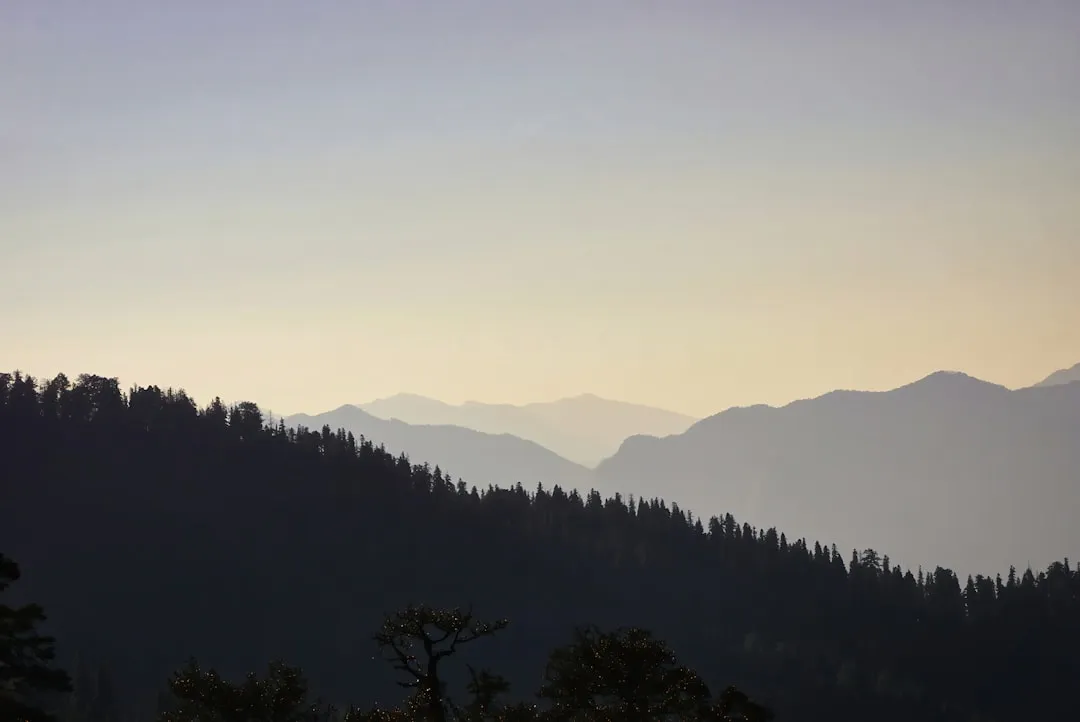
Brahmatal Trek - A Winter Wonderland in the Himalayas
The Brahmatal Trek is a captivating winter trek in the Indian Himalayas, renowned for its stunning panoramic views of snow-capped peaks, including the majestic Trishul and Nanda Ghunti. Located in the Chamoli district of Uttarakhand, this trek offers a relatively moderate challenge, making it accessible to trekkers with basic fitness levels. The trail winds through dense oak and rhododendron forests, opening up to vast meadows and glacial lakes, with Brahmatal Lake itself being the highlight – a serene, high-altitude lake that freezes over in winter, creating a surreal icy landscape.
- Distance: 24.0 km (approximate)
- Duration: 5-6 days (including travel to/from base camp)
- Difficulty: Moderate
- Best Time: Mid-December to February
- Highest Point: Brahmatal Lake (approx. 3,200 m)
- Base Camp: Lohajung
- Region: Uttarakhand, India
- Permits: Registration at Lohajung is mandatory; no specific trekking permits required for the trail itself.
Overview
The Brahmatal Trek is a journey into a winter paradise, offering a unique Himalayan experience that combines challenging ascents with breathtaking vistas. The trek typically begins from the village of Lohajung, a charming settlement that serves as the gateway to this alpine adventure. As you ascend, the landscape transforms from dense forests of oak and rhododendron into open meadows carpeted with snow. The air becomes crisp and clear, offering unobstructed views of the Garhwal Himalayas' most iconic peaks.
The trail is designed to gradually build altitude, allowing trekkers to acclimatise effectively. Day one often involves a trek to Bekaltal, a beautiful emerald lake, before continuing towards Brahmatal. The highlight of the trek is undoubtedly Brahmatal Lake itself. In winter, the lake's surface freezes, creating a mirror-like expanse of ice that reflects the surrounding snow-laden peaks. The panoramic views from the ridge above Brahmatal are simply spectacular, with the Trishul massif, Nanda Ghunti, and other prominent peaks forming an awe-inspiring backdrop.
The trek is considered moderate due to its altitude and the potential for snow. While not technically demanding, it requires good physical fitness and the ability to walk for several hours each day, often on snow-covered trails. The descent offers a different perspective, with the forests appearing even more vibrant against the white snow. The Brahmatal Trek is an ideal choice for those seeking a winter trek that offers a good balance of natural beauty, cultural immersion in local villages, and a rewarding sense of accomplishment.
History and Cultural Context
The region surrounding the Brahmatal Trek has a rich history intertwined with local folklore and ancient trade routes. The villages like Lohajung, which serve as the starting point, have been inhabited for centuries, with communities deeply connected to the land and its traditions. These villages often have small temples and community centres that reflect the spiritual and social fabric of the Himalayan people.
The name "Brahmatal" itself is believed to have mythological significance. Local legends suggest that Lord Brahma meditated by this lake, hence its name. This spiritual connection adds a layer of mystique to the trek, drawing not only adventure seekers but also those interested in the cultural and religious heritage of the Himalayas.
Historically, these mountain passes and valleys were used by local shepherds and traders to move livestock and goods between different regions. The trails, though now popular for trekking, are ancient pathways that have witnessed centuries of human passage. The cultural practices observed in the villages, such as traditional farming methods and local festivals, offer a glimpse into a way of life that has remained largely unchanged for generations. The trek provides an opportunity to interact with the local communities, understand their way of life, and appreciate their resilience in the face of challenging mountain conditions.
Seasonal Highlights and Weather Reality
The Brahmatal Trek is primarily a winter trek, with its peak season running from mid-December to February. During this period, the landscape is transformed into a winter wonderland, with snow-covered trails, frozen lakes, and clear, crisp skies offering spectacular mountain views.
Winter (Mid-December to February): This is the prime season for the Brahmatal Trek. Snowfall is common, creating a magical atmosphere. Temperatures can drop significantly, especially at higher altitudes, often ranging from -5°C to 10°C during the day and dropping below -10°C at night. The Brahmatal Lake is typically frozen, offering a unique visual spectacle. The skies are generally clear, providing excellent visibility of the surrounding peaks. However, heavy snowfall can sometimes lead to trail disruptions, and trekkers must be prepared for cold conditions and potential road closures to the base camp.
Post-Winter/Early Spring (March): While the snow starts to melt in March, it can still be present on higher reaches. The rhododendron flowers may begin to bloom towards the end of the month, adding splashes of colour to the landscape. The weather becomes milder, but occasional snow showers are still possible. This period can be a good alternative for those who prefer slightly warmer temperatures but still want to experience snow.
Monsoon (July to September): This season is generally not recommended for the Brahmatal Trek due to heavy rainfall, which can lead to landslides and obscure mountain views. The trails can become muddy and slippery, making trekking difficult and potentially dangerous.
Autumn (October to November): This is another pleasant season for trekking in the region, with clear skies and moderate temperatures. While snow might not be as prevalent as in mid-winter, the landscape is beautiful, and the views of the peaks are excellent. Temperatures are cooler than in spring but warmer than in deep winter.
Weather Considerations: Mountain weather is notoriously unpredictable. Even during the peak winter season, sudden changes can occur. Trekkers should always be prepared for extreme cold, wind, and snow, regardless of the forecast. Layering clothing is essential, and waterproof and windproof outer layers are a must.
Recommended Itinerary
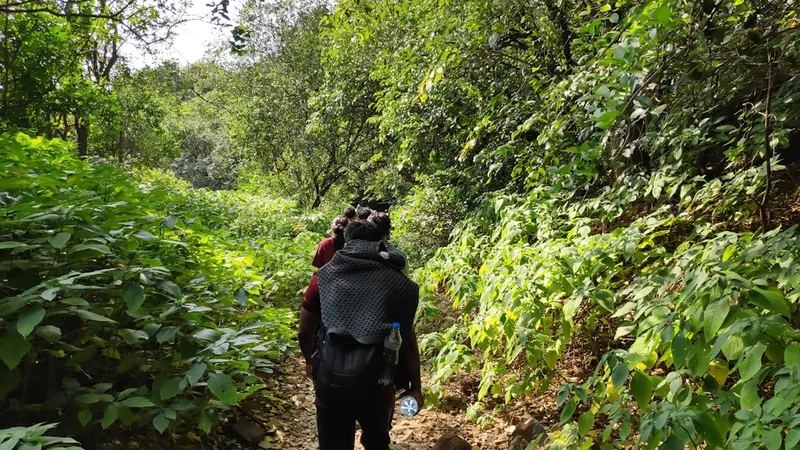
5-Day Brahmatal Trek Itinerary
Day 1: Arrival in Lohajung & Acclimatisation
- Reach Lohajung (approx. 2,300 m), the base camp for the trek.
- This day is crucial for acclimatisation and preparation.
- Explore the village, interact with locals, and complete necessary registrations.
- Briefing by the trek leader regarding the route, weather, and safety precautions.
- Overnight stay in a guesthouse or campsite at Lohajung.
Day 2: Lohajung to Bekaltal
- Distance: Approx. 8 km
- Time: 4-5 hours
- Elevation Gain: Approx. 600 m
- Begin the trek from Lohajung, passing through dense oak and rhododendron forests.
- The trail is well-defined but can be steep in sections.
- Reach Bekaltal (approx. 2,900 m), a beautiful lake with emerald-green waters.
- Set up camp near Bekaltal and enjoy the serene surroundings.
- The first day of trekking introduces you to the forest trails and the gradual ascent.
Day 3: Bekaltal to Brahmatal
- Distance: Approx. 6 km
- Time: 3-4 hours
- Elevation Gain: Approx. 300 m
- Continue the ascent from Bekaltal towards Brahmatal.
- The trail opens up to more meadows and offers glimpses of the higher peaks.
- Reach Brahmatal (approx. 3,200 m), the main attraction.
- Explore the frozen lake (if conditions permit) and the surrounding ridge.
- The views from the ridge above Brahmatal are spectacular, offering panoramic vistas of Trishul, Nanda Ghunti, and other Himalayan giants.
- Set up camp at Brahmatal.
Day 4: Brahmatal to Lohajung (Descent)
- Distance: Approx. 14 km
- Time: 6-7 hours
- Elevation Loss: Approx. 900 m
- Begin the descent from Brahmatal back towards Lohajung.
- The descent offers a different perspective of the landscape, with the forests appearing lush against the snow.
- Retrace your steps through the forests, enjoying the downhill trek.
- Reach Lohajung by late afternoon.
- Celebrate the successful completion of the trek.
- Overnight stay in Lohajung.
Day 5: Departure from Lohajung
- After breakfast, depart from Lohajung for your onward journey.
- Travel back to Kathgodam or your next destination.
Optional Day 6: Buffer Day / Extended Exploration
- An optional buffer day can be added to account for weather delays or to explore the surrounding areas further.
- This day can also be used for a more relaxed pace or to visit nearby villages.
Important Notes:
- This itinerary is a guideline and can be adjusted based on weather conditions, group fitness, and acclimatisation.
- The duration can be extended to 6 days to include a buffer day for unforeseen circumstances or for a more leisurely pace.
- Carry sufficient warm clothing and gear for sub-zero temperatures.
- Ensure you have adequate food and water supplies.
Planning and Bookings
Book Your Trip
Everything you need to plan your journey
Accommodation
Find places to stay near Kathgodam
Flights
Search flights to Kathgodam
Essential Preparation
The Brahmatal Trek requires careful planning, especially given its winter season. The closest major city with good connectivity is Kathgodam. From Kathgodam, you will need to arrange transportation to Lohajung, the base camp. This can be done via shared taxis, private cars, or local buses. The road conditions to Lohajung can be mixed, especially during winter, and can be affected by snowfall. It is advisable to book your transport in advance, particularly during peak season.
Lohajung itself is a small village with basic amenities. Accommodation options include guesthouses and homestays, which are often booked by trekking agencies. If you are arranging your trek independently, it's wise to book your stay in Lohajung beforehand. Ensure you have completed all necessary registrations at the local authorities in Lohajung, as this is often a mandatory requirement for trekking in the region.
Fitness is paramount for this trek. Given the altitude and the possibility of walking on snow, a good level of cardiovascular fitness is essential. Regular walking, jogging, and strength training exercises in the weeks leading up to the trek will significantly enhance your experience and safety. Familiarise yourself with the gear you will be using, especially your boots and layering system, to avoid discomfort or issues on the trail.
Trail Accommodation
The Brahmatal Trek involves a mix of accommodation types, primarily camping and basic guesthouses at the base camp.
- Base Camp (Lohajung): Accommodation in Lohajung is typically in basic guesthouses or homestays. These offer simple rooms with beds and blankets. Facilities are usually shared, and hot water might be limited. Booking in advance is highly recommended, especially during the trekking season.
- On the Trail (Bekaltal & Brahmatal): The trek involves camping at designated or suitable spots near Bekaltal and Brahmatal. Tents are usually provided by trekking agencies. These are typically 2-3 person dome tents, suitable for the conditions. Sleeping bags are essential and should be rated for sub-zero temperatures.
Facilities Provided:
- Tents for camping.
- Sleeping bags and sleeping mats (usually provided by agencies).
- Basic meals (breakfast, lunch, dinner) prepared by a cook during the camping days.
- Guesthouse accommodation at the base camp.
What's NOT Provided:
- Personal toiletries.
- Personal medications.
- High-altitude sleeping bags (if you have specific requirements).
- Cooking equipment for personal use.
- Hot water showers on the trail (available only at some guesthouses in Lohajung).
Seasonal Availability: Camping is available throughout the trekking season (mid-December to February). Guesthouses in Lohajung operate year-round but are busiest during the trekking season.
Costs: Costs vary significantly depending on whether you book through an agency or arrange independently. Agency packages typically include accommodation, meals, guide, porters, and camping equipment, ranging from ₹8,000 to ₹15,000 per person for a 5-6 day trek. Independent trekkers will incur costs for transport, accommodation in Lohajung, food, and potentially camping gear rental.
Required Gear
- Trekking Boots: Waterproof, insulated, and sturdy trekking boots with good ankle support are essential. Ensure they are well broken-in to prevent blisters.
- Socks: Several pairs of woollen or synthetic trekking socks. Avoid cotton.
- Clothing Layers:
- Base Layer: Thermal innerwear (top and bottom) made of merino wool or synthetic material.
- Mid Layer: Fleece jacket or down vest for insulation.
- Outer Layer: Waterproof and windproof jacket (e.g., Gore-Tex) with a hood.
- Trousers: Insulated, waterproof trekking trousers.
- Headwear: Warm beanie or woollen hat that covers the ears.
- Gloves: Warm, waterproof, and insulated gloves or mittens. Consider carrying a spare pair.
- Backpack: A 45-60 litre trekking backpack with a rain cover.
- Headlamp/Torch: With extra batteries. Essential for navigating in the dark and for use inside tents.
- Sunglasses: High-quality sunglasses to protect your eyes from snow glare.
- Sunscreen: High SPF (30-50+) sunscreen to protect against strong UV rays, even in winter.
- Lip Balm: With SPF protection.
- First-Aid Kit: Comprehensive kit including personal medications, blister treatment, pain relievers, antiseptic wipes, bandages, and any specific items recommended by your doctor.
- Water Bottles/Hydration Pack: At least 1-2 litres capacity. Ensure water bottles are insulated or can be kept inside your jacket to prevent freezing.
- Trekking Poles: Highly recommended for stability on snow and descents.
What to Bring
- Food: High-energy snacks such as nuts, dried fruits, energy bars, and chocolates. While meals are provided on camping days, personal snacks are crucial for energy boosts during the trek.
- Water Treatment: Water purification tablets or a filter. While streams are usually available, treating water is always recommended. Be aware that water filters can freeze.
- Toiletries: Biodegradable soap, toothbrush, toothpaste, hand sanitiser, and wet wipes.
- Personal Items: Camera, power bank for charging devices, a good book for downtime.
- Documents: Identification (ID card/passport), permits (if any), and emergency contact details.
- Cash: Sufficient Indian Rupees for personal expenses, tips, and any unforeseen costs. ATMs are not available on the trail.
- Small Towel: Quick-drying travel towel.
- Duffel Bag: If using porters, a sturdy duffel bag for your main luggage.
- Plastic Bags/Dry Bags: To keep clothes and gear dry inside your backpack.
Permits
For the Brahmatal Trek, specific trekking permits are generally not required for foreign nationals or Indian nationals to walk the trail itself. However, registration at the base camp, Lohajung, is mandatory. This registration process helps local authorities keep track of trekkers for safety and administrative purposes.
Registration Process:
- Upon arrival at Lohajung, you will need to visit the local forest office or the designated registration point.
- You will be required to fill out a registration form, providing details such as your name, contact information, itinerary, and emergency contacts.
- Carry a valid photo identification document (e.g., Aadhaar Card for Indian nationals, Passport for foreign nationals).
- There might be a nominal registration fee.
Trekking Agencies: If you are trekking with a registered agency, they will typically handle the registration process on your behalf as part of their package. Ensure you provide them with all the necessary documents and information well in advance.
Permits for National Parks/Sanctuaries: While Brahmatal itself does not fall within a strictly regulated national park requiring entry permits for the trail, it is always advisable to check with local authorities or your trekking operator for any recent changes in regulations or specific area access rules. The region is part of the larger Himalayan ecosystem, and conservation efforts are in place.
Importance of Registration: Registering is crucial for your safety. In case of any emergency, rescue teams can be dispatched more effectively if they have information about trekkers in the area. It also contributes to the sustainable management of trekking routes.
Other Activities in the Area
While the Brahmatal Trek is the primary attraction, the region around Lohajung offers several other activities and points of interest for trekkers looking to extend their stay or explore more:
- Exploring Lohajung Village: Spend time in Lohajung itself. The village offers a glimpse into the local Kumaoni culture. You can interact with the friendly locals, observe their daily life, and visit the local temples.
- Visit to nearby villages: Explore other small hamlets in the vicinity of Lohajung, such as Wan village, which is another starting point for some treks. These villages offer a more authentic rural Himalayan experience.
- Short Hikes: Several short, less strenuous hikes can be undertaken from Lohajung, offering beautiful views of the surrounding valleys and peaks without the commitment of a multi-day trek.
- Bird Watching: The forests around Lohajung are rich in avian biodiversity. Birdwatchers can find a variety of Himalayan species, especially during the spring and autumn months.
- Photography: The landscapes, from the dense forests to the snow-capped peaks and the frozen Brahmatal Lake, offer incredible opportunities for photography. The cultural aspects of the villages also provide compelling subjects.
- Stargazing: Away from city lights, the night skies in the Himalayas are exceptionally clear. On cloudless nights, stargazing can be a magical experience, with the Milky Way often visible.
- Cultural Immersion: If your trek coincides with local festivals or events, participating or observing them can be a deeply enriching experience.
Safety and Conditions
Altitude Sickness (AMS): Brahmatal reaches an altitude of approximately 3,200 metres. While not extremely high, altitude sickness can still affect trekkers. Symptoms include headache, nausea, dizziness, and fatigue. Acclimatisation is key. Ascend gradually, stay hydrated, avoid alcohol and smoking, and listen to your body. If symptoms worsen, descend immediately.
Weather: Winter in the Himalayas is harsh. Be prepared for sub-zero temperatures, strong winds, and heavy snowfall. Weather can change rapidly. Always check the forecast before you start and be ready for unexpected conditions. Hypothermia is a serious risk; ensure you have adequate warm and waterproof clothing.
Trail Conditions: Trails can be covered in snow and ice, making them slippery. Trekking poles are highly recommended for stability. In case of heavy snowfall, trails might become difficult to navigate or even impassable. Always follow the guidance of your trek leader or local guides.
Navigation: While the main trails are generally well-marked, especially when accompanied by a guide, it's essential to have basic navigation skills or rely on experienced guides. Carry a map and compass or a GPS device, and ensure your phone has offline maps downloaded.
Communication: Mobile network coverage is limited to non-existent on most parts of the trek, especially at higher altitudes. Inform your family and friends about your itinerary and expected return time. Consider carrying a satellite phone or a Personal Locator Beacon (PLB) for emergencies, especially if trekking independently.
Water: Ensure you drink plenty of water to stay hydrated and prevent altitude sickness. Treat all water sources before consumption. Be cautious of water sources freezing over.
Emergency Services: Rescue services in remote Himalayan regions can be slow and challenging. Trekking with a reputable agency that has established emergency protocols and communication systems is advisable. Ensure you have adequate travel insurance that covers high-altitude trekking and emergency evacuation.
Wildlife: While major wildlife encounters are rare on this trail, be aware of your surroundings. Respect the local flora and fauna.
Side Trips and Points of Interest
Brahmatal Ridge Views: The ridge above Brahmatal Lake offers arguably the most spectacular panoramic views on the trek. From here, on a clear day, you can witness a breathtaking 360-degree vista of the Garhwal Himalayas. Prominent peaks visible include the majestic Trishul massif (Trishul I, II, and III), Nanda Ghunti, and Chaukhamba. This is an ideal spot for photography and soaking in the grandeur of the Himalayas.
Bekaltal Lake: This beautiful, serene lake is a significant stop on the trek. Its emerald-green waters, surrounded by dense forests, offer a tranquil setting. In winter, parts of the lake might freeze, adding to its charm. It serves as a perfect campsite and a place to rest and acclimatise.
Oak and Rhododendron Forests: The trek passes through enchanting forests of oak and rhododendron. While the rhododendrons are most vibrant in spring when they bloom, the forests themselves are beautiful year-round, especially when dusted with snow in winter. These forests provide shelter and a sense of immersion in nature.
Lohajung Village: The base camp itself is a point of interest. Lohajung is a traditional mountain village with a unique culture and architecture. Exploring the village, interacting with the locals, and observing their way of life provides valuable cultural insights and a contrast to the wilderness of the trek.
Views of the Trishul Massif: The sight of the Trishul peaks, with their distinctive trident-like summits, is a major highlight. These iconic mountains dominate the skyline and are a constant source of awe for trekkers. The views are particularly striking when bathed in the golden light of sunrise or sunset.
Leave No Trace
The Brahmatal Trek traverses pristine natural landscapes, and it is crucial for every trekker to adhere to Leave No Trace principles to preserve its beauty and ecological integrity for future generations. The Himalayas are a fragile environment, and our actions can have a significant impact.
Plan Ahead and Prepare: Understand the conditions, pack appropriately, and be prepared for the challenges of a winter trek. This includes carrying sufficient food, water, and warm clothing.
Travel and Camp on Durable Surfaces: Stick to the established trails to avoid damaging vegetation. When camping, choose established campsites or durable surfaces like rock or dry grass, away from water sources.
Dispose of Waste Properly: Pack out everything you pack in, including all food scraps, wrappers, and any other litter. Use designated toilet facilities where available. If not, dig a cathole at least 60 metres (60 m) away from water, trails, and campsites. Pack out used toilet paper.
Leave What You Find: Do not disturb or remove any natural objects, such as rocks, plants, or flowers. Take only photographs and memories.
Minimise Campfire Impacts: Campfires are generally discouraged in high-altitude trekking areas due to the risk of environmental damage and the scarcity of firewood. Use portable stoves for cooking.
Respect Wildlife: Observe wildlife from a distance. Never feed animals, as it can disrupt their natural behaviours and diets. Store your food securely to prevent attracting animals.
Be Considerate of Other Visitors: Keep noise levels down, especially in campsites and on trails. Respect the peace and tranquility of the natural environment. Yield to ascending trekkers when possible.
By following these principles, we can ensure that the Brahmatal Trek remains a breathtaking and ecologically sound experience for everyone.